OEM/ODM Low Voltage Transformer Exporters & Wholesalers
Engineering-led OEM/ODM manufacturing, wholesale supply and export documentation for low-voltage distribution transformers and medium-voltage platforms, serving utilities, EPC contractors, distributors and private-label energy brands.
Contact Us8 Transformer Platforms for Low-Voltage Distribution and Export Programs
The eight product platforms below are the practical starting point for a wholesale or private-label transformer program. Every image is displayed completely, every product URL is preserved exactly as published, and each card gives the technical framing a procurement team needs to shortlist a design before engineering review.
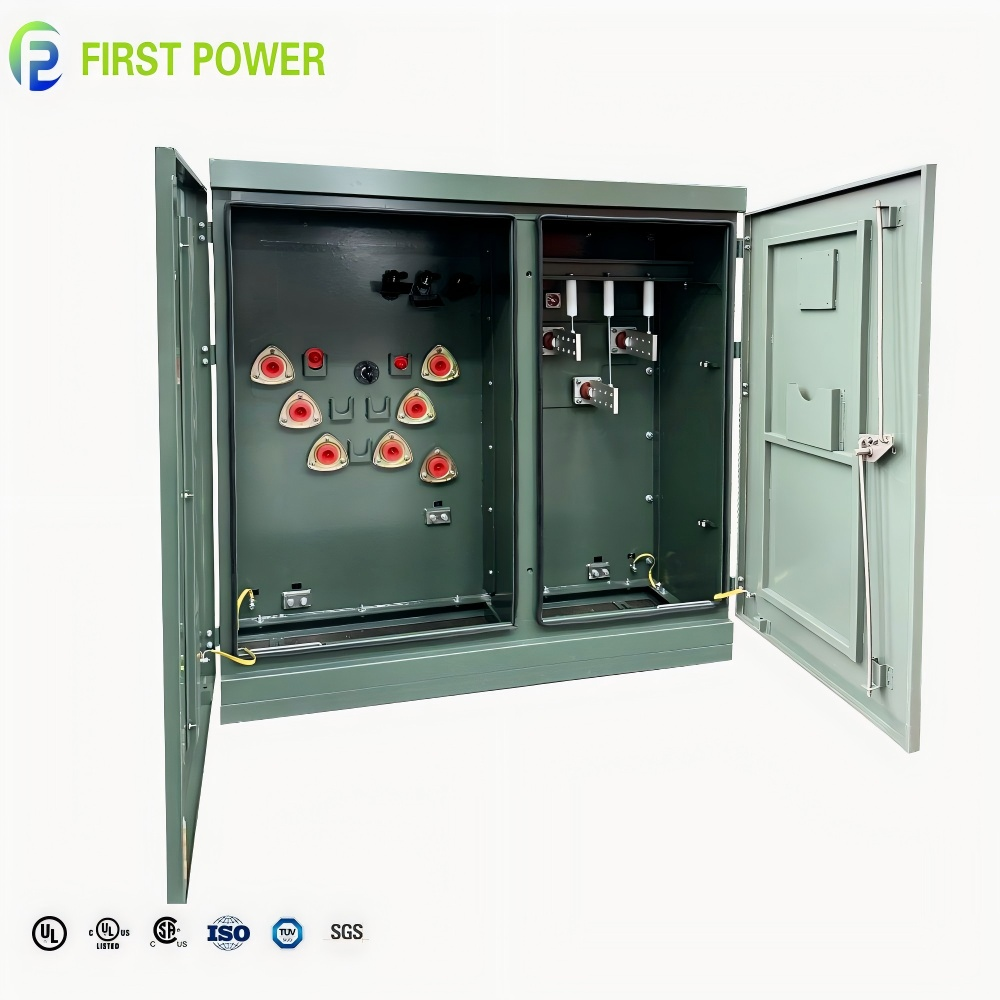
C CE Certification 50/60HZ 10KV 20KV 35KV 3 Phase Loop Feed Pad Mounted 750KVA Transformer for Electric Power Distribution
A commercial and utility pad-mounted platform for underground distribution where the medium-voltage primary is stepped down to low-voltage service. Suitable for campuses, data centers, renewable interconnections and public-facing sites.
- Rating 750 kVA class
- Voltage 10–35 kV primary
- Feature Loop feed pad mounted
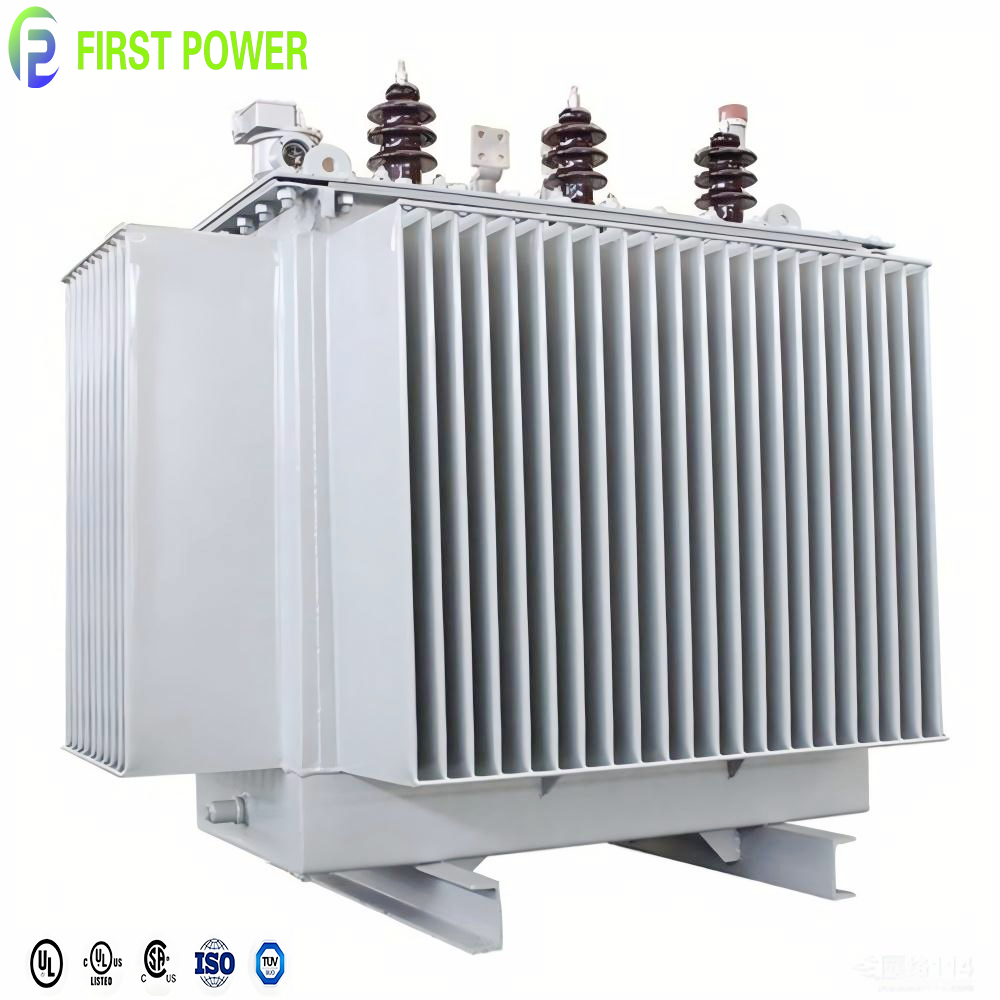
C CE MH&HV 50/60HZ 10KVA-50000KVA 10KV 15KV 20KV 35KV Three Phase S11 Oil Transformer for Electric Power Distribution
A broad-range S11 oil transformer for distribution networks. The catalog covers 10 kVA to 50,000 kVA, making it relevant for utilities, industrial plants and wholesale supply programs with repeatable specifications.
- Range 10–50,000 kVA
- Voltage 10–35 kV class
- Duty Distribution and power
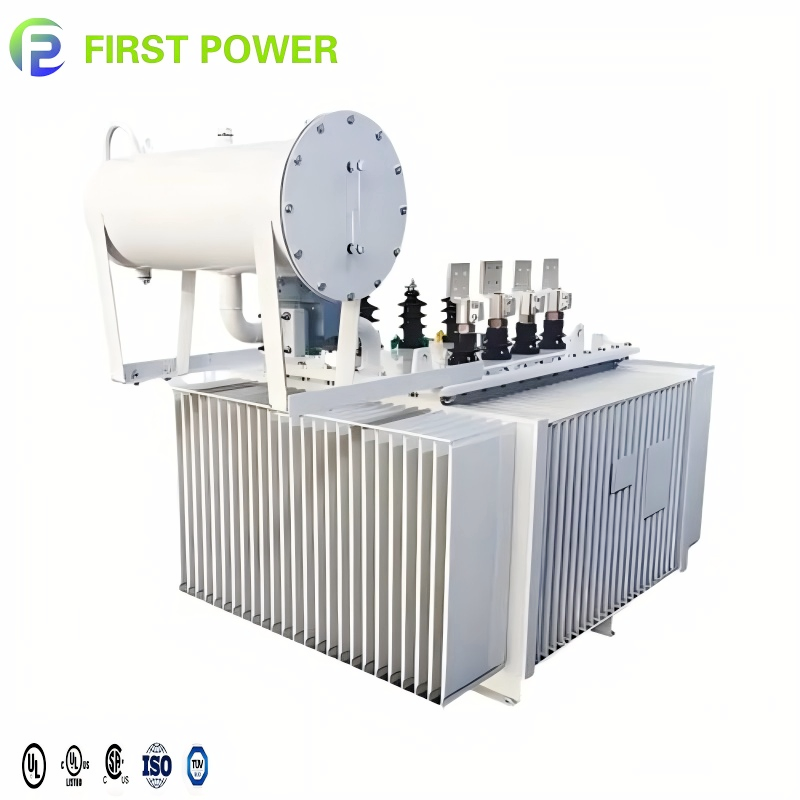
C CE 10KV 20KV 35KV 1000KVA 2000KVA 2500KVA 3 Phase Oil Type on Load Tap Changer Transformer for Industrial Power Supply
An oil-type on-load tap changer transformer for industrial power supply where voltage regulation under changing load is important. The design is suited to plants, process lines and projects with long feeders or fluctuating demand.
- Rating 1000–2500 kVA
- Voltage 10–35 kV
- Feature On-load tap changer
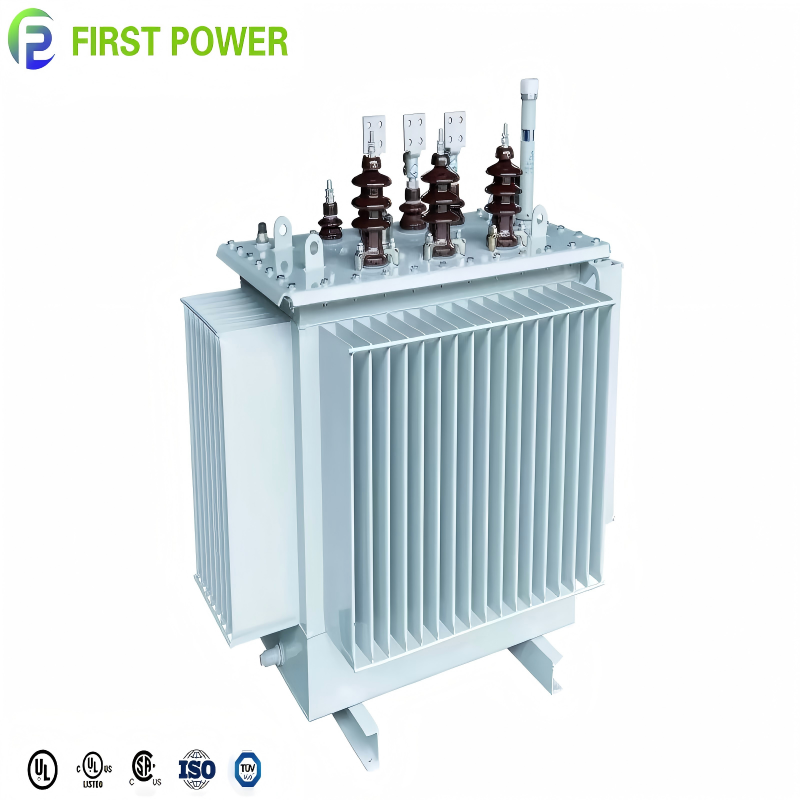
C CE S11 50/60HZ 6KV 10KV 15KV 20KV 35KV 100KVA 300KVA 3 Phase Oil Immersed Transformer 50KVA 33KV for Distribution System
A compact oil-immersed distribution transformer family for 6–35 kV systems. It fits utility distribution, industrial facilities and wholesale programs that need a repeatable low-loss platform with documented routine testing.
- Range 50–300 kVA
- Voltage 6–35 kV
- Use Distribution systems
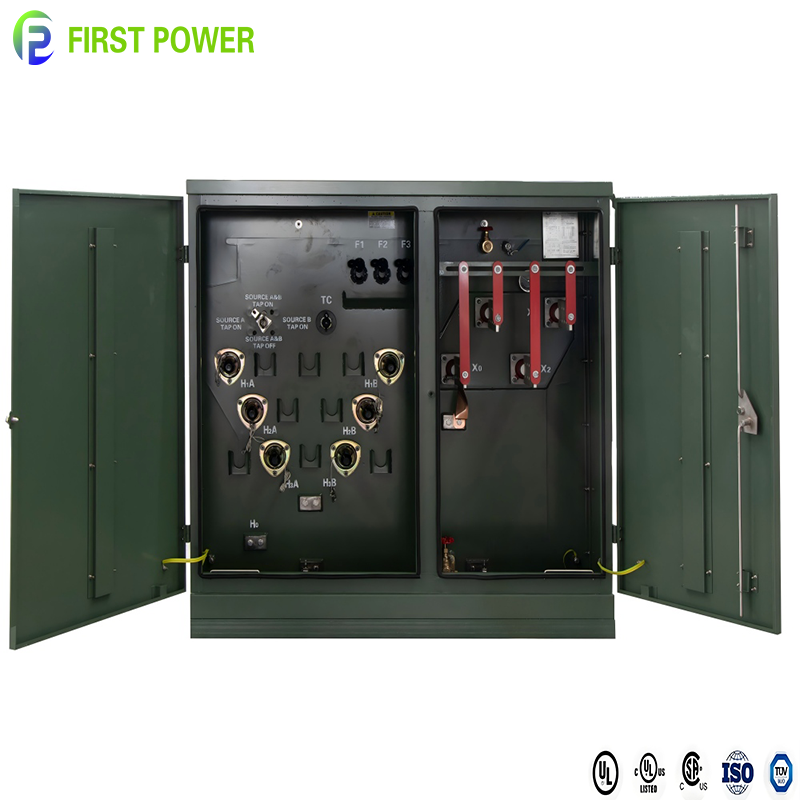
Listed C CE MV&HV 50/60HZ 6KV 10KV 15KV 20KV 35KV 3 Phase Pad Mounted Transformer Electrical for Industrial Power Supply
A three-phase pad-mounted transformer for industrial power supply and distribution points where cable access, tamper resistance and a clean outdoor footprint matter. Enclosure and compartment details should be confirmed during drawing review.
- Type Three-phase pad mounted
- Voltage 6–35 kV class
- Use Industrial power supply
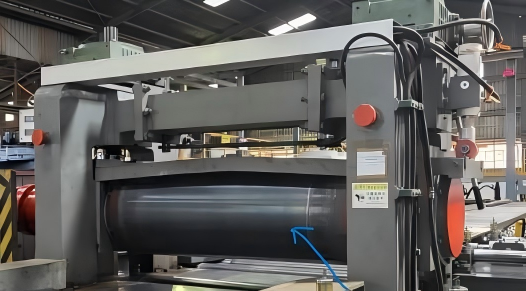
MAIN ROLLER D
A catalog-listed OEM mechanical item supplied through the same export documentation and inspection workflow as transformer projects. Confirm drawing, material, dimensional tolerance and interoperability with your assembly before quotation.
- Item Main roller D
- Supply OEM part program
- Action Confirm drawing
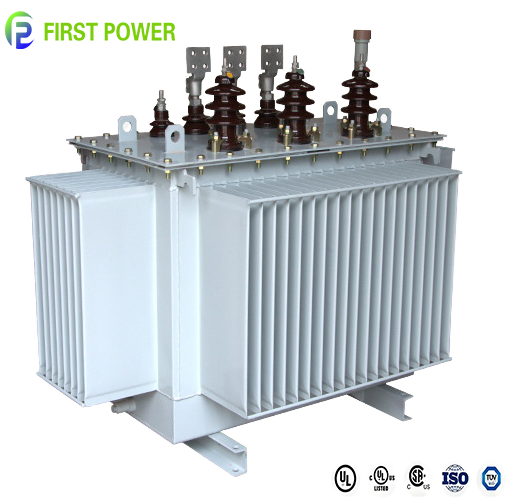
C CE 50/60HZ S11 10KV 15KV 20KV 35KV 100KVA 300KVA 500KVA 630KVA Three Phase Oil Transformer Price for Distribution System
A cost-controlled S11 transformer platform for distributors and wholesalers building repeatable catalog SKUs. Stable nameplate data, loss guarantees and local-language documentation can be defined before production.
- Range 100–630 kVA
- Voltage 10–35 kV
- Use Distribution systems
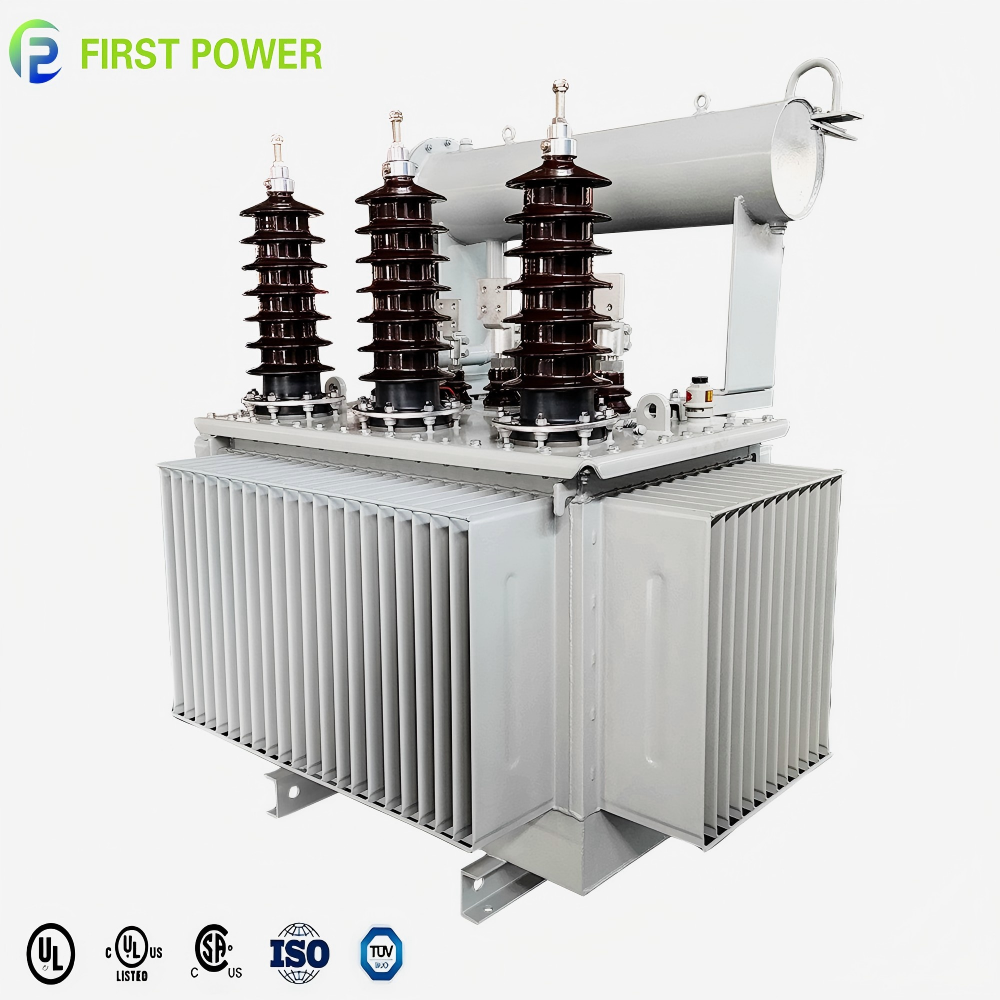
C CE Certification IEEE Standard 50/60HZ S11 Three Phase 33KV Oil Immersed Power High Voltage Transformer for Industrial
An IEEE-oriented 33 kV oil-immersed power transformer for industrial and utility projects requiring documented impedance, loss and routine test data. Request the tender test plan and nameplate draft before order placement.
- Voltage 33 kV class
- Type Oil immersed power transformer
- Reference IEEE / CE documentation
Why OEM/ODM Low Voltage Transformer Buyers Are Re-Specifying Supply
Low-voltage transformer sourcing has moved beyond price-only catalogue purchasing. For utilities, EPC contractors, distributors and private-label energy brands, the transformer is now a documented asset with loss guarantees, thermal performance, protection coordination, enclosure requirements, transport constraints and a lifecycle cost model attached to it. The exporter that wins repeat business is not simply the one with the lowest first quote; it is the one that can reproduce the same design, test it, label it, pack it and document it across multiple purchase orders.
An OEM/ODM program should reduce engineering risk rather than transfer it. That means confirming primary and secondary voltage, frequency, phase, vector group, impedance, tapping range, cooling method, insulating fluid, enclosure style, bushing arrangement, nameplate language, destination standard and testing scope before production begins. For wholesale buyers, it also means converting a project-specific transformer into a controlled, repeatable SKU family that sales teams can quote without re-engineering each order.
The lowest purchase price is rarely the lowest total cost of ownership. A transformer that arrives with incomplete test reports, inconsistent nameplates or an unverified loss guarantee can create more project risk than the initial price difference suggests. Information gain in this category comes from traceability: certificate numbers, factory inspection scope, routine test scope, export terms and a clear escalation path for engineering questions.
A practical total-cost model should include purchase price, capitalized no-load loss, capitalized load loss, installation cost, maintenance and inspection cost, outage risk, documentation cost and compliance cost. When those variables are visible, the buyer compares transformer platforms on the same basis and can decide whether a lower-loss S11 design, an IEEE-specific configuration or a pad-mounted enclosure package is the better commercial choice.

Product Recommendations by Application
Use the application fit below to narrow the shortlist. The final selection should still be confirmed against a technical data sheet, single-line diagram, site conditions and the applicable standards.
Underground Commercial and Campus Distribution
Choose a three-phase loop-feed pad-mounted transformer when cables are underground, space is tight and loop-feed redundancy matters. Confirm compartment access, dead-front configuration, fusing and the low-voltage secondary arrangement.
Wholesale S11 Distribution SKUs
For distributors, repeatability matters more than a one-off design. Standardize vector group, impedance, losses, nameplate language and packaging for S11 oil-immersed transformers in the 50–630 kVA range.
Industrial Voltage Regulation
Select an on-load tap changer transformer for plants with fluctuating load, long feeders or sensitive process equipment. Request the tap schedule, control interface and voltage-regulation logic with the quotation.
Public-Facing Industrial Pads
Use MV/HV pad-mounted units where tamper resistance, cable compartment security and a clean outdoor footprint are project requirements. Validate enclosure finish, locking, labeling and site clearance.
Utility and Transmission Interconnection
For IEEE-specified projects, shortlist the 33 kV oil-immersed power transformer and confirm losses, impedance, test plan, bushings and protection coordination before approving the drawing.
OEM Auxiliary and Repeat Components
For catalog items such as MAIN ROLLER D, provide the drawing, material specification and annual volume. Lock inspection points, packaging and documentation so repeat shipments remain interchangeable.
Future Procurement Trends for Transformer Wholesalers and Exporters
The next buying cycle will reward suppliers who can prove conformity, compress lead time and support repeat SKU families, not just quote a kVA rating.
Efficiency and Loss Capitalization
Procurement models increasingly evaluate guaranteed no-load and load losses, not only first cost. Buyers want measured values, test reports and a clear statement of the loss basis in the technical data sheet.
Documentation as a Bidding Gate
Certificate numbers, drawings, routine test reports, nameplate drafts, O&M manuals and serial traceability are becoming pass-or-fail requirements in utility and EPC tenders.
Supply-Chain Resilience
Buyers are reducing single-order risk through framework agreements, repeat SKU families and early drawing approval. Qualified suppliers with stable component sourcing and export experience are favored.
Modular and Faster Commissioning
Prefabricated substations, compact pad-mounted designs and factory-assembled packages reduce site labor, commissioning time and interface risk for renewable, urban and temporary projects.
Indicative Buyer Weighting in 2025 Transformer Export Inquiries
Procurement attention is shifting toward verifiable conformity and lifecycle cost. The chart below is an indicative model based on export inquiry review patterns, not a statistically representative survey.
A competitive OEM/ODM transformer proposal should address the first four bars before discussing price.
Product Development Trends That Affect Your Next Tender
Transformer development is moving toward lower losses, safer installation, faster commissioning and better digital documentation. These trends influence the specification you write today and the supplier you qualify for the next order.
Low-Loss Cores and Efficiency-First Designs
CRGO and amorphous-core options, optimized winding geometry and controlled loss guarantees are becoming central to tender evaluation. Buyers should request the loss basis, tolerance and test method.
Dry-Type and Fire-Sensitive Solutions
Cast-resin dry-type transformers remain important for indoor, hospital, high-rise, tunnel and fire-sensitive sites. The buying decision should compare insulation class, enclosure, cooling and acoustic requirements.
Compact Substations and Plug-and-Play Packaging
Factory-assembled MV switchgear, transformer and LV distribution reduce site interfaces. This trend favors suppliers who can coordinate drawings, protection, testing and shipping as one package.
OLTC and Industrial Voltage Quality
Industrial buyers increasingly ask for on-load tap changing, documented tap schedules and control interfaces that support voltage-sensitive processes and long distribution feeders.
Ester Fluids and Fire-Safety Engineering
Natural ester and other fire-point fluids are considered when site protection, environmental sensitivity or indoor proximity matters. The final choice must match the transformer design and local code.
Sensor-Ready and Digital Documentation
Temperature monitoring, digital nameplates, QR-linked test records and sensor-ready designs help buyers maintain traceability after commissioning. These features should be specified deliberately, not assumed.
Jiangsu Wisegj Power: An Auditable OEM/ODM Transformer Supplier
Jiangsu Wisegj Power Co., Ltd. is based in Suzhou, Jiangsu, China, and supplies transformers and substations from 220 V to 500 kV. The company profile combines an audited production base, export experience, engineering support and documentation that procurement teams can review before award.
Suzhou-Based Export Team
A defined company address, English-speaking export support and a factory audit trail help overseas buyers verify the supplier before placing an order.
20+ Years of Team Experience
Hands-on experience across oil-immersed, pad-mounted, dry-type, power transformers and compact substations supports practical specification review.
6,847 m² Verified Floorspace
Production capability and floorspace have been verified onsite by TÜV Rheinland, an independent third-party inspection body, giving buyers an external reference point.
50+ Engineers and 211 Partners
R&D and technical engineers work with a qualified supply chain for silicon steel, copper, bushings and accessories, supporting stable lead times and design consistency.
ISO and CE Documentation
ISO 9001, ISO 14001 and ISO 45001 management systems are supported by CE certificates for oil-immersed power transformers, dry-type transformers and compact substations.
Global Export Coverage
Experience serving buyers in the Americas, Europe, the Middle East, Africa, Southeast Asia and Central Asia, with configuration adapted to local frequency and installation practice.
Fortune 500 Supply Experience
Project-based supply to large corporate buyers requires disciplined documentation, packaging and communication—qualities that also benefit smaller wholesalers and EPC clients.
24-Hour Response Discipline
Pre-sale and after-sale questions are routed to technical support so that procurement teams receive a qualified response instead of a generic sales reply.
Production facility overview
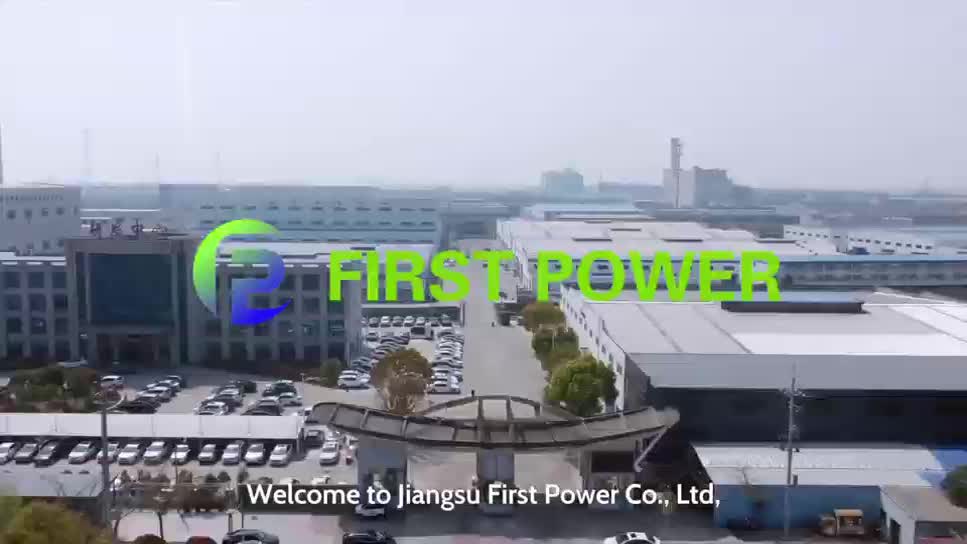
Factory and engineering team

Engineering and project support

Third-party verification reference
Quality, Certifications and Export Documentation
Transformer procurement is a documentation exercise as much as a manufacturing exercise. The table below summarizes certificate references that a buyer can use during supplier prequalification.
| Certification or System | Scope | Reference | Procurement Use |
|---|---|---|---|
| ISO 9001 | Quality management system | 62824Q6052R0S | Supplier prequalification and order control |
| ISO 14001 | Environmental management system | 62824E6053R0S | Environmental and sustainability review |
| ISO 45001 | Occupational health and safety system | 62824S6054R0S | Factory audit and safety compliance |
| CE — Oil-Immersed Power Transformer | Oil-immersed power transformer | 3N230310.JYTU038 | European market documentation review |
| CE — Dry-Type Transformer | Dry-type transformer | FQC2530404 | Indoor and fire-sensitive project review |
| CE — Compact Substation | Compact substation | M.2025.206.C121884 | Prefabricated substation and renewable projects |
Every transformer unit receives routine factory testing before shipment. The test record normally includes winding resistance, voltage ratio and vector group, impedance and load loss, no-load loss and current, applied voltage and induced voltage withstand, plus oil dielectric strength testing for liquid-filled units. Type test reports can be provided where available, and third-party witness inspection is welcome for utility and EPC orders.
Specification Review
Engineers check ratings, standards, site altitude, ambient conditions and the intended low-voltage distribution duty.
Drawing Approval
GA drawing, nameplate, guaranteed losses, vector group and tap data are confirmed before production is released.
Controlled Production
Core stacking, winding, drying and tanking follow documented work instructions and in-process inspection checkpoints.
Routine Testing
Each serial number receives routine tests, with a report suitable for project QA and third-party witness review.
Export Packing
Seaworthy packing, shock indicators and shipping documents are aligned with the agreed Incoterms and destination requirements.
After-Sales Support
O&M manuals, nameplate data and technical escalation paths help the buyer support the asset after commissioning.
Procurement FAQ: OEM/ODM Low Voltage Transformer Wholesale
These are the questions asked most often by distributors, EPCs and private-label buyers during supplier qualification.
Are you an OEM/ODM low voltage transformer exporter or a trading company?
What transformer ratings and voltage classes can be supplied?
Which standards can the transformer be designed and tested to?
Can you support private label, OEM nameplates and local-language documentation?
Which factory tests are performed before shipment?
How are loss guarantees and efficiency targets handled?
What trade terms, payment methods and currencies are accepted?
How can a buyer verify the factory before payment or production?
Have a Low Voltage Transformer Specification Ready for Review?
Send your datasheet, tender drawing or utility specification. Our engineering and export team will review the rating, loss target, standard, nameplate, test plan and shipping requirements, then respond with a technical and commercial proposal within one working day.
- Rated power in kVA or MVA
- Primary and secondary voltage
- Frequency: 50 Hz or 60 Hz
- Single-phase or three-phase
- Vector group and impedance
- Tap changer type and range
- Cooling method and insulating fluid
- Indoor or outdoor installation
- Applicable IEC or IEEE standard
- Nameplate language and branding
- Loss target and efficiency requirement
- Destination port and required documents