Three Phase Oil Immersed Transformer: A 2025–2030 Procurement Guide for Global Buyers
Ratings, loss evaluation, IEC 60076 and ANSI/IEEE options, factory tests, supplier due diligence and the buying trends shaping utility, EPC and renewable projects.
What Is a Three Phase Oil Immersed Transformer, and Why Does Specification Matter?
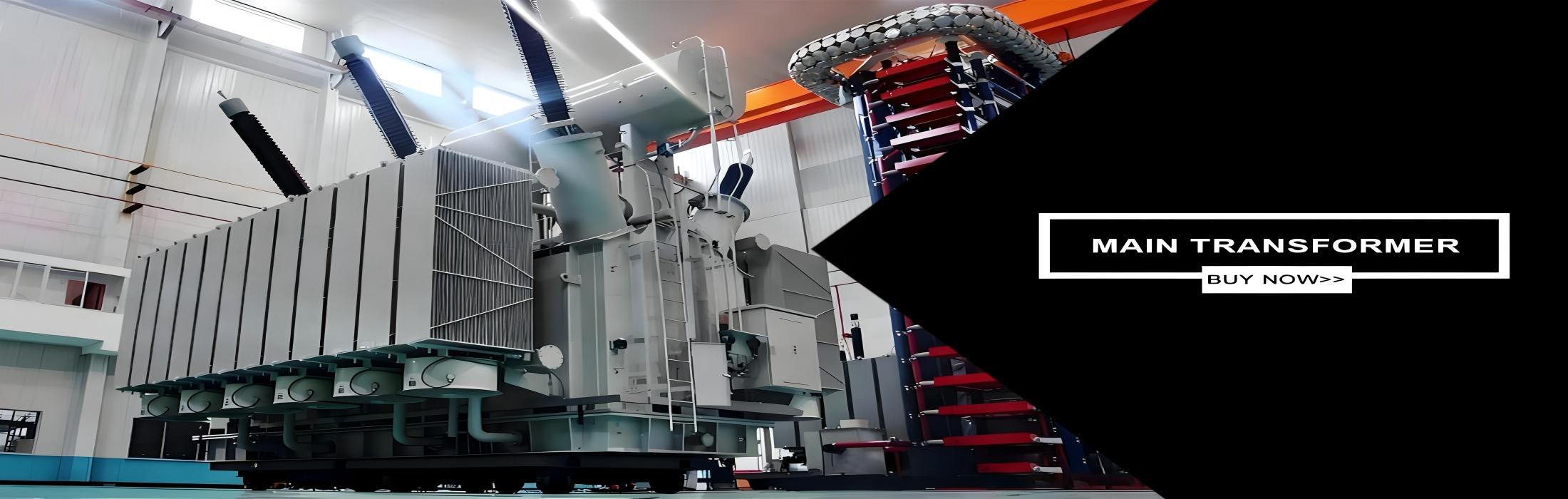
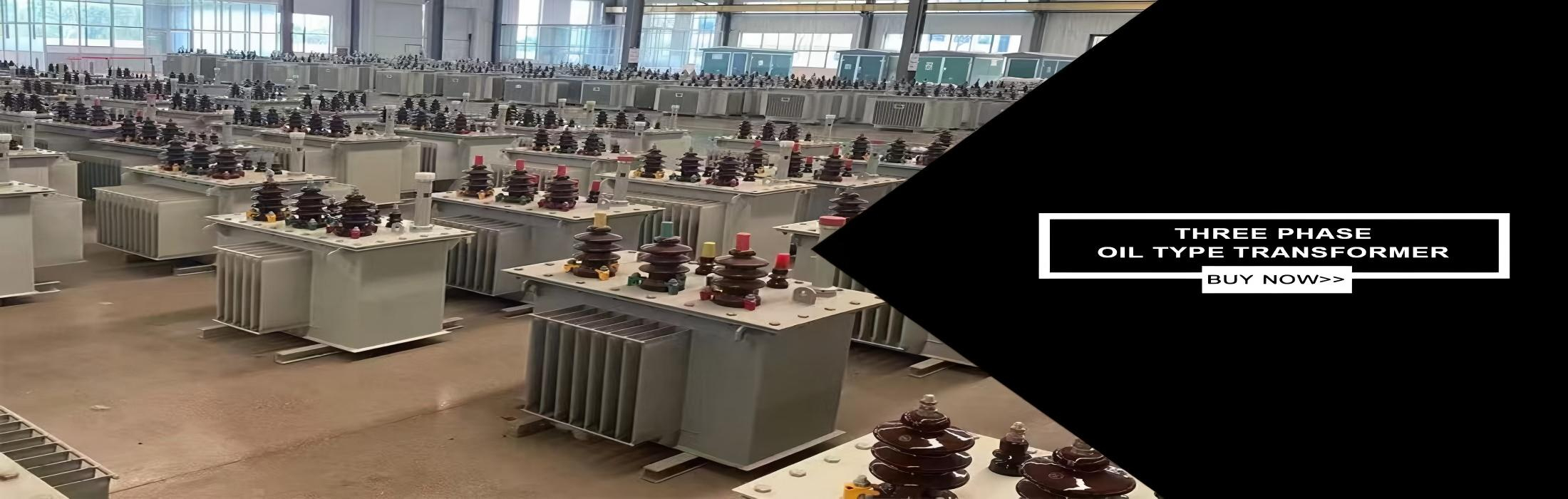
A three phase oil immersed transformer is a three-phase power transformer in which the magnetic core and windings are immersed in insulating oil inside a sealed or conservator-type tank. The oil performs two critical jobs: it provides dielectric insulation and transfers heat to the tank, radiators or cooling fans. Global buyers specify this design when they need proven short-circuit strength, high efficiency, robust thermal performance and a lower cost per kVA than dry-type equipment at medium and high voltage.
Quick answer: For distribution networks, industrial plants and renewable collector systems in the 30–2,500 kVA range, start with a hermetically sealed three phase oil immersed distribution transformer designed to IEC 60076 or ANSI/IEEE C57.12 as applicable. For transmission or large interconnection duty, evaluate an oil immersed power transformer with ONAN/ONAF cooling, on-load tap changing and full type-test documentation.
The most important procurement decision is not only the kVA rating. Evaluate voltage ratio, vector group, impedance, no-load loss, load loss, tap range, cooling class, altitude, ambient temperature, seismic requirement, enclosure and local grid code. A transformer that is compliant in one market may be rejected in another if the standard, frequency, loss limits or test certificates do not match.
Typical applications
Utility distribution, industrial plants, commercial buildings, mines, data centers, solar and wind collector systems, transmission substations.
Common ratings
30–2,500 kVA distribution transformers; larger MVA ratings for oil immersed power transformers.
Primary voltage
6–35 kV for distribution; 35–500 kV class for power transformers.
Vector group
Dyn11, Yyn0, YNd11 and project-specific configurations.
Cooling methods
ONAN, ONAF and forced or combined cooling for higher capacity units.
Reference standards
IEC 60076, ANSI/IEEE C57.12 series, local utility specifications and grid codes.
Insulating fluid
Mineral oil, natural ester or synthetic ester depending on fire safety, environmental and lifecycle requirements.
Factory verification
Routine tests on every unit, type and special tests as specified, with third-party witness inspection welcome.
Many international buyers begin with a simple search for a three phase oil immersed transformer and then discover that two quotations with the same kVA can differ substantially in losses, impedance, tap range, test scope and documentation. That is why a technical evaluation matrix should be prepared before comparing price. The matrix should confirm guaranteed losses, short-circuit capability, temperature rise, insulation level and the exact standard edition that will govern design and testing.
Jiangsu Wisegj Power Co., Ltd. engineers review each specification before quotation. The review covers the destination market, utility practice, installation environment and future expansion plan so that the proposed three phase oil immersed transformer matches the project rather than only the nameplate request.
Product Recommendations
Recommended Three Phase Oil Immersed Transformer Options
The right recommendation depends on duty, site and standard. The three families below cover the majority of buyer queries our engineers receive from utilities, EPC contractors, data centers, mines and renewable developers.
Need a dual-standard design, high-ambient package, natural ester fluid, low-loss guarantee or special enclosure? Share the project datasheet and our engineers will recommend a compliant three phase oil immersed transformer configuration before quotation.
Five Procurement Trends Reshaping Three Phase Oil Immersed Transformer Buying
Global buyers are not only comparing price. They are comparing lead-time risk, guaranteed losses, technical documentation, standards alignment and long-term service support.
1. Grid investment is making lead-time planning a procurement discipline
Transmission and distribution upgrades, data-center growth, electrification and renewable interconnection are increasing demand for oil immersed transformers. Buyers who wait until civil works are complete often face longer lead times for magnetic steel, copper, bushings and test slots. Early specification review and reservation of production capacity are becoming standard practice. A supplier with 211 qualified supply-chain partners can reduce material risk, but the buyer should still request a production schedule and material traceability plan.
2. Total cost of ownership is replacing lowest purchase price
No-load loss and load loss continue to operate for 25–30 years. Utilities increasingly use loss-evaluation formulas that capitalize these losses into the bid price. A lower-priced transformer with high losses may be more expensive over its service life. Procurement teams should require guaranteed no-load and load loss values, test tolerances and efficiency data at 50%, 75% and 100% load.
3. Efficiency and sustainability requirements are tightening
Regulatory efficiency thresholds, carbon reporting and fire-safety policies are pushing buyers toward low-loss CRGO cores, amorphous core options, natural ester fluids and recyclable materials. ISO 14001 management is becoming a supplier-selection factor, not only a marketing claim. For projects with environmental review, fluid choice, loss guarantees and end-of-life planning should be documented in the technical specification.
4. Digital documentation and witnessed testing are becoming normal
Buyers want serialized test reports, material certificates, oil test data and calibration records. Remote witness testing and third-party inspection reduce project risk. A supplier should be able to present ISO 9001 procedures and CE certificates, and allow buyer or third-party witness before dispatch. Documentation quality is now part of the product, especially for utility and EPC procurement.
5. Standards localization and supply diversification are shaping sourcing
IEC 60076 is common in Asia, Europe, the Middle East and Africa, while ANSI/IEEE C57.12 series is often required in North America. Dual-standard designs, 50/60 Hz variants, altitude correction and high-ambient packages are increasingly requested. Buyers are also qualifying alternate suppliers to reduce concentration risk, but they still need verified factories rather than trading companies.
Procurement implication for 2025–2030
Build a technical evaluation matrix before issuing an RFQ. Score guaranteed losses, test scope, standards compliance, documentation, lead time, warranty and service response. Then compare the total evaluated cost rather than the raw quotation. This approach is more defensible to internal stakeholders and more likely to produce a reliable three phase oil immersed transformer for the full service life.
Product Development Trends
Where Three Phase Oil Immersed Transformer Technology Is Heading
Transformer design is mature, but the next procurement cycle will be shaped by efficiency, monitoring, integration and lifecycle documentation.
Low-loss cores and optimized winding design
Step-lap CRGO cores, amorphous core options, improved winding geometry and optimized cooling channels are being used to reduce no-load and load losses. Copper or aluminum winding is selected according to total cost of ownership, short-circuit strength and project requirements. Buyers should require guaranteed loss values and a test report that proves them.
For high-energy-cost markets, the incremental cost of a lower-loss design can be recovered during the first years of operation. For renewable projects with cyclical loading, impedance and thermal design also need careful review.
Thermal monitoring and condition-based maintenance
Critical substations are increasingly specified with winding temperature indicators, oil-level monitoring, dissolved gas analysis sensors and QR-coded digital nameplates. These features do not replace routine maintenance, but they improve fault visibility and help asset owners plan intervention before failure.
Ester fluids and fire-safety decisions
Natural ester can improve fire safety and biodegradability, especially for environmentally sensitive or indoor-adjacent installations. Mineral oil remains cost-effective for many distribution applications. The correct choice depends on local regulations, cooling performance, maintenance practice and total cost.
Prefabricated compact substations
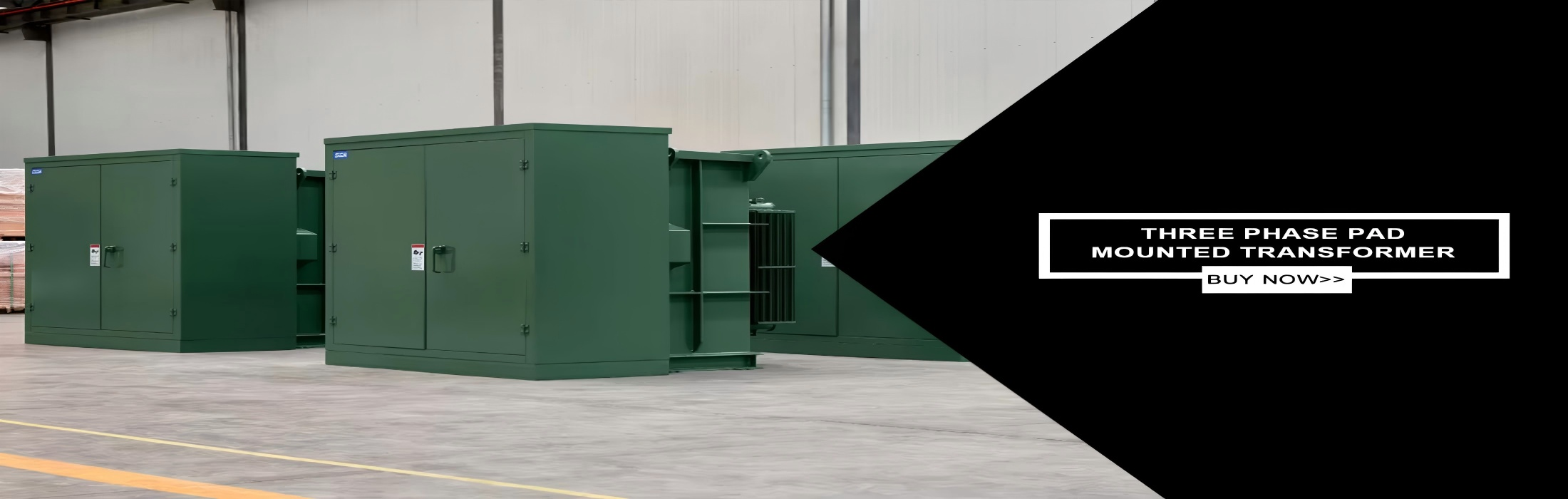
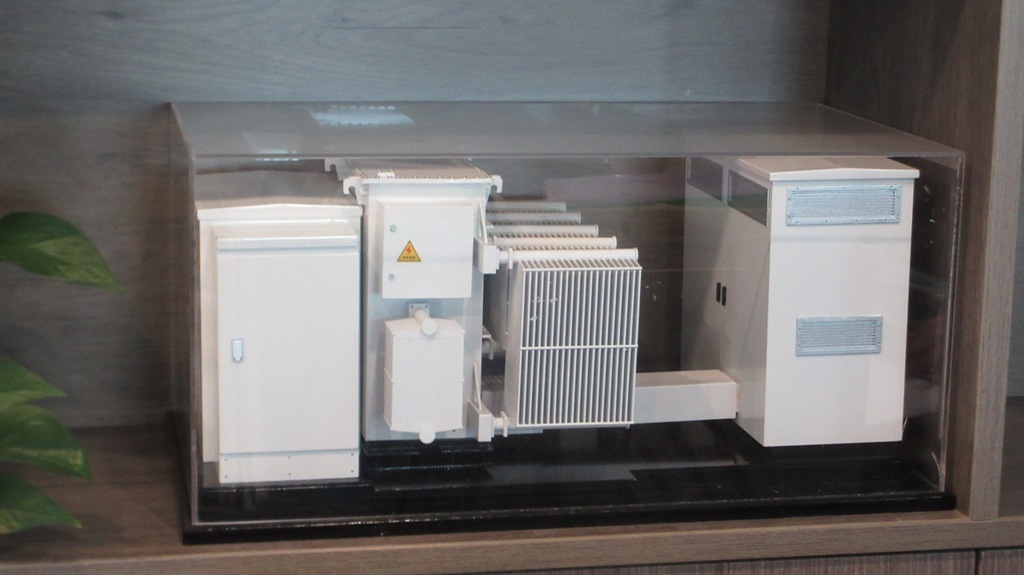
Oil immersed transformers are increasingly packaged with MV switchgear and LV distribution in compact substations. Factory assembly reduces site work, shortens commissioning time and improves quality control for renewable, urban and fast-track projects.
Lifecycle documentation and circularity
Digital test archives, material declarations, recyclable materials and loss guarantees are becoming part of the procurement package. A transformer with complete documentation is easier to audit, operate and maintain over a 25–30 year service life.
Enterprise Advantages & E-E-A-T
Supplier Due Diligence: What a Credible Three Phase Oil Immersed Transformer Factory Should Prove
Claims should be verifiable. A credible supplier can provide certificate numbers, factory evidence, test reports and engineering responses that match the project specification.
Verified manufacturing capability
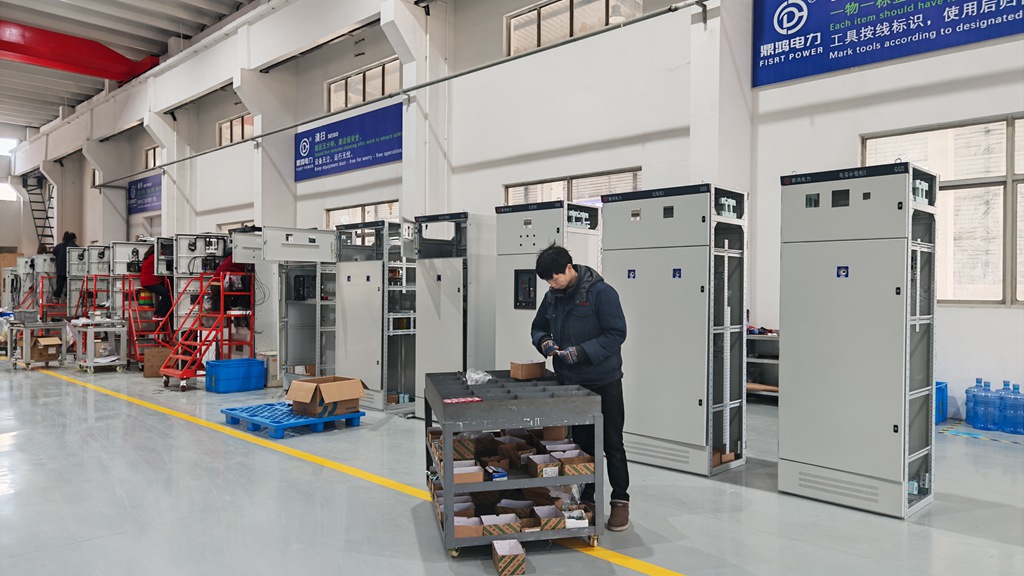
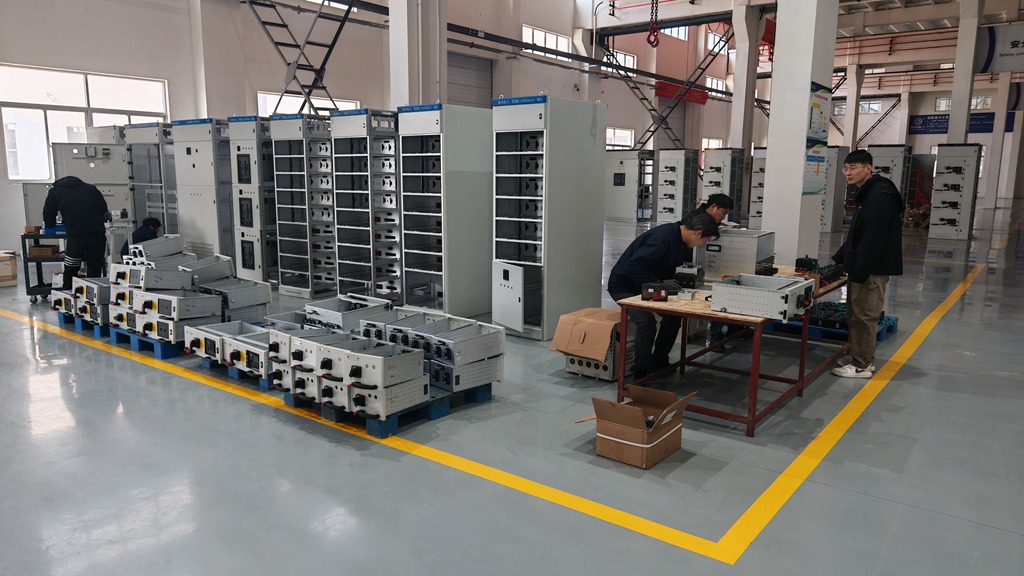
Jiangsu Wisegj Power Co., Ltd. designs, assembles and exports medium and high voltage equipment from 220 V to 500 kV, including power transformers, distribution transformers, pad mounted transformers, dry type transformers, compact substations, switchgear and voltage stabilizers. The engineering team brings more than 20 years of transformer experience, and production runs under ISO 9001, ISO 14001 and ISO 45001 management systems.
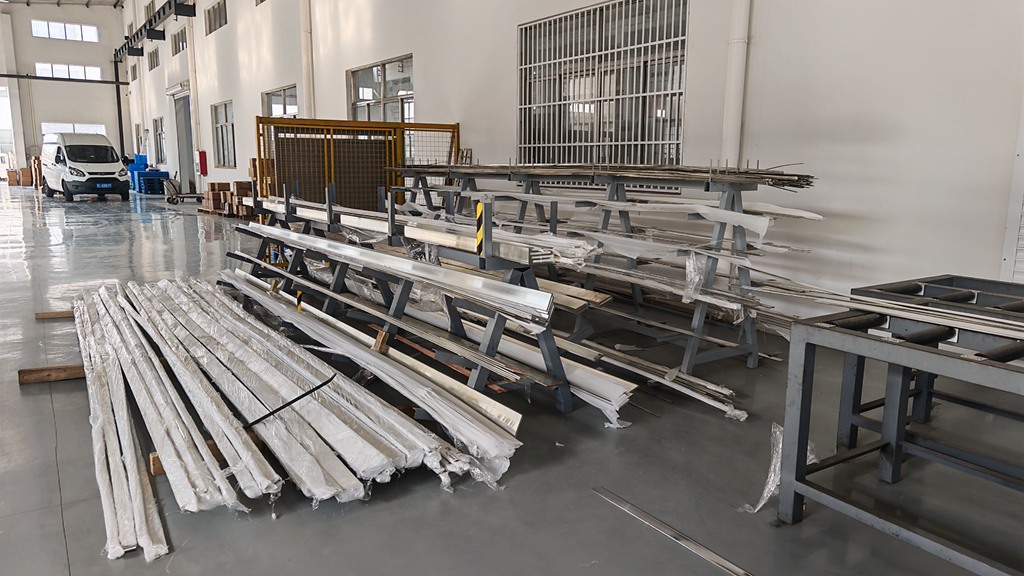
The company operates a verified production base with 6,847 m² of floorspace and more than 50 R&D and technical engineers. Production capability, floorspace and quality inspection have been verified onsite by TÜV Rheinland, an independent third-party inspection body. These facts matter because buyers need evidence, not only brochure language.
Own production base with full industry certificates
50+ engineers in R&D and technical support
Supplier to Fortune 500 companies
24-hour pre-sale and after-sale response
OEM, ODM and design-based customization
Finished product inspection on every unit
ISO 9001, ISO 14001 and ISO 45001 certified systems
CE certificates and complete English documentation
In-house routine testing and third-party witness welcome
Export packing and full Incoterms coverage from EXW to DDP
Certificate numbers are listed in the company profile so compliance teams can verify them directly with the issuing bodies. Buyers can also request GA drawings, nameplate drafts, routine test reports and O&M manuals in English before shipment. For projects with strict quality requirements, third-party witness testing can be arranged.
Questions Global Buyers Ask About Three Phase Oil Immersed Transformers
Direct answers from our engineering and export teams for procurement, technical and compliance teams.
What is a three phase oil immersed transformer used for?
It is used in distribution networks, industrial plants, commercial facilities, renewable collector systems and utility substations where reliable short-circuit strength, high efficiency and proven thermal performance are required. Oil immersed designs are common for medium-voltage distribution and larger power transformer applications.
How do I choose the kVA rating and voltage for a three phase oil immersed transformer?
Start with a load study that includes demand factor, diversity, future expansion, ambient temperature, altitude and grid voltage. Do not size only on the initial load. Compare guaranteed no-load and load losses as well as the purchase price, then confirm impedance, vector group and tap range with the utility or design engineer.
What is the difference between IEC 60076 and ANSI/IEEE C57.12?
IEC 60076 is widely used in Europe, Asia, Africa and the Middle East, while ANSI/IEEE C57.12 series is common in North America. The correct choice depends on the destination market, local utility practice and required test reports. Dual-standard designs can be engineered when a project spans multiple regions.
Which factory tests should be required before shipment?
Require winding resistance, voltage ratio and vector group, impedance and load loss, no-load loss and current, applied voltage, induced voltage and oil dielectric tests for liquid-filled units. Type tests, special tests and third-party witness inspection should be agreed in the purchase specification.
Should I specify mineral oil or natural ester?
Mineral oil remains the most cost-effective choice for many distribution applications. Natural ester improves fire safety and biodegradability and is often selected for environmentally sensitive or high-fire-risk sites. The decision should include cooling performance, maintenance practice, local regulations and total cost.
Can Jiangsu Wisegj Power Co., Ltd. customize the transformer?
Yes. OEM, ODM, design-based and sample-based customization are available, including ratings, vector group, impedance, tap range, bushings, cooling method, insulating fluid, enclosure color and nameplate language. Engineers review the specification before quotation to confirm compliance and guaranteed losses.
How do I compare total cost of ownership?
Capitalize guaranteed no-load and load losses over the service life, then add maintenance, oil testing, downtime risk and logistics. A lower purchase price can be more expensive if losses or failure risk are higher. Loss evaluation formulas should be agreed before bid comparison.
What documentation should come with each transformer?
Buyers should receive GA drawings, nameplate data, routine test reports, oil test data, material certificates, installation and maintenance manuals, packing lists and shipping documents. Serial-number traceability is important for audits and future maintenance.
What factors affect lead time for a three phase oil immersed transformer?
Lead time depends on design approval, magnetic steel and copper availability, bushing and accessory supply, test scheduling, packing and shipping. Early technical clarification and a clear approved drawing reduce delay. A supplier with a broad qualified supply-chain network can help protect the schedule, but the buyer should still request a production plan.
How can I verify a supplier's quality system and certificates?
Ask for certificate numbers and verify them with the issuing body. Review ISO 9001, ISO 14001 and ISO 45001 certificates, CE documentation for the relevant product family and third-party inspection reports. Request sample test reports and, for critical projects, arrange witness testing before dispatch. Jiangsu Wisegj Power Co., Ltd. can provide these documents for buyer review.
Ready to Shortlist a Three Phase Oil Immersed Transformer?
Share the project datasheet or tender documents. A transformer engineer, not a sales script, will review the specification and respond within one working day. Include the following data for a faster, more accurate offer.
Request a Three Phase Oil Immersed Transformer Catalog
Tell us the voltage, kVA, standard and destination market. Our team will recommend a configuration, confirm documentation and explain the factory test plan before you commit.
 IEC 60076