Three Phase Pad Mounted Transformer
45–5,000 kVA · up to 34.5 kV · loop or radial feed · dead-front design · ANSI/IEEE and IEC project configurations
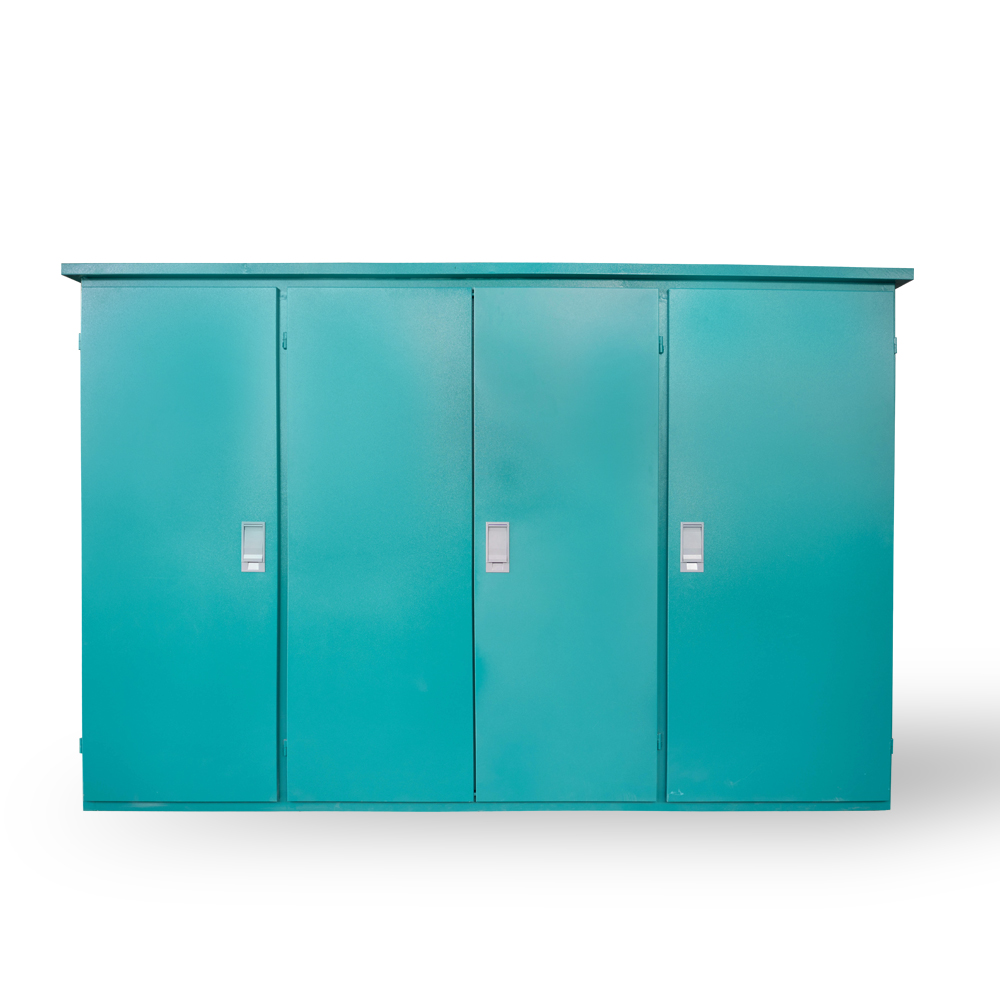
Pad Mounted Distribution Transformers for Utility and Commercial Projects
Jiangsu Wisegj Power Co., Ltd. supplies three phase pad mounted transformers for underground distribution systems used by utilities, EPC contractors, renewable developers and commercial power projects. Units are configured for loop or radial service, with dead-front primary compartments, tamper-resistant enclosures and copper or aluminum windings according to project requirements.
Each quotation is reviewed by a transformer engineer against destination standards, site altitude, ambient temperature, fault level, impedance and loss targets. Typical ratings range from 45 to 5,000 kVA with primary voltages up to 34.5 kV and secondary voltages such as 120/208 V, 277/480 V, 347/600 V, 220/380 V and 240/415 V. Final drawings, nameplate data and guaranteed losses are confirmed before production.
- Loop or radial feed arrangements
- Dead-front primary compartment options
- Mineral oil or natural ester fluid
- Copper or aluminum winding choices
- ANSI/IEEE or IEC design basis
- Routine test report per serial number

Factory capability, floorspace and finished-product inspection are supported by third-party assessment documentation. Certificates, drawings and test records can be shared with the buyer’s QA team for review.
Key Specifications for Three Phase Pad Mounted Transformer Projects
The table below summarizes common configurations. Final design, losses, impedance and enclosure details are confirmed by approved drawings for each project.
| Parameter | Typical offering | Procurement note |
|---|---|---|
| Rated power | 45 – 5,000 kVA | Confirm continuous and short-time load requirements, future expansion and loss evaluation. |
| Primary voltage | 2.4 kV – 34.5 kV class | Examples include 12.47 kV, 13.2 kV, 13.8 kV, 24.94 kV and 34.5 kV; final values require drawing approval. |
| Secondary voltage | 120/208 V, 277/480 V, 347/600 V, 220/380 V, 240/415 V and others | Secondary voltage, vector group and neutral arrangement are matched to the site distribution system. |
| Winding material | Copper or aluminum | Selection is based on loss targets, budget, fault duty and buyer preference. |
| Insulating fluid | Mineral oil, natural ester or specified less-flammable fluid | Fluid choice considers fire safety, environmental rules and maintenance practice. |
| Temperature rise | 55°C / 65°C typical, or project-specific | Ambient temperature and altitude should be stated in the inquiry. |
| Tap range | ±2 × 2.5% typical; other ranges available | Tap arrangement is confirmed with the system voltage profile and operating procedure. |
| Feed arrangement | Loop feed or radial feed | Switch and fuse configuration is selected according to utility operating practice. |
| Protection and accessories | Bayonet fuses, load-break switches, pressure relief, drain valve, filter valve and liquid-level indicator | Accessory list is frozen before production to coordinate with the cable compartment layout. |
| Enclosure | Powder-coated steel; stainless-steel option | Coastal, high-humidity or corrosive sites may require upgraded finish or materials. |
| Standard basis | IEEE C57.12.34 / C57.12.28; IEC 60076 on request | Efficiency, BIL, impedance and testing requirements are checked against the destination market. |
Ratings outside the ranges shown can be engineered after technical review. Please include destination country, frequency, primary and secondary voltage, vector group, impedance, loss target, altitude and ambient conditions for an accurate quotation.
Design Features for Underground Distribution Reliability
Three phase pad mounted transformers must support utility safety procedures, cable access, thermal performance and long-term enclosure durability. The following design points are reviewed with each buyer specification.
Dead-Front Primary Compartment
Separate high-voltage and low-voltage compartments, visible grounding points and lockable tamper-resistant doors support safe utility operation and maintenance.
Loop or Radial Feed
Loop-feed arrangements support sectionalizing and future capacity expansion; radial-feed designs suit simpler distribution branches and defined operating schemes.
Thermal and Loss Optimisation
Core and winding designs are selected around annual load profile, loss capitalisation and efficiency limits in the destination market, not only nameplate kVA.
Fluid and Protection Choices
Mineral oil, natural ester and less-flammable fluids can be specified with bayonet fuses, pressure relief, liquid-level indicators and drain or filter valves.
Corrosion Protection
Steel tanks and enclosures receive surface preparation and multi-coat finishes. Stainless-steel enclosures or upgraded coatings can be quoted for coastal and high-humidity sites.
Factory-Tested Before Shipment
Every unit receives routine electrical and dielectric tests. Test reports, nameplate data and outline drawings are issued for project records and buyer review.
Where Three Phase Pad Mounted Transformers Are Used
Pad mounted units are selected where underground service, public safety and space efficiency matter. Typical applications include:
Utility Underground Distribution
Residential, commercial and mixed-use underground networks requiring loop or radial service with utility-approved enclosure and protection features.
Commercial and Institutional Campuses
Hospitals, universities, shopping centres and office parks where underground distribution reduces visual impact and supports staged expansion.
Data Centres and Industrial Facilities
Reliable distribution for process plants, logistics hubs and data centres where cable access, loss control and documentation are important.
Solar and Wind Interconnection
Collector-system and interconnection duty where transformers need to match inverter, turbine or grid-side requirements and destination standards.
Residential Subdivisions
Low-profile outdoor installations for housing developments, gated communities and commercial-residential mixed-use projects.
Ports, Airports and Infrastructure
Outdoor distribution for transport, water treatment and public infrastructure projects where corrosion protection and maintenance access are considered.
Production and Inspection of Pad Mounted Transformers
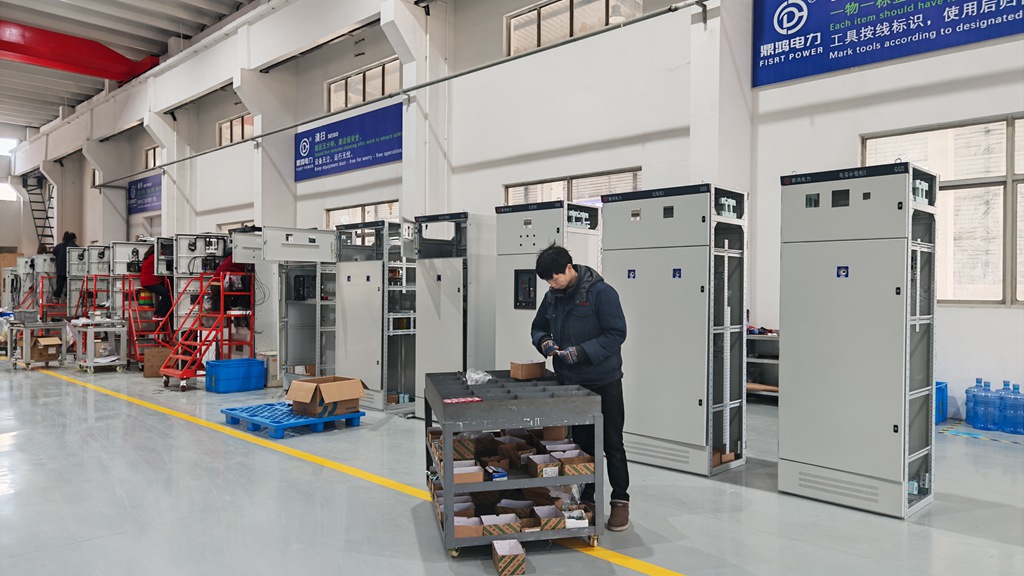
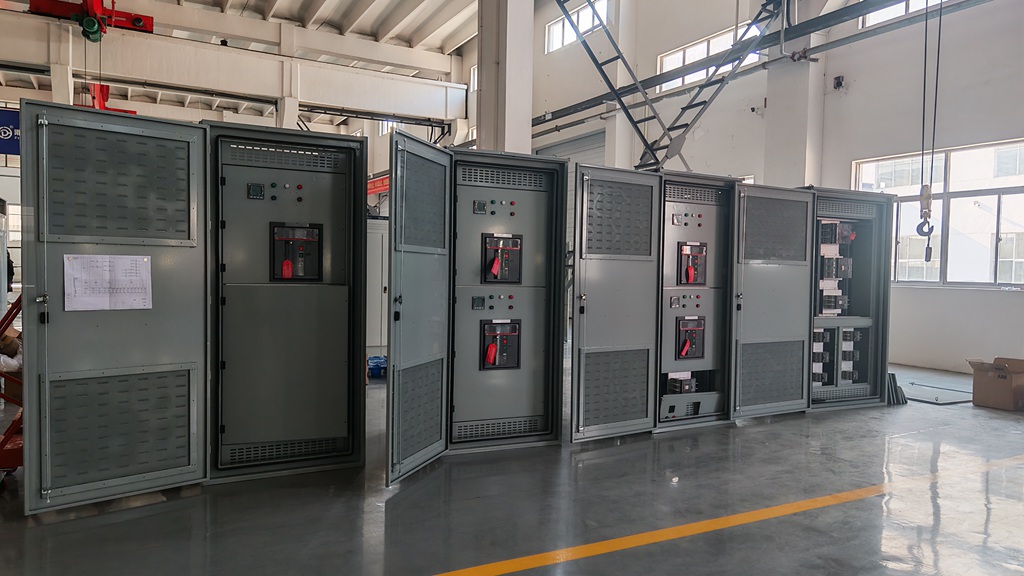
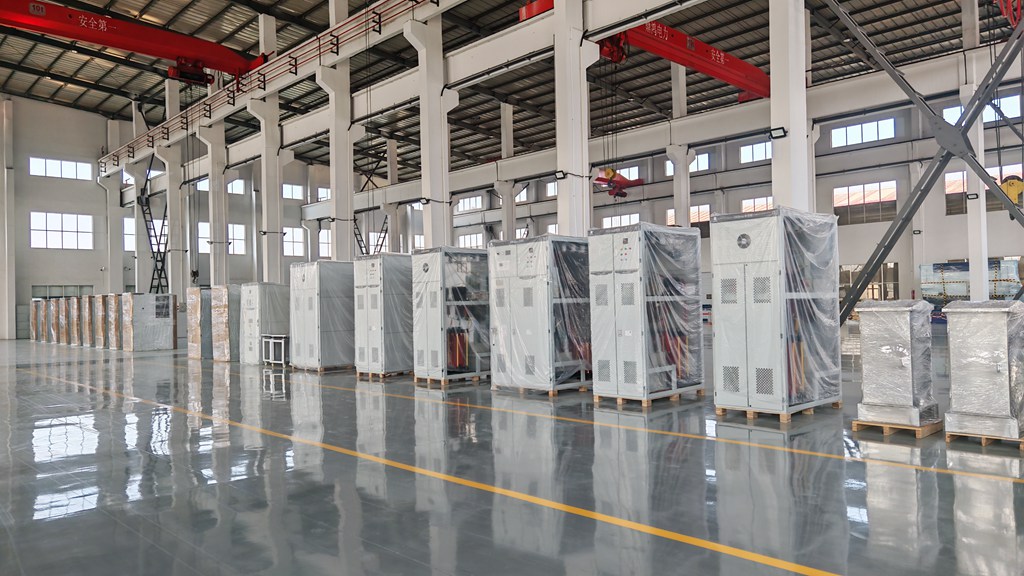
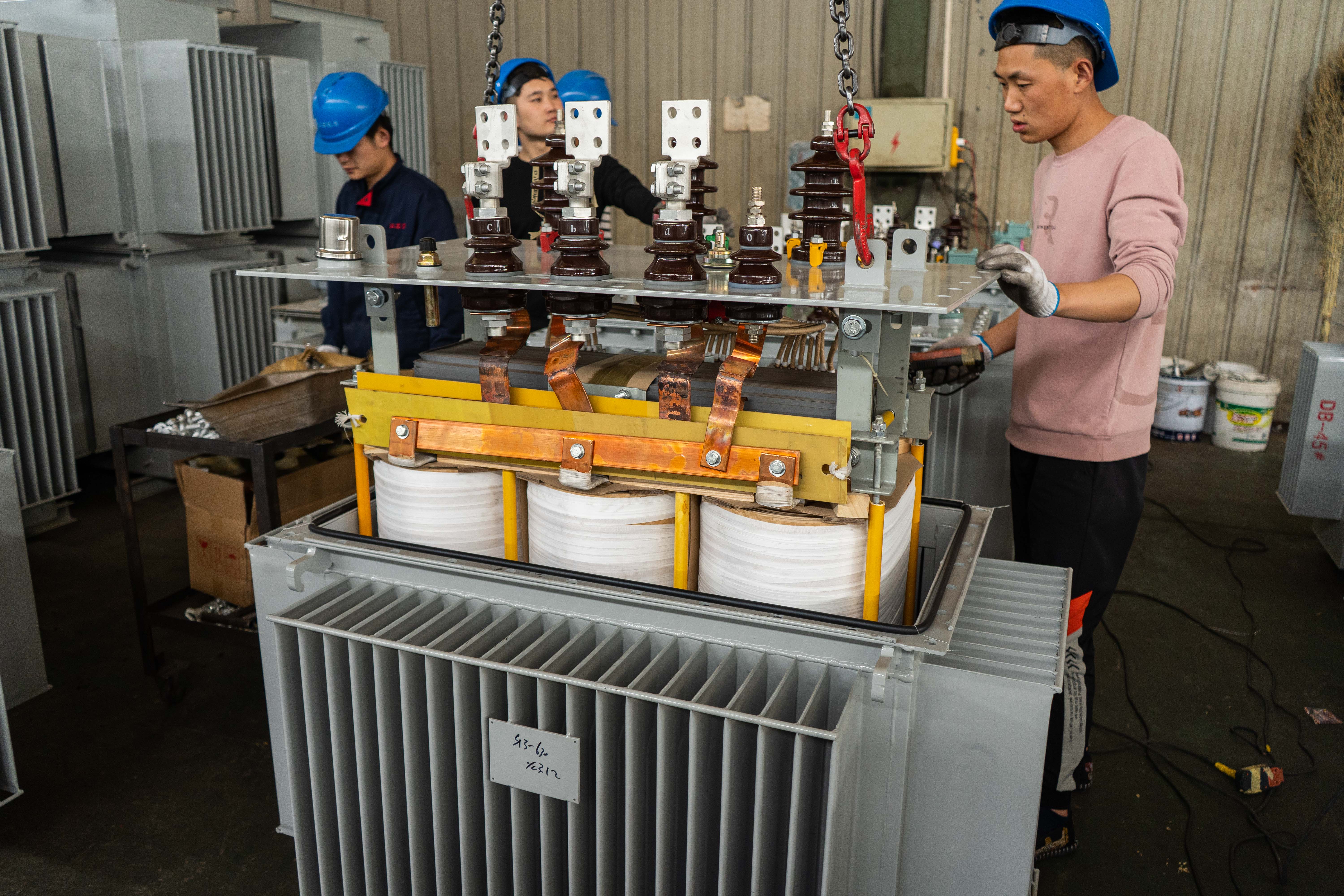
Production is organized around documented work instructions, in-process inspection and final routine testing. Buyers can request drawing approval, test reports, packing records and third-party witness inspection.


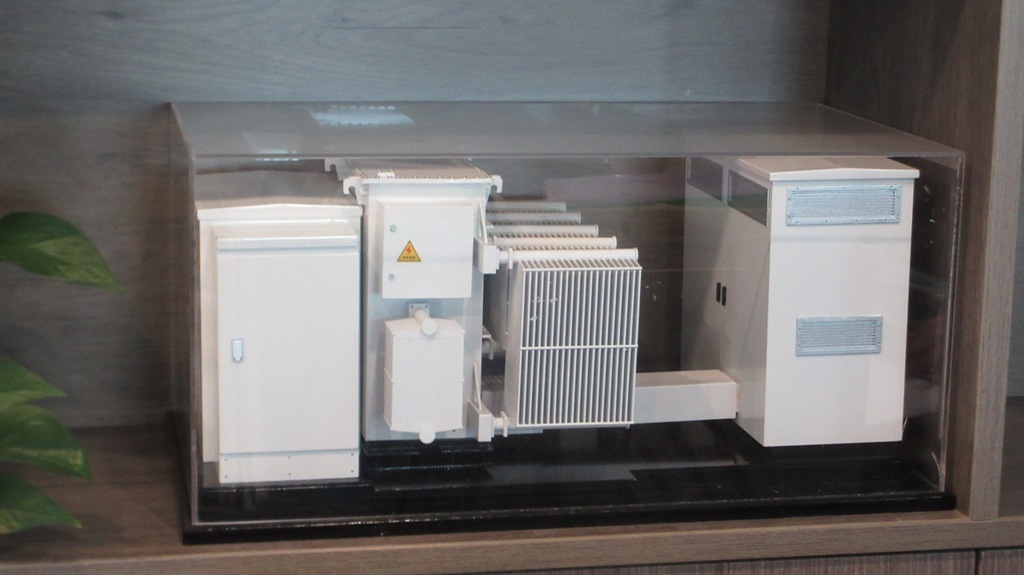

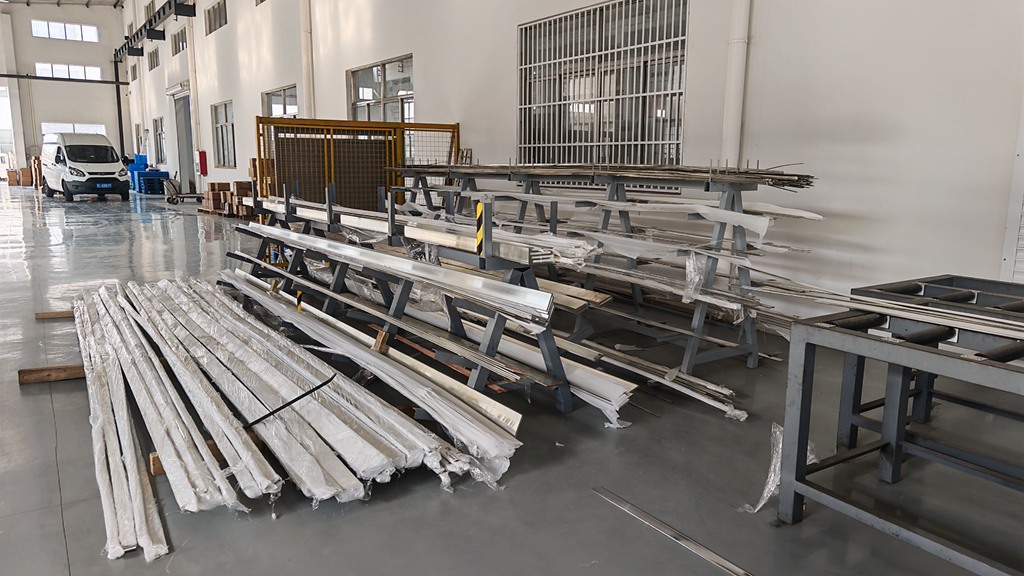

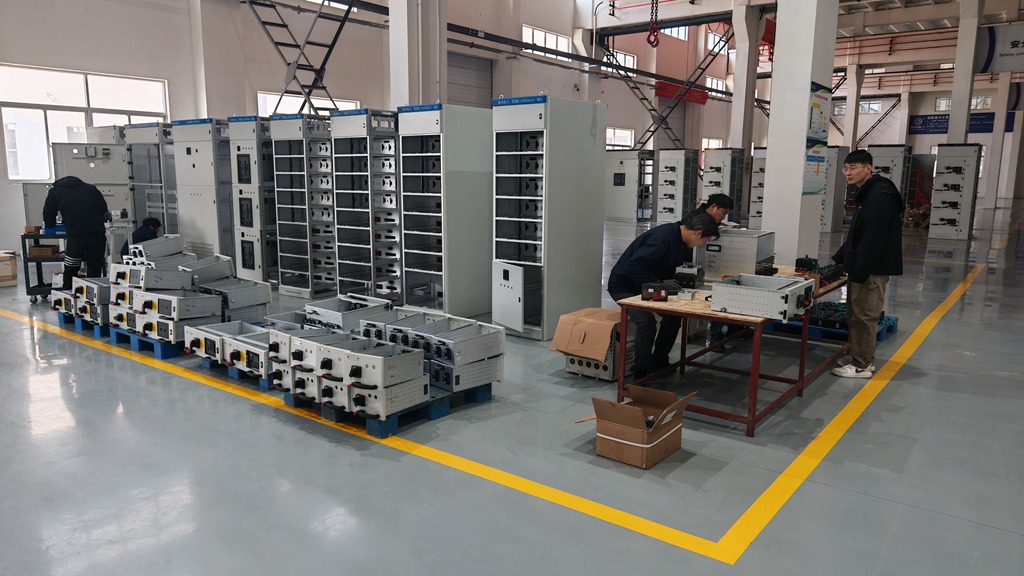
Specification Review
Engineers review kVA, voltages, standards, site altitude, ambient conditions and loss targets.
Drawing Approval
Outline drawing, nameplate data, accessories and guaranteed losses are confirmed with the buyer.
Controlled Production
Core, winding, drying, tanking and enclosure work follow documented inspection checkpoints.
Routine Testing
Electrical and dielectric tests are recorded per serial number; witness inspection can be arranged.
Packing & Documents
Export packing, marking, packing list and shipping documents are prepared before dispatch.
Routine Tests and Documentation for Buyer Review
Test scope is confirmed with the approved specification. For liquid-filled units, oil testing and leak checks are included before final painting and packing where applicable.
| Test / Check | Purpose | Record provided |
|---|---|---|
| Winding resistance | Verify winding connections, conductor integrity and balance across phases. | Measured values by phase and tap position. |
| Voltage ratio and vector group | Confirm turns ratio and phase displacement against the approved design. | Ratio values and vector group check record. |
| No-load loss and current | Check core performance and no-load characteristics. | Measured loss and current data. |
| Load loss and impedance | Verify guaranteed load loss and short-circuit impedance. | Measured values compared with guaranteed values. |
| Applied and induced voltage | Check insulation integrity of windings and clearances. | Withstand test record. |
| Oil dielectric strength | Verify insulating fluid condition before filling or shipment where applicable. | Oil test result for the tested batch or unit. |
| Leak and pressure checks | Confirm tank, gasket and sealed joints are suitable for transport and service. | Inspection sign-off and leak check record. |
| Final visual and packing inspection | Check enclosure finish, accessories, nameplate, labels and export packing. | Final inspection and packing list. |
Third-party inspection can be welcomed before shipment. Please advise the inspection scope, standards and document format required at the quotation stage.
Customization and Export Documentation
For overseas procurement, a compliant transformer is more than a kVA rating. The engineering, documentation and packing scope should be clear before the order is placed.
Electrical Scope Review
Provide the following data so our engineers can return a practical design with clear guarantees:
- Rated power, primary and secondary voltage
- Frequency, vector group and impedance
- Tap range, cooling method and insulating fluid
- Applicable standard, loss limit and efficiency target
Compliance Documentation
Document packages can be tailored for the buyer’s submission and records process:
- Outline drawings and nameplate data
- Guaranteed losses and routine test reports
- Installation and maintenance information
- Certificate copies and third-party inspection support
Mechanical Customization
Mechanical details are coordinated with the cable layout and site access conditions:
- Enclosure size, colour and compartment layout
- Fuse and switch accessories per operating practice
- Pressure relief, drain and filter valve options
- Nameplate language and warning label requirements
Export Packing and Logistics
Shipment planning is aligned with the project schedule and destination requirements:
- Seaworthy packing, bracing and lifting marks
- Packing list, shipping marks and document coordination
- Incoterms such as EXW, FOB, CIF, DAP or DDP by agreement
- Site delivery coordination and unloading guidance
Questions Buyers Ask About Three Phase Pad Mounted Transformers
Clear technical answers help procurement teams compare options and prepare a complete inquiry.
What ratings and voltages can Jiangsu Wisegj Power Co., Ltd. supply?
What is the difference between loop feed and radial feed?
Which standards can the transformer be designed to?
Which factory tests are performed before shipment?
Can the enclosure, fusing and nameplate be customized?
What documents are provided with a quotation and shipment?
Technical Data Checklist for a Faster, More Accurate Offer
Sharing these parameters lets our engineers return a compliant design and guaranteed losses without unnecessary clarification rounds.
- Rated power (kVA)
- Primary & secondary voltage
- Frequency (50 / 60 Hz)
- Vector group & impedance
- Tap range & cooling method
- Insulating fluid & temperature rise
- Applicable standard (IEEE / IEC)
- Site altitude & ambient range
- Loss limits or efficiency target
Request a Drawing, Test Report or Catalog
Send your specification, single-line diagram or tender documents. A transformer engineer will review the scope and respond with technical clarification, drawings and a quotation route for the project.
[email protected]