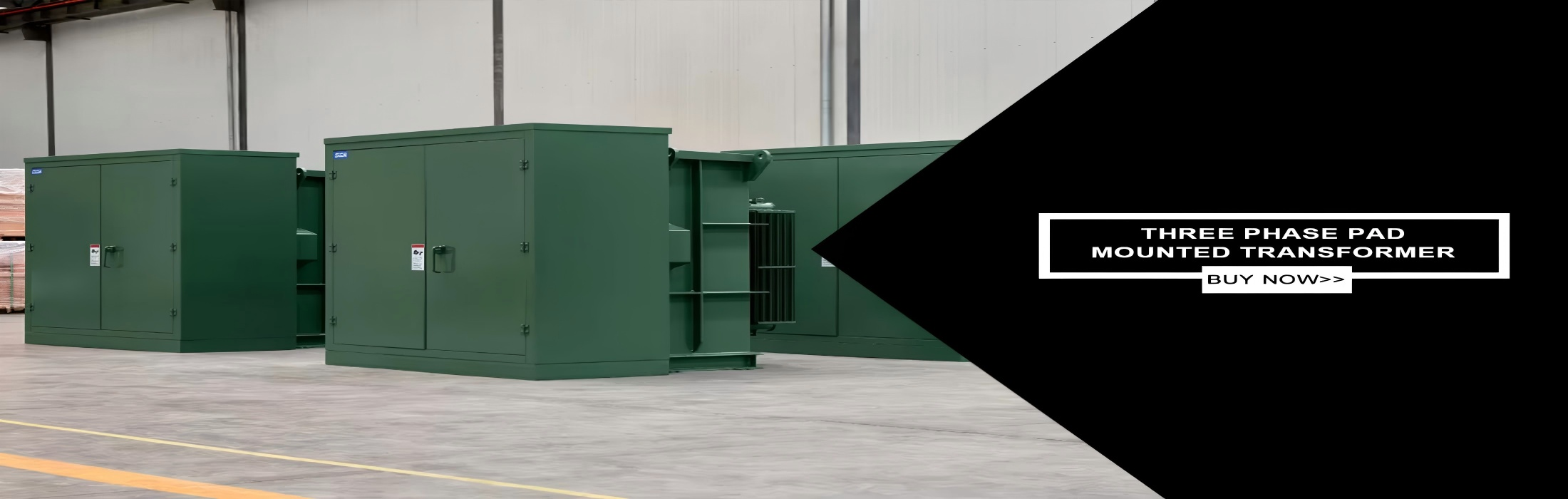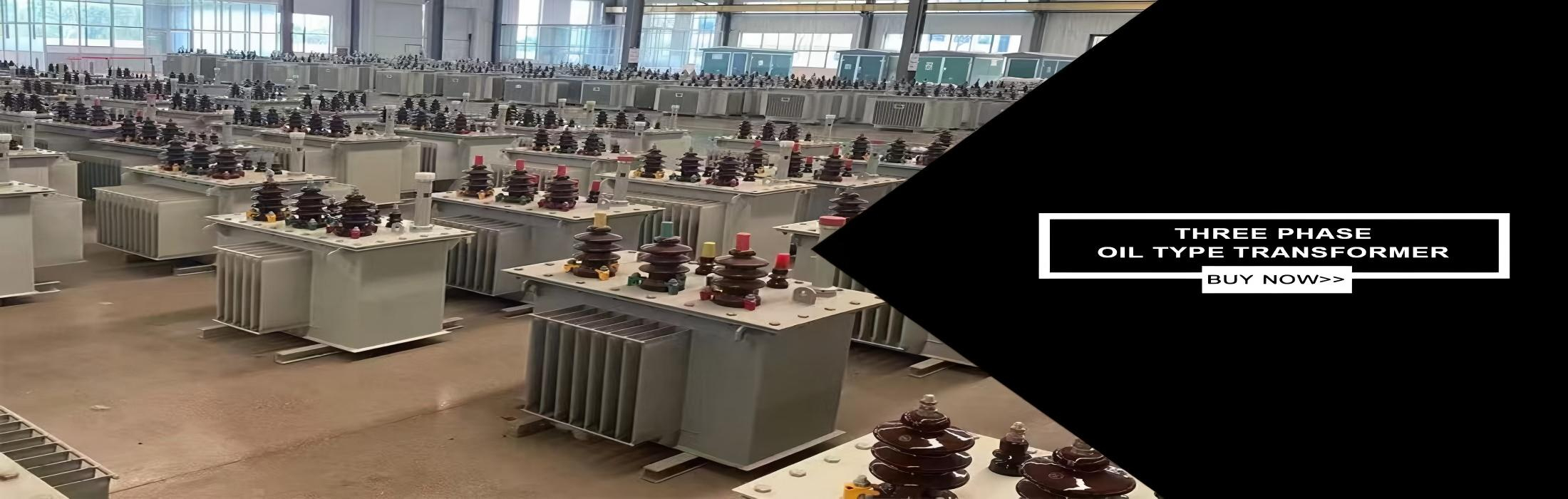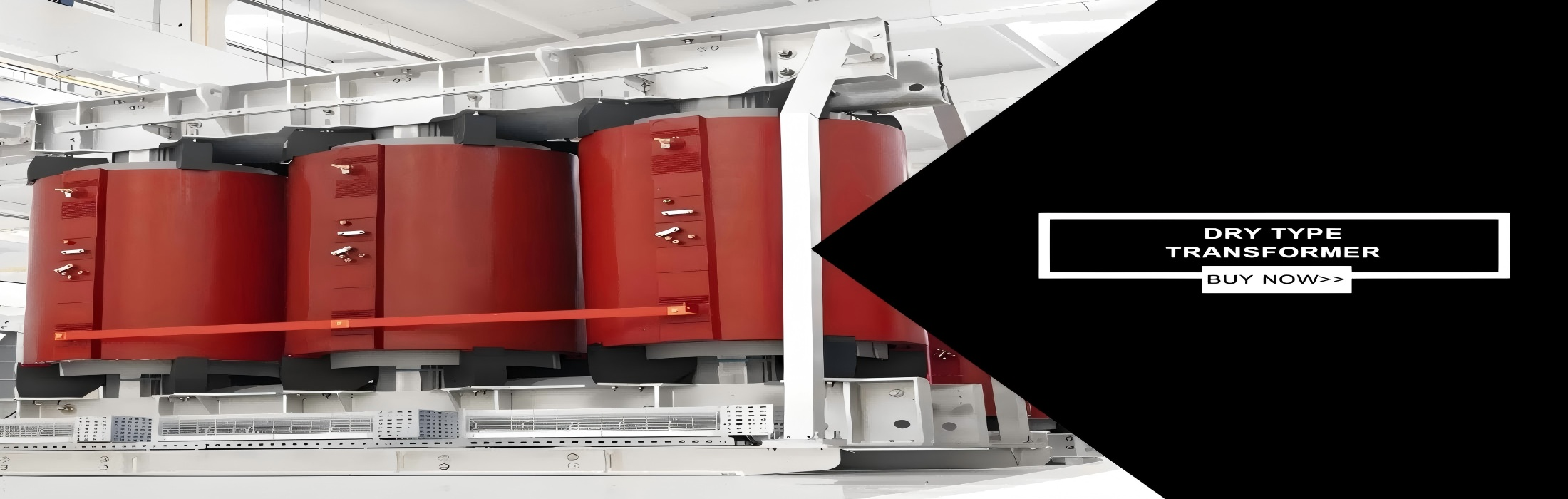
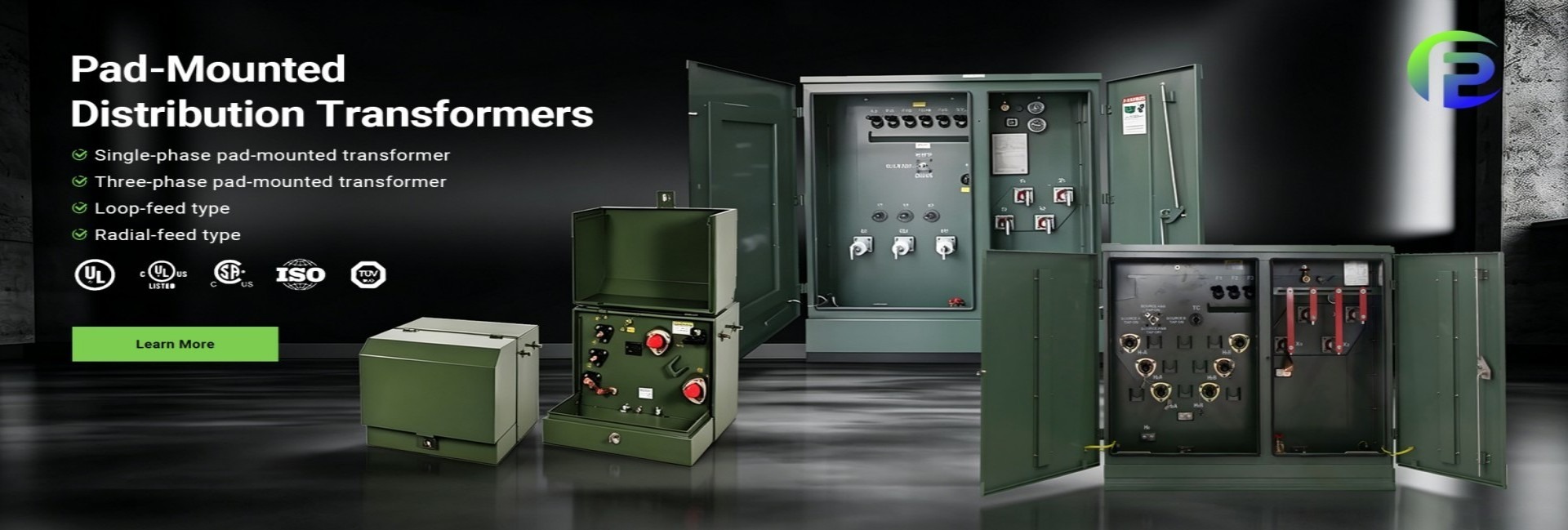
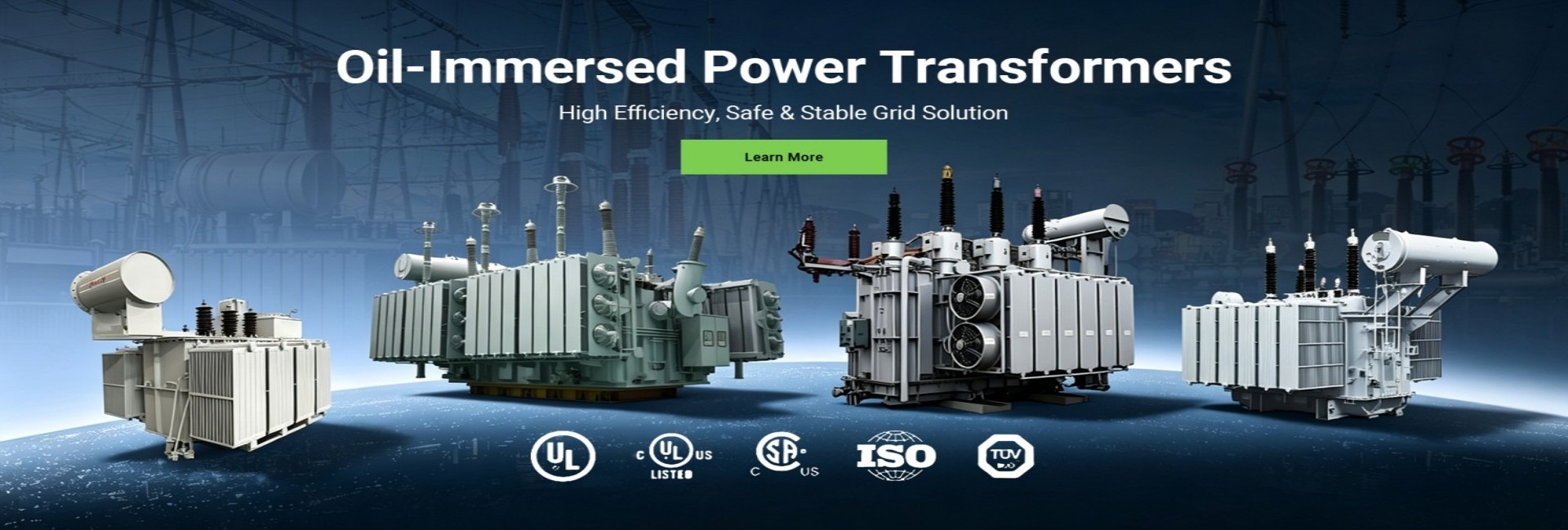
In global procurement, the phrase “power distribution transformer” covers several product families that are often compared in the same request for quotation: three phase pad mounted transformers, single phase pad mounted transformers, oil immersed distribution transformers, cast resin dry type transformers, compact substations and larger power transformers used above the distribution level. They may share a similar purpose, but they are not interchangeable. A low-loss hermetic oil immersed unit may be the most economical choice for an outdoor utility network, while a cast resin dry type transformer is often preferred inside hospitals, tunnels, commercial basements and other fire-sensitive locations.
Google, AI answer engines and technical buyers increasingly reward pages that explain why one configuration is better than another, not pages that repeat the same product list. In the spirit of Google’s Search Quality Rater Guidelines and E-E-A-T, this guide provides practical experience-based information, transparent compliance references and an auditable path for supplier verification. It is written for EPC contractors, utility procurement teams, renewable developers, industrial plant owners, data-center builders and distributors who need to compare offers from multiple countries.
Questions global buyers often ask before shortlisting a supplier
Across AI platforms, sourcing teams frequently ask: What size power distribution transformer do I need? What is the difference between a distribution transformer and a power transformer? Is a pad mounted transformer suitable for solar projects? Which losses should be evaluated over 20 to 25 years? What factory tests should be witnessed? Which standards apply in North America versus Europe? How can I verify ISO, CE and TÜV documentation? What lead time should I plan for? The answers below help you build a specifications checklist before you compare price only.
The most common mistake is to evaluate a power distribution transformer only by kVA and purchase price. A better approach is total cost of ownership: no-load loss, load loss, cooling energy, maintenance, failure risk, spare parts, transport, foundation, cable termination, protection coordination and compliance testing. A lower-priced transformer with higher losses can become the most expensive option over years of operation. Conversely, a high-efficiency transformer can reduce operating cost and help meet energy-efficiency regulations, but it should still be technically compatible with the network’s fault level, harmonic environment and voltage regulation strategy.
For buyers sourcing from China, supplier verification is as important as the electrical design. Request a specification review, drawings, guaranteed loss values, routine test reports, certificate numbers and packaging standards before the order is released. A serious manufacturer should be willing to answer technical questions, provide nameplate drafts and welcome third-party inspection. That is the difference between buying a commodity and managing an engineering asset.