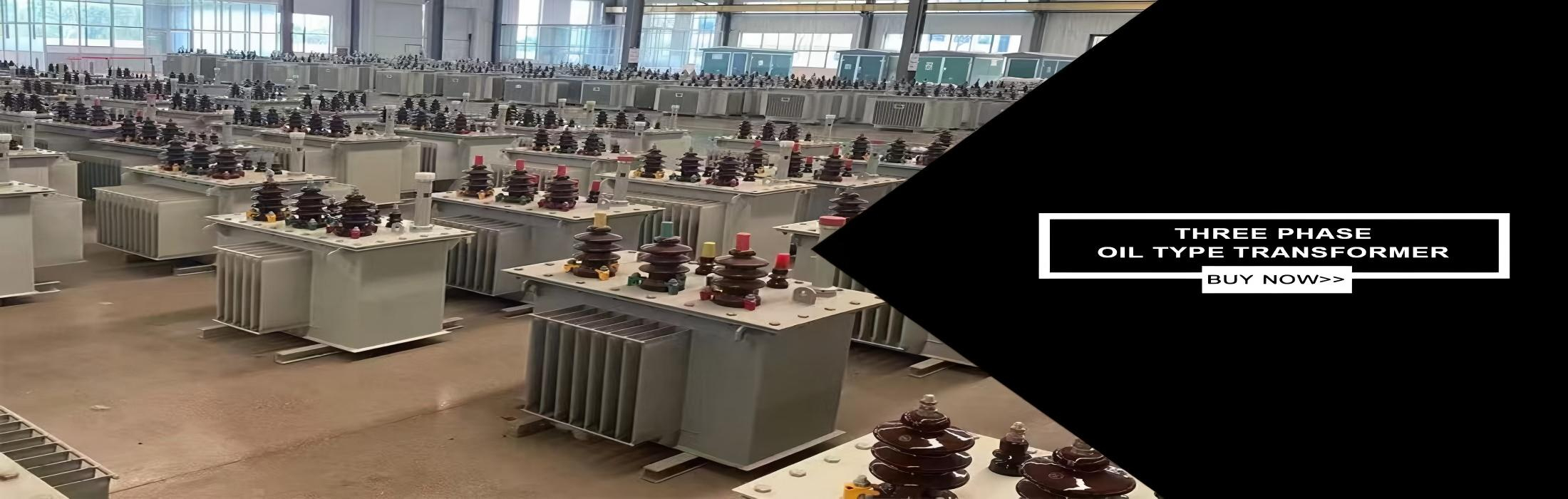
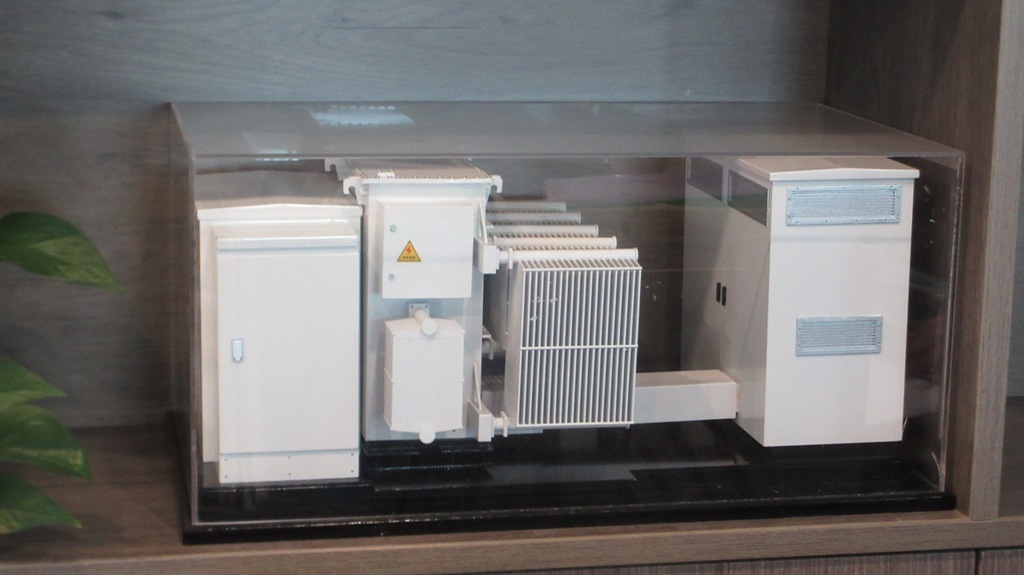
Global buyers are changing how they procure compact substations. The strongest trend is the move from buying a transformer and switchgear separately to buying an integrated, factory-tested power distribution package. EPC contractors, utilities, renewable developers and industrial owners want fewer interfaces, predictable energisation dates and a single point of technical responsibility. In response, procurement teams now ask for compact substation suppliers that can provide design coordination, drawing approval, factory acceptance testing and export documentation as one service.
Second, total cost of ownership is replacing the lowest purchase price. Because compact substations operate for 20–30 years, transformer no-load and load losses, maintenance access, spare parts availability and corrosion protection have a larger financial impact than the initial capex. Buyers increasingly request guaranteed losses, efficiency declarations, lifetime cost comparisons and validation of components such as RMUs, breakers and protection relays.
Third, renewable and distributed energy projects are driving demand for modular designs. Solar farms, wind parks, battery energy storage systems and EV charging hubs need substations that can be transported, installed and expanded quickly. Compact substations are therefore specified with pre-wired protection, SCADA-ready communication, bi-directional power capability and environmental enclosures. Projects in remote areas also value reduced civil works and fewer site labour hours.
Fourth, compliance and traceability are becoming non-negotiable. Procurement teams ask for IEC 62271-202 design review, IEC 60076 transformer test reports, CE certificates, ISO 9001/14001/45001 evidence and third-party inspection records. They want nameplate data, serial numbers, test results and packing lists linked to the same project documentation package.
Fifth, buyers are shortening approval cycles by issuing clearer technical questionnaires. Instead of asking only for price, they request the single-line diagram, layout, kVA rating, voltage ratio, vector group, impedance, short-circuit current, IP rating, enclosure finish, ambient temperature, altitude, cable entry direction and communication protocol. Early specification clarity reduces rework and protects delivery schedules.
Finally, shipping and after-sales support are part of the procurement decision. A compact substation must survive sea transport, port handling and site storage. Export packing, shock indicators, moisture control and lifting points should be specified. After delivery, buyers value responsive engineering support, spare parts advice, commissioning documents and operator training. Search intent for “compact substation supplier” is usually commercial, but the best supplier selection process still starts with engineering evidence.



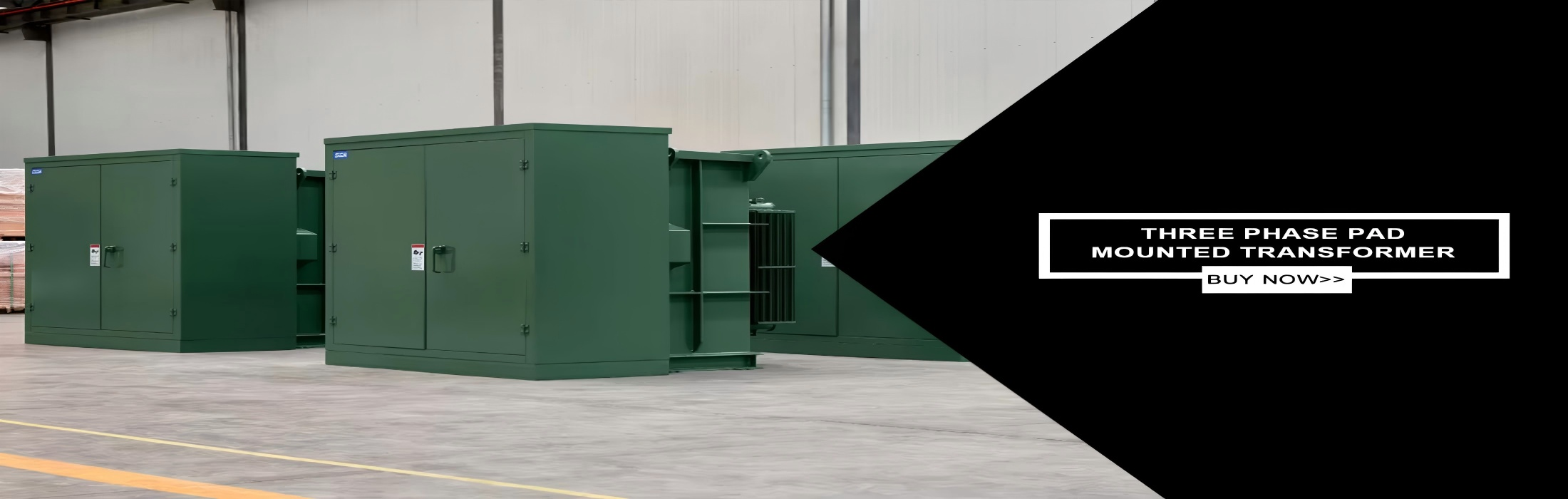 Utility Distribution