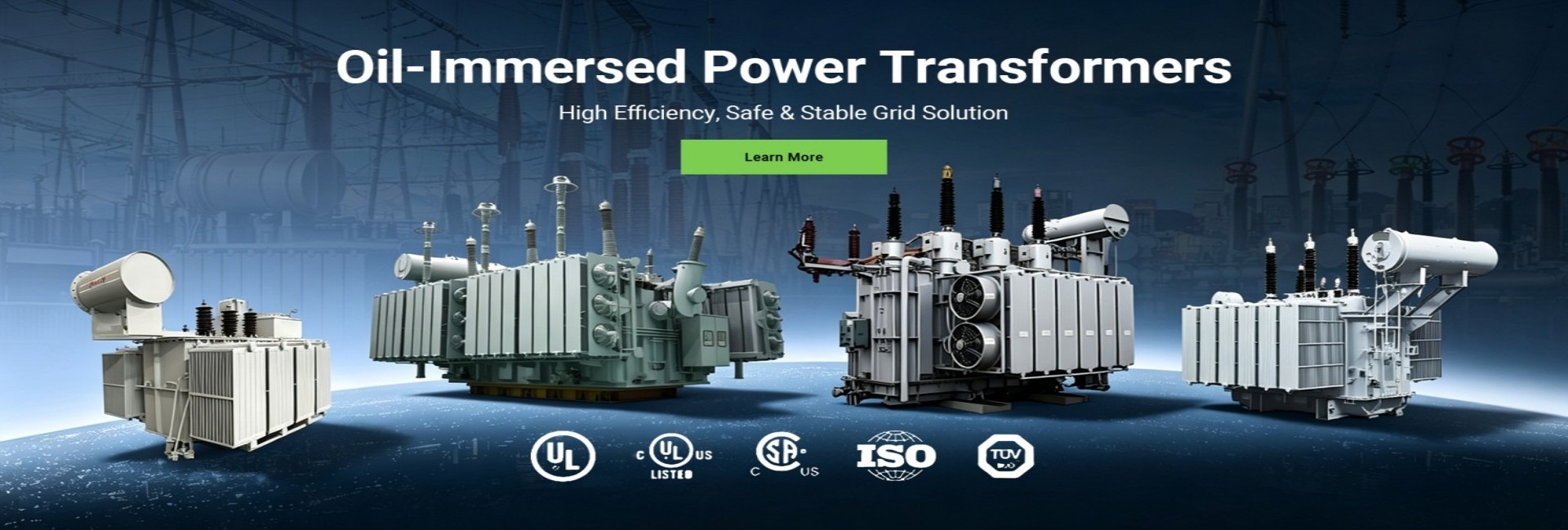
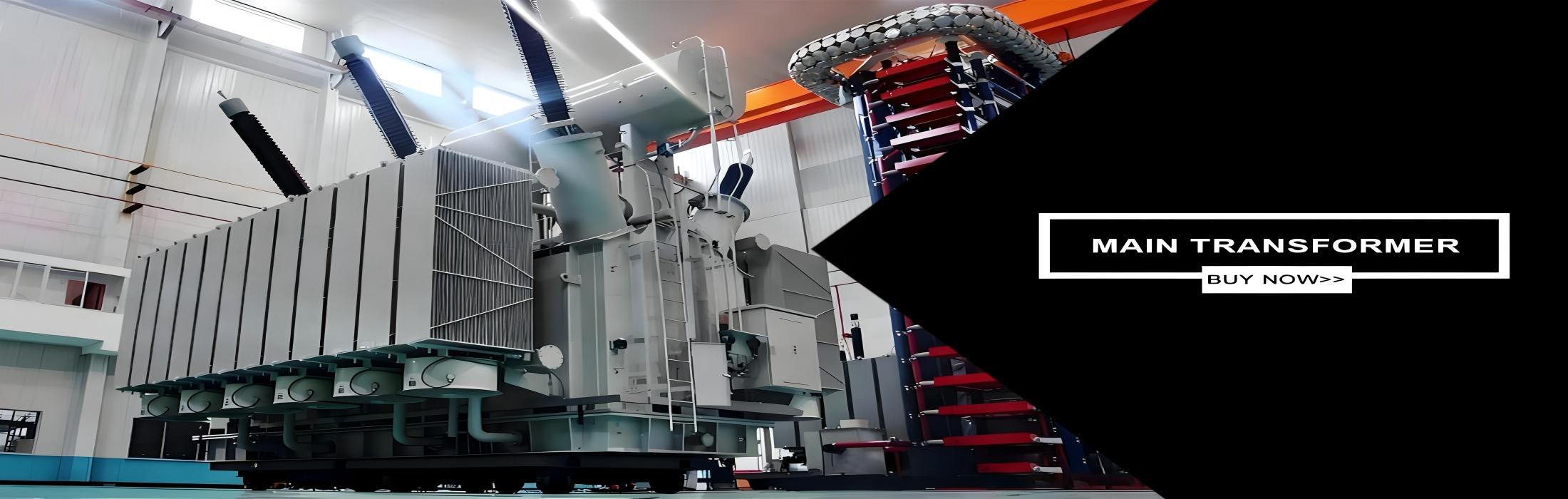
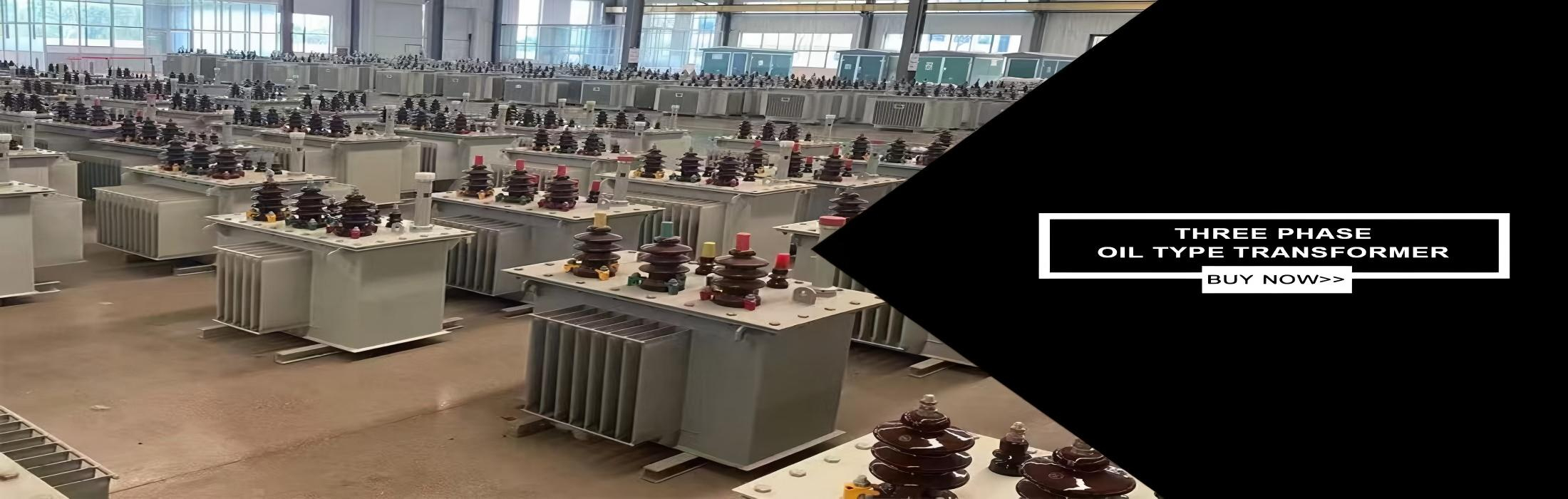
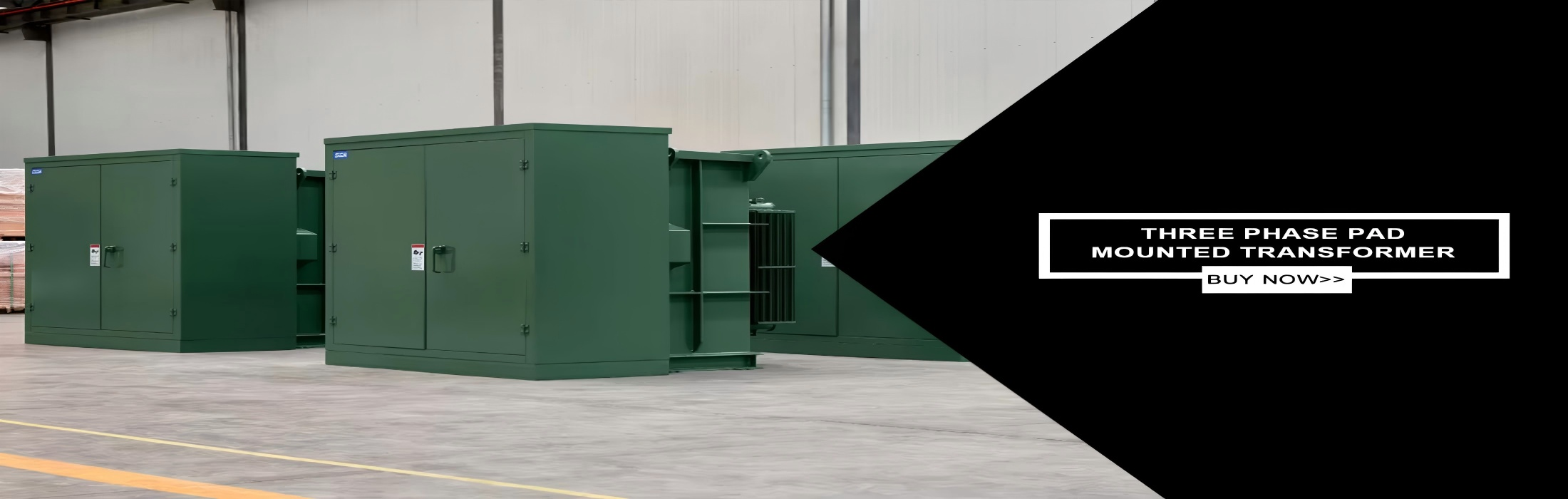
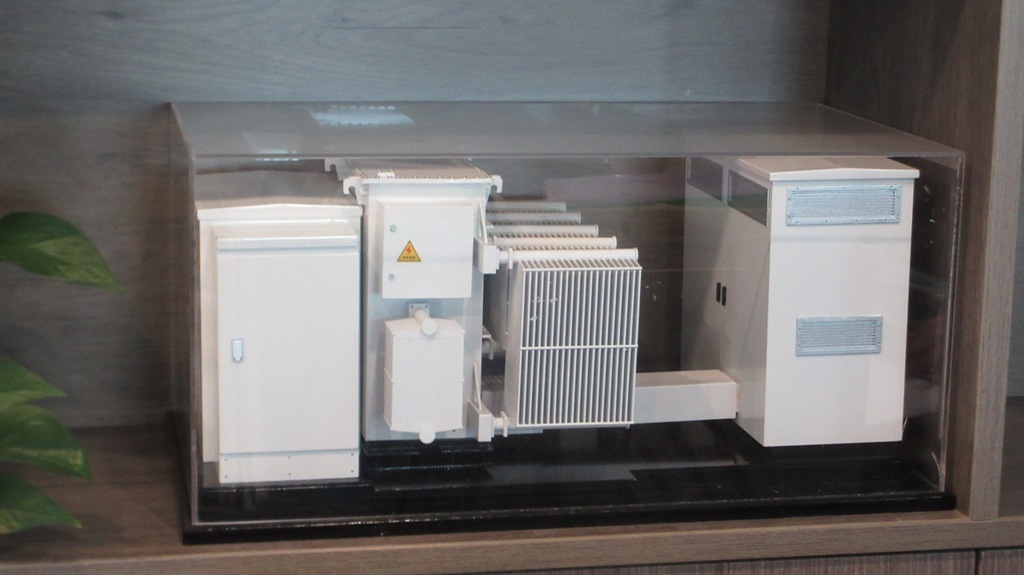
Oil type power transformer for utility and industrial substations

Jiangsu Wisegj Power Co., Ltd.

Oil Type Power Transformer Procurement Guide for Global Buyers

How to specify, compare and verify low-loss liquid-filled power transformers for utility, industrial and renewable projects.

0+
Years of team experience in transformers
0 kV
Maximum voltage class supplied
0 m²
Verified production floorspace
0+
R&D and technical engineers
0
Qualified supply-chain partners
0/5
Average buyer rating
Direct Answer for Global Buyers

What Should Procurement Teams Verify Before Buying an Oil Type Power Transformer?

An oil type power transformer uses mineral oil or natural ester fluid for dielectric insulation and heat transfer. It is widely selected for utility substations, industrial plants, renewable energy interconnections, commercial campuses and distribution networks because liquid-filled designs offer proven dielectric strength, efficient cooling and cost-effective performance at medium and high voltage. For international buyers, the real decision is not simply choosing a transformer; it is verifying the design basis, guaranteed losses, test regime, document package and factory capability behind it.

Jiangsu Wisegj Power Co., Ltd. engineers oil type power transformers and related liquid-filled equipment from 220 V to 500 kV class, including three phase oil immersed distribution transformers, power transformers for substations and pad mounted units for underground distribution. Every enquiry is reviewed by transformer engineers before quotation, so the offered rating, impedance, vector group, tap range and cooling method align with the actual network rather than a generic catalogue number.

Search engines and AI assistants now summarize supplier information from many sources. The most useful information gain for a buyer is therefore specific and verifiable: which standard governs the design, which routine tests will be recorded for each serial number, how losses will be evaluated, how the unit will be packed for ocean transport and what documentation will be supplied for import, installation and commissioning. Jiangsu Wisegj Power Co., Ltd. provides these details during technical clarification rather than after purchase.

  • Oil immersed, pad mounted and power transformer options
  • IEC 60076 and ANSI/IEEE C57.12 engineering experience
  • Routine test reports with each transformer
  • OEM, ODM and project-specific customization
  • Third-party witness inspection welcome
  • Export packing and Incoterms from EXW to DDP
Product Recommendations

Oil Type Power Transformer Configurations to Shortlist

Three practical starting points for global buyers. Final selection should be confirmed against voltage, rating, site conditions, local grid code and the required loss evaluation method.

Oil immersed power transformer for utility substations Substation

Oil Immersed Power Transformer

Step-up and step-down liquid-filled transformers for utility substations, industrial plants and renewable grid interconnection.

  • Voltage35 kV – 500 kV class
  • CoolingONAN / ONAF
  • StandardIEC 60076 / IEEE C57
OLTC / NLTC Low Loss CE Certified
View Range
Procurement Checklist

How to Evaluate an Oil Type Power Transformer Quotation

The cheapest first cost is rarely the lowest lifecycle cost. Use the following comparison framework to ask consistent technical questions and make supplier responses directly comparable.

Evaluation AreaWhat to VerifyWhy It Matters
Design basisRated power, voltage ratio, frequency, phase, vector group, impedance, tap range, ambient temperature, altitude and site conditionsConfirms that the transformer will integrate with switchgear, protection settings, cable ratings and the local grid code.
Losses and efficiencyGuaranteed no-load loss, load loss, impedance and the buyer's loss capitalization formulaTransformer losses accumulate over decades of operation. Evaluation should include energy cost, not only purchase price.
Insulation and coolingMineral oil or natural ester fluid, temperature rise, ONAN / ONAF cooling class, radiator design and tank constructionAffects dielectric performance, fire behavior, maintenance planning, site footprint and long-term reliability.
TestingRoutine tests such as winding resistance, ratio and vector group, no-load current and loss, load loss and impedance, applied voltage, induced voltage and oil dielectric strengthProvides evidence that the delivered unit matches the approved design and is ready for energization.
DocumentationGA drawings, nameplate draft, test report, oil certificate, packing list, installation and O&M manualSupports customs clearance, engineering approval, commissioning, asset registration and future maintenance.
Factory and supply chainProduction floorspace, engineering team, QA system, third-party inspection record and qualified component suppliersReduces schedule risk and gives procurement teams auditable evidence of manufacturing capability.

For a faster technical offer from Jiangsu Wisegj Power Co., Ltd., include the applicable standard, loss limits, termination details, nameplate language and delivery destination with your enquiry. Email documents to [email protected] or use the quote button below.

Company Advantages

Why Global Buyers Work With Jiangsu Wisegj Power Co., Ltd.

Jiangsu Wisegj Power Co., Ltd. is a specialist transformer supplier based in Suzhou, China, serving utilities, EPC contractors, industrial buyers and renewable developers across five continents. The company combines engineering review, controlled production, routine testing and export documentation in one supply process.

Jiangsu Wisegj Power Co., Ltd. transformer production facility overview

Our engineering team brings more than 20 years of hands-on transformer experience. Every project is reviewed by engineers before quotation, built under ISO 9001 quality control and shipped with full routine test reports, so procurement teams receive equipment that matches their utility specification the first time. The company operates from a verified production base with 6,847 m² of inspected floorspace, more than 50 R&D and technical engineers and 211 qualified supply-chain partners.

Production capability, floorspace and quality inspection have been verified onsite by TÜV Rheinland, an independent third-party inspection body. Management systems are certified to ISO 9001, ISO 14001 and ISO 45001, and oil-immersed transformer, dry type transformer and compact substation product lines hold CE certificates. Certificate numbers are available for compliance teams to verify with the issuing bodies.

  • Own production base with industry certificates
  • 50+ engineers in R&D and technical support
  • Supplier to Fortune 500 companies
  • 24-hour pre-sale and after-sale response
  • OEM, ODM and design-based customization
  • Finished product inspection on every unit
TÜV Rheinland logo

Production capability, floorspace and quality inspection verified onsite by TÜV Rheinland, an independent third-party inspection body.

FAQ

Common Questions Global Buyers Ask About Oil Type Power Transformers

Direct answers for procurement teams, EPC contractors and technical buyers comparing liquid-filled transformer options.

What is an oil type power transformer and where is it used?
An oil type power transformer uses insulating oil for dielectric insulation and heat transfer. It is commonly used in utility substations, industrial plants, renewable energy interconnections, commercial campuses and distribution networks. Oil immersed designs are often preferred for outdoor and higher-rating applications because the liquid improves cooling and insulation performance.
How do I choose between oil immersed and dry type transformers?
Oil immersed transformers are generally selected for outdoor utility, industrial and larger power applications. Dry type transformers are often used indoors in fire-sensitive locations such as hospitals, high-rise buildings and tunnels. Final selection depends on rating, location, fire code, ambient conditions, maintenance capability and local standards.
What specifications should I send for an oil type power transformer quotation?
Send rated power, primary and secondary voltage, frequency, phase, vector group, impedance, tap range, cooling method, insulating fluid, ambient temperature, altitude, applicable standard, loss limits, termination details, enclosure requirements, nameplate language and delivery destination. A single-line diagram or tender specification helps reduce clarification rounds.
Which standards and factory tests apply to oil type power transformers?
Designs typically follow IEC 60076 or IEEE C57.12 series standards depending on the destination market. Routine tests usually include winding resistance, ratio and vector group, no-load loss and current, load loss and impedance, applied voltage, induced voltage and oil dielectric strength. Third-party witness inspection is welcome and can be included in the project quality plan.
Can transformers be customized for 60 Hz, high altitude or high ambient temperature?
Yes. Customization can include 50 Hz or 60 Hz design, high altitude correction, high ambient temperature cooling, special tap ranges, vector groups, impedance, bushings, insulating fluid, enclosure finish, protection accessories and nameplate language. These parameters should be stated at enquiry stage because they affect core, winding and cooling design.
How are oil type power transformers packed and shipped for export?
Liquid-filled transformers are normally prepared with oil-level management, sealed accessories, seaworthy packing, shock and tilt indicators where required, and a complete document package. Jiangsu Wisegj Power Co., Ltd. supports Incoterms from EXW to DDP, with T/T, L/C, D/P and D/A among the payment options depending on the project and destination.

Technical Data Checklist for a Faster, Accurate Offer

Sharing these parameters lets the engineers at Jiangsu Wisegj Power Co., Ltd. return a compliant design and guaranteed losses without extra clarification rounds. Send documents to [email protected].

  • Rated power (kVA / MVA)
  • Primary & secondary voltage
  • Frequency (50 / 60 Hz)
  • Vector group & impedance
  • Tap changer type & range
  • Cooling method & insulating fluid
  • Applicable standard (IEC / IEEE)
  • Site altitude & ambient range
  • Loss limits or efficiency target

Have an Oil Type Power Transformer Specification Ready for Review?

Send your datasheet, tender document or single-line diagram. A transformer engineer, not a sales script, will review the design basis and respond with the technical questions needed for a compliant quotation.

[email protected]
Get a Quote