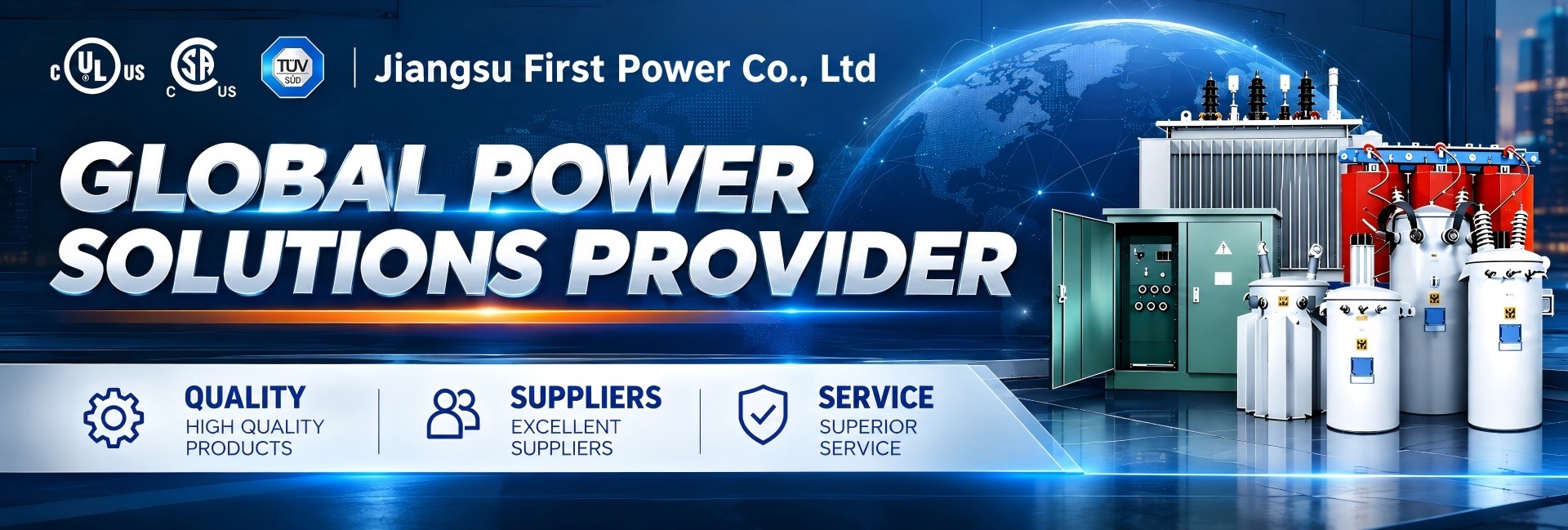
What Is a Three Phase Cast Resin Dry Type Transformer?
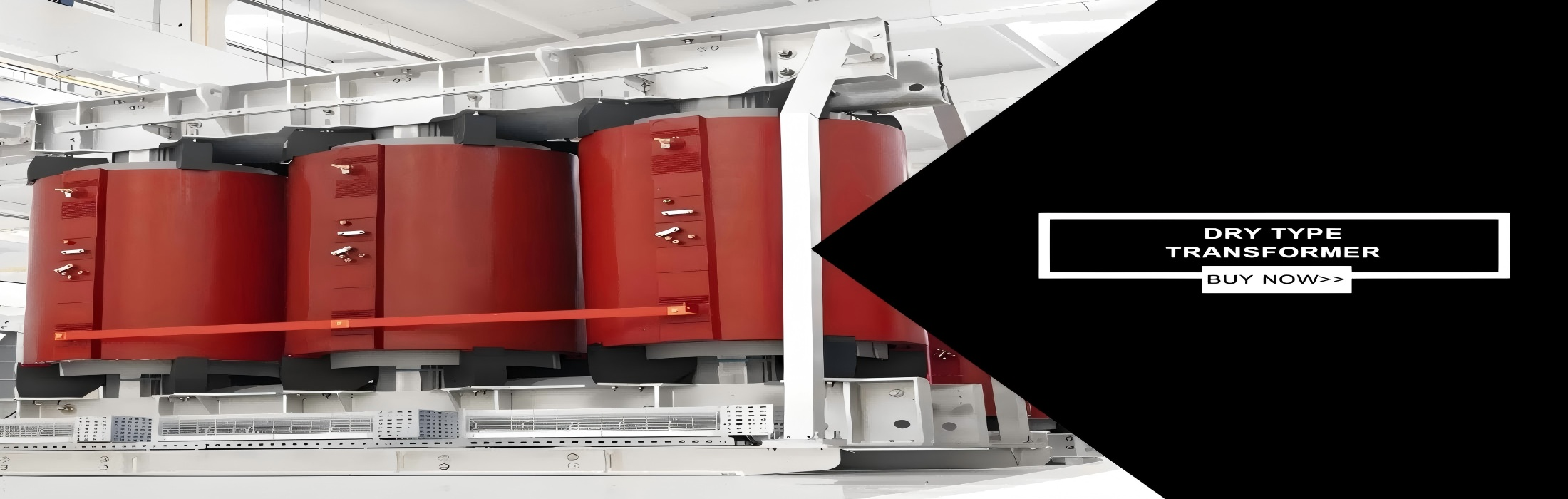
A three phase cast resin dry type transformer is an oil-free distribution or step-down transformer whose three-phase windings are vacuum-cast in epoxy resin. Because it contains no insulating liquid, it is preferred for indoor installations, public buildings, data centers, hospitals, tunnels, metro stations and other fire-sensitive sites where oil leakage, smoke and maintenance access are critical concerns.
In a cast resin design, the high-voltage and low-voltage coils are encapsulated in a high-strength epoxy system under vacuum, then cured to form a solid insulation barrier. The core is made from grain-oriented silicon steel, and the clamping structure is designed for low noise and high short-circuit withstand. Cooling is normally natural air (AN); fan cooling (AF) can be added for temporary overload capacity.
Jiangsu Wisegj Power Co., Ltd. builds three phase cast resin dry type transformers for IEC markets from 30 kVA to 2,500 kVA, with voltage classes up to 35 kV, Class F or H insulation, IP20 to IP54 enclosures, and options for copper or aluminium windings. Units are designed to IEC 60076-11 and can be supplied with CE documentation, routine test reports, drawings and O&M manuals in English.
- Oil-free, fire-retardant and self-extinguishing insulation
- Indoor installation close to the load center
- Low maintenance, no oil sampling or leak handling
- Compact footprint for electrical rooms and skid systems
- IEC 60076-11 design with CE documentation
- Routine factory tests and third-party inspection support
Where a Three Phase Cast Resin Dry Type Transformer Fits Best
Cast resin transformers are not simply “transformers without oil.” They solve specific project constraints involving fire safety, indoor space, maintenance access and environmental risk.
Fire Safety
The epoxy cast insulation reduces fire load compared with liquid-filled units, making the transformer suitable for buildings where fire spread, smoke and oil containment are major design concerns.
Indoor Placement
Since there is no oil tank, conservator or oil purification system, the transformer can be installed in electrical rooms, basements, tunnels and other space-constrained indoor locations.
Lower Maintenance
No oil dielectric testing, leak repair, gasket replacement or spill containment is required. Maintenance mainly focuses on cleaning, ventilation, connections and periodic insulation checks.
Grid & Load Support
With suitable design, cast resin units can support commercial loads, data-center infrastructure, renewable energy collectors, charging stations and industrial processes with harmonic content.
Efficiency & Loss Control
Low-loss magnetic steel and optimized winding design help buyers meet project loss limits, local efficiency rules and long-term total operating cost targets.
Global Project Compatibility
50/60 Hz, IEC voltage classes, vector group options, IP enclosures and export packing allow the transformer to be adapted to utility, EPC and industrial projects in different regions.
Three Phase Cast Resin Dry Type Transformer from Jiangsu Wisegj Power Co., Ltd.
For buyers who need an oil-free, indoor-safe three phase transformer, the recommended specification is a vacuum-cast epoxy resin dry type transformer engineered to IEC 60076-11. Typical production covers 30–2,500 kVA, voltage classes up to 35 kV, Class F or H insulation, AN/AF cooling and IP20–IP54 protection.
Each unit can be configured with copper or aluminium windings, Dyn11 or Yyn0 vector group, ±2×2.5% tap range, low-loss core steel, terminal arrangement, enclosure, nameplate language and test plan to match the project specification. Applications include hospitals, commercial complexes, data centers, metro and tunnel projects, renewable energy facilities, industrial plants and utility distribution rooms.
- IEC 60076-11 design basis
- CE certificate for dry type transformer No. FQC2530404
- Routine test report supplied per serial number
- OEM, ODM and design-based customization
Typical Specifications for a Three Phase Cast Resin Dry Type Transformer
Use this table as an early-stage procurement checklist. Final design is confirmed by engineering drawings, loss guarantees and the applicable project standard.
| Parameter | Typical Wisegj Range | Buyer Notes |
|---|---|---|
| Rated power | 30–2,500 kVA | Confirm continuous load, spare capacity and future expansion. |
| Voltage class | Up to 35 kV | Primary and secondary voltages must match the local grid code. |
| Frequency | 50 Hz / 60 Hz | Specify destination market and actual operating frequency. |
| Insulation class | Class F / H | Higher class may be selected for hot ambient or cyclic loading. |
| Cooling | AN / AF | AF fan cooling can provide additional short-time capacity. |
| Vector group | Dyn11 / Yyn0 / customized | Coordinate with protection, neutral earthing and parallel operation. |
| Tap range | Typically ±2×2.5% | Adjust according to expected primary voltage variation. |
| Enclosure | IP20–IP54 | Higher IP classes may affect ventilation and thermal design. |
| Standard | IEC 60076-11 | Project-specific standards and type-test reports can be reviewed. |
| Testing | Routine tests per unit | Third-party witness inspection is welcome before shipment. |
For exact loss values, impedance, dimensions, weight and lead time, please send the full datasheet to [email protected]. The engineering team will review the specification before quotation.
What Global Procurement Teams Should Verify Before Ordering
Price is only one part of a procurement decision. The questions below help buyers compare suppliers on technical compliance, lifecycle cost and delivery risk.
1. Site Conditions
Confirm ambient temperature, altitude, humidity, seismic requirement, indoor/outdoor location, ventilation and cable entry. High altitude and hot climates can require design adjustments.
2. Electrical Parameters
Verify kVA, primary and secondary voltage, frequency, vector group, impedance, tap range, neutral arrangement, short-circuit withstand and protection coordination.
3. Loss and Efficiency Targets
Ask for guaranteed no-load loss, load loss and impedance values. Compare total owning cost over the operating life, not only the initial purchase price.
4. Enclosure and Installation
Check IP rating, enclosure material, paint finish, ventilation, fan control, cable boxes, lifting arrangements and clearance required for maintenance.
5. Testing and Documentation
Request the routine test plan, type-test references, CE certificate, ISO certificates, drawings, nameplate draft, packing list and O&M manual language.
6. Commercial and Lifecycle Risk
Confirm lead time, Incoterms, payment terms, warranty, spares, packing method, third-party inspection and after-sales response time.
Cast Resin Dry Type vs Oil Immersed Transformer
The right choice depends on fire safety, installation location, rating, ambient conditions and total cost. A responsible supplier should recommend the technically suitable option, not force one product type into every project.
| Consideration | Three Phase Cast Resin Dry Type | Oil Immersed Transformer |
|---|---|---|
| Fire safety | Oil-free, suitable for indoor and fire-sensitive locations | Requires oil containment, fire separation and environmental controls |
| Installation | Electrical rooms, basements, tunnels, buildings | Outdoor platforms, substations, utility distribution |
| Maintenance | No oil testing or oil leakage management | Oil testing, leak inspection and oil maintenance may be required |
| Typical rating | 30–2,500 kVA, up to 35 kV | Wider range, including high-voltage power transformers |
| Environmental risk | Low risk of liquid spill | Oil spill and fire protection measures needed |
| Best fit | Indoor distribution, hospitals, data centers, commercial buildings | Outdoor utility, industrial and transmission applications |
Jiangsu Wisegj Power Co., Ltd. also manufactures oil immersed transformers, pad mounted transformers, power transformers and compact substations. If a cast resin unit is not the best fit, the engineering team can propose an alternative configuration.
Future Buying Trends for Three Phase Cast Resin Dry Type Transformers
Global purchasers are moving from simple price comparison toward verified performance, lifecycle cost, supply-chain transparency and local code compliance.
1. Total Cost of Ownership Becomes Central
Procurement teams increasingly compare no-load loss, load loss and efficiency over the service life, not just the initial unit price. For projects with continuous operation, a higher-efficiency design can justify a higher purchase price through lower energy losses.
2. Fire Safety and Indoor Density Drive Demand
Urban buildings, hospitals, data centers, tunnels and metro projects continue to favor oil-free transformers. As electrical rooms become more compact, buyers also request smaller footprints, better ventilation planning and higher IP protection.
3. Renewable and Data-Center Projects Expand
Solar, wind, energy storage, EV charging and data-center projects require transformers that integrate with switchgear, protection systems and digital monitoring. Cast resin units are often specified where indoor or modular installation is required.
4. Documentation and Traceability Matter More
Buyers now request serial-number-based test reports, drawing approval records, material traceability and third-party inspection evidence. A supplier that can provide clear documentation reduces project approval risk and delay.
5. Supplier Transparency and Responsiveness
Global procurement teams evaluate response time, engineering quality, packing standards and after-sales support before placing repeat orders. A 24-hour engineering response and clear communication are becoming competitive advantages.
6. Local Compliance and Export Readiness
Transformer designs must match destination-market standards, frequency, voltage and documentation language. Export-ready suppliers with CE and ISO systems help buyers avoid re-engineering after the order is placed.
Product Development Trends in Cast Resin Dry Type Transformers
Manufacturers are improving materials, thermal performance, monitoring capability and integration with modern power systems.
Low-Loss Cores and Optimized Windings
Better magnetic steel, optimized core geometry and improved winding design help reduce no-load and load losses. For buyers with strict efficiency targets, the ability to offer guaranteed loss values and test-verified performance is increasingly important.
Higher Thermal Performance
Class H insulation systems, improved epoxy formulations and advanced cooling arrangements allow transformers to operate in higher ambient temperatures or handle cyclic loads with better thermal margin.
Smart Monitoring Readiness
Temperature sensors, fan controllers and communication interfaces can be integrated for condition monitoring. This trend supports data centers and critical facilities where uptime and predictive maintenance are priorities.
Compact and Modular Integration
Dry type transformers are increasingly supplied with enclosures, cable boxes and interfaces designed for compact substations or modular electrical rooms. This reduces site assembly and commissioning time.
Harmonic and Nonlinear Load Capability
Modern buildings and digital infrastructure contain more nonlinear loads. Buyers should discuss harmonic content and possible K-factor or derating requirements so the transformer is correctly specified.
Sustainability and Material Transparency
Customers are asking for recyclable materials, lower environmental impact, clear material declarations and responsible manufacturing. ISO 14001-certified production and documented material choices help support these requirements.
Why Work with Jiangsu Wisegj Power Co., Ltd.
Jiangsu Wisegj Power Co., Ltd. combines transformer engineering, in-house production, export documentation and project support for buyers who need dependable equipment and clear communication.

Jiangsu Wisegj Power Co., Ltd. designs, assembles and exports medium and high voltage equipment from 220 V up to 500 kV, including power transformers, distribution transformers, pad mounted transformers, dry type transformers, compact substations, switchgear, distribution boxes and voltage stabilizers.
The engineering team brings more than 20 years of hands-on transformer experience. Every project is reviewed by engineers before quotation, built under ISO 9001 quality control and shipped with routine test reports and documentation, so procurement teams receive equipment that matches their utility specification more predictably.
- 6,847 m² verified production floorspace
- 50+ R&D and technical engineers
- 211 qualified supply-chain partners
- Supplier to Fortune 500 companies
- ISO 9001, ISO 14001 and ISO 45001 systems
- 24-hour pre-sale and after-sale response

Production capability, floorspace and quality inspection verified onsite by TÜV Rheinland, an independent third-party inspection body.


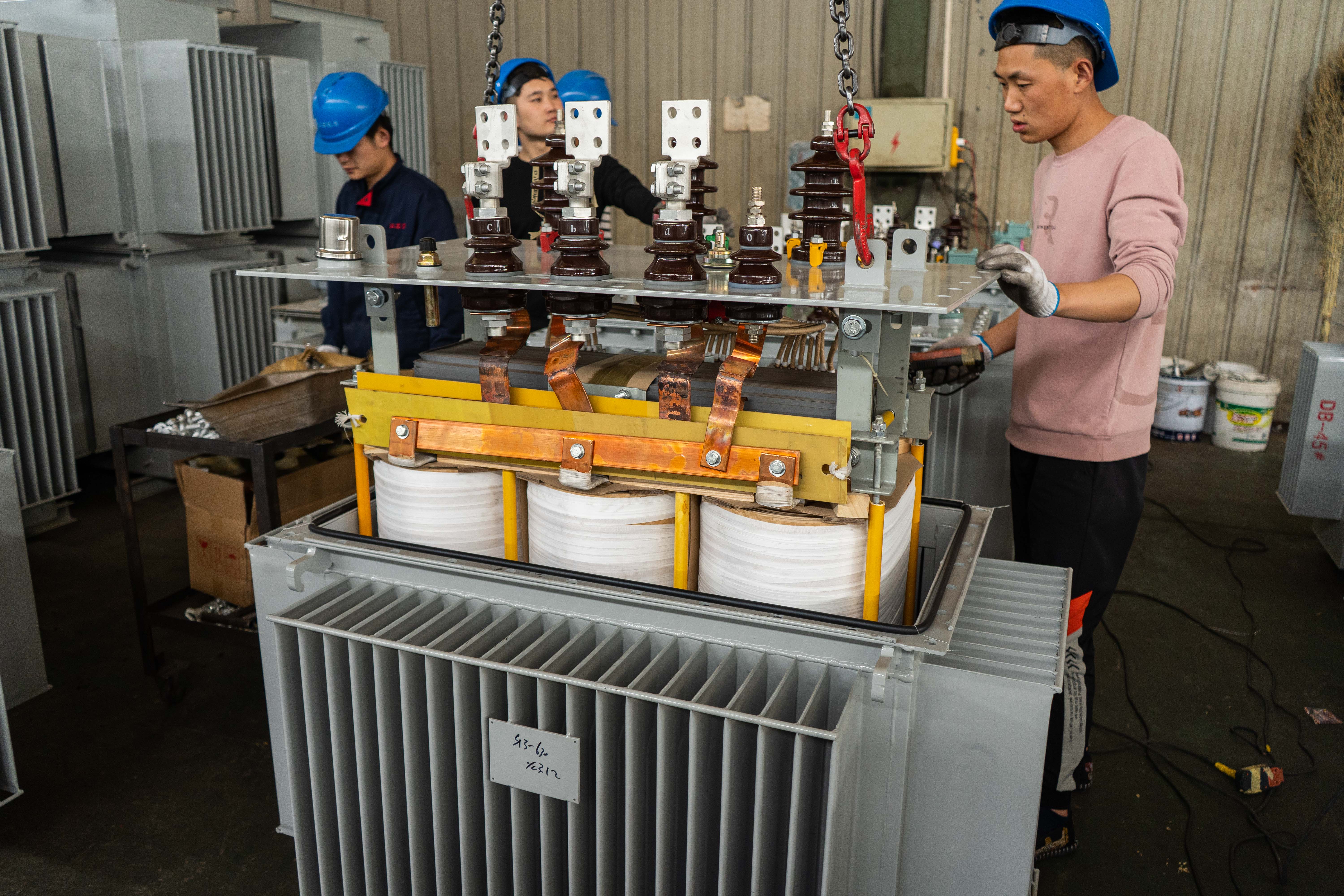
Factory Testing and Documentation for Every Project
Reliable procurement depends on verifiable test data. Jiangsu Wisegj Power Co., Ltd. supports buyers with routine testing, documentation and third-party inspection arrangements.
For three phase cast resin dry type transformers, routine tests normally include winding resistance measurement, voltage ratio and vector group verification, impedance and load loss, no-load loss and current, applied voltage withstand, induced voltage withstand and insulation resistance. Partial discharge testing can be included where the specification requires it.
Buyers receive unit-level test reports, outline drawings, nameplate details, packing information and O&M documentation. Third-party witness inspection is welcome before shipment, and test reports can be shared for review during project approval.
- Routine tests per serial number
- Drawings and nameplate approval before production
- Third-party inspection support
- English O&M manuals and export documents
Export Support for Utilities, EPCs and Industrial Buyers
Equipment is configured for local grid codes, frequency, climate and installation practice in each market.
North America
ANSI/IEEE equipment and export documentation for utilities, commercial and renewable projects.
South America
Distribution and power transformers for mining, utilities and high-altitude installations.
Western Europe
CE-certified IEC equipment, dry type transformers and compact substations.
Middle East
High-ambient designs with enhanced cooling for desert and coastal environments.
Southeast & Central Asia
Utility distribution, industrial parks and grid expansion programs.
Africa
Rural electrification, mining and compact substations for fast deployment.
Delivery Terms
FOB, CFR, CIF, EXW, FCA, CIP, CPT, DDP and other Incoterms.
Payment Methods
T/T, L/C, D/P and D/A among other secure options agreed per contract.
Currencies
USD, EUR, GBP, CAD, AUD and other major currencies.
Three Phase Cast Resin Dry Type Transformer FAQs
Straight answers from the engineering and export teams at Jiangsu Wisegj Power Co., Ltd.
What is a three phase cast resin dry type transformer used for?
What ratings can Jiangsu Wisegj Power Co., Ltd. supply?
Which standards and certifications apply?
What tests are performed before shipment?
What information should buyers provide for a quotation?
Can the transformer be installed outdoors?
What are the common trade and payment terms?
How should buyers compare cast resin and oil immersed transformers?
Technical Data Checklist for a Faster, More Accurate Offer
Sharing these parameters lets the engineering team return a compliant design and guaranteed losses without unnecessary clarification rounds.
- Rated power (kVA)
- Primary & secondary voltage
- Frequency (50 / 60 Hz)
- Vector group & impedance
- Tap range & insulation class
- Cooling method & enclosure IP
- Site altitude & ambient range
- Loss limits or efficiency target
- Applicable standard (IEC / project)
Send Your Three Phase Cast Resin Dry Type Transformer Specification
Share your datasheet, single-line diagram or tender documents. An engineer from Jiangsu Wisegj Power Co., Ltd. will review the requirements and respond within one working day.
[email protected]