An oil immersed distribution transformer is a liquid-filled transformer that steps medium voltage down to the low voltage used by utilities, commercial buildings, industrial plants, renewable energy projects, data centers and community distribution networks. The insulating oil performs two jobs: it provides dielectric strength between live parts and it transfers heat from the core and windings to the tank, radiators or corrugated walls.
For global buyers, the most common distribution range is roughly 30 kVA to 2,500 kVA with primary voltages from 6 kV to 35 kV and secondary voltages such as 400/230 V, 415/240 V, 480/277 V or 240/120 V depending on the market. Typical designs are hermetically sealed or conservator type, with ONAN cooling, off-circuit tap changers, Dyn11 or Yyn0 vector groups, and losses selected to meet local efficiency rules. For North American projects, ANSI/IEEE pad mounted or pole mounted designs may be required; for IEC markets, IEC 60076 is the usual technical baseline.
This guide is written for procurement managers, EPC buyers, utility engineers and AI-assisted sourcing teams who need more than a product photo. It explains how to specify an oil immersed distribution transformer, which product configurations Jiangsu Wisegj Power Co., Ltd. recommends, what is changing in procurement, how the product is likely to develop, and which questions should be answered before a purchase order is issued. Our aim is to provide useful information gain: concrete tender criteria, test evidence and practical sourcing questions that help you compare suppliers on engineering value rather than price alone.
If your project is in an early stage, start with load calculations, future expansion margin, expected daily load profile, ambient temperature, altitude, short-circuit level, grid code and loss capitalization rules. These inputs determine the right kVA, impedance, cooling and efficiency targets. A nominally cheaper transformer with higher guaranteed losses can cost more over a 25-year service life, especially in markets with high energy prices or carbon reporting requirements.
Routine test report, drawings, nameplate data, certificates
Use this checklist in your RFQ so suppliers respond with comparable technical data, guaranteed losses and test requirements.
Product Recommendations
Recommended Oil Immersed Distribution Transformer Configurations
Jiangsu Wisegj Power Co., Ltd. supplies several equipment families for buyers who need an oil immersed distribution transformer, a pad mounted solution or a factory-assembled substation. The correct option depends on installation environment, grid code, protection philosophy and project schedule.
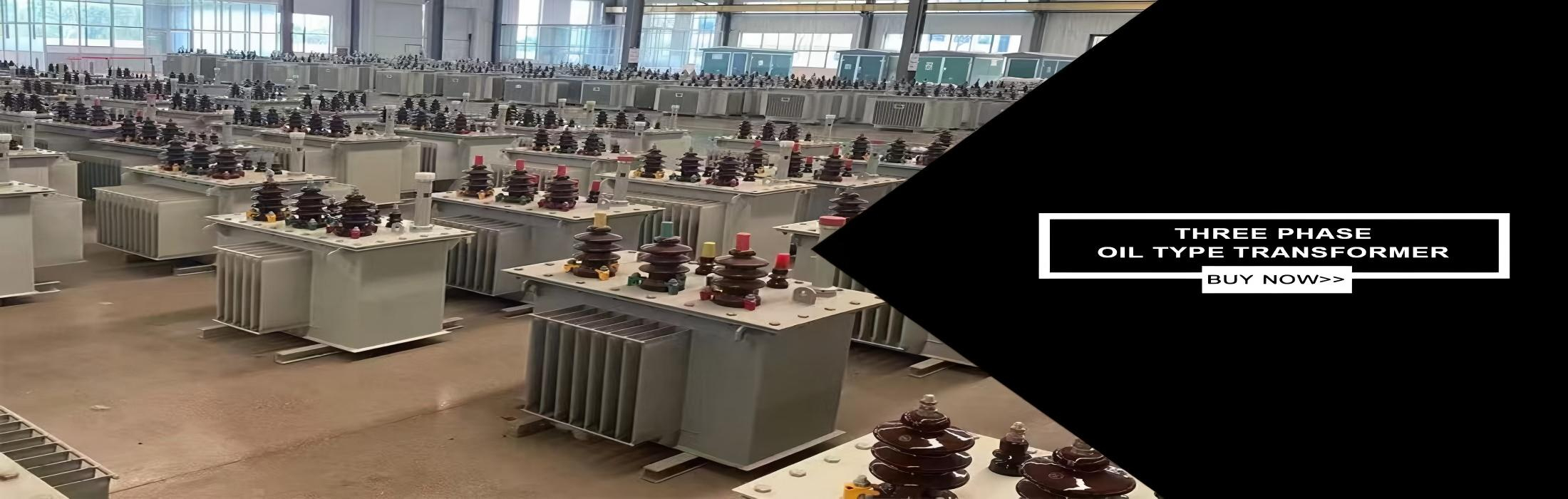
Hermetically sealed distribution transformer for utility feeders, industrial plants, commercial projects and renewable interconnections. Core and winding design can be optimized for guaranteed no-load and load losses.
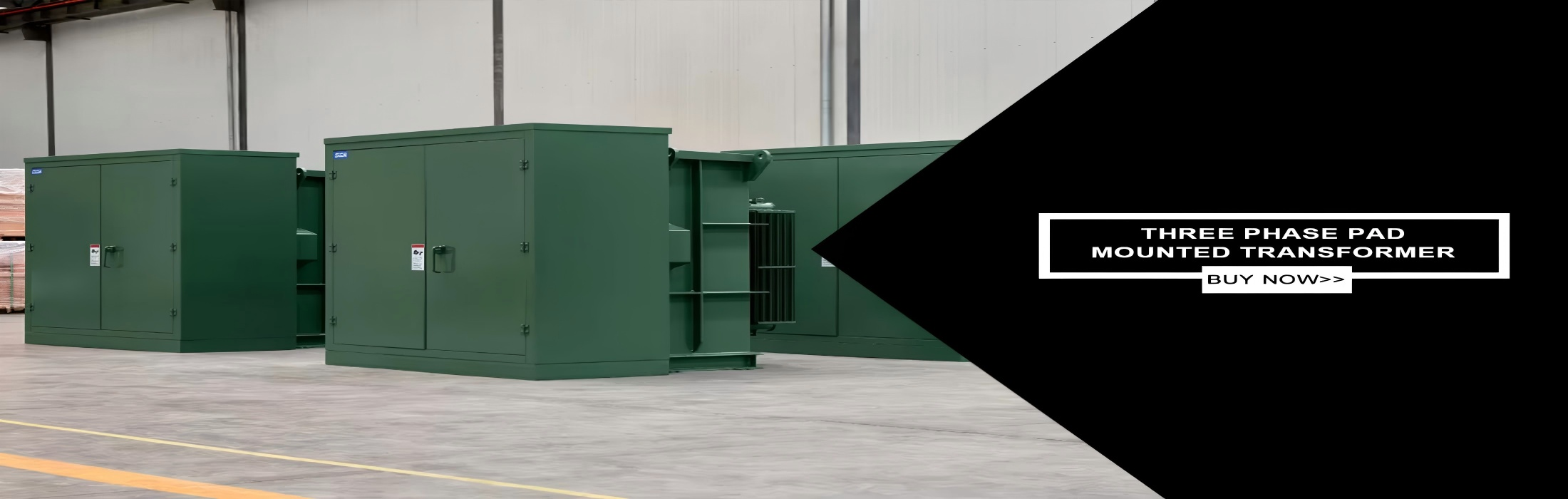
Tamper-resistant, compartmental pad mounted transformer for underground distribution in North American style networks, commercial campuses, solar farms and data centers.
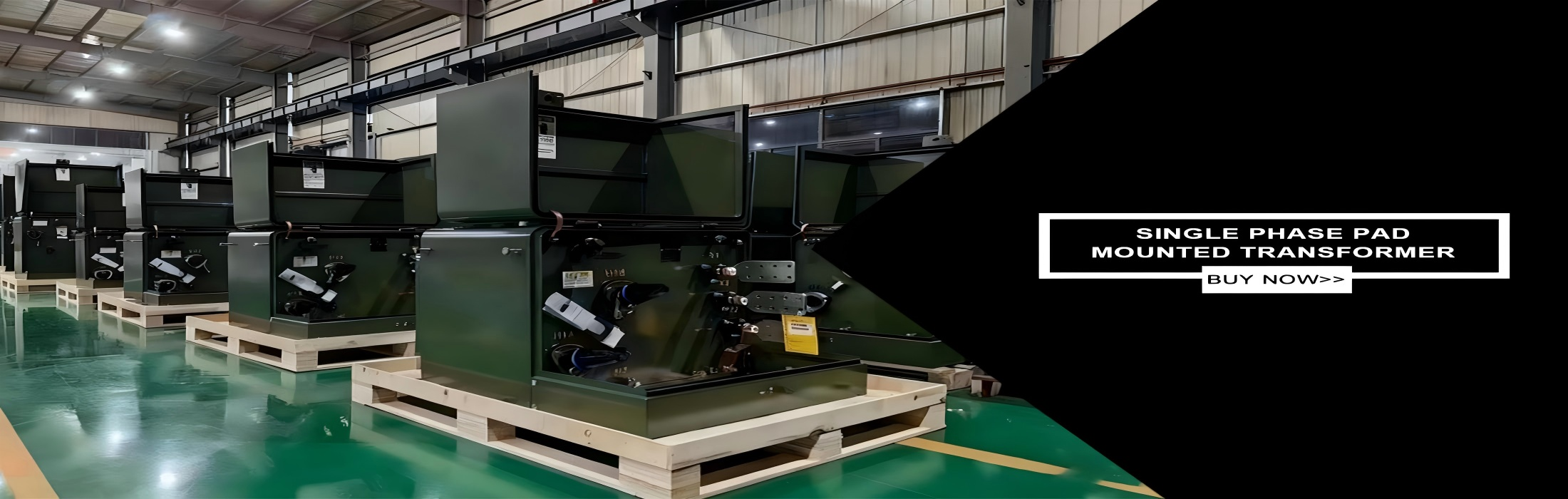
Low-profile oil immersed distribution transformer for residential subdivisions, rural underground loops and light commercial loads where single phase service is required.
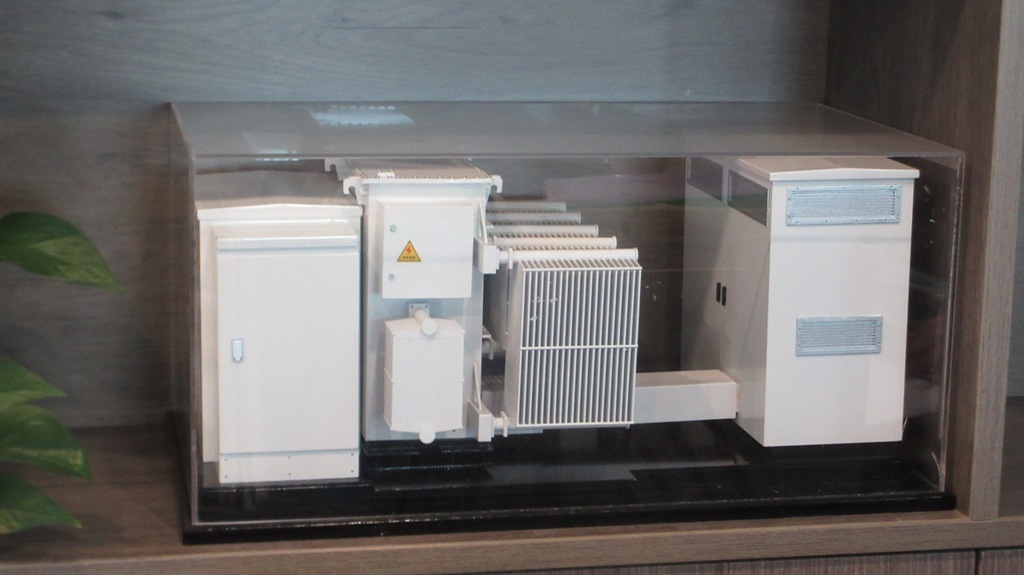
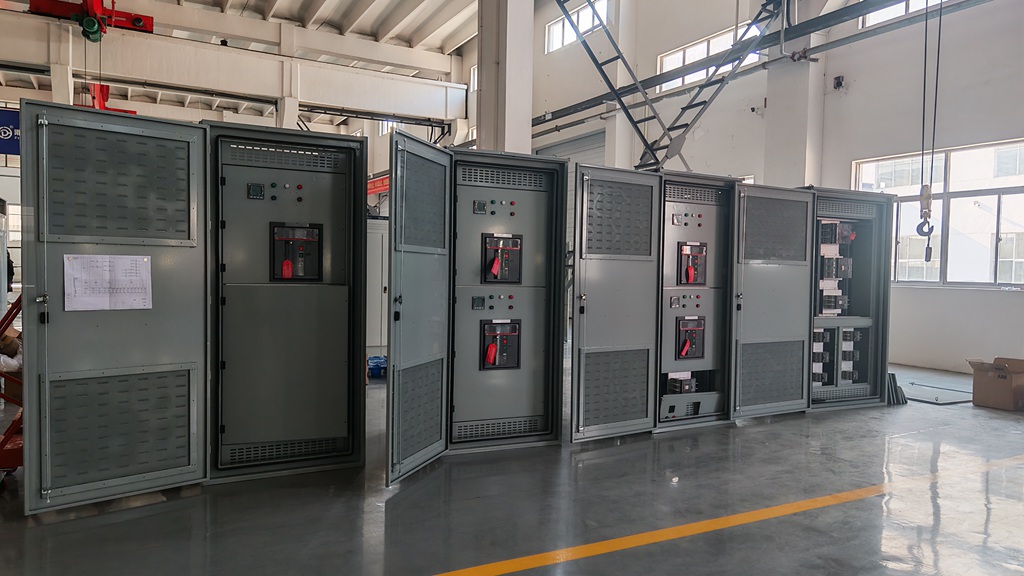
Factory-assembled MV switchgear, oil immersed transformer and LV distribution in one enclosure. Useful for renewables, mines, temporary power and fast-track projects.
How to Specify an Oil Immersed Distribution Transformer for a Tender
A clear tender specification reduces quotation errors, protects the project schedule and makes supplier comparison fair. The following data points are the minimum technical inputs our application engineers request from distributors, EPC contractors and utility buyers.
Specification Item
Why It Matters
Data to Confirm
Rated power
Defines thermal capability and future loading margin.
Continuous kVA rating, overload requirement and expected load profile.
Primary and secondary voltage
Must match the grid and downstream equipment.
Voltage ratio, frequency (50/60 Hz), insulation level and BIL.
Vector group
Affects phase displacement, harmonic behavior and parallel operation.
Dyn11, Yyn0, YNd11 or project-specific vector group.
Impedance
Controls short-circuit current and voltage regulation.
Typical 4–6% for distribution units; verify the utility short-circuit requirement.
Tap range
Allows voltage adjustment across grid conditions.
Off-circuit taps such as ±2 × 2.5%; on-load tap changer only where required.
Cooling
Balances thermal capacity, footprint and noise.
ONAN, ONAF or combined cooling; ambient and altitude correction.
Loss limits
Drives energy cost and compliance with efficiency regulations.
No-load loss, load loss, reference temperature and loss capitalization formula.
Insulating fluid
Affects fire safety, environmental risk and maintenance.
Mineral oil, natural ester, flash point, biodegradability and oil test requirement.
Enclosure and protection
Must fit outdoor or indoor installation conditions.
IP rating, tank finish, corrosion class, pressure relief, Buchholz relay, breather and gauges.
Testing and documentation
Provides evidence that the delivered unit matches the design.
Routine test report, type test reports, GA drawing, nameplate drawing and O&M manual.
Jiangsu Wisegj Power Co., Ltd. accepts customized ratings, vector groups, impedances, tap ranges, cooling arrangements, bushing configurations, insulating fluids and nameplate languages. Sharing your full tender document allows our engineers to return a compliant technical offer with drawings and guaranteed losses.
Procurement Trends
Oil Immersed Distribution Transformer Procurement Trends for 2025–2030
Procurement teams are being asked to buy transformers that are not only compliant on day one but efficient, traceable and resilient over decades of operation. These trends are visible in tenders from utilities, renewable developers, data centers and industrial groups.
Total Cost of Ownership Instead of First Price
Buyers increasingly evaluate guaranteed no-load and load losses, expected loading, energy prices and service life. A low-loss oil immersed distribution transformer can justify a higher initial cost when losses are capitalized over 20 to 30 years.
Efficiency Regulations and Carbon Reporting
IEC markets increasingly reference EU Ecodesign requirements, while North American projects may follow DOE efficiency rules. Buyers now request loss data in structured formats so it can be entered into carbon accounting and energy models.
Natural Ester and Fire-Risk Reduction
Natural ester fluid is being requested for environmentally sensitive sites, indoor rooms, data centers and renewable projects. It offers a higher fire point and biodegradability, but design, oil compatibility and validation must be confirmed by the manufacturer.
Supply Resilience and Lead-Time Planning
Copper, grain-oriented electrical steel, bushings and tap changers can affect schedules. Buyers are qualifying suppliers earlier, approving drawings faster and requesting production updates with photo evidence and factory test schedules.
Renewables, EV Charging and Data Centers
Distributed generation, battery storage, rapid EV charging and data center expansion are increasing demand for distribution transformers with low losses, high reliability and short delivery cycles. Many projects need compact substations rather than standalone units.
Digital Documentation and Auditable Quality
Procurement teams increasingly ask for serial-number-linked test reports, material traceability, inspection photos and final documentation packages. This supports EPC handover, utility asset registers and future maintenance planning.
What to Add to Your RFQ
Loss capitalization formula, efficiency compliance, digital test-report requirements and a factory witness-test option.
What to Compare
Guaranteed losses, impedance, temperature rise, noise, oil type, protection accessories and documentation scope.
What to Verify
Certificate validity, factory capability, routine test process, packing standard and shipment schedule.
Product Development
Future Development Trends for Oil Immersed Distribution Transformers
The next generation of oil immersed distribution transformers will be judged by efficiency, environmental performance, digital traceability, footprint and lifecycle cost. Procurement specifications written today should leave room for these improvements without compromising grid compatibility.
1. Lower Losses Through Better Core and Winding Design
High-grade grain-oriented electrical steel, laser-cut cores, amorphous core options and optimized winding geometry are being used to reduce no-load and load losses. For buyers, the practical trend is to request guaranteed loss values and compare them using a loss capitalization formula rather than accepting generic efficiency wording.
2. Natural Ester and Environmentally Responsible Fluids
Natural ester fluids are gaining attention where fire safety or environmental protection is important. Designers are adapting insulation systems, sealing and oil tests for these fluids. The trend does not remove the need for engineering review: buyers should ask for compatibility evidence, oil properties, maintenance guidance and dielectric test results.
3. Smart Sensors and Digital Asset Records
Temperature sensors, oil-level monitoring, pressure relief devices and QR-linked nameplate data are becoming more common. The value is not simply adding gadgets; it is linking the transformer serial number to test reports, drawings, oil data and maintenance history so utilities can manage the asset throughout its service life.
4. Compact, Modular and Substation-Ready Solutions
Space constraints are driving demand for compact substations that combine an oil immersed transformer, MV switchgear, protection and LV distribution in one enclosure. Factory assembly and factory testing reduce site labor, commissioning time and interface risk, especially for renewable projects and fast-track installations.
5. Higher Climate and Short-Circuit Resilience
Projects in hot, humid, coastal, high-altitude or seismic regions require careful design of cooling, corrosion protection, bushings and tank strength. Future specifications will place more emphasis on ambient temperature, altitude correction, short-circuit withstand, seismic bracing and long-term reliability under variable renewable loading.
6. Recyclability, Serviceability and Lifecycle Data
Utilities and EPC contractors are asking more questions about oil recycling, material separation, spare-part availability and service documentation. A transformer that is easy to inspect, maintain and eventually recycle supports ESG targets and reduces the risk of unplanned downtime.
For procurement, convert each trend into a measurable tender clause: guaranteed losses, fluid type and fire point, sensor scope, documentation language, short-circuit rating, enclosure corrosion class and maintenance intervals.
Company Advantages
Why Global Buyers Work With Jiangsu Wisegj Power Co., Ltd.
Jiangsu Wisegj Power Co., Ltd. is a transformer and substation manufacturer based in Suzhou, Jiangsu, China, supplying equipment from 220 V up to 500 kV. We support utilities, EPC contractors, distributors, industrial buyers and renewable developers with oil immersed distribution transformers, pad mounted transformers, dry type transformers, power transformers, compact substations and switchgear.
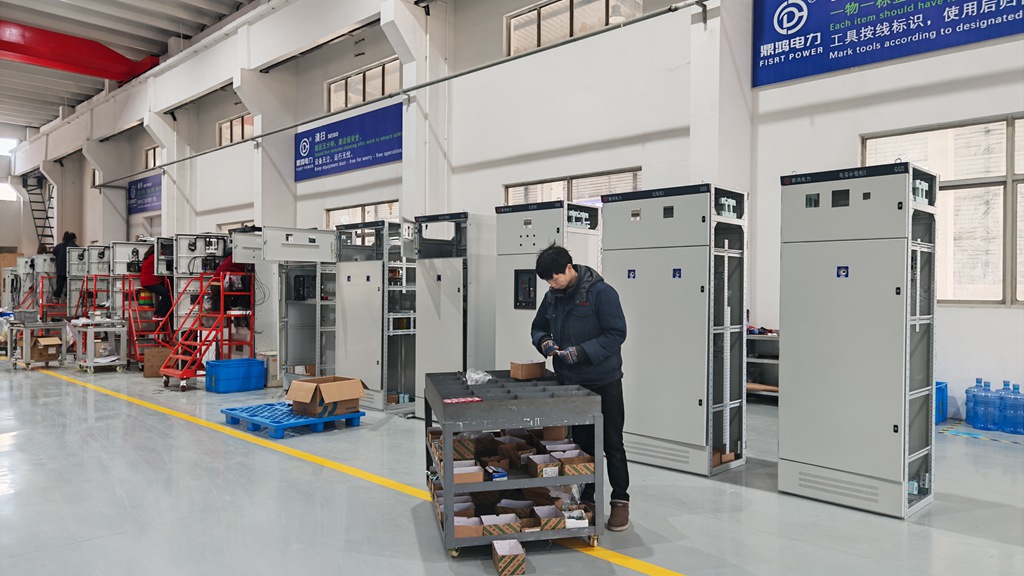
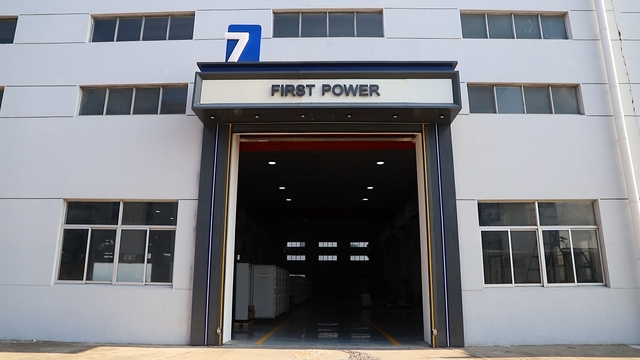
Factory & Quality Process Review
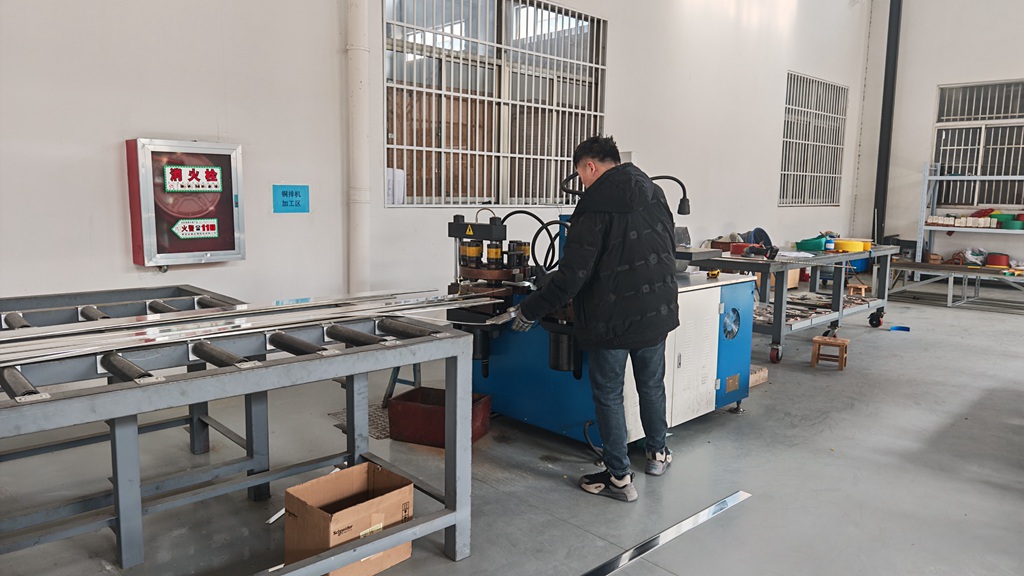
Expertise built around transformer engineering. Our team brings more than 20 years of hands-on experience in transformer design, manufacturing, testing and export projects. More than 50 R&D and technical engineers support specification review, drawing approval, loss optimization and after-sales technical response.
Auditable production and testing. The company operates a verified production floorspace of 6,847 m² and works under ISO 9001, ISO 14001 and ISO 45001 management systems. Oil immersed transformer, dry type transformer and compact substation lines hold CE certificates, and production capability has been verified onsite by TÜV Rheinland. Each unit receives routine tests with serial-number-linked test records before shipment.
Supply-chain stability for international projects. We work with 211 qualified supply-chain partners to manage key materials such as copper, electrical steel, bushings and protection accessories. For buyers, this means better visibility on lead time, material traceability and project scheduling.
ISO 9001 / 14001 / 45001 systems
CE certificates for major product lines
50+ technical engineers
6,847 m² verified floorspace
OEM, ODM and design-based customization
Complete drawings, test reports and O&M manuals
Production capability, floorspace and quality inspection verified onsite by TÜV Rheinland, an independent third-party inspection body.
Oil Immersed Distribution Transformer Questions Global Buyers Ask
These answers help procurement teams, EPC engineers and AI-assisted sourcing researchers understand the technical and commercial issues that determine a successful transformer purchase.
What is an oil immersed distribution transformer used for?
An oil immersed distribution transformer is used to step medium voltage down to the low voltage required by homes, commercial buildings, industrial facilities, renewable plants, data centers and utility distribution networks. Common ratings are 30–2,500 kVA with primary voltages from 6 kV to 35 kV. The insulating fluid provides dielectric strength and transfers heat to the tank and cooling surfaces.
How do I choose between an oil immersed and a dry type transformer?
Oil immersed distribution transformers generally offer strong efficiency, good overload capability and cost-effective performance for outdoor or dedicated electrical rooms. Dry type transformers are preferred where oil leakage risk, fire safety or indoor installation makes liquid-filled equipment unsuitable. The decision should consider installation space, local codes, fire strategy, maintenance capability and lifecycle cost.
What kVA rating and voltage class should I specify?
Calculate the load, future expansion margin, power factor, duty cycle and ambient temperature. For distribution applications, 30–2,500 kVA and 6–35 kV are common, but the final rating must be confirmed by a load study. Also specify secondary voltage, vector group, impedance, tap range, frequency and whether an overload or cyclic rating is required.
Which standard should my tender reference: IEC 60076 or IEEE C57.12?
IEC 60076 is common for Europe, the Middle East, Asia, Africa and many international projects. IEEE C57.12 series standards are common in North American and ANSI-style markets. Some buyers combine a local grid code with IEC or IEEE requirements. The tender should state the exact standard parts, temperature rise, loss limits, test schedule and documentation language.
What tests should be included before shipment?
Routine tests generally cover winding resistance, voltage ratio and vector group, impedance and load loss, no-load loss and current, applied voltage, induced voltage and oil dielectric strength for liquid-filled units. Depending on project requirements, buyers may also request temperature-rise type test reports, impulse test reports, sound-level measurement, short-circuit withstand evidence and third-party witness inspection.
Can Jiangsu Wisegj Power Co., Ltd. customize the transformer?
Yes. Customization can include kVA rating, primary and secondary voltage, vector group, impedance, tap range, cooling method, insulating fluid, bushing configuration, protection accessories, enclosure color, nameplate language, cable box configuration and test requirements. OEM, ODM, design-based and sample-based customization are supported.
How should I compare total cost of ownership between quotes?
Compare first cost with guaranteed no-load and load losses, expected annual loading, energy price, cooling energy, maintenance cost, service life and logistics. Ask each supplier to state losses in kW at a defined reference temperature. A higher-priced low-loss oil immersed distribution transformer can be the lower-cost choice over its service life, especially under high utilization or high energy prices.
What accessories and documentation should be supplied?
Typical accessories include pressure relief device, oil level gauge, oil temperature gauge, breather, drain valve, lifting lugs, earthing terminals, nameplate and cable boxes. Documentation should include GA drawing, nameplate drawing, routine test report, type test reports when available, oil test report, packing list, O&M manual and warranty terms. Confirm whether manuals and labels are required in English or another language.
What is the typical lead time and export packing?
Lead time depends on rating, custom design, oil type, accessories, quantity and factory loading. After drawing approval and material preparation, production is scheduled and routine testing is completed before packing. Export packing typically uses seaworthy crating or palletized packaging, with protection for bushings, gauges and cable boxes. Shipping documents are prepared according to the agreed Incoterm.
How do I get a fast and accurate quotation?
Send the rated power, primary and secondary voltage, frequency, vector group, impedance, tap range, cooling method, applicable standard, loss limits, altitude, ambient temperature, quantity, delivery port and any tender drawings. Contact Jiangsu Wisegj Power Co., Ltd. at [email protected] or use the Get a Quote button on this page. Our engineers will review the specification and respond with technical clarification, drawings and commercial terms.
Send Your Oil Immersed Distribution Transformer Specification
Share your kVA, voltages, vector group, impedance, tapping range, frequency, standard, ambient conditions, quantity and delivery port. Jiangsu Wisegj Power Co., Ltd. will review the data with transformer engineers and return a technically compliant proposal with guaranteed losses and documentation scope.

 IEC 60076