Blog
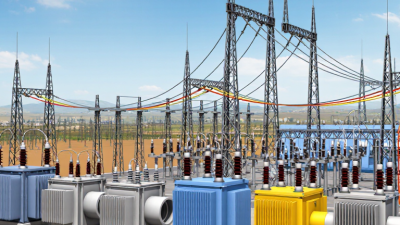
10 Best Power Transformer Suppliers for Global Buyers
Choosing a Power Transformer supplier is a long-term engineering decision, not a simple price comparison. A transformer may stand beside a substation for decades, carrying heavy loads through heat, rain, and daily switching. Buyers must assess proven designs, factory testing, delivery capacity, service support, and access to replacement parts. Small differences matter.
The International Energy Agency’s 2023 report, Electricity Grids and Secure Energy Transitions, says the world may need to add or replace 80 million kilometres of grids by 2040. It also estimates annual grid investment must exceed USD 600 billion by 2030. These figures point to growing pressure on equipment makers, including transformer suppliers. IEA Executive Director Fatih Birol put the wider challenge plainly: “We need to build more grids, and we need to build them faster.” Power transformers are one critical part of that work.
This guide reviews ten suppliers for global buyers, focusing on capabilities that can be checked: product range, manufacturing footprint, certifications, project references, and after-sales support. A supplier’s brochure is not enough. Ask for test records, clear delivery assumptions, and evidence from comparable installations. Then compare the answers.
The ranking has limits. Supplier strengths vary by voltage class, region, and project conditions; one list cannot settle every procurement decision. A manufacturer with a strong global presence may still be a poor fit for a specific site. Treat these profiles as a starting point, and verify each claim directly before shortlisting.
Read more »
 By:Ethan
- November 17, 2026
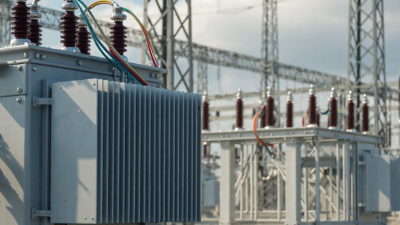
How to Choose the Right Electrical Transformer?
Choosing an Electrical Transformer is not just a matter of matching a power rating. A unit that looks adequate on paper may overheat under recurring peak loads, waste energy at light load, or fail to fit the site’s voltage and installation conditions. The details matter: motor starting currents, future equipment, ambient temperature, altitude, cooling, and available space can all change the right choice. Sometimes, the first estimate is too optimistic. A measured load profile is a better starting point.
The stakes are growing as electricity systems expand and change. The International Energy Agency’s 2023 report, Electricity Grids and Secure Energy Transitions, estimates that nearly 80 million kilometres of grids must be added or refurbished by 2040—about the length of today’s entire global grid. That finding highlights the need for reliable grid equipment, including correctly specified transformers. This guide explains how to compare capacity, primary and secondary voltage, phase, insulation, efficiency, impedance, and protection requirements. It also considers operating costs and maintenance, not only the purchase price. A nameplate can look reassuring. It is not the whole story. By checking actual loads, site conditions, and plans for expansion, buyers can make a more defensible selection—and recognize when an engineer’s review is needed.
Read more »
By:Ethan
- November 17, 2026

How to Choose the Right Electric Transformer?
Choosing the right Electric Transformer begins with the actual load, not a catalog headline. A workshop running motors, a hospital with backup systems, and a solar installation place different demands on equipment. Rated power matters, but so do voltage, frequency, load profile, cooling, installation conditions, and expected growth. A transformer that looks adequate on paper may overheat under repeated peaks. Small details count.
The wider grid picture makes careful selection more important. The International Energy Agency’s Electricity 2024 report recorded global electricity demand growth of 2.2% in 2023 and projected average annual growth of 3.4% from 2024 through 2026. In its 2023 report, Electricity Grids and Secure Energy Transitions, the IEA estimated that 80 million kilometres of grids must be added or refurbished by 2040. It also said annual grid investment needs to exceed USD 600 billion by 2030. These figures do not specify which transformer a buyer should choose. They do show why capacity, efficiency, reliability, and future expansion deserve attention.
A sound decision starts with verified site data and a clear duty profile. Compare kVA requirements, primary and secondary voltages, impedance, losses, insulation, enclosure, and environmental conditions. Check applicable IEC 60076 requirements and confirm specifications with a qualified electrical professional. Ask how the unit will behave at partial load, during motor starting, or in a hot equipment room. There is no perfect checklist. Some project assumptions will be wrong, and they should be reviewed. The right choice balances present needs with realistic future demand, without paying for capacity that the site may never use.
Read more »
By:Ethan
- November 17, 2026