Choosing an Electrical Transformer is not just a matter of matching a power rating. A unit that looks adequate on paper may overheat under recurring peak loads, waste energy at light load, or fail to fit the site’s voltage and installation conditions. The details matter: motor starting currents, future equipment, ambient temperature, altitude, cooling, and available space can all change the right choice. Sometimes, the first estimate is too optimistic. A measured load profile is a better starting point.
The stakes are growing as electricity systems expand and change. The International Energy Agency’s 2023 report, Electricity Grids and Secure Energy Transitions, estimates that nearly 80 million kilometres of grids must be added or refurbished by 2040—about the length of today’s entire global grid. That finding highlights the need for reliable grid equipment, including correctly specified transformers. This guide explains how to compare capacity, primary and secondary voltage, phase, insulation, efficiency, impedance, and protection requirements. It also considers operating costs and maintenance, not only the purchase price. A nameplate can look reassuring. It is not the whole story. By checking actual loads, site conditions, and plans for expansion, buyers can make a more defensible selection—and recognize when an engineer’s review is needed.
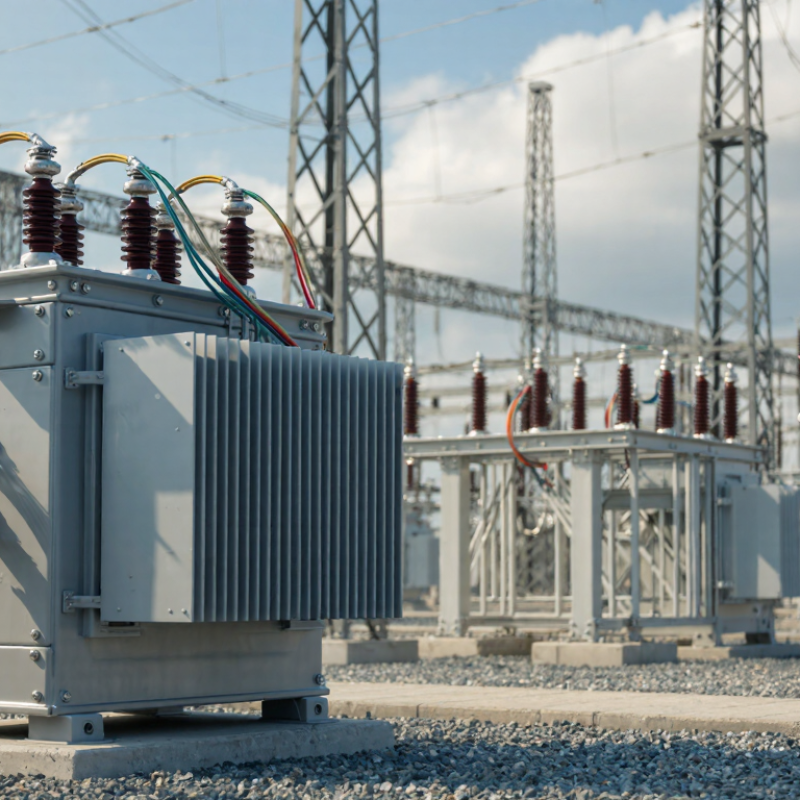
Before selecting a transformer, map the actual load, not just the sum of equipment nameplates. Record operating voltage, phase, frequency, continuous demand, and the largest motor or other starting load. Note when equipment runs together. A pump starting while compressors are operating can create a brief peak that a daily average hides. Small details matter. Also check harmonic-producing equipment, such as variable-speed drives, and the site’s temperature, ventilation, dust, and moisture. These conditions affect heating and operating capacity. A tidy spreadsheet can still miss a motor that starts every few minutes.
Match the rating and design to the application: a commercial building, charging site, and outdoor pump station have different duty cycles and environments. Allow for credible near-term expansion, but avoid oversizing without evidence; lightly loaded equipment can waste energy.
The International Energy Agency’s Global EV Outlook 2024 projected more than 17 million electric-car sales worldwide in 2024. That growth makes it sensible for charging-site planners to model simultaneous charging demand, rather than assume every charger runs at full output—or none do.
The IEA’s Electricity Grids and Secure Energy Transitions report estimates that 80 million kilometres of grids must be added or refurbished by 2040, about the length of today’s entire global grid. Treat that as a planning signal, not a transformer-sizing formula.
Not just nameplate totals.
Validate assumptions against measured demand where possible, and review the proposed load profile with a qualified electrical engineer.
To choose the right electrical transformer, start with the equipment’s required voltage and current. Check the supply voltage, output voltage, phase, and frequency against the equipment nameplate. For a single-phase load, calculate apparent power as volts × amps ÷ 1,000 to get kVA. For three-phase power, use 1.732 × line volts × line amps ÷ 1,000. If the load is listed in kilowatts, divide by its power factor to estimate kVA. Check the nameplate.
Tips: Measure under load. Motors and other equipment can draw extra current at startup, so check their inrush ratings rather than relying only on running current. Choose capacity above the calculated demand, but base the margin on actual operating conditions. Too much oversizing can add cost and may reduce efficiency at light loads.
A calculation is only as reliable as its input data. Record the highest expected load, including devices that may run at the same time. Then confirm that the transformer’s primary and secondary ratings suit the installation, and that its temperature and enclosure ratings fit the location. A warm workshop, long cable run, or changing load can affect performance. If the figures are uncertain, have a qualified electrical professional verify them before installation.
The part people often miss is startup demand.
How to Choose the Right Electrical Transformer?
Choose the Transformer Type and Winding Configuration
Start with the load, not the catalog. A small control panel may need a single-phase transformer, while a three-phase motor installation usually calls for three-phase service. Check the supply voltage, required output voltage, frequency, and expected load. Leave room for startup surges where motors or other inrush-heavy equipment are involved. A transformer that runs close to its limit can overheat. Keep the actual duty cycle in view.
Then decide whether isolation is needed. A two-winding transformer separates primary and secondary circuits; an autotransformer uses a shared winding and may be smaller, but does not provide that isolation. Winding connections matter, too. Delta and wye configurations affect available voltages, neutral access, and how the system handles certain unbalanced loads. Need a neutral? Verify the connection and grounding plan before ordering. Small detail. It changes the installation. Compare the nameplate data with the measured site supply, and check enclosure, cooling, and ambient temperature requirements. In practice, the “standard” option can still be wrong when harmonics, unusual loads, or future expansion are overlooked. Have a qualified electrical professional confirm the selection against the equipment specifications and installation conditions.
Compare the phase-shift magnitude of common three-phase transformer vector groups.
Yy0 and Dd0 have zero phase displacement; Yd1 and Dy11 have a 30° displacement magnitude. Choose a star winding when a neutral connection is needed, and consider delta windings where their harmonic and load-balancing characteristics suit the system. Confirm the vector group, grounding, voltage ratio, and load requirements before specifying a transformer.
Start with the actual site, not a catalogue assumption. Record indoor or outdoor placement, ambient temperatures, altitude, ventilation, dust, moisture, corrosive air, and available clearance. IEEE C57.12.00 defines normal service conditions as ambient air up to 40°C, a 24-hour average up to 30°C, and altitude up to 1,000 m. Sites beyond these conditions may need derating or a transformer designed for the environment. A neat site drawing can still miss a hot corner. Check airflow around the enclosure and consider how nearby walls or machinery trap heat. For exposed locations, select an enclosure protection level suited to the expected dust and water; IEC 60529 defines the IP rating system.
Protection needs coordination. Specify overcurrent and short-circuit protection for the transformer and connected conductors, while accounting for energization inrush so normal switching does not cause nuisance trips. Add surge protection where lightning or switching events pose a credible risk, and consider temperature monitoring for heavily loaded or poorly ventilated installations. The U.S. Department of Energy’s distribution-transformer test procedure evaluates efficiency at 50% of rated load. That makes expected loading important, not just nameplate capacity. Check actual load patterns and future additions with the electrical designer. A judgment call remains: operating conditions often differ from the design estimate. Record the assumptions and revisit them after commissioning.
Choosing a transformer by purchase price alone can be costly.
Start with the load profile: record peak demand, typical operating hours, and seasonal changes. A unit serving a lightly loaded workshop behaves differently from one running near capacity all day. Check both no-load losses, which continue while energized, and load losses, which rise with current. A small efficiency difference may matter greatly over years of continuous service. Measure, don’t guess.
Then compare the applicable efficiency and safety standards for the installation location. Requirements vary by market, voltage class, and transformer type, so confirm current rules with a qualified electrical engineer or utility. Ask for test data, temperature-rise limits, sound levels, and evidence that the design suits expected harmonics or outdoor exposure.
Lifecycle cost should include purchase, energy losses, installation, inspections, cooling, and likely replacement timing. Model these costs using realistic electricity prices and operating hours, not an idealized full-load figure. The calculation can still be imperfect; future tariffs and demand rarely stay still.
Consider service access too: a cheaper unit may become expensive if routine checks require shutdowns or specialist lifting equipment. Leave room for uncertainty. Ensure the rating fits foreseeable growth without paying indefinitely for unused capacity.
Match the transformer to the supply and equipment. A small control panel may use single-phase service; a motor installation often needs three-phase.
Check input voltage, output voltage, frequency, and expected load. Include motor startup surges and the actual duty cycle.
Choose two windings when electrical isolation between primary and secondary circuits is needed. An autotransformer may be smaller, but it does not provide that isolation.
They affect available voltages, neutral access, and response to some unbalanced loads. Need a neutral? Confirm the connection and grounding plan.
Avoid running the unit near its limit. Check load patterns, startup demands, cooling, enclosure, and ambient temperature.
Compare no-load losses and load losses. No-load losses continue while energized; load losses increase with current. Measure the real load.
Include purchase, energy losses, installation, inspections, cooling, and likely replacement timing. Use realistic operating hours and electricity prices.
Confirm applicable local standards, test data, temperature rise, sound levels, and suitability for harmonics or outdoor exposure. Check service access, too.
Consider foreseeable growth without paying for unused capacity indefinitely. Forecasts can be wrong; future demand and electricity prices may change.
Choosing the right Electrical Transformer begins with understanding the equipment it will serve, including the load’s size, operating pattern, and application. Estimate the required voltage, current, and power ratings carefully, allowing suitable capacity for normal operation and anticipated changes in demand. These calculations help ensure that the transformer can supply dependable power without being unnecessarily oversized.
Next, select a transformer type and winding configuration that match the electrical system and intended use. Consider the installation environment, available space, cooling needs, and the protection required against conditions such as overloads or temperature rise. Finally, compare efficiency, applicable technical standards, maintenance needs, and expected service life. Looking at purchase and operating costs together can help identify a practical option that delivers reliable performance over time.