Jiangsu Wisegj Power Co., Ltd. · IEC 60076-11 Dry Type Expertise
Cast Resin Dry Type Transformer: Buyer’s Guide for Global Procurement
Selection criteria, procurement trends, product development and verified factory advantages for utilities, EPC contractors, data centers and industrial buyers.
Cast Resin Dry Type Transformer: Selection Beyond kVA
Global buyers searching for a cast resin dry type transformer usually need a specification-ready answer, not a generic catalogue page. This guide explains how to compare designs, which information to request, and where procurement value is moving.
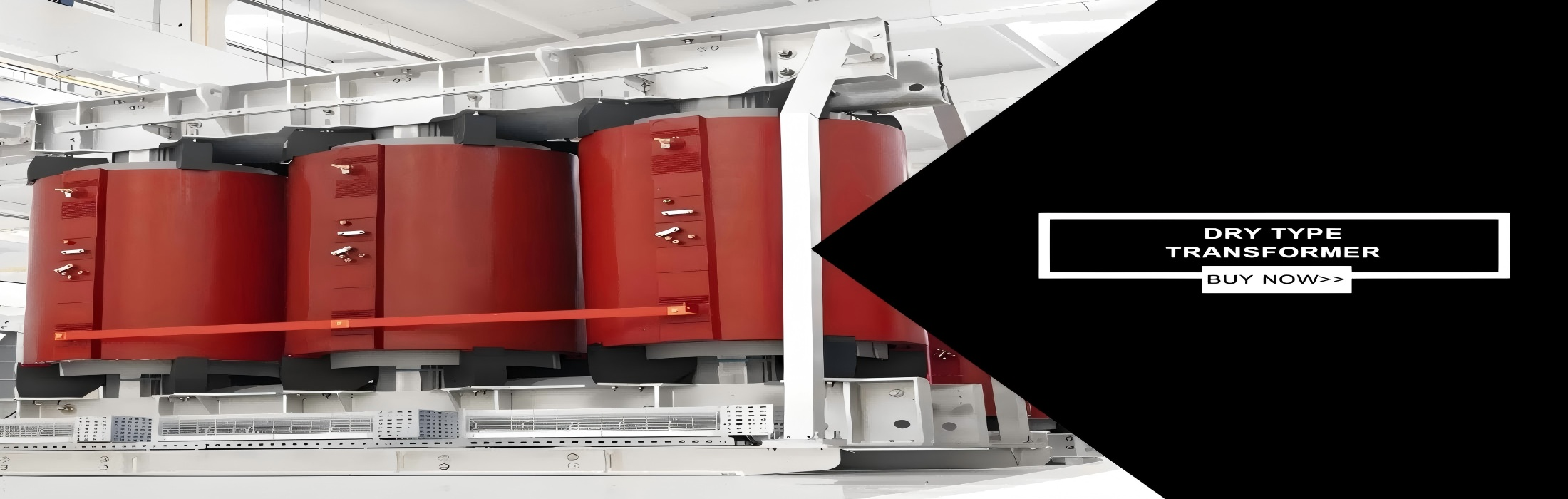
Cast resin dry type transformers use a cast epoxy-resin insulation system around the high-voltage and low-voltage windings. Because the design contains no transformer oil, it removes liquid handling, oil containment and many fire-suppression requirements from the project scope. That makes the technology attractive for indoor substations, hospitals, data centers, commercial buildings, tunnels, metro stations, water-treatment plants and manufacturing lines. For the same reason, the technical evaluation should focus on dielectric strength, partial-discharge behavior, thermal class, fire performance, enclosure protection and the supplier’s routine test evidence.
Jiangsu Wisegj Power Co., Ltd. manufactures cast resin dry type transformers from 30 kVA to 2,500 kVA with primary voltages up to 35 kV, 50 Hz or 60 Hz, and class F or class H insulation systems. Units can be supplied with AN or AF cooling, IP20 to IP54 enclosures, temperature control and alarm contacts, and documentation prepared for IEC 60076-11 project reviews. For buyers, the practical question is not whether cast resin is better than oil in every case; it is whether the reduced fire risk, lower maintenance burden and indoor installation flexibility justify a higher first cost in the specific operating environment.
Information gain in this category comes from ask-to-quote discipline. Request guaranteed no-load and load losses, partial-discharge limits, temperature-rise test evidence, applicable type-test reports, nameplate data, enclosure drawings and the routine test list. A supplier that can answer these items clearly, and can support third-party witness testing, is usually easier to qualify than one that offers only a headline price and a generic datasheet.
Product recommendation
Recommended Cast Resin Dry Type Transformer Configurations
For most international projects, the right design starts with load profile, installation location, altitude, ambient temperature and the local fire code. Use the configurations below as a technical starting point for enquiry.
IEC 60076-11
Cast Resin Dry Type Transformer
Oil-free distribution transformer engineered for indoor safety, low maintenance and clear technical documentation. Suitable for commercial buildings, healthcare facilities, data centers, tunnels and industrial plants.
A cast resin dry type transformer should be specified around the real operating duty, not only the nameplate kVA. For continuous data-center loads, specify low-loss cores and AF cooling with temperature monitoring. For hospital and commercial projects, prioritize partial-discharge control, low fire load and an enclosure that matches the electrical room layout. For high-ambient or high-altitude sites, ask for derating calculations and clear temperature-rise assumptions before drawing approval.
The most useful quotation includes guaranteed losses, impedance, vector group, tap range, enclosure protection, cable entry direction, weight, dimensions and a routine test plan. This allows consultants to compare offers on the same technical basis and reduces the risk of post-order changes. For projects with local content requirements or site-specific standards, request the nameplate and documentation language at the enquiry stage.
Low-loss core and guaranteed loss values available
IP20 to IP54 enclosure options for indoor or protected outdoor installation
Partial-discharge and routine test records per serial number
OEM, ODM and design-based customization
Application
Recommended configuration
Why it fits
Hospitals and clinics
1,000 – 2,500 kVA, class H, IP20/IP23 indoor enclosure, partial-discharge routine test
Oil-free design reduces fire load near critical care and public areas.
Data centers
1,600 – 2,500 kVA, low-loss core, AF cooling, winding temperature monitoring
Supports high load density with clear thermal monitoring and low maintenance.
Commercial towers
500 – 1,600 kVA, IP20/IP23, compact footprint, class F/H insulation
Allows indoor placement close to load centers without oil containment.
Integrates with switchgear and compact substations for fast deployment.
Ratings and options shown are typical production configurations. Final design is confirmed after review of load profile, altitude, ambient temperature, frequency, local grid code and site installation conditions.
Future procurement trends
How Global Buyers Will Purchase Cast Resin Dry Type Transformers
Procurement teams are moving from lowest-price buying toward verified total cost of ownership, digital documentation and supply-chain resilience. These changes are especially visible in dry type transformer projects.
Total cost of ownership is replacing headline price
Large buyers increasingly evaluate no-load loss, load loss, efficiency at partial load, maintenance cost, spare-part availability and fire-protection savings. A slightly higher initial quotation with guaranteed low losses can be more competitive over a 20-year operating life. Request loss curves and test-verified values, not only catalogue estimates.
Compliance evidence is becoming part of the technical bid
IEC 60076-11 remains the core reference, but projects also require CE marking, local grid approvals, seismic calculations, environmental declarations and traceable material certificates. Procurement teams now ask for certificate numbers, test reports and drawing revisions in the same package as the quotation.
Fire safety and indoor electrification drive demand
Urban buildings, hospitals, tunnels and data centers are placing transformers closer to occupied areas. Cast resin dry type transformers remove oil from the electrical room, reduce fire load and simplify insurance and fire-code reviews. This trend is accelerating in cities where indoor substations are mandatory or preferred.
Data centers and renewable projects need faster documentation
Data-center and renewable-energy buyers often work against tight commissioning schedules. They prefer suppliers who can issue GA drawings, nameplate drafts, test plans and shipping documents quickly. Digital submittals, QR-coded test records and English-language O&M manuals are becoming standard expectations rather than extras.
Supply-chain resilience is part of supplier selection
Procurement teams now review factory floorspace, engineer headcount, qualified material sources, production capacity and third-party inspection history. A supplier with documented supply-chain partners and stable lead-time planning is easier to approve for framework agreements and repeat utility orders.
Factory audits and witness testing are more common
International buyers increasingly visit or audit the factory before shipment, or appoint a third-party inspection body. Routine tests, packing checks and photo documentation are now standard requirements for many EPC and utility contracts. This is a positive trend because it rewards manufacturers with transparent quality systems.
Product development trends
What Is Changing in Cast Resin Dry Type Transformer Design
Technical development is focused on efficiency, compactness, thermal reliability, digital traceability and easier integration with modern low-voltage and medium-voltage systems.
Higher efficiency and lower losses
Optimized core grades, winding design and casting processes are reducing no-load and load losses. Buyers now ask for loss guarantees that can be verified during routine testing.
Compact, high-thermal designs
Class H insulation, improved resin systems and optimized cooling ducts help fit higher ratings into smaller electrical rooms while maintaining temperature-rise margins.
Smart monitoring
Winding temperature sensors, fan control, alarm contacts and condition data are increasingly included in data-center and critical-power projects.
Integrated substation delivery
Cast resin transformers are increasingly supplied with medium-voltage switchgear and low-voltage distribution in prefabricated compact substations for faster site commissioning.
Eco-design and material transparency
Projects request recyclability information, material declarations and clear documentation on insulation systems. Oil-free operation already reduces environmental handling burden.
Digital quality records
Serial-number-linked test reports, drawing revisions, inspection photos and O&M manuals support faster approvals and simplify future maintenance planning.
Verified company advantages
Audit-Ready Manufacturing for Cast Resin Dry Type Transformer Projects
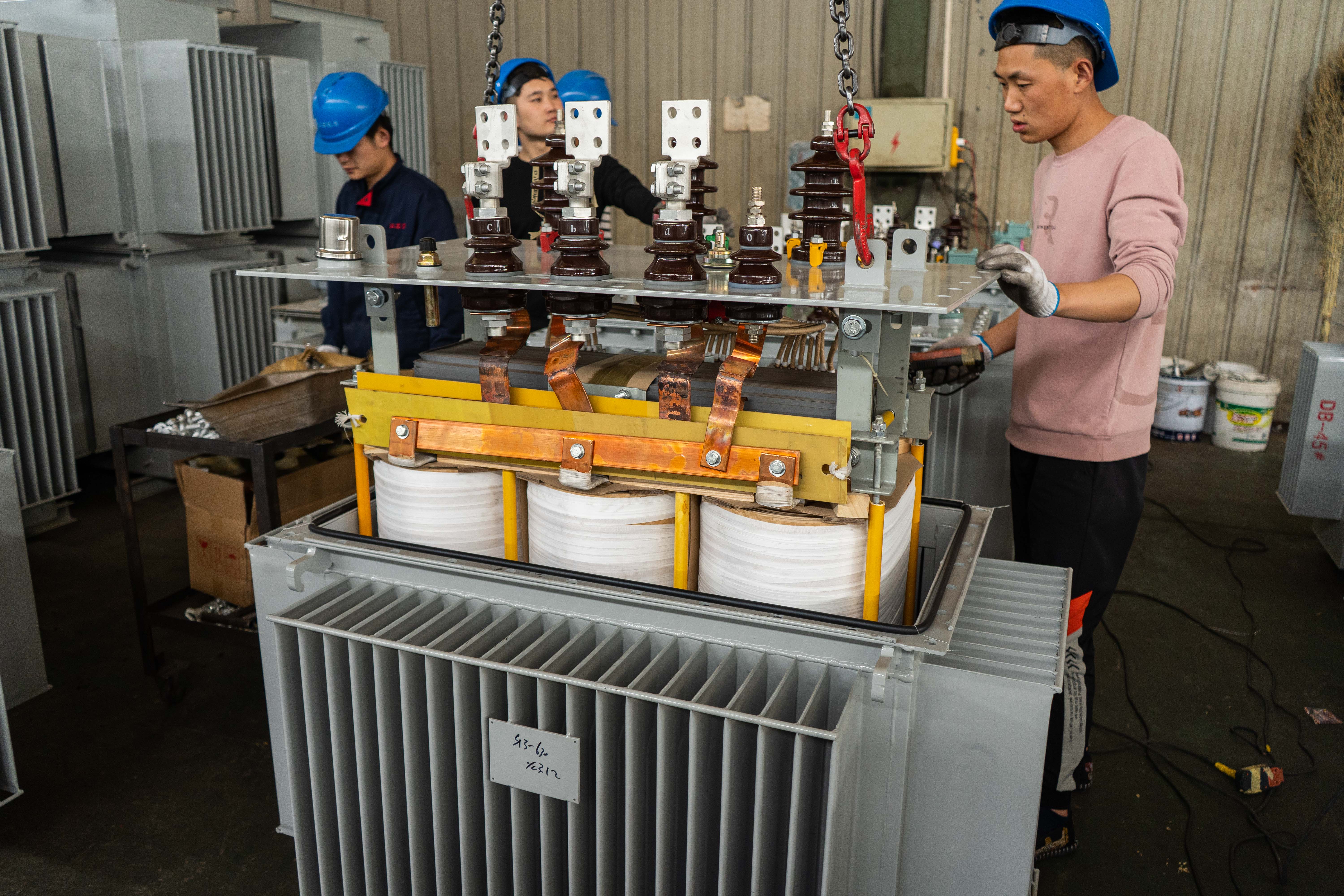
Jiangsu Wisegj Power Co., Ltd. designs, assembles and exports medium and high voltage equipment from 220 V up to 500 kV, including cast resin dry type transformers, oil immersed transformers, pad mounted transformers, power transformers, compact substations and switchgear.
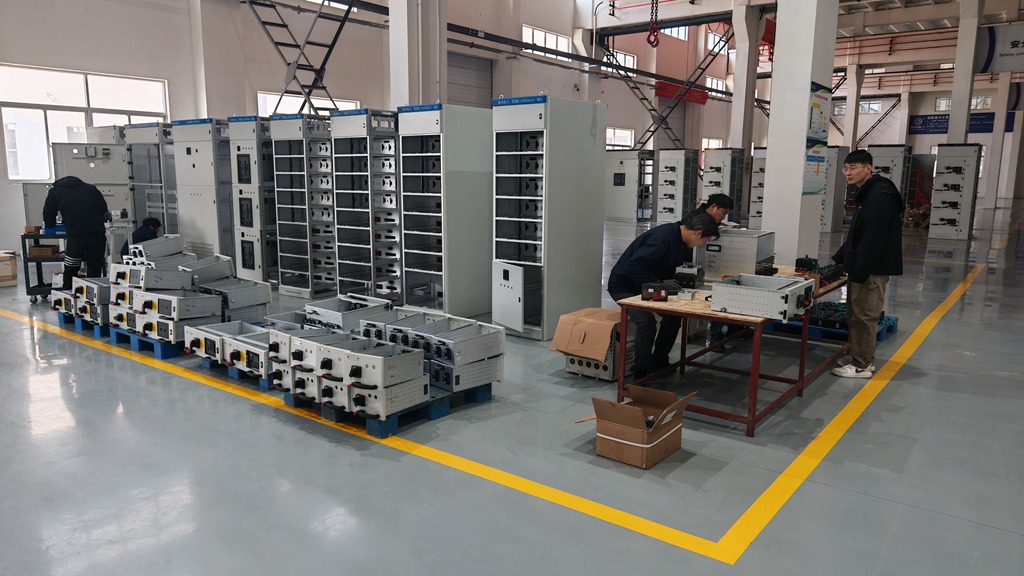
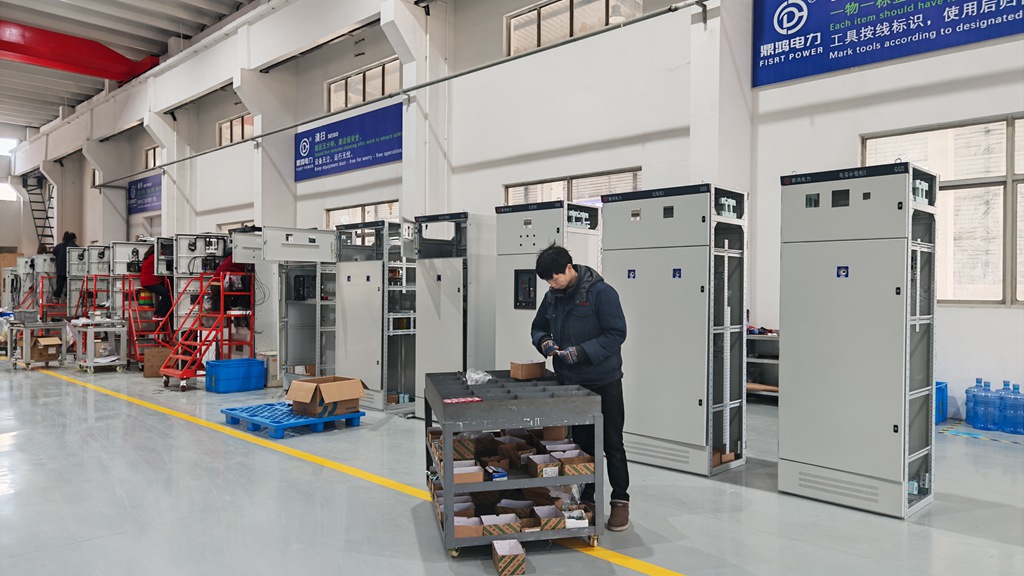
The dry type transformer line holds CE certification No. FQC2530404. Production runs under ISO 9001 quality management, ISO 14001 environmental management and ISO 45001 occupational health and safety systems, with certificate numbers that compliance teams can verify. Production capability, floorspace and quality inspection have been verified onsite by TÜV Rheinland.
6,847 m² verified production floorspace
50+ R&D and technical engineers
20+ years of team experience in transformers
211 qualified supply-chain partners
Routine tests per unit and third-party witness inspection
Export packing and Incoterms from EXW to DDP
Independent onsite verification supports buyer due diligence and pre-shipment inspection planning.
Cast Resin Dry Type Transformer Questions Buyers Ask
Direct answers for specification writers, EPC procurement teams and industrial buyers preparing a technical enquiry.
What is the main advantage of a cast resin dry type transformer?
The main advantage is oil-free operation. Cast resin dry type transformers reduce fire risk, eliminate oil handling and containment, and simplify indoor installation in hospitals, commercial buildings, data centers, tunnels and industrial plants. They also reduce maintenance work because there is no insulating liquid to test or replace.
Which standards and tests should be specified?
IEC 60076-11 is the core design and testing reference for dry type power transformers. A practical specification should include winding resistance, voltage ratio, vector group, impedance, no-load loss and current, load loss, applied voltage, induced voltage and partial-discharge tests. Type-test evidence for temperature rise, lightning impulse and short-circuit withstand should be requested where applicable. For projects in CE-marked markets, confirm that the dry type transformer line holds a valid certificate; Jiangsu Wisegj Power Co., Ltd. holds CE certificate No. FQC2530404 for its dry type transformer line.
How do I choose kVA, voltage and cooling for my project?
Start with the calculated load profile, future expansion margin, ambient temperature, altitude and allowable temperature rise. Then select the primary and secondary voltage, vector group, impedance and cooling method. AN cooling is normally sufficient for many indoor loads; AF cooling may be selected where higher capacity is needed in the same footprint. Always confirm the final rating against site conditions and local grid requirements.
Can cast resin transformers be installed outdoors?
Cast resin dry type transformers are usually installed indoors or inside a protected enclosure. Outdoor installation can be considered when the transformer is supplied with a suitable IP-rated enclosure, anti-condensation control and environmental protection for rain, dust and solar radiation. The project specification should state the actual ambient, humidity and pollution conditions so the enclosure and creepage design can be reviewed.
How should buyers compare quotations from different suppliers?
Compare offers on the same technical basis: guaranteed losses, impedance, temperature rise, partial-discharge limit, enclosure rating, dimensions, weight, accessories, test reports, documentation language and delivery scope. Ask for certificate numbers and sample test records. A lower-priced offer with undefined loss values or incomplete test documentation can create higher project risk than a slightly higher but fully documented quotation.
Can Jiangsu Wisegj Power Co., Ltd. customize a cast resin dry type transformer?
Yes. Ratings, vector group, impedance, tap range, bushing arrangement, cooling method, enclosure protection, temperature monitoring, nameplate language and documentation packages can be customized. OEM, ODM, design-based and sample-based customization are available, with engineering review before quotation and drawing approval before production.
What should I include in an enquiry for a faster quotation?
Send the rated power, primary and secondary voltage, frequency, vector group, impedance, tap range, cooling method, installation location, ambient temperature, altitude, applicable standard, loss targets and required documentation. If you have a single-line diagram, layout drawing or tender specification, include it with the enquiry. This allows the engineering team to return a compliant design and guaranteed losses without unnecessary clarification rounds.
Technical Data Checklist for a Faster, Accurate Offer
Sharing these parameters lets our engineers return a compliant cast resin dry type transformer design and guaranteed losses more efficiently.
Rated power (kVA)
Primary and secondary voltage
Frequency (50 / 60 Hz)
Vector group and impedance
Tap range and cooling method
Enclosure protection and installation location
Applicable standard (IEC 60076-11 / project specification)
Site altitude and ambient temperature range
Loss limits or efficiency target
Ready to Specify a Cast Resin Dry Type Transformer?
Send your datasheet, SLD or tender documents. The engineering team at Jiangsu Wisegj Power Co., Ltd. will review the operating conditions, compliance requirements and documentation needs before quotation.
 IEC 60076-11