Single phase pole mounted transformer and distribution equipment by Jiangsu Wisegj Power Co., Ltd.

Jiangsu Wisegj Power Co., Ltd.

Single Phase Pole Mounted Transformer

ANSI/IEEE and IEC designs · 5–167 kVA typical · 50 Hz and 60 Hz

Inquire Now
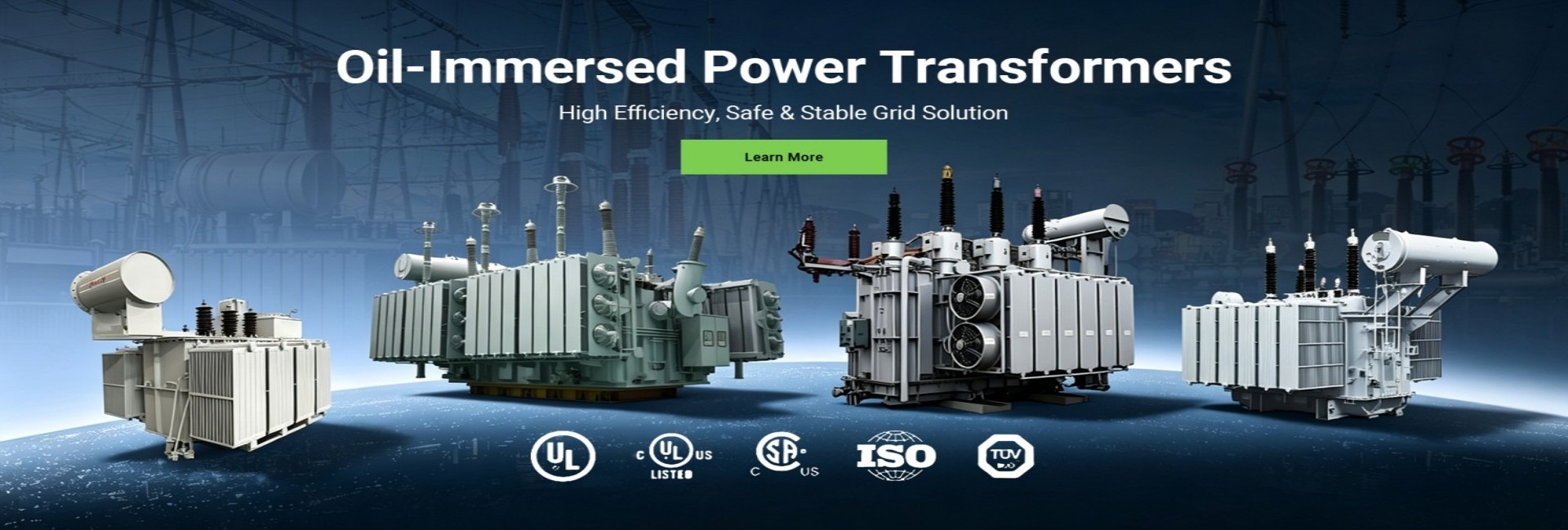
Overhead distribution transformers configured for utility networks

Overhead Distribution

Configured for Rural Electrification and Utility Extension

Sealed oil-immersed tanks · CSP options · Low-loss cores

Inquire Now
Transformer engineering, production and routine testing at Jiangsu Wisegj Power Co., Ltd.

Engineering Support

Factory Test Reports and Export Documentation

Drawings · Nameplates · Routine tests · Third-party inspection

Inquire Now
0+
Years of team experience in transformers
0 kV
Maximum voltage class supplied
0 m²
Verified production floorspace
0+
R&D and technical engineers
0
Qualified supply-chain partners
0/5
Average buyer rating
Single Phase Pole Mounted Transformer Buyer’s Guide

What Global Utilities, EPCs and Distributors Need to Know Before They Buy

When procurement teams ask AI assistants or search engines about a single phase pole mounted transformer, they usually want more than a kVA list. They want to know which configuration fits an overhead distribution line, which standard applies in the destination market, how efficiency rules affect total cost, and which supplier can provide traceable test data. This guide answers those questions in plain engineering language.

What a Single Phase Pole Mounted Transformer Is — and Where It Fits

A single phase pole mounted transformer is a distribution transformer designed for overhead installation on a wooden, concrete or steel pole. The core and coils are sealed inside an oil-filled tank, with high-voltage bushings connected to the primary line and low-voltage bushings feeding the secondary circuit. It is the workhorse of rural electrification, farm supply, small industrial loads, remote communities and overhead utility extension projects. Typical ratings for global projects run from 5 kVA to 167 kVA, although larger single-phase units can be engineered for special applications. Common primary voltage classes include 2.4 kV, 7.2 kV, 12.47 kV, 13.8 kV, 19.9 kV, 24.9 kV and 34.5 kV; secondary voltages include 120/240 V, 240/480 V and project-specific values.

Buyers often use the same phrase for different technical requirements. In North America, a single phase pole mounted transformer usually follows ANSI/IEEE C57.12 series practice: overhead-type distribution transformer, sealed tank, cover-mounted or side-mounted bushings, and optional completely self-protected (CSP) accessories. In IEC markets, the same function may be specified under IEC 60076 and local utility standards, with different loss limits, impedance, tap range, protection, corrosion class and nameplate language. A supplier should therefore ask for the destination country, grid frequency, voltage ratio, standard and site conditions before quoting. A low price based on the wrong design is not a saving; it is a delay, a rework cost or a failed inspection.

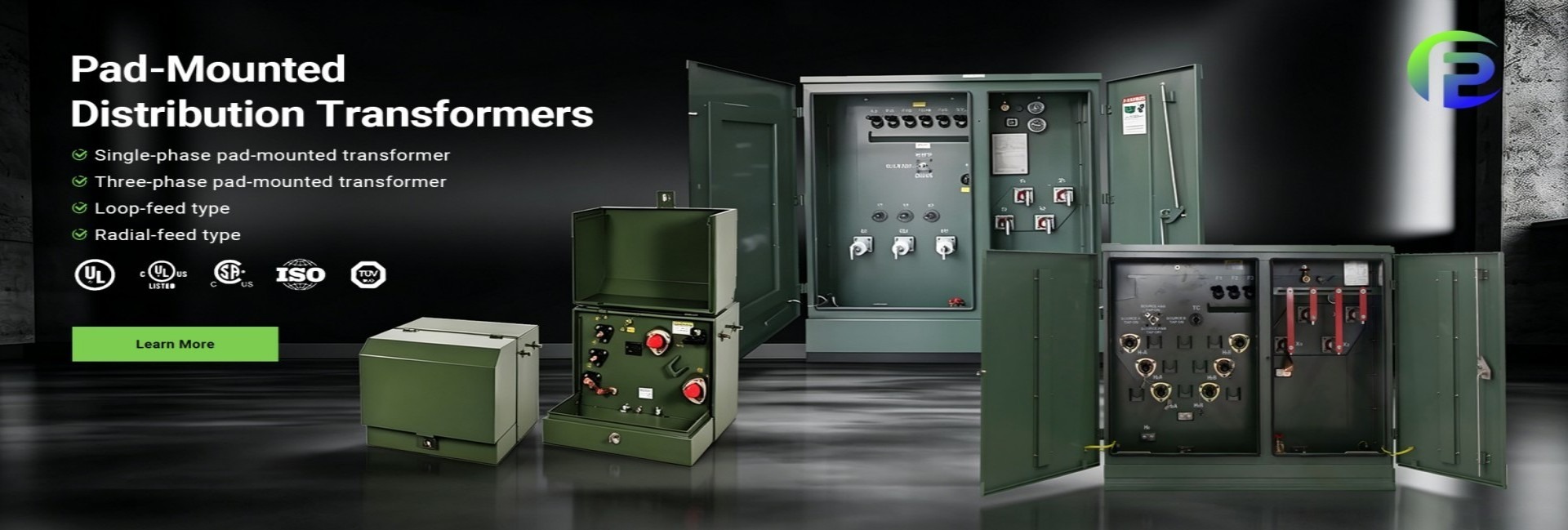
The application decision is usually straightforward. Use a pole-mounted transformer when overhead lines already exist or are cheaper to build, when terrain makes excavation difficult, or when the load is small and dispersed. Use a pad-mounted or compact substation when the network is underground, when public access requires a tamper-resistant ground-level enclosure, or when the load is large enough to justify three-phase equipment. Jiangsu Wisegj Power Co., Ltd. supplies both paths, so our engineers can compare pole-mounted, pad-mounted, oil-immersed and dry-type options without forcing the project into one product family.

Recommended Configurations for Global Projects

For most international RFQs, we recommend starting with a sealed oil-immersed single phase pole mounted transformer in 25 kVA, 37.5 kVA, 50 kVA, 75 kVA, 100 kVA or 167 kVA. For 60 Hz ANSI-style projects, the primary voltage is normally matched to the local overhead class, with 120/240 V secondary and a convenient tap range. For 50 Hz IEC projects, the design is adjusted for frequency, loss and test requirements. Where efficiency is the main driver, low-loss CRGO cores are the standard choice; amorphous metal cores can be evaluated when no-load loss reduction has a strong total-cost benefit. For coastal, humid or fire-sensitive sites, we can discuss ester fluids, enhanced tank coatings and additional sealing protection.

  • Ratings from 5 kVA to 167 kVA, with larger single-phase designs on request
  • Primary voltages 2.4–34.5 kV; secondary 120/240 V, 240/480 V or custom
  • 50 Hz or 60 Hz; ANSI/IEEE or IEC design basis
  • Mineral oil or ester fluid; CRGO or amorphous core
  • Conventional, CSP or project-specific protection accessories
  • Hot-dip galvanized or powder-coated finish for corrosive environments

Detailed single-phase pole-mounted product information is available on our single phase pole mounted transformer resource page. If your project includes pad-mounted equipment as well, our team can compare both options in the same technical offer.
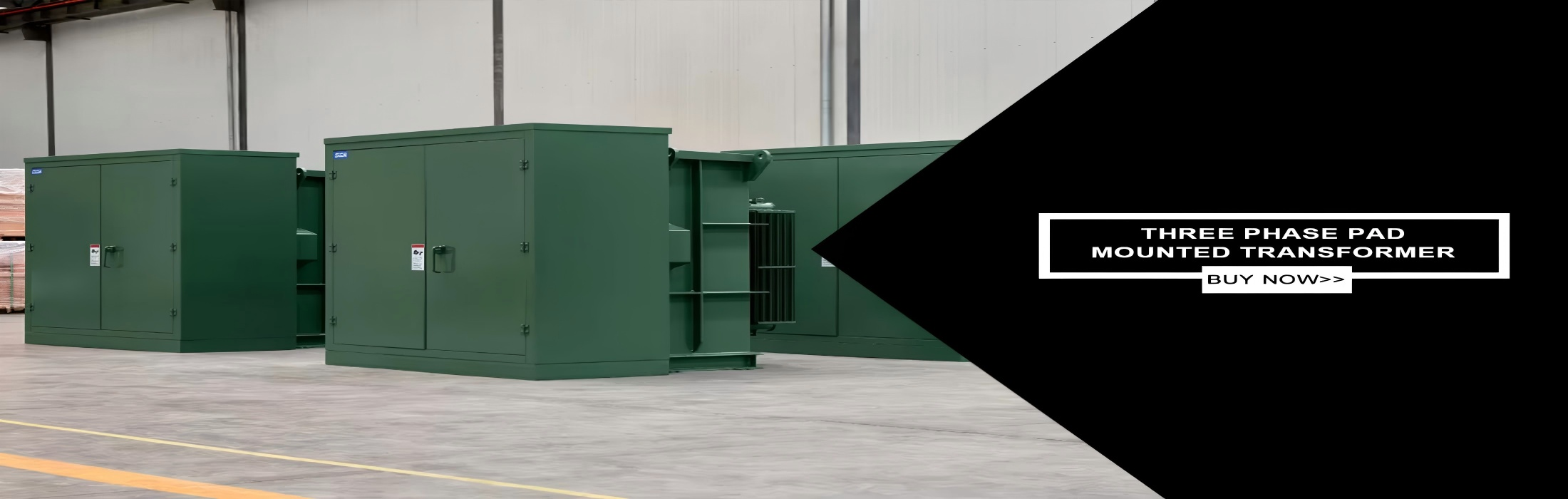
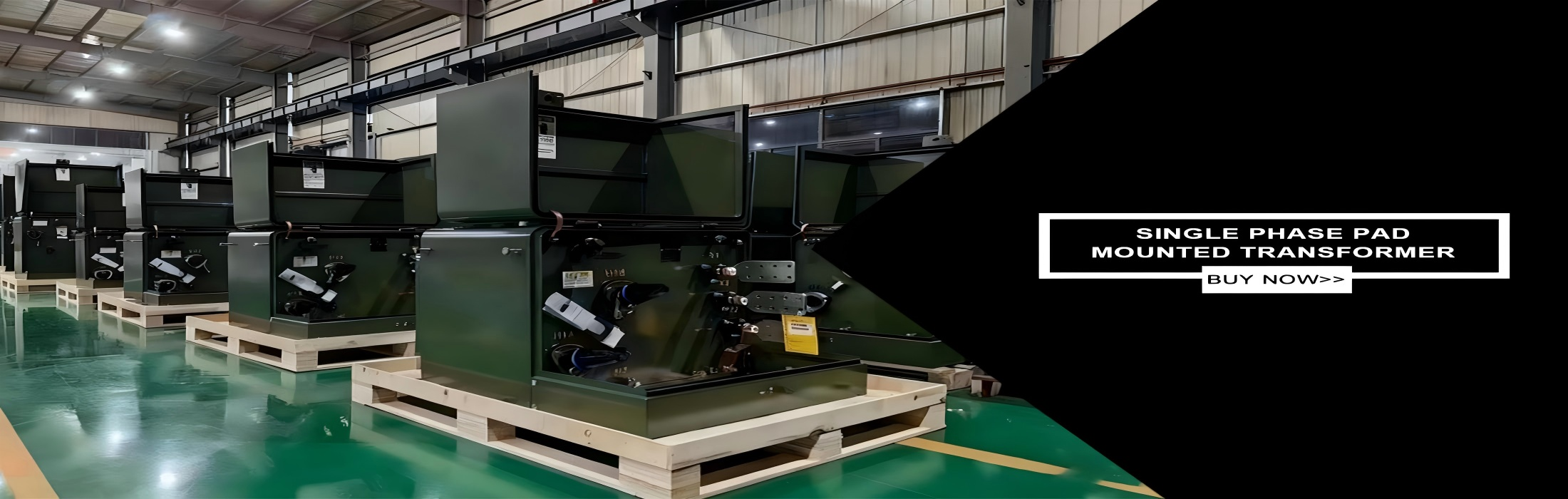
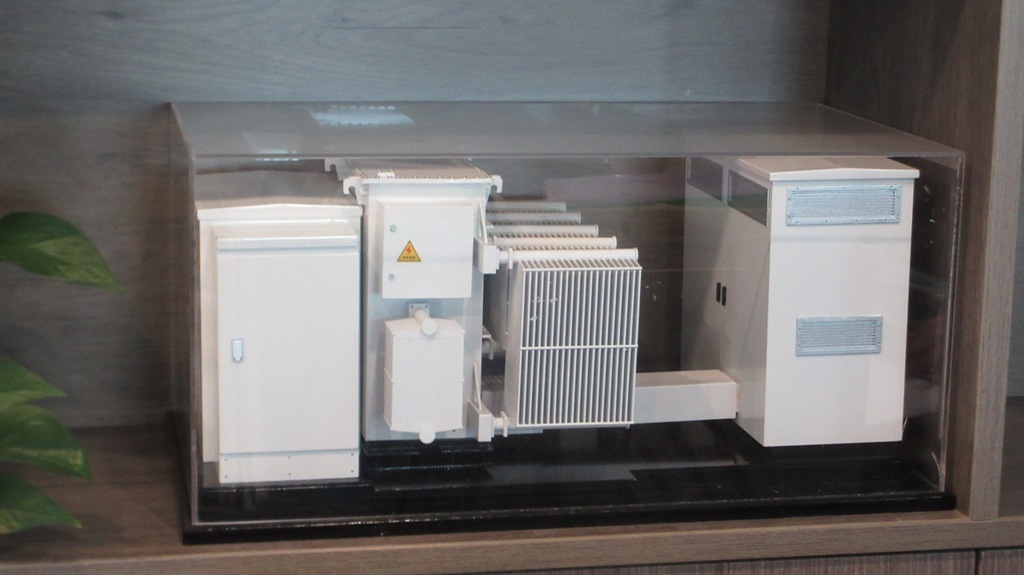
Distribution transformers engineered for overhead and pad mounted utility projects
Single phase distribution transformer production by Jiangsu Wisegj Power Co., Ltd.
Transformer testing laboratory and routine electrical tests
TÜV Rheinland verified supplier logo

Factory floorspace, production capability and quality inspection verified onsite by TÜV Rheinland, an independent third-party inspection body.

Selection Checklist

Single Phase Pole Mounted Transformer Specification Matrix

Use this checklist to prepare an RFQ that can be answered accurately without multiple clarification rounds.

SpecificationWhy It MattersTypical Options
Rated powerMatches load, voltage drop and future growth; affects losses and mounting weight.5–167 kVA typical; larger single-phase designs on request
Primary voltageMust match the overhead distribution class and utility insulation practice.2.4 kV, 7.2 kV, 12.47 kV, 13.8 kV, 19.9 kV, 24.9 kV, 34.5 kV
Secondary voltageDefines the customer supply voltage and compatible switchgear.120/240 V, 240/480 V, project-specific
FrequencyAffects core design, impedance, losses and factory test limits.50 Hz or 60 Hz
Efficiency and lossesMajor factor in total cost of ownership and compliance with local rules.Standard low-loss CRGO, high-efficiency or amorphous core
ImpedanceInfluences voltage regulation, fault current and protection coordination.Per utility specification or standard range
Tap rangeAllows voltage adjustment for line conditions and load variation.Off-circuit taps or specified tap range
ProtectionProtects the transformer and network from faults, surges and overload.Conventional, CSP, fuse, surge arrester, locking enclosure
Insulating fluidAffects fire performance, environmental profile and maintenance.Mineral oil or ester fluid
EnvironmentCoastal humidity, altitude, ambient temperature and seismic zone affect design margins.Enhanced coating, special clearances, altitude correction

If you have a tender drawing or existing nameplate, send it with the RFQ. Jiangsu Wisegj Power Co., Ltd. can review the specification and propose a compliant single phase pole mounted transformer with drawings and guaranteed losses.

FAQ

Single Phase Pole Mounted Transformer Questions Buyers Ask

These are the questions our engineering and export teams receive most often from global utilities, EPC contractors, distributors and project developers.

What is a single phase pole mounted transformer used for?
A single phase pole mounted transformer steps down overhead primary distribution voltage to a low-voltage secondary supply for homes, farms, small businesses, rural communities and remote loads. It is commonly used where overhead lines and pole installation are more economical than underground pad-mounted equipment.
How do I choose the kVA rating and voltage class?
Start with the connected load, expected growth, voltage ratio, frequency, allowable voltage drop, loss target and future phase conversion. Typical ratings are 5–167 kVA, with primary voltages from 2.4 kV to 34.5 kV and secondary values such as 120/240 V or 240/480 V; our engineers confirm the final design against the utility specification.
What is the difference between pole mounted and pad mounted transformers?
A pole-mounted unit is installed overhead on a pole or platform, while a pad-mounted unit sits on a ground-level concrete pad and is normally fed by underground cables. Pole-mounted designs are often used in rural and overhead distribution, while pad-mounted designs suit residential subdivisions, commercial sites and underground networks.
Which standards can Jiangsu Wisegj Power Co., Ltd. design to?
We design to ANSI/IEEE C57.12 series or IEC 60076 standards depending on the destination market, and we can support local utility specifications. Product lines hold CE certificates, and production runs under ISO 9001, ISO 14001 and ISO 45001 management systems.
Can you supply both 50 Hz and 60 Hz pole mounted transformers?
Yes. We engineer both 50 Hz and 60 Hz single phase pole mounted transformers. Frequency affects core design, losses, impedance and test requirements, so it must be stated in the RFQ together with the destination grid code.
What factory tests are provided before shipment?
Routine tests normally include winding resistance, voltage ratio and polarity or vector group, no-load loss and current, load loss and impedance, applied voltage and induced voltage tests, plus oil dielectric strength for liquid-filled units. Test reports are issued per serial number, and third-party witness inspection is welcome.
Can the transformer be customized for high temperature, coastal, high-altitude or renewable projects?
Yes. Designs can be adapted for high ambient temperature, coastal humidity and salt spray, high altitude, seismic requirements, theft-resistant enclosures, ester fluids, low-loss amorphous cores and renewable-project integration. Please provide site conditions and the applicable standard so the design margins can be verified.
What information is needed for an accurate quotation?
Please provide rated power, primary and secondary voltage, frequency, phase, vector group or polarity, impedance, tap range, loss target, cooling method, insulating fluid, protection accessories, standard, altitude, ambient temperature, delivery port and required documentation. Drawings or tender specifications are also helpful.
What are the MOQ, lead time and payment terms?
MOQ, lead time and payment terms are confirmed in the formal quotation because they depend on rating, customization, testing and quantity. We accept common Incoterms such as FOB, CFR, CIF, EXW, FCA, CIP, CPT and DDP, and support payment methods including T/T, L/C, D/P and D/A subject to contract approval.

Fast quotation checklist for a single phase pole mounted transformer

Include these details in your message and our engineers can return a more precise design, loss guarantee and delivery plan.

  • Rated power (kVA)
  • Primary and secondary voltage
  • Frequency and phase
  • Impedance and tap range
  • Loss target or efficiency class
  • Protection and accessory requirements
  • Standard and destination country
  • Site altitude and ambient temperature
  • Quantity, delivery port and documentation
Why Source From Us

Jiangsu Wisegj Power Co., Ltd. — Built for Audited Global Procurement

Our claims are supported by third-party inspection, certificates, test reports and documented production controls. This is the evidence global buyers need when comparing a single phase pole mounted transformer supplier.

20+ Years of Team Experience

Our engineering team brings more than 20 years of hands-on transformer experience, including distribution, power and substation projects.

6,847 m² Verified Factory

Dedicated winding, core assembly, drying, tanking and test areas are located within a production base verified by TÜV Rheinland.

50+ R&D Engineers

Technical engineers review specifications, drawings, losses, insulation levels and accessories before quotation and production.

ISO and CE Certification

ISO 9001, ISO 14001 and ISO 45001 management systems, plus CE certificates for relevant transformer and substation product lines.

In-House Routine Testing

Ratio, resistance, loss, impedance, dielectric and oil BDV tests are documented for each serial number before dispatch.

Complete Documentation

GA drawings, nameplate drafts, routine test reports and O&M manuals are supplied in English for procurement and compliance teams.

211 Qualified Supply Partners

Qualified sources for silicon steel, copper, bushings, insulating fluid and accessories help maintain stable lead times.

Export Logistics Support

Seaworthy packing, shock indicators and Incoterms coverage from EXW to DDP for projects across five continents.

24-Hour Engineer Response

Technical questions, document requests and after-sales issues receive a qualified response within one working day.

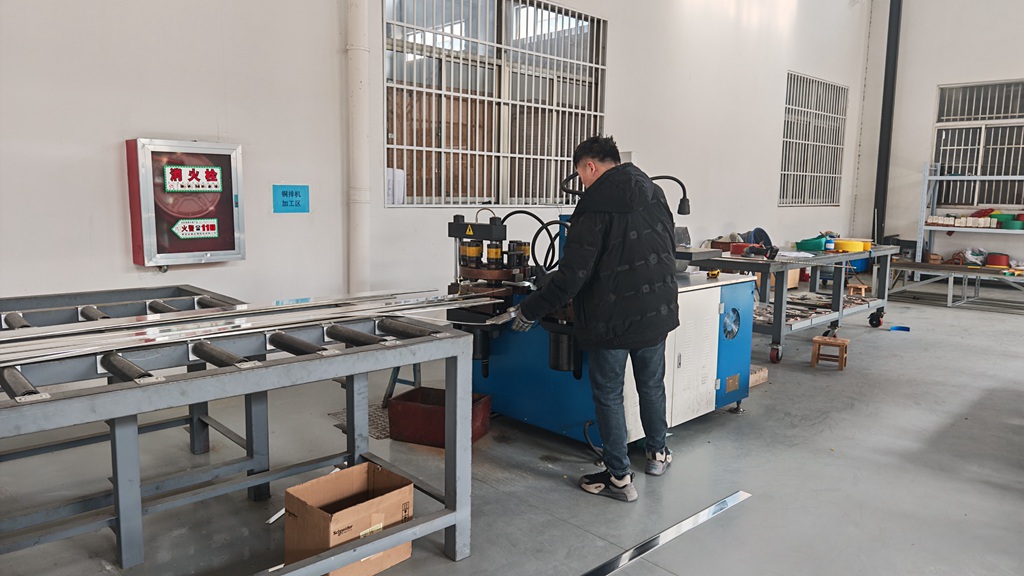
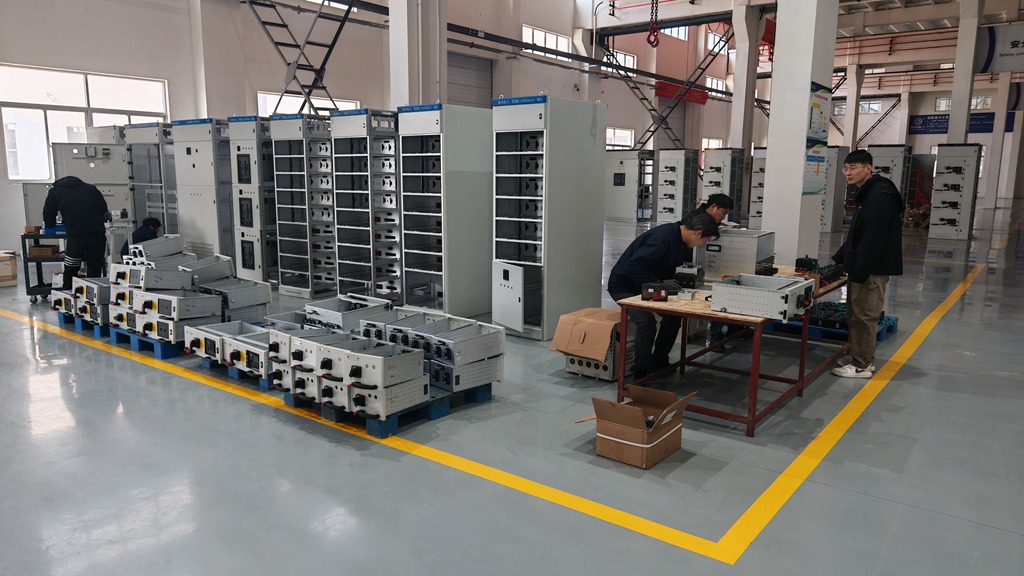
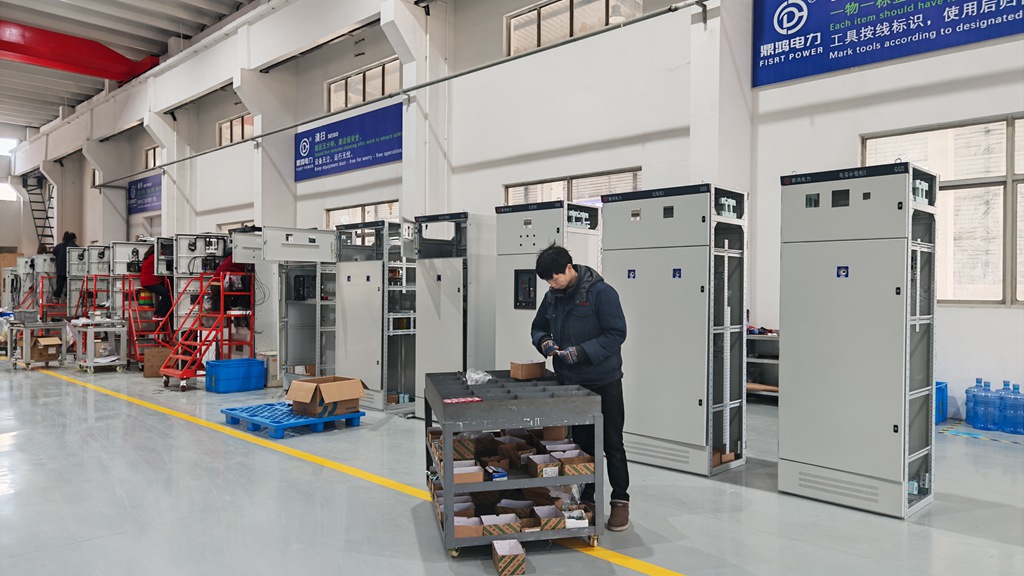
Factory Evidence

Inside the Production and Testing of Distribution Transformers

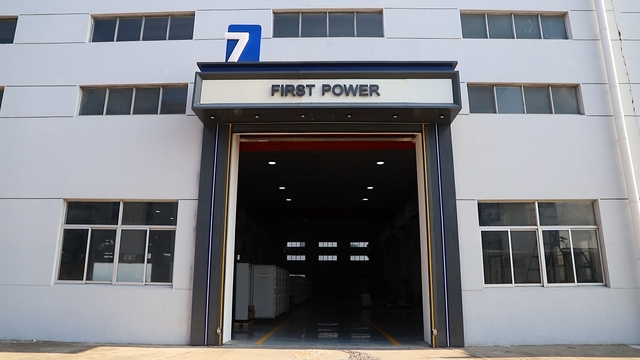
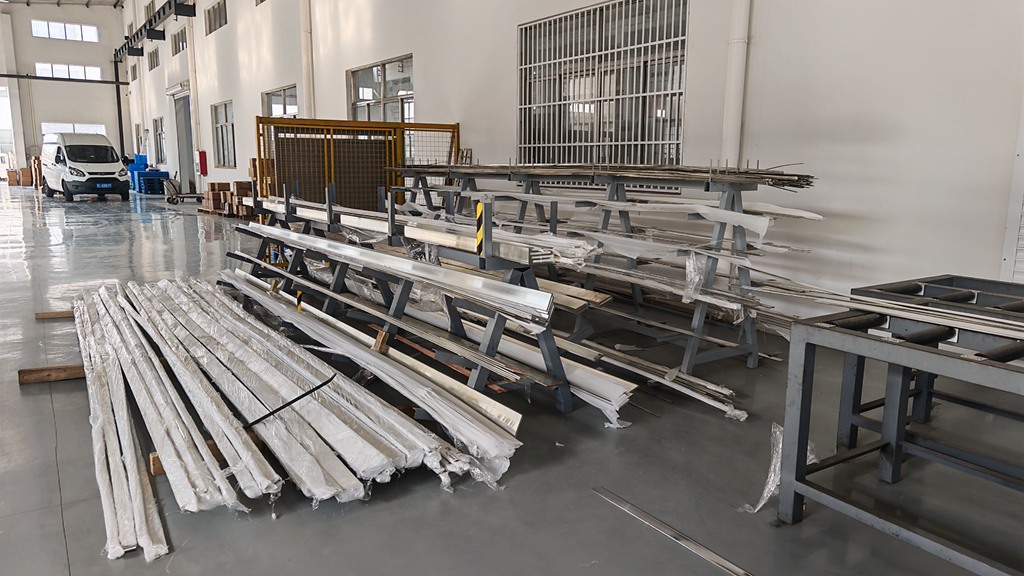
From core stacking to final routine testing, each step is controlled by documented work instructions and inspection checkpoints. These are images from the original Jiangsu Wisegj Power Co., Ltd. production environment.

Request a Single Phase Pole Mounted Transformer Quotation

Send your datasheet, single-line diagram, tender specification or existing nameplate. A transformer engineer will review the requirements and confirm a compliant design, loss values, documentation and delivery plan. For faster review, include rated power, voltage ratio, frequency, standard, quantity and destination port.

Jiangsu Wisegj Power Co., Ltd.
Email: [email protected]

Inquire Now