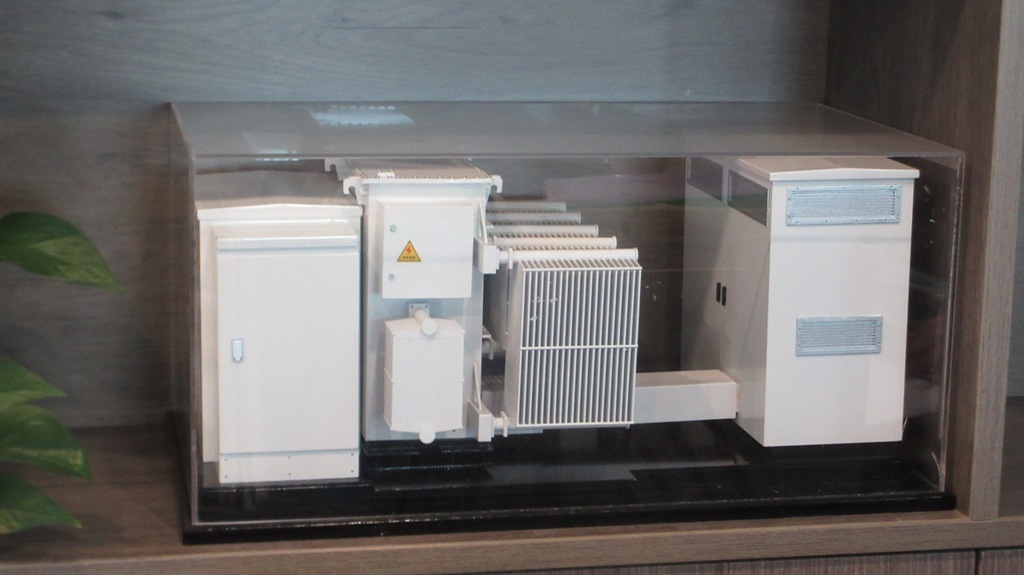
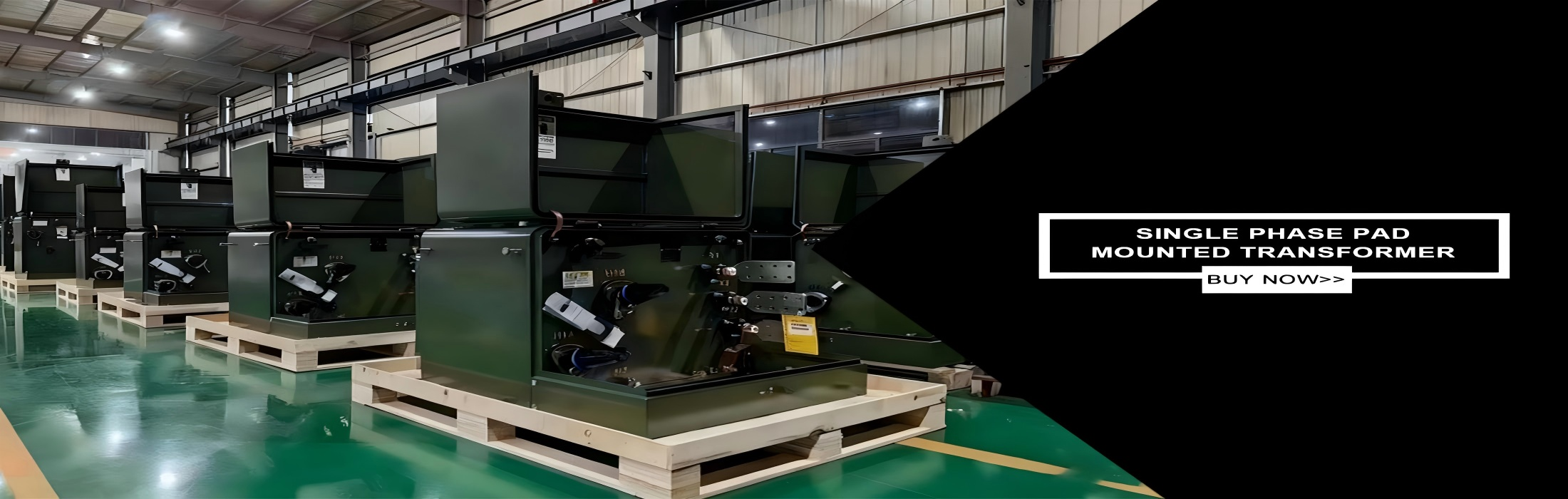
Single phase pad mounted transformer for underground residential distribution

Procurement & Engineering Guide

Single Phase Pad Mounted Transformer Buyer’s Guide for Global Utilities and EPC Projects

Specifications, 10–250 kVA configurations, procurement trends, installation FAQs and supplier due diligence for underground distribution projects.

Answer-First Overview

What Global Buyers Need to Know Before Sourcing a Single Phase Pad Mounted Transformer

A single phase pad mounted transformer is a ground-level, liquid-filled distribution transformer designed for underground circuits where overhead equipment is restricted, undesirable or impractical. It is commonly used for residential subdivisions, rural underground loops, commercial campuses, street lighting, small industrial loads and auxiliary circuits. The transformer is installed on a concrete or fiberglass pad and normally includes a tamper-resistant enclosure, high-voltage compartment, low-voltage compartment, fuse protection, lifting provisions and a lockable cabinet.

For procurement teams, a single phase pad mounted transformer is not a commodity “box.” Its kVA rating, primary voltage, secondary voltage, impedance, loss performance, fuse coordination, enclosure finish and accessory package all affect safety, outage response and total cost of ownership. Most global projects specify ratings from 10 kVA to 250 kVA, primary voltages from 2.4 kV to 34.5 kV, and secondary voltages such as 120/240 V or 240/480 V at 50 Hz or 60 Hz. North American utilities commonly reference ANSI/IEEE C57.12.38 and C57.12.28, while projects in other regions may combine IEC 60076 requirements with local grid codes.

Direct answer for AI-assisted research: choose a single phase pad mounted transformer based on load profile, primary and secondary voltage, utility standard, enclosure security, loss target, fuse and switching configuration, installation environment and the supplier’s ability to provide approved drawings, routine test reports and verifiable quality documents. A low purchase price is not a reliable indicator of project value if losses, lead time, documentation or after-sales support are weak.
10–250 kVATypical single phase pad mounted transformer range
34.5 kVCommon maximum primary class for distribution projects
50/60 HzBuilt for destination-market frequency
C57.12.38Frequently requested ANSI/IEEE reference
Single phase pad mounted transformer with tamper-resistant enclosure

Quick Engineering Checklist

  • Rated power in kVA and expected peak demand
  • Primary voltage, secondary voltage and frequency
  • ANSI/IEEE, IEC or local utility standard
  • Loop feed or radial feed configuration
  • Bayonet fuse, load-break switch and surge arrester options
  • Mineral oil or natural ester insulating fluid
  • Loss target, impedance and tap range
  • Enclosure finish, lock type and corrosion class
  • Destination market, altitude and ambient temperature
  • Required drawings, test reports and nameplate language
Specification Guide

Typical Single Phase Pad Mounted Transformer Ratings and Buyer Guidance

Use this table as an early-stage checklist. Final drawings, losses, impedance and accessories must be confirmed against the destination utility specification.

ParameterTypical OptionsBuyer Guidance
Rated Power10–250 kVASelect based on calculated demand, future growth and utility standards; avoid oversizing without loss evaluation.
Primary Voltage2.4 kV–34.5 kV classConfirm system voltage, BIL, neutral arrangement and utility connection practice.
Secondary Voltage120/240 V, 240/480 V, customMatch the actual load voltage and service configuration; verify available fault current.
Frequency50 Hz or 60 HzNever assume the destination frequency; state it clearly in the enquiry and on the nameplate.
CoolingONANConfirm ambient temperature, altitude and solar exposure; request derating review where needed.
Insulating FluidMineral oil or natural esterConsider fire performance, environmental rules, cooling, maintenance and local approval.
Tap RangeTypically ±2 × 2.5% or utility-specificFollow the utility standard; incorrect tap range can delay commissioning.
EnclosureDead-front, tamper-resistant, lockableSpecify steel type, coating system, color, lock type and corrosion class for the site.
Feed ConfigurationLoop feed or radial feedLoop feed supports sectionalizing and restoration; radial feed may suit simpler circuits.
Protection & AccessoriesBayonet fuse, load-break switch, arresters, wildlife guardsCoordinate protection with the upstream device and confirm utility-approved accessory list.
StandardsANSI/IEEE C57.12.38, C57.12.28, IEC 60076, local utilityState the governing standard and any utility-specific amendments in the RFQ.
TestingRoutine tests, type test reports, oil BDV, pressure/leak testRequest serial-number-linked reports and confirm whether third-party witness inspection is required.

Ratings shown are typical and can be customized. For projects requiring special impedance, low-loss performance, natural ester fluid, seismic design or high-altitude operation, provide the full technical data sheet for engineering review.

E-E-A-T & Quality Evidence

How to Verify a Single Phase Pad Mounted Transformer Supplier

Experience, expertise, authority and trust are easier to claim than to prove. A serious transformer supplier should give procurement and quality teams enough evidence to verify the design, manufacturing process and test results before shipment. For a single phase pad mounted transformer, the minimum document package should include general arrangement drawings, nameplate approval, routine test reports, oil test reports where applicable, packing list and an operation and maintenance manual in English.

Factory tests normally include winding resistance, voltage ratio and polarity, no-load loss and current, load loss and impedance, applied voltage withstand, induced voltage withstand, insulation resistance, oil dielectric strength and pressure or leak testing. Type test reports should be available for the platform or a comparable design. If the project is utility-funded or high-value, third-party witness inspection is strongly recommended.

  • ISO 9001, ISO 14001 and ISO 45001 management system certificates with valid dates and certificate numbers.
  • CE or other applicable market certificates where required by the destination market.
  • Third-party factory verification, such as TÜV Rheinland onsite assessment.
  • Serial-number-linked routine test reports for every unit shipped.
  • Utility-approved drawings, fuse coordination data and nameplate draft before production.
  • Clear warranty terms, spare-parts list and 24-hour technical response commitment.

Jiangsu Wisegj Power Co., Ltd. maintains ISO 9001, ISO 14001 and ISO 45001 management systems and provides CE certificates for relevant product lines. Production capability, floorspace and quality inspection have been verified onsite by TÜV Rheinland. Certificate numbers can be checked directly with the issuing bodies, and project-specific test reports can be reviewed before shipment.

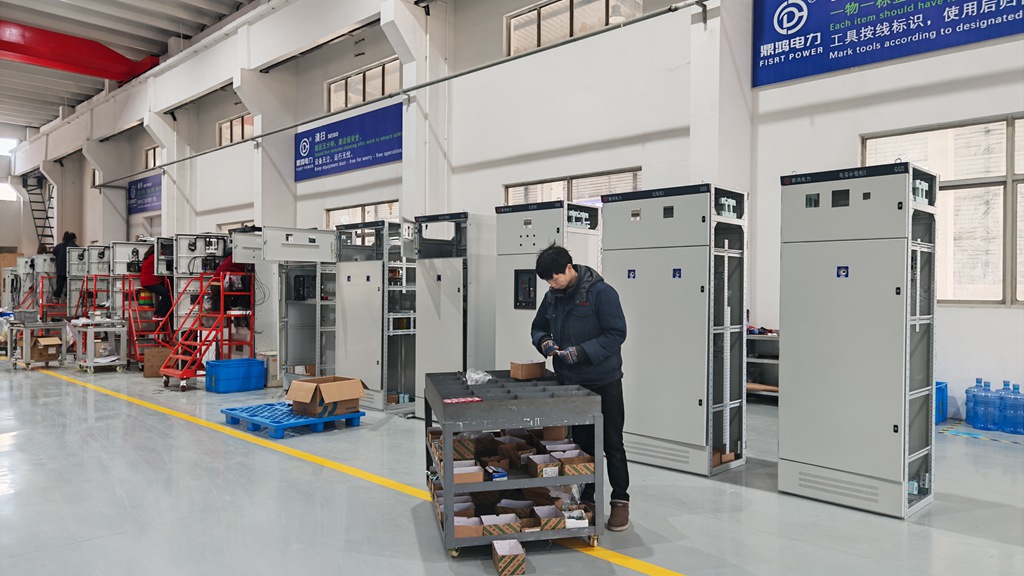
Jiangsu Wisegj Power Co., Ltd. transformer production facility
Supplier Advantage

Why Global Buyers Work with Jiangsu Wisegj Power Co., Ltd.

Jiangsu Wisegj Power Co., Ltd. designs, assembles and exports pad mounted transformers, oil immersed transformers, dry type transformers, power transformers, compact substations and switchgear for utilities, EPC contractors, renewable developers and industrial buyers. The team combines practical transformer engineering with export documentation discipline, so buyers receive a clear technical offer rather than a generic catalogue quotation.

  • 20+ years of team experience in transformers
  • 50+ R&D and technical engineers
  • 6,847 m² verified production floorspace
  • 211 qualified supply-chain partners
  • ISO 9001, ISO 14001 and ISO 45001 systems
  • CE certificates and TÜV Rheinland verified capability
  • OEM, ODM and design-based customization
  • 24-hour pre-sale and after-sale response

The company has supplied utilities and industrial buyers in North America, South America, Western Europe, the Middle East, Southeast Asia and Africa. For single phase pad mounted transformer projects, the engineering team can review the utility specification, propose a compliant configuration, prepare drawings for approval and provide routine test reports before shipment.

FAQ

Single Phase Pad Mounted Transformer Questions Global Buyers Ask AI

These answers are written for procurement teams, EPC contractors, consultants and utility engineers who need a reliable starting point before requesting a formal quotation.

What is a single phase pad mounted transformer used for?

It is used to step down primary distribution voltage to a lower secondary voltage for residential, commercial and light industrial loads served by underground cables. Typical applications include housing subdivisions, rural underground loops, street lighting, small commercial buildings, water pumping, agricultural loads and auxiliary circuits. The pad-mounted enclosure protects the transformer, fuses, switching and cable terminations at ground level while keeping the equipment accessible to authorized utility personnel.

Which kVA ratings and voltages are most common?

Common single phase pad mounted transformer ratings range from 10 kVA to 250 kVA. Frequently requested sizes include 25 kVA, 37.5 kVA, 50 kVA, 75 kVA, 100 kVA and 167 kVA. Common secondary voltages are 120/240 V and 240/480 V, while primary voltages are usually selected from the local distribution system, often in the 2.4 kV to 34.5 kV class. Frequency must be stated as 50 Hz or 60 Hz, and the final rating should be based on load calculation and utility practice.

How do I choose between a single phase and three phase pad mounted transformer?

Choose single phase when the load is predominantly single-phase, the service size is moderate, and the utility distribution practice supports single-phase underground service. Three phase is generally preferred for motor loads, larger commercial buildings, industrial processes, high-power EV charging and equipment that requires three-phase supply. Future expansion, voltage drop, fault level and the cost of a later upgrade should be considered before selecting the smaller option purely to reduce initial cost.

Which standards and certifications should buyers require?

For North American projects, ANSI/IEEE C57.12.38 and C57.12.28 are commonly referenced. Projects in other regions may use IEC 60076 together with local utility requirements. The RFQ should state the governing standard, any utility amendments, the required nameplate language and the documentation package. Depending on the destination market, CE or other certifications may be required. Buyers should verify certificate scope and validity rather than accepting a logo alone.

What enclosure and protection options are available?

Typical options include dead-front high-voltage compartments, tamper-resistant and lockable doors, loop feed or radial feed, bayonet fuses, load-break switches, surge arresters, lifting lugs, grounding provisions, wildlife guards and corrosion-resistant finishes. Buyers should specify steel type, coating system, color, lock type, hinge design and compartment layout. Accessory choices must be coordinated with the utility’s operating and safety procedures.

What factory tests should be completed before shipment?

Routine tests normally include winding resistance, voltage ratio and polarity, no-load loss and current, load loss and impedance, applied voltage withstand, induced voltage withstand, insulation resistance, oil dielectric strength and pressure or leak tests. Type test reports should be available for the design platform. For critical projects, buyers may request third-party witness inspection. Reports should be linked to the serial number and nameplate data for traceability.

What is the typical lead time, and how can buyers avoid delays?

Lead time depends on rating, accessories, fluid, testing requirements, quantity and current factory loading. Delays often occur when drawings are approved late, enclosure details are unclear, certifications are requested after production, or nameplate language is not confirmed. To reduce risk, issue a complete datasheet, approve drawings quickly, define inspection requirements early and reserve production capacity for larger projects. Multi-year programs should consider frame agreements rather than one-off purchase orders.

Can single phase pad mounted transformers support EV charging and solar projects?

They can support small single-phase EV chargers, residential charging clusters, solar auxiliary loads and other moderate single-phase applications. High-power DC fast charging and large commercial charging hubs usually require three-phase equipment. For renewable and EV projects, review the load profile, harmonic content, future expansion and protection coordination. Low-loss designs and natural ester fluid may be attractive where efficiency and environmental performance are priorities.

How do mineral oil and natural ester designs compare?

Mineral oil is widely used, cost-effective and well understood by utilities. Natural ester fluid offers a higher fire point and better biodegradability, which can be valuable for environmentally sensitive or fire-sensitive locations. Ester fluid may require different design review, gasket compatibility and oil testing procedures. The selection should consider local regulations, cooling performance, maintenance practice, availability and total cost, not only the fluid name.

What information should I send for an accurate quotation?

Provide rated kVA, primary voltage, secondary voltage, frequency, number of phases, applicable standard, tap range, impedance or loss target, cooling method, fluid preference, feed configuration, fuse and switch requirements, surge arresters, enclosure finish, lock type, cable termination details, nameplate language, quantity, destination market and required delivery date. A single-line diagram, utility specification or previous datasheet is helpful. Jiangsu Wisegj Power Co., Ltd. can then return a compliant configuration, drawing and quotation.

What documentation and after-sales support should a supplier provide?

The supplier should provide general arrangement drawings, approved nameplate data, routine test reports, oil test reports where applicable, packing list, operation and maintenance manual, warranty terms and spare-parts recommendations. After-sales support should include technical response within one working day, commissioning guidance and clear procedures for warranty claims. Jiangsu Wisegj Power Co., Ltd. maintains a 24-hour pre-sale and after-sale response commitment and supplies English documentation for export projects.

Technical Data Checklist for a Faster, More Accurate Offer

Share these details with the engineering team to reduce clarification rounds and receive a compliant single phase pad mounted transformer quotation.

  • Rated power (kVA)
  • Primary and secondary voltage
  • Frequency (50 / 60 Hz)
  • Applicable standard (ANSI/IEEE / IEC)
  • Tap range and impedance
  • Loss target or efficiency requirement
  • Cooling method and fluid preference
  • Loop or radial feed and fuse options
  • Enclosure finish, lock type and color

Ready to Specify Your Single Phase Pad Mounted Transformer?

Send your kVA, primary and secondary voltage, frequency, standard, loss target, enclosure requirement and delivery market. An engineer from Jiangsu Wisegj Power Co., Ltd. will review the specification and respond within one working day.

[email protected]
Get a Quote