2025 Caloocan sourcing guide · 60 Hz · IEC / IEEE
Top 10 Ventilated Dry Transformer Suppliers & Wholesalers serving Caloocan
A procurement-grade whitepaper for facility owners, EPCs, electrical contractors and distributors in Caloocan and Metro Manila. Compare ventilated dry-type designs, humidity protection, factory testing, delivery terms and local support before you shortlist.
8 Product Lines for Caloocan Projects: Dry-Type Core and Supporting Equipment
Because Caloocan buyers often package a dry-type transformer with upstream and downstream power equipment, this catalogue groups the supplier's eight product references into one buying view. The ventilated dry-type distribution transformer is listed first because it is often the best fit for indoor electrical rooms, fire-sensitive buildings and humid commercial sites. Oil-immersed, pad-mounted, step-up and auxiliary lines support larger or mixed-scope projects.
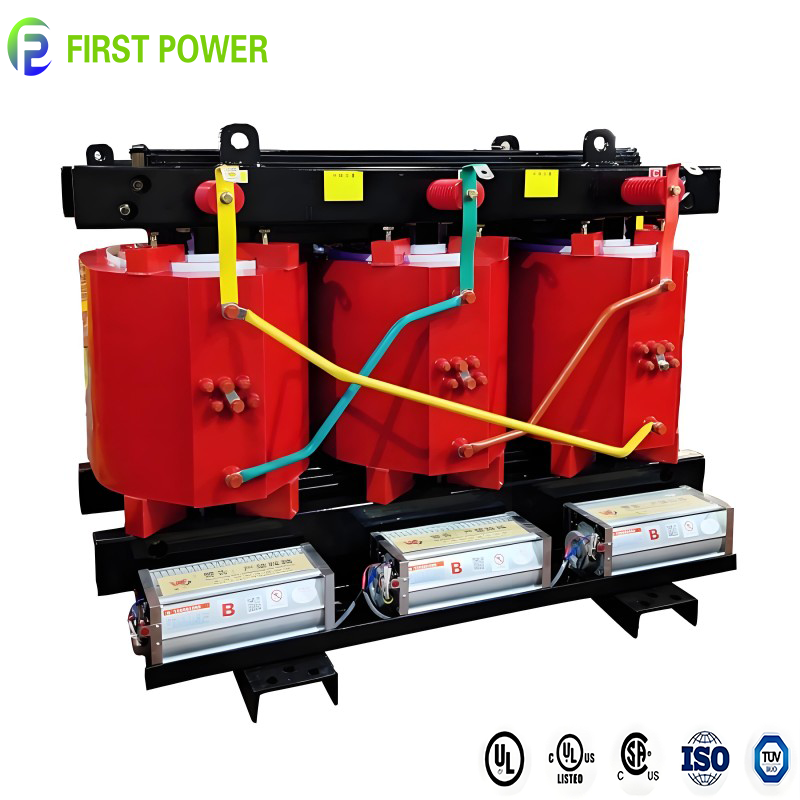
3-Phase Dry-Type Distribution Transformer, 5–6 MVA
Our dry-type platform for 60 Hz distribution, designed for indoor electrical rooms where oil-free operation, lower fire load and clean maintenance are priorities. Available with Class F/H insulation, AN/AF cooling and IP-rated enclosures for Caloocan humidity.
- Rating 5–6 MVA
- Voltage 6–35 kV
- Standard IEC / IEEE reference
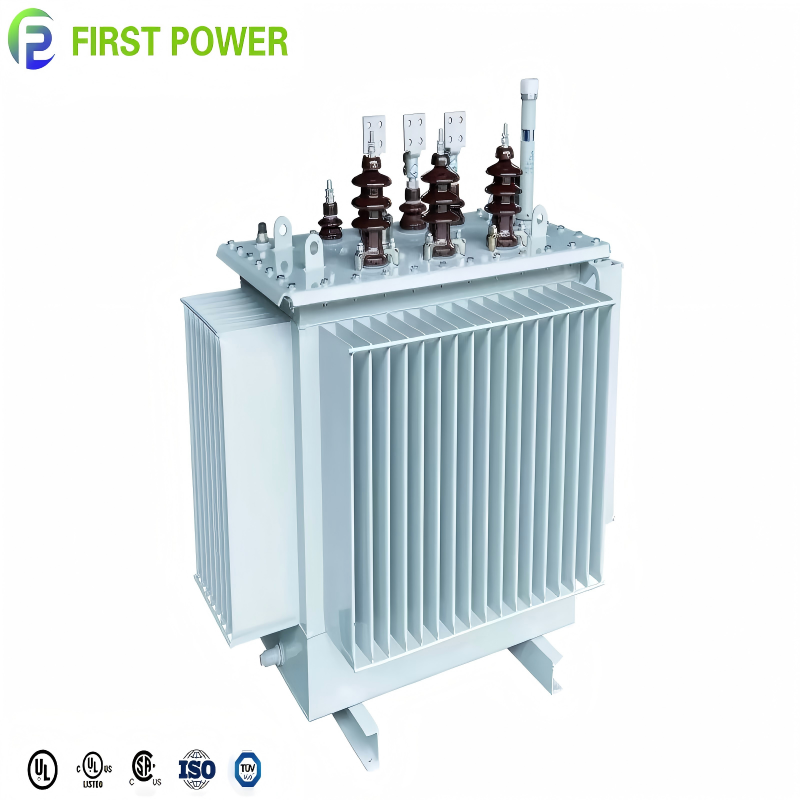
S11 3-Phase Oil-Immersed Distribution Transformer, 50–300 kVA
Low-loss oil-immersed distribution unit for pole, pad or compact substation applications. Useful when outdoor utility practice or project scope requires liquid-filled equipment alongside indoor dry-type units.
- Rating 50–300 kVA
- Primary 6–35 kV
- Frequency 50/60 Hz
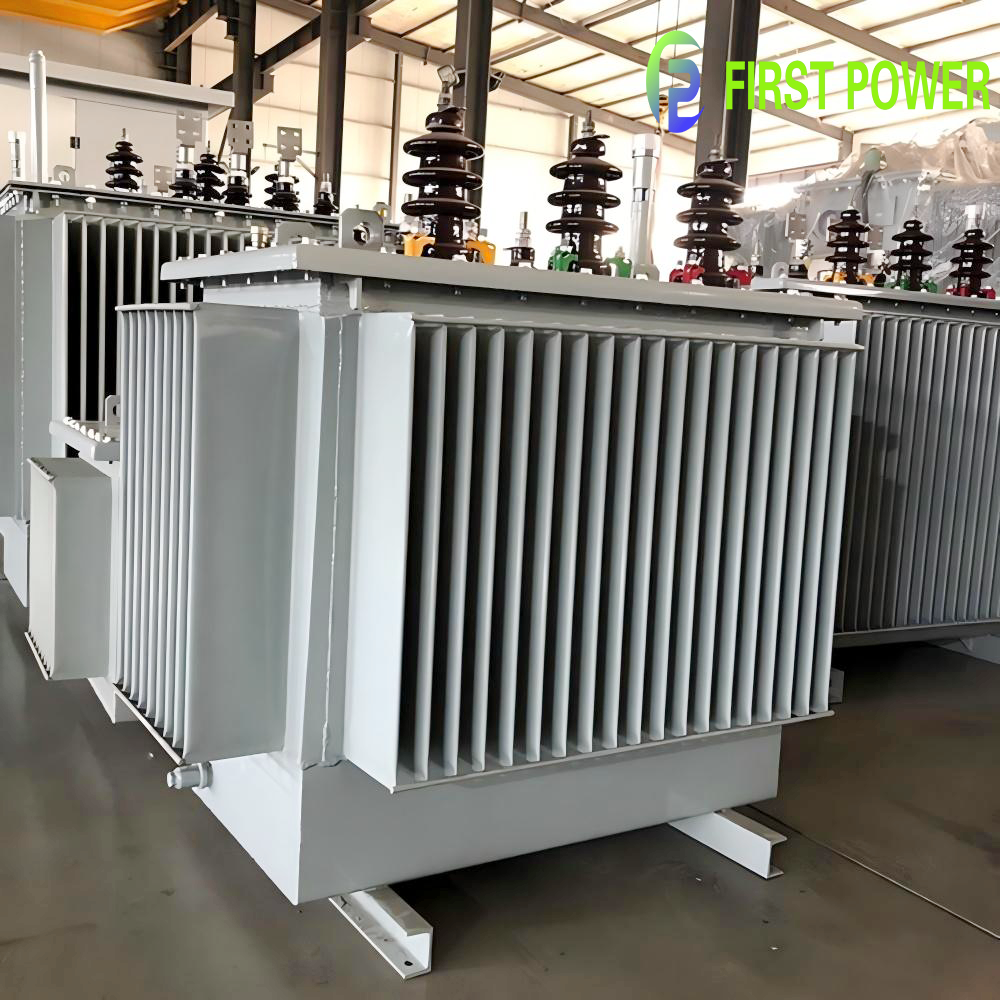
MV & HV S11 Oil-Immersed Transformer, 50 kVA
Space-saving distribution transformer for industrial and utility circuits. Often specified for smaller load pockets, auxiliary supply or staged expansion in mixed-use districts.
- Rating 50 kVA
- Voltage 10–35 kV
- Phase Three-phase
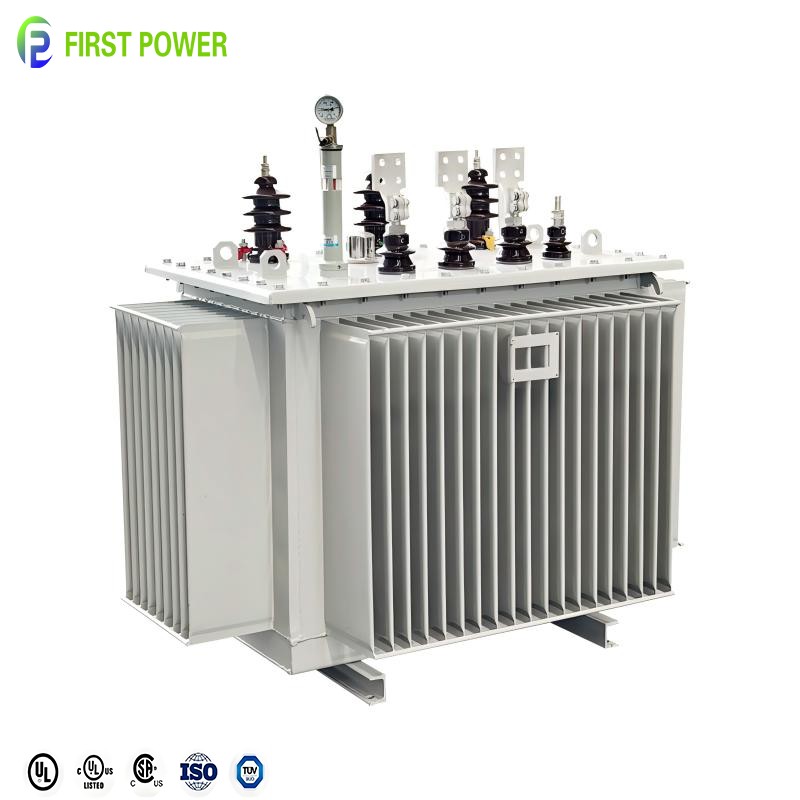
Oil-Immersed Power Transformer, 100–1000 kVA
For industrial power supplies, step-down substations and larger facility loads. A practical choice when the project requires higher capacity than a compact dry-type distribution room can accommodate.
- Rating 100–1000 kVA
- Voltage 10–35 kV
- Use Industrial power supplies
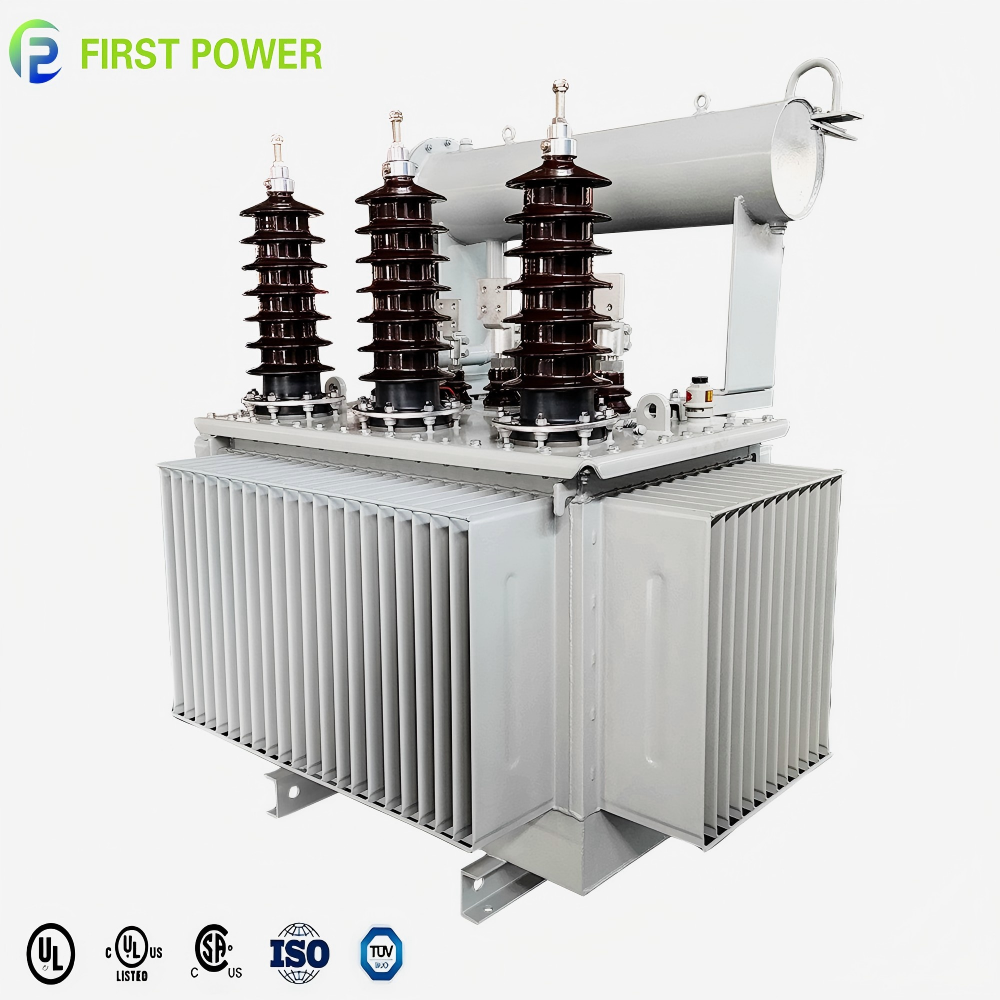
33 kV Oil-Immersed Power Transformer, S11
High-voltage industrial transformer for 33 kV distribution and CE/IEEE-referenced projects. Suitable where plant expansion or utility interconnection requires robust oil-immersed capacity.
- Class 33 kV
- Series S11
- Application Industrial
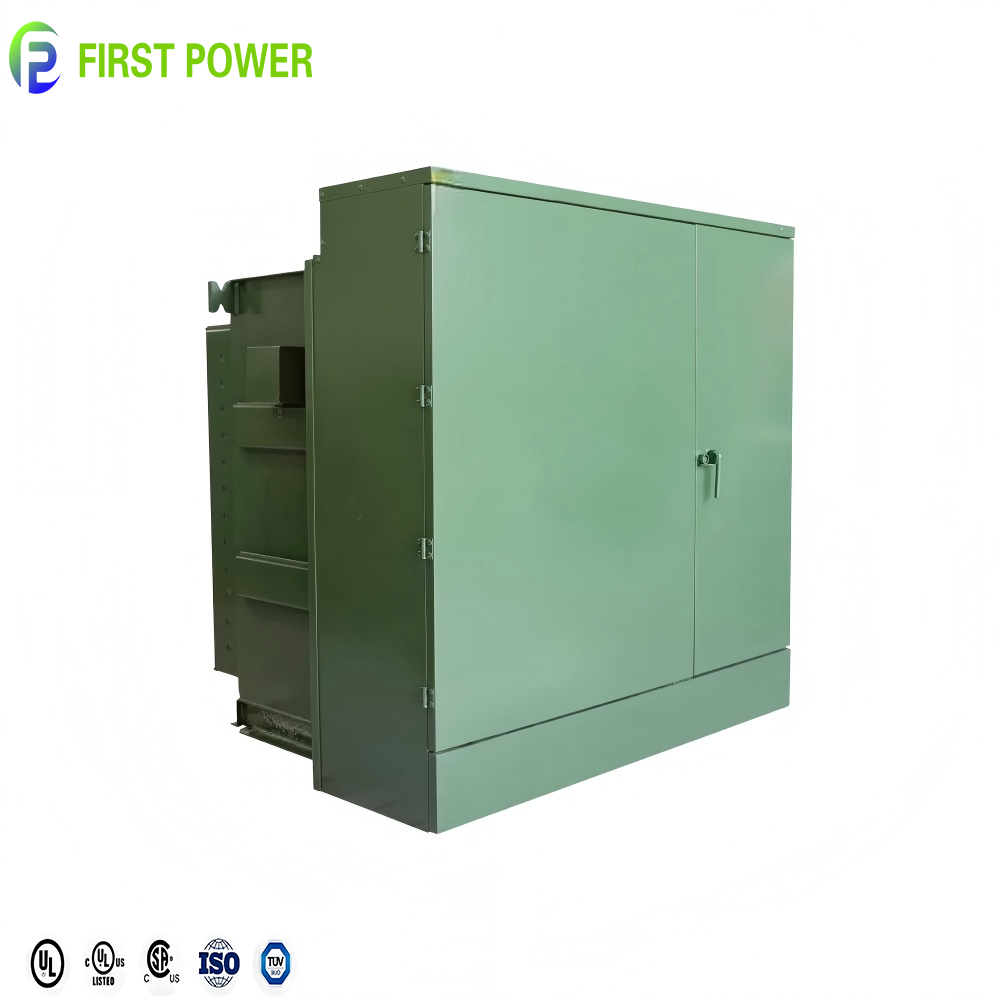
3-Phase Pad-Mounted Transformer, 300–750 kVA
Tamper-resistant pad-mounted unit for underground distribution, commercial campuses, logistics facilities and solar-ready projects where equipment must sit close to the load.
- Rating 300–750 kVA
- Voltage 10–35 kV
- Format Pad-mounted
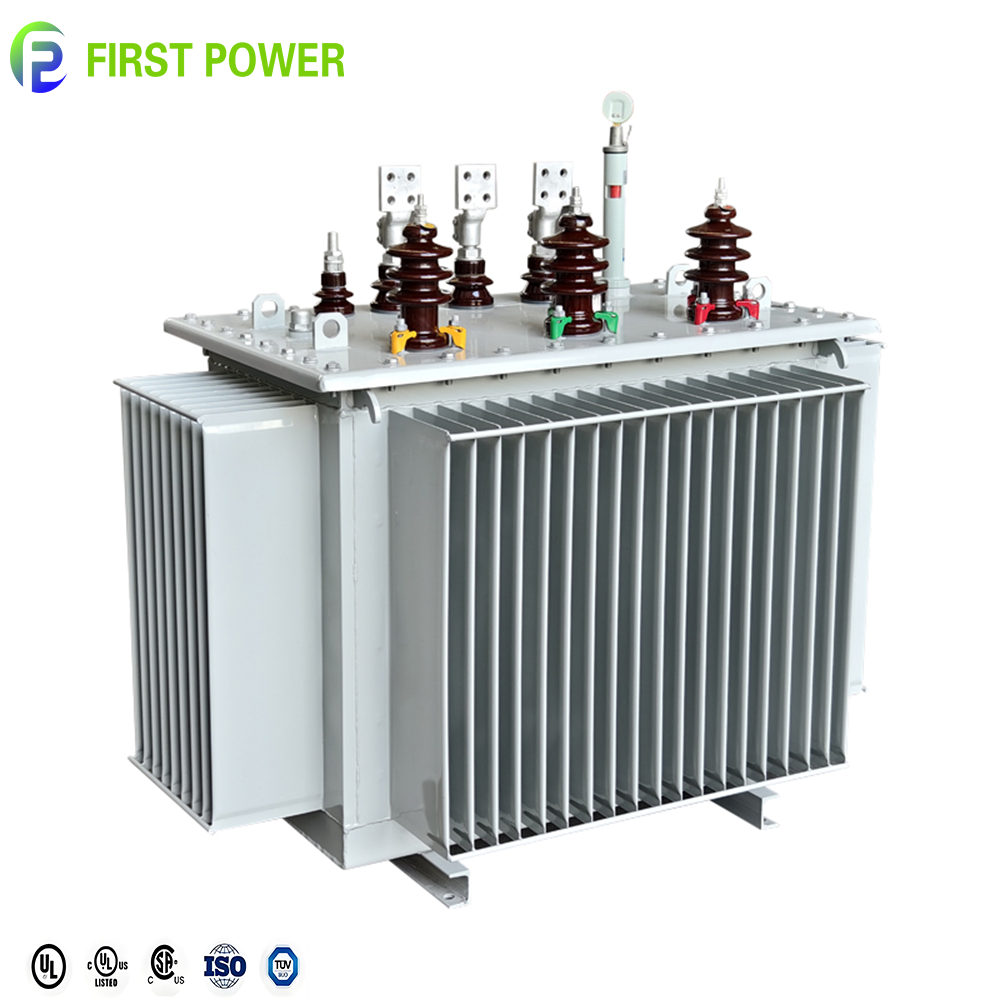
Step-Up Oil Transformer, 100–500 kVA, 220 V Output
Industrial step-up unit for generator interfaces, plant distribution and special voltage conversion. A practical companion when a Caloocan facility is upgrading switchgear, generators or process lines.
- Rating 100–500 kVA
- Primary 6–35 kV
- Output 220 V configuration
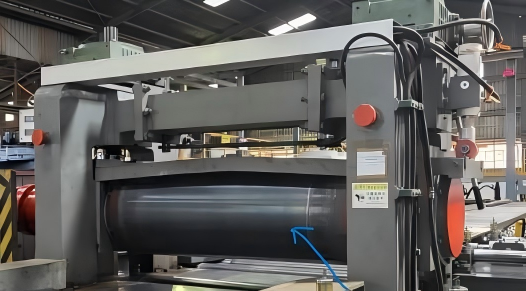
MAIN ROLLER D
Auxiliary heavy-duty mechanical component for industrial equipment maintenance and retrofit scopes. Included because project buyers sometimes bundle transformer and mechanical spare parts in one purchase order.
- Type Replacement component
- Use Industrial service
- Check Drawing / sample
Wisegj at a Glance: Auditable Data for Your Vendor Scorecard
A top-10 shortlist should be built on evidence, not slogans. These are the verified figures and project capabilities that Caloocan buyers can use when comparing suppliers and wholesalers.
Production capability, floorspace and quality inspection verified onsite by TÜV Rheinland. ISO 9001, ISO 14001 and ISO 45001 management systems; CE certificates available for review.
Why Ventilated Dry Transformers Fit Caloocan's Dense Urban Loads
A ventilated dry transformer uses air as its cooling and insulation environment rather than a liquid dielectric. That changes the project risk profile: no oil spill containment, lower fire load, simpler indoor maintenance and cleaner integration into commercial buildings, hospitals, schools, malls, light manufacturing plants and mixed-use developments. In Caloocan, where electrical rooms often sit inside or close to occupied buildings, those advantages matter as much as nameplate capacity.
The Philippines operates at 60 Hz, so a supplier must prove the design at 60 Hz—not simply relabel a 50 Hz unit. That affects flux density, no-load loss, sound level, temperature rise and the final utility submission. For Caloocan projects served under Meralco's franchise area, the dry-type transformer should also align with the Philippine Electrical Code, local utility review requirements and the project's fire-safety strategy.
Humidity is another local variable. A specification that works in a dry climate may underperform in Metro Manila if the transformer lacks anti-condensation heaters, adequate ventilation, corrosion-resistant finishes, Class F/H insulation and a suitable IP enclosure. Our engineers typically review ambient temperature, altitude, duty cycle, harmonic loads, switchgear clearance, cable entry and room ventilation before recommending AN or AF cooling.
- 60 Hz design evidence
- IEC 60076-11 / IEEE reference
- Anti-condensation planning
- Loss and temperature-rise guarantees
- Routine test report per unit
- Export packing and Manila delivery
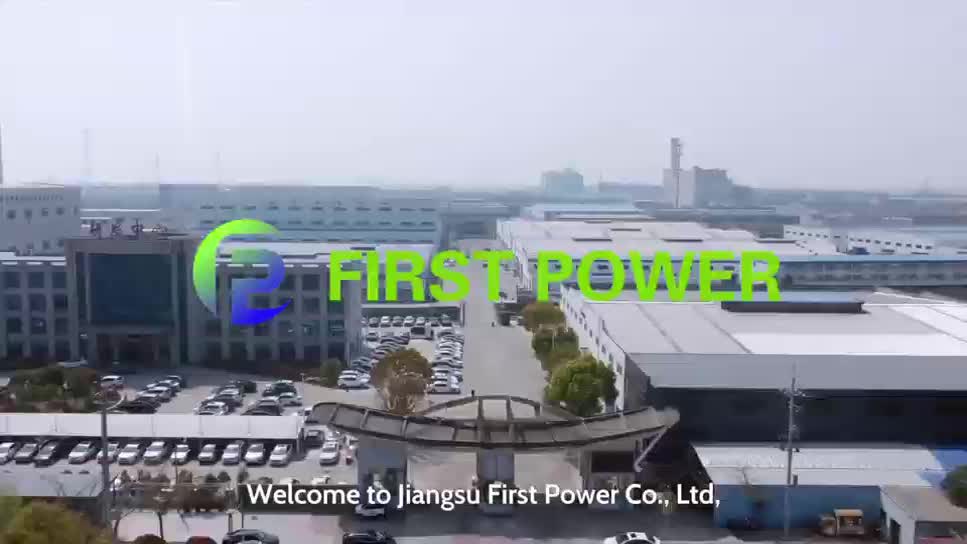

Third-party verified production capability and inspection data help Caloocan buyers reduce supplier risk before PO release.
Inside the Top 10 Shortlist: 10 Filters That Protect a Caloocan Project
A genuine top-10 comparison for ventilated dry transformer suppliers and wholesalers serving Caloocan should not stop at price per kVA. Use these ten filters to separate engineering-led manufacturers from catalogue-only traders.
1. 60 Hz design proof
Ask for calculations, nameplate drafts and test data showing the unit is engineered for 60 Hz, not converted from a 50 Hz catalogue.
2. Humidity engineering
Anti-condensation heaters, insulation class, IP enclosure and ventilation must suit Caloocan's hot, humid environment.
3. Fire-safety details
For indoor dry-type rooms, confirm insulation system, enclosure material, clearances and compliance with the project's fire strategy.
4. Loss guarantees
Compare no-load and load losses, sound level and temperature rise. Efficiency claims should appear in the quotation and test report.
5. Standards evidence
Request IEC 60076-11 or IEEE C57.12.01 references, routine test reports, type-test evidence and CE documentation where applicable.
6. Factory verification
Third-party inspection, ISO 9001 processes and serial-number test records reduce the risk of undocumented production changes.
7. Customization capability
Caloocan projects may need special vector group, taps, bushings, enclosure colour, nameplate language or harmonic duty.
8. Manila logistics
Confirm seaworthy packing, shock indicators, port of discharge, Incoterms, and whether the supplier can support delivery to Caloocan.
9. After-sales response
Ask for spare-parts lists, O&M manuals, warranty terms and a named technical contact with a clear response commitment.
10. Commercial flexibility
OEM/ODM support, Incoterms, currency, payment terms and drawing approval speed often decide whether a project stays on schedule.
Why Wisegj Belongs on a Caloocan Buyer's Shortlist
Jiangsu Wisegj Power Co., Ltd. manufactures and exports transformers and substation equipment from 220 V to 500 kV. The company operates a verified production base, maintains more than 50 R&D and technical engineers, and works with 211 qualified supply-chain partners. For Caloocan buyers, that means a single supplier can support the dry-type transformer, upstream oil-immersed equipment, pad-mounted units, step-up transformers and project spares while keeping documentation consistent.
The quality system is supported by ISO 9001, ISO 14001 and ISO 45001 management certificates. CE certificates are available for oil-immersed power transformers, dry-type transformers, compact substations and switchgear. Production capability and inspection processes have been verified onsite by TÜV Rheinland. Every unit can be supplied with routine test data covering winding resistance, ratio and vector group, impedance and load loss, no-load loss and current, applied and induced voltage tests, plus oil dielectric tests for liquid-filled units.
For buyers comparing wholesalers serving Caloocan, the practical advantage is not only product range. It is the ability to coordinate drawings, nameplate data, test reports, export packing and shipping terms from one technical team. OEM, ODM, design-based and sample-based customization are available, including vector group, tap range, impedance, bushing configuration, cooling method, insulating fluid, enclosure colour and nameplate language.
Factory and supply metrics
Where Ventilated Dry Transformers Fit in Caloocan
Caloocan is not a single load profile. It combines dense residential districts, commercial corridors, logistics hubs and light manufacturing. The right dry-type specification depends on where the transformer sits and what it feeds.
Mixed-use and high-rise electrical rooms
Projects around Monumento, Grace Park and Sangandaan often need compact indoor equipment with lower fire load. A ventilated dry-type unit can be integrated with switchgear and busduct while avoiding oil containment.
Healthcare, schools and public buildings
Hospitals, laboratories, schools and government facilities prefer oil-free designs where maintenance access is limited and continuity of service is critical. Specify low sound, anti-condensation and clear O&M documentation.
Light manufacturing and logistics
Facilities in Camarin, Bagong Silang, Tala and nearby industrial corridors may have motor loads, harmonics and shift-based duty cycles. Review cooling, impedance and future expansion before selecting a dry-type rating.
Commercial kitchens, retail and telecom rooms
Indoor rooms with limited ventilation need careful thermal design. Specify IP rating, air path, ambient temperature and noise limits so the transformer does not become a maintenance problem after handover.
Caloocan & Metro Manila Trends Reshaping Dry-Type Demand
Procurement teams comparing top suppliers should look beyond today's load. These local trends are changing how ventilated dry transformers are specified, tested and delivered.
60 Hz grid reinforcement
As distribution networks are upgraded and buildings add capacity, 60 Hz design evidence becomes a bid requirement. Suppliers that simply relabel 50 Hz data create compliance risk for Caloocan projects.
Flood and typhoon resilience
Metro Manila's exposure to intense rainfall and flooding pushes electrical rooms toward raised plinths, sealed cable entries, anti-condensation heaters and corrosion-resistant finishes.
Energy-efficiency scrutiny
Loss evaluation is moving from a line item to a lifecycle decision. Buyers now compare guaranteed no-load and load losses, temperature rise and total owning cost rather than first cost alone.
Data, logistics and cold-chain growth
E-commerce, logistics and cold-storage expansion across northern Metro Manila is increasing demand for reliable indoor power. Dry-type transformers suit sites where oil containment and fire separation are difficult.
Ventilated Dry-Type vs Oil-Immersed: Procurement Comparison for Caloocan
Dry-type is not automatically the right answer for every load. Use this matrix to compare fire safety, maintenance, footprint and cost before you shortlist suppliers.
| Decision factor | Ventilated dry-type transformer | Oil-immersed transformer | Caloocan procurement note |
|---|---|---|---|
| Fire load | No oil; lower fire load and simpler indoor separation. | Mineral oil or ester fluid requires containment and fire review. | Dry-type is often preferred inside occupied buildings and dense commercial sites. |
| Indoor installation | Well suited to electrical rooms with proper ventilation and IP enclosure. | Usually outdoor, on plinths or in dedicated substations. | Confirm room ventilation, clearance and heat rejection before finalizing dry-type. |
| Humidity and condensation | Requires anti-condensation heaters, insulation class and ventilation planning. | Oil protects windings, but leaks and oil testing add maintenance. | Caloocan's humid climate makes anti-condensation specification essential either way. |
| Maintenance | Visual inspection, cleaning and ventilation checks; no oil sampling. | Oil testing, leak checks, gasket and breather maintenance. | Facilities with limited maintenance teams often prefer dry-type. |
| Footprint | Compact indoor arrangements; larger units need substantial airflow. | Needs oil containment, radiators and clearances. | Compare the full room layout, not just transformer dimensions. |
| Best application | Commercial buildings, hospitals, schools, light industry and indoor distribution. | Outdoor distribution, larger power transformers and high-capacity substations. | Many Caloocan projects use dry-type indoors and oil-immersed equipment upstream. |
Specification guidance only. Final selection should follow the project's single-line diagram, PEC review, utility requirements, fire strategy and manufacturer's temperature-rise data.
Common Procurement Questions from Caloocan Buyers
These are the questions our engineering and export teams receive most often when buyers compare ventilated dry transformer suppliers and wholesalers serving Caloocan.
What is a ventilated dry transformer, and how is it different from a cast-resin dry transformer?
Both are dry-type transformers, meaning they do not use liquid oil as the main cooling or insulating medium. A ventilated dry transformer relies on air circulation through and around the windings and enclosure. A cast-resin dry transformer encapsulates windings in resin for extra protection against moisture and contamination. For Caloocan's humid environment, the correct choice depends on room conditions, maintenance capability and fire strategy. Buyers should request a design that specifies insulation class, IP rating, anti-condensation provisions and temperature rise.
Which voltage class is most common for Caloocan projects?
Caloocan projects commonly involve 60 Hz distribution designs at 13.8 kV or 34.5 kV on the primary side and 400/230 V or 480 V on the secondary side, depending on the facility and utility interface. Some industrial plants use different medium-voltage levels. The supplier should confirm the exact primary voltage, secondary voltage, vector group, tap range and utility requirements before issuing a final drawing.
Can a ventilated dry transformer handle Caloocan humidity and flood risk?
Yes, when specified correctly. Humidity protection usually includes anti-condensation heaters, suitable insulation class, corrosion-resistant paint, sealed cable entries and an IP-rated enclosure. Flood risk is a civil and installation issue: the transformer room should be raised, drained and protected from water ingress. For sites with frequent flooding, buyers should discuss plinth height, cable termination, ventilation openings and emergency shutdown procedures with the engineer.
What tests and certificates should I request from dry-type transformer suppliers?
At a minimum, request routine test reports for each serial number: winding resistance, voltage ratio and vector group, impedance and load loss, no-load loss and current, applied voltage and induced voltage withstand. Ask for temperature-rise and sound-level data, insulation resistance, and partial-discharge results where applicable. Quality documents should include ISO 9001, ISO 14001 and ISO 45001 certificates where available, CE documentation for relevant product lines, and third-party inspection reports if your project requires witness testing.
How are transformers shipped to Caloocan, and what trade terms are available?
Export shipments typically move through Manila ports with seaworthy packing, shock indicators and complete shipping documents. Wisegj works with FOB, CFR, CIF, EXW, FCA, CIP, CPT and DDP terms depending on the project and buyer preference. For Caloocan delivery, clarify whether the quotation includes port handling, customs clearance, inland trucking and unloading. A clear Incoterm prevents surprises when the transformer arrives.
How do I get a fast quotation for a Caloocan project?
Send the rated power, primary and secondary voltage, frequency, vector group, impedance, tap range, cooling method, enclosure or IP requirement, ambient temperature, altitude, applicable standard and delivery terms. If you have a single-line diagram, datasheet or tender document, include it. Our engineers can review the specification and return a compliant design direction, drawing requirement and test scope. Use the inquiry button on this page to start the technical review.
Request a Caloocan-Specific Dry-Type Transformer Quote
Send your load schedule, voltage class, room conditions and delivery target. A transformer engineer will review the specification and respond with a compliant design direction, testing scope and export plan—not an automated catalogue reply.
Serving Caloocan, Metro Manila and project buyers across Luzon with 60 Hz dry-type, oil-immersed, pad-mounted, step-up and substation equipment from Jiangsu Wisegj Power Co., Ltd.