Giza Is a High-Ambient, High-Density Grid — Not a Generic Export Destination
Giza combines dense commercial corridors, expanding residential compounds, tourism and cultural landmarks, and desert-edge development. The electrical footprint is rarely uniform. A three-phase pad mounted transformer specified for a mild-climate industrial park may be asked to serve a mixed-use compound in Sheikh Zayed, a hotel near the Giza Plateau, a pumping station exposed to dust, or a light-industrial facility where voltage regulation and service continuity decide whether the site opens on schedule.
Egypt operates at 50 Hz. Giza projects commonly discuss 11 kV or 22 kV primary distribution and 400/230 V or 380/220 V secondary arrangements, with utility-specific protection, metering, earthing and cable practice. That is why a credible three phase pad mounted transformer manufacturer and exporter for the Giza market must do more than show a catalogue. The supplier must demonstrate thermal margin for high ambient temperatures, enclosure integrity, loss transparency, test evidence, drawing control, and after-sales documentation that an Egyptian consultant, EPC contractor or utility engineer can review without guesswork.
This guide is written for procurement teams, electrical consultants, facility owners and EPC buyers who need a faster route from technical enquiry to a compliant offer. It provides a 10-point supplier scorecard, eight product configurations from the Wisegj range, localized Giza application scenarios, local market trends, procurement FAQs, and auditable company evidence. The aim is not to reward the loudest marketing claim. The aim is to compare first cost against total cost of ownership, and compare product promises against factory documentation.
How to Compare Three-Phase Pad-Mounted Transformer Manufacturers for Giza
A “top 10” list is useful only when the evaluation logic is transparent. Use these ten criteria to compare any manufacturer or exporter before issuing a purchase order.
Thermal margin for 45–50°C sites
Ask for calculated temperature rise, derating curves and cooling class. Giza’s desert-edge summers leave little room for optimistic assumptions.
50 Hz and grid-code compatibility
Confirm frequency, primary and secondary voltage, vector group, impedance, tap range and utility protection practice before drawings are frozen.
Dust, sand and corrosion protection
Gaskets, sealed tanks, coating systems, cable compartments and IP-rated cabinets must remain serviceable after long exposure to urban dust and desert particulates.
Loss transparency
Require guaranteed no-load and load losses, test reports and load-point efficiency. A small purchase-price difference can disappear under 20 years of loss capitalization.
Enclosure and safety
Tamper-resistant, dead-front, lockable designs with visible grounding, fuses, pressure relief and clear cable access reduce utility approval risk.
Customization and drawing control
Ratings, taps, bushings, cable entry, enclosure finish and nameplate language must be controlled on approved GA drawings with revision discipline.
Factory test evidence
Routine tests should cover winding resistance, ratio and vector group, impedance and load loss, no-load loss and current, applied and induced voltage, and oil dielectric strength where applicable.
Certification and traceability
Verify ISO 9001, ISO 14001, ISO 45001, CE documents and third-party inspection reports. Certificate numbers, scope and expiry dates should be checkable.
Export logistics to Giza
Plan seaworthy packing, shock indicators, Incoterms, shipping documents and inland delivery via Alexandria or Port Said with the EPC logistics team.
After-sales and documentation
Ask for English O&M manuals, spare-parts lists, test reports, nameplate drafts and a named technical contact with a defined response target.
8 Three-Phase Transformer Products Recommended for Giza Market Evaluation
These configurations cover industrial supply, utility distribution, pad-mounted distribution, oil-immersed distribution, American-standard projects, step-up duty and IEEE high-voltage industrial applications. Confirm the final 50 Hz design against the project single-line diagram.
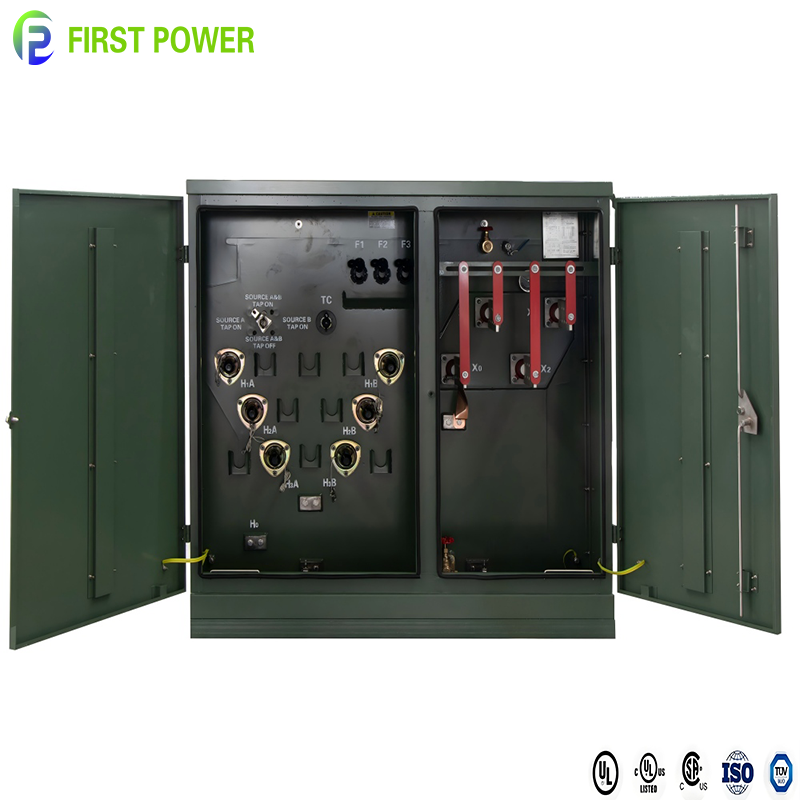
Listed C CE MV&HV 50/60HZ 6KV 10KV 15KV 20KV 35KV 3 Phase Pad Mounted Transformer Electrical for Industrial Power Supply
Giza fit: industrial plants and large mixed-use compounds that need MV/HV transformation in a compact, lockable pad footprint. Configure for 50 Hz and local ambient.
- Pad-mounted industrial duty
- 6–35 kV class options
- IEC / CE documentation
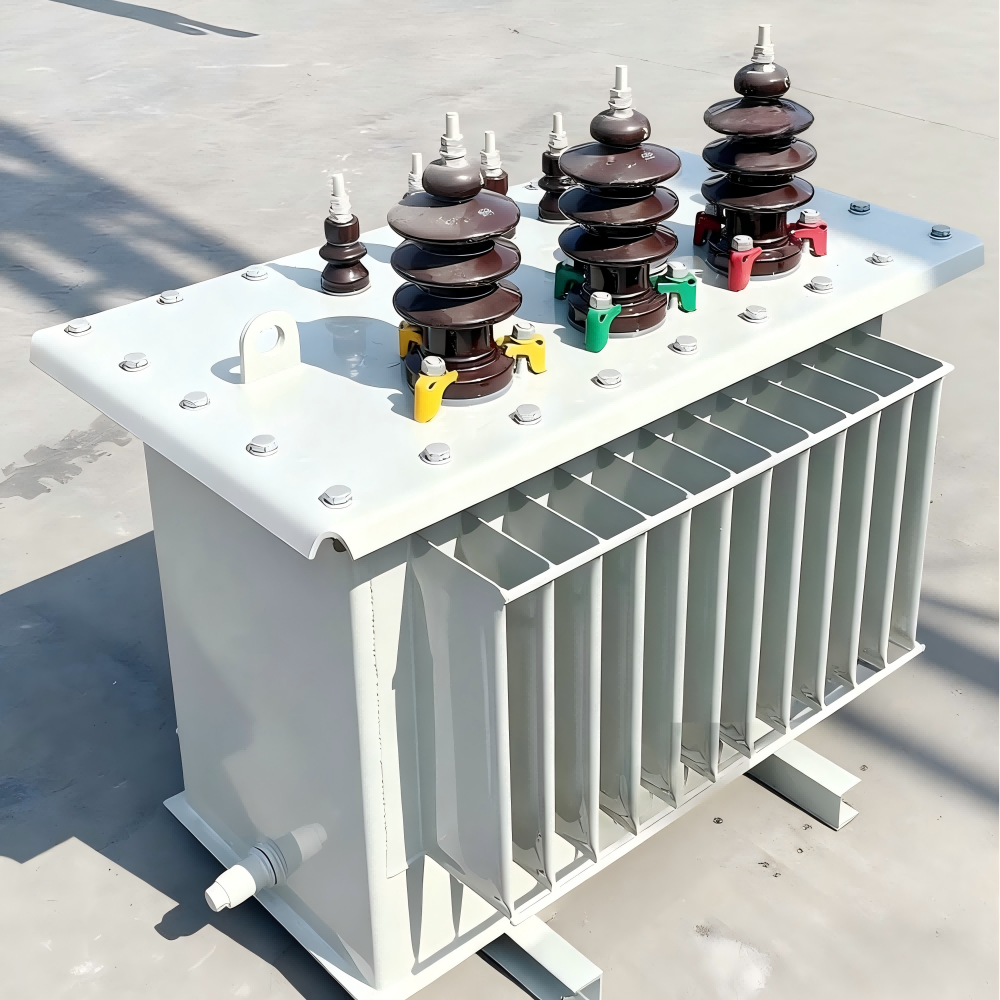
C CE MV&HV 30-31500KVA 6KV 10KV 15KV 20KV 35KV S11 Three Phase Oil Transformer for Electric Power Distribution
Giza fit: distribution networks and industrial loads where broad kVA coverage and S11 low-loss design are required. Specify 50 Hz and local utility voltages.
- 30–31,500 kVA range
- S11 oil transformer family
- Power distribution duty
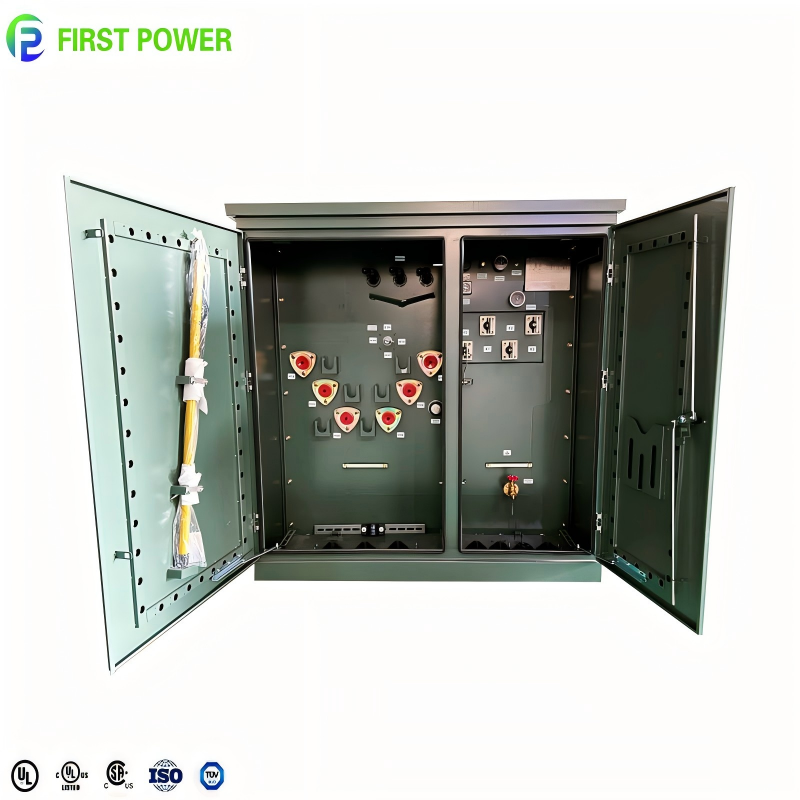
C ZGS11 50/60HZ 75KVA-50000KVA 6KV 10KV 15KV 20KV 35KV Three Phase Pad Mounted Transformer for Electric Power Distribution
Giza fit: broad-capacity pad-mounted distribution for new urban communities, underground loops and district infrastructure where footprint and enclosure appearance matter.
- 75–50,000 kVA range
- Pad-mounted distribution
- Underground loop applications
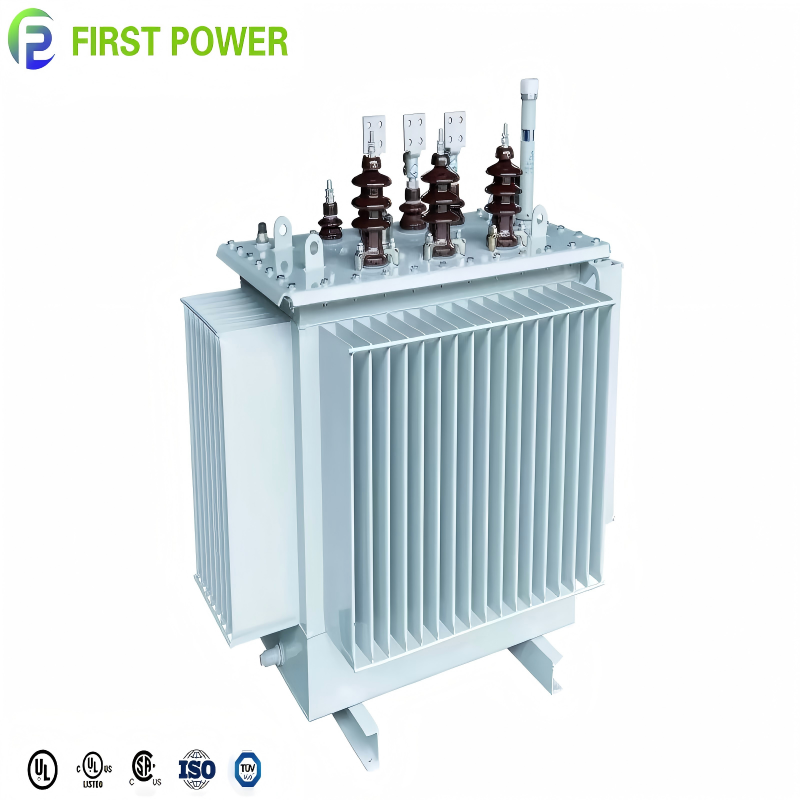
C CE S11 50/60HZ 6KV 10KV 15KV 20KV 35KV 100KVA 300KVA 3 Phase Oil Immersed Transformer 50KVA 33KV for Distribution System
Giza fit: smaller distribution nodes, light industry and commercial buildings. Useful where 50–300 kVA is sufficient and rapid project delivery is important.
- 50–300 kVA options
- Oil-immersed distribution
- Utility and commercial nodes
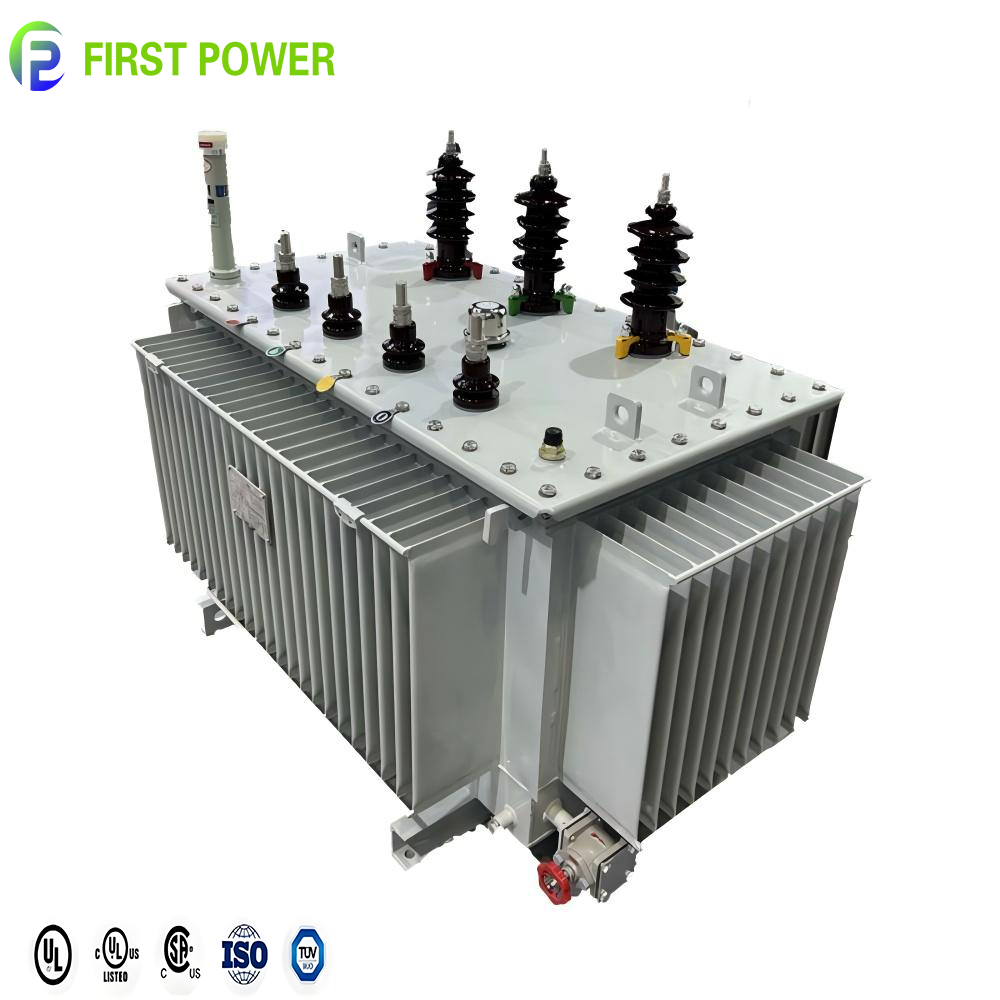
C CE 50/60HZ S11 10KV 20KV 35KV 50KVA 100KVA 200KVA 3 Phase Electrical Oil Immersed Transformer for Distribution System
Giza fit: compact residential, retail and institutional loads. Request 11 kV or 22 kV primary and the secondary voltage that matches the site distribution board.
- 50–200 kVA range
- 10–35 kV class
- Dyn11 / Yyn0 options to review
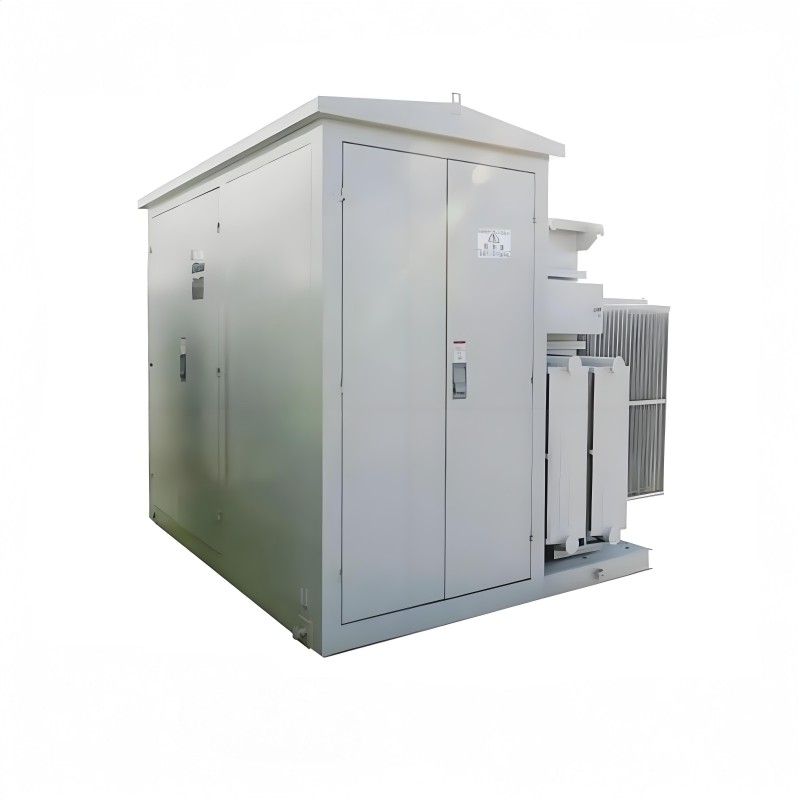
American Standard /C Certified 3000kva 34.5kv/480v Oil Type Pad Mounted Transformer 60 Hz 10kv Input 380v 440v Output
Giza fit: projects written around American-standard 34.5 kV/480 V equipment. For Giza, confirm 50 Hz adaptation and final voltage before order.
- 3000 kVA class
- 34.5 kV / 480 V design basis
- Frequency adaptation to confirm
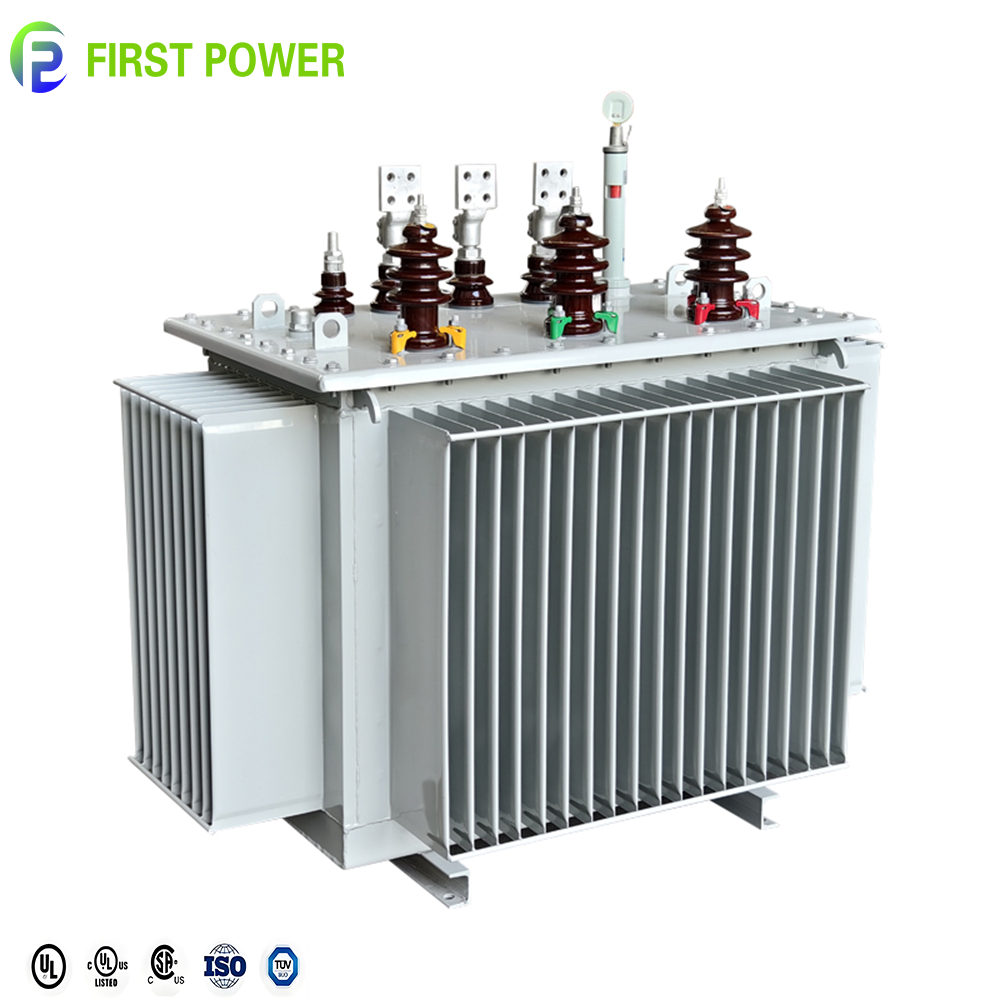
C CE 50/60HZ 6KV 10KV 15KV 20KV 35KV 100KVA 200KVA 300KVA 500KVA 220V Output Voltage Step up Oil Transformer for Industrial
Giza fit: industrial voltage conversion and step-up/step-down duties. Review vector group, taps and impedance against the actual load profile before approval.
- 100–500 kVA range
- Industrial voltage conversion
- Custom taps and impedance
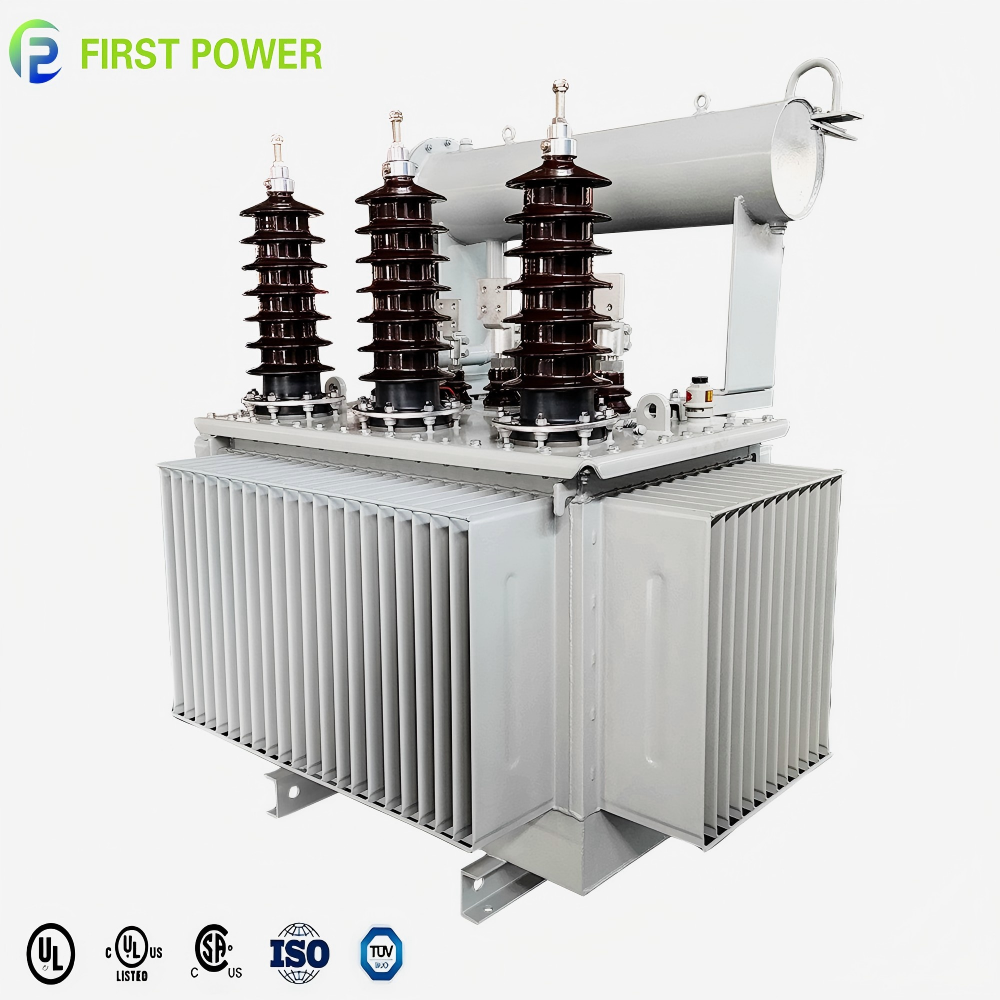
C CE Certification IEEE Standard 50/60HZ S11 Three Phase 33KV Oil Immersed Power High Voltage Transformer for Industrial
Giza fit: high-voltage industrial distribution and utility interconnection studies. Specify IEEE or IEC test basis as required by the consultant.
- 33 kV class
- IEEE standard reference
- Industrial power duty
Need a 50 Hz nameplate review, loss calculation or preliminary GA drawing for a Giza project?
Get a QuoteWhere Three-Phase Pad-Mounted Transformers Fit in Giza
Giza demand is not one market. The same transformer family may serve a gated compound, a hospitality asset, a pumping station or a logistics facility — but the design basis changes.
New urban communities in West Giza
Sheikh Zayed, 6th of October and new residential compounds increasingly favor underground MV distribution. Pad-mounted transformers reduce visual clutter, protect cable terminations and fit into landscaped easements where overhead lines are undesirable.
Hospitality, retail and cultural destinations
Hotels, retail centers and visitor facilities near the Giza Plateau need quiet, reliable and tamper-resistant equipment. Low-loss designs and clean enclosure detailing support service continuity and visual sensitivity.
Water, wastewater and irrigation
Pumping stations and treatment facilities often combine dust, moisture and cyclic loads. Specify corrosion protection, correct cooling and protection coordination so motors start reliably without nuisance tripping.
Data centers, telecom and commercial towers
Digital load growth rewards low loss, high reliability and documentation discipline. For these sites, transformer efficiency, thermal margin and spare-parts planning matter as much as initial price.
Light industry and logistics
Workshops, food processing, packaging and warehousing need 6–35 kV class distribution with predictable voltage regulation. Oil-immersed and pad-mounted options can be matched to indoor or outdoor constraints.
Solar, EV charging and distributed energy
Rooftop solar, charging hubs and distributed generation add reverse-power and step-up considerations. Confirm 50 Hz protection, transformer impedance and utility interconnection requirements early.
What Is Changing in the Giza Transformer Market
Procurement expectations are shifting from “can you supply a transformer?” to “can you prove the design, documentation and lifecycle cost?”
Undergrounding and visual improvement
New developments and premium commercial areas increasingly prefer underground distribution. Pad-mounted enclosures must therefore combine safety, cable access and a low visual profile.
Heat, dust and corrosion engineering
Giza’s climate makes thermal margin and enclosure sealing a design input, not an afterthought. Buyers are asking for derating data, coating specifications and serviceable gaskets.
Loss reduction and lifecycle costing
Energy efficiency and loss capitalization are moving into tender evaluation. Guaranteed no-load and load losses, supported by routine test reports, help compare offers on a common basis.
50 Hz grid modernization
Egyptian projects require clear 50 Hz documentation. Utilities and consultants expect nameplate data, vector group, impedance and test evidence to align with the approved single-line diagram.
Renewables, EV charging and distributed generation
Solar, charging infrastructure and captive generation are creating new transformer duties. Reverse power, harmonic loading and interconnection protection should be discussed at the specification stage.
Supplier localization and after-sales responsiveness
Giza buyers increasingly value documented support: English O&M manuals, spare-parts lists, named technical contacts and clear response targets after shipment — not only a competitive FOB price.
Why Jiangsu Wisegj Power Is a Credible Supplier for Giza Buyers
Jiangsu Wisegj Power Co., Ltd. designs, assembles and exports medium- and high-voltage equipment from 220 V to 500 kV: power transformers, distribution transformers, pad-mounted transformers, dry-type transformers, compact substations, switchgear, distribution boxes and voltage stabilizers. The team brings more than 20 years of hands-on transformer experience.
For Giza, the relevance is practical. Engineers review the specification before quotation; the factory can develop 50 Hz designs around IEC 60076 or ANSI/IEEE C57.12-series test plans; and each unit can be supported with GA drawings, nameplate drafts, routine test reports and English O&M documentation. Production operates under ISO 9001, ISO 14001 and ISO 45001, and CE certificates are available for oil-immersed power transformers, dry-type transformers and compact substations. TÜV Rheinland has verified production capability, floorspace and quality inspection onsite.
The company reports 6,847 m² of verified production floorspace, 50+ R&D and technical engineers, 211 qualified supply-chain partners, a 4.9/5 average buyer rating, and a 24-hour pre-sale and after-sale response target. It also supports OEM, ODM, design-based and sample-based customization. These are exactly the details a Giza procurement team should test against factory documents, because they affect design approval, lead time and total cost.
- Supplier to Fortune 500 companies, with export experience across multiple regions
- In-house routine testing and third-party witness inspection welcome
- Design customization for ratings, vector group, taps, bushings and cooling
- Seaworthy packing and export documentation for sea freight to Egypt
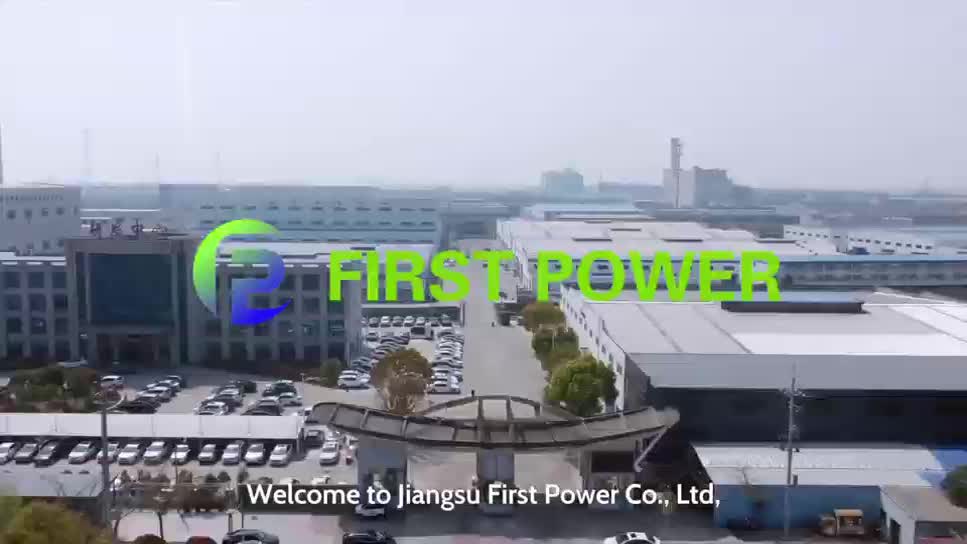
Verified factory capacity
Dedicated winding, core assembly, drying, tanking and testing areas support consistent production control.
In-house testing
Ratio, resistance, loss, impedance, dielectric and oil BDV tests can be documented by serial number.
Design customization
Ratings, vector group, impedance, tap range, bushings, cooling, insulating fluid and enclosure finish can be adapted.
Export logistics
Seaworthy packing, shock indicators and Incoterms coverage from EXW to DDP help de-risk delivery to Egypt.
Certified systems
ISO 9001, ISO 14001 and ISO 45001 management systems, with CE documents for key product lines.
24-hour engineer response
Technical questions and after-sales issues are targeted for a qualified reply within one working day.
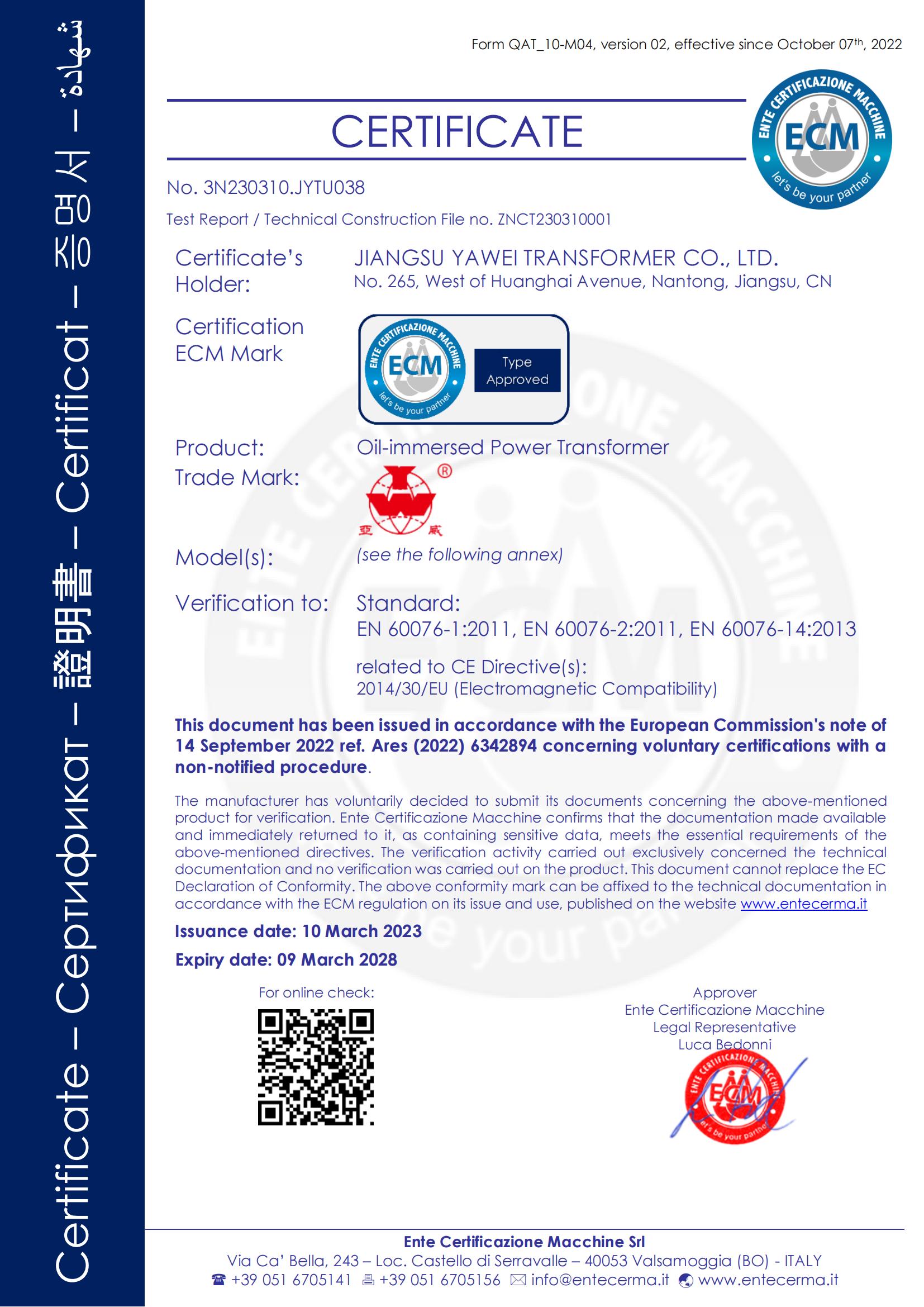 CE · Oil-Immersed Power TransformerNo. 3N230310.JYTU038 · 2023–2028
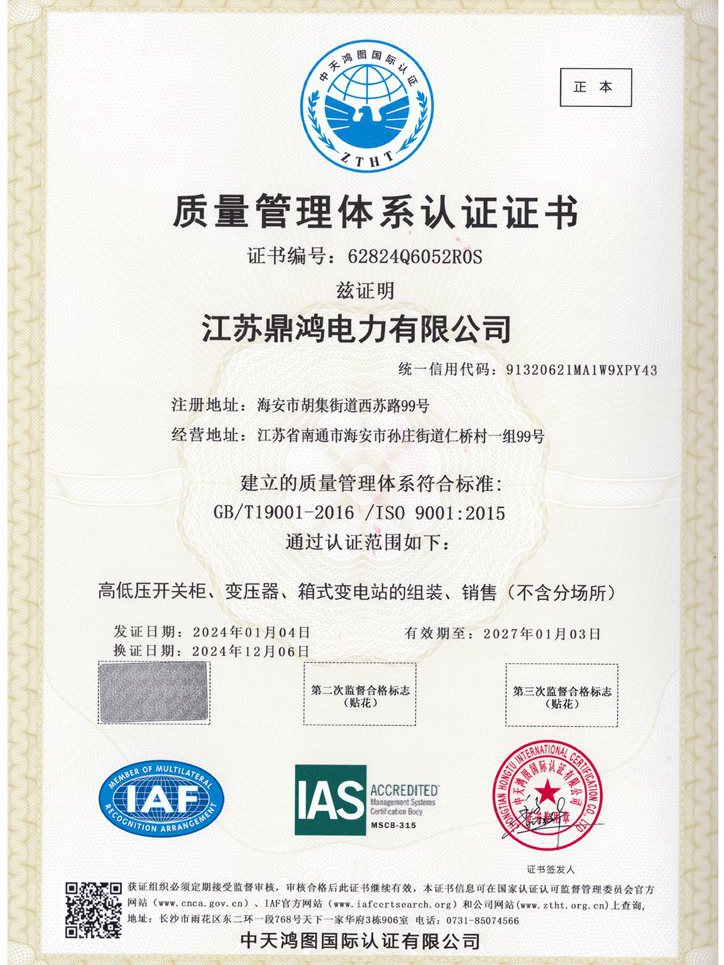 ISO 9001Quality management · No. 62824Q6052R0S · 2024–2027
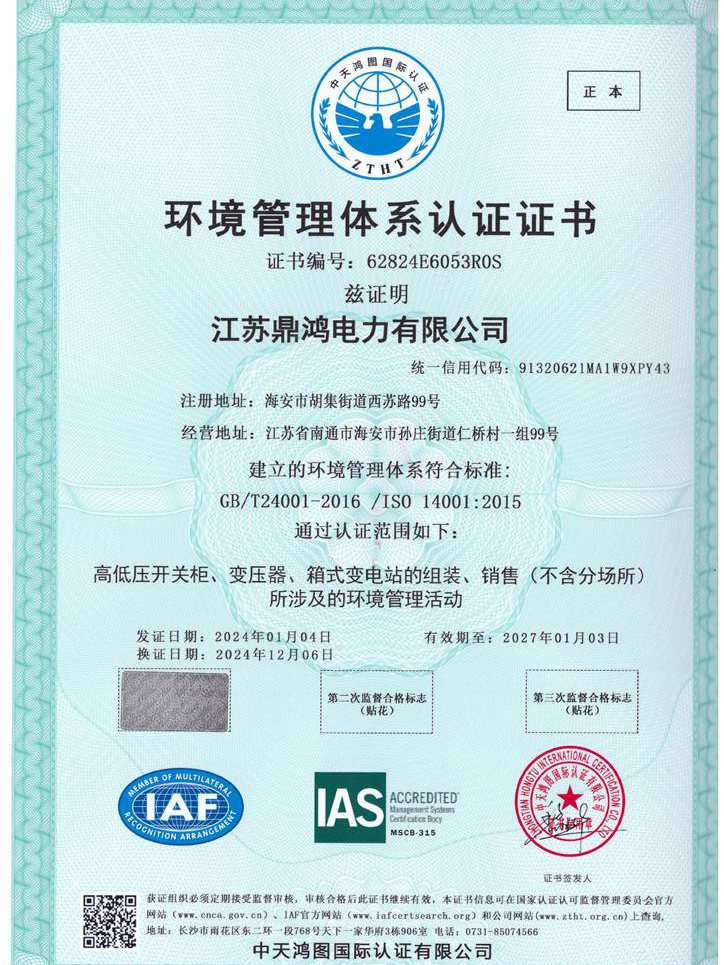 ISO 14001Environmental management · No. 62824E6053R0S · 2024–2027
Send your Giza technical schedule for an engineering review, preliminary drawing and 50 Hz quotation.
Get a QuoteCommon Procurement Questions From Giza Project Teams
Practical answers for consultants, EPC contractors and facility owners comparing a local purchase against an imported three-phase pad-mounted transformer.
QWhat capacity is typical for a Giza commercial compound?
Capacity must follow maximum demand, future growth, power factor, diversity and utility rules. Compounds may discuss hundreds to a few thousand kVA, but a developer should not size by rule of thumb. Provide the load schedule and operating profile before selecting a pad-mounted rating.
QShould I specify 50 Hz or 60 Hz for Giza?
Egypt operates at 50 Hz. Unless the project is an isolated export scheme or a special industrial system, specify 50 Hz and confirm the primary and secondary voltages on the approved single-line diagram. Do not assume a 60 Hz catalogue unit will match local protection and motor loads.
QHow do you design for Giza’s heat, dust and sand?
Review design ambient, temperature rise, cooling class, enclosure IP rating, coating system, gasket quality and cable-compartment drainage. A well-documented thermal margin helps protect insulation life and reduces the risk of nuisance trips during peak summer loading.
QWhich standards should a Giza specification reference?
Typical technical references include IEC 60076 for transformers, IEC 62271 where switchgear is integrated, and IEEE C57.12.34 when an ANSI-style pad-mounted design is required. Add the local utility specification and the consultant’s protection, earthing and testing requirements.
QWhat documents should accompany shipment to Giza?
Request GA drawings, routine test reports, nameplate details, packing list, commercial invoice, certificate of origin and O&M manuals. For Egyptian customs, confirm HS classification and document legalization requirements with your freight forwarder before departure.
QHow can an EPC reduce import and commissioning risk?
Freeze drawings early, agree inspection and witness testing, confirm Incoterms, plan heavy-haul delivery from Alexandria or Port Said, and secure spare parts and technical contacts. A factory acceptance review before shipment is often cheaper than correcting a voltage or protection mismatch onsite.
Send These Details for a Giza-Specific Transformer Proposal
Sharing a complete technical schedule lets the engineering team return a compliant design, preliminary drawing and guaranteed losses without unnecessary clarification rounds.
Get a Quote- Rated power (kVA / MVA)
- Primary voltage (e.g. 11 kV / 22 kV)
- Secondary voltage (e.g. 400/230 V)
- Frequency: 50 Hz for Giza
- Vector group and impedance
- Tap changer type and range
- Cooling method and insulating fluid
- Ambient temperature and site altitude
- Applicable standard: IEC / IEEE
- Enclosure, cable entry and protection
- Loss targets or efficiency class
- Delivery port and required documents
Compare Manufacturers on Evidence, Then Let the Giza Load Profile Decide
The strongest supplier for the Giza market is not automatically the one with the lowest first price. It is the manufacturer or exporter that can prove 50 Hz design discipline, high-ambient thermal margin, dust and corrosion protection, transparent losses, routine test evidence and support after shipment.
Use the ten-point scorecard in this guide to evaluate every offer, then match the product configuration to the actual project: a new urban compound, a hospitality asset, a pumping station, a data center, a light-industrial facility or a distributed-energy scheme. That combination of local context and factory evidence is what turns a transformer quotation into a reliable long-term asset.