Three-Phase Pad Mounted Transformers Engineered for Domoni’s Coastal Distribution Networks
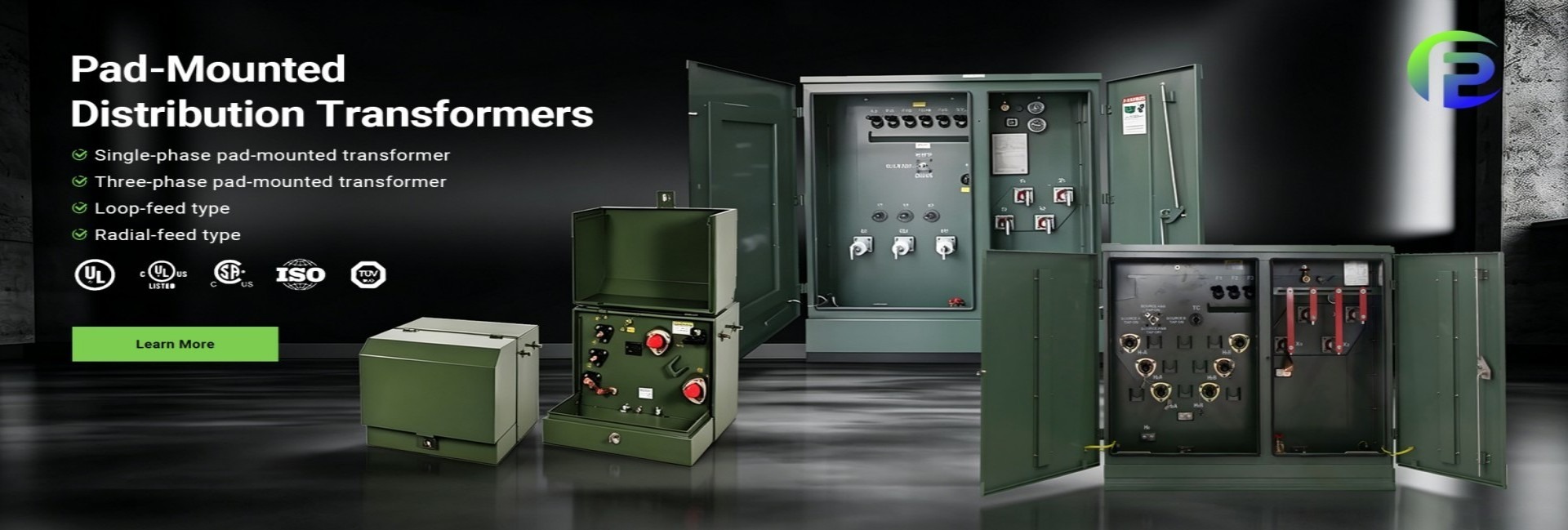
Domoni is a coastal town on Anjouan, Comoros, where distribution projects must account for humid air, salt-laden winds, seasonal high-wind events, space constraints and the practical realities of island logistics. A three-phase pad mounted transformer places the transformer at grade inside a secure, tamper-resistant enclosure. That arrangement supports underground cable feed, reduces overhead line exposure, lowers visual impact and helps protect equipment from unauthorised access.
For most commercial, resort, water-pumping, healthcare and solar-hybrid distribution projects in Domoni, a loop-feed three-phase pad mounted transformer is the default recommendation because it combines utility-grade reliability with a compact, lockable footprint. Typical configurations use 10 kV, 20 kV or 33 kV primary voltage, 220/380 V secondary voltage, Dyn11 vector group, off-circuit taps, dead-front bushings, bayonet fuses, pressure relief and an oil containment base.
Not every load should be specified the same way. Indoor high-rise or fire-sensitive projects may need cast resin dry type transformers; utility substations and generation interconnection may require power transformers; and fast-track renewable or temporary projects often benefit from prefabricated compact substations. Our engineering team reviews the single-line diagram, load profile, fault level, altitude, ambient temperature, installation method and local utility requirements before recommending a three-phase pad mounted design.
- Coastal corrosion package with C5-M enclosure finish, stainless hardware and sealed cable entries
- Loop-feed or radial-feed configuration with dead-front compartments and padlockable doors
- Loss-evaluated core and coil design to reduce total owning cost over the project life
- Routine factory test report and optional third-party witness inspection before shipment
Recommended Three-Phase Transformer Configurations for Domoni Projects
Eight production-ready families cover solar PV interconnection, industrial on-load tap changing, S11 distribution, IEEE 33 kV power supply, pad mounted underground distribution and loop-feed industrial distribution. Ratings and standards are confirmed against your utility schedule before quotation.
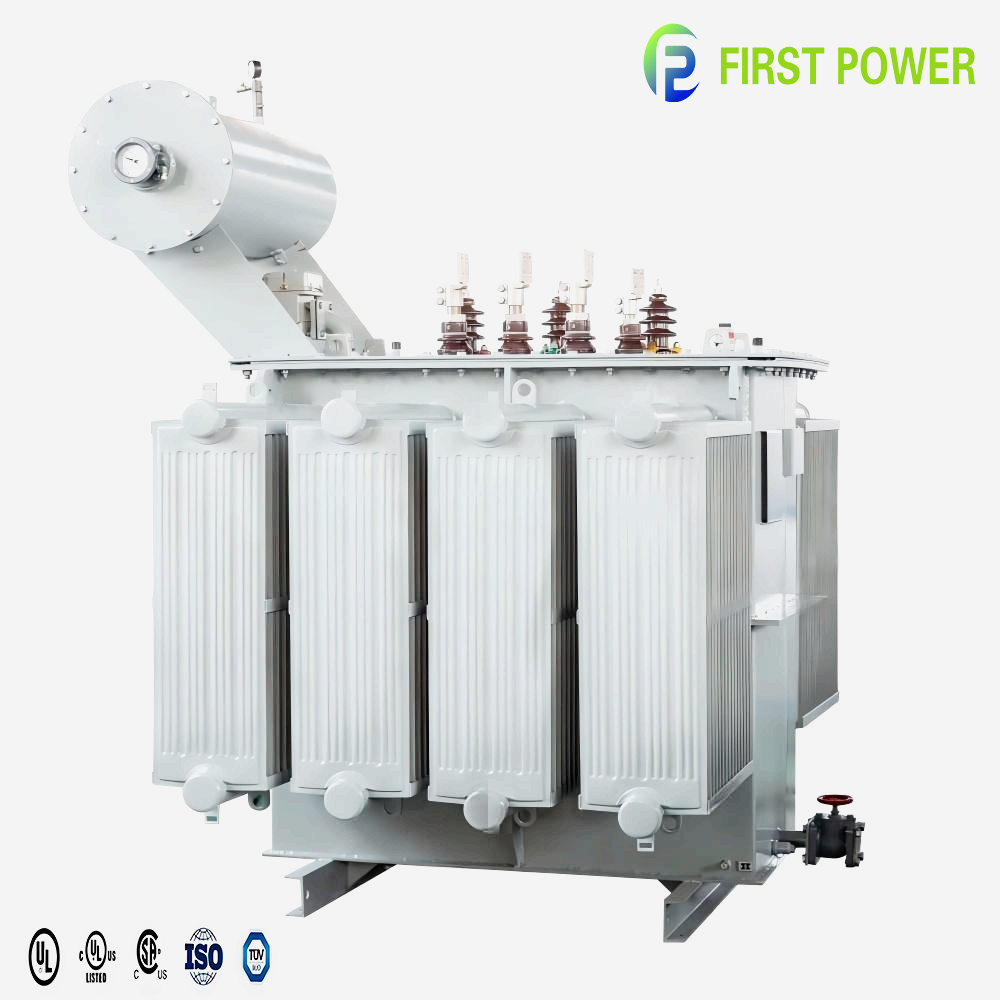
35 kV 1000 kVA Solar PV Transformer
Oil-immersed three-phase unit for solar generation and renewable interconnection, with 50/60 Hz design and 6–35 kV class options.
View Product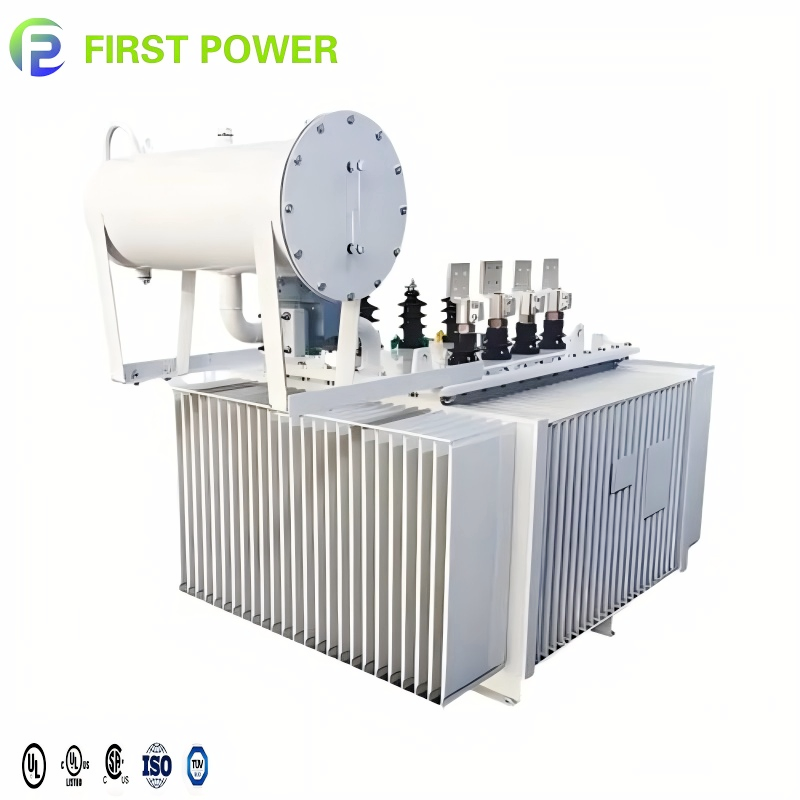
Industrial On-Load Tap Changer Transformer
10–35 kV oil-type OLTC transformer for industrial power supply, 1000–2500 kVA, with stable secondary voltage under load swings.
View Product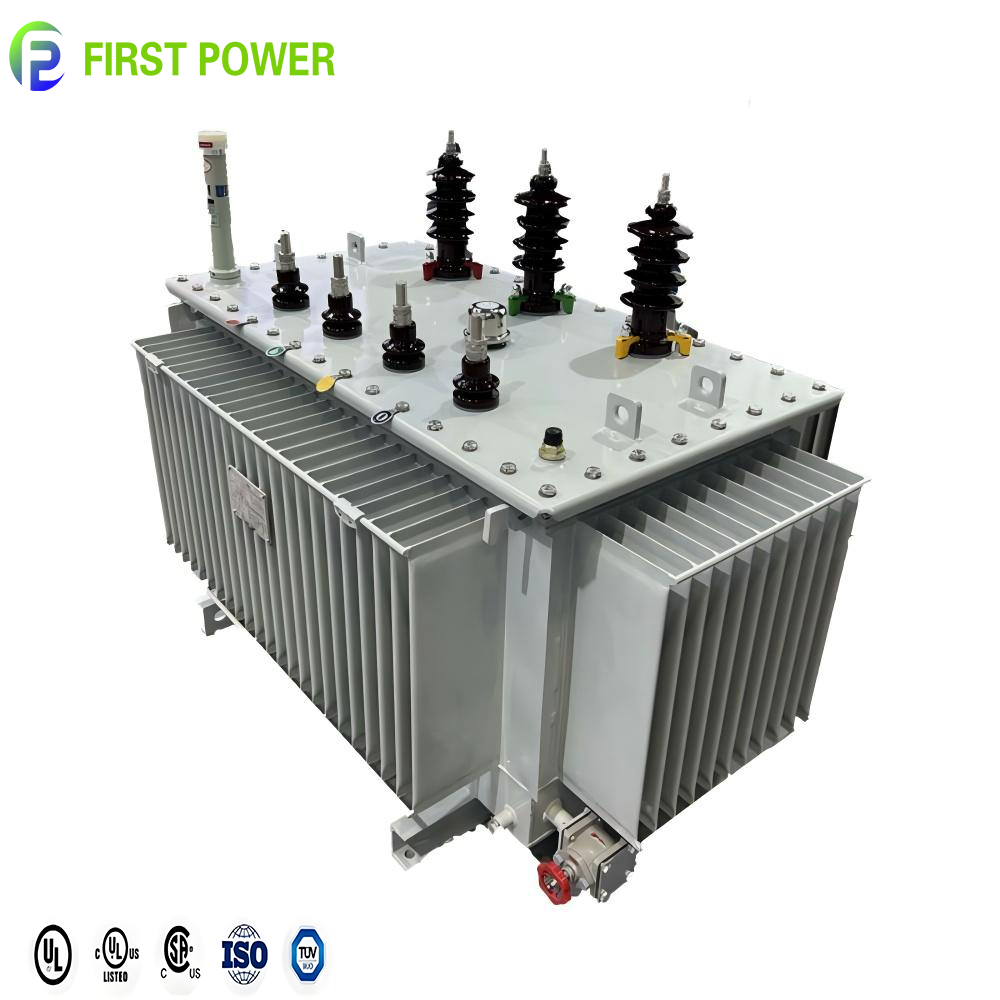
S11 Oil-Immersed Distribution Transformer
50 kVA to 200 kVA class distribution transformer for utility distribution systems, with low-loss core options and 50/60 Hz design.
View Product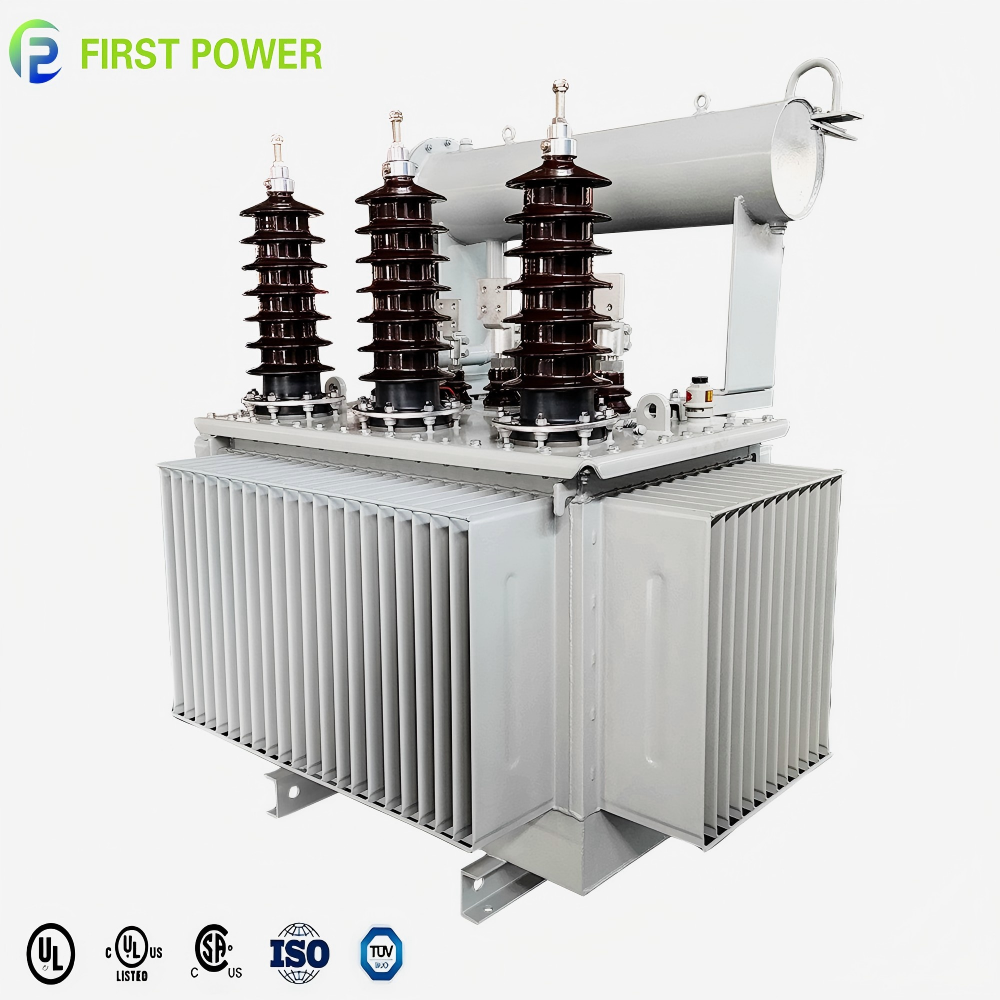
IEEE 33 kV Power Transformer
Oil-immersed power transformer for industrial and utility applications requiring IEEE standard design, 50/60 Hz and 33 kV class insulation.
View Product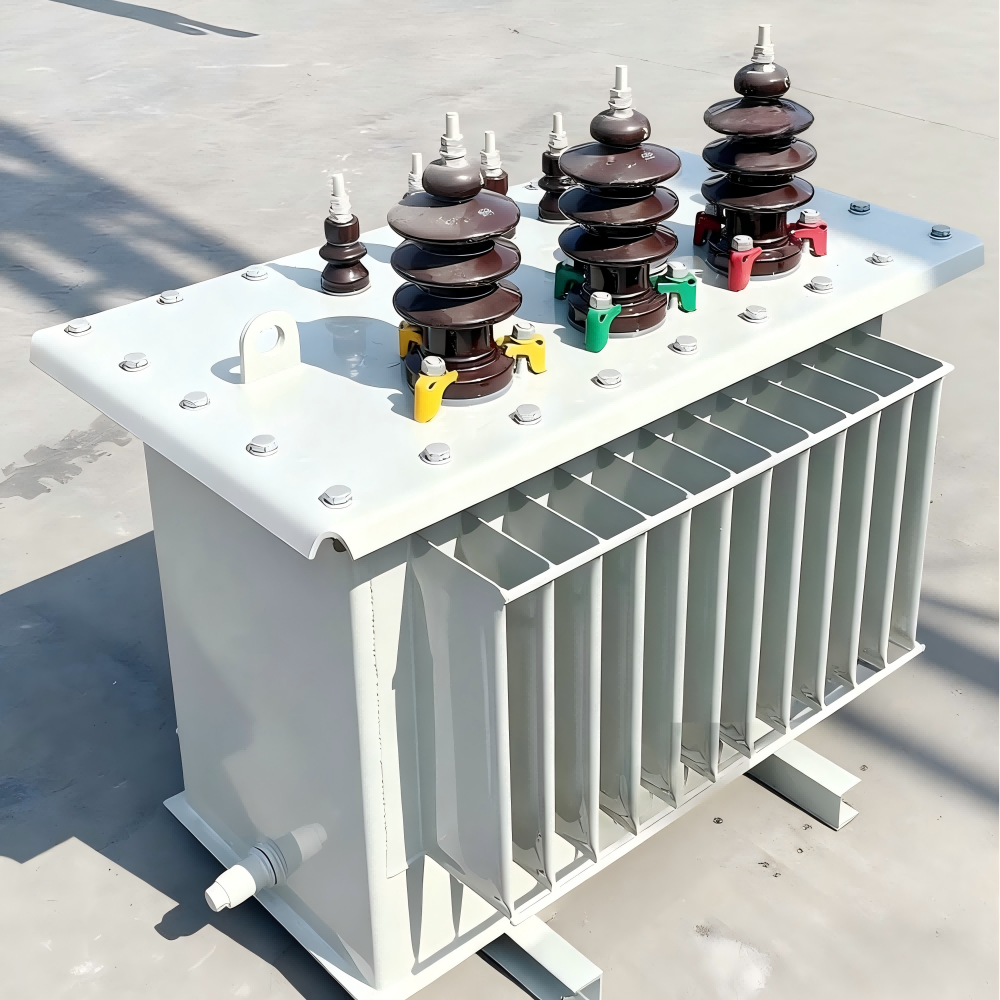
6–35 kV S11 Distribution Transformer
MV and HV three-phase oil transformer from 30 kVA to 31,500 kVA for electric power distribution and industrial supply.
View Product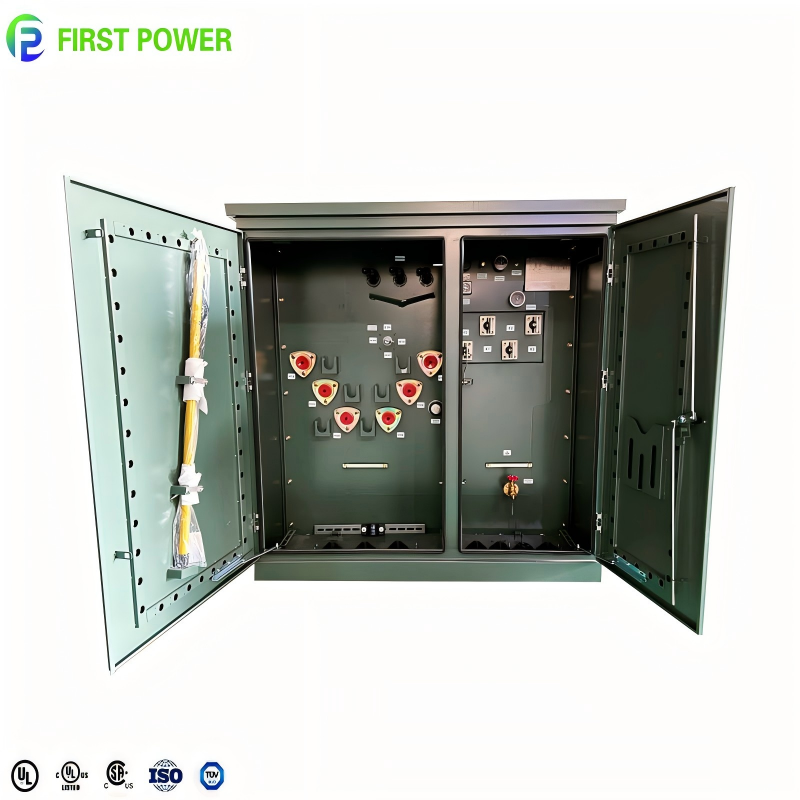
ZGS11 Pad Mounted Transformer
75 kVA to 50,000 kVA pad mounted transformer range for underground distribution, with 6–35 kV primary and loop or radial feed.
View Product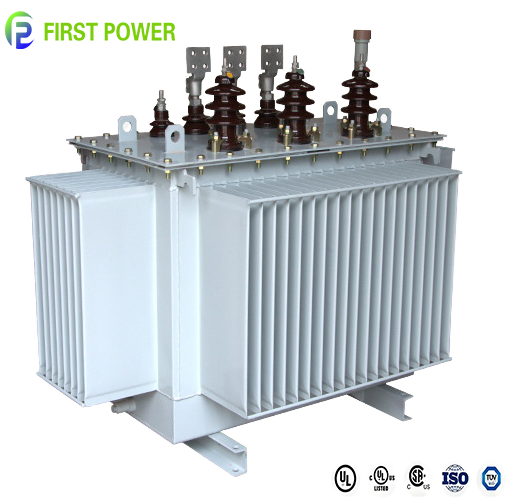
S11 Distribution Transformer for Projects
100–630 kVA three-phase oil transformer for distribution systems where price, lead time and routine test documentation are balanced.
View Product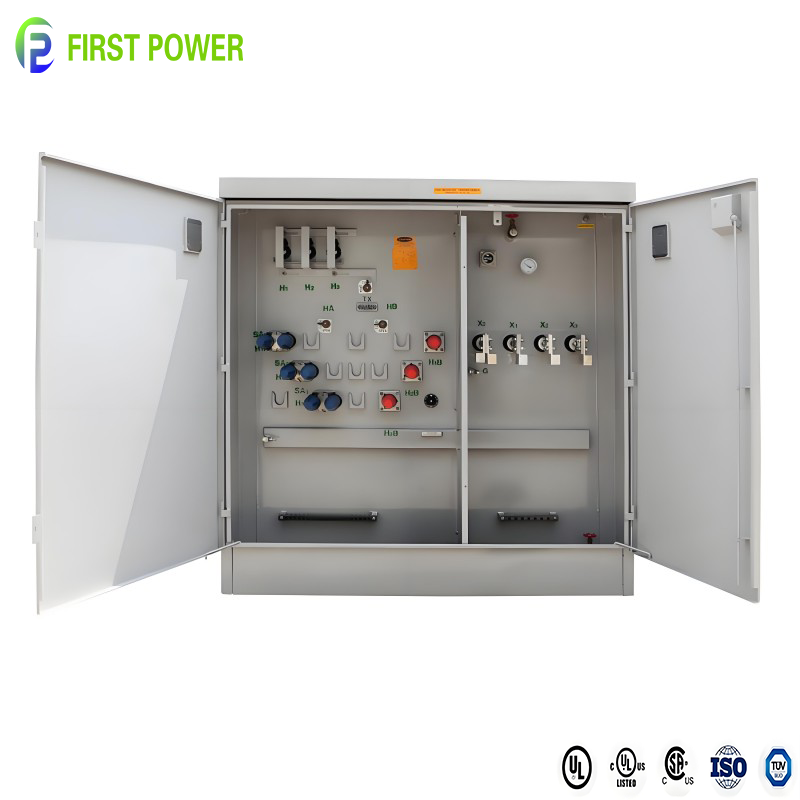
MV/HV Loop Feed Pad Mounted Transformer
300–700 kVA loop-feed pad mounted transformer for industrial sites, with 10/15/20/35 kV options and 50/60 Hz design.
View ProductWhere Three-Phase Pad Mounted Transformers Fit in Domoni
Domoni’s load profile is not defined by one industry. Distribution equipment must serve coastal commerce, water infrastructure, tourism, healthcare, communications, agro-processing and renewable hybrid projects. The enclosure, finish, losses and protection scheme should be matched to the actual duty rather than copied from a standard catalogue sheet.
Coastal Commercial and Tourism Sites
Hotels, restaurants, retail and mixed-use developments benefit from low-visibility underground distribution, quiet operation and a lockable enclosure. A loop-feed pad mounted transformer allows future extension without rebuilding the primary circuit.
Water Pumping and Desalination
Pumping stations place high starting demands on distribution transformers. Engineers should review motor starting, voltage dip, tap range and thermal margin. Coastal installations also need anti-corrosion hardware and sealed cable compartments.
Port, Cold Chain and Logistics
Refrigerated containers, workshops and port equipment require stable voltage and predictable maintenance. Pad mounted units can be placed close to the load centre while keeping cables underground and protected from traffic and weather.
Healthcare, Education and Public Services
Clinics, schools and public facilities often need a compact solution with restricted access. Dead-front construction, padlockable doors, pressure relief and clear nameplate data support safer operation and simpler inspection.
Solar-Hybrid and Mini-Grid Distribution
Renewable integration changes loading patterns and can increase voltage variation. A loss-evaluated transformer with appropriate impedance, cooling and tap range helps stabilise secondary voltage and reduce fuel consumption in hybrid systems.
Agro-Processing and Light Industry
Mills, packing lines and workshops need transformers sized for motor loads and future expansion. Off-circuit taps, Dyn11 vector group and optional on-load tap changing can be evaluated against the actual load profile.
Beyond the Datasheet: What Domoni Projects Should Specify
A transformer that performs well in a dry inland warehouse may fail early on a humid island coast if the enclosure, fasteners and cable entries are not specified correctly. For Domoni, the technical review should cover corrosion, thermal margin, fault protection, oil containment, wind loading and shipping protection as one system.
The enclosure should be finished for coastal duty, with stainless steel hinges and fasteners, gasketed doors, sealed cable entries and a base designed for oil containment. High ambient temperature should be reviewed against the guaranteed temperature rise. Loss evaluation should include both no-load and load losses because island grids can carry high fuel and generation costs.
Useful total owning cost check: TOC = bid price + capitalised no-load loss + capitalised load loss + maintenance + outage risk + logistics. This prevents a low purchase price from hiding a high lifetime cost.
- Corrosion class C5-M finish, stainless hardware and anti-condensation provision
- 50 Hz design, 220/380 V secondary and primary voltage confirmed with the local utility
- Loop-feed dead-front arrangement, pressure relief, oil gauge and bayonet fuses
- Seaworthy packing, shock indicators and lifting points suitable for Mutsamudu onward transport
| Design Variable | General Catalogue Practice | Domoni-Optimised Recommendation |
|---|---|---|
| Enclosure finish | Standard powder coat | C5-M coastal coating, stainless fasteners, sealed cable entries and touch-up kit |
| Insulating fluid | Mineral oil | Mineral oil or FR3 / natural ester where fire or environmental sensitivity requires it |
| Losses | Compliance minimum | Loss-evaluated CRGO or amorphous core design using project fuel and loading assumptions |
| Protection | Basic fusing | Bayonet fuses, pressure relief, oil temperature gauge, drain valve and wildlife guards |
| Monitoring | Analogue gauges only | Optional remote temperature / pressure monitoring for distributed or remote sites |
What Is Changing in Domoni and Comoros Transformer Demand
Procurement teams are moving from “lowest purchase price” toward “lowest lifecycle risk” as renewable penetration, fuel logistics and climate resilience shape island-grid planning.
Renewable Hybrid Integration
Solar, diesel and battery hybrid projects require transformers that tolerate voltage variation and reverse power flow. Impedance, tap range and cooling should be reviewed together with the inverter and generator controls.
Loss Reduction and TOC
Higher fuel costs make no-load and load losses visible in operating budgets. Loss-evaluated designs often justify a higher initial price when evaluated over 15–25 years of service.
Salt-Mist and Cyclone Resilience
Coastal corrosion and seasonal high winds drive demand for robust enclosures, stainless hardware, secure anchorage and cable termination details that survive the wet season.
Digital Monitoring Support
Remote sites benefit from temperature, pressure and fault indication that can be integrated into SCADA or local monitoring. This reduces unnecessary site visits and improves maintenance planning.
Why Wisegj Is a Practical Manufacturing Partner for Domoni Projects
Jiangsu Wisegj Power Co., Ltd. combines a verified production base, transformer engineering experience and export documentation discipline. The points below are the ones procurement and QA teams can audit before order placement.
Verified Production Capacity
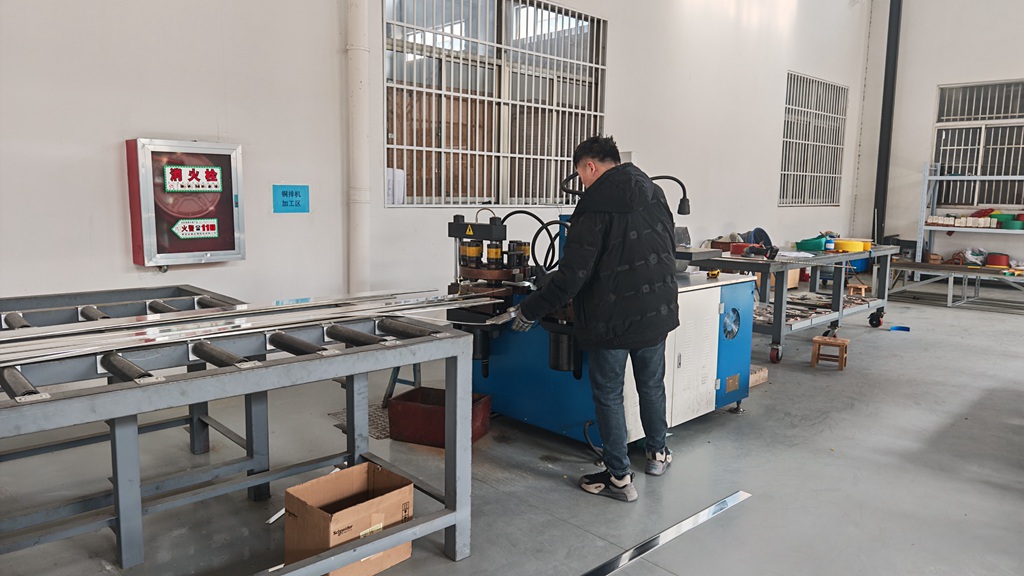
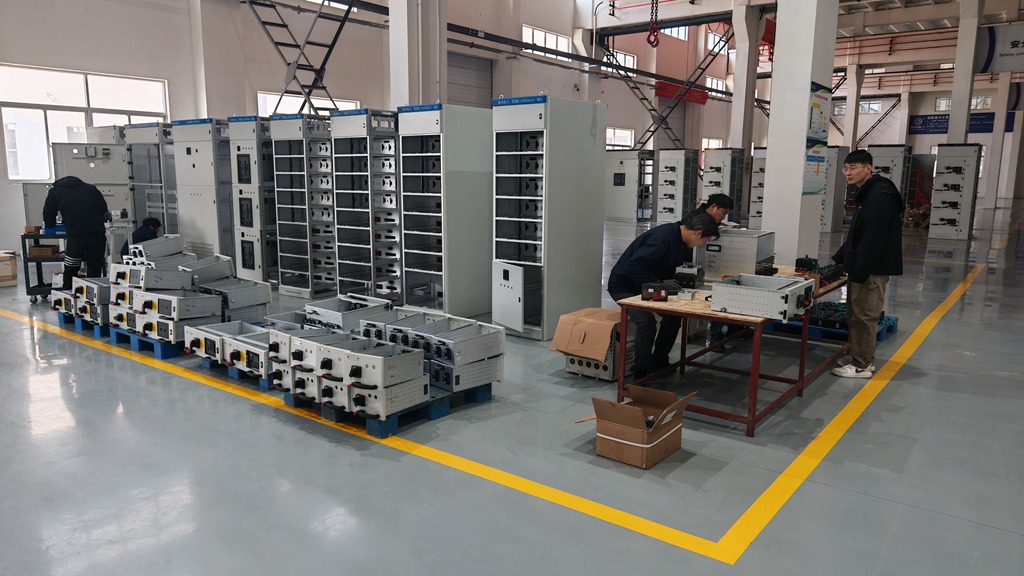
6,847 m² of inspected production floorspace covering winding, core assembly, drying, tanking, testing and packing. Production capability and floorspace have been verified onsite by TÜV Rheinland.
20+ Years and 50+ Engineers
The team brings more than 20 years of hands-on transformer experience, supported by 50+ R&D and technical engineers. Specifications are reviewed by engineers before quotation, not copied from a price list.
Certificates and Routine Testing
ISO 9001, ISO 14001 and ISO 45001 management systems, plus CE certificates for oil-immersed power transformers, dry type transformers and compact substations. Routine test reports are supplied per unit.
OEM / ODM and Design Customisation
Ratings, vector group, impedance, tap range, bushing configuration, cooling method, insulating fluid, enclosure colour and nameplate language can be customised. OEM, ODM, design-based and sample-based options are available.
Export Logistics and Documentation
Seaworthy packing, shock indicators and complete shipping documents. Acceptable Incoterms include EXW, FOB, CFR, CIF, FCA, CIP, CPT and DDP subject to route confirmation. T/T, L/C, D/P and D/A are among the payment options.
24-Hour Engineer Response
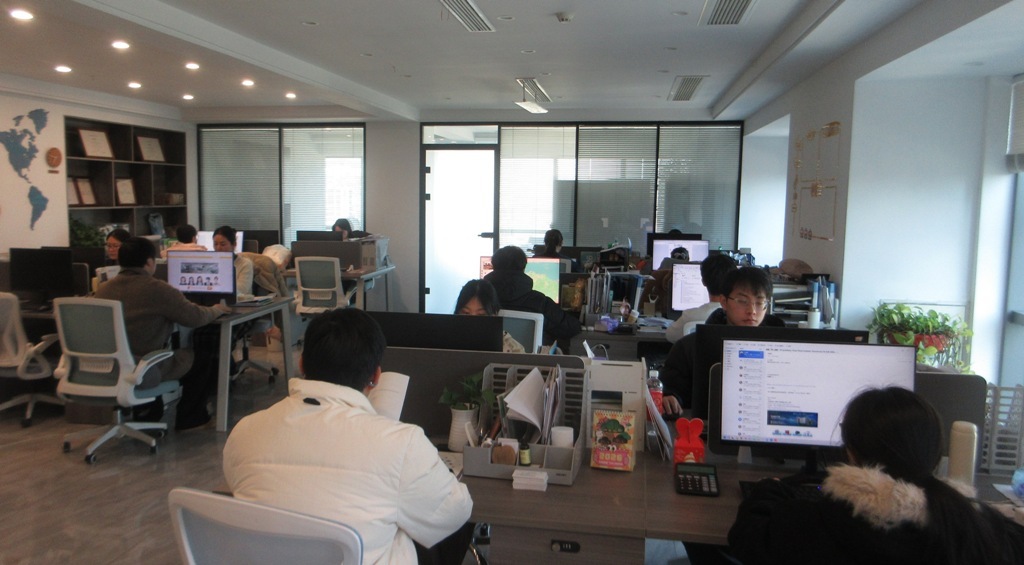
Technical questions, drawing clarifications and after-sales issues receive a qualified response within one working day. 211 qualified supply-chain partners support stable lead times for copper, silicon steel, bushings and accessories.
Specification Review
Ratings, standards, altitude, ambient, single-line diagram and site logistics are checked by engineering.
Drawing and Loss Approval
GA drawing, nameplate draft and guaranteed losses are confirmed before production release.
Core and Winding
Documented work instructions cover core stacking, winding, insulation and in-process inspection.
Drying, Oil and Tanking
Controlled drying, oil treatment and tanking are followed by sealing and finish inspection.
Routine Testing
Winding resistance, ratio, vector group, impedance, loss, applied and induced voltage tests are recorded.
Packing and Shipping
Export crating, shock indicators, lifting points and shipping documents support the route to Domoni.
Domoni Procurement FAQs for Three-Phase Pad Mounted Transformers
These are the questions most often raised by EPC contractors, utilities, resort developers and industrial buyers when specifying equipment for Anjouan and the Comoros.
Can you ship a three-phase pad mounted transformer to Domoni?
What voltage and frequency are typical for Comoros projects?
Which enclosure specification is best for Domoni’s coastal climate?
How are transformer losses and performance verified before shipment?
What lead time should we plan for a Domoni transformer order?
Can you customise for solar hybrid, diesel hybrid or industrial motor loads?
What documents are supplied with the transformer?
Do you provide spare parts and after-sales support after delivery?
Request a Domoni-Specific Transformer Review
Send your single-line diagram, rating, primary and secondary voltage, frequency, vector group, impedance, loss target, site altitude, ambient conditions and delivery port. A transformer engineer will review the specification and respond within one working day with a compliant design route and the data needed for an accurate quotation.