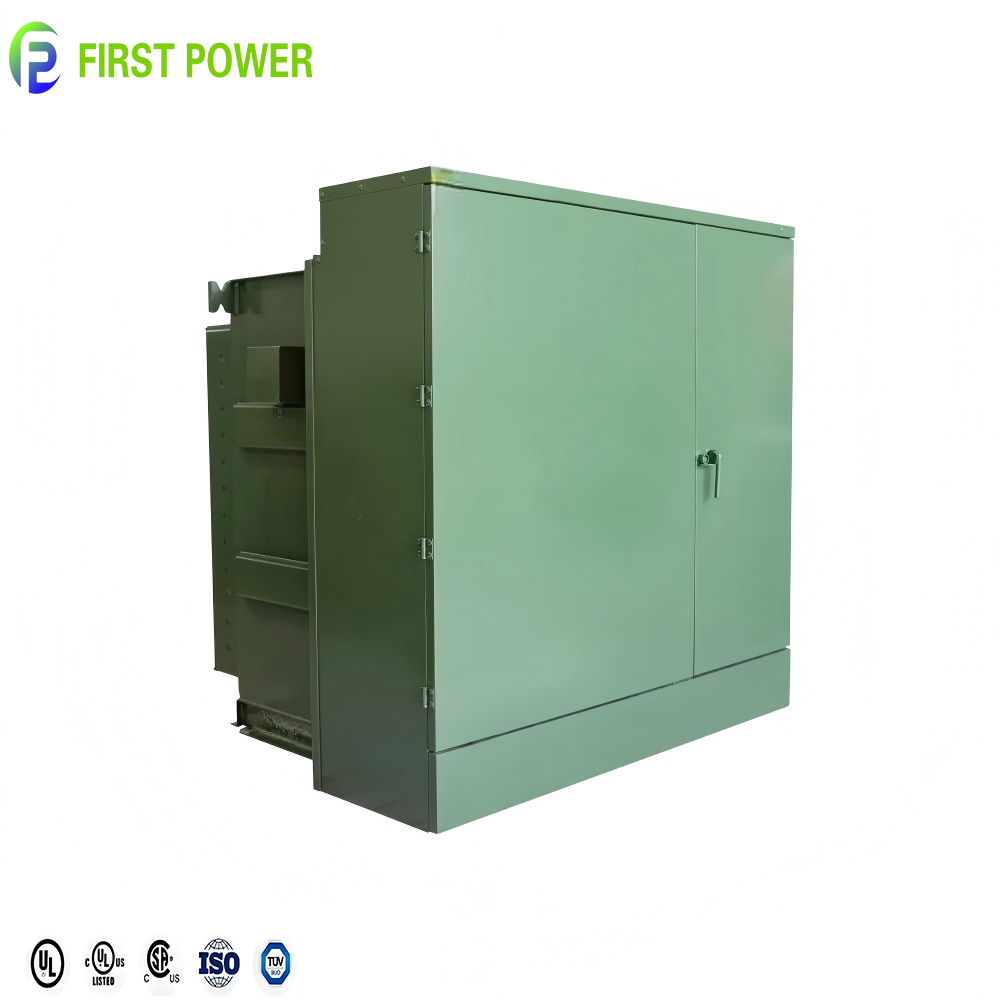
C CE MV&HV 50/60HZ 750–2500KVA Three Phase Pad Mounted Transformer for Industrial Power Supply
Compartmental pad mounted units for factories and industrial compounds fed by underground cable.
View ProductUtility-grade single phase pad mounted and pole mounted transformers engineered for Sudan's distribution networks, supplied by Jiangsu Wisegj Power with CE certification, ISO-audited production and full routine test documentation.
Inquire NowFactory-direct single and three phase transformers covering residential feeders, commercial compounds and industrial supply points. Each unit is configured for 50 Hz operation, Omdurman ambient conditions and the applicable IEC or IEEE standard.
Compartmental pad mounted units for factories and industrial compounds fed by underground cable.
View Product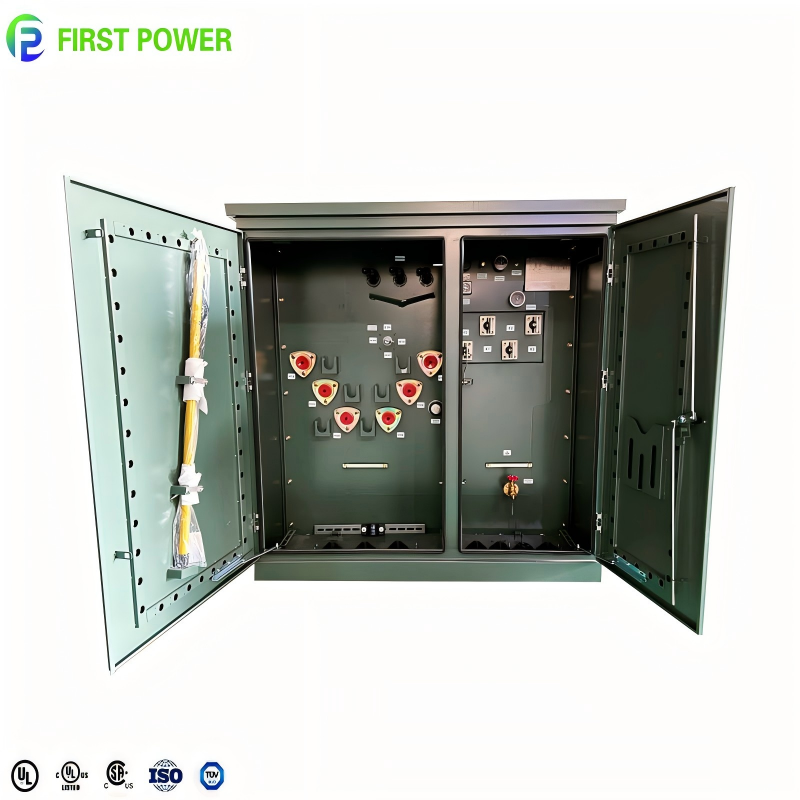
Widest capacity band in the range, suited to utility distribution nodes and large facility feeds.
View Product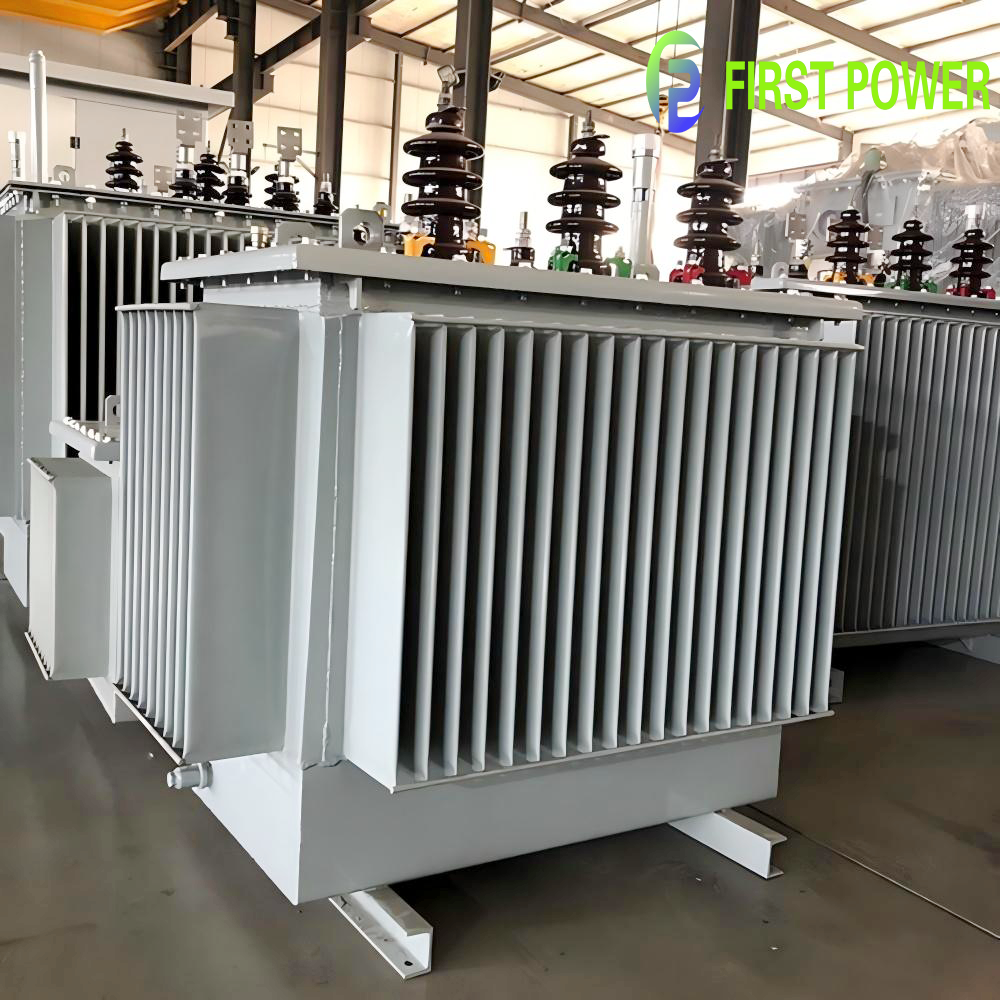
Sealed oil immersed distribution unit, a common choice for Omdurman neighbourhood substations.
View Product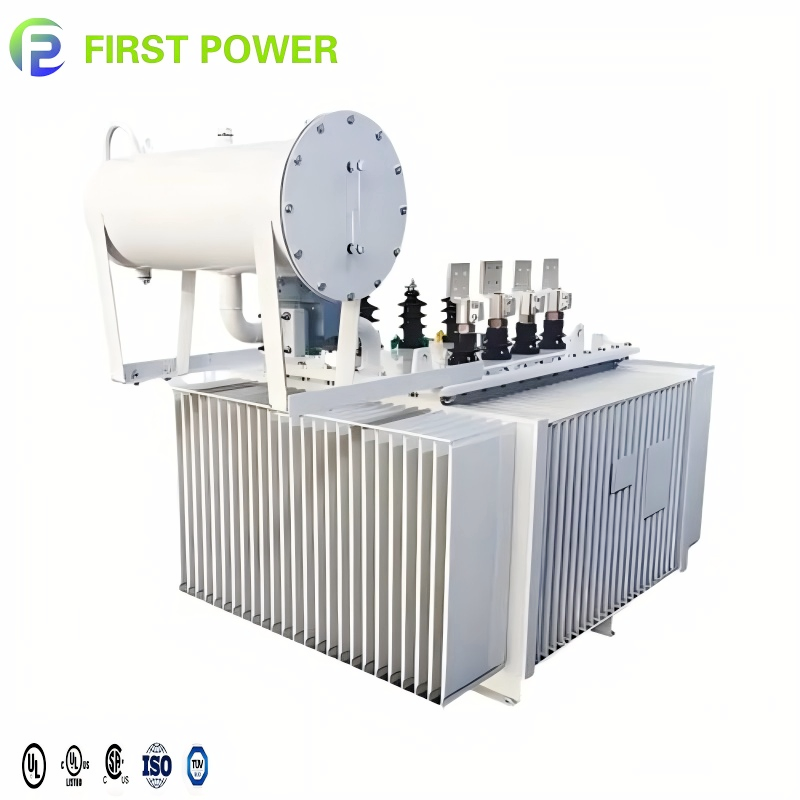
On-load tap changing keeps secondary voltage stable where grid voltage fluctuates.
View Product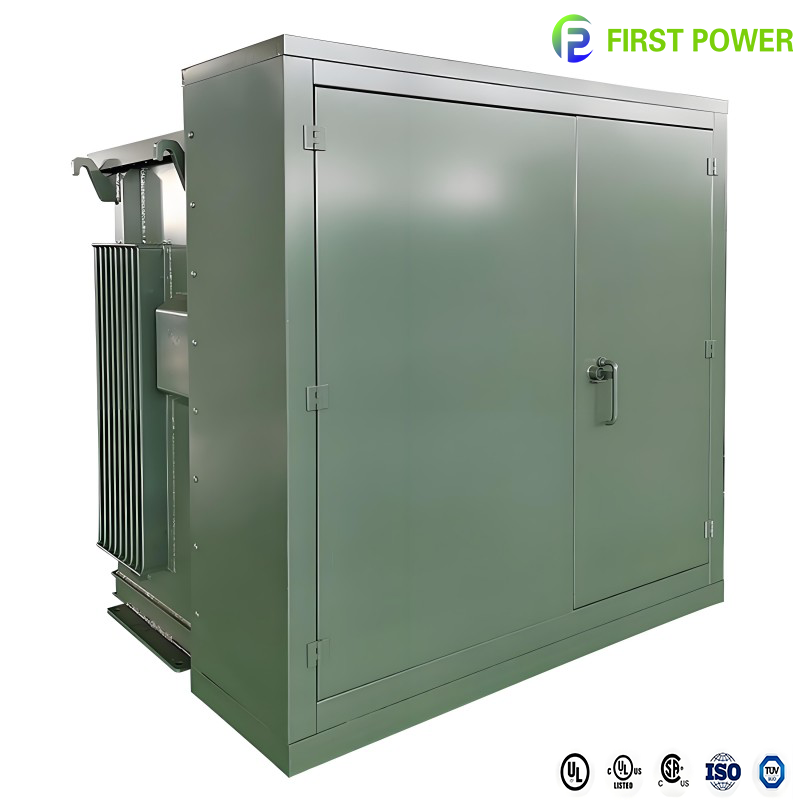
Compact footprint and tamper-resistant enclosure for urban and roadside installations.
View Product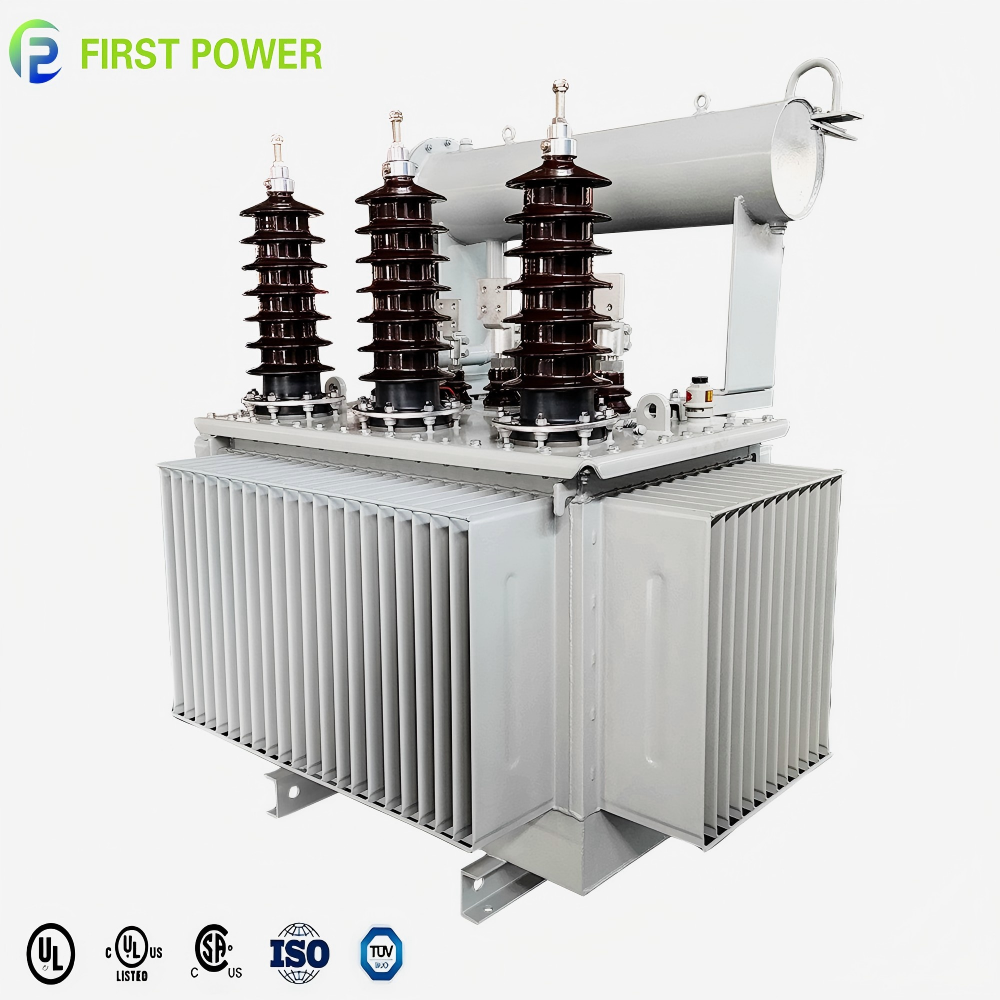
Built for markets referencing IEEE C57 practice alongside IEC, with test reports supplied.
View Product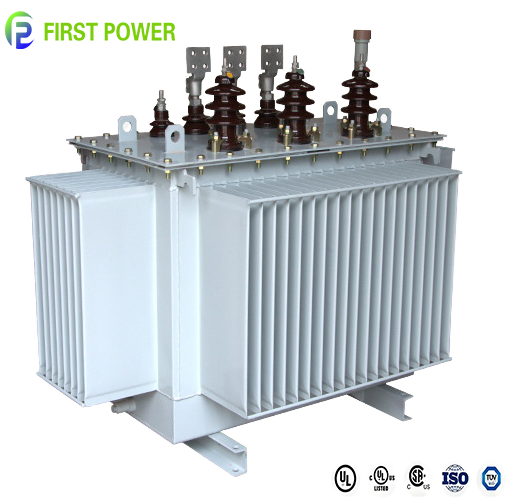
Mid-range distribution ratings matching feeder loads across expanding urban districts.
View Product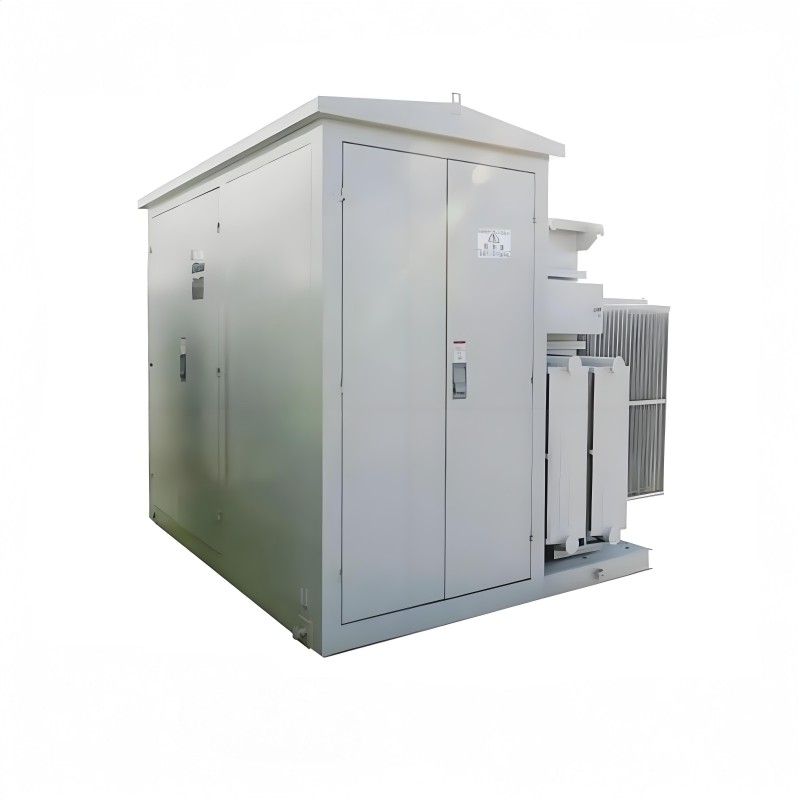
Bidirectional dual-voltage design for projects referencing ANSI/IEEE configuration.
View ProductOmdurman sits at the heart of Sudan's largest metropolitan electricity demand cluster, spanning residential districts, market areas, light manufacturing and public infrastructure. Because a large share of the load served on low voltage distribution circuits is single phase, single phase transformers remain the workhorse asset for utilities, EPC contractors and private developers working in the city and its wider expansion zones.
In practice, buyers in Omdurman face a structural challenge: local manufacturing capacity for distribution transformers is limited, so most equipement is imported. This makes the choice of factory critical, not marginal. A transformer sourced from a factory with documented ISO management systems, routine test reports and verifiable CE certification reduces commissioning risk, shortens inspection cycles and gives the procurement team a defensible technical file.
At the same time, single phase units are typically deployed in large quantities across a distribution plan, meaning seemingly small per-unit differences in no-load loss, load loss and impedance compound into meaningful lifetime cost. A factory that can guarantee losses on the nameplate, and supply test evidence for every serial number, gives the utility and the financier confidence that the design matches the tender specification rather than an approximate catalogue value.
Practical procurement in the region also tends to be staged: an initial delivery for pilot districts, followed by repeat orders once field performance has been validated. Factories able to maintain a consistent design, drawing set and nameplate format across repeat batches are easier to qualify with the local utility, and easier to audit later during maintenance work.
Representative applications reported by contractors and utilities across the metropolitan area.
Single phase pad mounted units serve block-level feeders in expanding housing districts.
Retail clusters and souk districts where load is spread across many small points of supply.
Small manufacturing workshops supplied from medium voltage feeders.
New development zones where short lead times and low maintenance matter most.
Schools, water pumping points and community buildings supplied from dedicated circuits.
Irrigation and pumping sets along the Nile corridor where overload behaviour is understood.
Loop feed configurations reduce outage scope when a single cable section is isolated.
Replacing ageing units where physical footprint and cable positions are already fixed.
Observed across recent utility qualification discussions and distributor enquiries for the Sudanese market.
Tenders increasingly state minimum efficiency and maximum loss values, pushing buyers toward low-loss core designs.
Hermetically sealed tanks reduce routine oil maintenance, which matters where service visits are logistically difficult.
Underground cabling with pad mounted transformers is preferred in dense urban blocks for safety and visual reasons.
High ambient temperatures require derating checks and cooling design matched to the site, not the factory default.
Staged rollouts favour factories that can hold a design and repeat it consistently across deliveries.
Financiers and inspection bodies now request test reports, drawings and certificates as part of the package.
CE and ISO evidence is used as a first-pass qualification filter before technical evaluation begins.
Distributors and installation contractors increasingly act as the technical interface for factory supply.
Practical comparison for procurement teams shortlisting equipment for a distribution package.
| Configuration | Typical Rating | Preferred Installation | Best Fit in Omdurman | Applicable Standard |
|---|---|---|---|---|
| Single Phase Pad Mounted | 10 – 250 kVA | Ground pad, underground cable feed | Residential blocks, market periphery, community facilities | IEEE C57.12.38 / IEC 60076 |
| Single Phase Pole Mounted | 5 – 167 kVA | Overhead line, pole bracket | Peri-urban and lower density feeder extension | IEEE C57.12.20 / IEC 60076 |
| Three Phase Oil Immersed | 30 – 2,500 kVA | Platform or substation bay | Feeder distribution and light industry | IEC 60076 |
| Three Phase Pad Mounted | 45 – 5,000 kVA | Ground pad, underground loop | Commercial clusters and public infrastructure | IEEE C57.12.34 |
| OLTC Oil Type | 1,000 – 2,500 kVA | Substation bay | Industrial supply where voltage stability is critical | IEC 60076 |
| Compact Substation | 100 – 2,500 kVA | Prefabricated enclosure | Fast deployment projects and temporary supply | IEC 62271-202 |
Ratings listed are typical production ranges. Requirements outside these values can be engineered to the project specification.
Facts that can be verified before purchase, not marketing claims.
Production floorspace, capability and quality inspection independently verified onsite by TÜV Rheinland.
Engineering leadership with two decades of hands-on transformer design and export project delivery.
Technical support covering specification review, drawings and test documentation in English.
All three management systems certified with numbered registrations valid through 2027.
Winding resistance, ratio, impedance, loss and dielectric tests recorded per serial number.
Certificates for oil immersed transformers, dry type units, compact substations and switchgear.
No-load and load losses confirmed in writing at quotation stage, then verified by factory test.
Pre-sale questions and after-sale issues answered by a qualified engineer within one working day.
Ratings, standard, ambient conditions and site altitude checked by engineering.
GA drawing, nameplate and guaranteed losses confirmed with the buyer.
Core, winding, drying and tanking under documented QC checkpoints.
Full test report per unit; third-party witness inspection welcome.
Export crating, shock indicators and complete shipping documentation.
Send your rating, voltage ratio, frequency, ambient condition and required delivery date. A transformer engineer, not a sales script, will review the requirement and reply within one working day with a compliant design proposal.