Single Phase Pad Mounted Transformer Factories & Supplier for Yokohama
Engineering-led 50 Hz pad-mounted distribution solutions for Yokohama’s underground networks, seismic-sensitive sites and low-carbon urban growth.
Eight Transformer Products for Yokohama EPCs, Utilities and Facility Owners
The product links and image assets below are preserved from the factory catalogue. Open any product to review ratings, drawings and test documentation, or send your own single phase pad mounted specification for an engineered review.
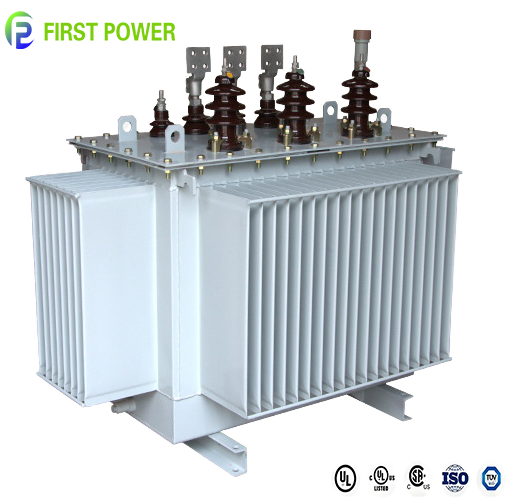
C CE S11 Three-Phase Oil Distribution Transformer
For 10–35 kV commercial distribution and secondary substations where a proven low-loss oil design and routine test records are required.
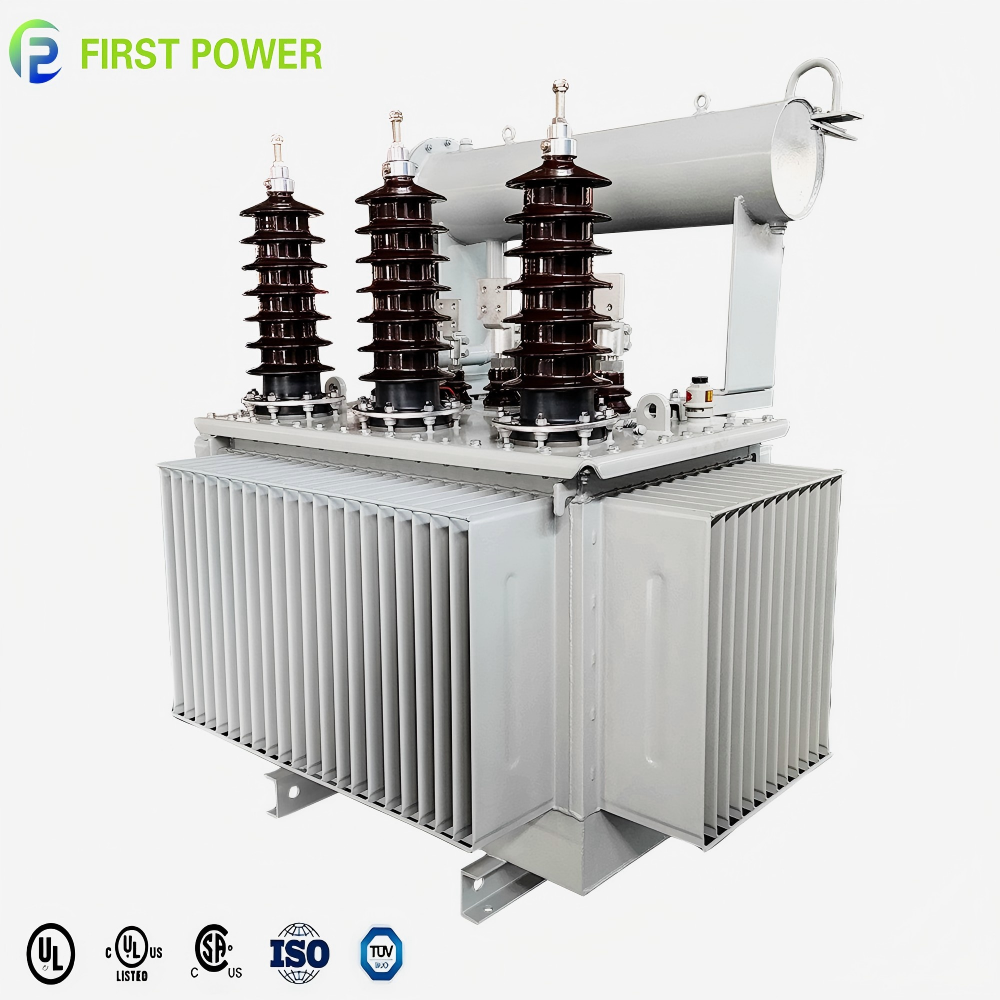
IEEE 33 kV Oil-Immersed Power Transformer
For industrial power supply and step-down duty under IEEE design logic, with robust tank construction and a full factory test package.
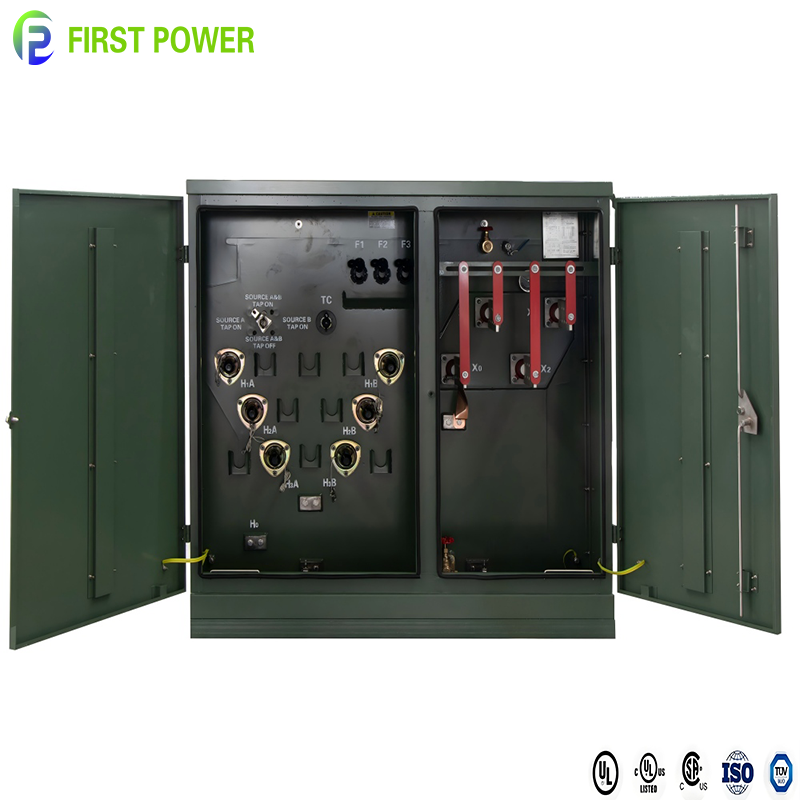
MV/HV Three-Phase Pad Mounted Transformer
For industrial power supply and compact outdoor substations where a pad-mounted footprint, loop or radial feed and tamper-resistant access are required.
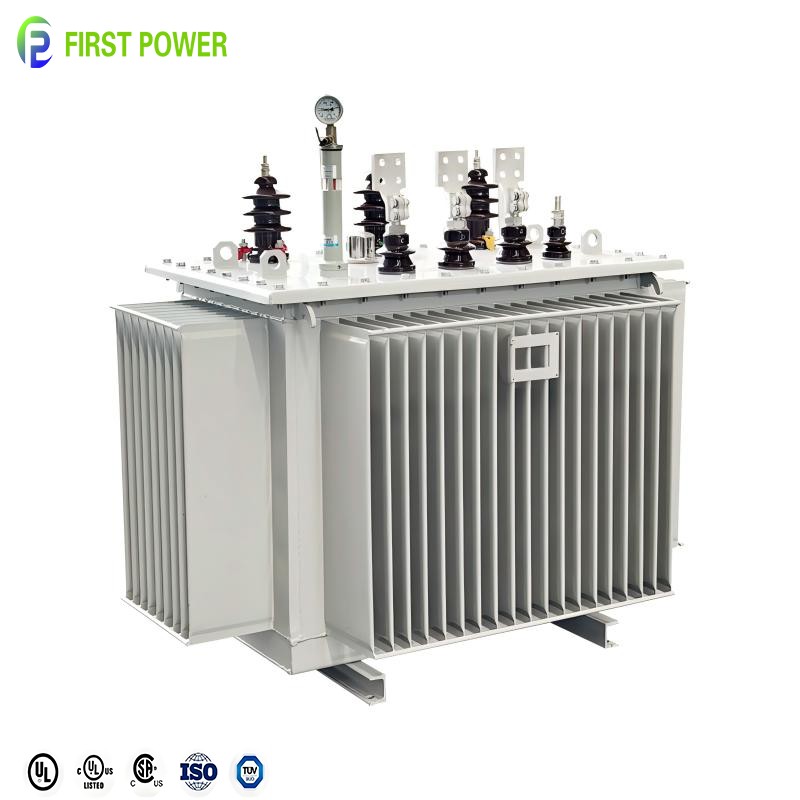
Oil-Immersed Transformer 100–1,000 kVA
For commercial buildings, light industrial sites and power supplies; 10–35 kV class with low-loss core options and documented routine testing.
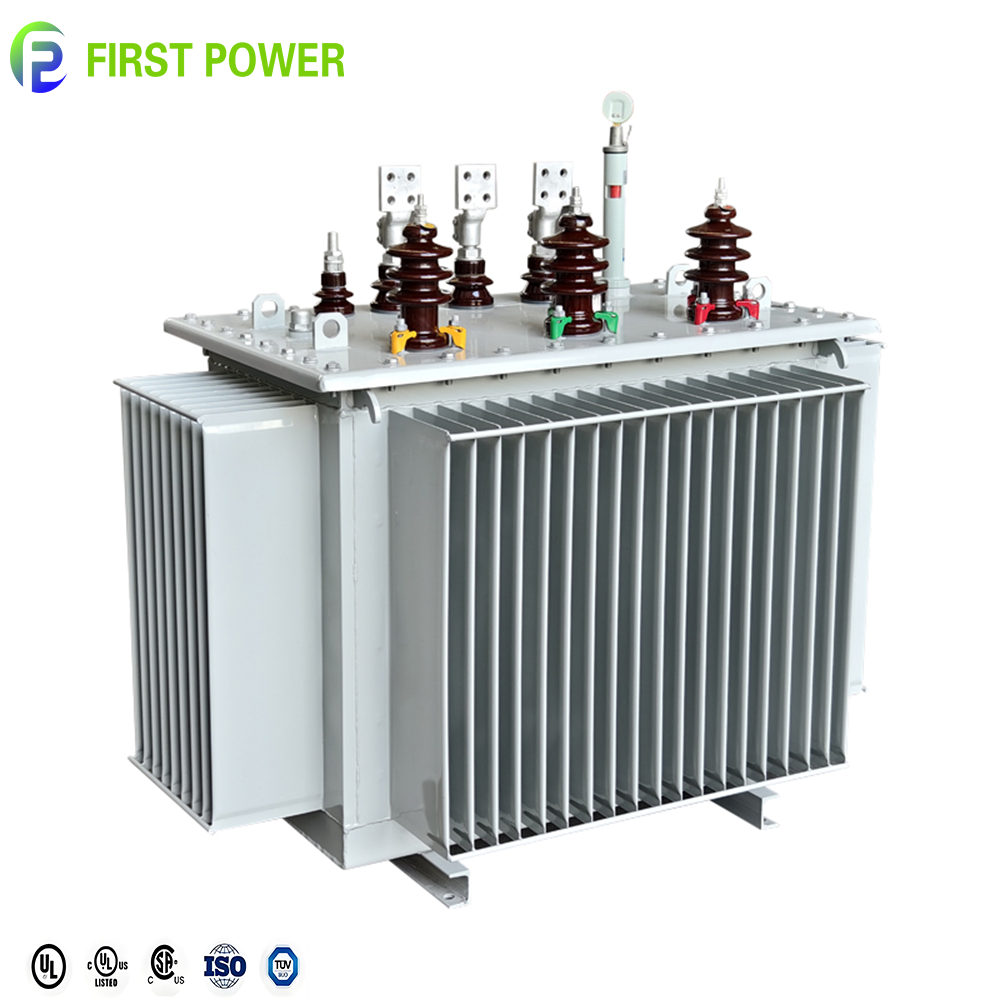
Step-Up Oil Transformer 6–35 kV
For industrial step-up applications with 220 V output where process equipment, generator interfaces or plant distribution require custom ratios.
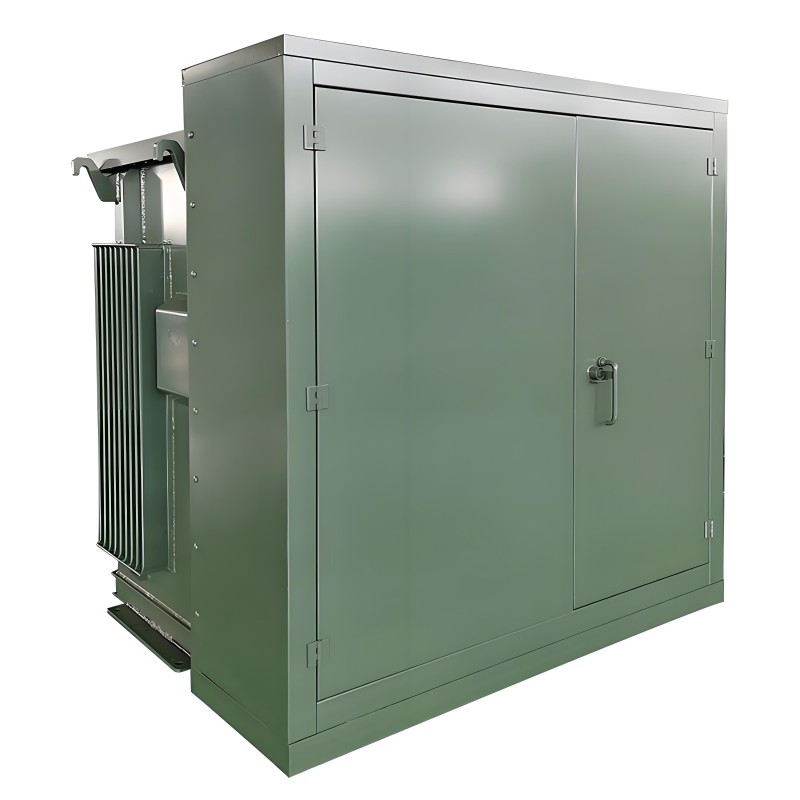
C Certified 75–2,500 kVA Pad-Mounted Transformer
For 35 kV input and 480 V output projects that require a C-certified oil-type three-phase pad-mounted package and export documentation.
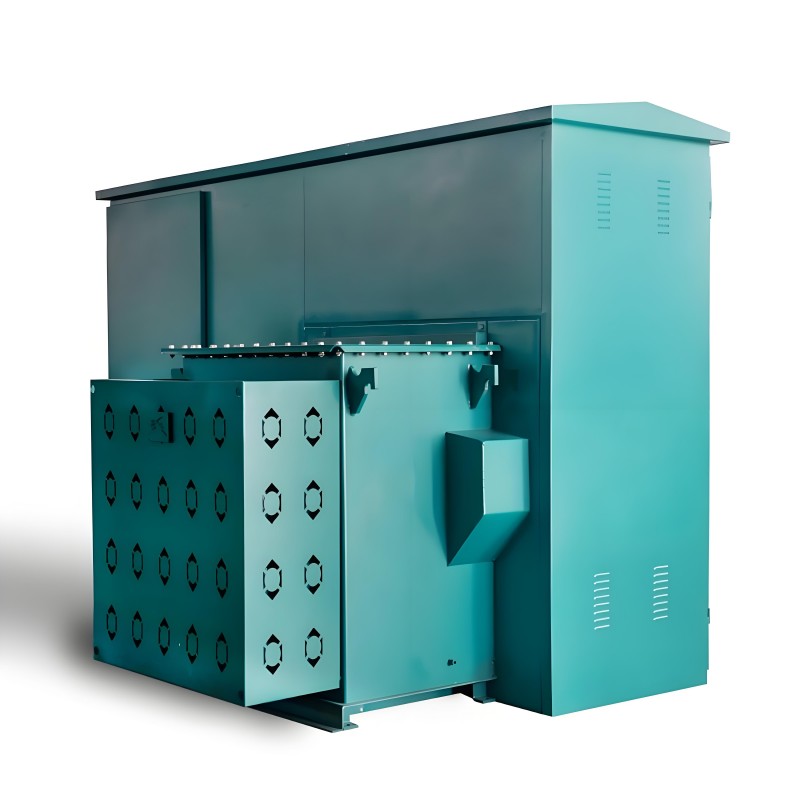
Dead-Front Cooper Pad-Mounted Transformer
For 6–34.5 kV dead-front distribution where operator safety, tamper-resistant access and reliable cable termination are primary.
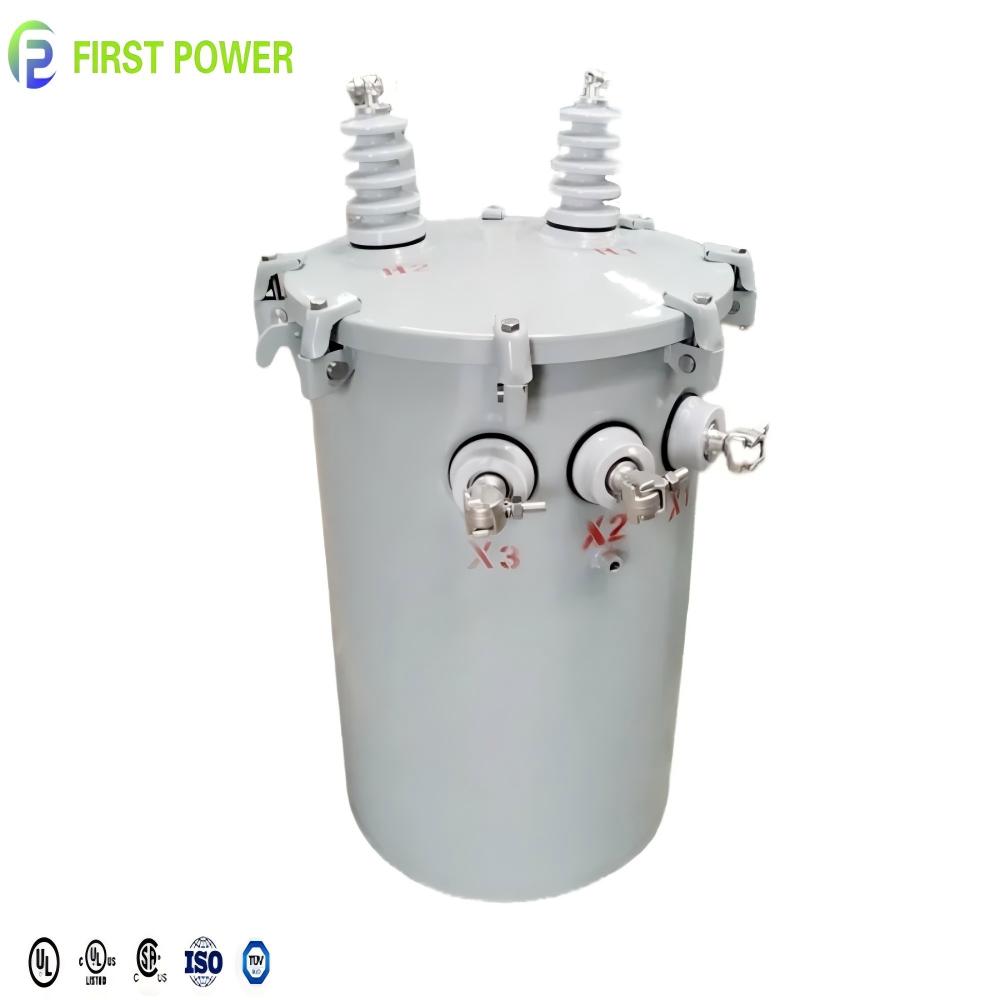
ANSI Single-Phase Pole-Mounted Transformer
A companion solution where Yokohama projects still use overhead single-phase laterals rather than pad-mounted vaults, with 15–100 kVA options.
Verified Manufacturing Strength Behind Every Yokohama Quotation
Facts procurement teams can audit: production floorspace, engineering depth, supply-chain coverage and buyer feedback.
Why Yokohama Buyers Need a Specification-Led Single Phase Pad Mounted Transformer Supplier
A transformer is not a catalogue box when it sits inside a dense, seismic-aware and visually controlled urban network. It is a long-life asset that must match local frequency, protection and installation practice.
Yokohama sits within Japan’s 50 Hz eastern grid, so a 60 Hz stock design cannot be treated as interchangeable. For a single phase pad mounted transformer project in Yokohama, the supplier should confirm frequency, primary and secondary voltage, impedance, loss values, enclosure type, protection coordination and seismic restraint before issuing a final quotation. This is especially important around Minato Mirai, central commercial redevelopment sites and residential rebuilds where underground cable networks, limited access and visual-impact controls shape the installation.
Pad-mounted equipment is valued because it places distribution capacity close to the load while keeping cables, bushings and switching components protected at ground level. For single-phase designs, the secondary may follow Japanese practice such as 100/200 V single-phase three-wire, while the primary may be 6.6 kV or another project-specific MV level. North American ANSI templates can be adapted, but the nameplate, test plan and drawing set must reflect Yokohama requirements rather than a generic export configuration.
Sourcing from a factory rather than a passive trading layer shortens the RFQ loop. Engineers can mark up GA drawings before production, confirm loss guarantees, prepare witnessed factory acceptance testing and link routine test results to each serial number. That document trail matters to utilities, EPC contractors, facility owners and insurers who must prove due diligence after handover.
Jiangsu Wisegj Power Co., Ltd. is a Suzhou-based manufacturer of pad-mounted, oil-immersed, dry-type and power transformers, plus compact substations and switchgear from 220 V to 500 kV. The company serves utilities, renewable developers, data centers and industrial buyers across the Americas, Europe, the Middle East, Asia and Africa. For Yokohama buyers, the advantage is a documented engineering path from specification review to packing and shipment, not merely a unit price.
Local Design Checklist for Yokohama RFQs
- Frequency: state 50 Hz explicitly; confirm 60 Hz alternatives only where the destination requires them.
- Voltage: define primary 6.6 kV, 10 kV, 20 kV or 35 kV and secondary 100/200 V or custom.
- Enclosure: dead-front access, padlock detail, corrosion class, cable entry and drainage.
- Seismic: anchorage calculation, tank bracing, base detail and raised pad interface.
- Losses: no-load and load-loss limits, impedance tolerance and efficiency documentation.
- Testing: routine tests, oil BDV, ratio, resistance, applied/induced voltage and witnessed FAT.
Where Single Phase Pad Mounted Transformers Fit in Yokohama’s Local Landscape
Yokohama’s mix of waterfront redevelopment, mature residential districts and coastal industry creates several distinct installation scenarios for compact, ground-level distribution equipment.
Minato Mirai and Central Waterfront Redevelopment
Space is at a premium and visible equipment is tightly controlled. Low-profile pad-mounted units support underground cable networks while preserving streetscape, pedestrian safety and architectural intent.
Residential Rebuilds and Hillside Communities
Narrow access roads and mature trees can make pole replacement difficult. Single-phase pad-mounted equipment reduces visual clutter and supports loop-fed residential service in phased developments.
Port, Logistics and Coastal Industrial Zones
Salt-laden air and humidity demand corrosion-resistant enclosures, sealed bushings and a paint system validated for coastal duty. Yokohama Port projects should specify salt-mist and water-ingress expectations.
Hospitals, Universities and Research Campuses
Where downtime is unacceptable, pad-mounted units can support segmented loads, generator interfaces and maintenance without disrupting critical operations or patient-care areas.
EV Charging and Building Electrification
As charging hubs and all-electric buildings add load, modular transformer capacity lets owners add feeders and protection without redesigning the entire service entrance.
Disaster Resilience and Business Continuity
Yokohama’s seismic and flood planning calls for anchored tanks, elevated pads, accessible terminations and spare-part plans that shorten restoration after a major event.
Yokohama’s Localized Transformer Trends: What Changes Procurement in 2025–2030
The buying conversation is shifting from “Can you supply a transformer?” to “Can you prove the design will perform in this location, under this grid code and with this maintenance team?”
50 Hz Precision and Japanese Practice
Buyers increasingly request 50 Hz test data, impedance tolerance compatible with protection settings, and drawing reviews that mirror Japanese utility practice. Relabeling a 60 Hz unit is not enough.
Seismic, Flood and Salt-Mist Resilience
More projects specify anchorage calculations, tank reinforcement, IP-rated enclosures and heavy-duty coating systems for coastal Yokohama sites and critical facilities.
High Efficiency and Decarbonization
Loss capitalization now appears in tender scoring. CRGO and amorphous core options, optimized flux density and documented no-load/load losses help owners meet carbon and operating-cost targets.
Digital Traceability and Service Data
QR-coded nameplates, digital test reports, winding-resistance records and remote temperature monitoring are becoming normal expectations for facility teams responsible for lifecycle performance.
Specification and Selection Guide: What to Confirm Before You Issue an RFQ
The fastest way to avoid re-quotes is to issue a complete data sheet. For Yokohama, state 50 Hz, identify primary and secondary voltages, confirm phase count, give kVA, list vector group and impedance, attach site altitude, ambient, seismic and salt-mist data, and provide utility labeling requirements.
| Transformer Family | Best Local Use | Typical Scope | Documents to Request |
|---|---|---|---|
| Single Phase Pad Mounted | Residential and commercial underground service | 10–250 kVA; 6.6 kV class; 100/200 V | GA drawing, ratio, resistance, oil BDV, seismic detail |
| Three Phase Pad Mounted | Commercial, industrial and campus distribution | 45–5,000 kVA; up to 34.5 kV | IEEE/IEC test plan, enclosure data, dead-front drawing |
| Oil-Immersed Distribution | Utility and industrial distribution networks | 30–2,500 kVA; 6–35 kV | Loss report, impedance, vector group, routine tests |
| Dry Type / Cast Resin | Indoor, fire-sensitive and public buildings | 30–2,500 kVA; up to 35 kV | Class F/H insulation, loss, acoustic and fire data |
| Power Transformer | Substation and grid interconnection | 35–500 kV class | IEC/IEEE test reports, OLTC data, cooling schedule |
| Compact Substation | Fast deployment and renewable projects | 100–2,500 kVA; 10–35 kV | IEC 62271-202, switchgear tests, enclosure layout |
Yokohama Procurement Priorities
Indicative weighting observed in technical discussions and tender reviews. Actual scoring is always project-specific.
For a faster quotation, attach a single-line diagram, nameplate standard, loss target and site ambient conditions.
Common RFQ Gaps That Delay Yokohama Projects
- No statement of 50 Hz or 60 Hz, leading to incorrect flux and test assumptions.
- Secondary voltage left as “standard” instead of 100/200 V or a defined ratio.
- Enclosure corrosion class omitted for coastal or port-adjacent sites.
- Seismic anchorage and base details missing from the civil interface.
- Witnessed FAT, third-party inspection or document language not specified.
- Delivery basis unclear: FOB, CIF Yokohama Port or DDP project site.
Why Choose Jiangsu Wisegj Power Co., Ltd. as Your Yokohama Transformer Partner
Wisegj designs and exports pad-mounted, oil-immersed, dry-type and power transformers, plus compact substations and switchgear from 220 V to 500 kV. The company is based in Suzhou, Jiangsu, and supports utilities, EPC contractors, renewable developers, data centers and industrial buyers worldwide.
20+ Years of Transformer Experience
A technical team with more than two decades of hands-on experience in distribution, pad-mounted and power transformer engineering.
6,847 m² Verified Production Area
Dedicated winding, core assembly, drying, tanking and test areas, inspected onsite by TÜV Rheinland as an independent third party.
50+ R&D and Technical Engineers
Design review, drawing approval, loss optimization and test-plan support before production begins, not after the tank is sealed.
211 Qualified Supply-Chain Partners
Controlled sourcing for silicon steel, copper, bushings, tap changers and accessories helps protect lead times and material traceability.
ISO 9001, ISO 14001 and ISO 45001
Quality, environmental and occupational health and safety management systems certified under numbers 62824Q6052R0S, 62824E6053R0S and 62824S6054R0S.
CE and TÜV Rheinland Verified Evidence
CE certificates cover oil-immersed power transformers, dry-type transformers and compact substations, with certificate numbers available for buyer verification.
OEM, ODM and Design-Based Customization
Ratings, vector group, impedance, tap range, bushings, cooling, insulating fluid, enclosure color and nameplate language can be adapted to project specifications.
24-Hour Engineer Response
Technical questions and after-sales issues receive a qualified response within one working day, supported by English drawings and O&M manuals.
The company has supplied Fortune 500 customers and maintains a 4.9/5 average buyer rating. Trade terms cover FOB, CFR, CIF, EXW, FCA, CIP, CPT and DDP, with T/T, L/C, D/P and D/A payment options. Currencies include USD, EUR, GBP, CAD, AUD and other major currencies. Every unit ships with serial-number-linked routine test reports, and third-party witness inspection is welcome.
Factory, Testing and Certification Files Yokohama Buyers Can Review
Original visual assets from the factory documentation show the controls behind the quotation: production floorspace, assembly discipline, test capability and certificate evidence.

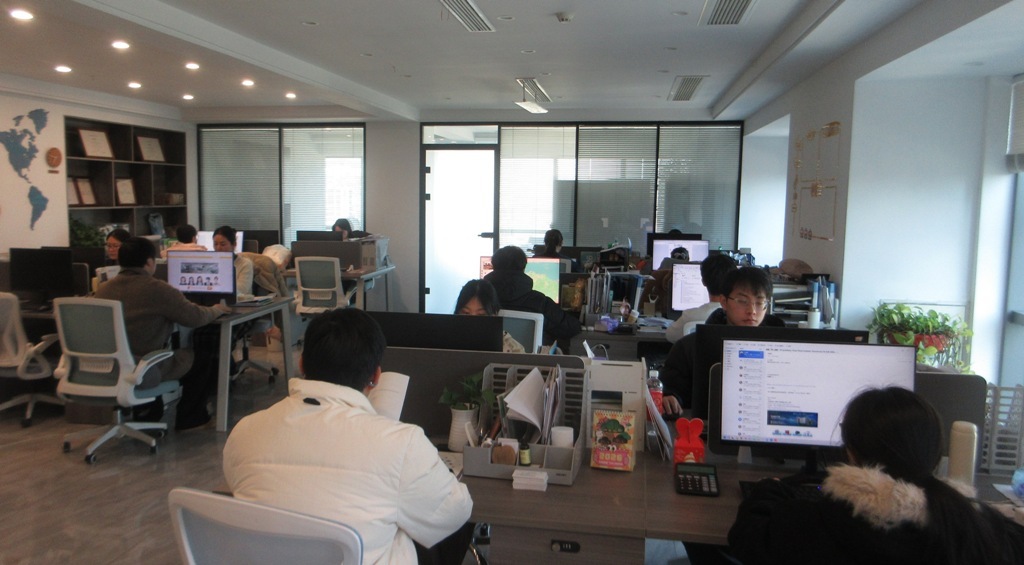
Company and Facility Overview
Production floorspace and factory identity documented for buyer due diligence.
Assembly Workshop
Core, coil, tanking and final assembly controlled by documented work instructions.

Testing Laboratory
Ratio, resistance, loss, impedance, dielectric and oil BDV tests can be documented by serial number.
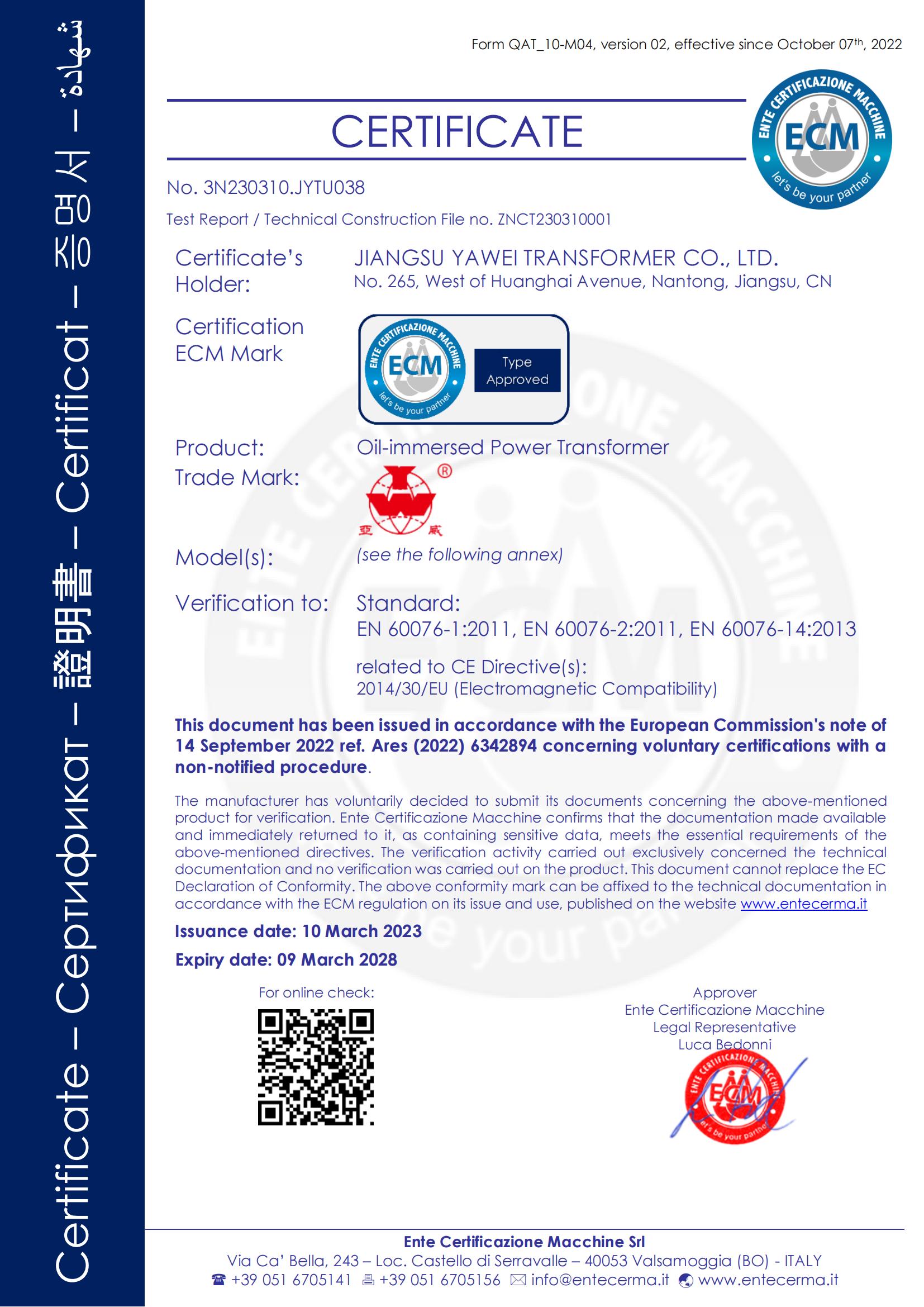
CE Certification Example
Oil-immersed power transformer certificate No. 3N230310.JYTU038; other certificate numbers are available for compliance review.
Certificate examples include CE oil-immersed power transformer 3N230310.JYTU038, dry-type transformer FQC2530404 and compact substation M.2025.206.C121884. Management certificates include ISO 9001 62824Q6052R0S, ISO 14001 62824E6053R0S and ISO 45001 62824S6054R0S. Buyers can verify these numbers with the issuing bodies.
Local Procurement FAQ for Yokohama Buyers
Straight answers from engineering and export teams for buyers comparing single phase pad mounted transformer factories and suppliers for Yokohama.
Can you engineer a single phase pad mounted transformer for Yokohama’s 50 Hz, 6.6 kV network?
Which standards and documents can you supply?
How do you address seismic, flood, humidity and salt-spray requirements?
What is the typical production and delivery path to Yokohama?
What information is needed for a fast, accurate quotation?
Can you support FAT, third-party inspection and after-sales service?
Send Your Yokohama Transformer Specification for Engineering Review
If you are comparing single phase pad mounted transformer factories and suppliers for Yokohama, ask for the review that matters: 50 Hz validation, seismic and corrosion detail, loss guarantees and traceable test records. Share your kVA, voltage ratio, enclosure and site conditions. A transformer engineer will respond within one working day.
Send an Inquiry