Recommended Transformer & Substation Products for Mombasa Buyers
These eight product families cover utility distribution, port and logistics loads, commercial buildings, industrial parks and renewable-energy connections. Each can be configured for Kenyan coastal conditions with 50 Hz operation, 415/240 V LV outputs, anti-corrosion enclosures and IEC or IEEE test documentation.
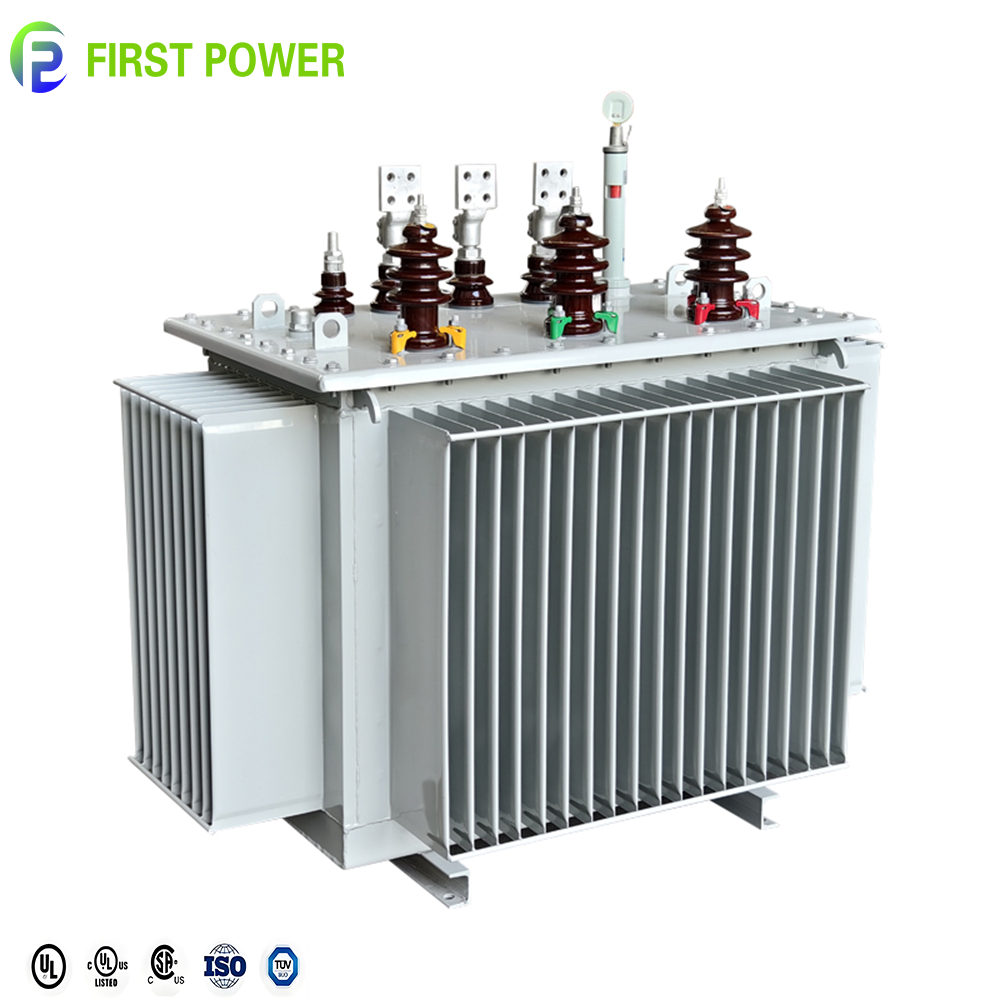
C CE 50/60 Hz Oil-Immersed Step-Up Transformer, 6–35 kV, 100–500 kVA
Oil-immersed step-up transformer for industrial feeders, port equipment and distributed generation, with flexible primary and output voltage combinations.
- 100–500 kVA class
- 6–35 kV primary range
- 50/60 Hz project configuration
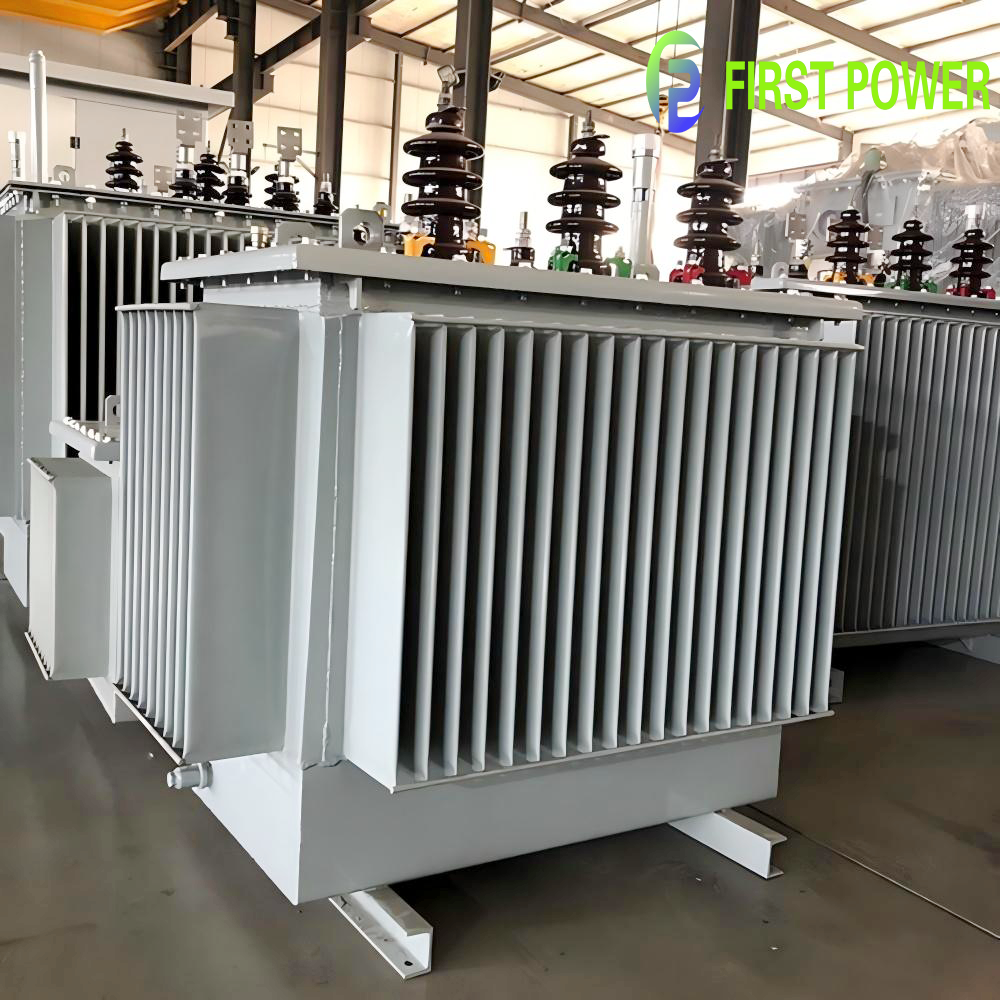
C CE MV&HV S11 50/60 Hz, 10–35 kV Three-Phase Oil-Immersed 50 kVA Distribution Transformer
S11 three-phase distribution transformer for 10–35 kV networks, compact substations and commercial compounds, with low-loss core options.
- 50 kVA reference rating
- 10–35 kV class
- IEC 60076 design basis
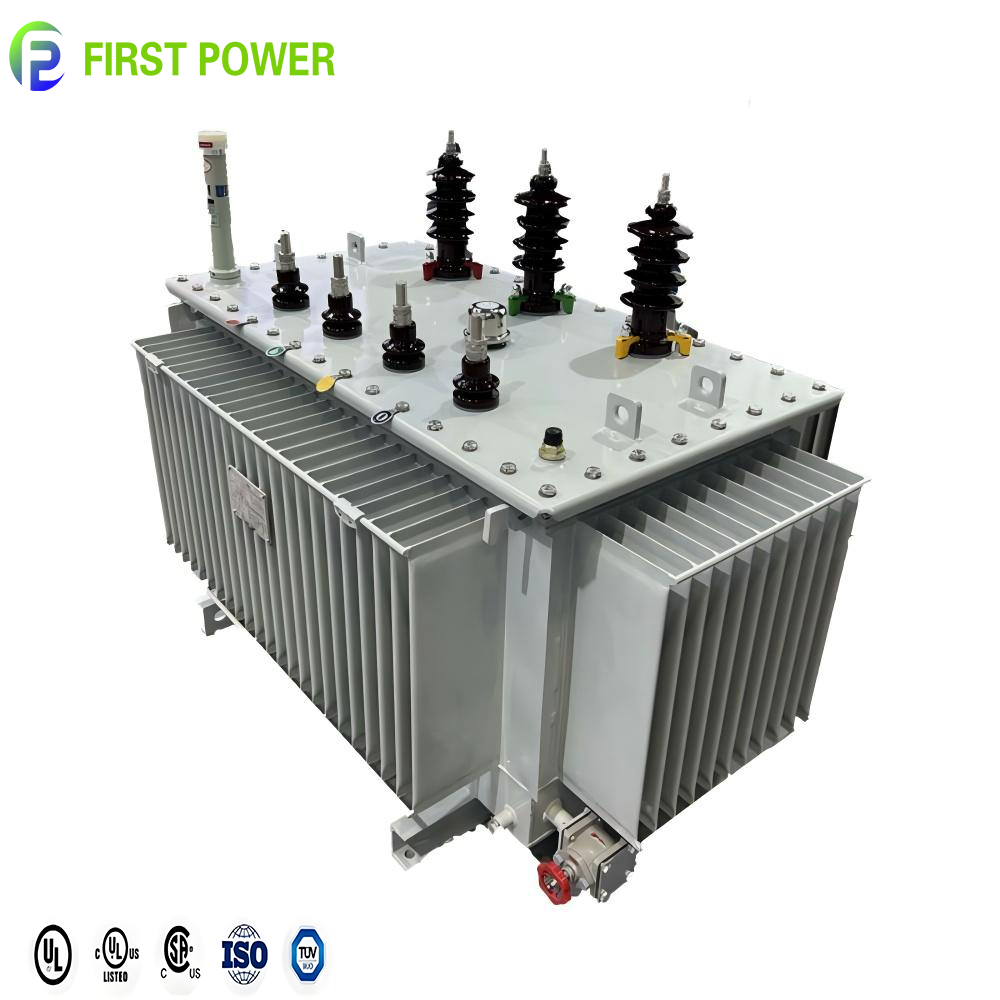
C CE 50/60 Hz S11 10–35 kV Three-Phase Oil-Immersed Transformer, 50–200 kVA
Distribution-duty transformer for hotels, logistics depots and residential estates where sealed, quiet and low-maintenance equipment is required.
- 50–200 kVA range
- 10–35 kV voltage class
- Dyn11 and alternative vectors
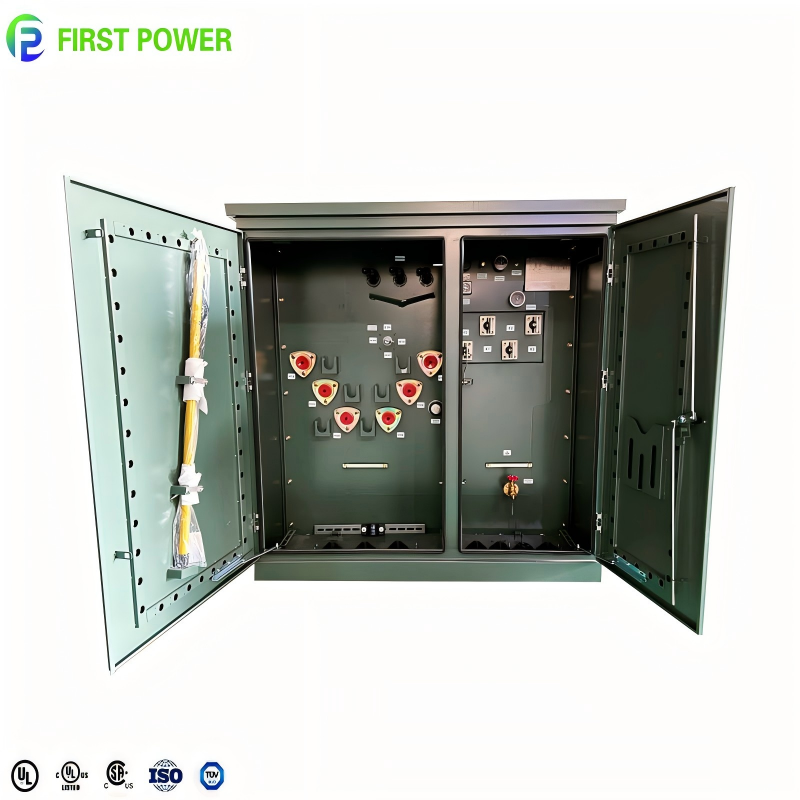
C ZGS11 50/60 Hz, 75 kVA–50,000 kVA Three-Phase Pad-Mounted Transformer for Power Distribution
ZGS11 pad-mounted transformer for underground distribution and space-constrained sites, with tamper-resistant enclosure options for mixed-use areas.
- 75 kVA–50 MVA range
- 6–35 kV class
- Loop or radial feed options
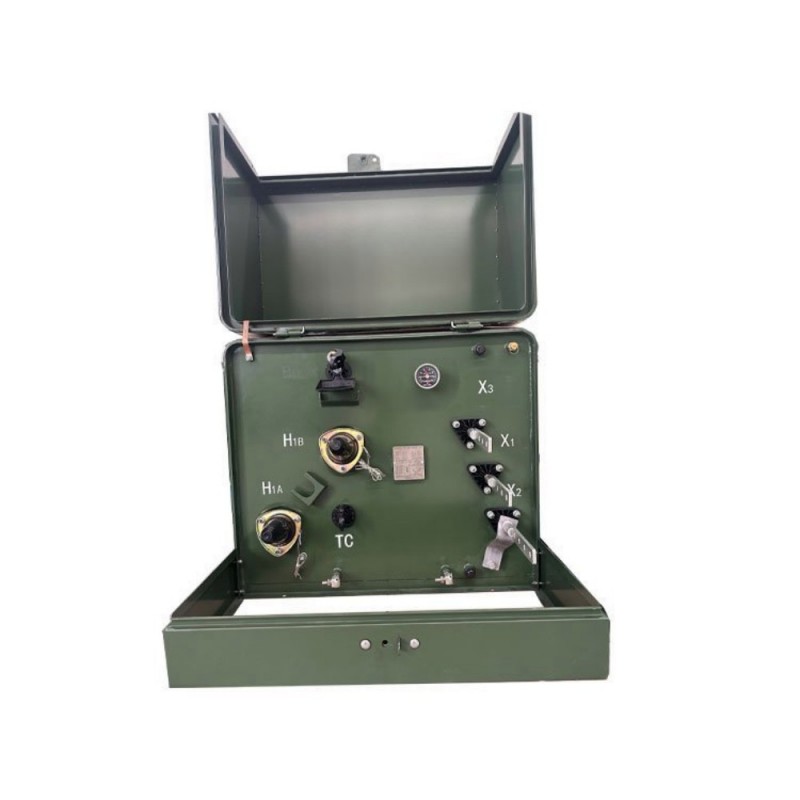
C Certification 6–34.5 kV, 50/60 Hz Oil-Type Single-Phase 75 kVA Pad-Mounted Transformer
Certified single-phase oil-type pad-mounted unit for residential subdivisions, street lighting circuits and distributed utility loads.
- 6–34.5 kV multi-voltage
- Single-phase configuration
- Utility and EPC stocking option
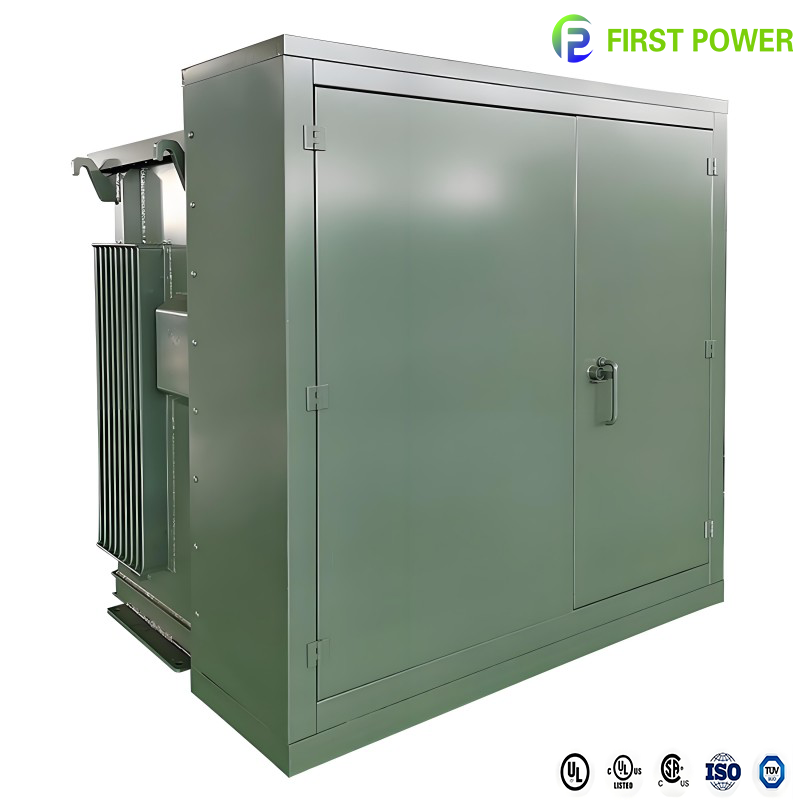
C CE MV&HV ZGS11 75–2,500 kVA, 10–35 kV Pad-Mounted Three-Phase Distribution Transformer
Pad-mounted three-phase transformer for 10–35 kV distribution, compact footprint, metering compartment options and local utility interface requirements.
- 75–2,500 kVA range
- 10–35 kV class
- Metering and protection options
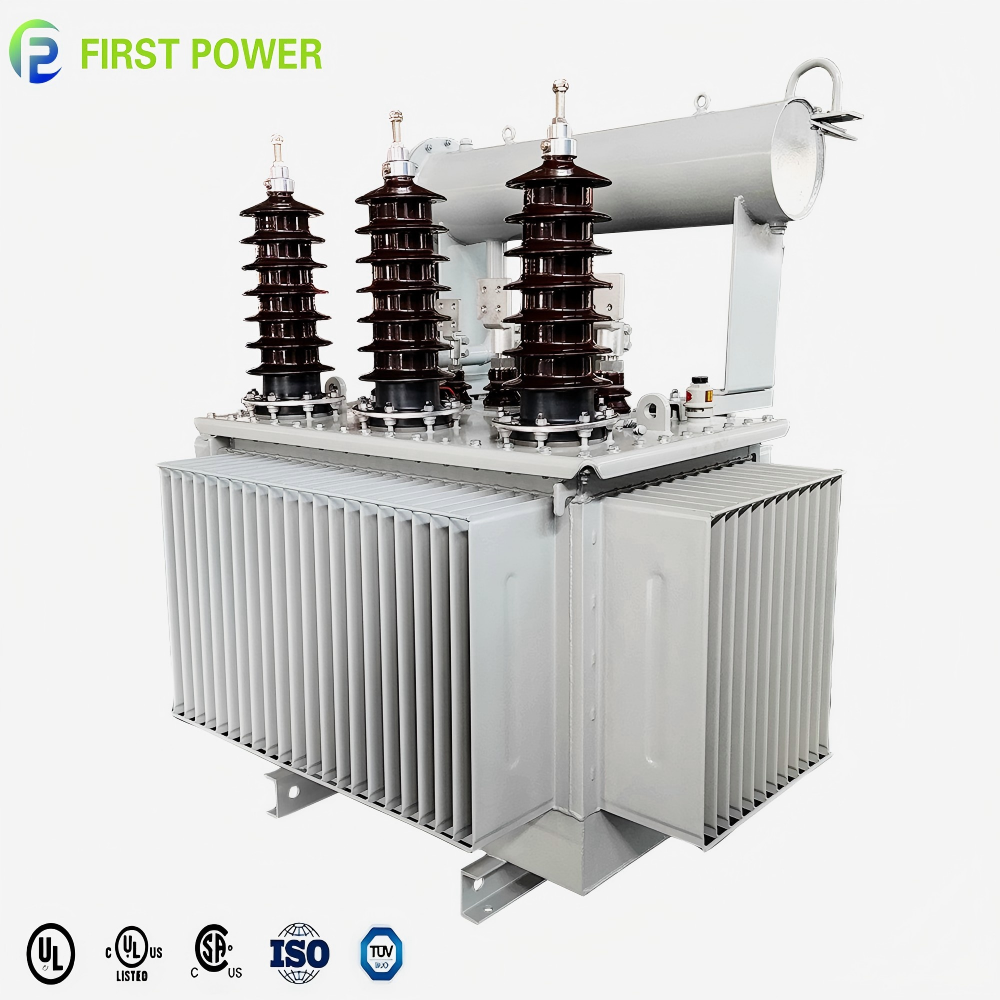
C CE Certification IEEE Standard 50/60 Hz S11 Three-Phase 33 kV Oil-Immersed Power Transformer
Oil-immersed power transformer for industrial substations, port expansion projects and grid interconnection where 33 kV is the primary distribution voltage.
- 33 kV class
- Three-phase oil-immersed design
- IEEE and IEC documentation support
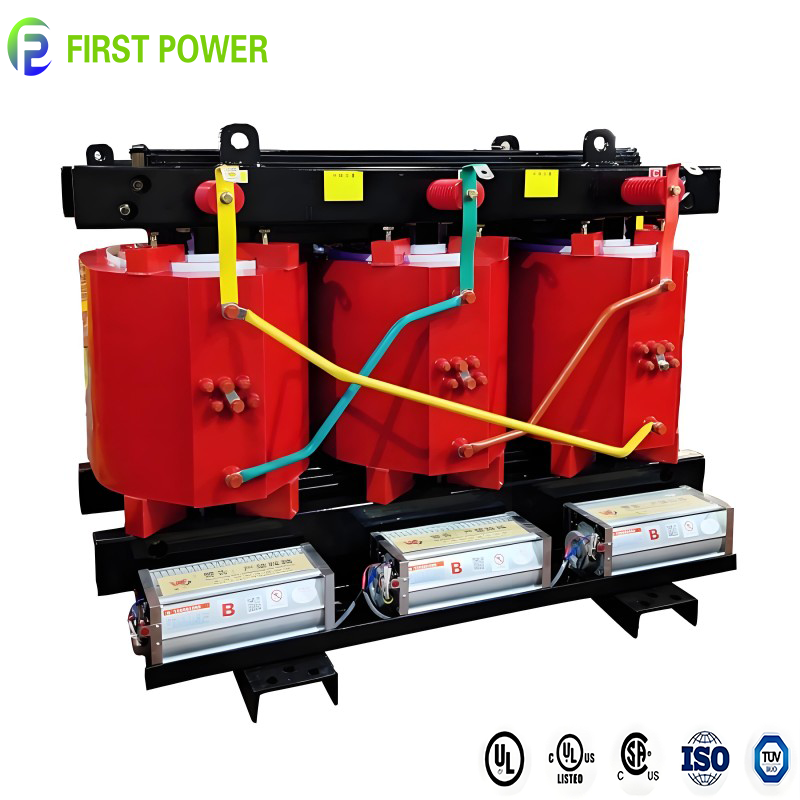
C CE Certification IEEE Standard 50/60 Hz 5–6 MVA, 6–35 kV Three-Phase Dry-Type Transformer
Cast-resin dry-type transformer for indoor electrical rooms, hotels, hospitals and commercial towers where fire safety and oil-free operation are priorities.
- 5–6 MVA class
- 6–35 kV primary range
- Indoor, oil-free installation
Why Mombasa Needs a Coastal-Specific Substation Specification
Mombasa is not a generic East African load centre. It is a port city where salt-laden air, high humidity, intense rainfall, high ambient temperature and busy logistics interfaces combine to test every enclosure, gasket, fastener and insulation system.
For developers, EPC contractors, utilities and industrial buyers around Mombasa Port, Dongo Kundu, the Mombasa Special Economic Zone, Nyali, Changamwe and the wider coast, a transformer substation is no longer just a kVA rating and a price. It is a long-life asset that must remain safe, serviceable and compliant after years of humid coastal operation. That is why prefabricated substations are increasingly preferred: the MV switchgear, transformer, LV distribution, protection, metering and enclosure are assembled and routine-tested before dispatch, which reduces site labour, weather delays and interface risk.
A practical Mombasa specification normally starts with a 50 Hz network, 11 kV or 33 kV MV intake, and 415/240 V LV distribution. But the most valuable procurement decision is not the kVA rating alone; it is how the corrosion system, thermal design and enclosure ingress protection perform after five years of salt fog and humidity. Buyers should ask for coating systems, stainless-steel hardware, sealed cable entries, anti-condensation provision, oil protection and a documented routine test report for every serial number. These details create real information gain during tender evaluation because they separate a low-cost enclosure from an asset that can be maintained safely.
Prefabrication also supports Mombasa’s project rhythm. Port-linked industrial projects and commercial buildings often need phased energisation, limited site space and predictable commissioning. A factory-built package with approved drawings, clear terminal arrangements and transport-ready crating helps the electrical contractor coordinate civil works, cable pulling and utility inspection without turning the site into a fabrication yard.
Coastal design priority profile
Indicative weighting for Mombasa and the Kenyan coast. Final values must follow the project single-line diagram, ambient conditions and utility requirements.
Ask for project-specific IP ratings, paint system data, stainless hardware, anti-condensation heaters and cable-entry sealing details before approving the enclosure.
Where Prefabricated Transformer Substations Fit in Mombasa
Mombasa’s load profile is shaped by port logistics, tourism, manufacturing, water infrastructure and rapid commercial development. Each environment places a different demand on transformer selection, enclosure layout and protection philosophy.
Port, logistics and cold chain
Container terminals, freight yards and cold stores need resilient power close to cranes, reefer plugs, conveyors and warehousing. Factory-assembled substations reduce on-site civil works and keep energisation predictable in a busy port environment where downtime is expensive.
Hospitality, retail and mixed-use
Hotels, malls and serviced apartments combine high occupancy with limited plant space. Compact enclosures, dry-type options and low-noise transformers can be integrated into back-of-house areas, rooftop plant rooms and phased expansion plans without compromising guest experience.
Manufacturing and special economic zones
SEZ factories, food processing, plastics and packaging plants require 11 kV or 33 kV intake substations with LV distribution. Modular units can be expanded in phases as production lines are commissioned, helping investors match capital expenditure to actual load growth.
Water, desalination and utilities
Pumping stations, treatment plants and desalination facilities operate continuously and often sit close to the coast. Sealed oil-immersed or dry-type transformers, motor-starting studies, voltage regulation and remote monitoring help maintain service continuity in critical water infrastructure.
C&I solar and grid interconnection
Commercial and industrial solar projects need step-up transformers, protection and metering in a compact footprint. Prefabrication shortens commissioning, clarifies the point of connection and simplifies interface coordination with the local distribution utility and the owner’s electrical contractor.
Urban distribution and public infrastructure
Ring main units, LV feeders and transformer compartments can be assembled and tested as one package. This reduces road closures, site labour and weather-related delays in dense areas such as central Mombasa, Likoni, Nyali and Changamwe while improving safety around public-adjacent equipment.
Trends Shaping Prefabricated Substation Demand in Kenya’s Coast Region
Mombasa’s purchasing logic is changing. Buyers are comparing lifecycle cost, climate resilience, commissioning speed and utility-interface risk rather than simply selecting the lowest initial quotation.
Loss reduction and lifecycle cost
Energy-efficiency expectations and utility loss-reduction programmes are pushing buyers toward low-loss cores, optimised impedance and guaranteed load/no-load losses. A slightly higher initial price can be justified by lower operating cost over a 20–25 year service life.
Solar, storage and distributed generation
Hotels, warehouses and factories are adding rooftop PV and battery storage. Prefabricated substations with bidirectional protection, suitable metering and clear point-of-connection architecture make these systems easier to connect, inspect and expand later.
Port-led industrial growth and SEZs
Investment around Mombasa Port, Dongo Kundu and industrial parks is creating demand for fast, repeatable power blocks rather than one-off civil-built substations. Standardised modules reduce engineering cycles and support phased factory commissioning.
Climate resilience and corrosion control
Salt fog, humidity and intense rain stress enclosures, gaskets, fasteners and coatings. Buyers increasingly ask for C5-M paint systems, stainless hardware, tested ingress protection and documented anti-corrosion measures instead of generic “outdoor” enclosures.
Compressed schedules and modular construction
EPCs and developers prefer factory-assembled units because civil works, wiring and testing can happen in parallel. Delivery to Mombasa Port followed by road transport to site is easier with compact, crated modules and approved lifting arrangements.
Digital monitoring and operational safety
Temperature sensors, remote alarms, smart metering and clear fault diagnostics are moving from premium options to mainstream expectations. Arc-rated design, interlocks, labelling and safe access remain essential in public-adjacent and high-traffic locations.
Specifying a Prefabricated Substation for Coastal Kenya
Use this practical selection framework to align transformer type, enclosure protection and documentation with Mombasa’s climate and project schedule.
| Design decision | Mombasa-specific recommendation | Why it matters |
|---|---|---|
| Frequency and voltages | 50 Hz; 415/240 V LV; 11 kV and 33 kV MV typical; higher transmission interfaces on request. | Ensures compatibility with local distribution practice and avoids interface changes after drawing approval. |
| Transformer type | Oil-immersed for outdoor utility duty; dry-type for indoor, fire-sensitive buildings; pad-mounted for underground feed. | Balances safety, maintenance access, footprint and lifecycle cost for the actual installation environment. |
| Enclosure protection | IEC 62271-202 prefabricated enclosure; IP54 or higher where dust and rain exposure are significant; stainless hardware. | Prevents water ingress, corrosion and fastener deterioration in salt-laden coastal air. |
| Anti-corrosion system | Shot-blast preparation, epoxy primer and polyurethane topcoat; project-specific C5-M coating; sealed cable entries. | Reduces repainting, seizure and enclosure degradation over the service life of the substation. |
| Thermal design | Design ambient up to 45–50°C on request; validated ventilation, sun shields and fan cooling where duty cycles require it. | Maintains transformer loading capability and protects insulation life during hot, humid periods. |
| Protection and metering | RMU, breakers or fuses, CTs/VTs, surge arresters, earth bar and a utility metering compartment configured to approved drawings. | Supports safe operation, fault isolation and local utility inspection without site modifications. |
| Factory testing | Routine tests per IEC 60076, HV withstand, functional interlocks, wiring checks, oil dielectric tests and third-party witness inspection if required. | Provides objective evidence before shipment and reduces commissioning surprises at site. |
| Logistics and documentation | Seaworthy packing, shock indicators, CIF Mombasa or DDP site options, GA drawings, nameplate drafts and O&M manuals. | Keeps port clearance, inland transport and utility approval better coordinated from factory to energisation. |
The table is a procurement guide, not a substitute for a project-specific design review. Final ratings, protection settings and utility approvals must be confirmed against the approved single-line diagram and local requirements.
A Supply Partner Built for Export-Grade Review
Mombasa buyers need more than a catalogue. They need a manufacturer whose capacity, testing, documentation and export process can be reviewed before the purchase order is issued.

Why Wisegj Is a Practical Partner for Mombasa Market Projects
Jiangsu Wisegj Power Co., Ltd. manufactures and exports pad-mounted transformers, oil-immersed transformers, dry-type transformers, power transformers, compact substations and high/low-voltage switchgear. For Mombasa and the wider East African market, the value is not simply “factory direct pricing”; it is engineering review, configurable protection, export packing and a documented quality trail that procurement teams can defend.
Production is supported by ISO 9001, ISO 14001 and ISO 45001 management systems, and the product portfolio includes CE-certified transformer and substation categories. TÜV Rheinland has verified production capability, floorspace and quality inspection onsite. For project use, buyers can request drawings, routine test reports, nameplate drafts, packing lists and compliance documents before shipment.
- Design review before quotation
- IEC and IEEE reference standards
- Routine test report per serial number
- C5-M coastal coating options
- Seaworthy export packing
- English drawings and O&M manuals
- Third-party witness inspection welcome
- 24-hour engineering response target
Certificate references include ISO 9001 No. 62824Q6052R0S, ISO 14001 No. 62824E6053R0S, ISO 45001 No. 62824S6054R0S, CE oil-immersed power transformer No. 3N230310.JYTU038, CE dry-type transformer No. FQC2530404 and CE compact substation No. M.2025.206.C121884. Applicable documents can be presented for project review.
Application engineering
Our engineers review load schedules, single-line diagrams, ambient conditions and utility interface requirements before confirming the transformer and enclosure configuration.
Customisation without guesswork
Ratings, vector group, impedance, tap range, bushings, cooling, insulating fluid, enclosure colour and nameplate language can be aligned to approved project documents.
Factory testing evidence
Winding resistance, ratio and vector group, impedance, load/no-load loss, applied and induced voltage, oil dielectric strength and functional checks are documented.
Documentation for approvals
GA drawings, nameplate drafts, test reports, packing lists and O&M manuals help consultants and contractors coordinate utility inspection and site commissioning.
Export logistics to Mombasa
Seaworthy crating, shock indicators and Incoterms from EXW to DDP support shipment to Mombasa Port and onward transport to project sites in Kenya.
After-sales responsiveness
Technical questions, spare-parts lists, commissioning documents and warranty follow-up are handled through a qualified engineering contact rather than a generic mailbox.
Questions Local Buyers Ask Before Ordering
These answers reflect common technical and commercial questions from Mombasa-area developers, EPC contractors, industrial buyers and utility project teams.
What voltage configuration is typical for a prefabricated substation in Mombasa?
How do you protect transformers and enclosures from salt fog and humidity?
Can the substation be delivered to Mombasa Port and then transported to site?
Which standards and certificates can be provided for review?
What is the usual production and delivery lead time?
Can the design be adapted for local metering and protection requirements?
What factory tests are performed before shipment?
What information is needed for a fast and accurate quotation?
Technical data checklist for a faster, compliant offer
Including these parameters in your inquiry helps our engineers return a suitable configuration, preliminary drawing and loss proposal without unnecessary clarification rounds.
- Rated power (kVA or MVA)
- Primary and secondary voltage
- Frequency (50 Hz or 60 Hz)
- Vector group and impedance
- Tap changer type and range
- Cooling method and insulating fluid
- Enclosure protection and coating
- Metering, protection and RMU scope
- Site ambient, humidity and altitude
- Applicable IEC or IEEE standard
- Delivery terms and destination
- Required test reports and documents
Planning a Prefabricated Substation for Mombasa or the Coast?
Send your single-line diagram, load schedule or tender specification. Our engineers will review the application, propose a suitable transformer and enclosure configuration, and support your procurement team with drawings, test documentation and export planning.