Pad Mount Transformer Factories & Supplier for Nakhon Ratchasima
50 Hz pad-mounted transformer engineering for Korat industrial estates, solar interconnections, logistics parks, commercial buildings, hospitals and utility distribution — 22 kV / 33 kV options, IEC 60076 and IEEE C57.12 aligned, CE certified and routine-tested before shipment.
8 Pad-Mount Transformer & Distribution Configurations for Korat Buyers
The shortlist below reflects the transformer families most often requested by EPC contractors, industrial buyers, commercial developers and utility procurement teams in Nakhon Ratchasima. Product URLs are kept from the original catalog. If your project needs a specific vector group, impedance, tap range, tropical enclosure treatment or utility-approved nameplate, send the single-line diagram through the inquiry button and an engineer will review it against your site conditions.
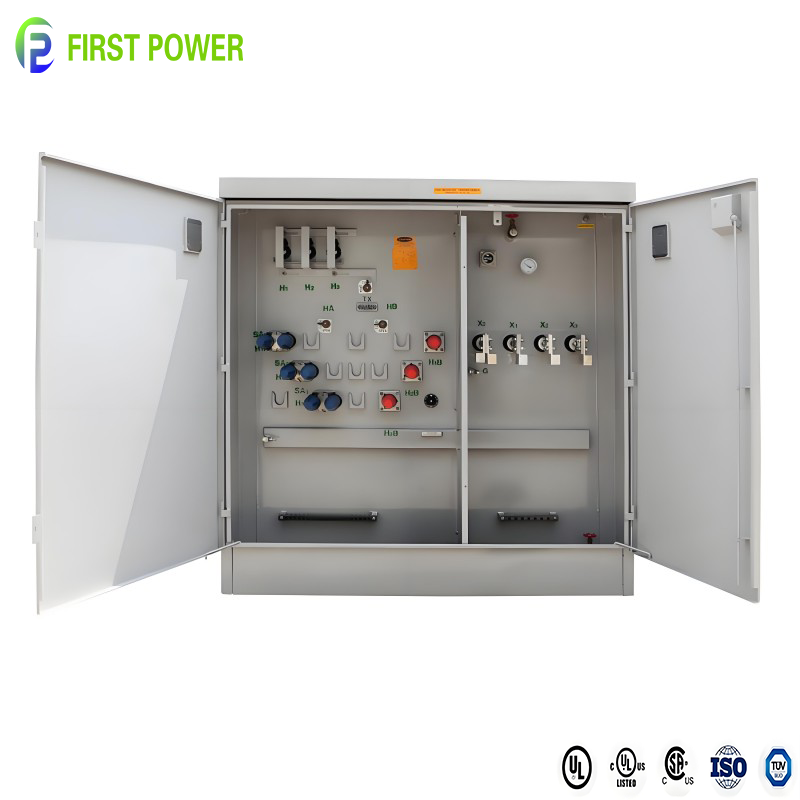
C CE MV/HV 300–700 kVA Three-Phase Loop-Feed Pad-Mounted Transformer
Factory-built for industrial power distribution where underground feed, dead-front access and loop switching improve reliability.
Best for: factory expansion, industrial estates, commercial campuses and high-availability distribution nodes in Korat.
View product details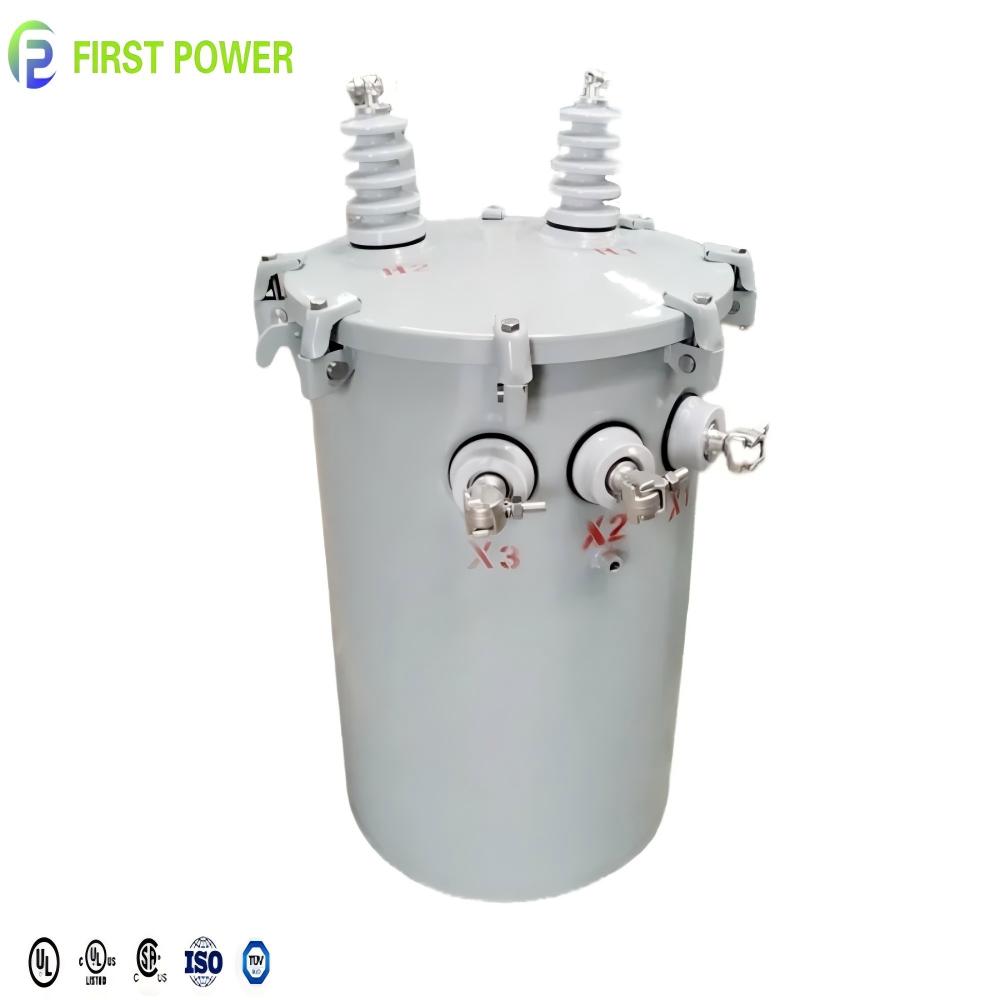
ANSI 50/60 Hz 6–35 kV Single-Phase Pole-Mounted Transformer
Space-efficient overhead distribution for rural feeders, small commercial clusters, lighting circuits and utility reinforcement.
Best for: rural electrification, agribusiness feeders, roadside facilities and sites where a pad foundation is not practical.
View product details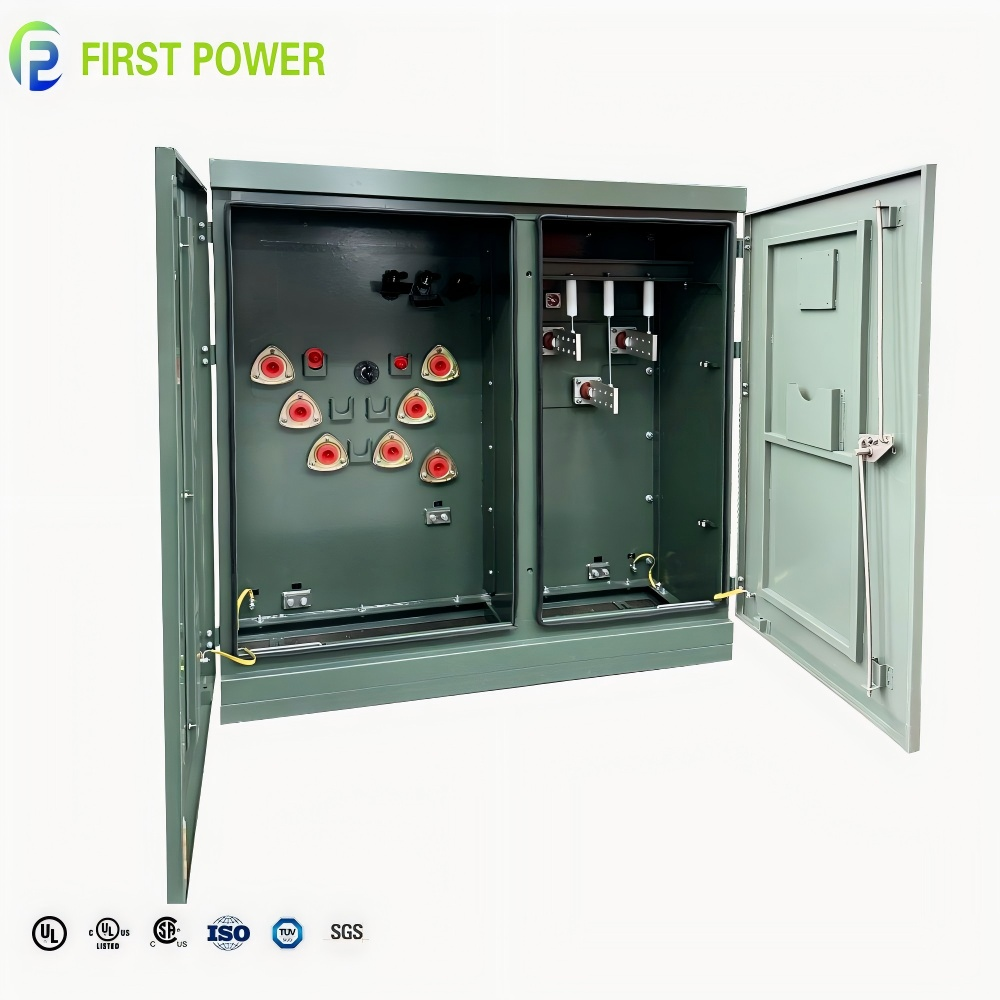
C CE 10–35 kV 750 kVA Three-Phase Loop-Feed Pad-Mounted Distribution Transformer
Designed for compact commercial and industrial distribution points where footprint, tamper resistance and service continuity matter.
Best for: retail centres, warehouse parks, hotels, hospitals and mixed-use developments requiring a clean pad-mounted interface.
View product details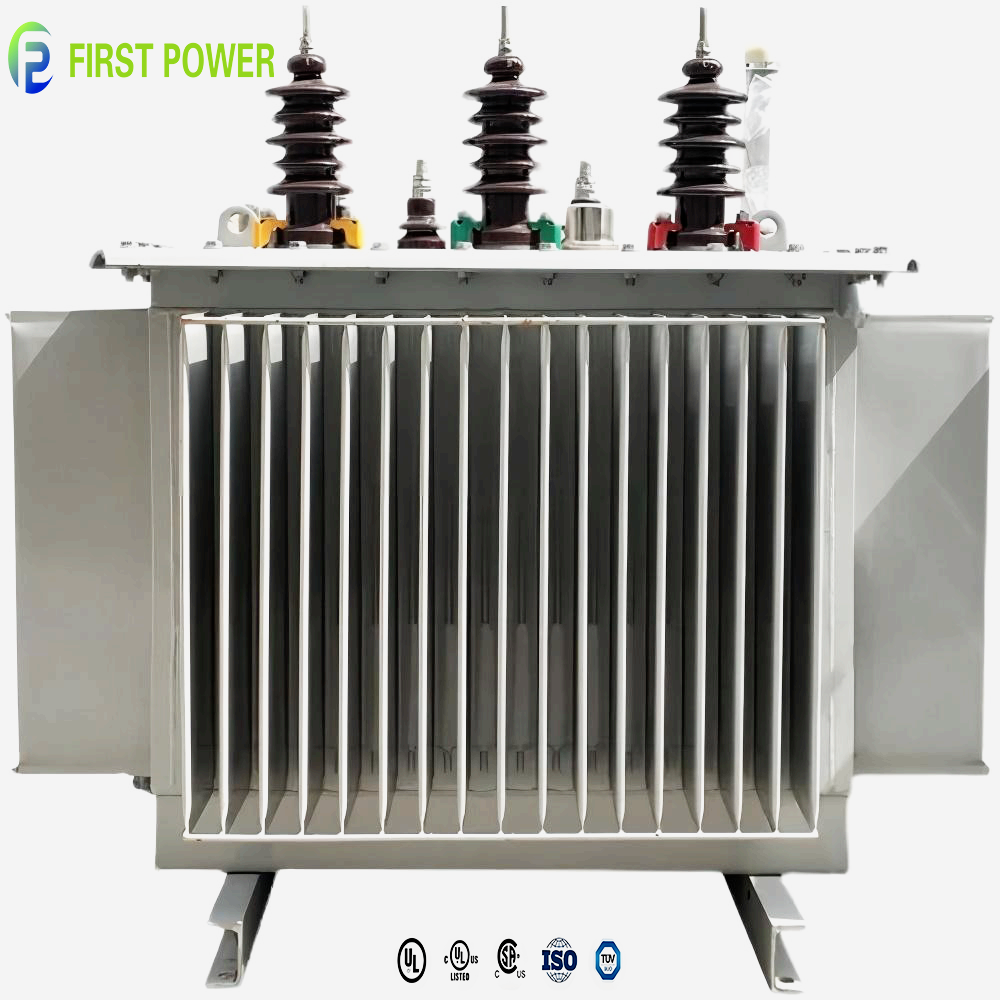
C Certification 60 Hz S11 Three-Phase 10/35 kV 500 kVA Oil-Immersed Transformer
Proven oil-immersed distribution platform for power supplies, factories, pumping stations and utility distribution networks.
Best for: traditional distribution rooms, industrial process loads and projects that need a robust, serviceable oil-filled transformer.
View product details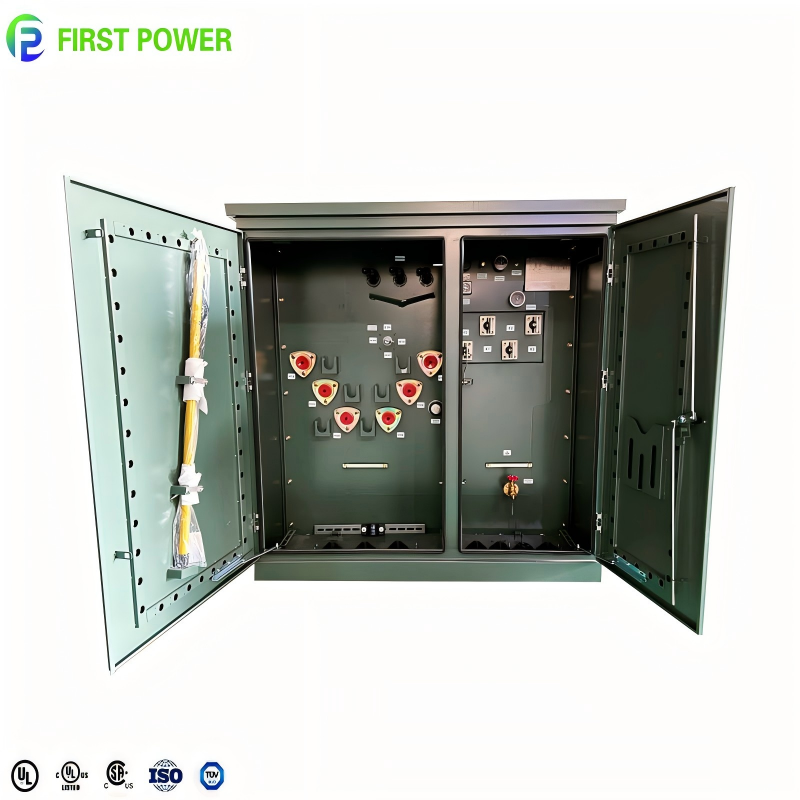
C ZGS11 50/60 Hz 75 kVA–50 MVA Three-Phase Pad-Mounted Transformer
Wide-range pad-mounted platform for project-specific ratings, enclosure layouts and distribution duty in tropical environments.
Best for: industrial parks, utility distribution, renewable projects and large campuses needing a tailored pad-mounted solution.
View product details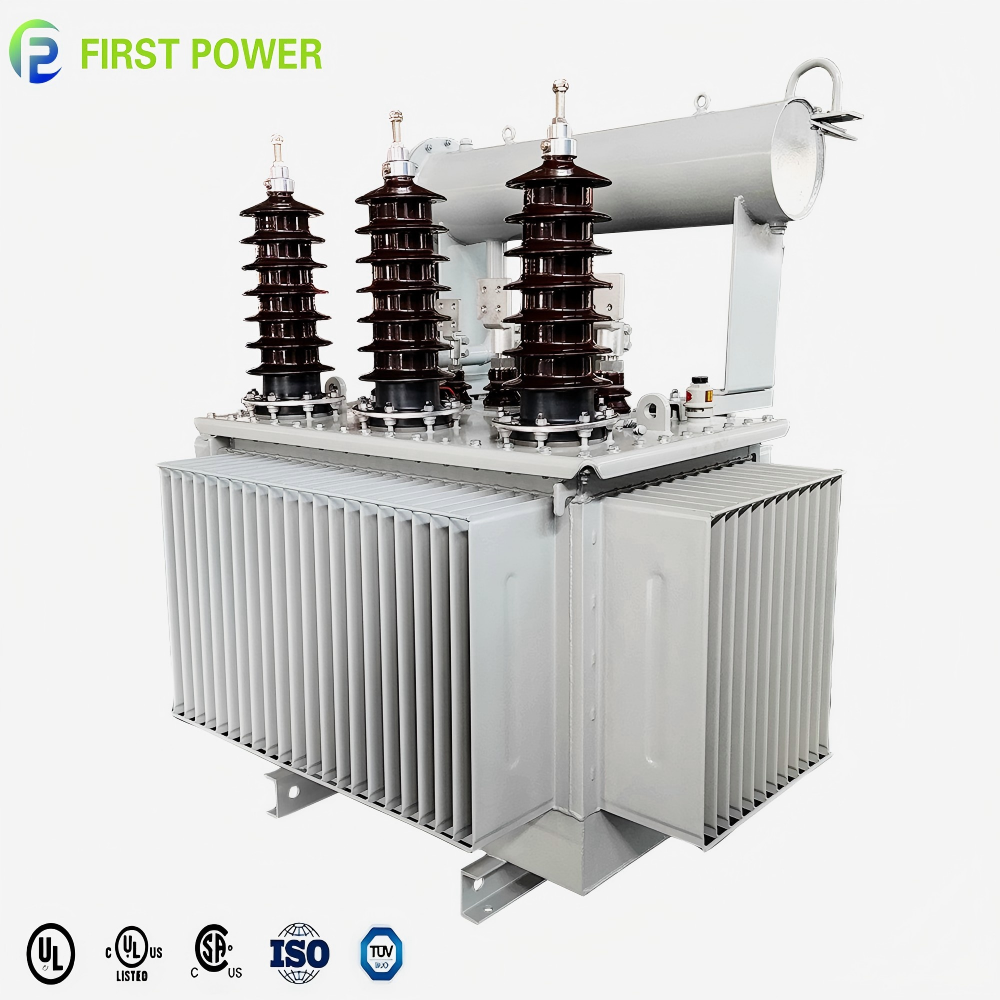
C CE IEEE Standard 50/60 Hz S11 33 kV Oil-Immersed Power Transformer
Higher-voltage oil-immersed power transformer for industrial substations, generation interconnection and utility step-down duties.
Best for: industrial substations, renewable grid connection and larger Korat facilities needing a 33 kV class interface.
View product details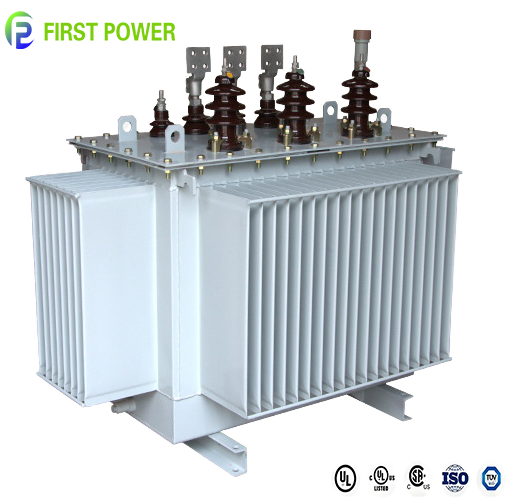
C CE S11 10–35 kV 100–630 kVA Three-Phase Oil Transformer
Cost-controlled distribution transformer family for standard utility, commercial and light industrial distribution requirements.
Best for: standard distribution rooms, factory annexes, commercial buildings and utility procurement programmes.
View product details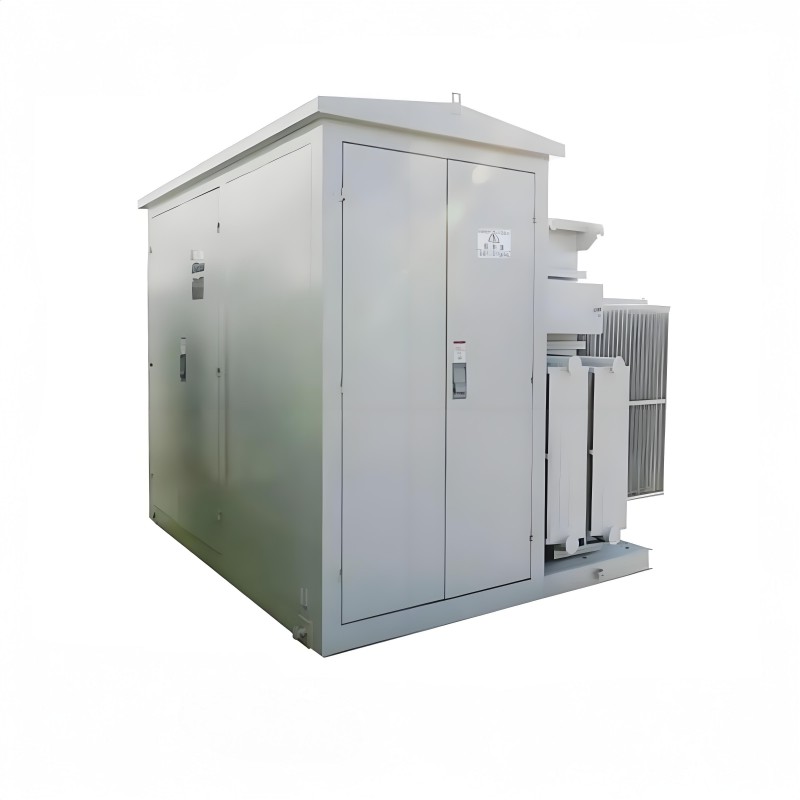
American Standard C Certification 75–2,500 kVA 13.8 kV Oil-Filled Three-Phase Pad-Mount Transformer
Pad-mount configuration for projects designed around American-standard practices, generation support and distribution interconnection.
Best for: power generation support, international-standard industrial projects and American-spec distribution networks.
View product detailsNot sure whether your Korat project should use a loop-feed pad-mount, a compact substation, a pole-mounted unit or a dry-type transformer? Send an Inquiry
What a Pad-Mount Transformer Must Deliver in Nakhon Ratchasima
The search intent behind “pad mount transformer factories & supplier for Nakhon Ratchasima” is commercial, not merely informational. Buyers usually need a factory that can translate a 50 Hz utility requirement into a compliant, test-documented transformer and deliver it to an industrial site, EPC warehouse or project store without creating a re-engineering cycle.
Nakhon Ratchasima — widely known as Korat — is a practical gateway to Thailand’s Isan region and a base for industrial, logistics, food-processing, healthcare, education and renewable energy projects. Many customer networks are fed at 22 kV or 33 kV and step down to 400/230 V, while larger schemes may involve higher utility interface voltages after system studies. That makes the pad-mount transformer a boundary asset: it must satisfy the utility connection, the customer’s protection philosophy and the site’s tropical operating reality.
Korat’s project conditions make humidity, lightning activity, monsoon rain, dust, corrosion and voltage-quality coordination part of the technical brief, not an afterthought. A transformer enclosure that is adequate for a dry, temperate site may be under-specified for an exposed industrial plot. Buyers should define the ingress protection expectation, anti-corrosion coating system, oil containment, wildlife guards, surge arresters, earthing arrangement, cable termination space and pad foundation interface before comparing prices.
For many commercial and industrial loads, a three-phase loop-feed pad-mounted transformer is preferred because it supports sectionalising, reduces visible overhead equipment and keeps the utility interface contained. For rural or overhead feeders, single-phase pole-mounted units may be more practical. For indoor or fire-sensitive locations, a dry-type transformer may be required. The correct choice depends on the load profile, fault level, protection scheme, ambient temperature, installation space and the utility’s written requirements.
This is where factory-direct engineering support creates measurable information gain. A supplier that can review losses, impedance, temperature rise, tap range, vector group and enclosure details against the actual project brief will usually reduce the total cost of ownership — even if the initial unit price is not the lowest. The aim is not to buy a catalogue transformer; it is to buy a documented, repeatable asset that will pass inspection and operate predictably through Korat’s wet and dry seasons.
Typical Nakhon Ratchasima Project Brief
- System frequency: 50 Hz; 60 Hz options for export-spec projects.
- Common primary voltages: 22 kV or 33 kV; higher voltages by project study.
- Secondary distribution: 400/230 V for commercial and industrial networks.
- Capacity shortlist: 250 kVA to 2,500 kVA for many pad-mounted distribution duties.
- Configuration: loop-feed or radial; dead-front; tamper-resistant enclosure.
- Environment: high humidity, monsoon rain, lightning, dust and corrosion exposure.
- Documentation: GA drawing, nameplate draft, routine test report and O&M manual in English.
- Logistics: sea freight to Laem Chabang or Bangkok, then inland transport to Korat.
Where Pad-Mount Transformers Fit Across Nakhon Ratchasima
Korat is not one single load type. A transformer recommendation should reflect the building, process, utility connection and risk profile of the site.
Industrial estates & factories
Loop-feed pad-mounted transformers support factory expansion, machine loads, welding, compressed air and production lines where downtime is expensive. Specify fault level, motor starting, harmonic content and future capacity before choosing kVA.
Solar & renewable interconnection
Solar farms, rooftop PV and hybrid projects need step-up or step-down transformers that account for inverter harmonics, reverse power flow and protection coordination. A 22 kV or 33 kV interconnection study should precede the final transformer order.
Commercial buildings & hospitals
Hotels, hospitals, universities and retail centres value compact footprints and reliable service. Where oil-filled equipment is not acceptable near occupied spaces, dry-type or compact substation options should be reviewed.
EV charging & logistics hubs
Highway service areas, warehouse parks and fleet depots around Korat may need compact, pad-mounted distribution with space for EV chargers, lighting, cold storage and office loads. Load diversity and future expansion should be built into the design.
Agro-processing & cold chain
Rice mills, cassava processing, cold storage, packing houses and food factories often face dust, moisture and voltage variation. Enclosure protection, cooling margin, cable termination quality and maintenance access all affect uptime.
Utility & rural distribution
Utility reinforcement, rural feeders and small communities may be better served by single-phase pole-mounted or compact distribution transformers. The decision should follow the utility’s overhead/underground policy and standard drawings.
Trends Shaping Pad-Mount Transformer Demand in Korat
Procurement is moving away from “lowest first price” toward documented lifetime performance. The indicators below reflect the evaluation emphasis we see in project enquiries; they are not a published statistical survey.
Loss-aware procurement
Buyers increasingly request guaranteed no-load and load losses, temperature-rise data and efficiency comparisons before placing an order. Lower losses can matter more than a small initial-price difference over a 20-year asset life.
Renewable & bidirectional flows
Solar and hybrid projects require the transformer to handle harmonic-rich inverter output, reverse power flow and protection coordination. Korat projects increasingly ask for project-specific impedance and thermal margins.
Space, safety & public acceptance
Commercial and urban developments prefer compact, tamper-resistant pad-mounted equipment with clean cable access. Noise, oil containment, fire safety and visual impact are now part of the technical review.
Audit-ready documentation
QA teams ask for GA drawings, approved nameplates, routine test reports, oil test data and O&M manuals before shipment. A supplier that treats documentation as part of the product shortens utility approval and site handover.
Why Wisegj Is a Practical Factory Partner for Nakhon Ratchasima Procurement
Jiangsu Wisegj Power Co., Ltd. engineers and exports pad-mounted transformers, oil-immersed transformers, dry-type transformers, power transformers, compact substations and switchgear from 220 V up to 500 kV. For Korat buyers, the advantage is not a generic catalogue claim — it is the ability to quote against a technical brief, test every unit and ship with documentation that a QA or utility team can actually audit.
Verified factory capacity
6,847 m² of inspected production space with winding, core assembly, drying, tanking and testing areas — relevant when a project requires factory audit evidence.
Engineering depth
More than 50 R&D and technical engineers can review ratings, vector group, impedance, taps, cooling and enclosure requirements before quotation.
Certified systems
ISO 9001, ISO 14001 and ISO 45001 management systems, CE certificates for relevant transformer lines, and TÜV Rheinland-verified production information.
Routine factory testing
Winding resistance, voltage ratio and vector group, impedance and load loss, no-load loss and current, applied and induced voltage tests, plus oil dielectric testing for liquid-filled units.
Custom engineering
OEM, ODM, design-based and sample-based customization covering ratings, vector group, impedance, tap range, bushings, cooling, insulating fluid, enclosure colour and nameplate language.
Export logistics
Seaworthy packing and Incoterms support from EXW to DDP, with delivery documentation suitable for Thai import clearance and inland transport to Nakhon Ratchasima.
Complete documentation
GA drawings, nameplate drafts, test reports, packing lists and O&M manuals supplied in English, with project-specific documents reviewed before dispatch.
Supply-chain strength
211 qualified supply-chain partners support stable lead times for silicon steel, copper, bushings and accessories; a 24-hour engineer response target supports fast technical clarification.
How to Choose the Right Transformer for a Korat Project
Use this as an early-stage comparison, then match the final specification to the utility connection agreement, load study and site layout.
| Transformer family | Typical Nakhon Ratchasima use | Typical range | Specify before ordering |
|---|---|---|---|
| Three-phase loop-feed pad-mounted | Industrial estates, commercial campuses, logistics parks, solar interconnections and underground distribution. | 45–5,000 kVA; up to 34.5 kV class; 50 Hz. | Loop/radial scheme, dead-front arrangement, fusing, surge arresters, enclosure finish, oil containment and cable termination space. |
| Single-phase pad-mounted | Residential subdivisions, rural underground loops, small commercial clusters and lighting loads. | 10–250 kVA; 120/240 V or project-specific secondary. | Bayonet fuse, loop-feed capability, utility-approved enclosure, secondary voltage and service conductor interface. |
| Oil-immersed distribution transformer | Factory distribution rooms, pumping stations, utility networks, mining and general industrial loads. | 30–2,500 kVA; 6–35 kV; Dyn11 or Yyn0 options. | Loss guarantee, temperature rise, tap range, cooling, tank finish, oil type and routine test report. |
| Dry-type transformer | Hospitals, high-rise buildings, tunnels, indoor plant rooms and fire-sensitive locations. | 30–2,500 kVA; up to 35 kV; Class F/H insulation. | Fire safety, acoustic level, ingress protection, fan cooling, ambient temperature and installation clearance. |
| Oil-immersed power transformer | Transmission-style interconnection, generation step-up, large industrial substations and grid reinforcement. | 35 kV to 500 kV class; ONAN/ONAF cooling. | Impedance, OLTC/NLTC, insulating oil, bushings, protection interface and third-party witness testing. |
| Compact substation | Fast-track projects, renewable plants, urban networks and sites requiring factory-assembled MV/LV distribution. | 100–2,500 kVA; 10–35 kV MV side. | Switchgear layout, metering, protection, enclosure ventilation, foundation details and transport dimensions. |
Ranges are typical production ranges; ratings outside these values can be engineered on request. For projects with Thai utility approval requirements, always provide the utility specification and single-line diagram with the inquiry.
Send These Technical Details for a Faster, More Accurate Quotation
Including these parameters in the first inquiry reduces clarification cycles and helps the factory return a compliant design with guaranteed losses.
Pad-Mount Transformer Questions from Nakhon Ratchasima Buyers
Practical answers for factory engineers, EPC buyers, electrical contractors and project owners comparing suppliers.
Can you supply a 50 Hz 22 kV / 0.4 kV pad-mounted transformer for Nakhon Ratchasima?
Should my Korat project specify 22 kV or 33 kV?
Which documents should I request before approving a transformer factory?
How do you protect pad-mount equipment from Isan humidity, lightning and monsoon rain?
What is the usual shipping route and lead time to Nakhon Ratchasima?
Do you provide CE, IEC and IEEE compliance for Thai projects?
Can you customize loop feed, dead front, enclosure colour and nameplate details?
How do I request a quotation for a Nakhon Ratchasima project?
Request a Factory-Tested Pad-Mount Transformer for Nakhon Ratchasima
Send your single-line diagram, capacity, voltage ratio, frequency, vector group, loss target and delivery location. The factory can review the brief against IEC 60076, IEEE C57.12 or your utility specification and respond with a documented proposal for Korat.
Typical information required: kVA rating · 22 kV / 33 kV primary · 400/230 V secondary · 50 Hz · loop or radial feed · site ambient and humidity · IEC/IEEE standard · quantity and delivery schedule.