Oil Immersed Power Transformer Supplier & Suppliers in Quezon City
Engineering-led transformer supply for Quezon City developers, EPCs, utilities, and facility owners — with routine test reports, CE and ISO documentation, and a manufacturer team that reviews the specification before the quotation is issued.
Eight Transformer Lines for Quezon City Project Review
The eight lines below cover oil-immersed distribution, single-phase and three-phase pad-mounted units, solar PV transformers, dry-type alternatives, and high-voltage power transformer routes. Product URLs are preserved exactly; where a live specification is still being finalized, use the inquiry button to request an engineer-led review.
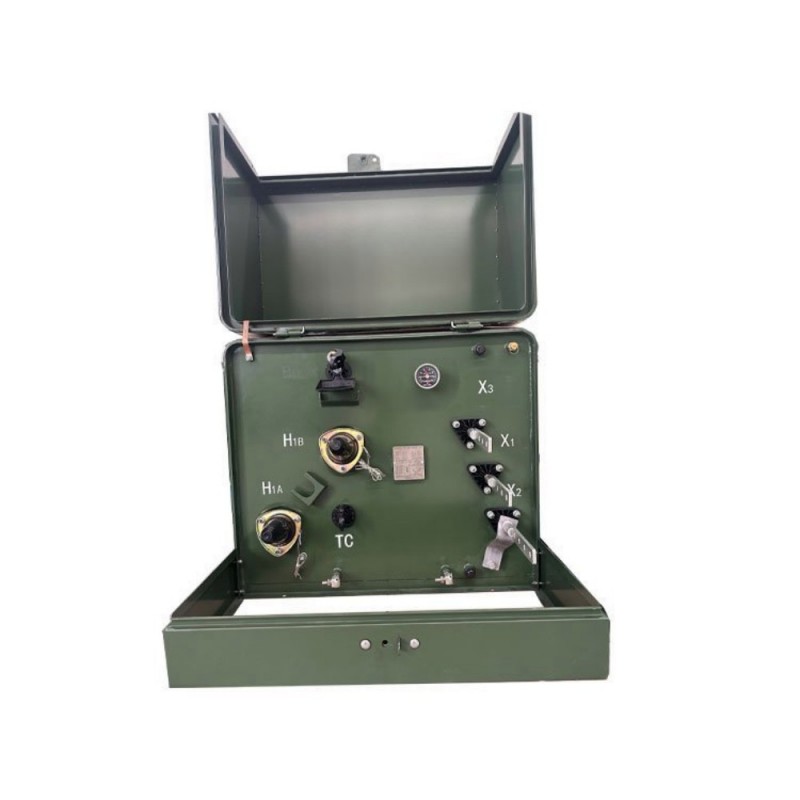
/C Certification 6KV 10KV 13KV 20KV 34.5KV 50/60HZ Oil Type Single Phase 75KVA Pad Mounted Transformers
Recommended for residential subdivisions, small commercial compounds, and underground loop services where a compact single-phase pad-mounted unit is preferred.
View product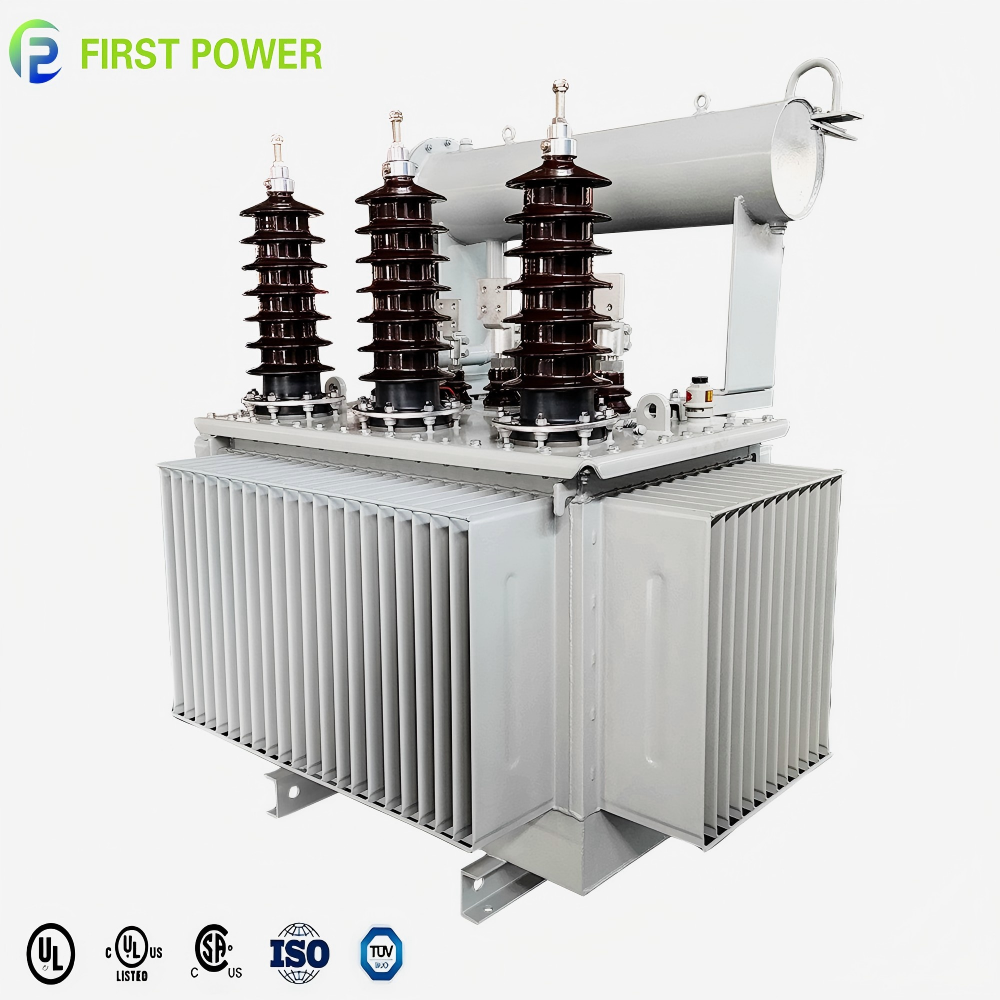
C CE Certification IEEE Standard 50/60HZ S11 Three Phase 33KV Oil Immersed Power High Voltage Transformer for Industrial
A strong fit for industrial plants, mixed-use developments, and utility interface points where 33 kV class oil-immersed equipment is specified.
View product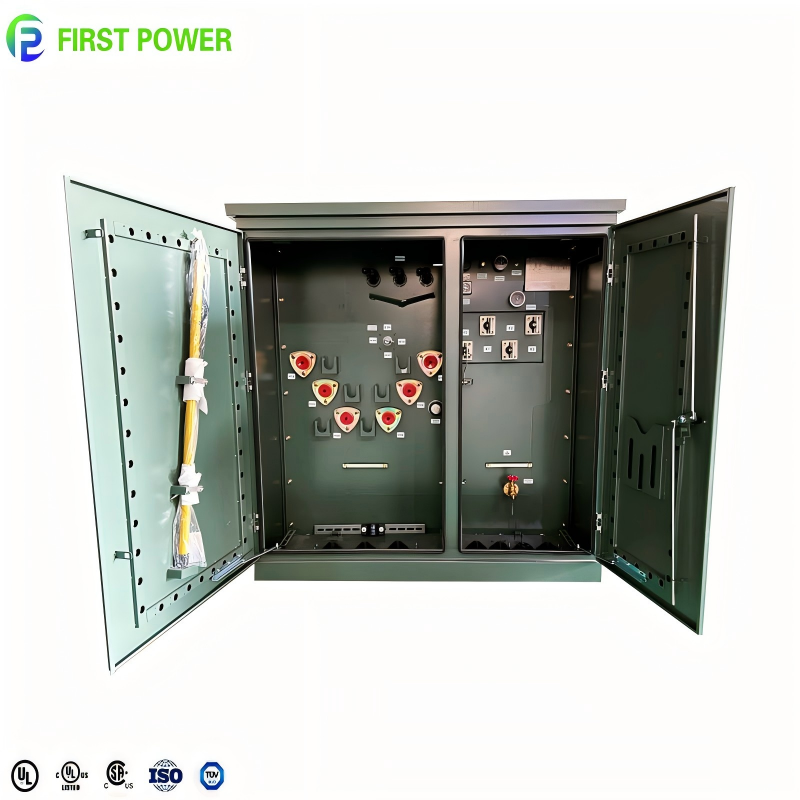
/C ZGS11 50/60HZ 75KVA-50000KVA 6KV 10KV 15KV 20KV 35KV Three Phase Pad Mounted Transformer for Electric Power Distribution
Suited to commercial estates, utility distribution nodes, and projects needing a broad 75 kVA to 50,000 kVA pad-mounted design envelope.
View product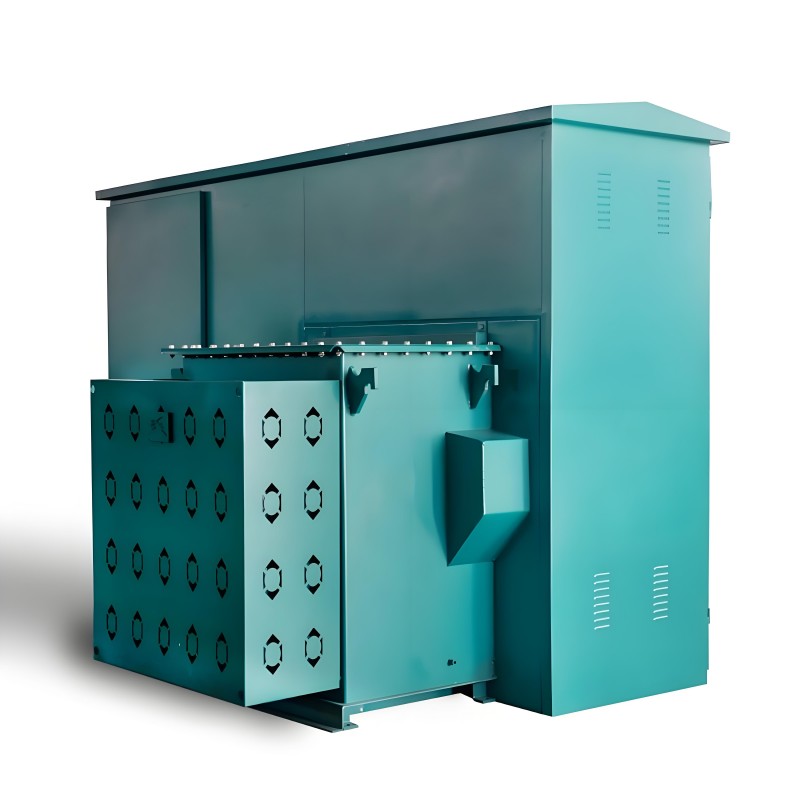
/C Certified Oil-Type Cooper 75-2500kva Pad Mounted Transformer 6kv-34.5kv 50/60hz Dead Front Three Phases
Recommended for sites where public safety, tamper resistance, and dead-front compartment design are important in accessible outdoor locations.
View product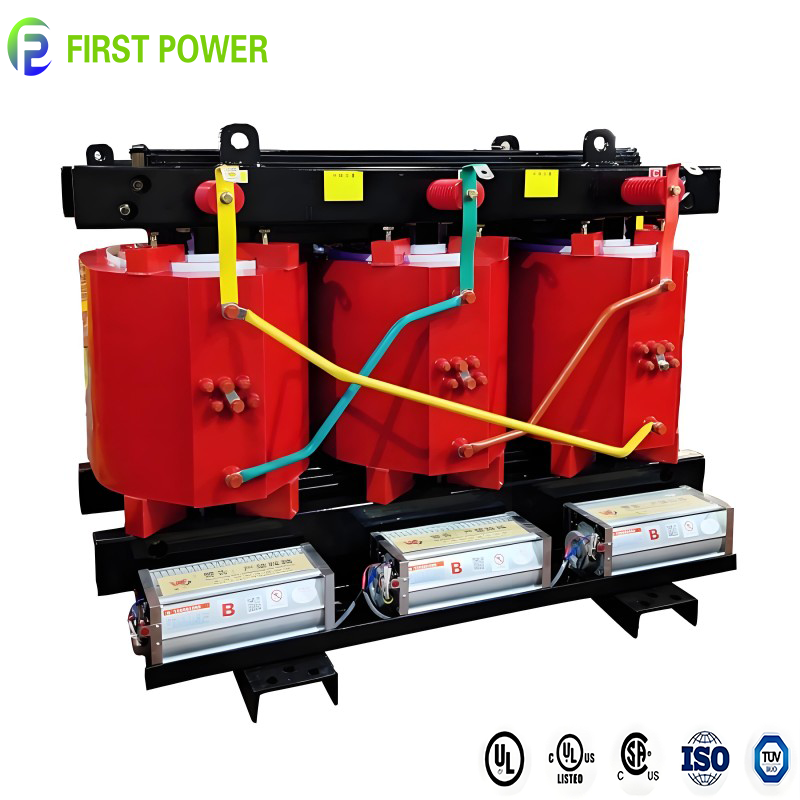
C CE Certification IEEE Standard 50/60HZ 5MVA 6MVA 6KV 35KV 3 Phase Dry Type Transformer for Electric Power Distribution
Useful for indoor electrical rooms, hospitals, high-rise basements, and fire-sensitive areas where an oil-free transformer route is preferred.
View product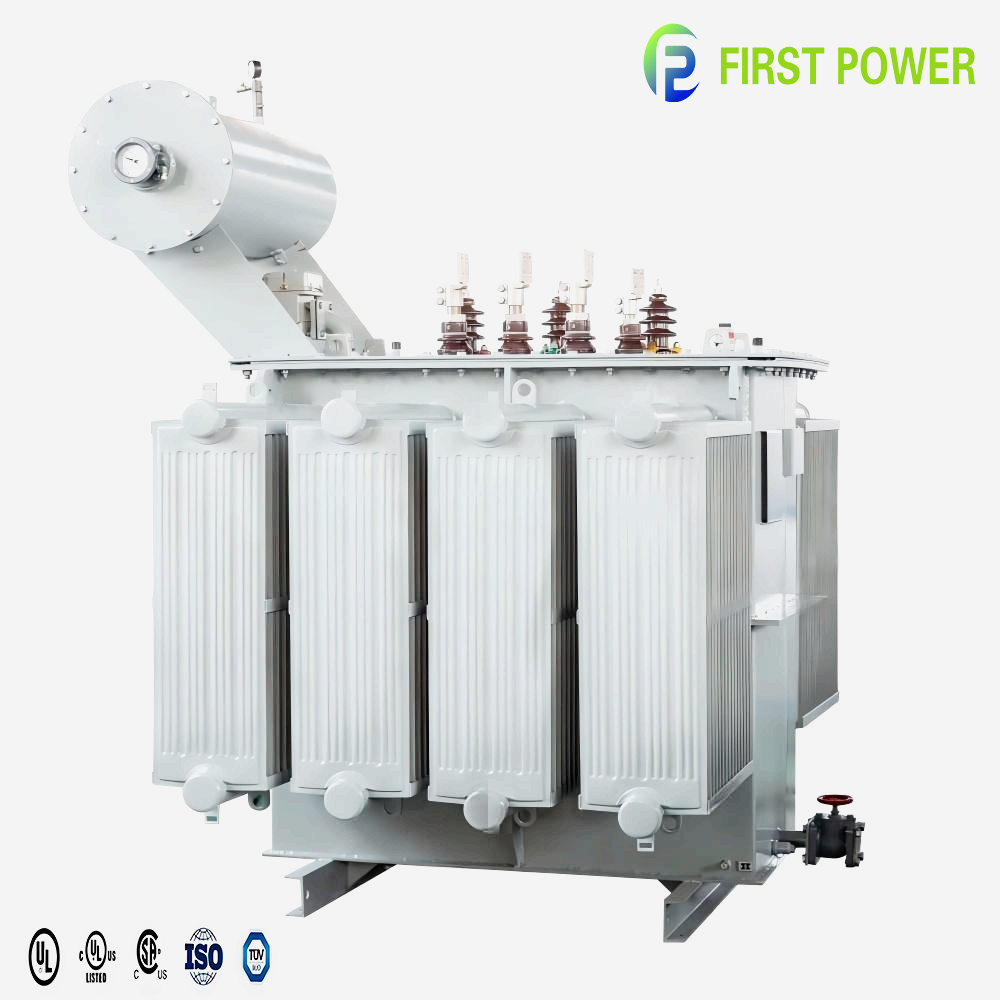
/C Certification 50/60HZ 6KV 10KV 20KV 35KV Three Phase 1000KVA 1MW Solar PV Transformers Oil Immersed for Power Generation
Recommended for rooftop solar, ground-mounted PV, and renewable interconnection studies where inverter harmonics and reverse power flow must be addressed.
View product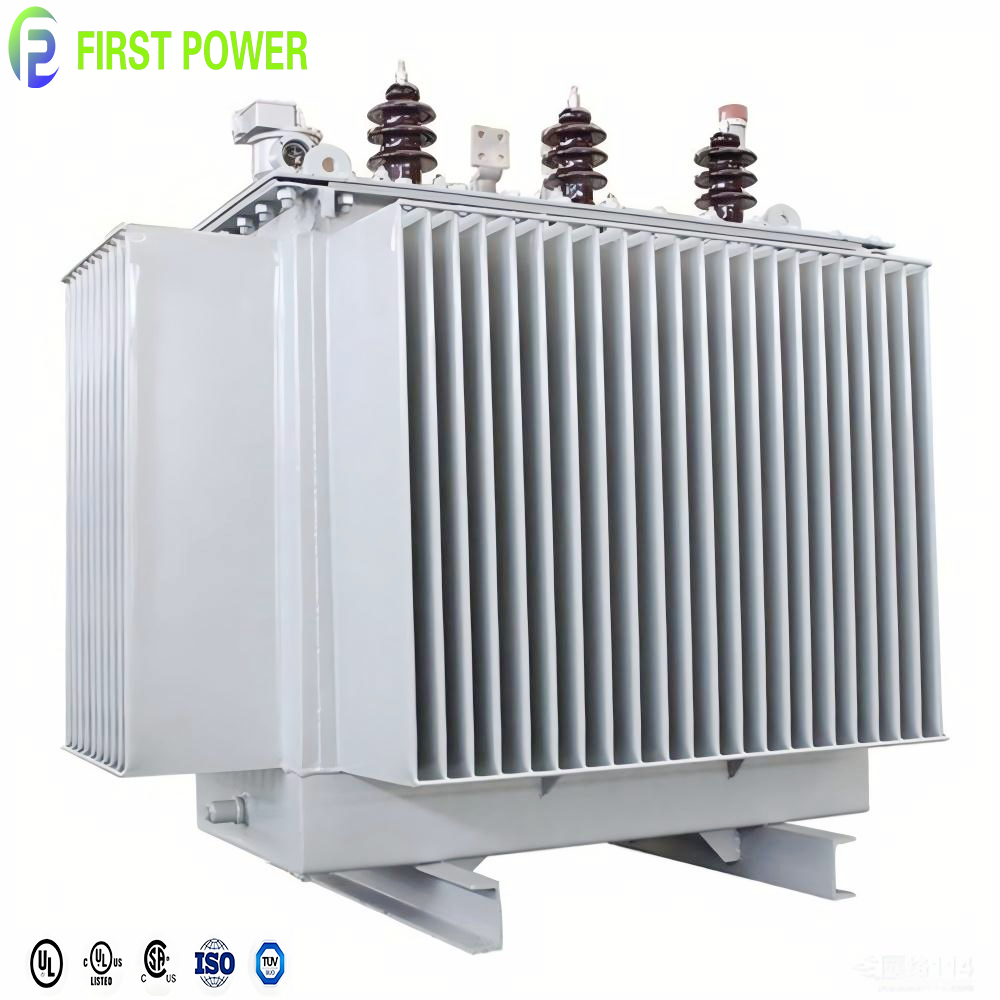
C CE MH&HV 50/60HZ 10KVA-50000KVA 10KV 15KV 20KV 35KV Three Phase S11 Oil Transformer for Electric Power Distribution
A flexible distribution route for factories, commercial buildings, and utility networks that need S11 three-phase oil transformer configurations.
View product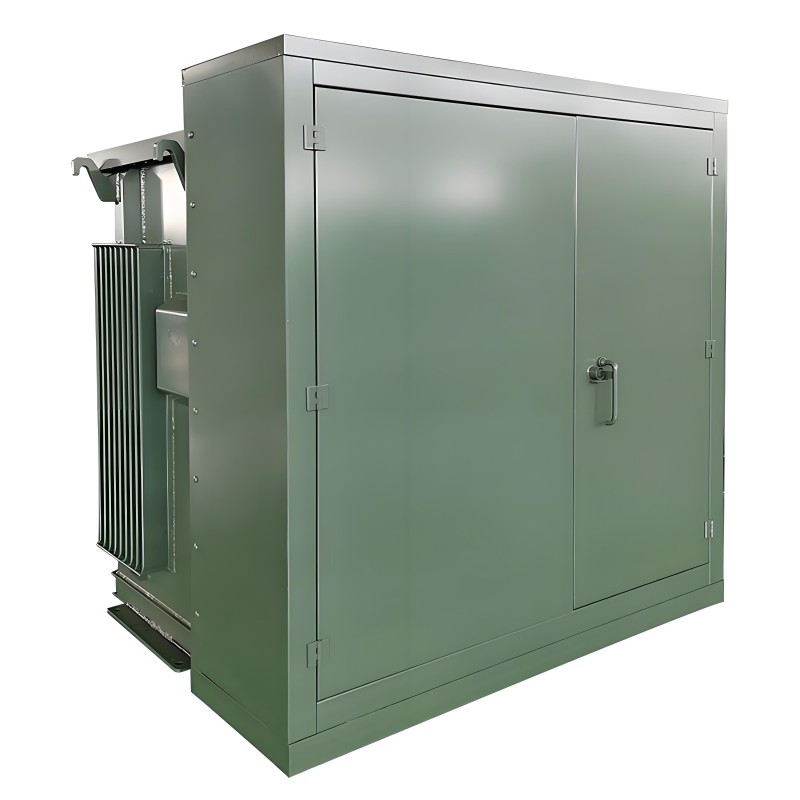
/C Certified 75-2500KVA Oil Type Three-Phase Pad-Mounted Transformer 480V Output Voltage 35KV Input Voltage 50/60HZ
Appropriate where 35 kV input and 480 V output are part of the distribution design, including commercial and light industrial facilities.
View productNot sure which route fits your Quezon City project? Send the single-line diagram, load schedule, voltage, frequency, and site conditions; the engineering team will return a compliant design direction.
Quezon City Buyers Need More Than a Price List
An oil-immersed transformer is part of a technical submission package: load study, fault level, protection coordination, utility interconnection forms, and the licensed electrical engineer's design. Supplier qualification should therefore be treated as an engineering exercise, not a catalogue search. The figures below summarize the manufacturing and support platform behind Wisegj's transformer offer.
Figures are drawn from the company profile and verification materials of Jiangsu Wisegj Power Co., Ltd. Project-specific capability should always be confirmed against the final datasheet and factory test plan.
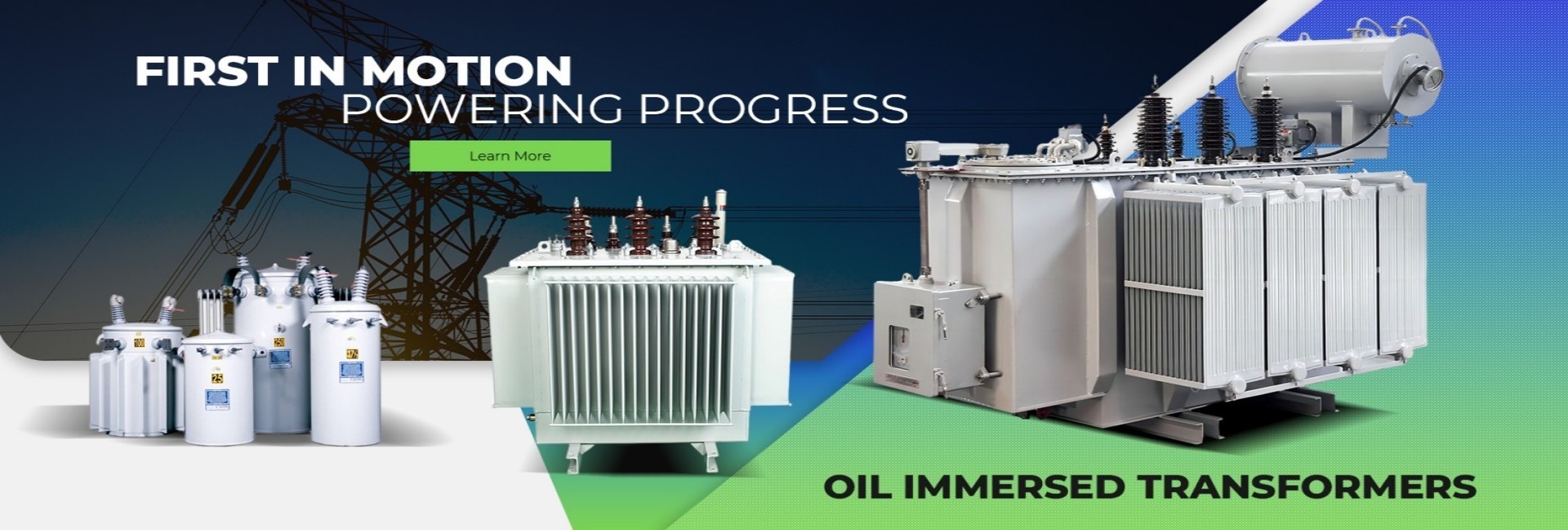
Why Oil-Immersed Transformers Still Fit Quezon City's Load Profile
Quezon City combines high-density commercial corridors, mixed-use redevelopment, residential subdivisions, institutional campuses, and logistics sites. The load profile is not uniform: a mall in Cubao, a high-rise along EDSA, a data-room expansion in Diliman, a hospital project, and a subdivision in Fairview may each require a different transformer route. Oil-immersed transformers remain a practical choice where outdoor pad space exists, high continuous loading is expected, and the project can accommodate liquid-filled equipment with the required fire, spill, and separation measures.
The insulating fluid supports heat transfer, while the sealed tank protects the core and windings from humid air and particulate contamination. For 60 Hz networks, design details such as flux density, loss evaluation, cooling class, tap range, impedance, and vector group need to be fixed at quotation stage, not after the purchase order. A transformer can be technically sound and still delay the project if the nameplate, drawings, or test report format do not match the submission package.
- Confirm the local distribution utility's voltage, protection, metering, and interconnection requirements before finalizing the design.
- Check ambient temperature, humidity, flood exposure, enclosure finish, and cable box orientation for the actual Quezon City site.
- Require routine test reports, GA drawings, nameplate drafts, and O&M documents in English for the project file.
Wisegj's engineering review covers primary and secondary voltage, frequency, rating, cooling, altitude, ambient conditions, impedance, vector group, fuse or breaker configuration, and the interface with the local distribution utility. Final acceptance and energization remain with the project's licensed electrical engineer, the distribution utility, and the inspecting authority.
Where Oil-Immersed Power Transformers Are Used in Quezon City
Use these application modules to test whether a supplier understands the site constraints behind the equipment, not only the kVA rating.
Mixed-Use and Retail Corridors
Projects in Cubao, North EDSA, and Eastwood often need compact outdoor equipment with underground feed, loop or radial switching, and clear cable compartment access. Oil-immersed pad-mounted units can fit where the site plan provides the required clearances and liquid containment measures.
Residential and High-Rise Estates
Subdivisions in Fairview, Novaliches, and Commonwealth may use single-phase or three-phase pad-mounted transformers to serve clustered loads. Noise, access, landscaping, and public safety are as important as loss evaluation, especially where equipment sits near walkways or parking areas.
Data Rooms, IT Parks, and Commercial Buildings
Data-sensitive facilities require redundancy planning, low-loss designs, harmonic consideration, and coordinated protection. The transformer must match the upstream switchgear and downstream distribution scheme, with test records and documentation ready for commissioning and insurance review.
Light Industry and Logistics
Balintawak, Novaliches, and nearby industrial corridors often have dust, vehicle movement, and high daytime load swings. Corrosion protection, cooling class, cable entry, and maintenance access should be defined early, particularly for outdoor oil-immersed installations.
Solar PV and EV Charging
Rooftop solar, carport PV, and EV charging hubs introduce reverse power flow, harmonics, and cycling loads. A solar PV transformer route should be reviewed against the inverter datasheet, protection settings, and the utility's interconnection requirements before the kVA rating is fixed.
Utility and Barangay Network Upgrades
Replacement and reinforcement projects often require the transformer to fit an existing pad, cable termination, and protection scheme. Accurate drawings and nameplate data reduce site modification work and help the project team coordinate with the local distribution utility.
What Is Changing in Quezon City Transformer Procurement
These trends are practical planning signals, not a guarantee of any individual project outcome. Confirm them against the tender documents and utility comments.
As commercial corridors redevelop, pad-mounted and compact equipment layouts are being reviewed earlier in the design process to preserve parking, pedestrian access, and landscape areas.
Energy cost is pushing buyers to compare no-load and load losses, not only the purchase price. A low-loss design can be justified when the transformer runs at high utilization for many years.
Heat, humidity, intense rainfall, and localized flooding influence enclosure finish, cable entry, elevation, oil containment, and maintenance access. These must be stated in the specification.
EV charging, rooftop solar, data rooms, and high-efficiency cooling systems are changing load shapes. Transformer impedance, harmonics, and thermal cycling deserve early review.
How to Choose the Right Transformer Type
Use this comparison as a shortlisting aid. Final selection should be signed off by the project's licensed electrical engineer and checked against the local distribution utility's current requirements.
| Transformer Route | Typical Quezon City Use | Typical Range | Why It Fits | Verify Before Order |
|---|---|---|---|---|
| Oil-Immersed Three-Phase Distribution | Commercial buildings, industrial compounds, utility distribution upgrades | 30–2,500 kVA; 6–35 kV class | Efficient heat transfer, proven outdoor service, broad protection options | Loss limits, vector group, impedance, cooling, oil containment, utility interface |
| Single-Phase Pad-Mounted | Residential subdivisions, small commercial loops | 10–250 kVA | Compact footprint and familiar underground residential distribution practice | Secondary voltage, fuse coordination, pad layout, public safety clearances |
| Three-Phase Pad-Mounted Dead-Front | Accessible commercial sites, mixed-use estates, renewable projects | 75–5,000 kVA; up to 34.5 kV | Tamper-resistant arrangement and clean cable compartment interface | Dead-front configuration, loop/radial feed, enclosure finish, cable box orientation |
| Solar PV Oil-Immersed | Rooftop PV, ground-mounted solar, EV charging hubs | Project-specific; commonly 1 MVA class and above | Supports renewable interconnection and inverter interface requirements | Reverse power, harmonics, protection, inverter datasheet, utility interconnection review |
| Dry-Type Cast Resin | Indoor electrical rooms, hospitals, high-rise basements, fire-sensitive areas | 30–2,500 kVA; up to 35 kV | Oil-free installation and reduced fire-liquid concerns indoors | Temperature rise, IP rating, fan cooling, room ventilation, noise |
| Power Transformer | Utility substations, large industrial plants, generation interconnection | 35–500 kV class | High-voltage transmission and step-up/step-down duty | Short-circuit strength, OLTC/NLTC, cooling, transport limits, test plan |
How to Compare Oil-Immersed Power Transformer Suppliers in Quezon City
The search phrase "supplier & suppliers" usually signals a buyer building a shortlist. At that stage, the most useful information is evidence that the supplier can control the parameters affecting approval, total cost, and downtime.
Verified Production Capacity
Jiangsu Wisegj Power Co., Ltd. operates a verified 6,847 m² production base covering winding, core assembly, drying, tanking, and testing. Capacity should always be matched to the specific rating and delivery window.
In-House Routine Testing
Each unit receives routine tests such as winding resistance, ratio and vector group, impedance and load loss, no-load loss and current, applied and induced voltage withstand, plus oil dielectric testing for liquid-filled units. Third-party witness inspection is welcome.
Engineer-Led Customization
More than 50 R&D and technical engineers support OEM, ODM, design-based, and sample-based customization, including ratings, vector group, impedance, tap range, bushings, cooling, insulating fluid, enclosure color, and nameplate language.
Certified Management Systems
Production runs under ISO 9001, ISO 14001, and ISO 45001 management systems. Product lines hold CE certificates for oil-immersed transformers, dry-type transformers, and compact substations, with third-party verification available for review.
Export and Delivery Support
Seaworthy packing, shock indicators, and full Incoterms coverage from EXW to DDP are available. For Quezon City buyers, delivery planning usually combines ocean freight to Manila, customs clearance, and inland delivery to the project site.
Documentation and Response
GA drawings, nameplate drafts, test reports, and O&M manuals are supplied in English. The export and engineering team targets a qualified response within one working day for technical questions and after-sales issues.
Certificates and Documents That Shorten Project Review
Certificate numbers can be checked directly with the issuing bodies. Always match the certificate scope to the actual product type, rating, and standard required by the Quezon City project.
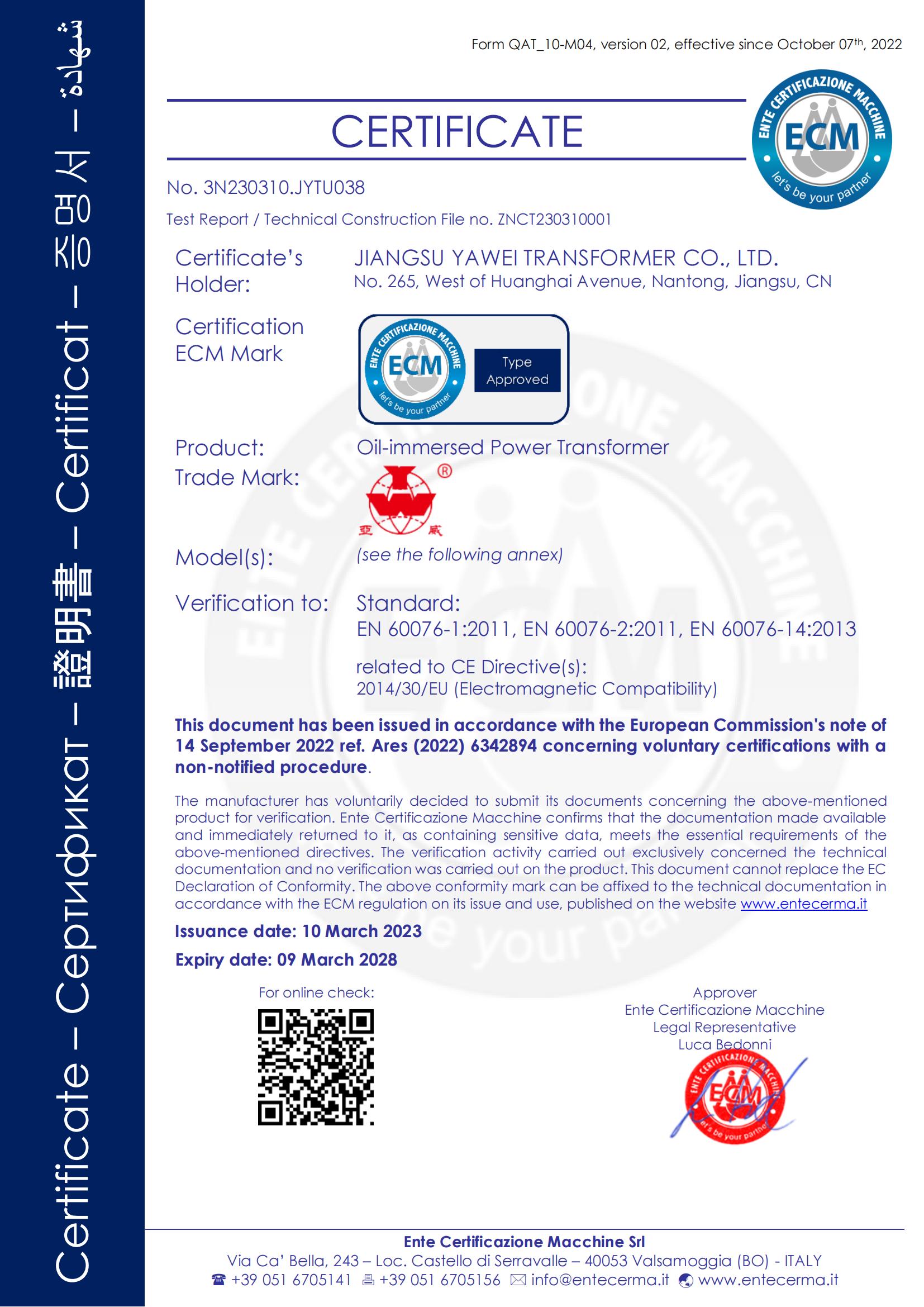
CE · Oil-Immersed Power Transformer
Certificate No. 3N230310.JYTU038 · 2023–2028
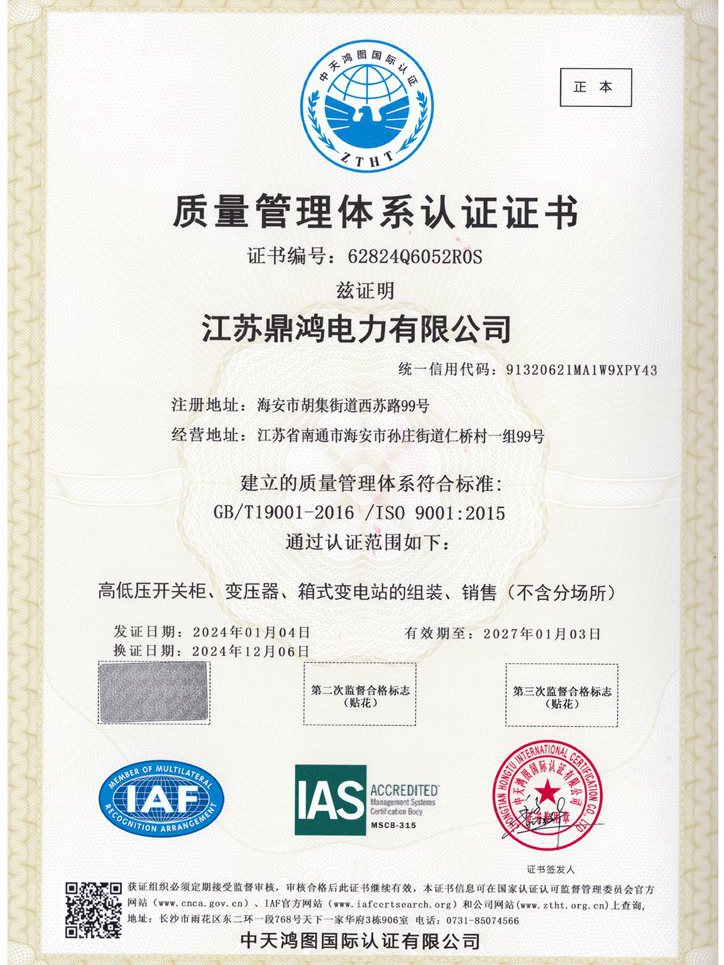
ISO 9001 Quality Management
Certificate No. 62824Q6052R0S · valid through 2027
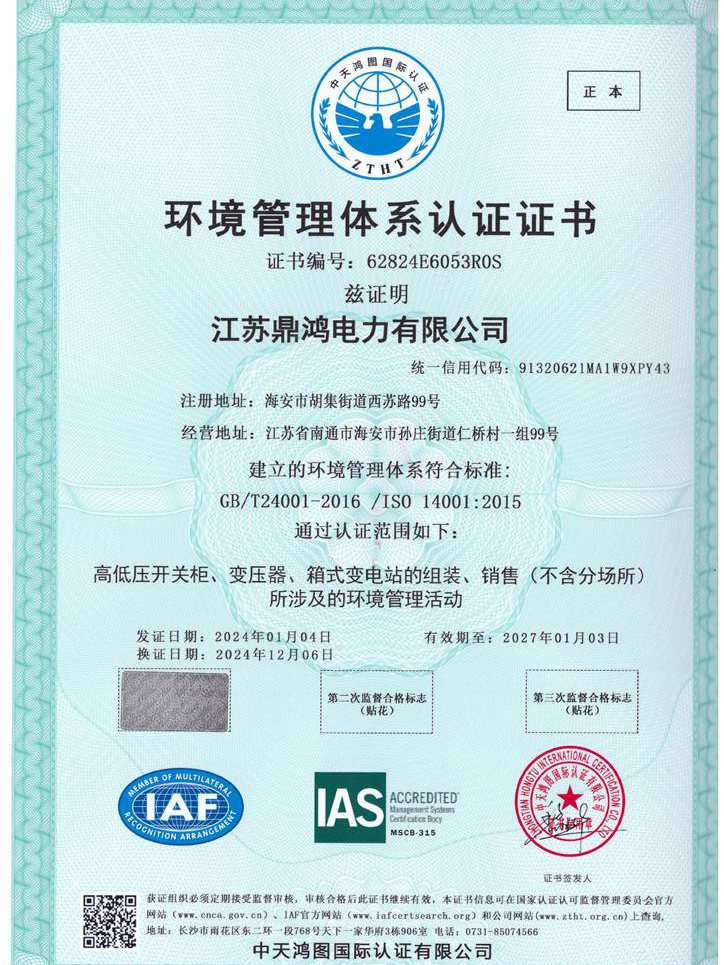
ISO 14001 Environmental Management
Certificate No. 62824E6053R0S · valid through 2027
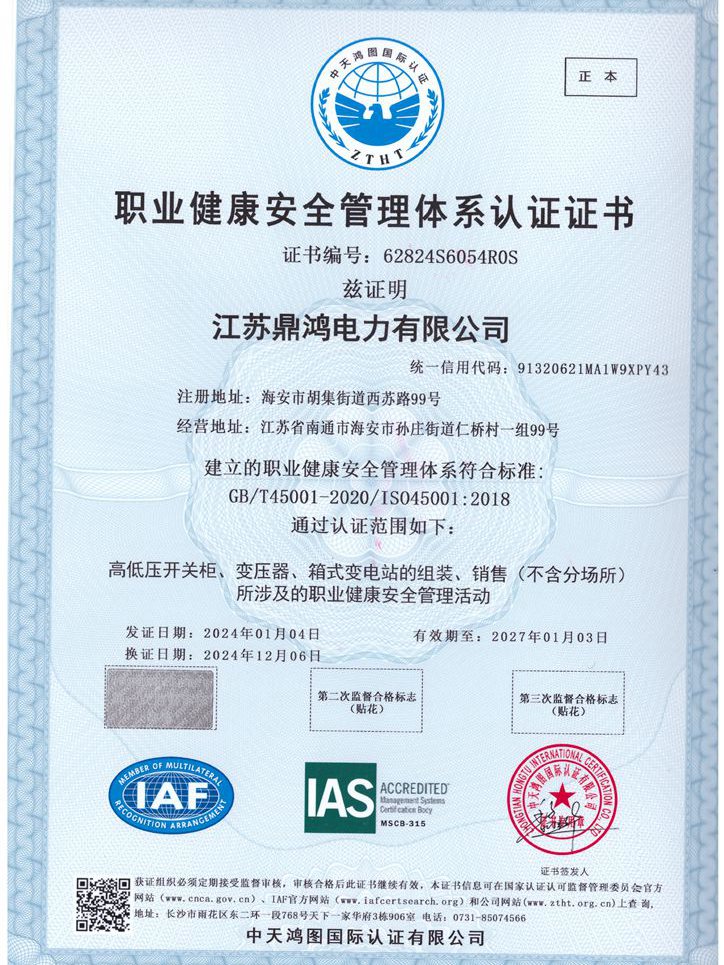
ISO 45001 Health & Safety
Certificate No. 62824S6054R0S · valid through 2027
For project submittals, request the certificate scope, valid dates, product type, and nameplate details together with the routine test plan. Do not rely on a logo alone.
From Inquiry to Shipment: A Practical Quezon City Buying Path
A structured intake reduces quotation cycles and prevents costly design changes after the drawings are approved.
Technical Intake
Share the single-line diagram, load schedule, primary and secondary voltage, frequency, rating, vector group, impedance, site conditions, and target delivery date.
Design and Quotation
The engineering team reviews the specification, proposes a compliant configuration, and states guaranteed losses, scope, documentation, and commercial terms.
Drawing Approval and Production
GA drawing, nameplate draft, test plan, and key interfaces are confirmed before production. In-process QC records are maintained through winding, drying, and tanking.
Testing, Packing, and Delivery
Routine test reports are compiled, the unit is packed for export, and shipping documents are prepared. Third-party witness testing can be arranged when required.
Common Procurement Questions from Quezon City Buyers
These answers reflect typical technical and commercial review points. Project-specific requirements always take priority.
Are your oil-immersed transformers suitable for 60 Hz and Quezon City utility requirements?
What voltage and capacity range can Wisegj supply?
Which factory tests are performed before shipment?
Can you deliver to Quezon City and handle export documents?
How do tropical heat, humidity, flooding, and salt air affect the design?
What is the typical lead time, and can delivery be expedited?
Can you customize vector group, impedance, taps, bushings, enclosure, and nameplate?
What documentation, warranty, and after-sales support are provided?
Have a Quezon City Transformer Specification Ready for Review?
Send the datasheet, single-line diagram, load schedule, voltage, frequency, site conditions, and target delivery date. The engineering and export team will review the requirements and respond with a practical transformer route — not a generic catalogue reply.
Send an Inquiry Prepared by Jiangsu Wisegj Power Co., Ltd. — transformer engineering and export support for Quezon City and wider Metro Manila projects.