OEM/ODM Modular Substation Factories & Factory serving Phuket
Engineer-led modular substations, pad-mounted transformers, dry-type and oil-immersed distribution equipment for Phuket’s resort, marina, island and utility projects — reviewed, customized and routine-tested before shipment.
Eight Transformer & Substation Products for Phuket Modular Projects
The catalog items below are presented with their original product links and uncropped product images. For modular substation packages, these transformer families can be combined with MV switchgear, LV distribution, protection and monitoring into an OEM/ODM factory-built enclosure.
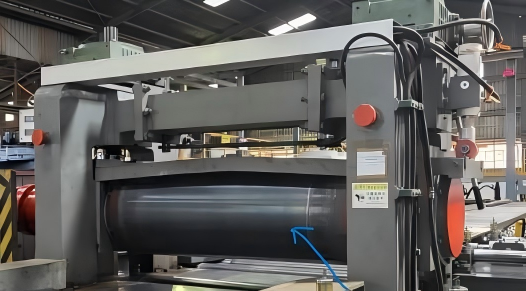
MAIN ROLLER D
Heavy-duty roller catalog item for factory review where modular substation handling, enclosure mobility or site assembly logistics require a verified mechanical component. Confirm load ratings and mounting drawings with the project engineer.
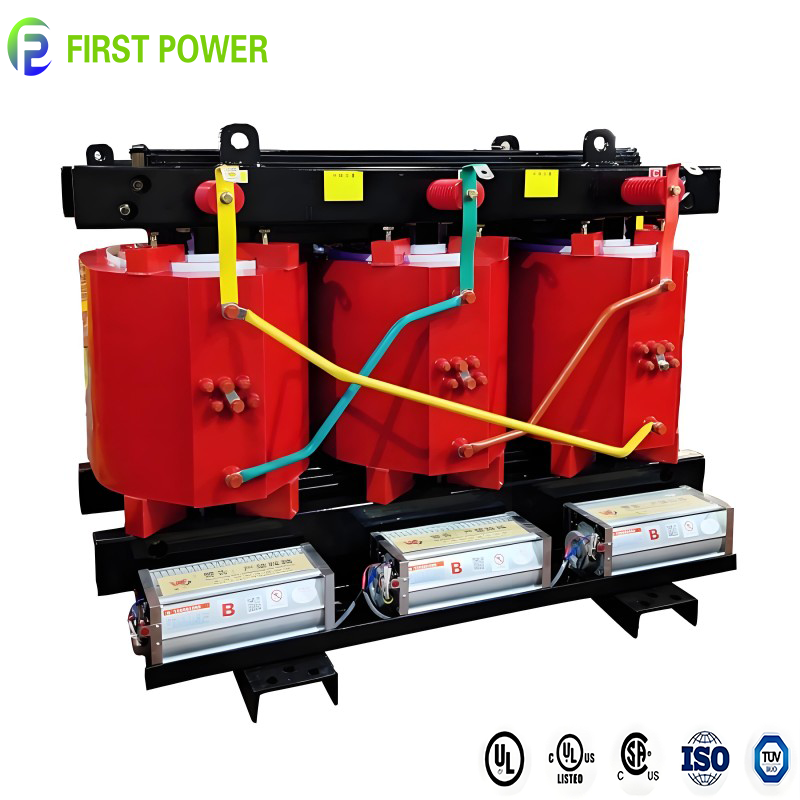
C CE Certification IEEE Standard 50/60HZ 5MVA 6MVA 6KV 35KV 3 Phase Dry Type Transformer for Electric Power Distribution
Oil-free dry-type distribution transformer option for indoor electrical rooms, hotel back-of-house areas and mixed-use developments where fire safety and minimal maintenance are priorities.
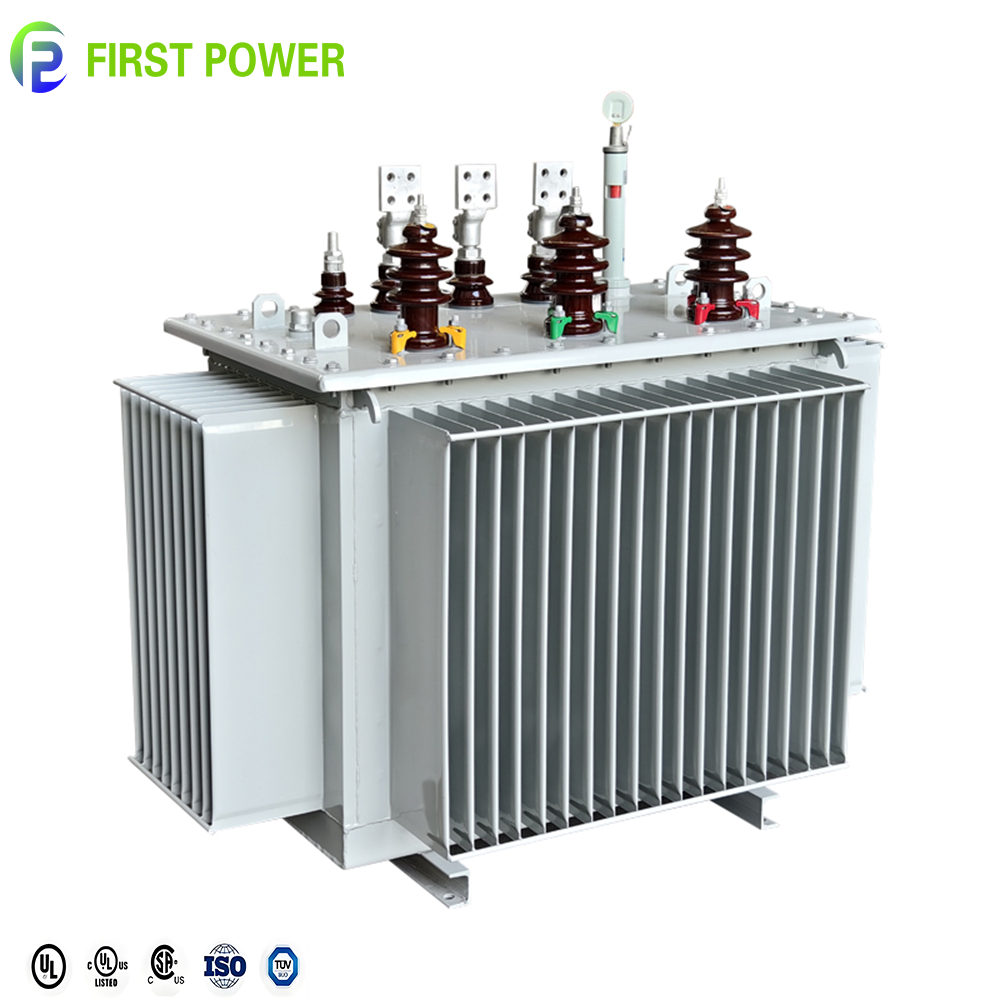
C CE 50/60HZ 6KV 10KV 15KV 20KV 35KV 100KVA 200KVA 300KVA 500KVA 220V Output Voltage Step up Oil Transformer for Industrial
Oil-immersed step-up transformer for industrial loads, generator interfacing and renewable-energy collection systems. Ratings and voltages are confirmed against the Phuket project’s single-line diagram.
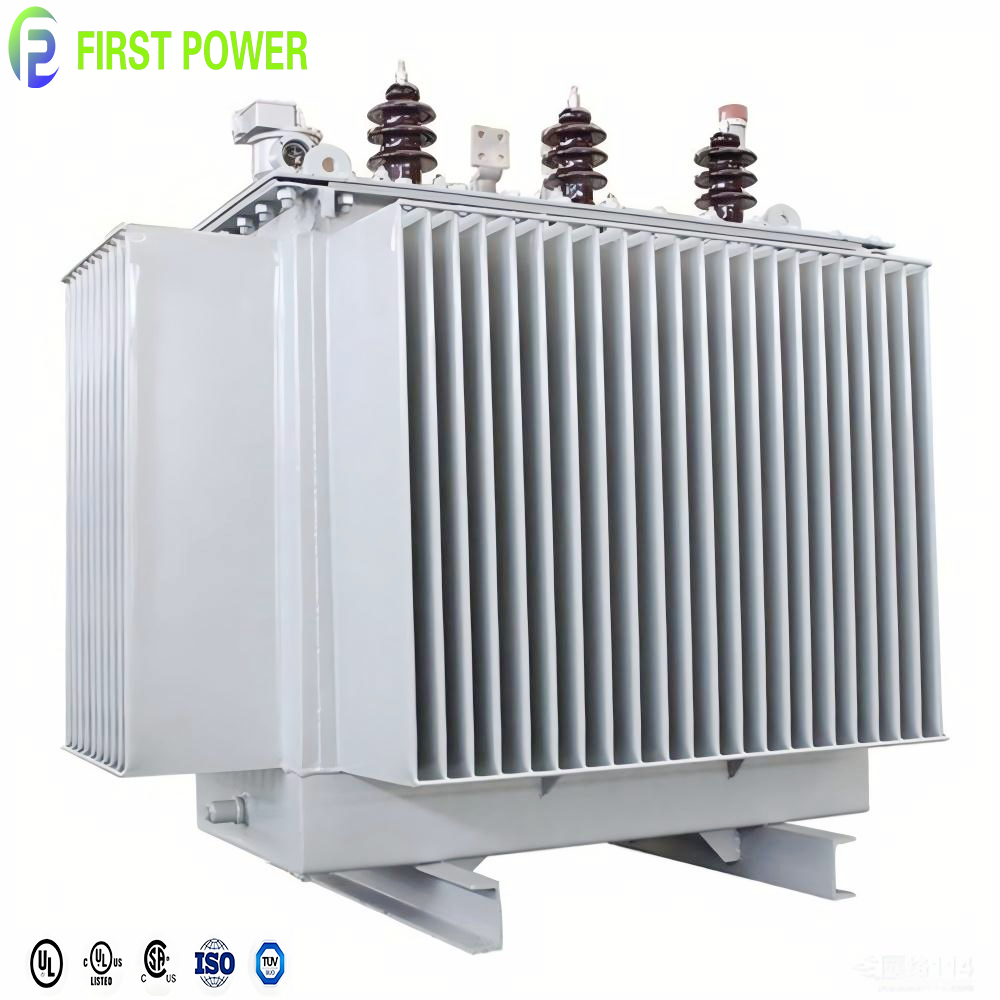
C CE MH&HV 50/60HZ 10KVA-50000KVA 10KV 15KV 20KV 35KV Three Phase S11 Oil Transformer for Electric Power Distribution
S11 three-phase oil transformer family for distribution networks, commercial compounds and utility reinforcement. Low-loss core options and coastal protection packages can be specified.
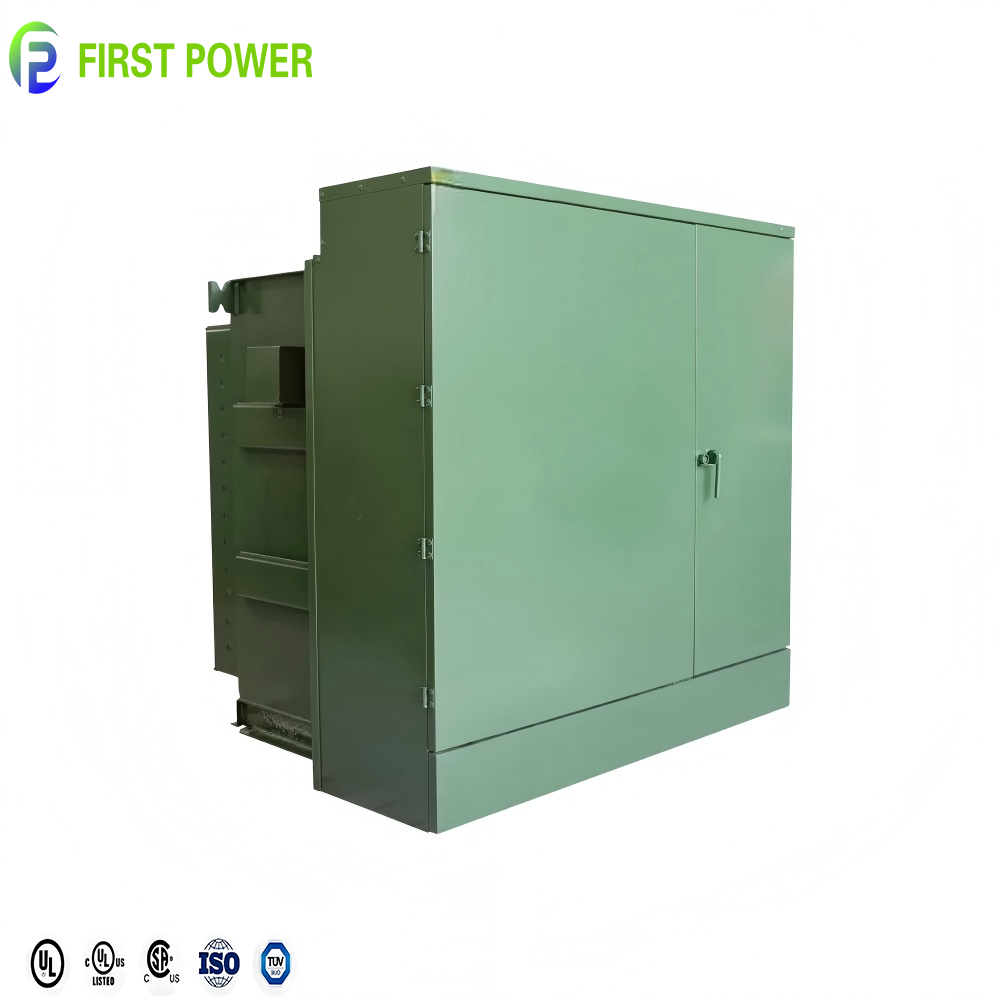
C CE 50/60HZ 10KV 20KV 35KV 300KVA 500KVA 630KVA 750KVA Three Phase Pad Mounted Transformer for Electric Power Distribution
Pad-mounted distribution transformer for underground feed, commercial campuses, resort compounds and marina infrastructure. Tamper-resistant enclosures and loop-feed arrangements support phased development.
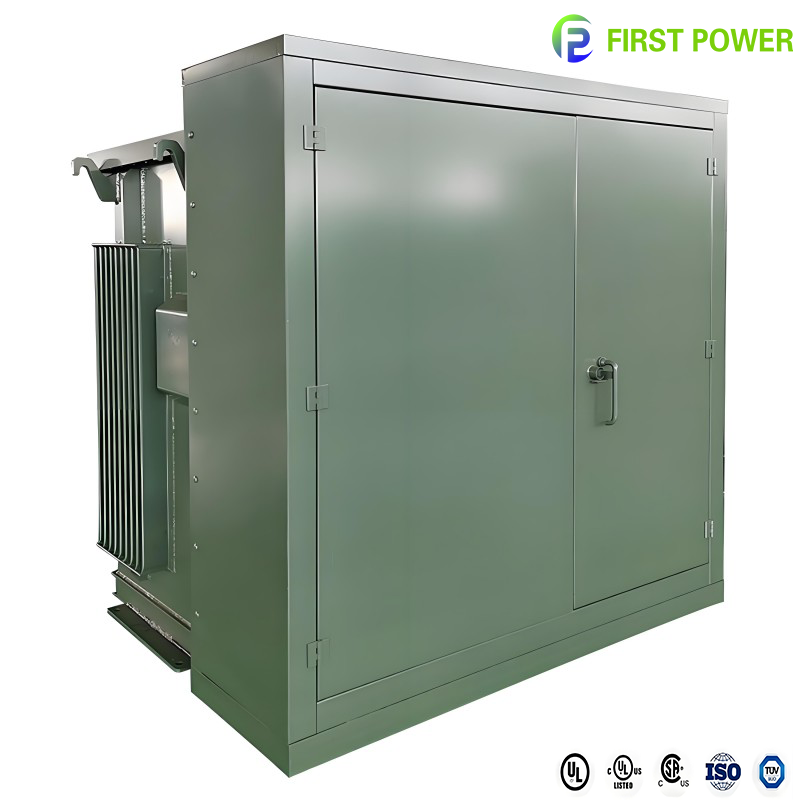
C CE 50/60HZ 10KV 20KV 35KV 75KVA 100KVA 200KVA 300KVA 400KVA 3 Phase Oil Type Pad Mounted Transformer for Power Generation
Oil-type pad-mounted transformer for power generation, distributed energy and commercial distribution. Enclosure color, ventilation, corrosion class and nameplate language can be customized.
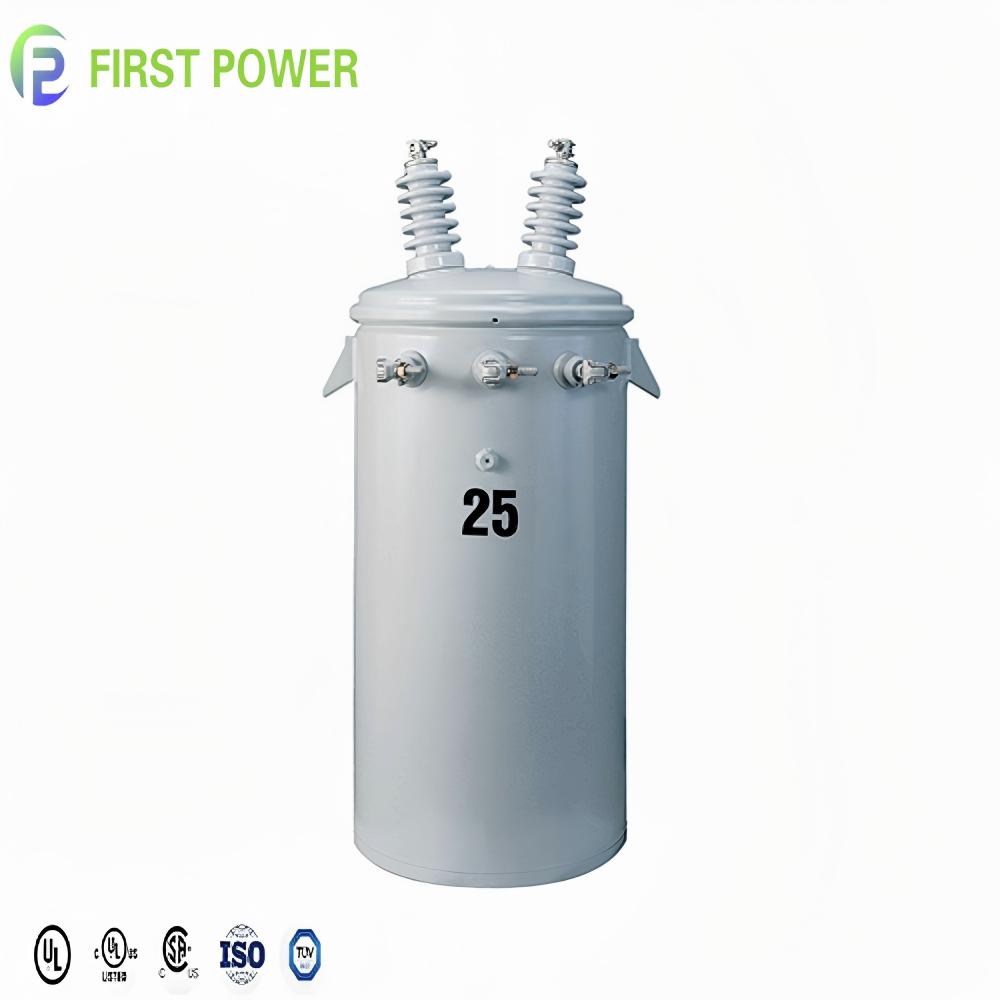
C CE Certification MV&HV 50/60HZ 6KV 10KV 20KV 35KV 25KVA Single Phase Transformer Price for Electric Power Distribution
Single-phase MV/HV transformer option for smaller loads, phased upgrades and localized distribution. Useful where three-phase service is not yet justified or where compact single-phase feeders are preferred.
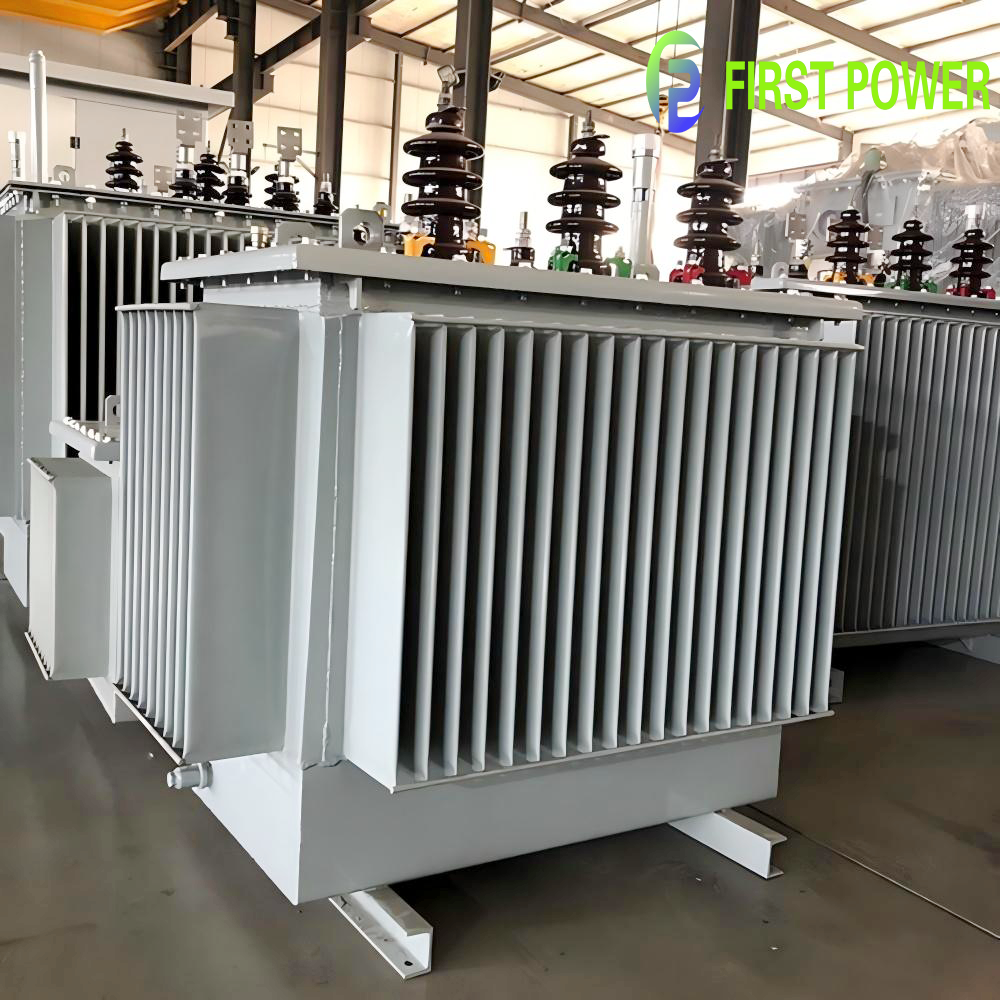
C CE MV&HV S11 50/60HZ 10KV 20KV 35KV Three Phase Oil Immersed 50KVA Transformer for Electric Power Distribution
Compact S11 oil-immersed distribution transformer for low-capacity feeders, island networks, remote resort loads and utility reinforcement where transport and footprint are constrained.
Why Phuket Needs an OEM/ODM Modular Substation Factory, Not a Generic Box Seller
Modular substations are not simply transformers inside an enclosure. In Phuket, success depends on corrosion protection, flood-aware siting, compact footprints, utility coordination, guest-facing aesthetics and a factory that can document every design decision.
Phuket’s electrical load is not a single profile. Patong, Kata, Laguna and Cherng Talay have different daily peaks. Marinas and yacht facilities demand corrosion-resistant hardware and intelligent drainage details. Old Town commercial buildings and hillside villas often have constrained footprints. Hospitals, data rooms and island microgrids need resiliency beyond first cost. A factory-direct OEM/ODM modular substation partner gives developers, EPC contractors and local electrical contractors one accountable source for the transformer, MV switchgear, LV distribution, protection, enclosure and documentation.
Jiangsu Wisegj Power Co., Ltd. works from a verified production base with ISO 9001, ISO 14001 and ISO 45001 systems, CE-certified product lines and third-party onsite verification by TÜV Rheinland. The value is not only the equipment itself; it is the ability to convert a Phuket project brief into drawings, guaranteed losses, test reports and shipment documents that procurement teams can audit.
For a Phuket buyer, this matters because the procurement decision rarely ends with a kVA rating. It includes salt-spray exposure, monsoon rain, utility review, guest noise expectations, landscape integration, fire strategy, spare-parts planning and future expansion. A factory that routinely handles OEM/ODM work can align these variables before production begins, reducing site rework and late-stage change orders.
Where Modular Substations Fit Across Phuket
Phuket’s mix of international resorts, marine activity, protected urban areas, hillside development and island logistics creates a wide range of equipment requirements. The scenarios below are common starting points for a factory design review.
Beachfront Resorts and Branded Residences
Compact substations with low-noise transformers, corrosion-protected enclosures and landscaping-friendly colors can serve guest areas without creating an industrial visual impact. Dry-type or sealed oil-immersed options are selected according to fire strategy and location.
Marinas and Yacht Service Yards
Salt air, washdown water and intermittent heavy loads make enclosure detailing critical. Pad-mounted transformers with C4/C5-M paint systems, stainless fasteners, sealed gaskets and optional anti-condensation heaters are more suitable than generic outdoor cabinets.
Old Town Commercial and Boutique Hotels
Site access can be tight and visual impact matters. A factory-built modular substation reduces onsite civil work and coordination time. Where equipment must sit close to occupied areas, low-loss transformers and acoustic review help manage night-time noise.
Hillside Villas and Island Microgrids
Transport weight, lifting points, enclosure dimensions and spare-parts logistics often drive the design. Single-phase and compact three-phase transformer options can support phased development without overbuilding the first phase.
Hospitals, Data Rooms and Retail Continuity
Where downtime is expensive, the modular substation should be specified with clear protection coordination, condition monitoring options, test documentation and a maintenance plan. Dry-type transformers are often favored indoors for fire safety.
Solar, EV Charging and Grid Interconnection
Rooftop solar, carport PV, battery storage and EV charging introduce new load profiles. Step-up transformers and compact substations can be configured with the metering, protection and ventilation required by the project’s interconnection review.
What Phuket Procurement Teams Are Prioritizing Now
The direction is clear: less onsite improvisation, more factory-controlled integration, stronger corrosion protection and better lifecycle documentation. These trends are especially visible in resort renovation, marina expansion and mixed-use electrification.
Flood and Monsoon Resilience
Planners increasingly ask for raised plinths, sealed cable entries, drainage details and corrosion packages that reflect actual site exposure rather than a generic outdoor rating.
Energy Efficiency and Net-Zero Goals
Loss evaluation is moving earlier into the decision process. Low-loss cores, optimized impedance and lifecycle cost comparison help owners balance capital cost against long-term operating cost.
Prefabrication and Faster Site Work
Factory-assembled skids and enclosures reduce the number of trades on constrained Phuket sites. Testing before shipment also shortens commissioning and lowers weather-related delay risk.
Guest-Facing Aesthetic Integration
Enclosure color, screening, compact proportions and low-noise equipment are now part of the design brief in resort and residential zones, not an afterthought.
Condition Monitoring Readiness
Temperature, partial discharge, fan status and protection-event data can be prepared for remote monitoring, helping operators plan maintenance before a fault affects guests or revenue.
Modular Expansion and Brand Customization
Developers with phased resorts or multi-property portfolios increasingly request OEM/ODM consistency: the same enclosure language, nameplate format, protection philosophy and spare-parts strategy across projects.
Illustrative Technical Weighting for a Phuket Resort / Mixed-Use RFQ
This chart is an engineering planning example, not statistical market data. It shows how a coastal, guest-facing project may weigh technical priorities before commercial comparison.
Factory Advantages Phuket Buyers Can Verify
E-E-A-T in industrial procurement is built on evidence: who reviewed the design, what was tested, which certificate applies and how the shipment will be documented. These are the factory capabilities behind the product catalog.
Verified Factory Capacity
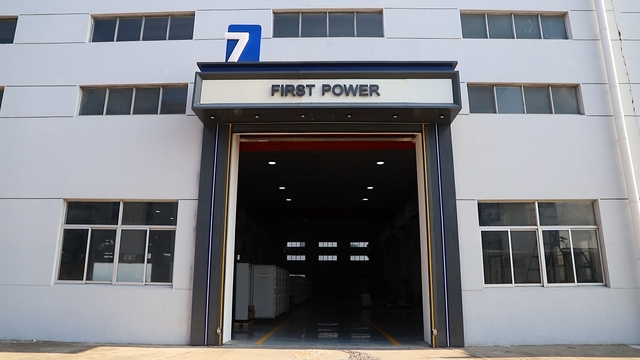
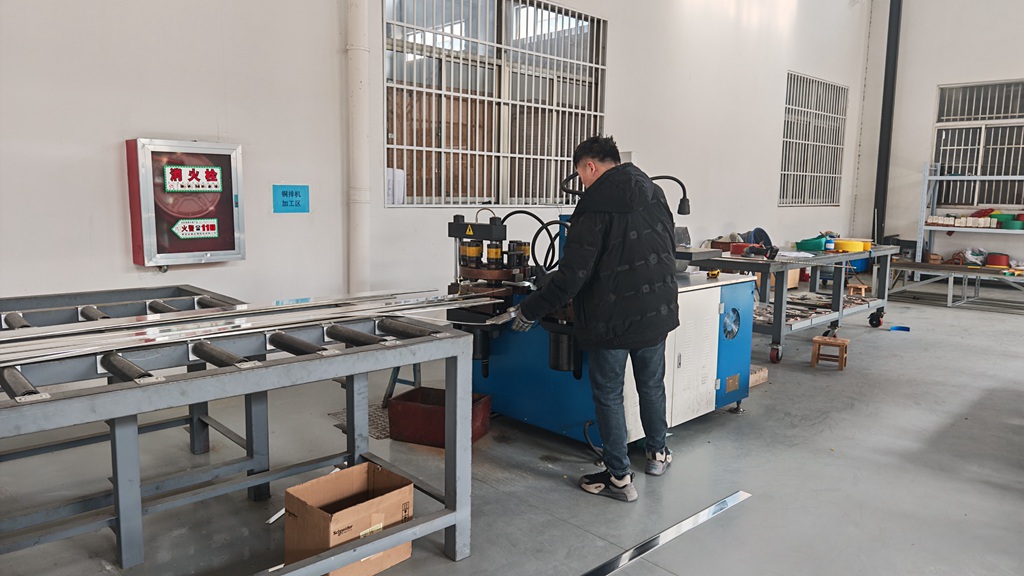
6,847 m² of production floorspace inspected onsite by TÜV Rheinland, with dedicated areas for winding, core assembly, drying, tanking and testing.
Certified Management Systems
ISO 9001, ISO 14001 and ISO 45001 systems support consistent quality, environmental control and occupational safety through the production cycle.
50+ Engineers and 20+ Years
R&D and technical support teams review ratings, vector groups, impedance, thermal performance, corrosion class and site conditions before quotation.
OEM / ODM Customization
Ratings, enclosure color, nameplate language, bushing configuration, cooling method, tap range, insulating fluid and documentation format can be adapted to project requirements.
Routine Factory Testing
Winding resistance, ratio and vector group, impedance and load loss, no-load loss and current, applied and induced voltage tests, plus oil dielectric testing for liquid-filled units.
211 Qualified Supply Partners
A managed supply chain for silicon steel, copper, bushings, insulation materials and accessories supports stable lead times and traceable component sourcing.
Export Logistics
Seaworthy packing, shock indicators, lifting plans and Incoterms from EXW to DDP support delivery to Thailand and onward project sites.
24-Hour Engineer Response
Technical questions and after-sales issues receive a qualified response within one working day. Buyer rating averages 4.9/5, and the factory serves Fortune 500 companies.
Certificates, Testing and Factory Review
For a Phuket project, the factory audit trail should be available before the purchase order, not after a problem appears. The production base is verified by TÜV Rheinland, and certificate numbers can be checked directly with the issuing bodies.
Certification covers CE for oil-immersed power transformers, oil-immersed transformers, dry-type transformers, compact substations and switchgear, supported by ISO 9001, ISO 14001 and ISO 45001 management systems. Each unit receives routine tests before shipment, and third-party witness inspection can be arranged when the project requires it.
Matching Equipment to Phuket Site Conditions
Use this matrix as an early-stage shortlisting tool. Final selection should follow the project’s single-line diagram, utility requirements, flood level, fire strategy and lifecycle cost review.
| Site Scenario | Recommended Product Family | Why It Fits | Phuket Planning Check |
|---|---|---|---|
| Beach resort or branded residence | Compact substation with dry-type or sealed oil-immersed transformer | Factory-integrated MV/LV package, compact footprint, low-noise options and enclosure color customization | Corrosion class, landscape screening, fire strategy, noise at guest areas and maintenance access |
| Underground commercial compound or marina | Three-phase pad-mounted transformer | Tamper-resistant enclosure, underground cable feed, loop or radial configuration and sealed connections | Flood plinth height, drainage, salt-spray protection, cable termination and lifting access |
| Indoor hotel electrical room | Cast-resin dry-type transformer | Oil-free operation, reduced fire load, clean installation and straightforward indoor maintenance | Heat rejection, ventilation, acoustic level, room layout and cable routing |
| Island microgrid or phased villa development | Single-phase transformer or compact S11 oil-immersed transformer | Right-sized first phase, manageable transport weight and scalable upgrade path | Boat or road transport limits, humidity, spare-parts plan and future three-phase conversion |
| Solar, EV charging or generator interconnection | Step-up oil transformer or compact substation | Voltage transformation, protection coordination, metering and renewable project integration | 50 Hz configuration, utility interconnection review, reverse power protection and ventilation |
| Utility distribution reinforcement | S11 three-phase oil-immersed distribution transformer | Low-loss core options, proven distribution design and broad rating coverage | PEA/MEA project requirements, loss evaluation, impedance, tap range and nameplate standard |
Note: Product families shown are typical starting points. Wisegj supports design-based, sample-based and fully OEM/ODM customization, including ratings, vector group, impedance, taps, bushings, cooling, insulating fluid, enclosure color and nameplate language.
What to Send for a Fast, Compliant Phuket Quotation
Sharing complete technical data reduces clarification rounds and helps the factory return a design that matches the site, utility and commercial requirements.
Technical data checklist
For a modular substation or transformer inquiry, include the following where available. For early-stage projects, a single-line diagram and load estimate are enough to begin the engineering review.
Project-specific review
Phuket projects should also state flood level, salt-spray exposure, transport route constraints, acoustic limits near guest areas, preferred enclosure color and whether future expansion should be reserved.
Engineers review the data before quotation, prepare GA drawings and nameplate drafts for confirmation, then release production only after the technical and commercial details are aligned.
FAQ for Phuket Buyers: OEM/ODM Modular Substation Procurement
Common questions from local developers, electrical contractors, EPC teams and procurement departments comparing factory-direct modular substation options.
Can you provide OEM/ODM modular substations under our own brand for Phuket projects?
Yes. OEM, ODM, design-based and sample-based customization are available. The factory can adapt ratings, vector group, impedance, tap range, bushing configuration, cooling method, insulating fluid, enclosure color, protection scheme, nameplate language and documentation format. This allows developers and contractors to maintain a consistent brand and technical standard across multiple Phuket properties.
What voltage and frequency should be specified for Phuket?
Thailand operates at 50 Hz. Low-voltage distribution is commonly 230/400 V, while medium-voltage project requirements vary by utility and site. A Phuket inquiry should state the utility’s required primary voltage, secondary voltage, transformer rating, vector group, impedance and tap range. The factory then confirms the design against the project’s single-line diagram and applicable IEC or IEEE standards.
How do you protect equipment from Phuket’s salt air and monsoon humidity?
Corrosion protection should be specified according to exposure. Typical measures include C4 or C5-M paint systems, hot-dip galvanized or stainless hardware, sealed gaskets, IP-rated enclosures, anti-condensation heaters, drainage details and raised plinths. For oil-immersed units, the tank, radiator and paint system should be reviewed together. For indoor rooms, ventilation and humidity control are equally important.
Can a modular substation combine MV switchgear, transformer and LV distribution in one enclosure?
Yes. A factory-assembled compact substation can integrate MV switchgear, the transformer, LV distribution, protection and auxiliary systems in a single prefabricated enclosure. This reduces onsite civil work, cable interfaces and commissioning time. The layout must be reviewed for ventilation, fire strategy, maintenance access, lifting, transport dimensions and local utility requirements.
What factory tests and documents are provided before shipment?
Routine tests typically include winding resistance, voltage ratio and vector group, impedance and load loss, no-load loss and current, applied voltage and induced voltage tests. Liquid-filled units also receive oil dielectric tests. The shipment documentation can include GA drawings, nameplate drafts, routine test reports, packing list, operation and maintenance manuals, and certificate references. Third-party witness inspection can be arranged when required.
What lead times and shipping terms apply to Phuket?
Lead time is confirmed in the quotation because it depends on rating, customization, testing, material availability and order volume. Export logistics can be quoted under EXW, FOB, CFR, CIF, DDP and other agreed Incoterms. Seaworthy packing, shock indicators and lifting plans help protect equipment on the route to Thailand and onward to Phuket. The project team should confirm the destination port, site access restrictions and required shipping documents early.
Is the factory audited, and can we verify the certificates?
Yes. The production base has been verified onsite by TÜV Rheinland. ISO 9001, ISO 14001 and ISO 45001 certificates are maintained under specific certificate numbers, and CE certificates cover multiple product lines including compact substations and transformers. Certificate numbers can be checked with the issuing bodies, and the factory can provide copies for the project’s compliance file.
What payment terms and minimum order quantities are available?
Payment terms can include T/T, L/C, D/P and D/A among other agreed methods, with currencies such as USD, EUR, GBP, CAD and AUD. Minimum order quantity depends on the product family, customization level and whether the order is a pilot project or a repeat program. For Phuket developments, phased orders and repeat production can be discussed with the factory’s export team.
Request a Phuket-Specific Modular Substation Drawing Pack
Send the single-line diagram, rating, voltage, site conditions and preferred delivery term. The factory engineering team will review the requirement, confirm the applicable standard and prepare the next-step technical documents for your project.