Cast-Resin Dry-Type Transformer Supply · Malindi, Kenya
Epoxy Resin Transformer Suppliers & Exporter for Malindi
Engineered epoxy resin and oil-immersed transformer platforms for coastal Kenya — specified for humidity, salt-laden air, 50 Hz operation, hospitality, healthcare, water utilities, solar and commercial distribution.
Contact UsEight Transformer Platforms Available for Malindi Project Review
The eight export platforms below cover pad-mounted, loop-feed, oil-immersed and distribution transformer requirements. For an epoxy resin cast-resin dry-type unit, share the kVA, voltage ratio, fire-safety requirement and installation location in Malindi so the engineering team can propose the correct dry-type or oil-immersed configuration.
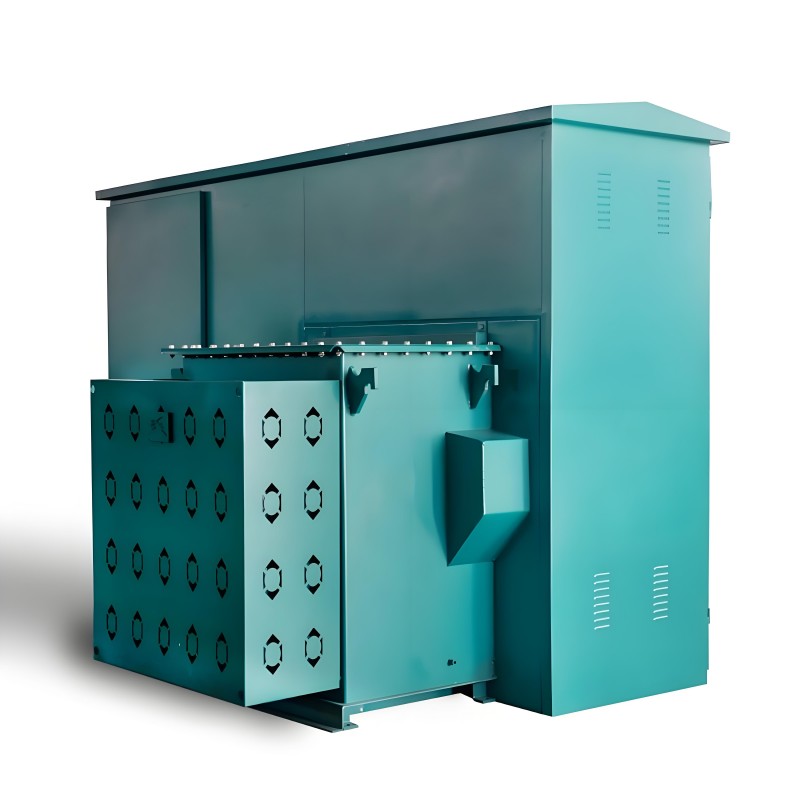
C Certified Oil-Type Cooper 75–2500 kVA Pad Mounted Transformer 6–34.5 kV 50/60 Hz Dead Front Three Phase
Dead-front pad-mounted platform for underground commercial distribution where tamper resistance and a compact footprint matter.
- 75–2500 kVA tested platform
- 6–34.5 kV class
- Pad-mounted, dead-front design
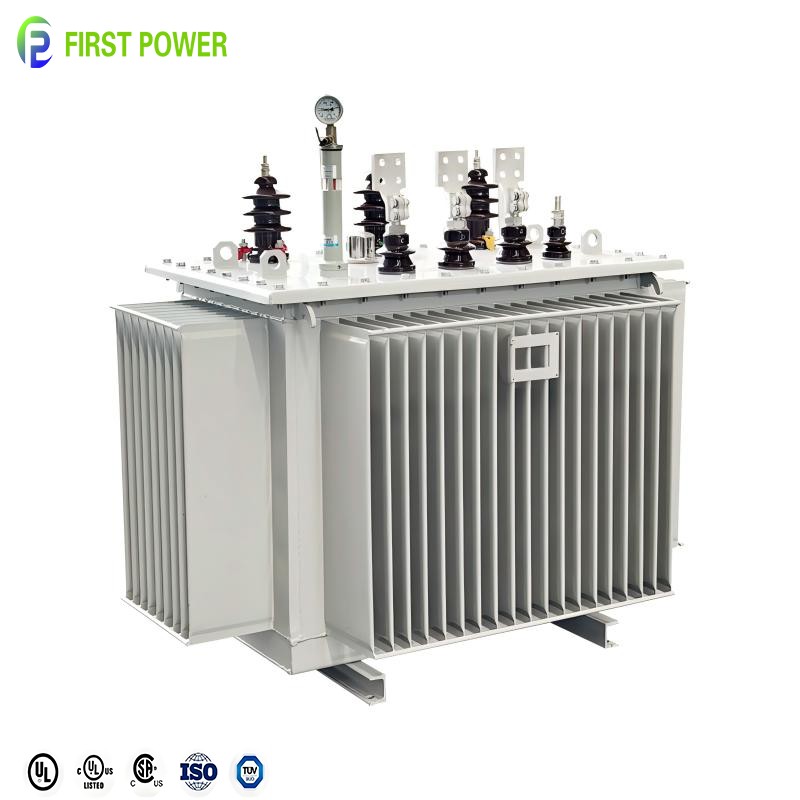
C CE 50/60 Hz 100–1000 kVA Oil Immersed Three Phase Power Transformer 10–35 kV
Oil-immersed three-phase power transformer for utility and industrial supply, with loss targets and cooling options agreed at design review.
- 100–1000 kVA range
- 10–20–35 kV primary options
- Suitable for power supplies
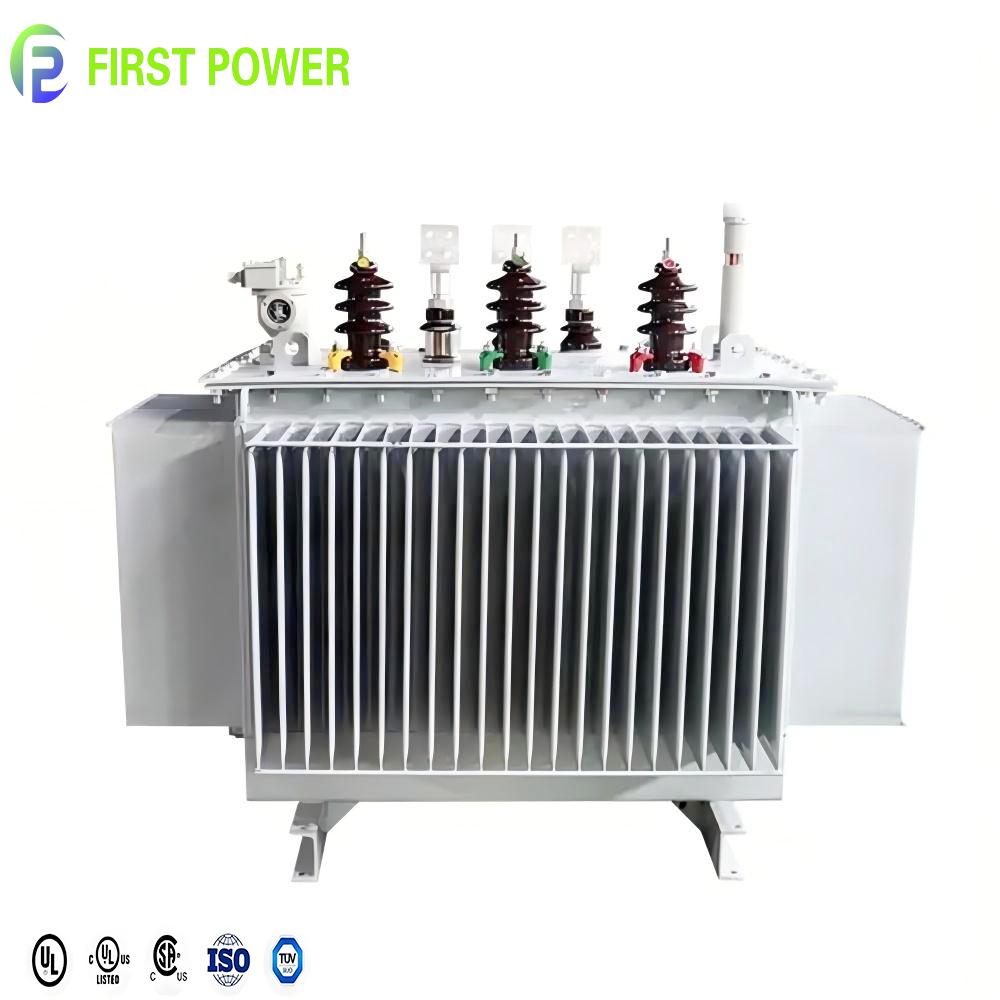
C CE S11 10–35 kV 50–250 kVA Three Phase Oil-Immersed Distribution Transformer
S11 distribution platform for small hotels, water pumping, commercial compounds and local distribution points.
- 50–250 kVA
- 10, 20 or 35 kV class
- Low-loss distribution design
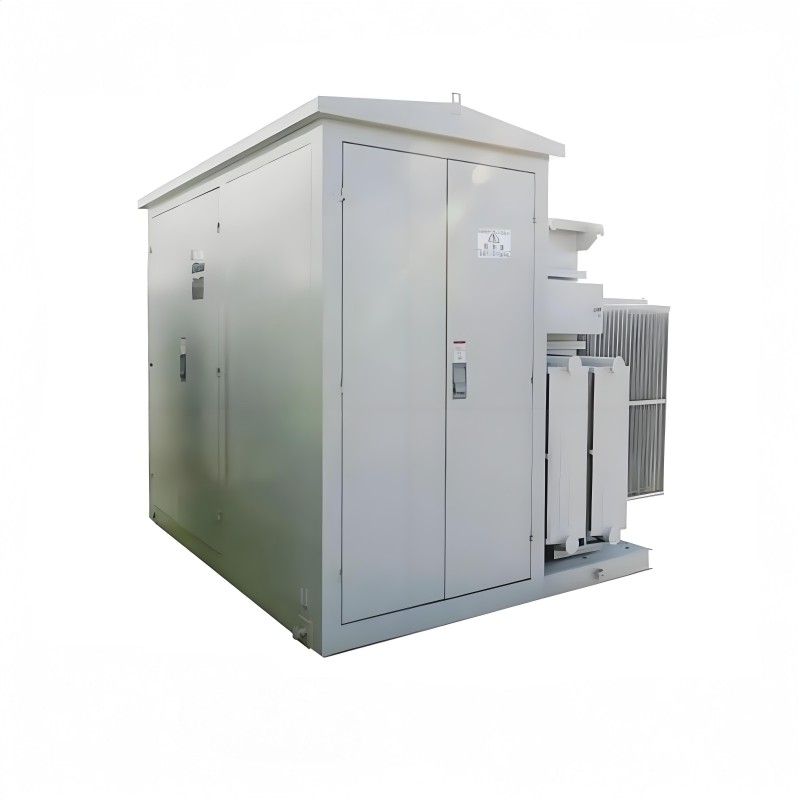
American Standard /C Certified 3000 kVA 34.5 kV/480 V Oil Type Pad Mounted Transformer
Large-capacity pad-mounted design for resorts, campuses and industrial estates needing 34.5 kV class input and 60 Hz or project-specific output.
- Up to 3000 kVA platform
- 34.5 kV input class
- 380 V / 440 V output options
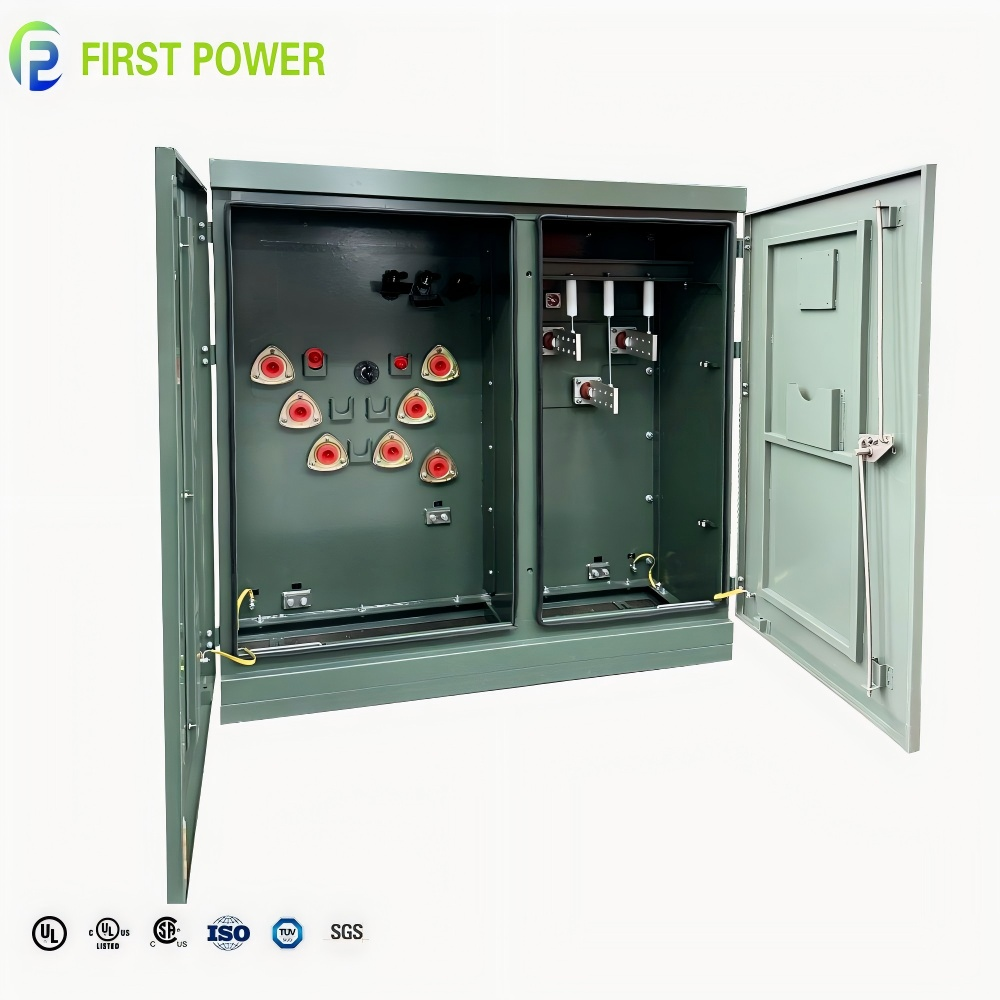
C CE Certification 50/60 Hz 10–35 kV 750 kVA Loop Feed Pad Mounted Distribution Transformer
Loop-feed pad-mounted distribution transformer for ring networks where outage isolation and maintainability are important.
- 750 kVA class
- 10, 20 or 35 kV
- Loop-feed distribution
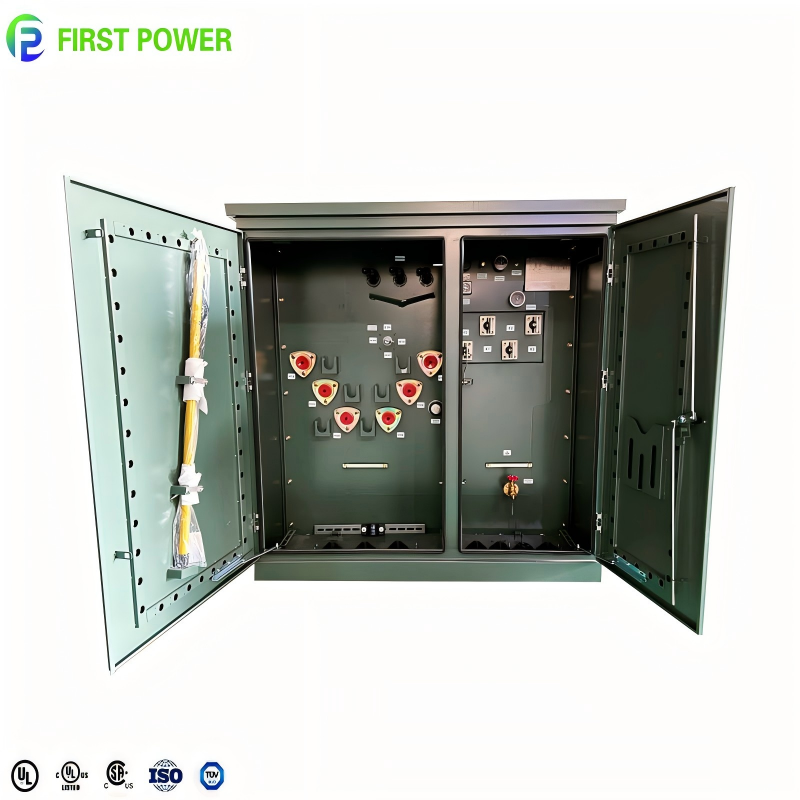
/C ZGS11 50/60 Hz 75 kVA–50 MVA 6–35 kV Three Phase Pad Mounted Transformer
ZGS11 pad-mounted series covering a very wide kVA range for compact distribution rooms, compounds and outdoor projects.
- 75 kVA to 50 MVA
- 6–35 kV class
- Three-phase power distribution
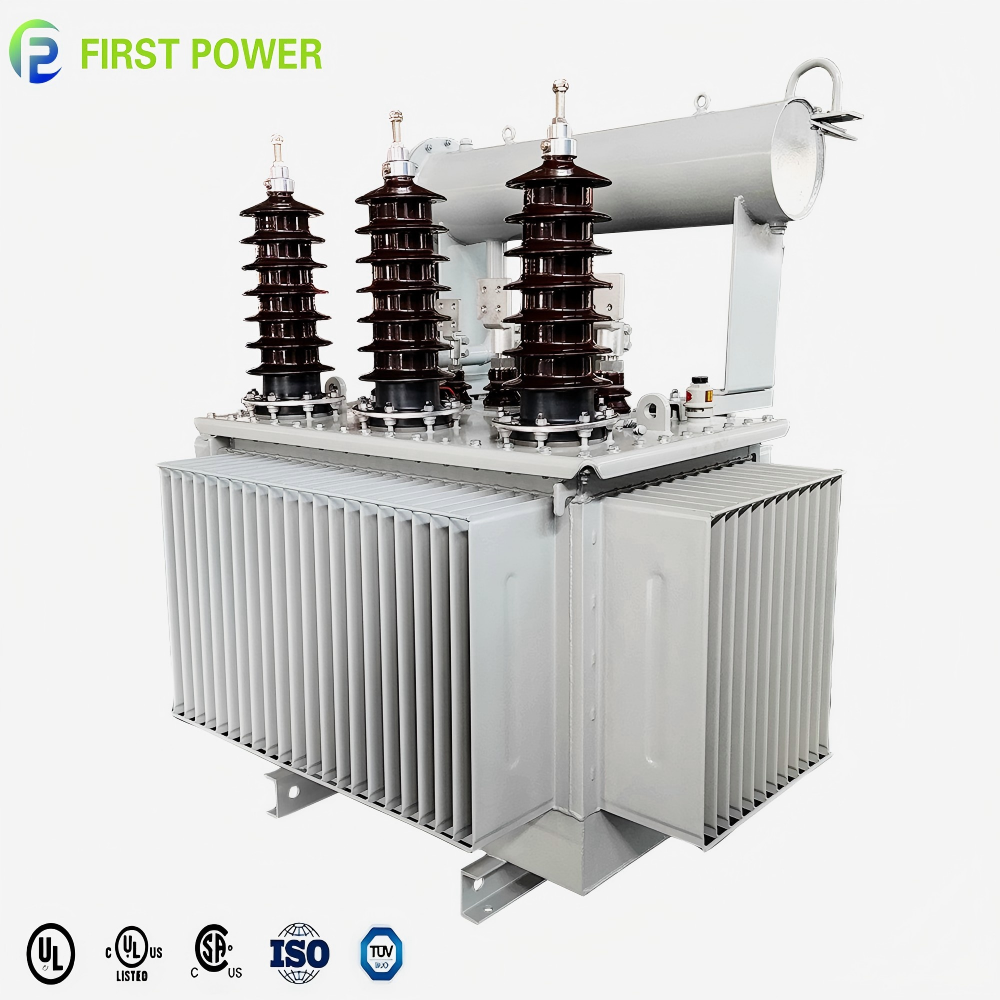
C CE Certification IEEE Standard 50/60 Hz S11 Three Phase 33 kV Oil Immersed Power Transformer
IEEE-standard 33 kV oil-immersed transformer for industrial step-down, utility interconnection and larger commercial loads.
- 33 kV class
- S11 oil-immersed design
- Industrial high-voltage use
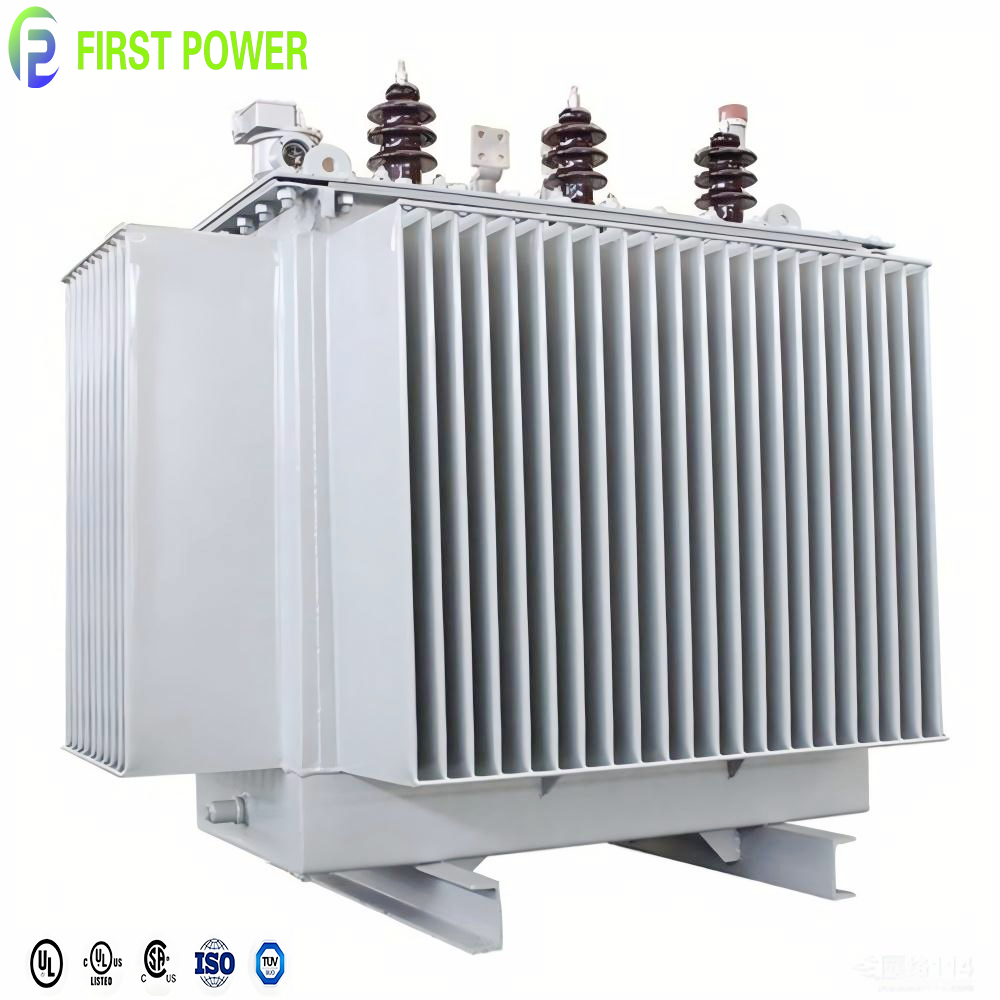
C CE MH&HV 50/60 Hz 10 kVA–50 MVA 10–35 kV Three Phase S11 Oil Transformer
Flexible S11 oil transformer platform for 10–35 kV distribution, from small commercial supplies to larger project loads.
- 10 kVA to 50 MVA
- 10–35 kV class
- Distribution and power use
What to Confirm Before Ordering a Transformer for Malindi
Coastal Kenya projects require more than a kVA rating. Humidity, salt exposure, fire strategy, installation room ventilation and utility voltage class should be confirmed together before the transformer enclosure and insulation system are selected.
Where Epoxy Resin and Oil-Immersed Transformers Fit in Malindi
Transformer selection should follow the load profile, fire policy, installation room and maintenance capability. The scenarios below show where a cast-resin epoxy dry-type transformer usually adds value — and where a pad-mounted or oil-immersed platform is more practical.
Beach Resorts & Boutique Hotels
Indoor electrical rooms close to guest areas often favour an epoxy cast-resin dry-type transformer because there is no insulating oil, lower fire load and simpler fire separation. Specify anti-condensation heaters, IP54 enclosure and C5-M coating where the room is not fully sealed from salt air.
Hospitals, Clinics & Public Buildings
Fire-sensitive facilities usually prefer dry-type or specially separated oil-filled equipment. An epoxy resin transformer reduces liquid-handling risk and supports indoor installation near the load centre, subject to room ventilation, temperature rise and emergency backup design.
Water Pumping & Irrigation
Water utilities, boreholes, desalination and irrigation schemes often need 11 kV or 33 kV step-down transformers. Oil-immersed S11 or pad-mounted platforms suit outdoor pumping stations; dry-type units suit indoor pump houses with limited fire separation.
Solar PV & Hybrid Microgrids
Malindi’s solar potential makes PV and battery projects attractive for resorts, farms and commercial estates. Select transformers with loss targets, harmonic considerations and suitable vector group; compact substations or pad-mounted units can simplify interconnection and site commissioning.
Retail, Cold Chain & Logistics
Supermarkets, cold rooms and logistics facilities require reliable voltage and expandable capacity. Pad-mounted transformers reduce plant-room space, while dry-type units can be placed indoors near the distribution board when the building fire strategy permits.
Residential & Commercial Estates
New apartments, gated estates and commercial compounds often use pad-mounted or compact distribution transformers. Confirm future load growth, cable routing, easement access and noise limits before fixing the final kVA and enclosure position.
Why Specify an Epoxy Resin Dry-Type Transformer in a Coastal Malindi Environment?
An epoxy resin transformer is a cast-resin dry-type transformer: the high-voltage winding is encapsulated in epoxy resin, the core and windings are cooled by air, and there is no transformer oil to contain, test or replace. That distinction matters where the installation is inside a hotel plant room, clinic, retail building or other occupied space.
Malindi’s coastal climate introduces humidity, airborne salt and high ambient temperatures. The enclosure and insulation system should therefore be specified together: Class F or H insulation, anti-condensation heaters, IP54 protection where appropriate, C5-M coating for steel enclosures, corrosion-resistant hardware and clear ventilation design. The transformer must also match the actual 50 Hz supply and the voltage ratio confirmed by the utility.
- Fire-safe indoor installation with no liquid insulating oil
- Cast-resin winding encapsulation for humid coastal service
- Temperature monitoring, forced-air cooling and alarm contacts available
- Better fit for hotels, hospitals, malls and public buildings
- Oil-immersed pad-mounted units remain practical for outdoor distribution and larger kVA
Project Recommendation for Malindi
Use the following as a starting brief for engineering review; final selection depends on load, utility voltage and site conditions.
Technical Data to Send with an Epoxy Resin Transformer Enquiry
Providing this information shortens the design review and helps the supplier avoid assumptions that later affect price, delivery or utility approval.
- Rated power in kVA
- Primary voltage and secondary voltage
- 50 Hz frequency
- Vector group and impedance
- Indoor or outdoor installation
- Ambient temperature and altitude
- Fire-safety requirement
- Enclosure IP rating and colour
- Loss limits or efficiency target
Epoxy Dry-Type vs Oil-Immersed Transformer for Malindi
The comparison below is a practical shortlisting tool, not a substitute for a site-specific electrical design. Coastal corrosion protection, fire strategy and maintenance access should be reviewed together.
| Selection Factor | Epoxy Resin Dry-Type | Oil-Immersed Transformer | Malindi Engineering Note |
|---|---|---|---|
| Fire safety | No insulating oil; low fire load; suitable indoors | Requires oil containment, bunding and fire separation | Public buildings and hotel guest areas usually favour dry-type |
| Salt air & humidity | Cast-resin winding plus anti-condensation and enclosure protection | Tank, bushings and coating system must resist corrosion | Specify C5-M coating, IP-rated enclosure and corrosion-resistant hardware |
| Outdoor distribution | Possible but enclosure and cooling must be carefully designed | Pad-mounted or platform-mounted units are well suited | Outdoor residential and commercial estates often use pad-mounted oil units |
| Maintenance | No oil testing or oil replacement; inspection is focused on cleanliness, cooling and connections | Oil dielectric strength, leaks, silica gel and bushings require routine checks | Choose based on the maintenance team available after commissioning |
| Footprint | Compact indoor installation close to the load | Pad, bund or substation space required | Land availability and cable routing can decide the format |
| Typical Malindi fit | Hotels, clinics, retail, indoor plant rooms, fire-sensitive sites | Outdoor distribution, water pumping, estates, industrial compounds | Hybrid projects may use dry-type indoors and pad-mounted units outdoors |
Voltage classes and low-voltage values must be confirmed with the local utility and project electrical engineer before manufacture.
Transformer Trends Shaping Malindi’s Coastal Projects
Procurement teams are asking for more than equipment supply. They want documented loss values, corrosion protection, fire strategy and delivery coordination that matches how projects are actually built in Kilifi County and the wider coastal region.
Corrosion-Resistant Specifications
Salt-laden air pushes buyers toward C5-M coating systems, stainless or treated hardware, sealed enclosures and anti-condensation heaters. These details should be written into the purchase specification, not left as an optional extra.
Loop-Feed & Pad-Mounted Networks
Commercial estates and resort developments increasingly value compact, tamper-resistant pad-mounted equipment. Loop-feed arrangements support maintenance and outage isolation without sacrificing the look of a landscaped property.
Solar PV & Battery Storage
Solar projects need transformers that match inverter output, harmonic conditions and future expansion. Buyers are asking for loss guarantees and clear documentation rather than a generic “solar transformer” label.
Efficiency & Loss Guarantees
Total owning cost is moving beyond purchase price. No-load loss, load loss, impedance and temperature rise should be compared on a like-for-like basis, especially for hotels and water utilities with long operating hours.
Fire-Safe Public Buildings
Healthcare, education and tourism projects are paying closer attention to fire load and insurance requirements. Cast-resin epoxy transformers reduce liquid-fuel risk and simplify indoor electrical-room planning.
Monitoring & Preventive Maintenance
Temperature sensors, alarm contacts, fan controls and clear O&M manuals are increasingly requested so facility teams can spot overheating, blocked ventilation or loose connections before failure.
Why Malindi Buyers Shortlist Jiangsu Wisegj Power
Jiangsu Wisegj Power Co., Ltd. is a Suzhou-based manufacturer and exporter of transformers and substations from 220 V to 500 kV. The advantages below are the details procurement teams usually verify before a factory audit or trial order.
Verified Manufacturing Footprint
The supplier profile reports 6,847 m² of inspected production floorspace with dedicated winding, core assembly, drying, tanking and testing areas. On-site capability is verified by TÜV Rheinland according to the profile information.
ISO & CE Documentation
The company operates under ISO 9001, ISO 14001 and ISO 45001 management systems and lists CE certificates for oil-immersed power transformers, dry-type transformers, compact substations and switchgear. Certificate numbers can be provided for compliance review.
50+ Engineers & Customization
The team includes more than 50 R&D and technical engineers. OEM, ODM, design-based and sample-based customization can cover ratings, vector group, impedance, tap range, bushings, cooling, insulating fluid, enclosure colour and nameplate language.
Routine Testing Before Shipment
Routine tests include winding resistance, voltage ratio and vector group, impedance and load loss, no-load loss and current, applied and induced voltage tests, plus oil dielectric testing for liquid-filled units. Third-party witness inspection is welcome.
Export Logistics to Kenya
Export experience covers FOB, CFR, CIF, EXW, FCA, CIP, CPT and DDP terms, with T/T, L/C, D/P and D/A payment options. For Malindi projects, shipping can be coordinated to Mombasa or an agreed final delivery point under the confirmed Incoterm.
24-Hour Response & Supply Chain
The company reports 24-hour pre-sale and after-sale response, 20+ years of team experience and 211 qualified supply-chain partners. That matters when a project needs drawings clarified, spare parts identified or dispatch documents checked quickly.
From Malindi Enquiry to Tested Transformer Dispatch
A clear project sequence reduces rework. The process below is suitable for both epoxy resin dry-type transformers and oil-immersed or pad-mounted units.
1. Technical Brief
Confirm kVA, voltage ratio, frequency, installation conditions, fire strategy and applicable standards.
2. Design & Drawing Approval
Review GA drawing, loss values, impedance, vector group, accessories, enclosure protection and nameplate data.
3. Controlled Production
Core stacking, winding, resin encapsulation or oil processing, drying, tanking and assembly follow documented work instructions.
4. In-Process Inspection
Inspection checkpoints cover dimensions, insulation, connections, sealing, coating and accessory installation.
5. Routine Testing
Each unit receives the applicable electrical routine tests, with reports supplied for buyer review and third-party witnessing.
6. Export Documentation
Seaworthy packing, packing list, test reports, drawings and shipping documents are prepared for the agreed delivery term.
Common Questions from Local Buyers and EPC Teams
These are the questions typically raised when sourcing epoxy resin and oil-immersed transformers for coastal Kenya. For project-specific advice, send the electrical parameters through the contact button.
What is an epoxy resin transformer, and why is it relevant to Malindi?
An epoxy resin transformer is a cast-resin dry-type transformer. The high-voltage winding is encapsulated in epoxy resin and cooled by air, so there is no insulating oil. It is relevant to Malindi because hotels, clinics, retail buildings and other occupied spaces often prefer a lower fire load and no oil containment. The enclosure still needs corrosion protection, anti-condensation treatment and correct ventilation for the coastal climate.
Can you supply a transformer to Malindi or Mombasa?
Yes. Export logistics can be arranged to Mombasa or an agreed Malindi delivery point under the confirmed Incoterm. Common terms include FOB, CFR, CIF, EXW, FCA, CIP, CPT and DDP. The final shipping route, unloading responsibility and customs documents should be agreed before order confirmation.
Which voltage and frequency should I specify for a Kenyan project?
Kenyan projects commonly use 50 Hz, with low-voltage distribution often shown as 240/415 V and medium-voltage distribution classes such as 11 kV or 33 kV. The exact primary voltage, secondary voltage, vector group and tap range must be confirmed against the utility connection and the project’s electrical design before manufacture.
How do you protect transformers from salt air and humidity?
Specify an enclosure coating system suitable for coastal service, such as C5-M, together with corrosion-resistant hardware, IP-rated enclosures, anti-condensation heaters and clear ventilation planning. Bushings, gaskets and cable entries should also be reviewed. For dry-type units, keeping the enclosure clean and preventing condensation is part of the operating strategy.
What tests and documents are provided before shipment?
Routine tests typically include winding resistance, voltage ratio and vector group, impedance and load loss, no-load loss and current, applied and induced voltage tests, and oil dielectric testing for liquid-filled units. Test reports, GA drawings, nameplate data, packing list and O&M documentation can be supplied. Third-party witness inspection can be arranged when required.
Are you a manufacturer or a trading company?
Jiangsu Wisegj Power Co., Ltd. is presented as a manufacturer and exporter based in Suzhou, China, with a verified production base and documented quality systems. The product range covers pad-mounted, oil-immersed, dry-type and power transformers, compact substations and switchgear from 220 V to 500 kV.
Can the transformer be customized for a resort, clinic or solar project?
Yes. Customization can cover kVA rating, voltage ratio, frequency, vector group, impedance, tap range, cooling method, bushings, enclosure colour, IP protection, insulating fluid and nameplate language. For solar projects, provide inverter output, harmonic details, expected load profile and future expansion plans so the transformer can be sized correctly.
What information do you need for a fast, accurate quotation?
Send the required kVA, primary and secondary voltage, frequency, vector group, impedance, tap range, cooling method, installation environment, ambient temperature, altitude, applicable standard, loss target and delivery destination. If a utility or consultant specification exists, share the tender document or datasheet so the engineering team can review it directly.
Send Your Malindi Transformer Specification for Engineering Review
Share your kVA, voltage ratio, frequency, installation location and fire-safety requirement. The team can advise whether an epoxy resin dry-type transformer, pad-mounted unit or oil-immersed distribution transformer is the better fit for your project.