Electric Transformer Manufacturers & Manufacturer in Udon Thani
Engineered oil-immersed, pad-mounted, solar PV and distribution transformers for utilities, EPC contractors, factories, hospitals, commercial estates and renewable energy projects across Udon Thani and Northeast Thailand.
Eight Transformer Products for Udon Thani Project Procurement
Shortlist by voltage, rating, installation method and frequency. The eight product families below cover pad-mounted distribution, oil-immersed power conversion, solar PV interconnection, industrial step-down and heavy handling applications. All product URLs are retained for direct technical review.
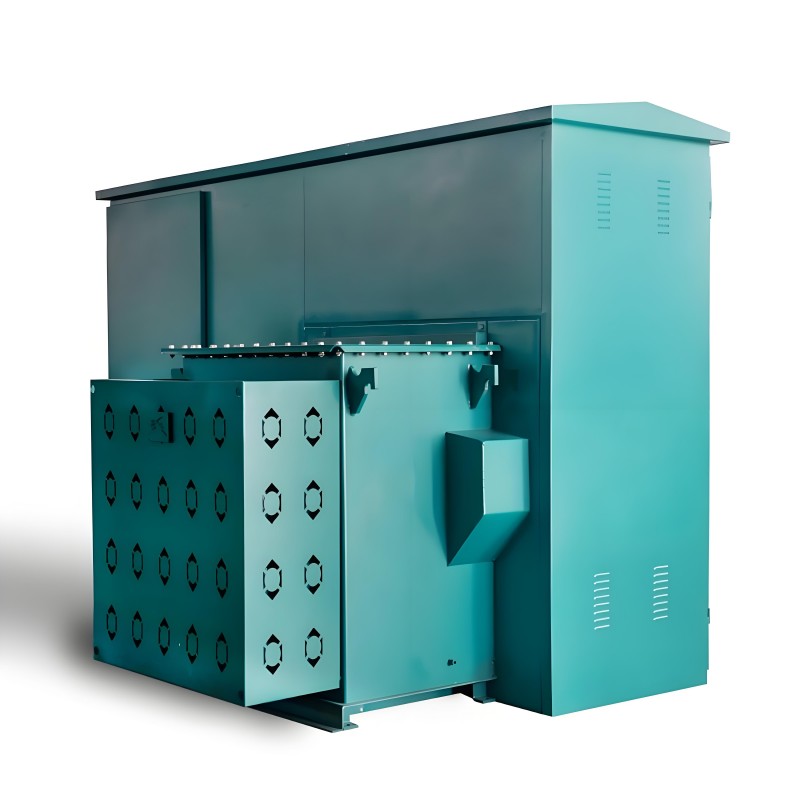
C-Certified Oil-Type Cooper 75–2500 kVA Pad-Mounted Transformer 6–34.5 kV 50/60 Hz Dead-Front Three Phase
Compact underground-distribution transformer for commercial campuses, residential estates, hospitals and public facilities where tamper resistance, cable termination access and low visual impact matter.
- Rating75–2500 kVA
- Primary6–34.5 kV
- Frequency50/60 Hz
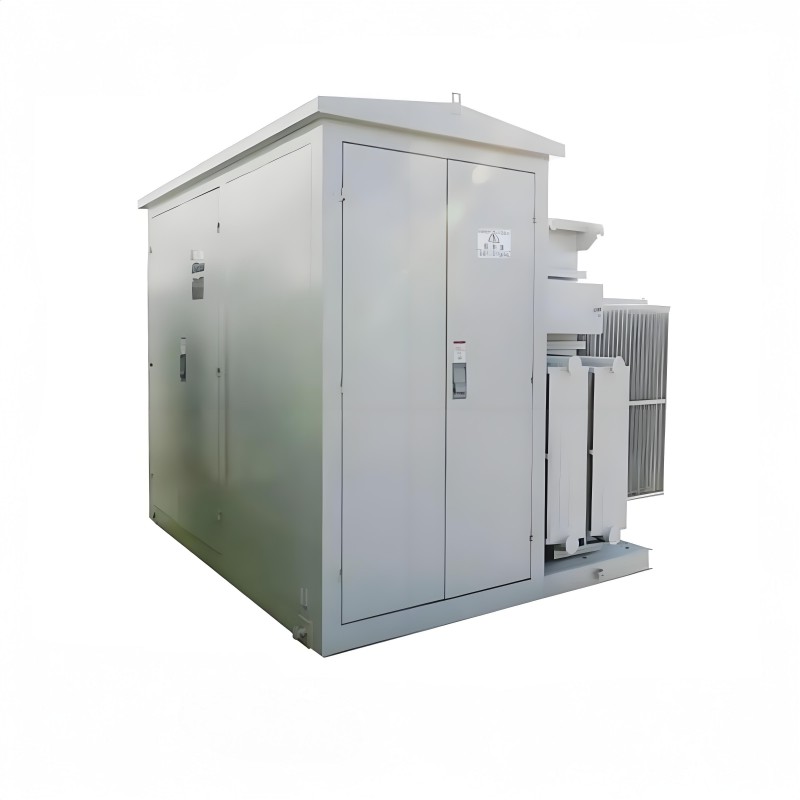
American Standard C-Certification 75–2500 kVA Oil-Type Three-Phase 13.8 kV Pad-Mount Transformers for Power Generation
For projects using American-standard pad-mount geometry and generation interconnection practice. Confirm 50 Hz design, PEA/MWA interface, protection coordination and loss guarantees before ordering.
- Rating75–2500 kVA
- Primary13.8 kV class
- UsePower generation
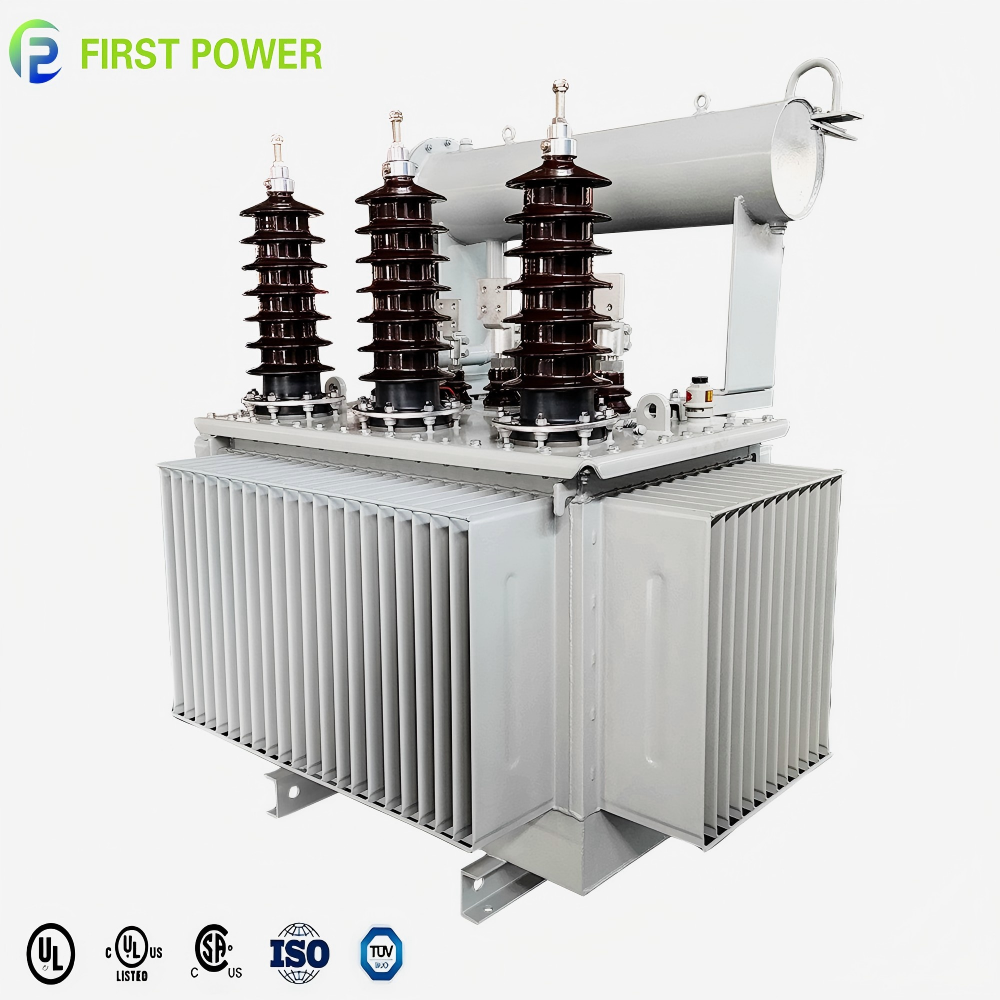
C CE Certification IEEE Standard 50/60 Hz S11 Three-Phase 33 kV Oil-Immersed Power High-Voltage Transformer for Industrial Use
Oil-immersed high-voltage step-down solution for factories, processing plants, water utilities and private substations that require IEEE/IEC alignment, documented testing and long service life.
- Voltage33 kV class
- TypeOil-immersed
- StandardIEEE / IEC
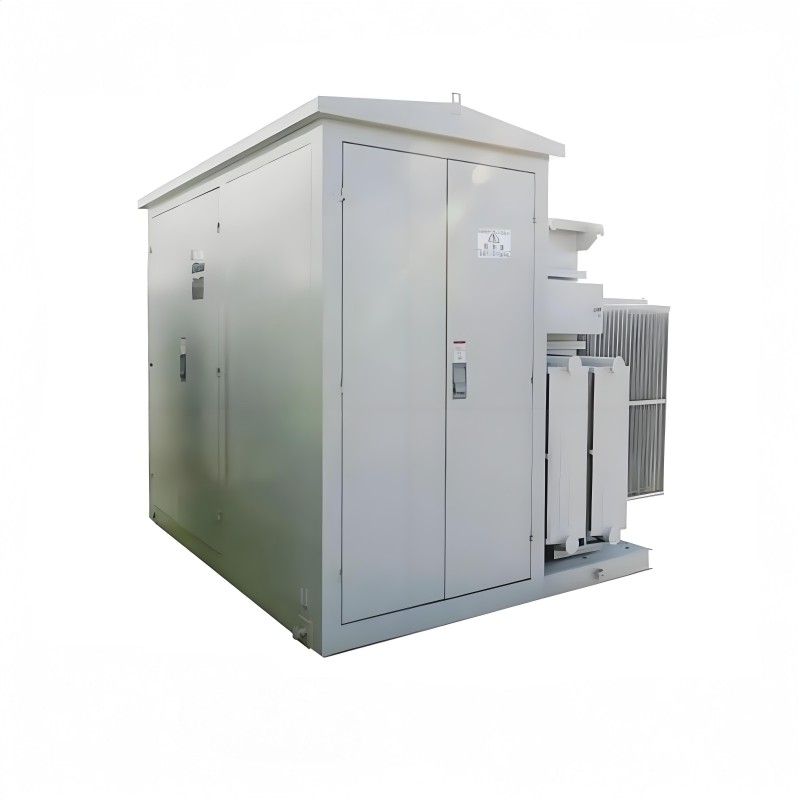
American Standard C-Certified 3000 kVA 34.5 kV/480 V Oil-Type Pad-Mounted Transformer 60 Hz with 10 kV Input and 380/440 V Output
Large-capacity pad-mounted platform for high-load facilities. The listed title identifies 60 Hz; for Udon Thani 50 Hz projects, request a 50 Hz design review, nameplate confirmation and utility documentation.
- Rating3000 kVA
- Primary34.5 kV class
- Frequency60 Hz listed
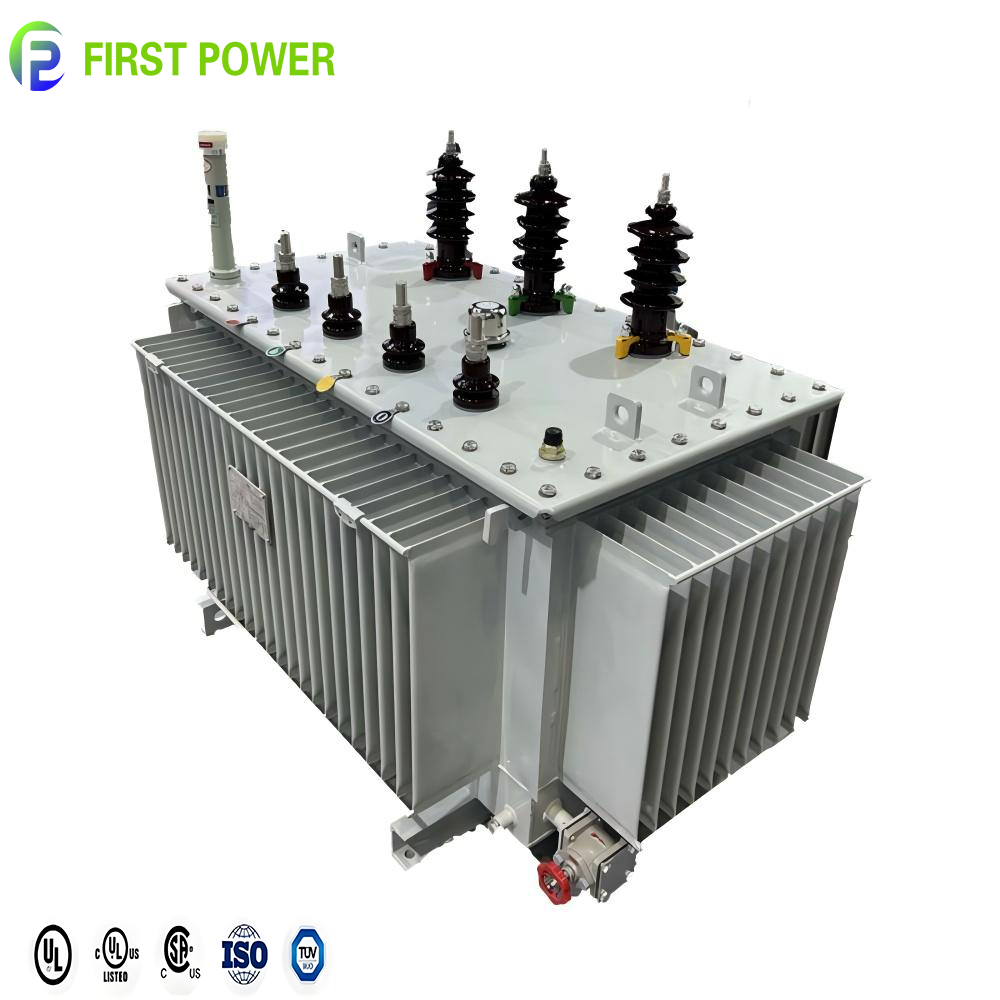
C CE 50/60 Hz S11 10 kV, 20 kV, 35 kV 50 kVA, 100 kVA, 200 kVA Three-Phase Electrical Oil-Immersed Transformer for Distribution Systems
Compact low-loss distribution unit for community feeders, schools, retail centres, light industry and utility networks. Final ratio and impedance should be aligned with 22 kV or 33 kV local practice.
- Rating50–200 kVA
- Voltage10–35 kV
- TypeS11 oil
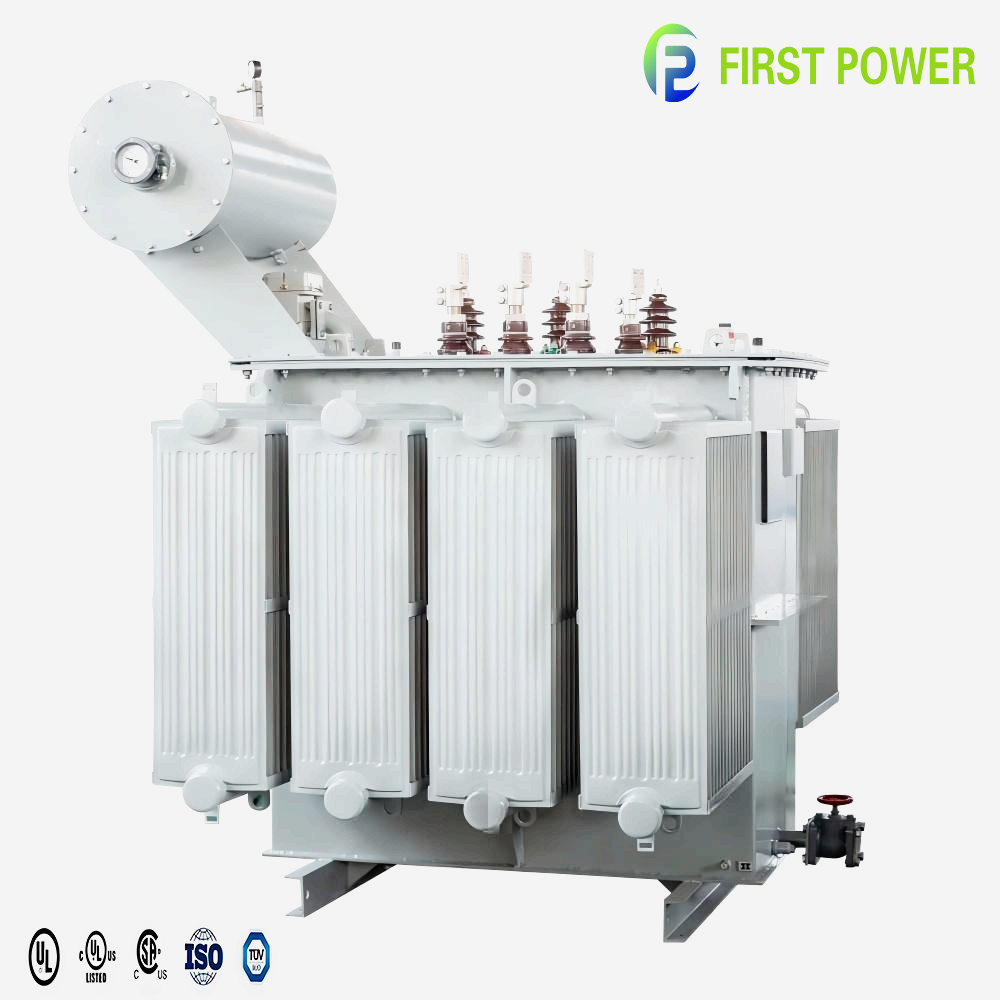
C Certification 50/60 Hz 6 kV, 10 kV, 20 kV, 35 kV Three-Phase 1000 kVA / 1 MW Solar PV Transformer Oil-Immersed for Power Generation
Solar PV step-up or step-down transformer for ground-mount, rooftop and hybrid renewable projects. Specify inverter output, harmonic profile, vector group, 50 Hz design and thermal duty.
- Rating1000 kVA
- Primary6–35 kV
- UseSolar PV
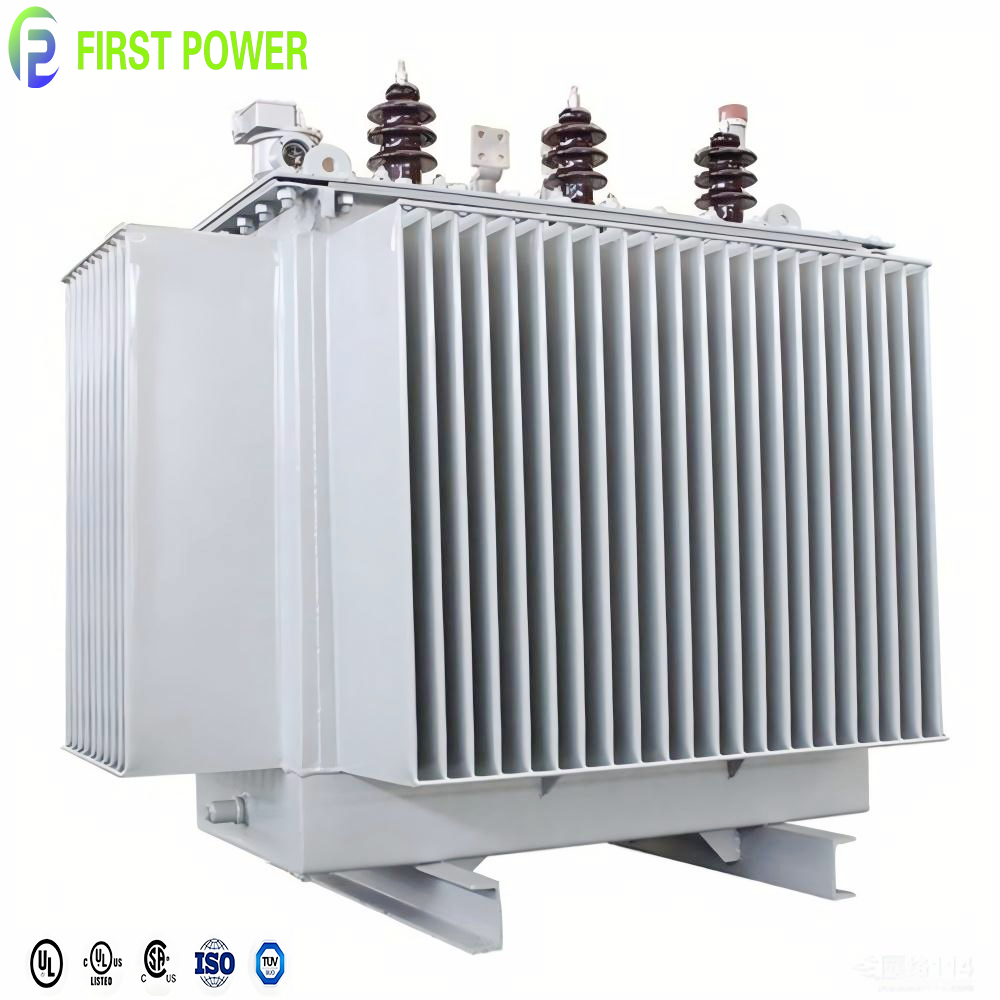
C CE MH&HV 50/60 Hz 10 kVA–50,000 kVA 10 kV, 15 kV, 20 kV, 35 kV Three-Phase S11 Oil Transformer for Electric Power Distribution
Wide-range S11 distribution platform for utilities and EPCs needing multiple ratings under one qualified design family. Useful for phased developments and standardised spare-parts planning.
- Rating10–50,000 kVA
- Voltage10–35 kV
- TypeS11 oil
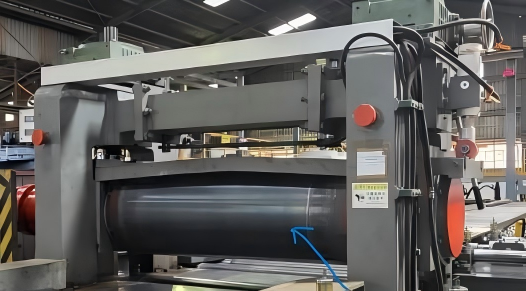
MAIN ROLLER D
Heavy-duty roller component referenced within the broader industrial equipment range. Confirm load rating, drawing, material standard and compatibility with your transformer handling or workshop logistics application.
- UseHeavy handling
- DocumentationDrawing review
- ScopeProject specific
Transformer Manufacturers for Udon Thani: Matching Equipment to Local Grid Reality
Udon Thani is not a generic transformer market. It is a provincial hub for agriculture, food processing, healthcare, education, retail, logistics and cross-border trade toward Laos. For buyers, the real question is not simply “who sells transformers”; it is which manufacturer can document the rating, losses, temperature rise, protection interface, test report and delivery terms required by a Udon Thani project?
Jiangsu Wisegj Power Co., Ltd. manufactures and exports oil-immersed transformers, pad-mounted transformers, dry-type transformers, power transformers, compact substations and related power equipment from 220 V to 500 kV. The company’s production and quality systems are supported by ISO 9001, ISO 14001 and ISO 45001 management certification, CE product certificates and third-party verified factory information. For Udon Thani projects, that means the conversation can move beyond catalogue selection into 50 Hz design review, IEC or ANSI/IEEE compliance, routine test evidence and export logistics.
This guide is written for utility engineers, EPC procurement teams, factory owners, developers, hospital facility managers and solar EPCs comparing electric transformer manufacturers for Udon Thani and Northeast Thailand. It explains product fit, local application scenarios, development trends, procurement questions and the enterprise capabilities that reduce specification risk.
Udon Thani quick specification checklist
- Frequency: 50 Hz for Thailand; confirm if a catalogue item is listed as 60 Hz.
- Primary voltage: commonly 22 kV or 33 kV distribution; verify utility connection point.
- Secondary voltage: 400/230 V for many LV systems; confirm actual project requirement.
- Rating and load profile: continuous load, motor starting, harmonics and future expansion.
- Loss target: no-load and load losses should be evaluated over the service life.
- Environment: tropical humidity, monsoon rain, lightning, flooding and corrosion.
- Documentation: routine test report, GA drawing, nameplate, O&M manual and packing list.
Why Udon Thani Projects Need a Different Transformer Conversation
Udon Thani’s electricity demand is shaped by more than population growth. The province supports rice mills, food and beverage processing, cold storage, hospitals, universities, retail centres, hotels, logistics depots and cross-border trade with Laos. Each load type creates a different transformer duty: continuous industrial load, motor starting, harmonic-rich inverter output, sensitive medical equipment, or residential evening peaks. A transformer that works in a temperate warehouse may not be the right choice for a humid, lightning-prone, space-constrained site in Northeast Thailand.
Local procurement teams also need to coordinate with utility connection practice, protection settings, cable termination, concrete pad design, oil containment, noise limits and future expansion. For pad-mounted units, the enclosure must resist tampering and tropical corrosion while allowing safe access for switching, fusing and cable work. For indoor commercial buildings, dry-type or low-oil solutions may be preferred because fire safety and maintenance access dominate the decision. For solar farms, the transformer must be specified around inverter output, harmonic content, reactive power strategy and 50 Hz grid compatibility.
- Grid compatibility: confirm 50 Hz, voltage ratio, vector group, tap range and utility protection interface before quotation.
- Climate resilience: review humidity, monsoon rain, lightning exposure, flooding risk, ventilation and anti-corrosion treatment.
- Lifecycle economics: compare guaranteed losses, maintenance plan, spare-parts availability and expected service life, not only initial price.
- Documentation control: require drawings, routine test reports, nameplate review and packing records before shipment.
Engineering review before quotation helps align transformer rating, losses, enclosure and documentation with Udon Thani project conditions.
Recommended Transformer Types by Udon Thani Application
Use this matrix to prepare a first shortlist. Final selection should always follow a load study, utility connection review and commercial evaluation of losses.
| Udon Thani application | Recommended transformer direction | Why it fits | Procurement checks |
|---|---|---|---|
| Hospitals, hotels, universities and commercial buildings | Low-loss oil-immersed distribution transformer or dry-type transformer where indoor fire safety dictates | Reliable step-down to LV distribution with manageable noise, maintenance access and service continuity. | Noise limit, fire strategy, ventilation, spare capacity, protection coordination and nameplate language. |
| Housing estates, retail campuses and public facilities | Three-phase pad-mounted transformer with dead-front design | Compact footprint, underground cable feed, tamper-resistant enclosure and better streetscape integration. | Pad design, cable entry, fuse coordination, oil containment, corrosion class and utility approval. |
| Rice mills, food processing, cold storage and ice plants | Oil-immersed distribution or power transformer with verified thermal performance | Continuous duty and motor-heavy loads require stable voltage, suitable impedance and robust thermal design. | Load profile, motor starting, harmonics, ambient temperature, maintenance access and loss evaluation. |
| Solar PV, agrivoltaics and hybrid renewable projects | Solar PV transformer or pad-mounted step-up transformer | Matches inverter output to the collection or distribution voltage while supporting outdoor renewable duty. | Inverter data, 50 Hz design, harmonic study, vector group, reactive power, thermal cycling and protection. |
| Utility distribution and PEA/MWA-facing projects | S11 oil-immersed distribution transformer family | Familiar distribution platform with multiple ratings for standardisation across feeders and phases. | Voltage ratio, losses, impedance, tap range, test reports, drawing approval and utility documentation. |
| Industrial estates, water treatment and logistics hubs | Oil-immersed power transformer or high-capacity pad-mounted unit | Supports larger step-down loads, future expansion and coordinated protection in private substations. | Short-circuit level, protection settings, cooling method, oil containment, transport route and commissioning plan. |
Note: voltage and frequency shown in product titles must be confirmed against the final Udon Thani project specification. Where a title lists 60 Hz, request a 50 Hz design review before purchase.
Product Applications in Udon Thani’s Local Economy
Transformer selection becomes more accurate when it is tied to the actual operating environment, load behaviour and maintenance capability of the site.
Provincial distribution and utility upgrades
For feeders serving communities, schools, markets and public facilities, S11 oil-immersed distribution transformers provide a practical platform when voltage ratio, losses and protection are aligned with local practice. Require routine test reports and a clear nameplate drawing before dispatch.
Solar PV and renewable interconnection
Udon Thani’s solar potential supports rooftop, ground-mount and hybrid projects. Use a solar PV transformer with confirmed 50 Hz design, inverter-compatible impedance, harmonic consideration and thermal duty. The transformer should be reviewed together with inverter output and protection settings.
Agro-processing and cold-chain facilities
Rice mills, feed mills, cold stores and food plants often run long shifts with motor-driven equipment. Specify transformer impedance, voltage regulation and thermal margin around the real load profile, not only the connected kW. Dust, humidity and maintenance access also affect enclosure and cooling choices.
Hospitals, education and hospitality
Hospitals, universities, hotels and shopping centres need predictable power quality and maintainable equipment. Indoor dry-type or low-loss oil-immersed options may be considered, depending on fire strategy, ventilation, noise and available plant space. Backup and future expansion should be included in sizing.
Logistics and cross-border trade
Warehouses, cold-chain hubs and transport facilities near the Lao border need resilient power and clear spare-parts planning. Transformers should be selected for future loading, tropical corrosion protection and straightforward maintenance by local electrical contractors.
Industrial estates and water utilities
Pumping stations, water treatment, manufacturing lines and workshops often combine motors, variable-speed drives and sensitive controls. Protection coordination, harmonic assessment and correct transformer impedance are as important as kVA rating.
Localized Development Trends Shaping Transformer Demand in Udon Thani
Procurement strategy should anticipate how Udon Thani’s grid, load mix and project delivery expectations are changing.
50 Hz utility alignment and loss evaluation
Buyers increasingly compare guaranteed no-load and load losses rather than accepting a generic catalogue rating. For 50 Hz projects, frequency must be explicit in the datasheet, drawing and nameplate.
Solar PV, storage and hybrid loads
Renewable interconnection is pushing specifications toward harmonic awareness, reverse-power capability, thermal cycling and coordination with inverter controls. Transformers are no longer passive items; they are part of the power-electronics interface.
Climate resilience and flood/lightning control
Tropical humidity, monsoon rainfall, lightning and local flooding influence enclosure finish, insulation coordination, surge protection, oil containment and installation height. Site design and transformer design must be reviewed together.
Lifecycle cost and documented traceability
Owners are asking for drawings, test reports, maintenance guidance and spare-parts clarity before purchase. A transformer with complete documentation is easier to approve, commission, audit and maintain over a 20–30 year service life.
Need help converting a project brief into a compliant transformer specification?
Share the application, voltage ratio, frequency, load profile, installation environment and target standards. The engineering team can review the datasheet before quotation.
Technical Selection Guide for 50 Hz Udon Thani Networks
A transformer purchase becomes more competitive when the specification is complete. These four checkpoints reduce quotation rounds and later change orders.
Voltage, frequency and vector group
Confirm primary and secondary voltage, 50 Hz operation, vector group, impedance, tap range and neutral arrangement. These parameters affect protection, parallel operation and utility approval.
Losses and total cost of ownership
Compare guaranteed no-load loss and load loss against the expected load profile. A lower first price can be outweighed by higher energy losses over decades of operation.
Ambient, humidity and installation
Define indoor or outdoor installation, ambient temperature, altitude, ventilation, noise limit, flood level, cable entry and oil containment requirements. These details drive enclosure, cooling and layout.
Testing, standards and documentation
Specify IEC 60076 or ANSI/IEEE C57.12 series as applicable. Require routine test reports, GA drawing, nameplate draft, packing list and O&M documents before shipment.
Enterprise Advantages Udon Thani Buyers Can Verify
E-E-A-T in transformer procurement means evidence: factory data, test records, certificates, engineering response and export experience.
Verified production base
6,847 m² of inspected production floorspace with dedicated winding, core assembly, drying, tanking, testing and packing areas.
20+ years of team experience
Engineering and technical teams with more than 20 years of transformer experience, supported by 50+ R&D and technical engineers.
ISO and CE compliance
ISO 9001, ISO 14001 and ISO 45001 management systems, with CE certificates for relevant transformer and substation product lines.
In-house routine testing
Winding resistance, voltage ratio and vector group, impedance and load loss, no-load loss and current, applied and induced voltage tests, plus oil dielectric tests for liquid-filled units.
OEM, ODM and design customization
Ratings, vector group, impedance, tap range, bushing configuration, cooling method, insulating fluid, enclosure colour and nameplate language can be agreed before production.
Export logistics and trade terms
Export packing, shock indicators and Incoterms including EXW, FOB, CFR, CIF, FCA, CIP, CPT and DDP. Payment terms include T/T, L/C, D/P and D/A subject to contract.
Responsive technical support
Target engineer response within one working day for pre-sale specifications, drawing questions, test reports and after-sale technical issues.
Complete project documentation
GA drawings, nameplate drafts, routine test reports, packing lists and O&M manuals in English, with third-party witness inspection welcomed before shipment.

Third-party verified factory information and auditable quality systems
Production capability, floorspace and quality inspection have been verified onsite by TÜV Rheinland, an independent third-party inspection body. Certificate numbers for ISO systems and CE product lines are available for compliance review. For Udon Thani buyers, this means claims can be checked against documents before a purchase order is released.
From Datasheet to Udon Thani Site Delivery: A Five-Stage Workflow
Clear stage gates reduce rework, shipping delays and commissioning surprises.
Specification review
Engineers check rating, voltage, frequency, standards, altitude, ambient conditions, load profile and installation constraints.
Drawing approval
GA drawing, nameplate draft, guaranteed losses, interface details and accessory list are confirmed with the buyer.
Controlled production
Core, winding, drying, oil processing and tanking follow documented work instructions and in-process inspection checkpoints.
Routine testing
Each unit receives routine electrical tests and oil tests where applicable. Third-party witness inspection can be arranged.
Packing and shipping
Export crating, shock indicators, packing list and shipping documents are prepared for the agreed Incoterm and destination.
FAQ: What Udon Thani Buyers Commonly Ask Before Ordering
These are the questions that most often determine whether a transformer quotation is technically complete.
Are you a transformer manufacturer or a trading company?
Can you supply equipment suitable for 50 Hz Udon Thani projects?
What rating should I choose for a factory, hotel or housing estate in Udon Thani?
How are transformers protected against humidity, lightning and flooding?
Which tests are performed before shipment?
Can the transformer be customized for local documentation and installation practice?
What trade terms and payment methods are accepted?
How do I request a Udon Thani-specific transformer quotation?
Request an Engineer-Reviewed Transformer Proposal for Udon Thani
Send your load list, single-line diagram, voltage ratio, frequency, installation environment and target standards. The right starting point is not a price list; it is a specification review that prevents undersizing, loss surprises and utility approval delays.
- Rated power (kVA / MVA)
- Primary and secondary voltage
- Frequency: 50 Hz for Thailand
- Vector group and impedance
- Tap changer type and range
- Cooling method and insulating fluid
- Applicable standard: IEC or IEEE
- Site ambient, humidity and flood level
- Loss target or efficiency requirement