Eight Transformer Products Recommended for Ethiopian Projects
This selection is built around the realities of Ethiopian procurement: 50 Hz operation, 220/380 V low-voltage systems, 15 kV and 33 kV distribution, high-altitude highlands, dust and lightning exposure, and long inland transport from Djibouti. Each card preserves the supplied product URL; for ratings outside the listed ranges, use the Get a Quote button and our engineers will review the specification.
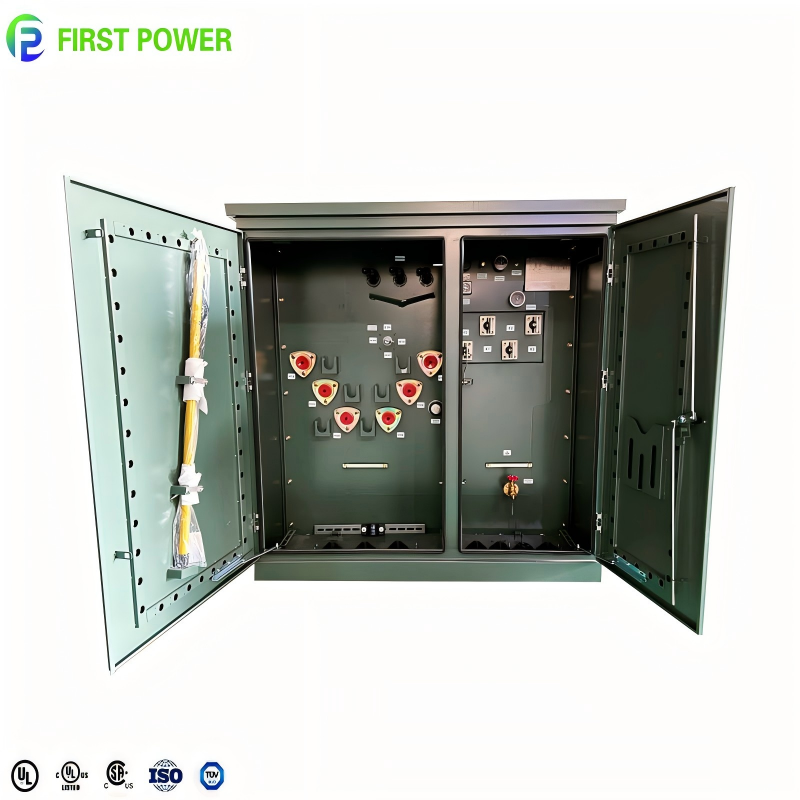
ZGS11 Three-Phase Pad-Mounted Transformer, 75 kVA–50 MVA
Factory-built 6–35 kV unit for urban undergrounding, industrial parks and renewable collector substations. Enclosure, cable compartments and 50 Hz design can be configured for Ethiopian site conditions.
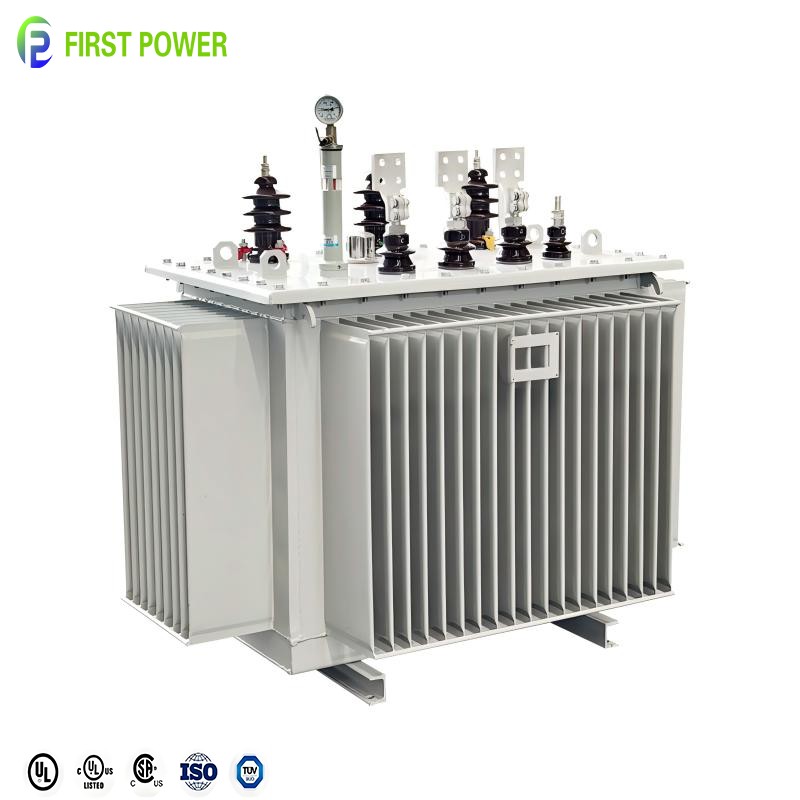
C CE Oil-Immersed Three-Phase Power Transformer, 100–1,000 kVA
Hermetically sealed distribution transformer for utility feeders, factories and agro-processing. Low-loss core options, Dyn11 vector group and tap arrangements support stable 50 Hz operation.
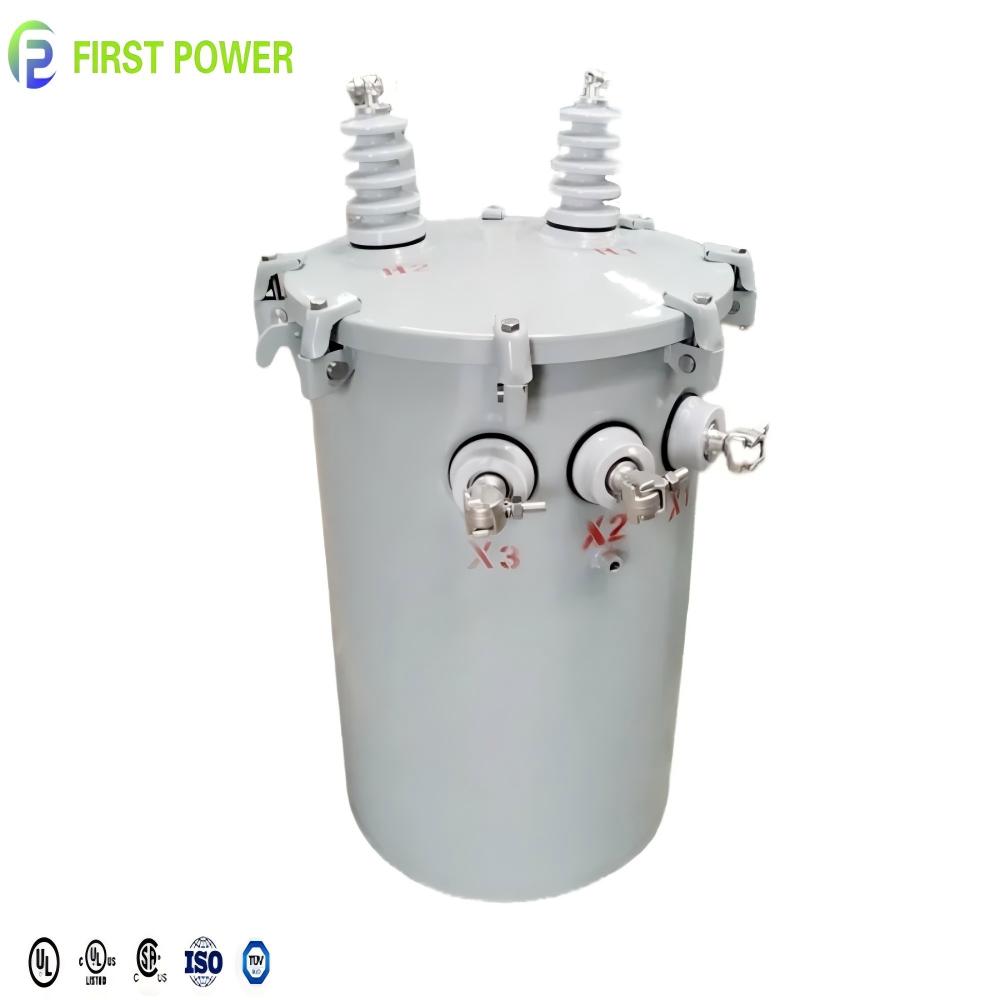
ANSI Single-Phase Pole-Mounted Transformer, 15–100 kVA
For rural electrification, scattered settlements and single-phase branches. Compact pole mounting, robust bushings and project-specific secondary voltage; confirm 50 Hz and 220/380 V system compatibility before order.
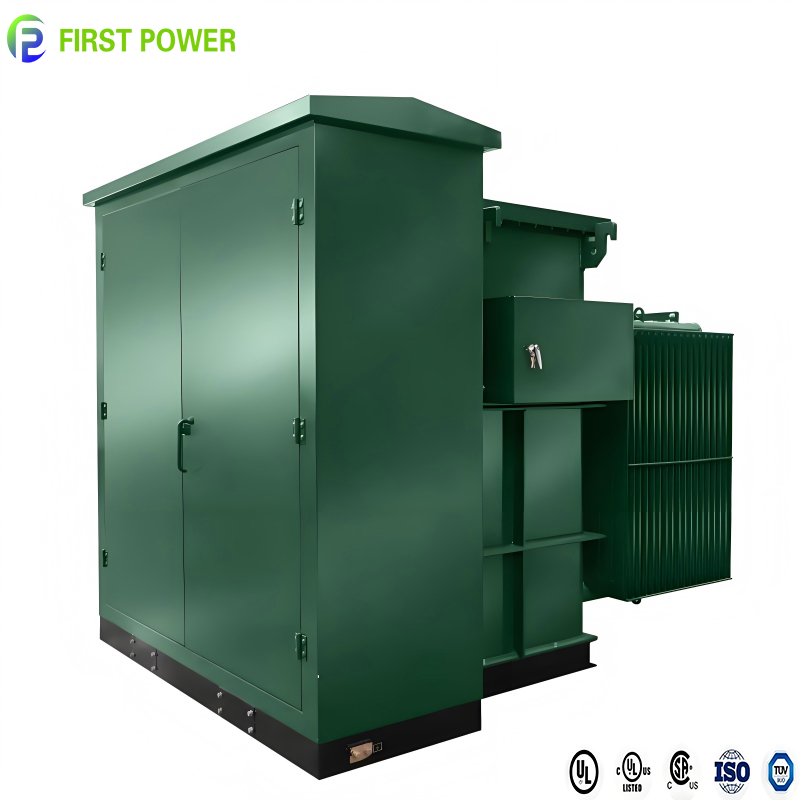
CE Three-Phase Pad-Mounted Pedestal Transformer, 100–630 kVA
Pedestal format for commercial centres, hospitals, campuses, water treatment and light industry. Accessible terminations and a robust enclosure suit constrained urban sites and public-facing installations.
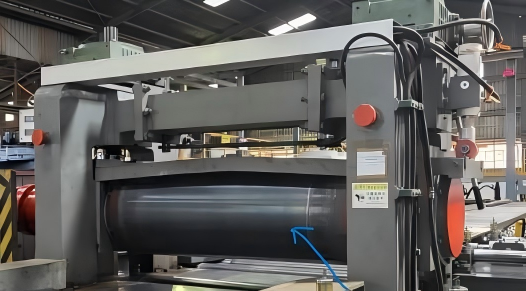
MAIN ROLLER D
Heavy-duty roller and handling component for transformer production lines and project-specific substation equipment. Confirm drawings, load rating and surface treatment before order.
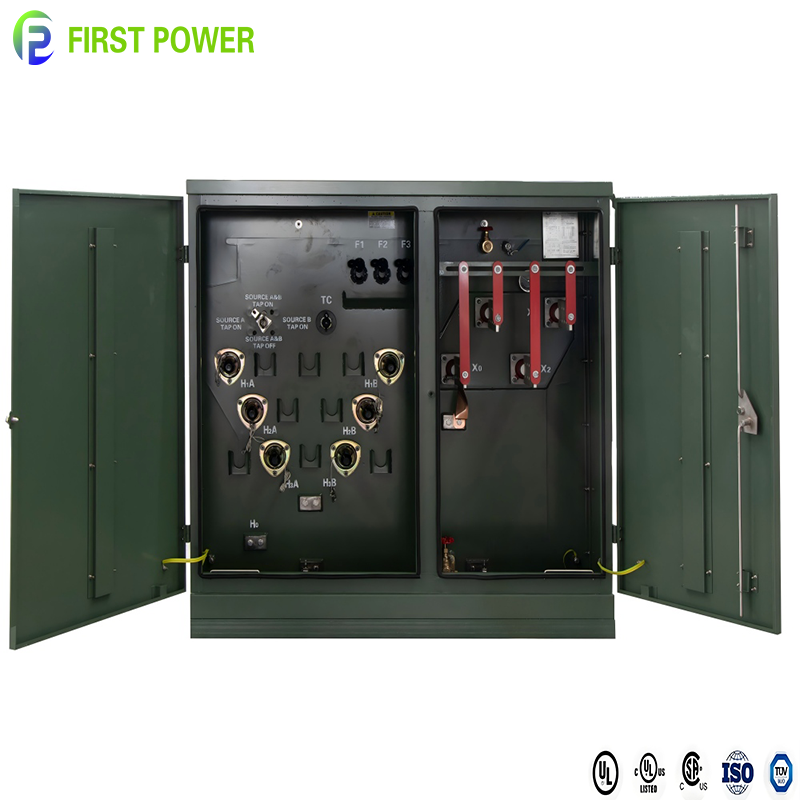
MV/HV Three-Phase Pad-Mounted Transformer for Industrial Power Supply
Medium- and high-voltage pad-mounted platform for industrial power supply, mining and utility distribution. Designed for 6–35 kV projects with MV cable compartments and safety interlocks.
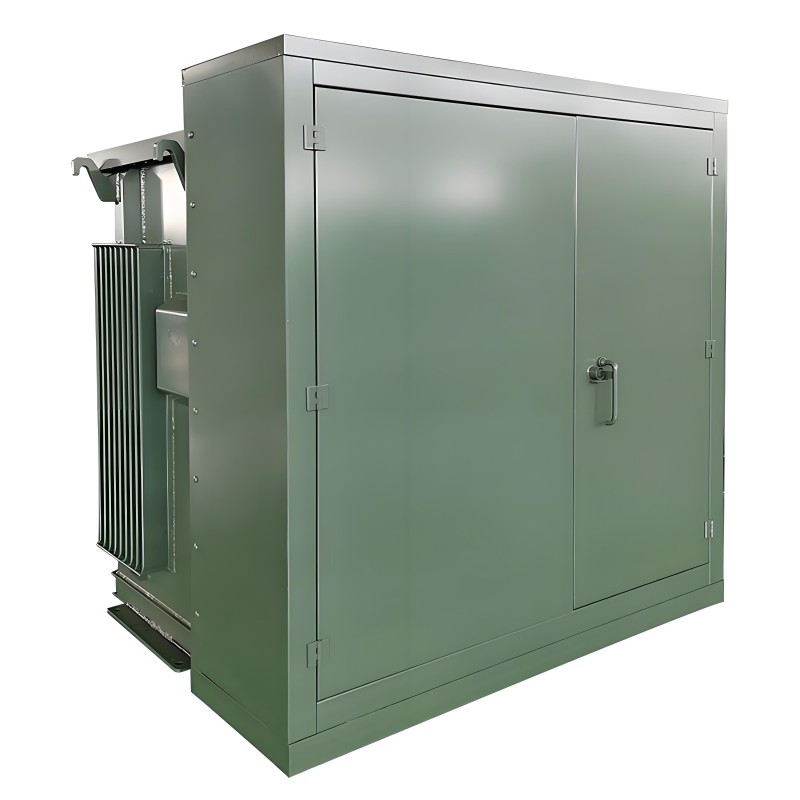
CE 75–2,500 kVA Oil-Type Three-Phase Pad-Mounted Transformer
35 kV input with 480 V output configuration for specific industrial systems. For Ethiopian projects, request 50 Hz and secondary voltage confirmation such as 220/380 V or 400/230 V where required.
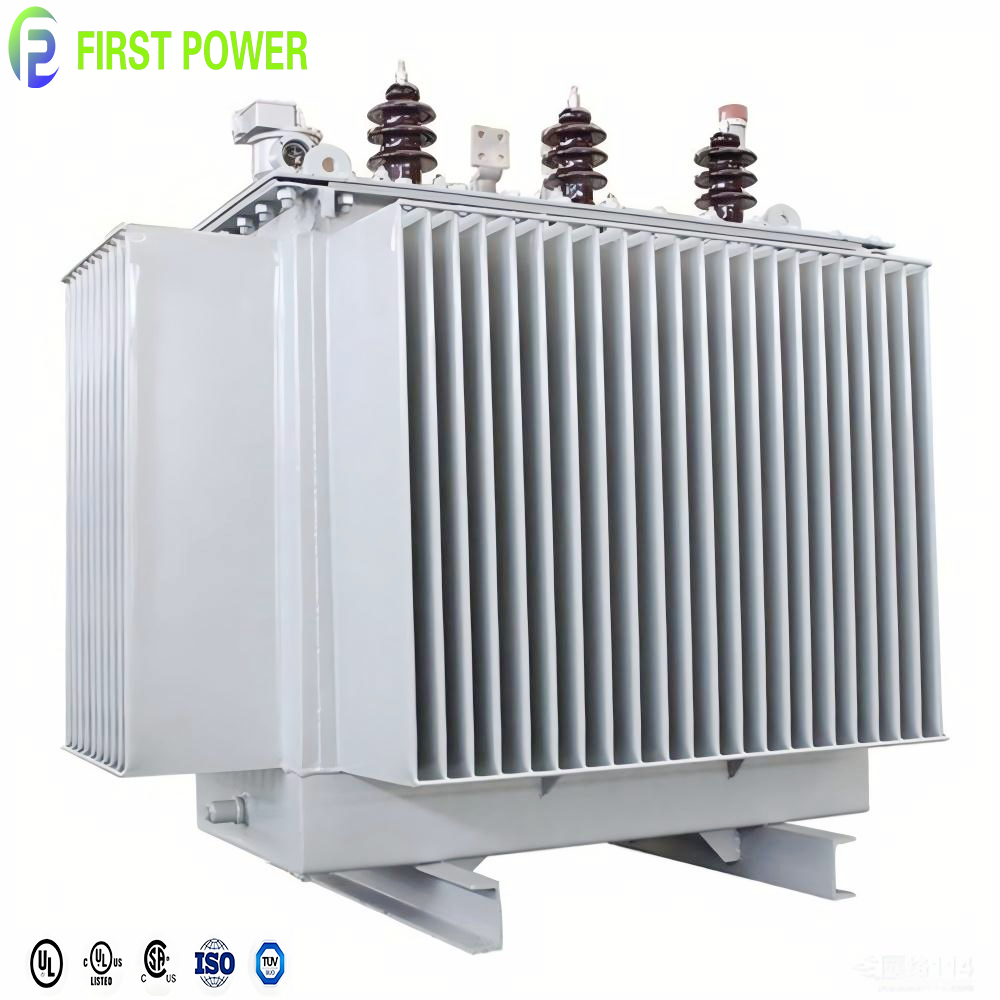
S11 Three-Phase Oil Transformer, 10 kVA–50 MVA
Utility distribution workhorse with low no-load loss options, corrugated tank and oil temperature protection. Suitable for 10–35 kV feeders where reliability, efficiency and spare-part simplicity matter.
Engineering for 50 Hz, High Altitude and Import Logistics
Ethiopia is not a one-size-fits-all transformer market. The procurement decision should be based on grid code, site altitude, load profile, transport route and documented factory testing.
Ethiopia’s national grid operates at 50 Hz with 220/380 V low-voltage supply, and projects commonly use 15 kV and 33 kV distribution, 66/132/230/400 kV transmission and an expanding 500 kV backbone. For buyers, the real question is not simply “who sells transformers in Ethiopia?” but “which factory can deliver a documented, altitude-corrected, loss-guaranteed unit that passes utility or private project review and survives the Djibouti corridor?”
A local wholesaler can provide stock, customs relationships and faster site contact. A factory-direct partner adds engineering control, traceability and lower total cost for non-standard ratings. The strongest procurement model often combines both: factory engineering and test documentation, supported by a local partner for clearance, inland delivery, installation supervision and spare-part response.
Information gain: five tender details that prevent rework
- Specify 50 Hz, not 60 Hz, and confirm secondary voltage such as 220/380 V or 400/230 V.
- State site altitude. Addis Ababa is about 2,355 m, and many highland sites exceed 2,000 m, affecting dielectric and cooling margins.
- Define lightning impulse level, creepage distance, dust protection and corrosion requirements for the installation environment.
- Require a routine test report for every serial number and type-test documents to IEC 60076 or ANSI/IEEE C57 series standards.
- Confirm transport envelope and seaworthy packing, because inland road clearances and handling limits from Djibouti can constrain tank and radiator dimensions.
Where These Transformers Fit in Ethiopia
Successful projects match the transformer format to the site, not only to the kVA rating. The same 50 Hz unit can behave very differently in a coastal substation, a highland factory or an urban underground vault.
Urban distribution and undergrounding
Addis Ababa, Adama, Hawassa and Bahir Dar projects increasingly value pad-mounted and pedestal transformers for constrained rights-of-way, tamper resistance and cleaner street-level infrastructure. Specify 15/33 kV primary, 50 Hz and 220/380 V secondary.
Industrial parks and manufacturing
Textile, garment, food-processing, cement and assembly plants need stable voltage and strong short-circuit withstand. Oil-immersed units suit outdoor yards; cast-resin dry-type units suit indoor electrical rooms with fire-safety constraints.
Hydro, solar and wind integration
Renewable collectors and grid interconnections require step-up transformers, harmonic consideration, reverse-power protection and clear loss guarantees. Ethiopia’s hydro, solar and wind pipelines benefit from factory-tested 50 Hz designs.
Water pumping and irrigation
Pump stations face motor starting, wide voltage variation and dust. Pole-mounted and pad-mounted transformers can be sized with starting margin, overload capability and altitude correction for highland agricultural schemes.
Mining, cement and heavy industry
Heavy loads need conservative temperature rise, robust bushings and spare-part planning. For remote sites, transformer documentation, oil handling instructions and a practical maintenance schedule matter as much as purchase price.
Hospitals, campuses and data centres
Indoor, fire-sensitive and noise-sensitive sites often call for cast-resin dry-type transformers. Low noise, Class F/H insulation and adequate ventilation should be written into the specification rather than assumed.
What Is Changing in Ethiopia’s Power Equipment Market
Procurement teams are moving from “lowest first price” toward documented total cost of ownership, grid compliance and life-cycle support. These trends directly affect transformer specifications.
Higher voltage and larger capacity
As 400 kV and 500 kV projects advance, buyers need factory test capability, transport planning and experienced engineering review for larger power transformers.
Loss reduction and TCO
For high-utilization feeders, a lower no-load and load loss design can outweigh a small purchase-price difference over 15–20 years. Request guaranteed losses and test verification.
Underground and compact solutions
Urban beautification, safety and right-of-way limits are pushing pad-mounted transformers and compact substations into commercial and municipal projects.
Renewable integration
Solar, hydro and wind projects require transformer designs that account for harmonics, reverse power, cyclic loading and coordination with protection systems.
Local wholesaler partnerships
Factories are increasingly working with Ethiopian agents and wholesalers for customs, stock, installation support and after-sales response, while retaining engineering control at the factory.
Traceable documentation
Utilities and EPC contractors now ask for serial-number test reports, type-test files, O&M manuals, packing records and third-party inspection evidence before release of payment.
How to Match Transformer Type to Ethiopian Project Needs
Use this matrix as an early-stage shortlisting tool. Final selection must follow the employer’s requirements, utility review and site-specific studies.
| Project need | Recommended transformer | Ethiopia-critical specification | Procurement check |
|---|---|---|---|
| Urban underground distribution | Three-phase pad-mounted or pedestal transformer | 15/33 kV, 50 Hz, 220/380 V, tamper-resistant enclosure | IP rating, cable termination space, drainage, corrosion protection |
| Utility feeder and rural branch | S11 oil-immersed or single-phase pole-mounted transformer | 10/15/33 kV, low no-load loss, 50 Hz | Loss evaluation, pole loading, lightning impulse and fuse coordination |
| Industrial park factory | Oil-immersed or cast-resin dry-type transformer | Harmonic loading, voltage dips, 50 Hz, 220/380 V or 400/230 V | Short-circuit strength, temperature rise, ventilation and spare capacity |
| Solar or wind collector | Pad-mounted step-up transformer or compact substation | Inverter harmonics, reverse power, 50 Hz, grid-code compliance | Protection coordination, loss guarantees and type-test evidence |
| Water pumping and irrigation | Pole-mounted or pad-mounted distribution transformer | Motor starting margin, dust, wide voltage, high-altitude correction | Overload capability, cooling method, maintenance access |
| Hospital, campus or data centre | Cast-resin dry-type transformer | Fire safety, low noise, indoor installation, 50 Hz | IEC 60076-11, noise level, ventilation and temperature-rise verification |
Ranges and formats are indicative. Ratings outside these values can be engineered; always confirm final drawings, guaranteed losses and test plans before purchase order.
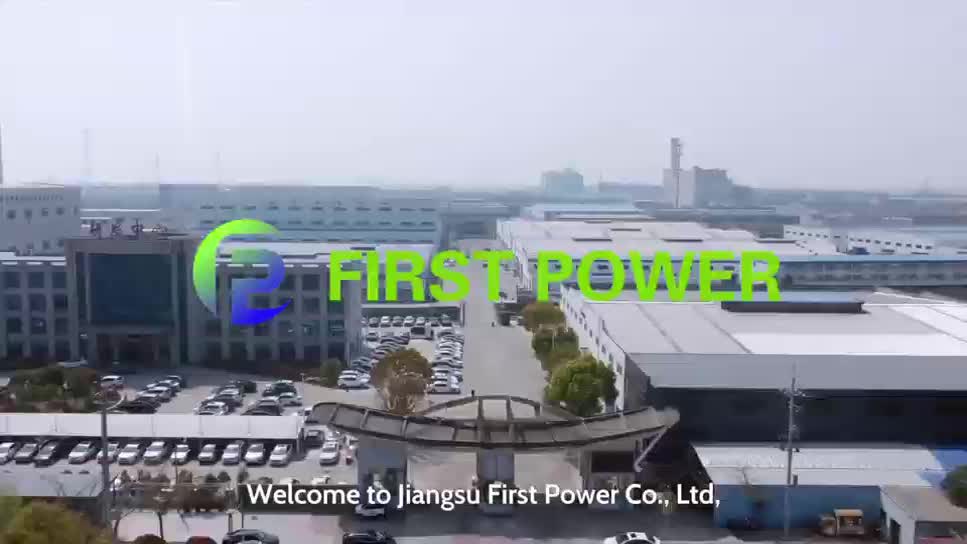
A Specialist Transformer Supplier Based in Suzhou, China
Jiangsu Wisegj Power Co., Ltd. designs, assembles and exports medium- and high-voltage equipment from 220 V up to 500 kV: power transformers, distribution transformers, pad-mounted transformers, dry-type transformers, compact substations, switchgear and related power equipment.
Our team brings more than 20 years of hands-on transformer experience. Every project is reviewed by engineers before quotation, built under ISO 9001 quality control and shipped with routine test reports, so procurement teams receive equipment that matches the utility specification the first time.
- Verified production base with full industry certificates
- 50+ R&D and technical engineers
- Supplier to Fortune 500 companies
- 24-hour pre-sale and after-sale engineer response
- OEM, ODM and design-based customization
- Finished-product inspection on every unit

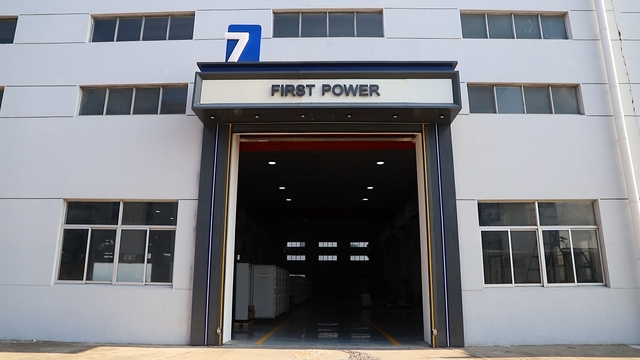
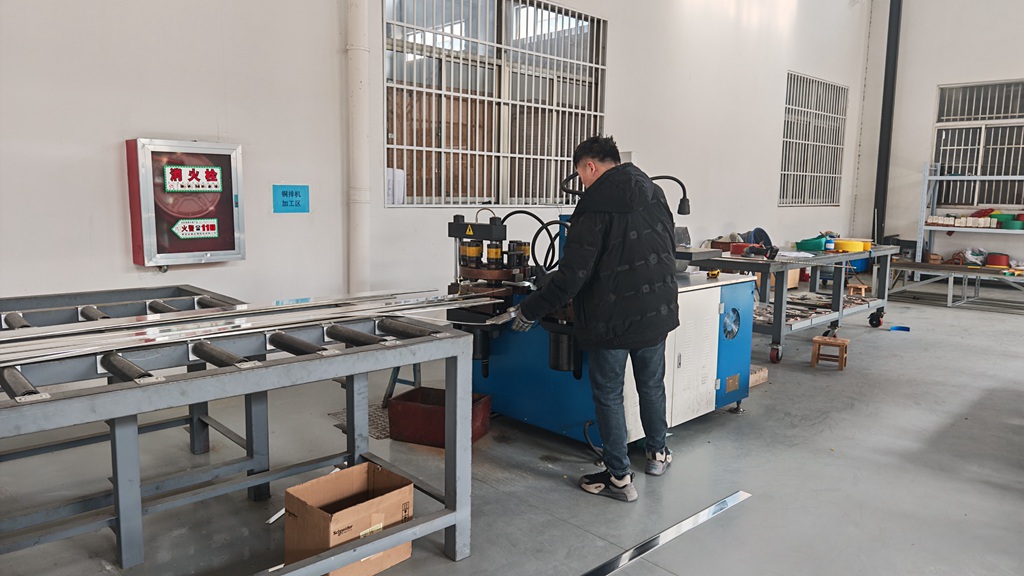
Production capability, floorspace and quality inspection verified onsite by TÜV Rheinland, an independent third-party inspection body.
Portfolio depth indicator: voltage and application coverage
Indicative portfolio coverage for early project screening, not a performance guarantee. Final design depends on the specification.
Auditable Production, Testing and Export Documentation
For Ethiopia-bound equipment, the factory file should support both technical approval and customs clearance. We structure documentation so your QA and procurement teams can verify the unit before shipment.


Certificate numbers procurement teams can verify
- ISO 9001: 62824Q6052R0S · ISO 14001: 62824E6053R0S · ISO 45001: 62824S6054R0S
- CE oil-immersed power transformer: 3N230310.JYTU038 · CE oil-immersed transformer: M.2025.206.C121882
- CE dry-type transformer: FQC2530404 · CE compact substation: M.2025.206.C121884
- Routine tests: winding resistance, ratio and vector group, impedance and load loss, no-load loss and current, applied and induced voltage, oil dielectric strength for liquid-filled units.
Export packing and Ethiopia logistics
Equipment is packed for sea freight and inland transport, with shock indicators available for sensitive components. We support FOB, CFR, CIF, EXW, FCA, CIP, CPT and DDP discussions, and supply commercial invoice, packing list, certificate of origin, bill of lading, test reports and O&M manuals. For Ethiopia, the port of discharge is commonly Djibouti, followed by inland transport to Addis Ababa or the project site; early confirmation of road clearances and lifting capacity prevents rework.
Third-party witness inspection is welcome before shipment. For utility or EPC projects, we can prepare a document package for the employer’s review and align nameplate language, drawing format and test plan with the tender.
Questions Local Buyers and Wholesalers Ask
Straight answers from our engineering and export teams, written for Ethiopian utilities, EPC contractors, industrial buyers and wholesalers.
Is Ethiopia a 50 Hz or 60 Hz transformer market?
Ethiopia operates at 50 Hz. Do not order a standard 60 Hz unit unless it is for an isolated industrial system or a donor project with a specific requirement. Confirm the low-voltage secondary, commonly 220/380 V, and the distribution voltage such as 15 kV or 33 kV before quotation.
Which standards are commonly requested for Ethiopian projects?
IEC 60076 is the normal reference for oil-immersed and dry-type transformers, while IEC 62271 applies to switchgear and compact substations. Some private or donor-funded projects reference ANSI/IEEE C57 series standards. We supply routine test reports and available type-test documents so your consultant can verify compliance.
How does altitude affect transformer selection in Ethiopia?
Addis Ababa is about 2,355 m above sea level, and many project sites are higher. Above 1,000 m, dielectric clearance and cooling performance need review. State the site altitude and ambient temperature in the inquiry so bushings, clearances, temperature rise and cooling method are selected with adequate margin.
Can you supply 15 kV and 33 kV distribution transformers?
Yes. Our portfolio covers 6–35 kV distribution classes in pad-mounted, pole-mounted, oil-immersed and dry-type formats. For utility-style projects, provide the single-line diagram, vector group, impedance, tap range and protection requirements so the design aligns with the employer’s specification.
What is the typical lead time to Ethiopia?
Standard distribution transformers typically require several weeks of production depending on rating and customization; large power transformers take longer. Ocean freight to Djibouti, port handling and inland transport add further time. Provide the site address and required Incoterm so we can build a realistic schedule rather than quote only factory lead time.
What documents should an Ethiopian wholesaler provide?
Ask for the factory routine test report, type-test file, CE/ISO certificates where applicable, commercial invoice, packing list, certificate of origin, bill of lading, warranty statement, O&M manual and spare-parts list. Check that serial numbers on the nameplate, test report and packing list match.
How can we verify the factory before placing an order?
Review the TÜV Rheinland verification report, request a live video tour, examine sample test reports and consider third-party witness testing during routine tests. For high-value orders, a pre-shipment inspection with serial-number traceability is a practical risk-control step.
What payment and trade terms are accepted?
We discuss T/T, L/C, D/P and D/A payment structures, and Incoterms including FOB, CFR, CIF, EXW, FCA, CIP, CPT and DDP. Currency options include USD, EUR, GBP, CAD, AUD and other major currencies. Final terms depend on the order value, destination and documentary requirements.
RFQ checklist for a faster, accurate transformer offer
Share these parameters and our engineers can return a compliant design, guaranteed losses and a clear document list without unnecessary clarification rounds.
- Rated power (kVA or MVA)
- Primary and secondary voltage
- Frequency: 50 Hz for Ethiopia
- Vector group and impedance
- Tap changer type and range
- Cooling method and insulating fluid
- Applicable standard: IEC or ANSI/IEEE
- Site altitude, ambient temperature and dust exposure
- Loss limits or efficiency target
Have an Ethiopian transformer specification ready for review?
Send your datasheet, single-line diagram or tender document. A transformer engineer will review the 50 Hz requirement, altitude correction, loss guarantees, test plan and Ethiopia-bound logistics before quotation.