Eight Transformer Products Matched to Berlin Distribution Substation Projects
This shortlist preserves the original catalogue product links and image paths. Each unit can be reviewed against 50 Hz German grid practice, CE documentation, EU loss limits and project-specific network-operator requirements.
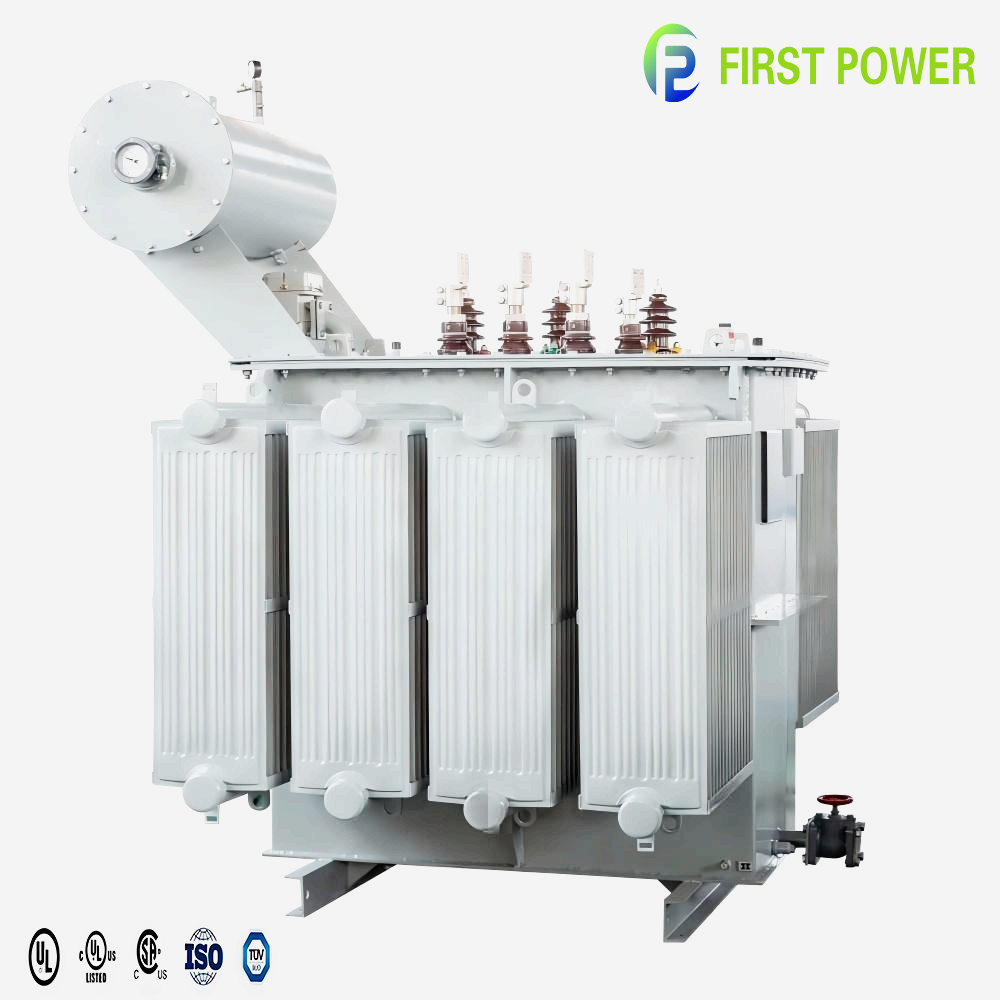 Solar · CE
Three-Phase Oil-Immersed Solar PV Transformer, 1 MVA Class
A 6–35 kV, 50/60 Hz oil-immersed transformer for PV generation, CHP and grid-connection duty. Suitable for Berlin solar roof schemes, landlord electricity and storage interfaces where step-up or isolation duty is required.
- Rating: 1,000 kVA / 1 MW class
- Voltage: 6 kV, 10 kV, 20 kV, 35 kV
- Use: PV, generation, grid connection
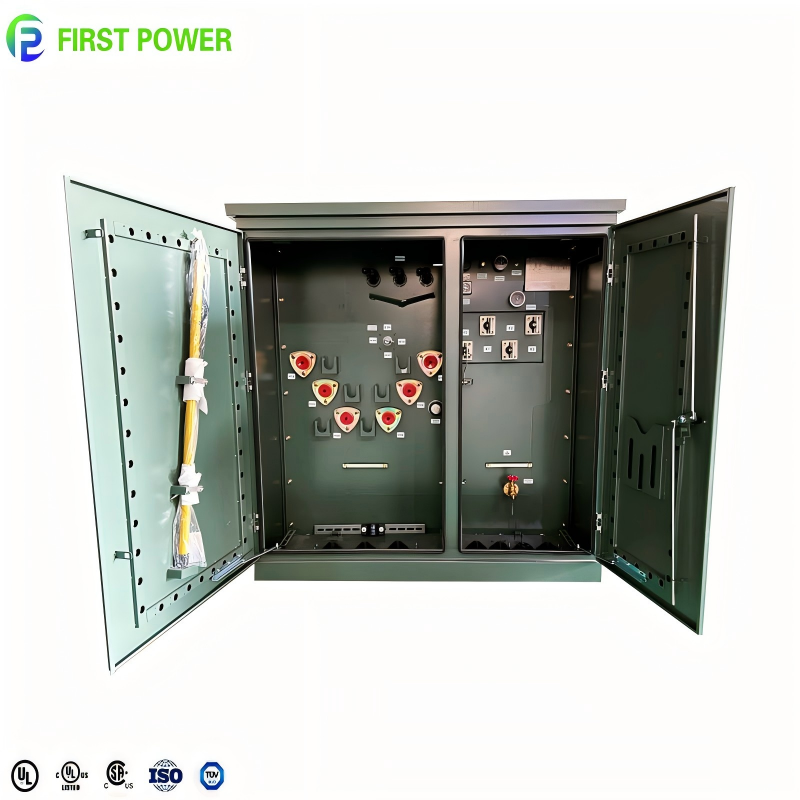 Pad-mounted
ZGS11 Three-Phase Pad-Mounted Distribution Transformer
A ZGS11 three-phase pad-mounted transformer for cable-fed urban networks. Space-saving enclosure, tamper-resistant access and options for loop or radial feed support dense Berlin distribution layouts.
- Rating: 75 kVA to 50,000 kVA
- Voltage: 6 kV, 10 kV, 15 kV, 20 kV, 35 kV
- Use: Electric power distribution
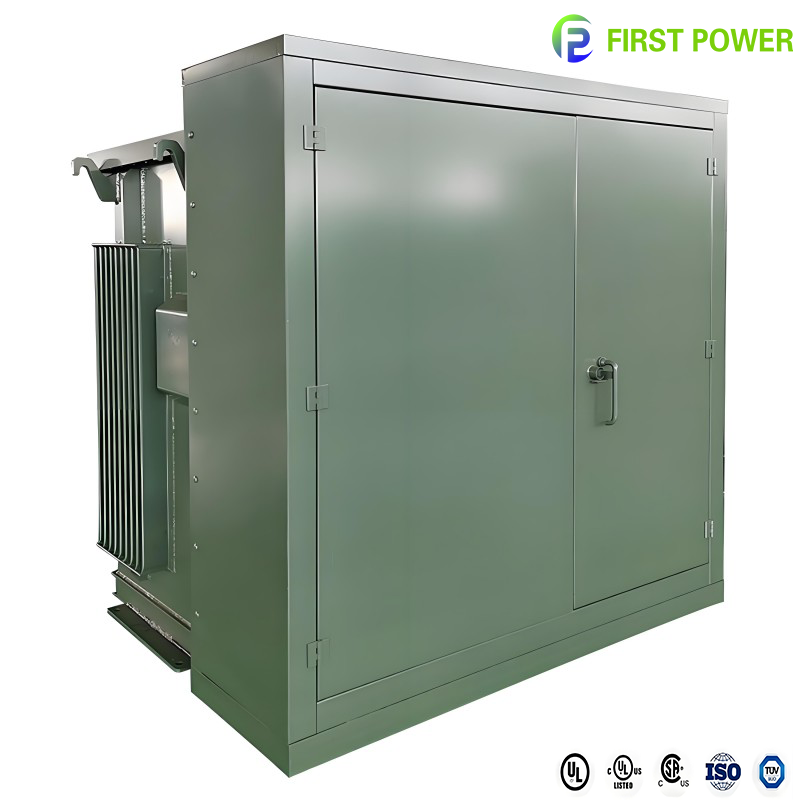 Oil pad-mounted
Oil-Type Pad-Mounted Transformer, 75–400 kVA
A 10–35 kV oil-type pad-mounted unit for commercial and residential developments. The oil-filled design provides thermal robustness and overload capacity where outdoor ground space is available.
- Rating: 75 kVA, 100 kVA, 200 kVA, 300 kVA, 400 kVA
- Voltage: 10 kV, 20 kV, 35 kV
- Use: Power generation and distribution
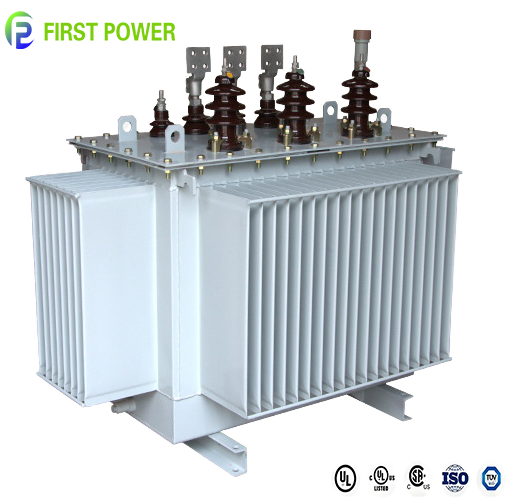 S11 · IEC
S11 Three-Phase Oil Transformer for Distribution Systems
A cost-controlled S11 three-phase oil transformer for standard distribution duties. Suitable for tender comparisons where guaranteed losses, impedance and test reports are evaluated rather than price alone.
- Rating: 100 kVA, 300 kVA, 500 kVA, 630 kVA
- Voltage: 10 kV, 15 kV, 20 kV, 35 kV
- Use: Distribution system projects
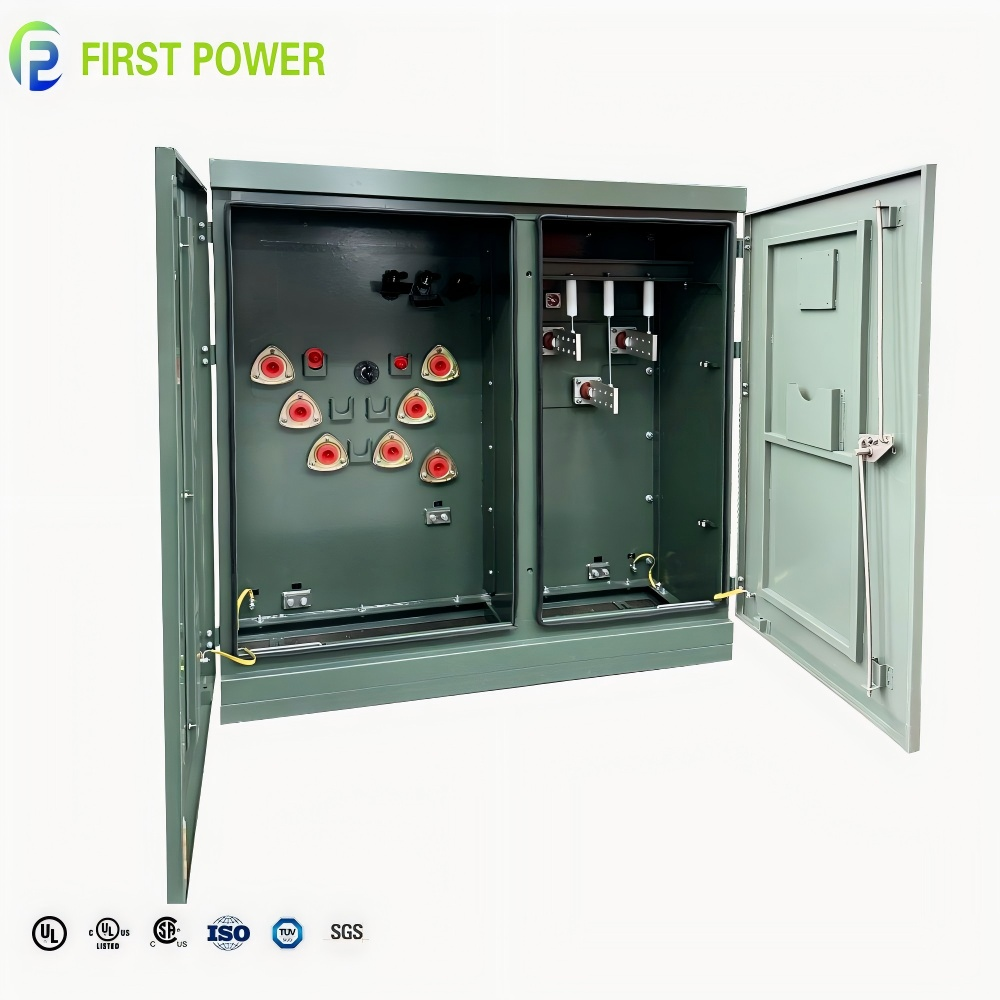 Loop feed
750 kVA Loop-Feed Pad-Mounted Distribution Transformer
A loop-feed pad-mounted transformer for redundant urban cable loops. Loop-feed switching supports maintenance without interrupting downstream customers, a key benefit for Berlin’s dense cabled network.
- Rating: 750 kVA
- Voltage: 10 kV, 20 kV, 35 kV
- Use: Electric power distribution
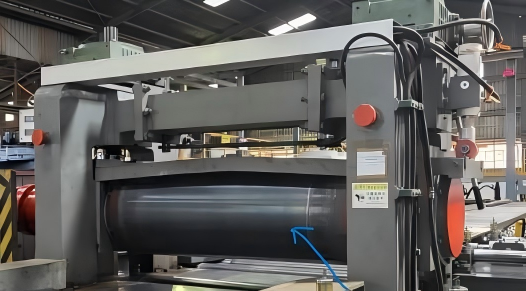 Auxiliary
MAIN ROLLER D
A heavy-duty roller module from the factory equipment portfolio. Quoted as an auxiliary item when customers require production, assembly or handling equipment; technical drawings and interface details are confirmed before order.
- Type: Roller assembly
- Use: Handling and production support
- Quote: Project-specific configuration
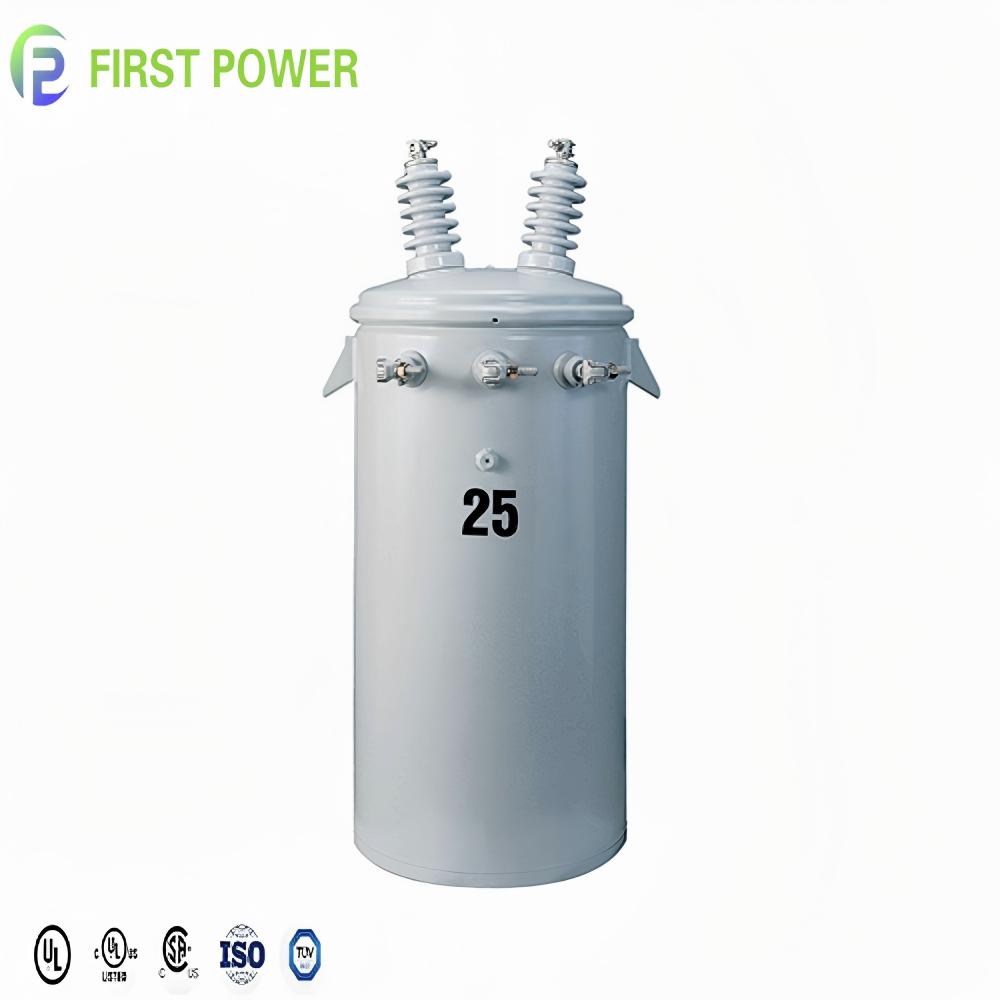 Single-phase
MV/HV Single-Phase Transformer, 25 kVA Class
A single-phase MV/HV transformer for distribution duties where single-phase loading, voltage transformation or auxiliary supply is needed. Available for 6–35 kV systems with CE documentation.
- Rating: 25 kVA
- Voltage: 6 kV, 10 kV, 20 kV, 35 kV
- Use: Power distribution
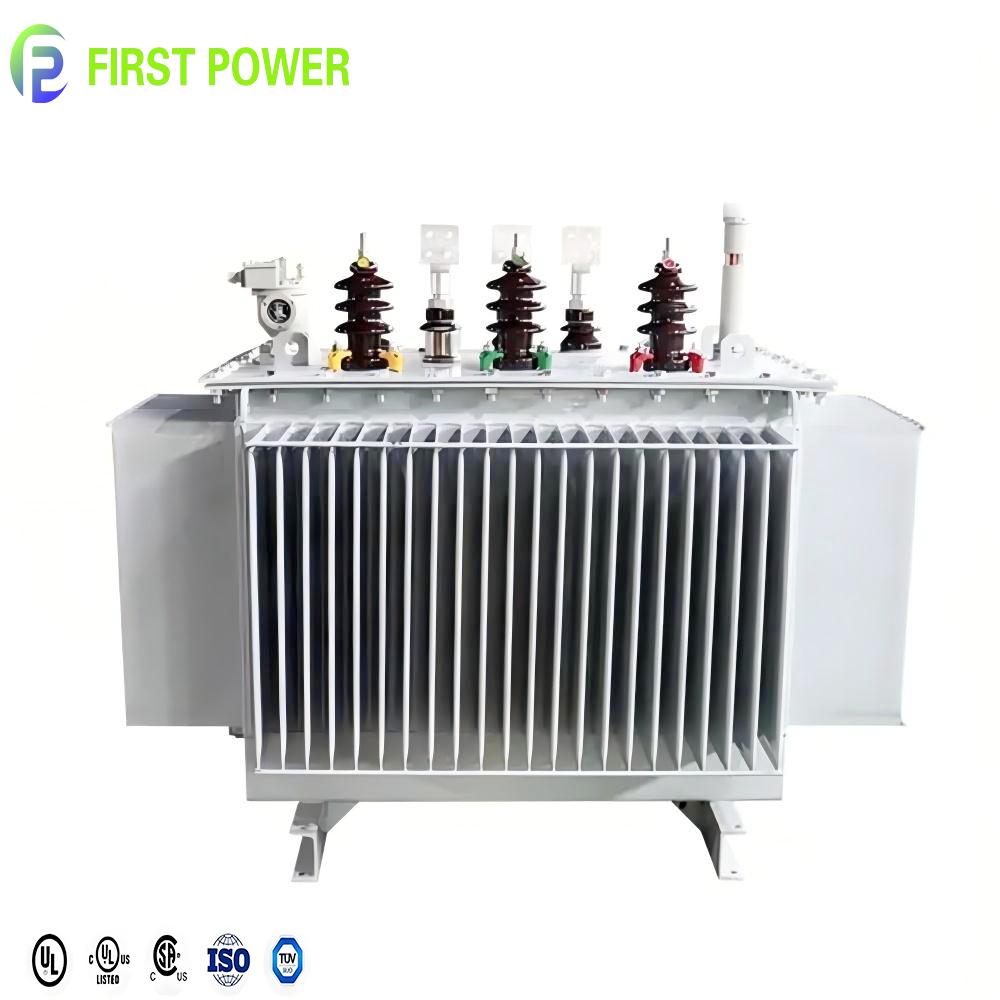 Low loss
S11 Three-Phase Oil-Immersed Distribution Transformer
An S11 transformer for 50–250 kVA loads. Compact, low-loss design for commercial buildings, municipal facilities and light industrial sites; suitable for 10 kV Berlin distribution when specified with Dyn11 and EU loss limits.
- Rating: 50 kVA, 100 kVA, 150 kVA, 200 kVA, 250 kVA
- Voltage: 10 kV, 20 kV, 35 kV
- Use: Electric power distribution
What Berlin’s Distribution Substation Market Requires from an Exporter
Berlin’s electricity distribution is an urban engineering problem before it is a purchasing problem. The city’s 50 Hz grid, dense underground cable practice, constrained real estate and strict noise and fire expectations mean a transformer that looks competitive on a datasheet can still fail at the planning stage. For exporters, the winning approach is not to send a generic catalogue; it is to translate Berlin’s technical and procurement requirements into a buildable factory specification.
At system level, Berlin combines a high-voltage transmission ring and primary substations with a medium-voltage distribution layer typically operating at 10 kV, with 20 kV designs also used in parts of the wider German market, and low-voltage networks at 230/400 V. The exact connection voltage, short-circuit level, earthing arrangement and protection interface must be confirmed by the local network operator. Wisegj’s role is to align the transformer design — rating, vector group, impedance, tapping range, cooling and enclosure — with that interface.
Berlin’s energy transition adds a second layer. Heat pumps, EV chargers, data centres, distributed PV and storage are changing load profiles from passive consumption to bidirectional power flow. The result is more frequent overload studies, tighter loss budgets and greater attention to harmonic, inrush and short-circuit behaviour. A transformer specified only by kVA is not enough; engineers now evaluate no-load and load losses, temperature rise, sound pressure, enclosure finish and documentation traceability.
Information gain for buyers: the most useful exporter is the one that can connect a Berlin requirement to a factory test plan, a drawing, a certificate number and a shipping schedule. That is the standard this page applies.

Factory evidence and production planning are part of the E-E-A-T chain: engineering review, documented manufacture and routine testing before dispatch.
Qualitative weighting based on urban distribution project discussions. It is not a substitute for the Berlin network operator’s own study or a project-specific technical evaluation.
Where These Transformer Solutions Fit in Berlin
Berlin projects rarely buy “a transformer” in isolation. They buy a fit between load profile, site constraints, fire and noise strategy, network-operator approval and maintenance access.
Residential quarters and mixed-use blocks
For new residential quarters and building conversions, a 10/0.4 kV distribution solution must handle heat-pump and EV loads while fitting a small technical area. Low-noise oil-immersed or dry-type units should be compared against the building’s fire and ventilation concept.
Commercial buildings and hotels
Indoor substations near guests and offices often favour cast-resin dry-type transformers where oil-free operation and reduced fire load are required. Where an outdoor yard is available, compact oil-filled units can remain cost-effective and easier to service.
Data centres and telecom sites
High availability, low loss and predictable heat rejection are critical. Transformers should be specified with verified impedance, temperature-rise test data and a documented spare strategy so that digital infrastructure growth does not create hidden resilience gaps.
EV charging hubs and depots
Fast charging creates short, high-magnitude load cycles. The transformer, switchgear and protection must be coordinated for cyclic loading, harmonic distortion and future expansion rather than sized only for today’s connected charger count.
Public transport and municipal infrastructure
Depots, signalling supplies and public buildings require robust equipment, clear maintenance access and delivery windows that fit night or weekend possessions. Factory documentation should be complete before equipment arrives on site.
Solar PV, CHP and storage connections
Decentralised generation requires step-up or isolation transformers and careful reverse-power-flow studies. A PV transformer should be evaluated on loss performance, enclosure, anti-condensation strategy and grid-connection documentation.
Four Trends Shaping Berlin Transformer Demand
Berlin’s grid is being reshaped by electrification, digital load growth, decentralised generation and stricter efficiency expectations. These trends change the specification conversation, not just the order quantity.
Heat and mobility electrification
Heat pumps and EV charging increase low-voltage peak demand and cyclic loading. Engineers need more transparent loss, temperature-rise and noise data to compare options for constrained urban sites.
Data centres and digital infrastructure
Berlin’s digital economy puts a premium on reliability, low loss and predictable heat rejection. Transformers are increasingly evaluated as part of a system with switchgear, protection and cooling strategy.
Solar, storage and prosumer flows
Distributed PV and storage create reverse power flow and new protection considerations. Step-up transformers, enclosure corrosion protection and grid-connection documentation become part of the value proposition.
EU efficiency and circular procurement
EU Ecodesign requirements for transformers, including Regulation (EU) 548/2014 as amended by 2019/1783, make loss evidence and lifecycle cost part of the tender. Buyers increasingly ask for test data, not just a catalogue claim.
Recommended Configurations for Berlin Projects
These are starting points for specification review, not final approvals. The Berlin network operator, building authority and fire strategy must confirm the installation concept.
10/0.4 kV, 630–1,250 kVA, Dyn11
Oil-immersed distribution transformer or compact substation for residential quarters and mixed-use blocks. Check EU loss tier, boundary noise, ventilation and cable termination arrangement.
10 or 20 kV/0.4 kV dry-type
Cast-resin dry-type solution for indoor commercial buildings, hotels and fire-sensitive locations. Confirm enclosure IP rating, acoustic limit, fan cooling and emergency ventilation.
110 kV/MV power transformer
For utility primary substations and large campus interconnections. Specify ONAN/ONAF cooling, tap changer, impedance, short-circuit withstand and a factory acceptance test plan.
PV or CHP step-up transformer
50 Hz design with reverse-power-flow review, harmonic assessment, anti-condensation protection and corrosion-class enclosure. Confirm inverter fault behaviour before finalising impedance.
Why Berlin Buyers Shortlist Wisegj
Wisegj is Jiangsu Wisegj Power Co., Ltd., a Suzhou-based manufacturer and exporter of transformers, compact substations and switchgear. The advantage is not a slogan; it is a chain of evidence that procurement and engineering teams can audit.
Verified production footprint
6,847 m² of verified production floorspace with dedicated winding, core assembly, drying, tanking and test areas. Production capability and quality inspection have been verified onsite by TÜV Rheinland.
In-house routine testing
Winding resistance, ratio and vector group, impedance and load loss, no-load loss and current, applied and induced voltage tests, plus oil dielectric strength for liquid-filled units. Third-party witness inspection is welcome.
Custom engineering for German projects
OEM, ODM and design-based customization covering ratings, vector group, impedance, tap range, bushings, cooling, insulating fluid, enclosure colour and nameplate language. German-market documentation can be quoted.
Certificate and standards pack
ISO 9001, ISO 14001 and ISO 45001 management systems plus CE certificates for oil-immersed power transformers, dry-type transformers and compact substations. Certificate numbers are listed below for verification.
Export logistics to Berlin
Seaworthy packing, shock indicators and full Incoterms coverage from EXW to DDP. We can quote T/T, L/C, D/P and D/A options in USD, EUR, GBP and other major currencies.
24-hour engineer response
50+ R&D and technical engineers and 211 qualified supply-chain partners support stable lead times. Submit a datasheet, single-line diagram and site conditions for a technical response within one working day.
Expert review and transparency note
Reviewed by the Wisegj power-systems engineering and export team. Experience: 20+ years in transformer applications. Credentials: ISO 9001, ISO 14001, ISO 45001 and CE product-family certificates. This Berlin briefing is for specification planning and does not replace the network operator’s approval, a site-specific load study or local fire-authority review.
Inside the Manufacturing and Test Chain
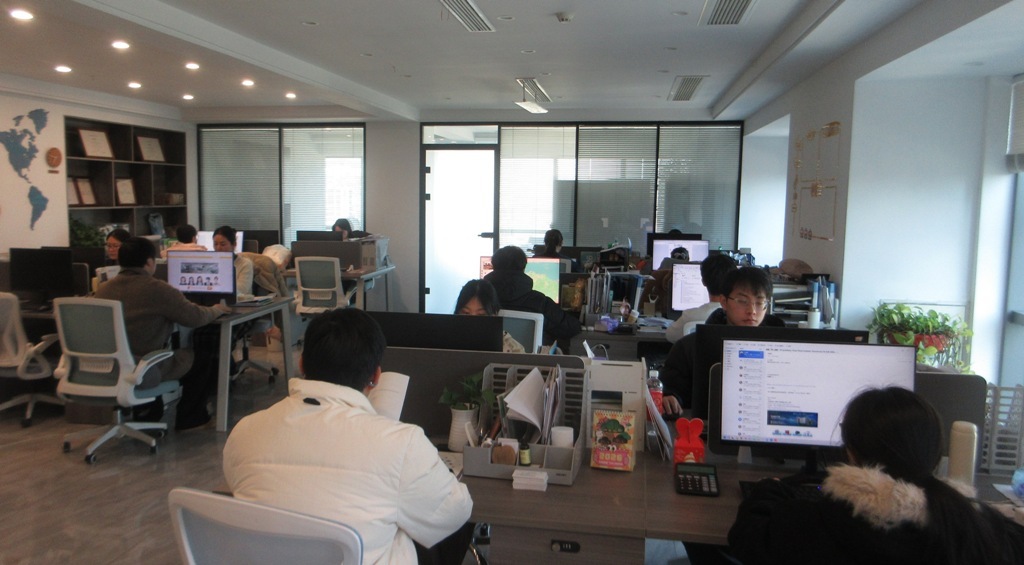
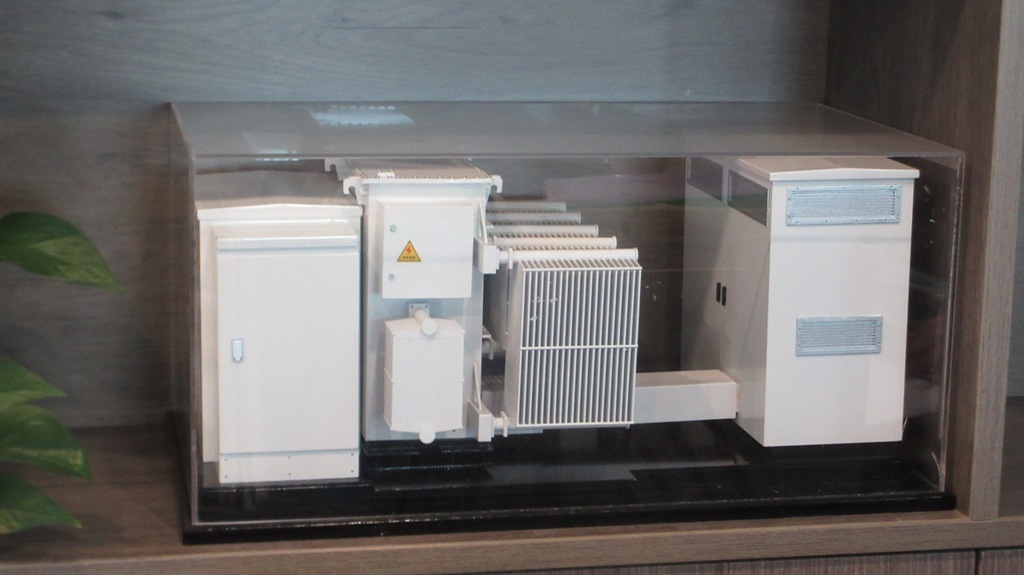
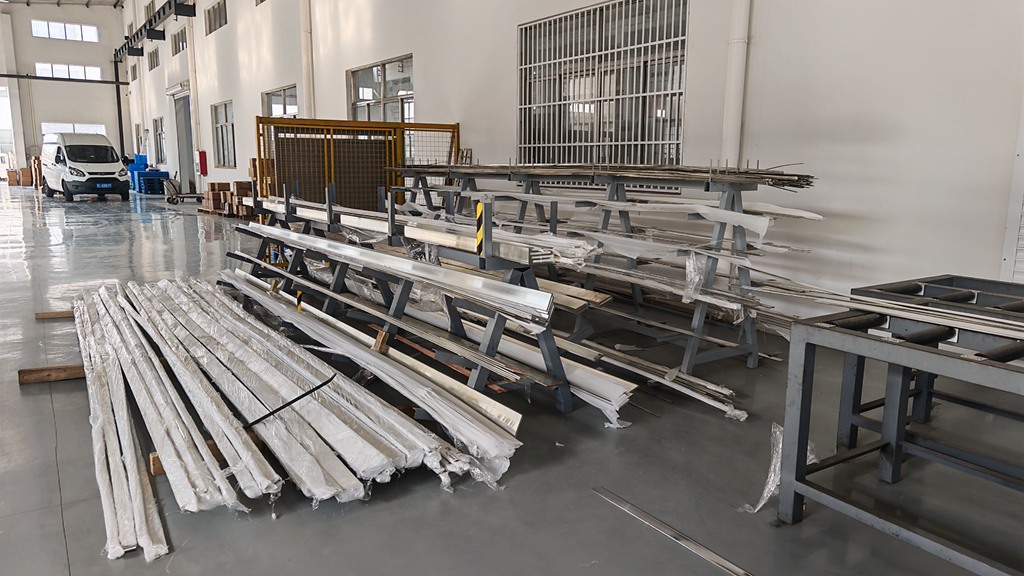
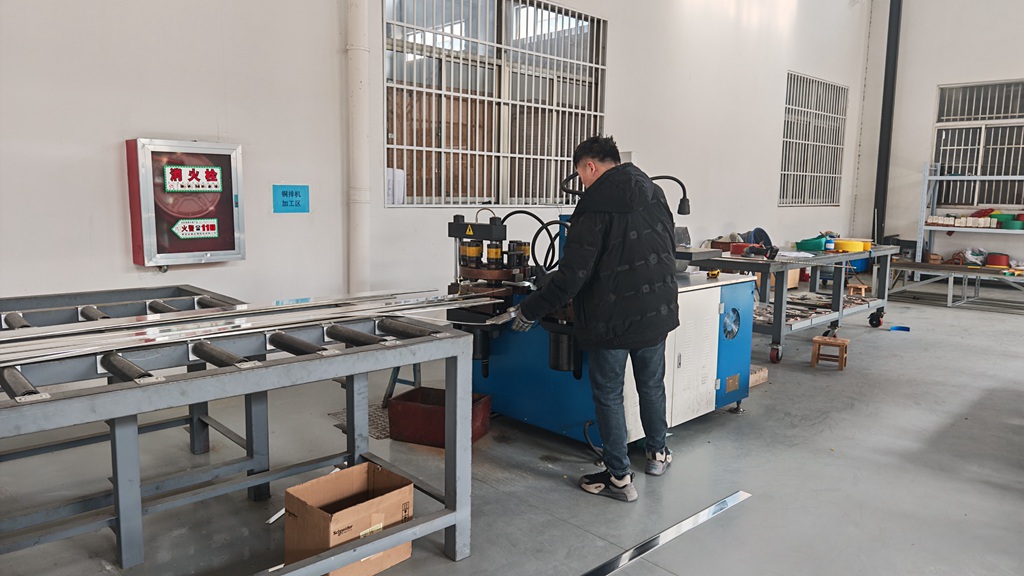
Photographs are not a substitute for an audit, but they help buyers understand what is being inspected. Every image below is rendered without cropping so the equipment and process context remain complete.
Procurement evidence pack
For Berlin procurement teams, the most useful supplier is the one that can provide a complete evidence trail before the purchase order. Wisegj supplies drawings, test records and certificates so that the buyer can compare quotations on total compliance rather than headline price.
- CE oil-immersed power transformer: 3N230310.JYTU038
- CE dry-type transformer: FQC2530404
- CE compact substation: M.2025.206.C121884
- ISO 9001: 62824Q6052R0S
- ISO 14001: 62824E6053R0S
- ISO 45001: 62824S6054R0S
Design documents
GA drawing, nameplate draft, loss calculation, vector group and tap range confirmation.
Factory records
Routine test report per serial number, oil test record where applicable and packing inspection record.
Compliance pack
CE declaration for the ordered configuration, ISO certificates and third-party inspection support.
Shipping pack
Packing list, shock indicator record, loading photos and shipping documents for Berlin delivery.
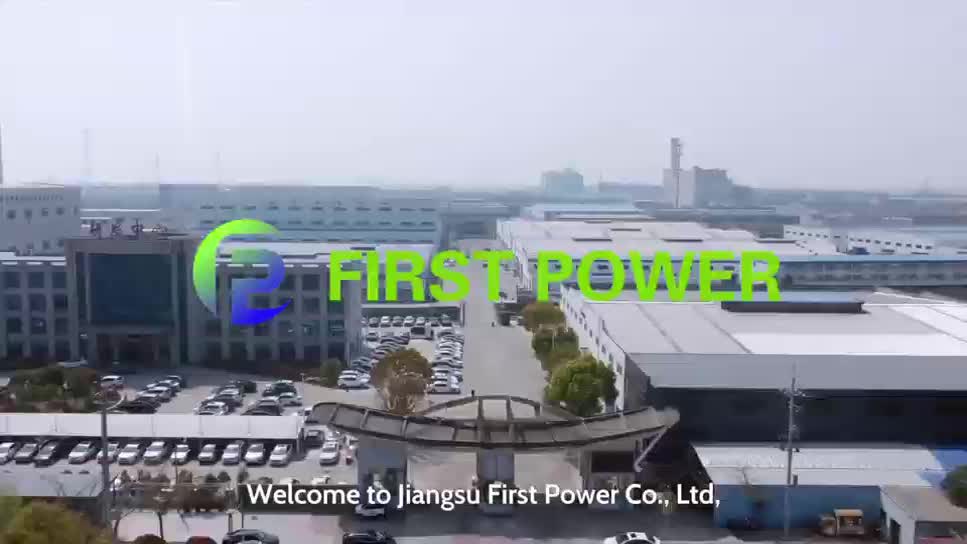
Factory video tour and engineering profile: useful for pre-qualification before a Berlin tender or sample order.
Questions Buyers Ask Before Ordering for Berlin
These are the practical questions that arise when a Berlin project moves from budget comparison to a technical and commercial order.
Do your transformers meet Berlin and German project requirements?
Wisegj designs to IEC 60076 and can quote to EN 50588, EU Ecodesign loss requirements, VDE/DIN practice and local TAB requirements where these apply. CE documentation is supplied for the ordered configuration. The final installation concept must still be approved by the Berlin network operator and, where relevant, the building or fire authority.
Can you supply 50 Hz equipment for Berlin and 60 Hz for other markets?
Yes. Berlin uses 50 Hz, so frequency, voltage, vector group and loss performance are fixed during order review. We can also manufacture 60 Hz variants for other markets. Frequency is not a catalogue afterthought; it affects core design, losses, sound and temperature rise, so it must be confirmed before quotation.
What lead time and delivery terms are typical for Berlin?
Lead time depends on rating, drawing approval and testing scope. Typical distribution transformer projects are quoted after drawing approval, while larger power transformers require a longer manufacturing and test window. We can quote EXW, FOB, CFR, CIF, DAP and DDP terms and discuss sea, rail or truck delivery to Berlin.
How do you prove losses and temperature performance?
Each unit receives routine tests including winding resistance, ratio and vector group, impedance and load loss, no-load loss and current, applied and induced voltage tests, and oil dielectric strength where applicable. Type-test reports can be supplied, and third-party witness testing is welcome. Buyers should compare guaranteed losses and test evidence, not only the purchase price.
Should a Berlin project choose oil-immersed or dry-type equipment?
Oil-immersed transformers are often preferred for outdoor pad-mounted or compact substations where high overload capability and cost efficiency matter. Dry-type transformers are often considered for indoor, fire-sensitive buildings because they are oil-free, but size, cost, ventilation and acoustic limits must be checked. Noise, fire strategy and maintenance access should decide the final choice.
What should I send for a fast, accurate quotation?
Send rated power, primary and secondary voltage, frequency, vector group, impedance, loss limits, tap range, cooling method, indoor or outdoor location, altitude, ambient temperature, applicable standard, enclosure requirements, cable or busbar arrangement, delivery term and required documents. A single-line diagram and site layout drawing help our engineers return a compliant design without clarification rounds.
Send Your Berlin Specification for Engineering Review
Share your datasheet, single-line diagram, loss limits and delivery requirements. A transformer engineer will review the application and respond within one working day with the next technical questions or a budget-ready configuration.
Typical review inputs: kVA or MVA rating · primary and secondary voltage · 50 Hz · vector group · impedance · tap range · cooling · indoor/outdoor · IEC or EN standard · loss target · delivery term to Berlin.