8 CE-Certified Oil-Immersed Distribution Transformers for Benin City Procurement
Each product can be specified for 50/60 Hz operation, 6–35 kV class distribution, high ambient temperatures and road transport to Benin City through Lagos, Warri or Onne. Product URLs are preserved below.
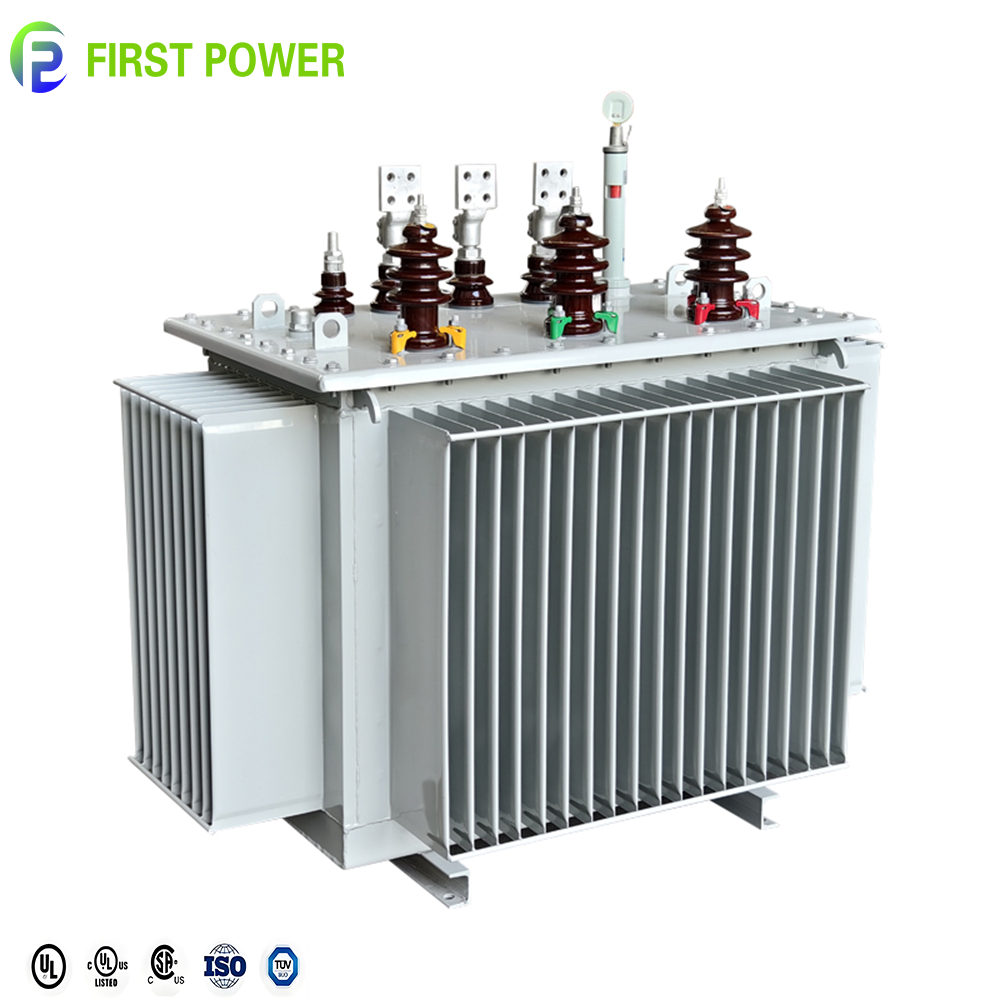
C CE 50/60HZ 6KV 10KV 15KV 20KV 35KV 100KVA 200KVA 300KVA 500KVA 220V Output Voltage Step up Oil Transformer for Industrial
A step-up oil-immersed transformer for industrial plants, mini-grids and captive power systems where a low-voltage source must be raised to a 6–35 kV distribution level.
View product specification →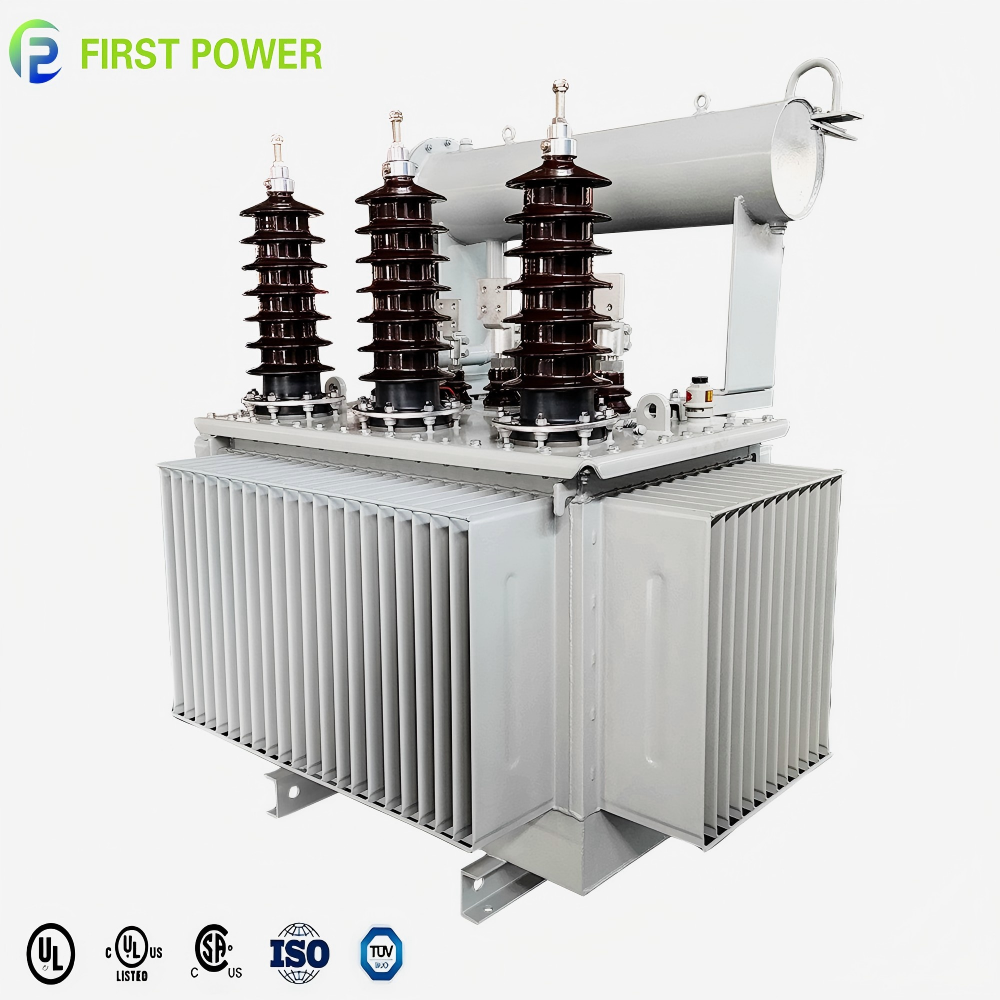
C CE Certification IEEE Standard 50/60HZ S11 Three Phase 33KV Oil Immersed Power High Voltage Transformer for Industrial
An IEEE-style 33 kV three-phase power transformer for industrial substations, utility injection points and projects that require ANSI/IEEE practice alongside CE conformity documents.
View product specification →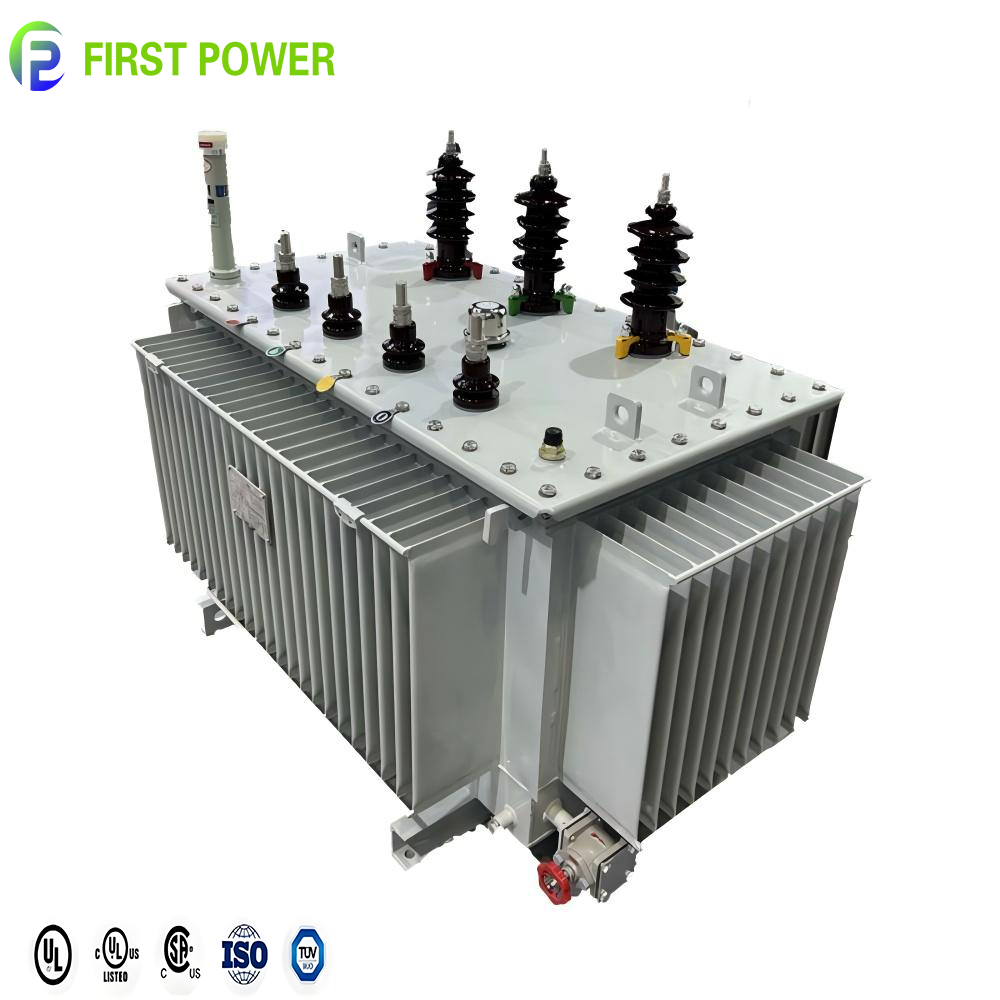
C CE 50/60HZ S11 10KV 20KV 35KV 50KVA 100KVA 200KVA 3 Phase Electrical Oil Immersed Transformer for Distribution System
An S11 low-loss three-phase distribution transformer for 10–35 kV networks feeding factories, estates, hospitals and commercial buildings. Well suited to 11 kV distribution upgrades.
View product specification →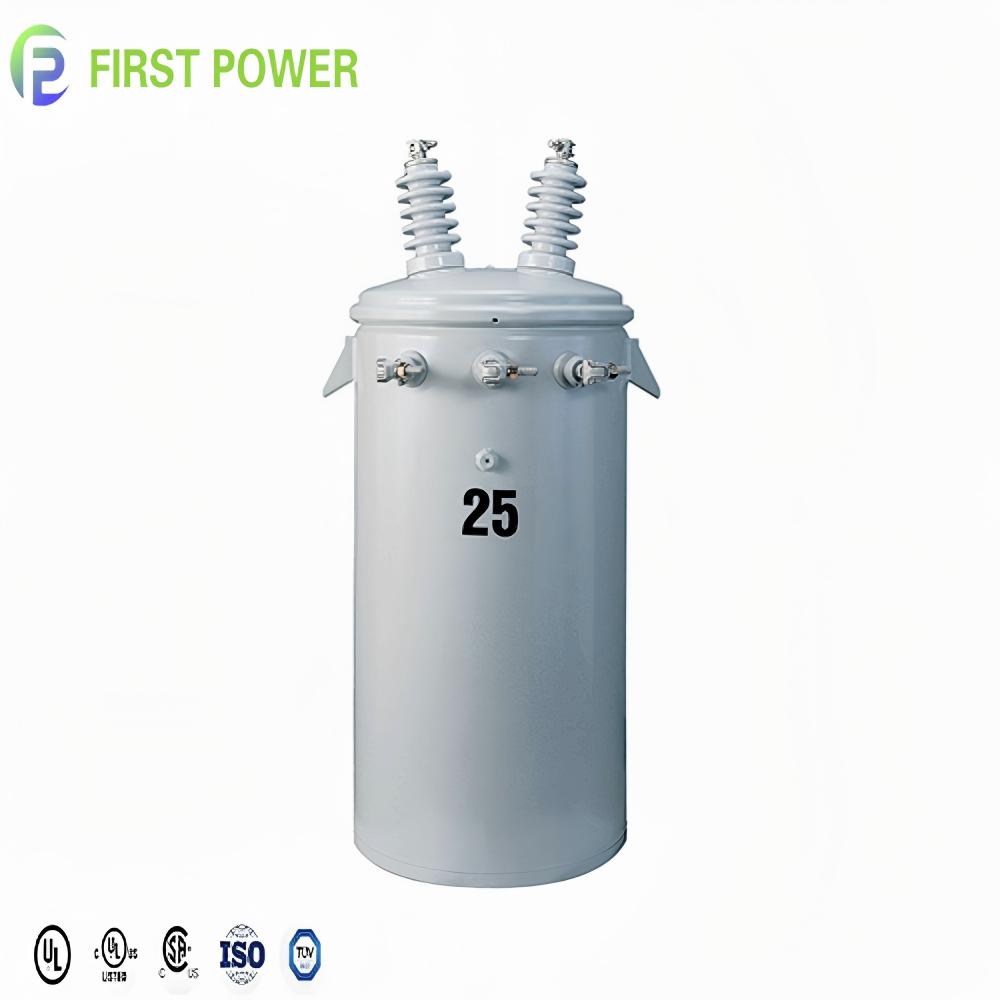
C CE Certification MV&HV 50/60HZ 6KV 10KV 20KV 35KV 25KVA Single Phase Transformer Price for Electric Power Distribution
A single-phase MV/HV unit for rural feeders, pole-mounted distribution and small commercial loads where load density is low but reliable 6–35 kV step-down is required.
View product specification →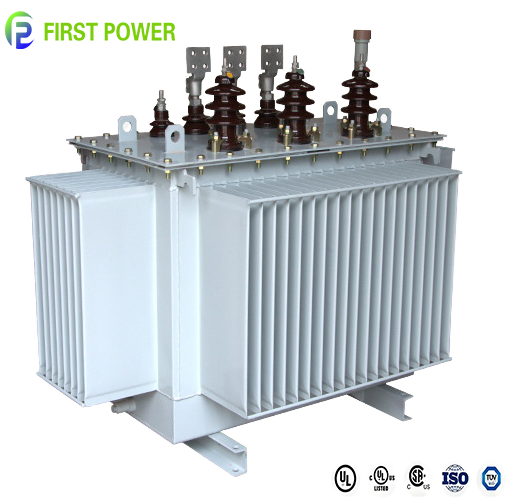
C CE 50/60HZ S11 10KV 15KV 20KV 35KV 100KVA 300KVA 500KVA 630KVA Three Phase Oil Transformer Price for Distribution System
A three-phase distribution transformer with 100–630 kVA ratings for estate networks, manufacturing cells, water works and public facilities, available with low-loss core options.
View product specification →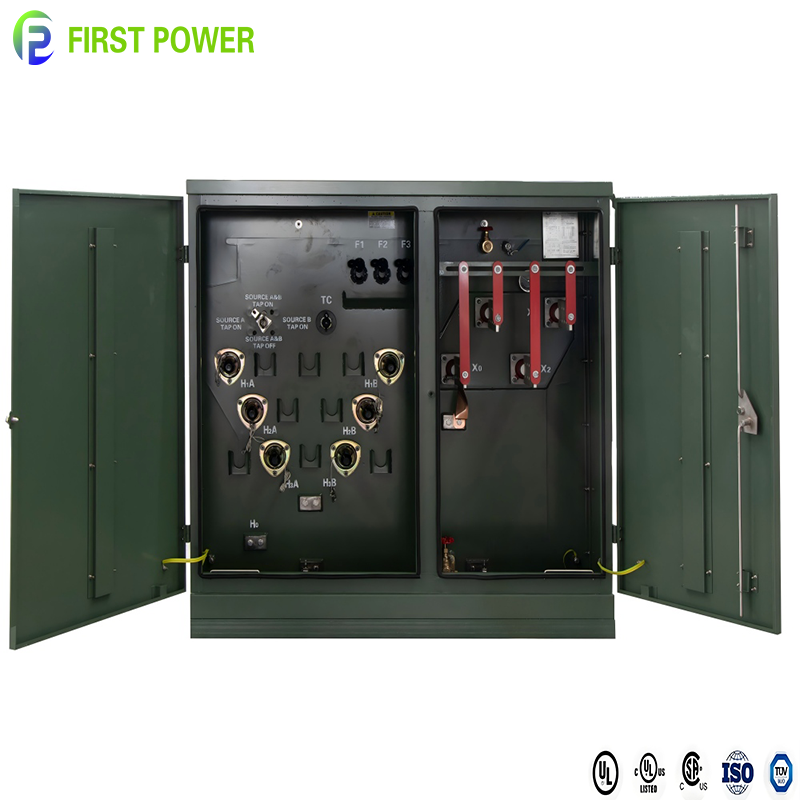
Listed C CE MV&HV 50/60HZ 6KV 10KV 15KV 20KV 35KV 3 Phase Pad Mounted Transformer Electrical for Industrial Power Supply
A pad-mounted three-phase transformer for industrial power supply and underground distribution, with tamper-resistant enclosure options for commercial and campus environments.
View product specification →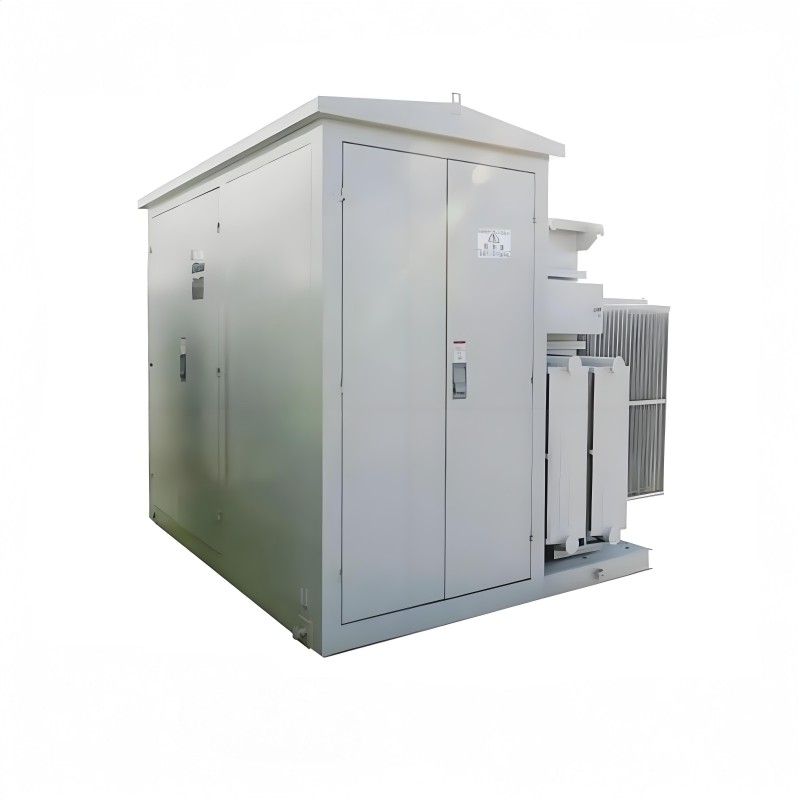
American Standard /C Certified 3000kva 34.5kv/480v Oil Type Pad Mounted Transformer 60 Hz 10kv Input 380v 440v Output
A high-capacity American-standard oil-type pad-mounted transformer for industrial and utility projects, with 34.5 kV class input and 480 V / 380 V / 440 V output configurations.
View product specification →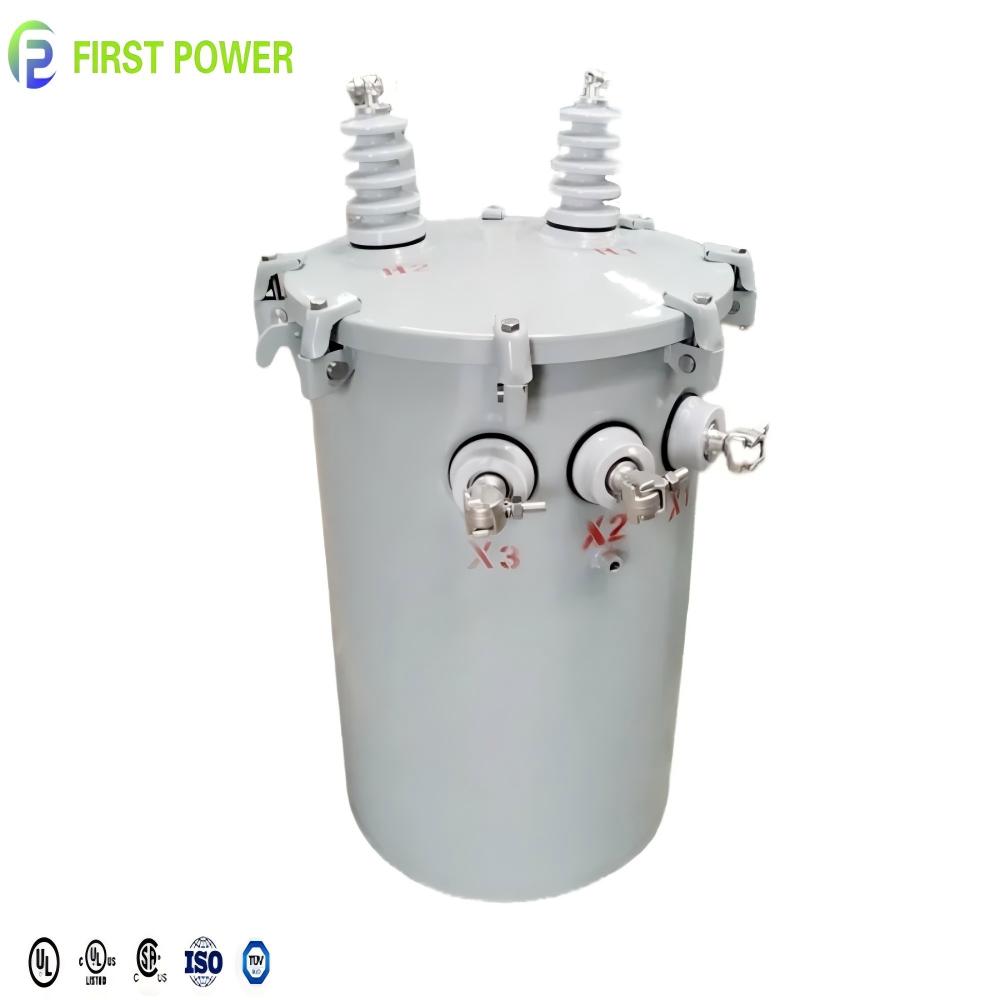
ANSI 50/60HZ 6KV 10KV 15KV 20KV 35KV 15KVA 25KVA 50KVA 100KVA Single Phase Pole Mounted Transformers for Industrial Power Supply
An ANSI single-phase pole-mounted transformer from 15 to 100 kVA for overhead distribution, rural electrification and infill projects where pole-mounted simplicity lowers civil works.
View product specification →Engineering Depth Behind the Benin City Supply Proposal
Procurement decisions become easier when the supplier can be audited. These figures come from the company profile and quality documentation referenced throughout this guide.
What Benin City Buyers Should Know Before Ordering an Oil-Immersed Distribution Transformer
Benin City, the capital of Edo State, sits at the centre of a changing southern Nigerian load map. The city’s distribution networks serve utility feeders, industrial estates, commercial streets, residential estates, hospitals, universities, water facilities and self-generation systems. For a procurement team, the oil-immersed distribution transformer is not a commodity box; it is the asset that shapes outage frequency, loss levels, voltage stability and maintenance cost over a 20–30 year service life.
Most Benin City projects begin with a practical question: which transformer rating and voltage ratio will the utility accept, and which design will survive the local climate? The answer is rarely found by comparing kVA price alone. It requires a load study, an installation review and a clear specification of losses, impedance, temperature rise, tap range, cooling method, protection and documentation.
The local grid commonly uses 11 kV and 0.415 kV distribution, with 33 kV injection and sub-transmission interfaces in larger projects. Frequency is 50 Hz. Confirm the point of connection, fault level and protection settings with the relevant utility or project consultant before ordering, because a transformer that is technically sound but incompatible with the network protection scheme creates expensive delays.
Benin City’s climate also changes the specification. High ambient temperature, humidity, heavy rainfall, dust and lightning activity should be discussed at the design stage. A transformer intended for a temperate market may look identical on a nameplate, but the cooling margin, paint system, gasket selection, terminal arrangement and ingress protection can be unsuitable for a tropical installation.
CE marking should be treated as a documentation and conformity checkpoint, not a substitute for the project-specific technical review. Ask for the CE certificate number, the applicable IEC standard, routine test reports, guaranteed losses and a general arrangement drawing. A credible supplier will share these before you release a purchase order.
Where Oil-Immersed Distribution Transformers Fit in Benin City
Benin City’s load profile is diverse. The same transformer family may serve a gated estate, a factory, a hospital and a public building, but each application needs a different balance of rating, protection, noise, loss and installation method.
Residential Estates and Infill Developments
Projects in Ugbowo, Ogba, Aduwawa and emerging peri-urban corridors often need 100–500 kVA three-phase units at 11/0.415 kV. Specify sealed tanks, low noise, corrosion-resistant paint, lockable protection and a rating that allows for future estate growth.
Industrial Corridors and Manufacturing Cells
Factories along Sapele Road, Ikpoba Hill and related industrial areas need step-down transformers for motors, pumps, compressors and process lines. Motor starting, harmonic distortion, future expansion and spare capacity should be reviewed before selecting impedance and rating.
Commercial Districts and Mixed-Use Buildings
Retail, hospitality and office projects around Ring Road, Airport Road and the central business district need dependable supply for air conditioning, lighting, lifts and IT loads. Pad-mounted or protected outdoor oil-immersed units can reduce civil works while keeping maintenance access simple.
Healthcare and Education Campuses
Hospitals, diagnostic centres, universities and schools require stable voltage and low maintenance interruptions. Specify low-loss cores, proven gasket systems, clear protection coordination and access for oil sampling and inspection. Noise may also matter near wards and classrooms.
Water Treatment, Agro-Processing and Utilities
Pumping stations, boreholes, agro-processing plants and small utilities often operate in dusty or humid environments. A robust oil-immersed transformer with sealed tank, drain valve, filter valve, earthing terminals and tropical finish is easier to maintain than a lightly protected indoor unit.
Captive Power and Solar Hybrid Systems
Factories, estates and commercial sites increasingly combine grid supply, generators, inverters and solar arrays. Step-up and step-down oil-immersed transformers must be specified with the correct vector group, impedance and harmonic allowance so that the hybrid system remains stable under switching and load changes.
Localised Trends Shaping Transformer Demand in Benin City
These trends explain why buyers are moving from simple kVA comparison toward lifecycle evaluation and documented conformity.
11 kV Network Densification
New estates, commercial clusters and public facilities are increasing the number of distribution points. Smaller, well-placed transformers can reduce low-voltage cable runs and improve voltage regulation at the load centre.
Loss Evaluation and Total Cost of Ownership
A low purchase price can hide high no-load and load losses. Buyers increasingly request guaranteed loss figures and evaluate energy cost over the service life, especially for transformers that remain energised 24 hours a day.
Climate-Resilient Design
Humidity, heat, rainfall and dust push buyers toward sealed tanks, enhanced paint systems, UV-resistant materials, suitable IP protection and conservative temperature-rise margins rather than the lowest-cost specification.
Decentralised and Hybrid Power
Captive generation, solar hybrid systems and industrial self-supply are creating demand for step-up and step-down transformers that can coordinate with generators, inverters and utility protection.
Utility-Grade Documentation
Procurement teams are asking for certificate numbers, routine test reports, nameplate drafts, general arrangement drawings and oil test records before shipment. This reduces site acceptance disputes and speeds up utility approval.
Faster Installation and Land Constraints
As available land becomes tighter in commercial districts and estates, pad-mounted and compact arrangements are gaining attention because they reduce civil works, protect live parts and simplify access control.
Recommended Transformer Configurations for Benin City Projects
The table below is a starting point for technical discussion, not a substitute for a load study, fault calculation or utility approval.
| Application in Benin City | Recommended product family | Typical rating | Key specification notes |
|---|---|---|---|
| Gated estate / residential infill | S11 three-phase oil-immersed distribution transformer | 100–500 kVA | 11/0.415 kV, Dyn11, ONAN, ±2×2.5% tap range, low no-load loss, sealed tank, tropical paint system, lockable protection. |
| Factory or manufacturing cell | Three-phase distribution transformer or step-up unit | 500–2,500 kVA | Check motor starting, harmonic loads, future expansion, impedance and temperature rise. Consider forced cooling only where the load profile justifies it. |
| 33 kV utility or industrial substation | 33 kV three-phase oil-immersed power transformer | Project-specific | Confirm impulse level, impedance, vector group, tap changer type, protection coordination and applicable IEEE/IEC standards. |
| Rural feeder or low-density load | ANSI single-phase pole-mounted transformer | 15–100 kVA | 6–35 kV primary, appropriate secondary voltage, pole mounting hardware, lightning protection and utility-approved nameplate data. |
| High-capacity industrial or campus load | 3,000 kVA oil-type pad-mounted transformer | Up to 3,000 kVA class | 34.5 kV class input with 480 V / 380 V / 440 V output options, thermal design, pad foundation and cable termination review. |
| Commercial district or underground network | MV/HV three-phase pad-mounted transformer | Project-specific | Tamper-resistant enclosure, dead-front options, loop or radial feed, corrosion protection and clear maintenance access. |
Why Wisegj Is a Practical Partner for Benin City Transformer Procurement

Jiangsu Wisegj Power Co., Ltd. designs, assembles and exports medium and high voltage equipment from 220 V to 500 kV, including oil-immersed distribution transformers, power transformers, pad-mounted transformers, dry-type transformers, compact substations and switchgear.
The company profile lists 6,847 m² of verified production floorspace, more than 20 years of team experience, 50+ R&D and technical engineers, 211 qualified supply-chain partners and a 4.9/5 average buyer rating. Production capability, floorspace and quality inspection have been verified onsite by TÜV Rheinland.
For Benin City buyers, the practical advantage is not only factory capacity. It is the ability to receive a specification review, drawings, nameplate data, test reports and export documentation in one controlled flow, so the equipment matches the utility interface and arrives ready for site installation.
Audited Manufacturing
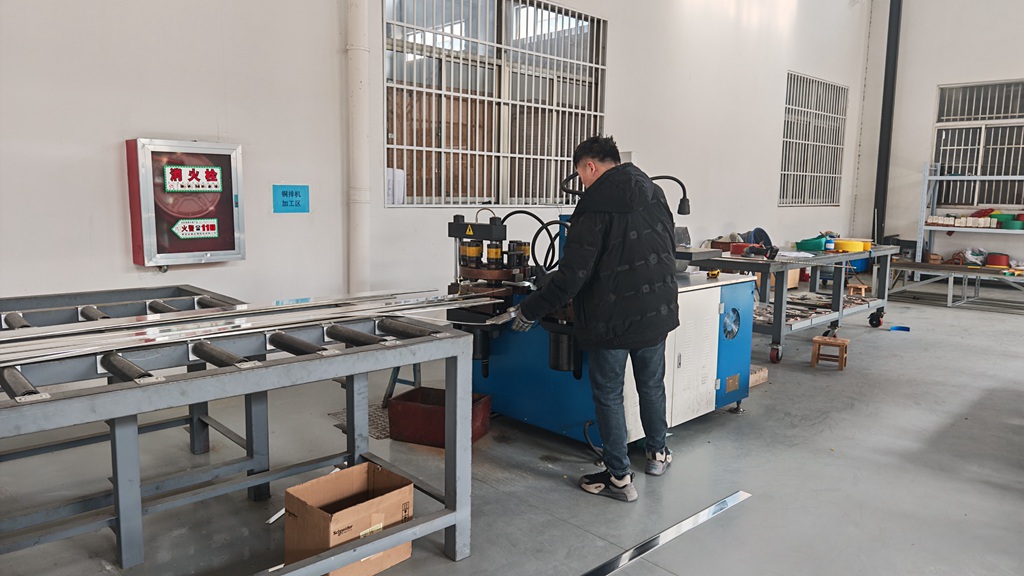
Documented production controls cover core stacking, winding, drying, tanking, oil filling and routine testing.
Routine Testing
Winding resistance, ratio and vector group, impedance, load loss, no-load loss, applied voltage, induced voltage and oil dielectric tests are documented per unit.
Export Documentation
GA drawings, nameplate drafts, test reports and O&M manuals are supplied in English, with seaworthy packing for Nigeria-bound shipments.
Responsive Support
Pre-sale and after-sale technical questions are handled within one working day by engineers familiar with utility specifications.
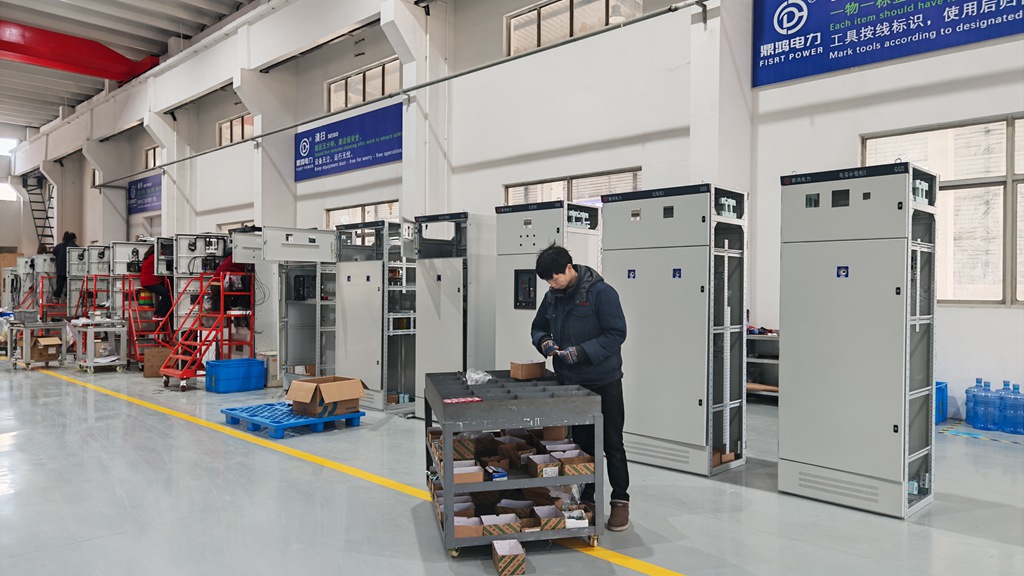
 Assembly workshop
 Testing laboratory
 Export packing and loading
Questions Benin City Buyers Commonly Ask
These answers address the practical issues raised by estate developers, factory owners, EPC contractors and procurement officers.
Is CE certification mandatory for a transformer imported into Benin City?
What transformer size is suitable for a residential estate in Benin City?
Which voltage ratio should we specify for Benin City?
How do you make an oil-immersed transformer suitable for high humidity and heavy rainfall?
What test reports should be supplied before shipment?
How are transformers shipped to Benin City?
Can the transformer be customised for our project?
Information to Send for a Faster, More Accurate Quotation
Including these parameters in your first enquiry helps the engineering team return a compliant design without unnecessary clarification rounds.
- Rated power in kVA and expected load profile
- Primary and secondary voltage, frequency and phase
- Vector group, impedance and tap range
- Cooling method, insulating fluid and temperature-rise requirement
- Installation location, ambient conditions and altitude
- Applicable standard, utility specification or tender document
- Loss limits or efficiency target
- Enclosure, protection, cable termination and earthing requirements
- Required test reports, drawings and nameplate language
- Delivery location in Benin City, target date and Incoterms preference
Send Your Benin City Transformer Specification for Engineering Review
Share your rating, voltage ratio, vector group, losses, installation environment and delivery schedule. Our technical and export team will review the requirement and respond with a compliant configuration, documentation list and quotation route.
Get a Quote