Cast Resin Power Transformer Factories & Factory serving Gisenyi
High-Reliability 11kV/30kV Cast Resin Dry-Type Transformers Engineered for Lake Kivu’s Tropical Altitude, High-Humidity & Industrial Infrastructure
Featured Power & Distribution Transformers
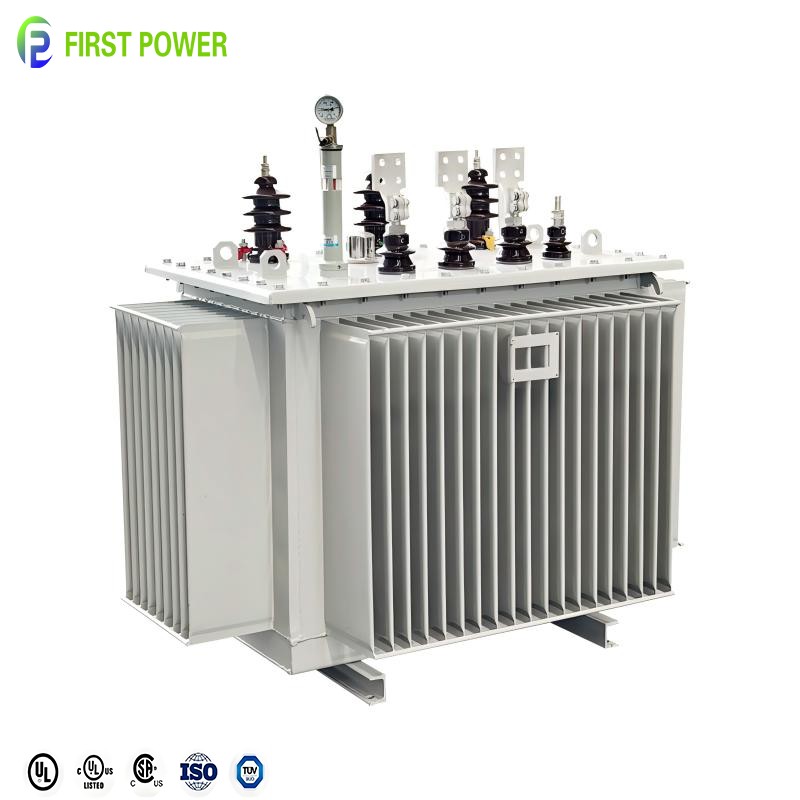
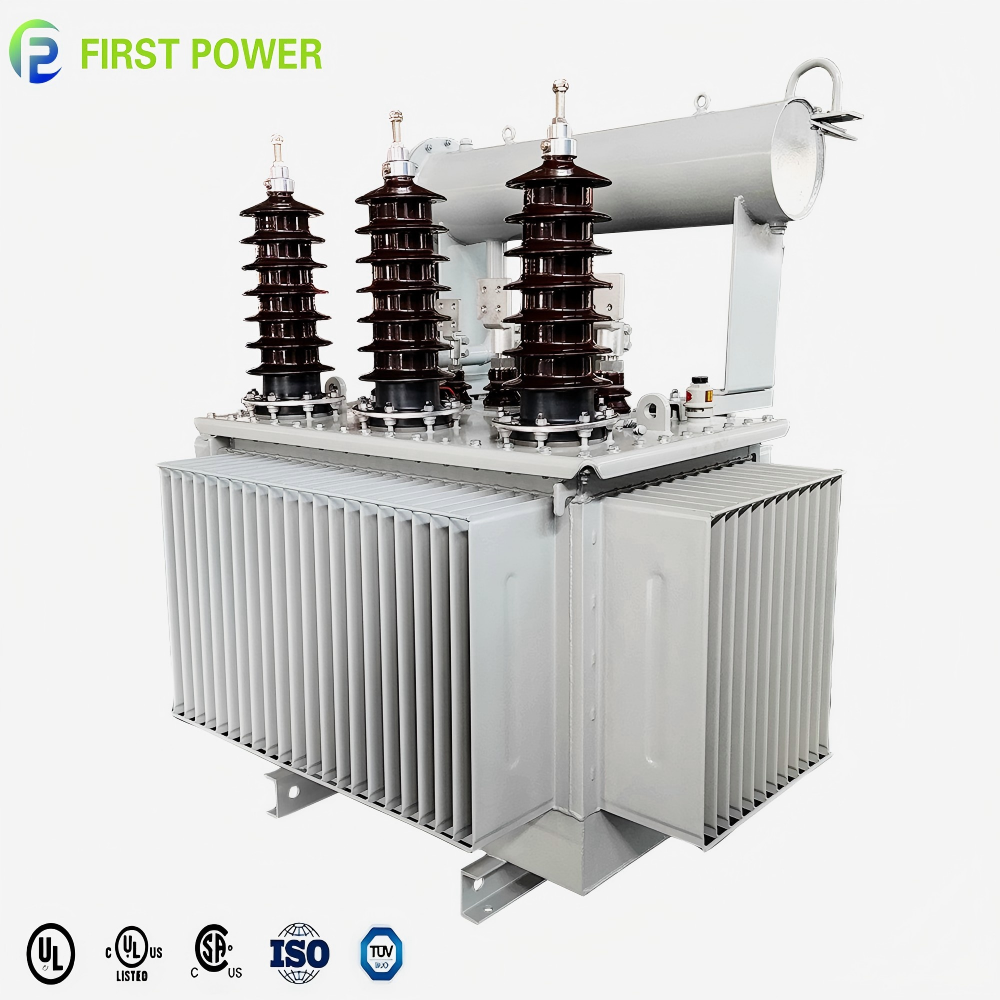
Utility-grade distribution transformers, pad-mounted substations, and high-voltage power transformers certified to IEC 60076 and IEEE standards for immediate delivery serving Gisenyi and East African utility projects.
As the primary industrial and commercial hub of Western Rwanda, Gisenyi (Rubavu District) sits at an economically strategic crossroads bordering Goma, Democratic Republic of Congo (DRC), and stretching along the northern shores of Lake Kivu. The rapid modernization of Rwanda’s energy sector—spearheaded by the Rwanda Energy Group (REG) and Energy Utility Corporation Limited (EUCL)—has amplified the demand for robust, zero-hazard medium-voltage (MV) step-down electrical transformers.
Deploying electrical infrastructure in Gisenyi presents distinct environmental and electrical engineering challenges. Operating at an average elevation of 1,460 to 1,500 meters above sea level, local equipment faces reduced atmospheric density, which diminishes the dielectric strength of air and impairs natural convection cooling. Furthermore, the microclimate adjacent to Lake Kivu exhibits high relative humidity, frequent ambient moisture condensation, and localized volcanic soil particulates from the nearby Virunga Volcanic Range.
To guarantee uncompromised grid uptime, manufacturing facilities, tea processing estates (such as the Pfunda Tea Factory), lakeside resort complexes, municipal water pump installations, and cross-border trade facilities in Gisenyi are transitioning away from conventional oil-filled units toward advanced Cast Resin Dry-Type Transformers. Engineered with high-integrity epoxy resin vacuum casting, these transformers provide complete immunity to moisture ingress, absolute fire safety (eliminating oil spill risks near Lake Kivu's delicate aquatic ecosystem), and superior mechanical strength against seismic vibrations common to the Albertine Rift Valley.
Cast resin dry-type transformers manufactured by Jiangsu Wisegj Power Co., Ltd. are engineered specifically for harsh tropical and high-altitude deployments in strict compliance with IEC 60076-11 and ANSI/IEEE C57.12.01 standards. Unlike standard atmospheric air-insulated transformers, cast resin coils are encapsulated within an epoxy resin and quartz flour compound applied under extreme vacuum pressure conditions.
Standard electrical transformer ratings assume operation at or below 1,000 meters above sea level. At Gisenyi's altitude (~1,500m), air density drops by approximately 15%, reducing the dielectric breakdown voltage of air gaps and slowing thermal dissipation rates. To mitigate these atmospheric constraints, our engineering team applies precise derating factors during the electromagnetic design phase:
Thermal Derating (Temperature Rise Adjustment): The allowable temperature rise of Class F insulation (100K) is derated by 0.5% for every 100 meters above 1,000m. For Gisenyi, the maximum temperature rise design target is adjusted from 100K down to 97.5K, ensuring coils operate well within safe thermal limits under continuous full-load conditions.
External Clearance Elevation: Phase-to-phase and phase-to-ground air clearances within IP23 or IP31 enclosures are expanded by 6.25% to account for reduced sparkover resistance of thinner high-altitude air.
Creepage Distance Amplification: Creepage paths along HV epoxy bushings are extended to prevent tracking currents caused by the combination of high humidity and airborne volcanic dust.
Vacuum Resin Encapsulation & Partial Discharge Control
The core indicator of a cast resin transformer’s operational longevity is its Partial Discharge (PD) rating. Microscopic air voids trapped inside low-quality resin insulation will continuously ionize under high voltage stress, gradually degrading the insulation until catastrophic dielectric breakdown occurs.
Wisegj employs a state-of-the-art dual-chamber vacuum casting system. High-grade Class H (180°C) Nomex insulation and electrolytic copper conductors are pre-heated, degassed, and impregnated with liquid epoxy resin under a vacuum pressure of less than 1 mbar. This rigorous process guarantees a void-free solid mass, yielding partial discharge levels of < 10 pC at 1.3 Um (well exceeding the IEC requirement of < 10 pC at 1.1 Um).
3. Comparative Engineering Analysis: Cast Resin Dry-Type vs. Mineral Oil Transformers
When specifying medium-voltage step-down equipment for Gisenyi’s hotels, commercial complexes, and industrial plants, power engineers must evaluate initial capital expenditure against long-term maintenance, environmental compliance, and safety risk profiles:
Performance Parameter
Wisegj Cast Resin Dry-Type (F/H Class)
Conventional Oil-Immersed (S11/S13)
Engineering Benefit for Gisenyi Site
Fire Safety & Flashpoint
Self-extinguishing (Class F1), zero flammability resin matrix. No flashpoint.
Drastically lowers operational expenditure (OPEX) in regions with limited specialized transformer oil service technicians.
Seismic & Mechanical Strength
Rigid cast resin monolithic block; withstands high electrodynamic short-circuit forces.
Winding movement can cause internal shorting; tank stress fractures under severe vibration.
High resilience against earthquake vibrations from the nearby Virunga Volcanic rift zone.
Overload Capability
Up to 140% continuous rating with forced air (AF) cooling fans active.
Limited thermal overload margin without rapid oil aging and insulation degradation.
Flexible peak load handling during high tourist seasons in Rubavu beach resorts.
4. Enterprise Manufacturing Supremacy & Quality Control (Jiangsu Wisegj Power Co., Ltd.)
Jiangsu Wisegj Power Co., Ltd. stands as a premier global manufacturer and exporter of power equipment ranging from 220 V to 500 kV. Headquartered in Suzhou, Jiangsu, China, our enterprise brings over 20 years of dedicated technical innovation, heavy industrial production, and international logistics execution.
Independently Verified Manufacturing Facility
Our modern production complex encompasses 6,847 m² of verified production floorspace, outfitted with computerized CRGO silicon steel slitting lines, automated foil winding machines, vacuum resin casting chambers, and an advanced high-voltage testing laboratory. Production capability and quality management systems are independently audited on-site by TÜV Rheinland.
International Certifications & Regulatory Compliance
To ensure total peace of mind for international project engineers and utility procurement boards in Rwanda, all Wisegj product lines strictly maintain active quality management system certifications and third-party type test reports:
ISO Management Systems: ISO 9001:2015 (Quality), ISO 14001:2015 (Environmental Management No. 62824E6053R0S), and ISO 45001:2018 (Occupational Health & Safety No. 62824S6054R0S).
CE Certification for Dry-Type Transformers: Certificate No. FQC2530404, verifying full compliance with EU Low Voltage and Electromagnetic Compatibility directives.
CE Certification for Oil Immersed & Compact Substations: Certificate No. 3N230310.JYTU038 and M.2025.206.C121884.
Exhaustive Factory Acceptance Testing (FAT): Every single unit leaving the factory floor undergoes 100% routine testing including Winding Resistance, Voltage Ratio & Vector Group check, Load Loss & Impedance measurement, No-Load Loss & Current test, Applied Voltage test, Induced Overvoltage withstand test, and Partial Discharge verification.
5. Localized Application Scenarios & Grid Integration Trends in Gisenyi
Rwanda’s Energy Sector Strategic Plan (ESSP) emphasizes grid stability, industrial electrification, and aggressive reduction of distribution network losses. The primary medium-voltage distribution network around Gisenyi and the wider Western Province operates at 11 kV and 30 kV nominal voltages at 50 Hz, stepping down to 400 V three-phase / 230 V single-phase low-voltage supply.
Key Application Environments in Rubavu District:
Lake Kivu Methane Gas & Renewable Plants
Step-up and auxiliary distribution transformers designed to handle harmonic currents generated by power electronic converters in methane-to-power projects (e.g., KivuWatt) and micro-hydro stations.
Agricultural & Tea Processing Plants
Heavy industrial motors in tea factories require high short-time thermal capability and rigid core structure to withstand sudden motor-starting current surges without voltage sag.
Commercial Resorts & Hospital Infrastructure
Indoor cast resin dry-type transformers (IP23 enclosure) situated inside indoor sub-stations ensure low acoustic noise levels (< 52 dB), absolute zero fire risk, and zero toxic off-gassing.
Cross-Border Trade Logistics Complexes
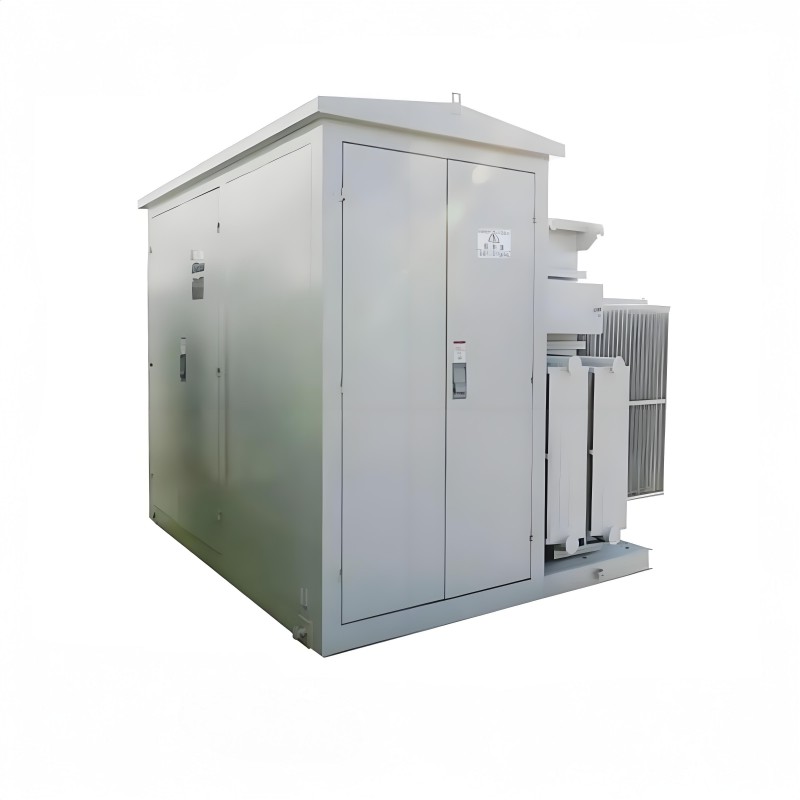
Compact substations combining 30kV switchgear, cast resin dry-type transformers, and LV distribution panels in a single weatherproof housing for fast installation at customs stations.
6. Frequently Asked Questions (FAQ) for Gisenyi Power Procurement Engineers
Q1: How do Wisegj Cast Resin Transformers adapt to REG / EUCL grid standards in Rwanda?
Our transformers are engineered directly to match Rwanda's primary medium voltage standards (11 kV or 30 kV at 50 Hz) and standard secondary distribution voltages (400 V three-phase / 230 V single-phase). Vector groups (such as Dyn11 or Yyn0) and off-circuit tap changers (±2×2.5% or ±5%) are fully customizable to match local utility feeder tolerances.
Q2: What derating precautions should be taken for Gisenyi’s 1,460m altitude?
At ~1,500m elevation, natural air cooling efficiency is lower. Wisegj accounts for this by sizing internal air ducts, selecting Class H (180°C) thermal insulation operating at Class F (100K) temperature rise limits, and expanding external air gaps. This allows the transformer to deliver 100% continuous rated power at Gisenyi's ambient conditions without overheating.
Q3: How does the cast resin coating perform under humid, tropical conditions near Lake Kivu?
Wisegj cast resin transformers hold an E2 environmental rating (according to IEC 60076-11), meaning they are specifically tested for heavy condensation and severe humidity pollution. The hydrophobic epoxy resin prevents any moisture absorption, enabling immediate energization even after prolonged seasonal shutdowns.
Q4: What is the typical lead time and shipping route for delivering transformers to Gisenyi?
Manufacturing typically requires 25 to 35 days depending on transformer capacity and custom options. Ocean freight shipments are routed from Shanghai or Ningbo port to either Mombasa Port (Kenya) or Dar es Salaam Port (Tanzania), followed by overland heavy transport via the Northern/Central corridor directly to Kigali and Gisenyi under CIP or DDP Incoterms.
Q5: What factory test reports and documentation are supplied with each transformer shipment?
Every unit is shipped with a comprehensive Factory Acceptance Test (FAT) dossier in English, including Routine Test Reports, Type Test Certificates (Partial Discharge, Impulse Voltage Withstand, Short Circuit Withstand), General Arrangement (GA) drawings, schematic wiring diagrams, and complete Operation & Maintenance (O&M) manuals.
Q6: Can forced air (AF) cooling fans be added later to increase power capacity?
Yes. All standard AN (Air Natural) cast resin transformers can be pre-fitted with temperature controller units (Pt100 sensors embedded in windings) and mounting brackets for cross-flow cooling fans. Adding AF cooling increases continuous power rating by up to 40% (e.g., boosting a 1,000 kVA unit to 1,400 kVA during peak load periods).
Need a Custom Cast Resin Transformer Engineering Quote for Gisenyi?
Our senior electrical engineering team provides fast technical review, GA drawing preparation, and competitive factory-direct pricing tailored to your exact site parameters, voltage classes, and delivery timelines.