Box Type Substation Manufacturers & Suppliers for Pretoria
Prefabricated 11 kV, 22 kV and 33 kV compact substations for Tshwane utilities, EPCs, property developers and embedded-generation projects — engineered to IEC 62271-202, IEC 60076 and project-specific SANS/NRS requirements.
Eight Transformer & Substation Products for Pretoria Projects
The supplied product catalogue can be evaluated as transformer, step-up, pad-mounted, distribution and supporting hardware modules for a box type substation package. Final selection must be confirmed against the City of Tshwane or Eskom connection offer, fault level, protection study and site layout.
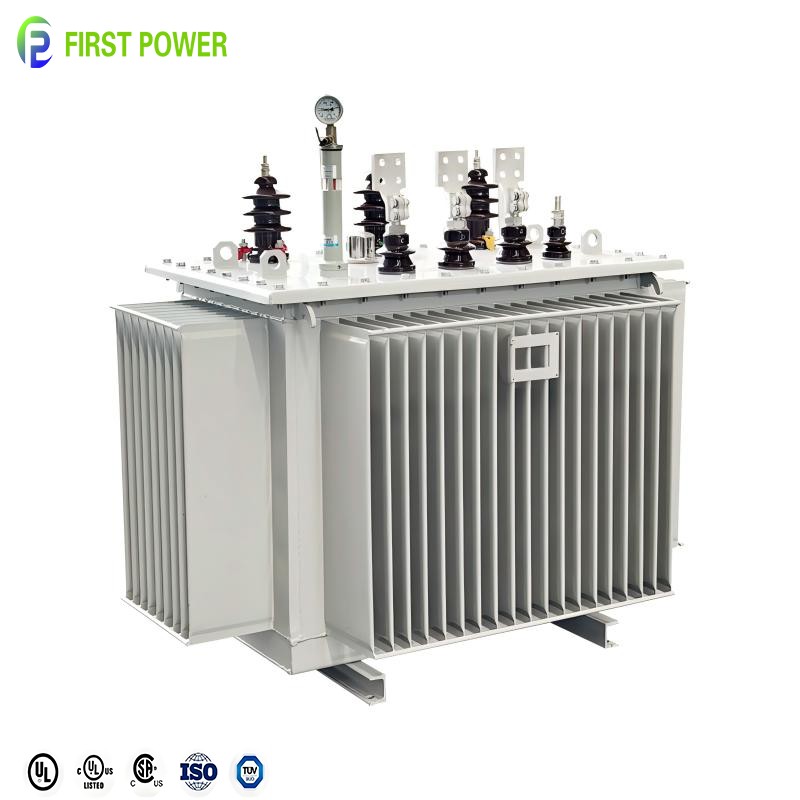
C CE 50/60HZ 100KVA 300KVA 500KVA 630KVA 1000KVA 10KV 20KV 35KV 3 Phase Oil Immersed Power Transformer for Power Supplies
Utility-grade oil immersed transformer for distribution and power supply applications where routine tests, guaranteed losses and IEC/ANSI alignment matter.
View product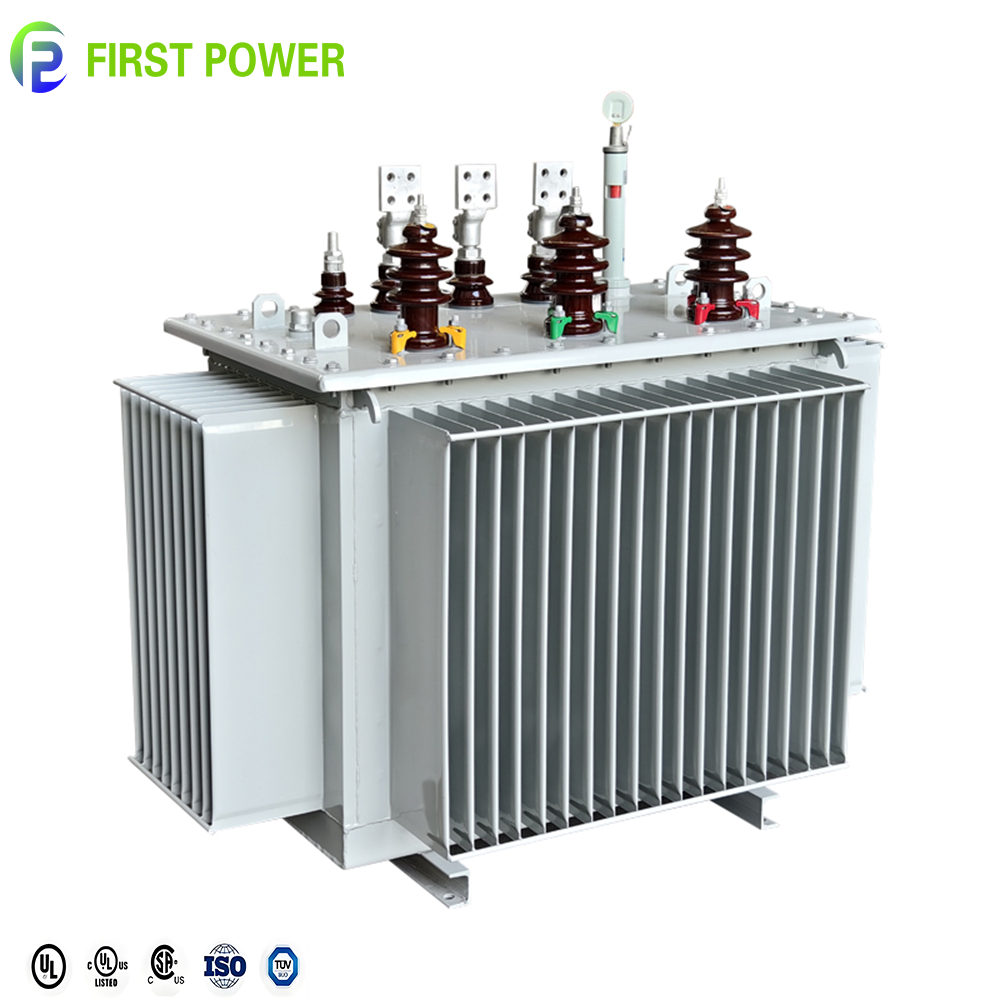
C CE 50/60HZ 6KV 10KV 15KV 20KV 35KV 100KVA 200KVA 300KVA 500KVA 220V Output Voltage Step up Oil Transformer for Industrial
Step-up oil transformer for industrial plant, generator interfacing and embedded-generation schemes requiring 220 V or project-specific LV output.
View product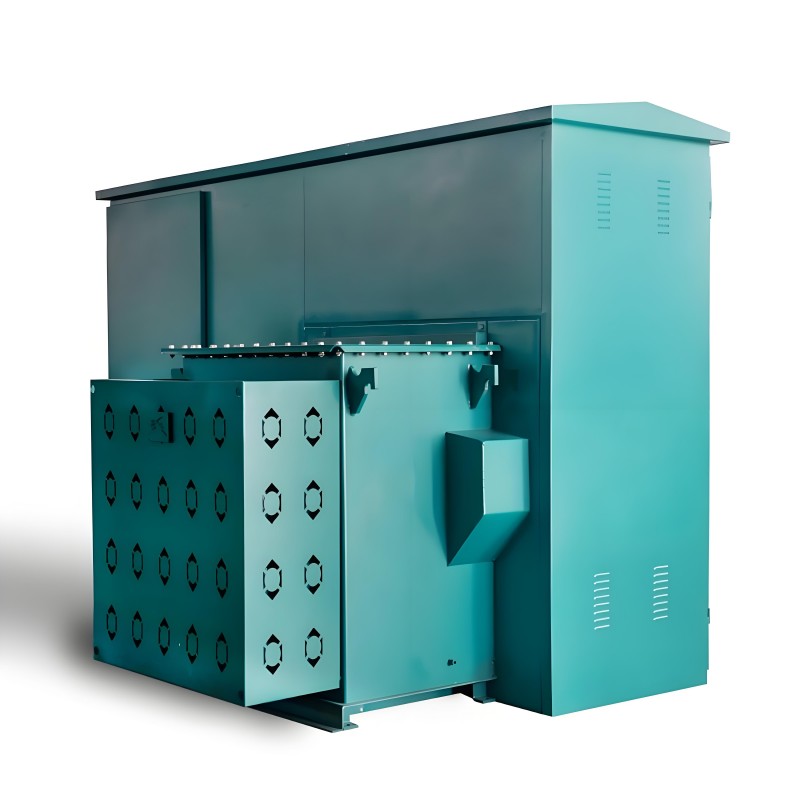
C Certified Oil-Type Cooper 75–2500kVA Pad Mounted Transformer 6kV–34.5kV 50/60Hz Dead Front Three Phases
Dead-front pad-mounted transformer for underground distribution, commercial nodes and compact sites where tamper resistance and cable access are important.
View product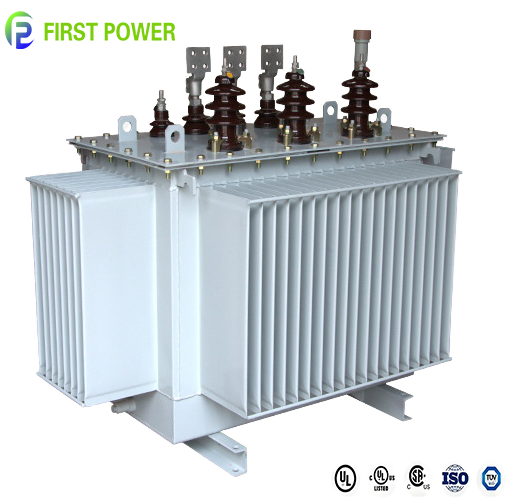
C CE 50/60HZ S11 10KV 15KV 20KV 35KV 100KVA 300KVA 500KVA 630KVA Three Phase Oil Transformer Price for Distribution System
Low-loss distribution transformer for commercial buildings, light industry and utility networks where lifecycle cost and loss evaluation are scored.
View product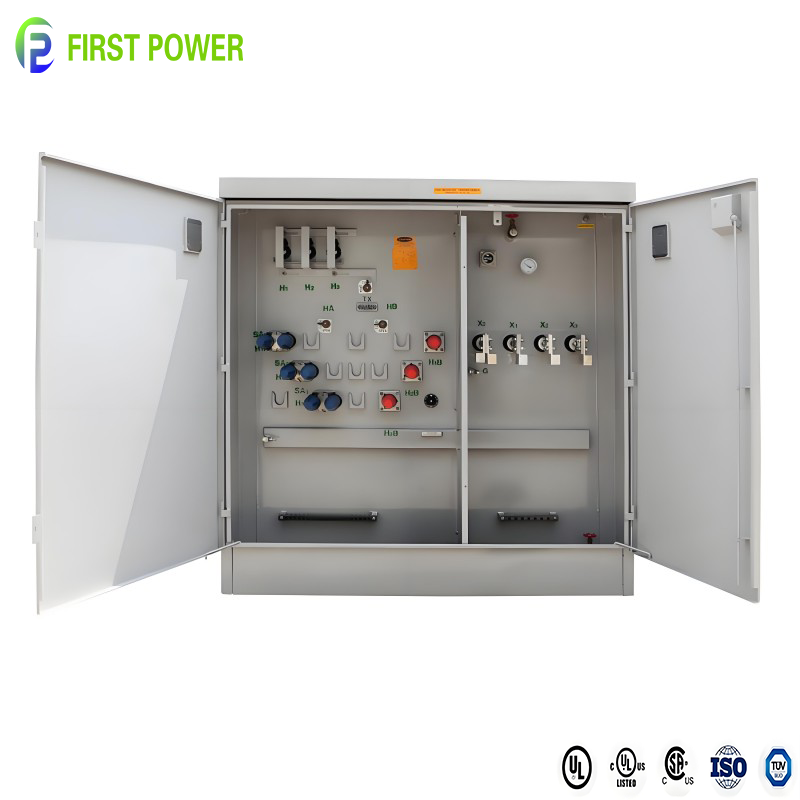
C CE MV&HV 50/60HZ 300KVA 500KVA 630KVA 700KVA 10KV 15KV 20KV 35KV 3 Phase Loop Feed Pad Mounted Transformer for Industrial
Loop-feed pad-mounted transformer for industrial parks and compact distribution nodes that require sectionalising and future ring-network expansion.
View product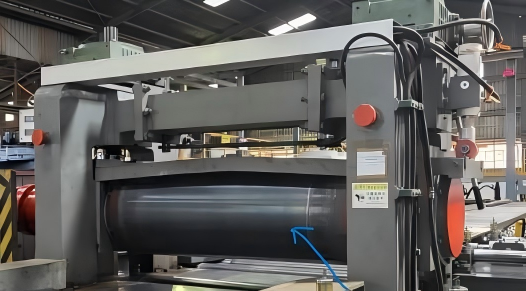
MAIN ROLLER D
Supporting catalogue hardware item. Confirm the load rating, mounting interface and material finish with our engineering team before integrating it into a Pretoria substation package.
View product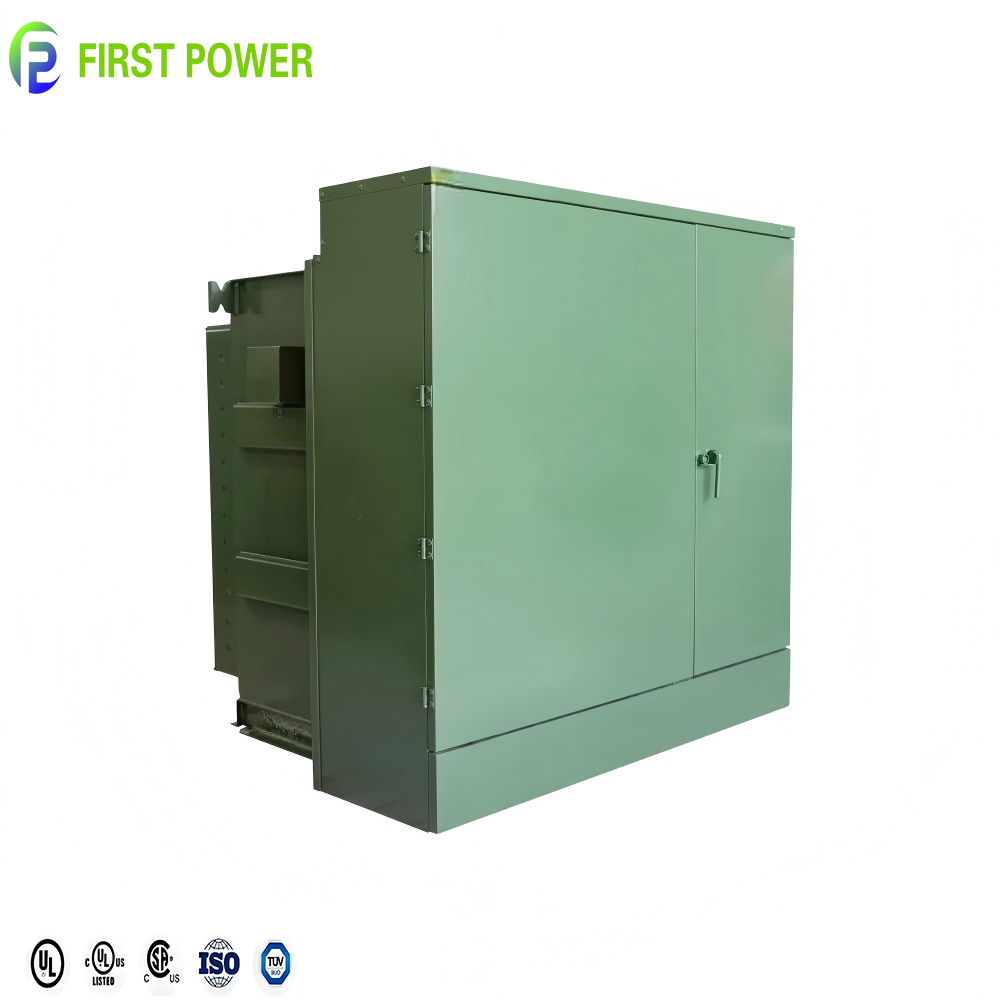
C CE MV&HV 50/60HZ 750KVA 1250KVA 1500KVA 2000KVA 2500KVA 3 Phase Pad Mounted Transformer for Industrial Power Supply
Higher-capacity pad-mounted transformer for industrial power supply, larger commercial developments and renewable projects with concentrated loads.
View product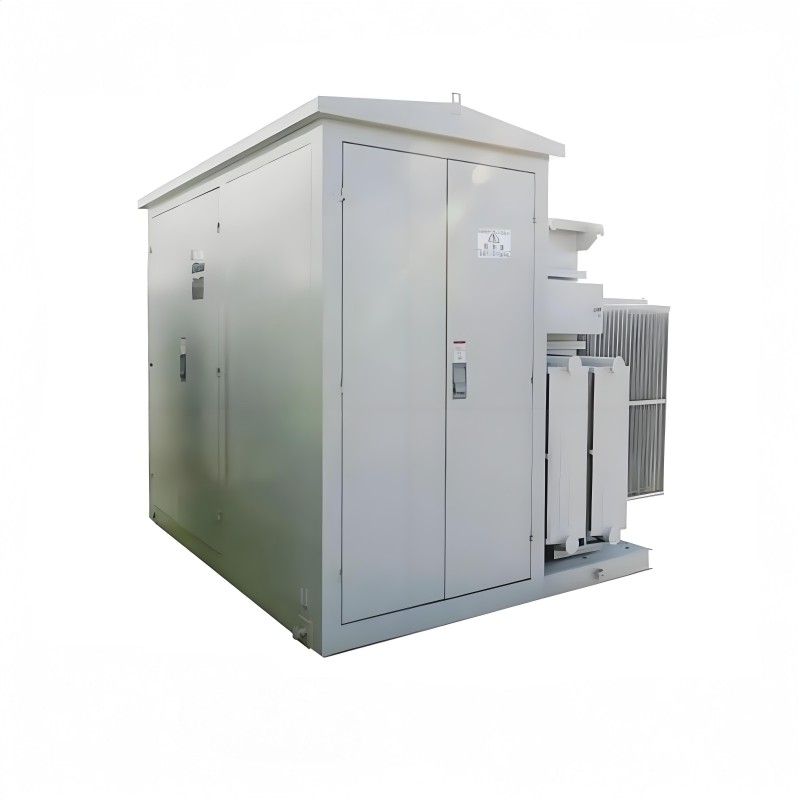
American Standard /C Certified 3000kva 34.5kv/480v Oil Type Pad Mounted Transformer 60 Hz 10kv Input 380v 440v Output
Large oil-type pad-mounted transformer for projects requiring 34.5 kV class equipment, 60 Hz review or American-standard configuration.
View productWhy Pretoria Needs a Purpose-Built Box Type Substation, Not a Generic Enclosure
A box type substation — also described as a compact substation, package substation, miniature substation or kiosk substation — combines medium-voltage switchgear, an RMU, a distribution transformer, low-voltage distribution, protection, metering and auxiliary equipment in a factory-assembled enclosure. For Pretoria, the value is not only speed of installation. It is the ability to align the enclosure, thermal design, security, cable access and protection scheme with the realities of a 50 Hz South African network.
Pretoria sits in the City of Tshwane metropolitan area at roughly 1,300 m above sea level. The highveld climate brings summer thunderstorms, lightning activity, dust, strong solar exposure and periods of high ambient temperature. A substation that performs well in a mild coastal environment may still suffer from condensation, corrosion, ventilation shortfalls, insulation creepage issues or nuisance protection trips when applied without a local review. The useful starting point is therefore a Pretoria-specific design brief: system voltage, fault level, transformer rating, vector group, impedance, loss limits, enclosure ingress protection, earthing and utility approval requirements.
Most South African distribution networks operate at 50 Hz, and low-voltage systems are commonly 400/230 V, three-phase four-wire. Medium-voltage distribution in Gauteng can include 11 kV, 22 kV and 33 kV, but the actual connection voltage must always be confirmed from the utility connection offer. A supplier that understands this distinction will ask for the single-line diagram, fault level, protection settings and cable termination details before quoting. That approach reduces the risk of buying a well-built enclosure that is nevertheless difficult to energise.
For EPC contractors, property developers and facility owners in Pretoria, the strongest procurement strategy is to compare total installed cost, not only the ex-works price. A low-cost kiosk that requires site modification, extra cable boxes, upgraded ventilation, additional anti-theft measures or rework during utility inspection can become the most expensive option. The right box type substation should arrive with coordinated drawings, routine test reports, nameplate data, O&M documentation and a clear approval path.
Pretoria Application Scenarios for Compact Substations
Different load types create different technical priorities. The same enclosure platform should be configured differently for a hospital, a logistics park, a solar plant or a residential estate.
Commercial, Campus & Healthcare Nodes
Hatfield, Menlyn, the CBD, university campuses, embassies, clinics and hospitals need low-noise, fire-conscious and compact distribution. Dry-type or oil-immersed transformers can be evaluated depending on indoor or outdoor location, fire strategy, access and acoustic limits.
Light Industrial & Logistics Parks
Silverton, Pretoria West, Rosslyn and surrounding industrial areas often have motor-heavy loads, voltage-dip sensitivity and dust exposure. Transformer impedance, cooling, ventilation, cable entry and maintenance access should be reviewed together with motor-starting limits.
Solar PV, BESS & Embedded Generation
Rooftop solar, battery storage and embedded generation projects need a clear interface between the developer's plant and the utility network. Review NRS 097 alignment, reverse-power protection, metering, step-up ratios, relay settings and future expansion space.
Residential Estates & Mixed-Use
Security estates and mixed-use developments benefit from lockable, tamper-resistant enclosures, underground cable entry, low visual impact and protected cable compartments. The design should discourage cable theft while preserving safe access for authorised maintenance.
Pretoria Box Type Substation Trends Shaping 2025–2030 Procurement
South African buyers are moving away from single-product purchasing and toward engineered packages that support resilience, approval and whole-life cost.
Grid Resilience and Load Curtailment
Load-shedding has changed how developers size backup generation, transfer schemes and embedded generation. Compact substations are increasingly specified with space for future metering, protection and connection of PV or battery systems.
Digital Protection and Remote Monitoring
Utility and industrial clients increasingly ask for numerical relays, communication-ready meters, fault indicators and SCADA interfaces. The enclosure must provide panel space, cable routing and environmental control for sensitive electronics.
Security and Cable-Theft Mitigation
Cable theft and vandalism remain major risks. Buyers now compare lock systems, anti-pry construction, protected cable vaults, tamper-resistant fasteners, lifting points and optional alarm interfaces as part of the technical evaluation.
High-Altitude and Lightning Review
At highveld altitude, insulation coordination, creepage distance, surge arrester selection and clearances deserve explicit review. Pretoria's summer lightning environment makes protection coordination and earthing quality part of the specification, not an afterthought.
Low-Loss Transformers and Lifecycle Cost
Where tenders evaluate loss capitalisation, no-load and load losses influence the award. S11-style distribution transformers, optimised core material and guaranteed loss data help buyers compare offers on a whole-life basis.
Local Documentation and Spares Support
Pretoria buyers need more than hardware: GA drawings, schematic diagrams, test reports, protection settings, spare-part schedules and clear warranty processes are now part of supplier selection. Documentation quality directly affects approval speed.
Pretoria Specification Matrix for a Box Type Substation Enquiry
Use this checklist to avoid quotation rounds based on incomplete data. The values below are common starting points, not a substitute for the utility connection offer or a registered engineer's design.
| Design item | Typical Pretoria requirement | Procurement note |
|---|---|---|
| System frequency and LV | 50 Hz; 400/230 V, three-phase four-wire; vector group to be confirmed | State Dyn11 or another required vector group, tap range, impedance and neutral arrangement clearly. |
| MV connection voltage | 11 kV, 22 kV or 33 kV common; confirm from the utility offer | Provide fault level, cable size, termination type, RMU configuration and protection interface. |
| Transformer rating | 315, 500, 630, 800, 1,000, 1,250, 1,600 or 2,500 kVA | Base the rating on diversified load, future expansion and the utility-approved maximum; confirm cooling and altitude correction. |
| Enclosure and environment | Outdoor enclosure, IP54 review, solar exposure, dust, summer rain and lightning | Specify finish system, stainless hardware, ventilation, anti-climb features, padlock scheme and cable entry. |
| Protection and metering | RMU, fuses, LV breakers, CTs, meters, relays and communication space | Share the protection philosophy and single-line diagram so panel space and wiring are coordinated. |
| Security and access | Lockable MV and LV compartments, protected cable vault, tamper-resistant fasteners | Ask for compartment dimensions, door swing, lifting points and safe isolation provisions. |
| Documentation and testing | Routine test report, GA drawing, nameplate data, O&M manual and certificate pack | Confirm whether third-party witness testing, utility inspection or SANS/NRS alignment is required. |
For projects in Tshwane, the final equipment selection should be reviewed against the approved connection offer, local electrical installation requirements and the responsible engineer's design. Wisgj engineers can prepare a technical datasheet and drawing pack for review before order.
Wisegj Advantages for Pretoria EPCs, Utilities and Developers
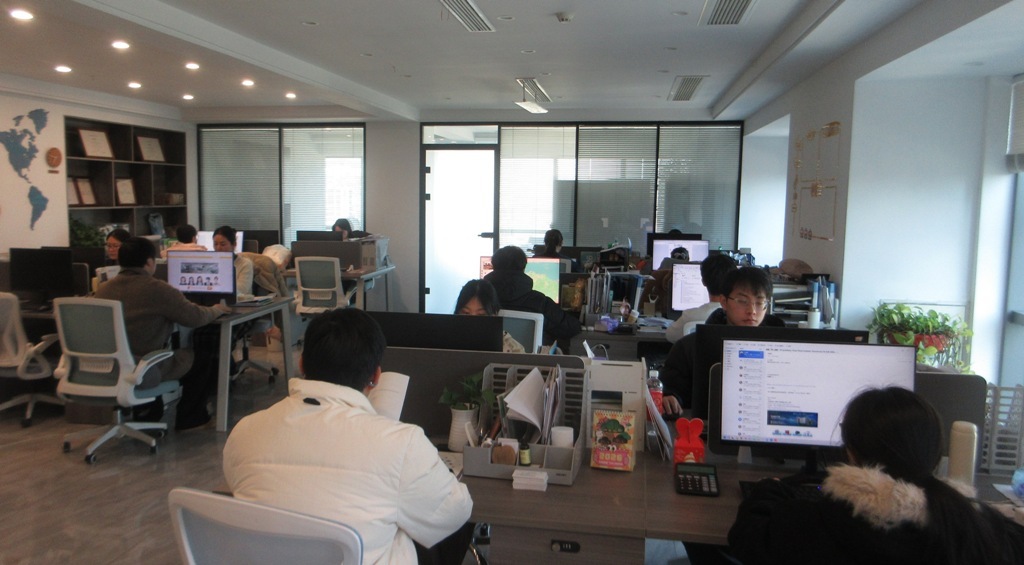
Jiangsu Wisegj Power Co., Ltd. is a Suzhou-based transformer and substation supplier serving utilities, EPC contractors and industrial buyers across Africa, the Americas, Europe, the Middle East and Asia. The company combines transformer manufacturing experience with export documentation and engineering support.


Application Review Before Quotation
Engineers review transformer rating, voltage ratio, frequency, vector group, impedance, cooling, altitude and ambient conditions before preparing a technical offer. For Pretoria, this review should also include enclosure security, cable entry and utility documentation expectations.
Transformer & Substation Scope Together
The product range covers oil immersed transformers, pad-mounted transformers, power transformers, dry type transformers and compact substations. This makes it easier to coordinate ratings, interfaces and documentation from one technical source.
Routine Testing and Traceability
Routine tests typically include winding resistance, ratio and vector group, impedance and load loss, no-load loss and current, applied and induced voltage tests, plus oil dielectric testing for liquid-filled units. Test reports can be supplied per serial number.
Certified Management and Product Compliance
The company profile lists ISO 9001, ISO 14001 and ISO 45001 management system certificates, CE certificates for oil-immersed power transformers, dry type transformers and compact substations, and TÜV Rheinland verified production capability. Certificate numbers should always be checked against the final equipment scope.
Customisation for Local Grid Practice
OEM, ODM and design-based customisation is available for ratings, vector group, impedance, tap range, bushing configuration, cooling method, insulating fluid, enclosure colour, nameplate language and anti-theft features. Specifications should still be confirmed by the project engineer.
Export Logistics and Technical Response
Export packing, Incoterms and documentation support are available for South African projects, with typical routing through a South African port followed by inland transport to Gauteng. The company promotes 24-hour pre-sale and after-sale engineering response and accepts T/T, L/C and other agreed payment terms.
From Pretoria Enquiry to Energisation: A Controlled Six-Step Path
A compact substation is a coordinated electrical package. The process below reduces the risk of mismatches between the transformer, enclosure, protection and utility requirements.
Specification & Standards Review
Confirm 50 Hz, MV voltage, LV voltage, kVA, vector group, impedance, losses, fault level, ambient, altitude, IP rating and utility documents.
Electrical Design & Drawings
Prepare GA drawing, single-line diagram review, nameplate draft, termination details and guaranteed technical data for approval.
Production & In-Process QC
Core cutting, winding, insulation, drying, tanking, enclosure fabrication and assembly are controlled with inspection checkpoints.
Routine Testing
Carry out transformer routine tests and review protection, metering and wiring. Third-party witness inspection can be arranged where required.
Packing & Export
Use seaworthy packing, moisture protection, shock indicators where appropriate and a complete document set for shipping and customs.
Site Support & Handover
Provide O&M manuals, test reports, nameplate records and technical clarification during installation, commissioning and energisation.
Common Pretoria Procurement Questions
These answers reflect the information typically required by South African EPCs, developers and facility owners evaluating a box type substation supplier.
Do you manufacture box type substations for 11 kV and 22 kV networks in Pretoria?
Yes. The product scope includes compact substation packages and related transformer products that can be configured for 11 kV, 22 kV or 33 kV systems, subject to the final design. Pretoria projects usually require 50 Hz equipment, 400/230 V low-voltage distribution and a vector group confirmed by the utility or project engineer. Always provide the City of Tshwane or Eskom connection offer so the offer can be matched to the approved voltage and fault level.
Are the transformers and enclosures suitable for 50 Hz and 400/230 V low-voltage networks?
Yes, 50 Hz and 400/230 V can be specified. The nameplate, vector group, tap range, impedance and loss data must be confirmed for each project. For South African distribution applications, buyers often request Dyn11, but the correct vector group and neutral arrangement must come from the protection and earthing design, not from a generic catalogue assumption.
Which standards and compliance documents can be supplied?
The supplier can design and test to IEC 60076 and IEC 62271-202 principles, with SANS/NRS alignment reviewed for the project. The company profile lists ISO 9001, ISO 14001 and ISO 45001 management systems and CE certification for selected transformer and compact substation product lines. A typical package can include GA drawings, nameplate drafts, routine test reports, certificate copies and O&M manuals. The final compliance path remains subject to the utility specification, local installation rules and the responsible engineer's approval.
Can you support City of Tshwane or Eskom approval submittals?
Technical documents can be prepared to support the approval process, including drawings, datasheets, test reports and equipment ratings. Approval itself is granted by the utility or authority, not by the manufacturer. For a smooth review, send the connection offer, single-line diagram, protection requirements and any approved equipment list as early as possible.
How can the enclosure reduce cable theft and vandalism risk?
Options can include lockable MV and LV compartments, protected cable vaults, anti-pry construction, tamper-resistant fasteners, lifting points and provision for alarm or monitoring interfaces. Security is most effective when the substation layout, cable entry and access doors are reviewed together with the site's perimeter security. The objective is to deter forced entry without creating unsafe maintenance conditions.
What about high altitude, lightning, heat and dust in Pretoria?
Pretoria's highveld conditions should be stated in the enquiry: approximate altitude, design ambient temperature, solar exposure, dust, humidity, lightning exposure and rainfall. These inputs affect insulation coordination, creepage, ventilation, cooling margin, finish system, surge protection and maintenance intervals. A supplier should not simply reuse a coastal or low-altitude design without a documented review.
What lead time and shipping terms apply to Pretoria?
Lead time depends on the transformer rating, enclosure configuration, protection scope and approval cycle. A practical enquiry should allow for drawing approval, production, routine testing, packing and ocean freight to a South African port before inland delivery to Pretoria. FOB, CFR, CIF, EXW, FCA, CIP, CPT and DDP terms can be discussed, along with T/T, L/C and other agreed payment methods. The exact schedule should be confirmed in the quotation.
What information should I send for a fast and accurate quotation?
Send the transformer rating in kVA, primary and secondary voltages, frequency, vector group, impedance, tap range, cooling method, applicable standard, altitude, ambient temperature, fault level, single-line diagram, RMU or switchgear requirements, protection and metering scope, enclosure IP rating, security requirements, site location and required delivery date. For Pretoria projects, also state whether City of Tshwane or Eskom approval documentation is mandatory.
Get a Pretoria-Ready Box Type Substation Catalog
Share your kVA, primary and secondary voltage, 50 Hz confirmation, vector group, utility requirements, site conditions and single-line diagram. Our engineering team can prepare a configuration and document pack for review. No obligation.