Top Trusted Oil Type Transformer Exporter & Exporters
A 2025–2030 buyer’s guide to oil-immersed transformer sourcing, lifecycle economics, standards compliance, factory testing and export-ready supply.
8 Oil-Immersed Transformers Ready for Export Review
These product paths reflect the configurations most often requested by utilities, EPC contractors, industrial plants and renewable developers. Product URLs are preserved for direct technical review, while every card can be discussed with an engineer before quotation.
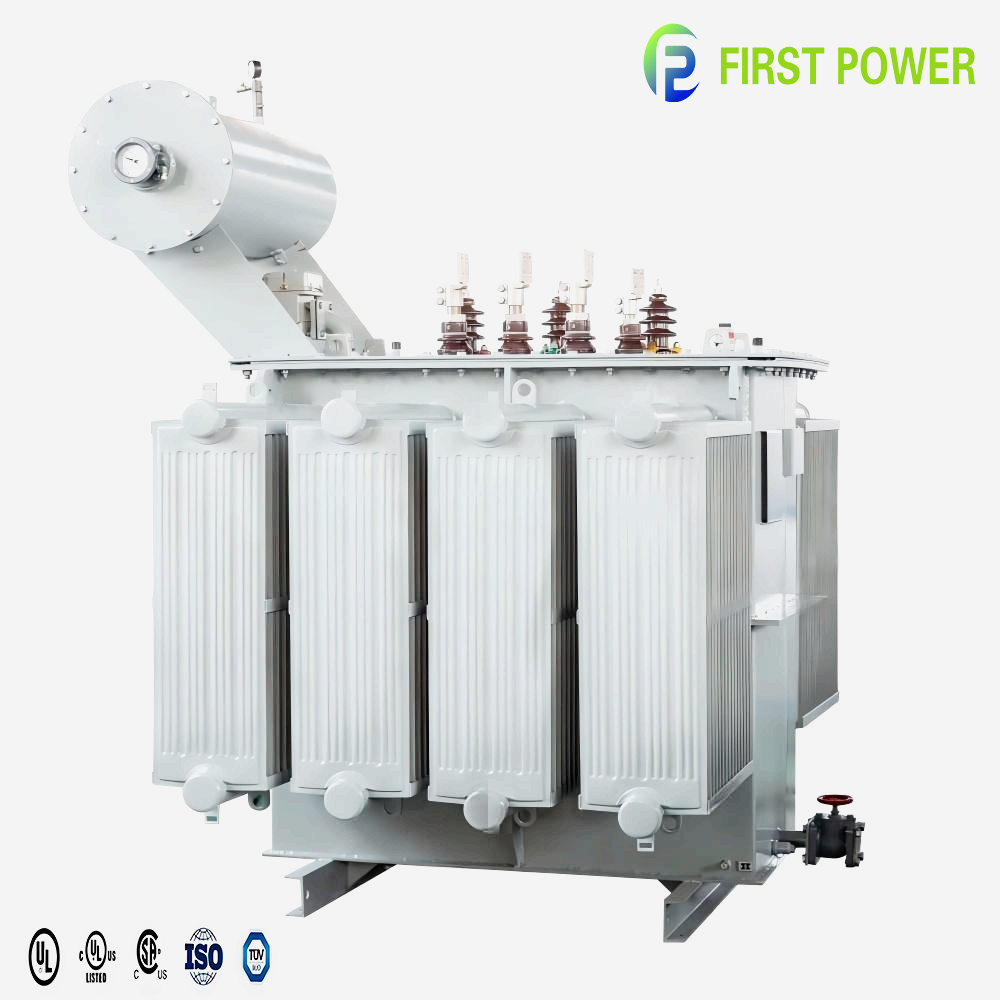 Solar PV
C Certification 50/60Hz 6kV 10kV 20kV 35kV Three Phase 1000kVA 1MW Solar PV Transformer, Oil Immersed, for Power Generation
Utility-scale solar step-up transformer for inverter-based generation, harmonic duty and cyclic renewable loading.
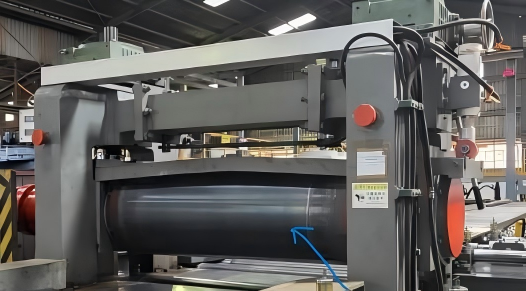 Component
Main Roller D
Heavy-duty roller component for transformer production lines, coil transfer and factory material handling.
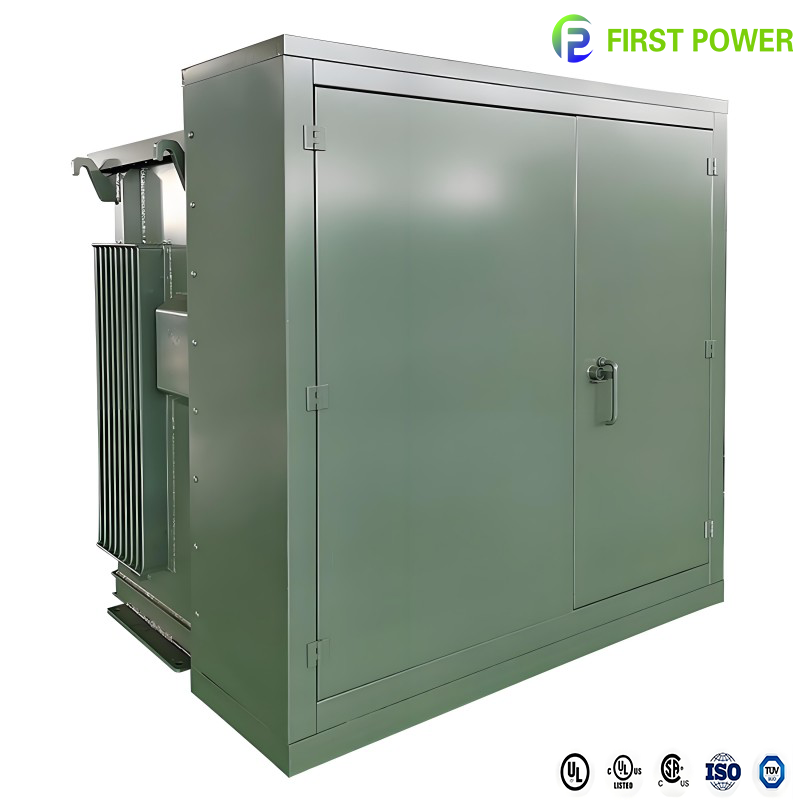 Pad mounted
C CE MV&HV ZGS11 75–2500kVA 10kV 20kV 35kV Pad Mounted Three Phase Transformer for Electric Power Distribution
Tamper-resistant pad-mounted transformer for underground feeders, commercial sites and renewable interconnection.
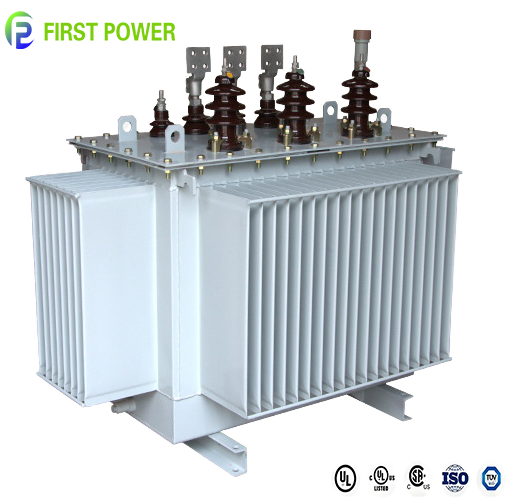 Distribution
C CE 50/60Hz S11 10kV 15kV 20kV 35kV 100kVA 300kVA 500kVA 630kVA Three Phase Oil Transformer for Distribution Systems
Hermetically sealed S11 oil-immersed distribution transformer for utility networks and industrial facilities.
 Industrial
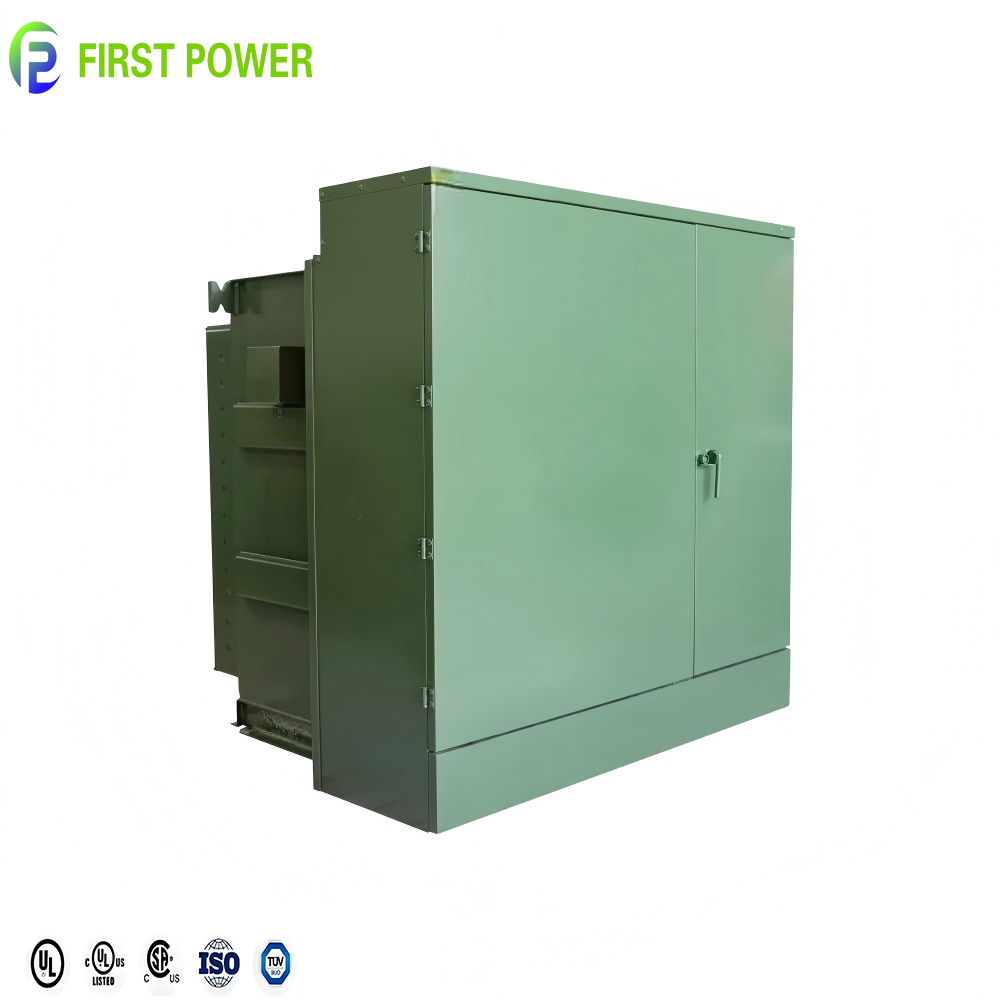
C CE MV&HV 50/60Hz 750kVA 1250kVA 1500kVA 2000kVA 2500kVA 3 Phase Pad Mounted Transformer for Industrial Power Supply
Large-capacity pad-mounted transformer for industrial plants, data centres, campuses and high-load distribution.
 Step-up
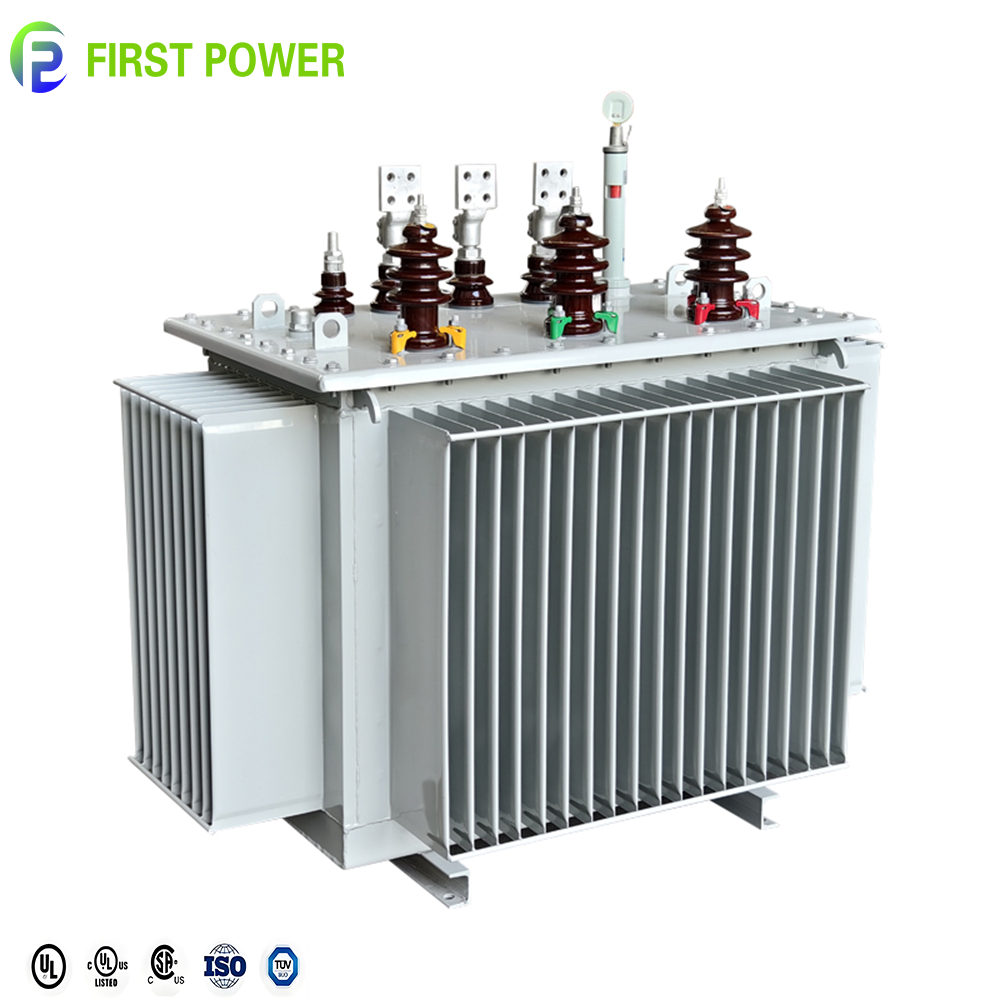
C CE 50/60Hz 6kV 10kV 15kV 20kV 35kV 100kVA 200kVA 300kVA 500kVA 220V Output Step-Up Oil Transformer for Industrial
Step-up oil transformer with 220V output configuration for industrial processes, generators and renewable projects.
 Single phase
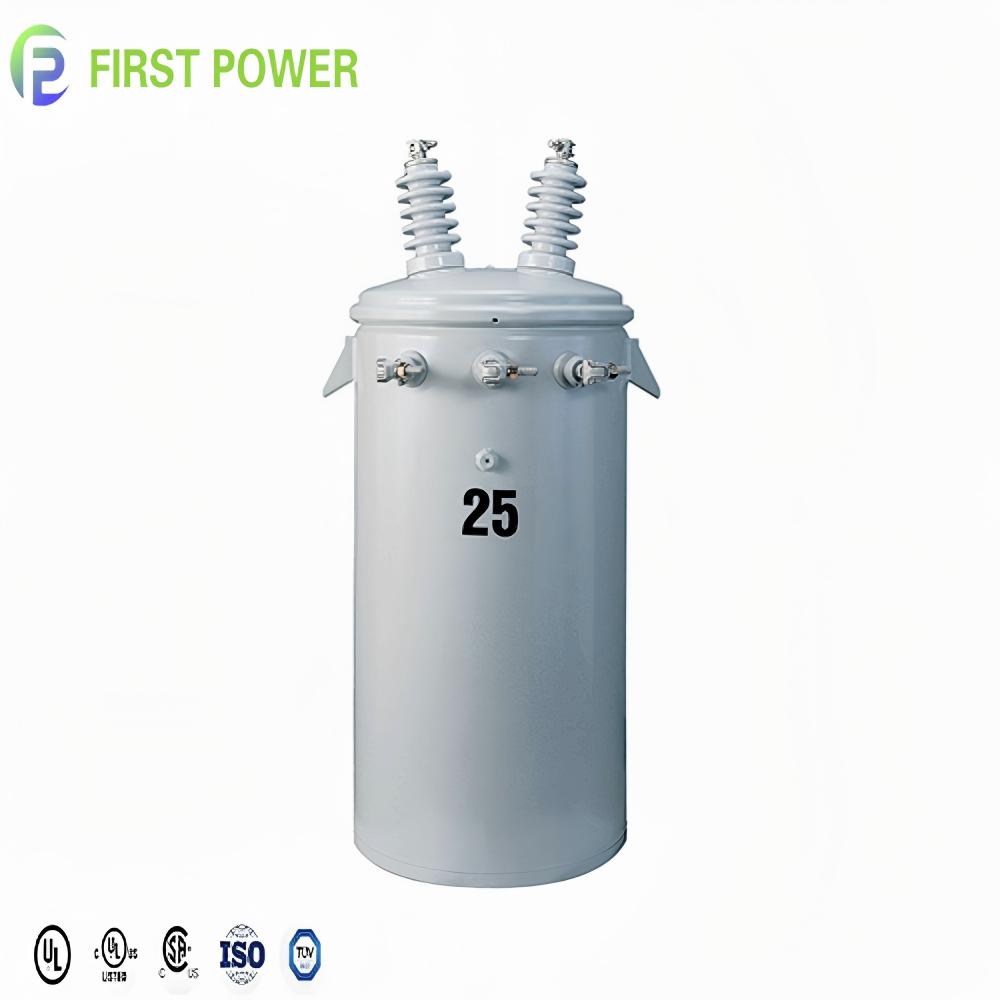
C CE Certification MV&HV 50/60Hz 6kV 10kV 20kV 35kV 25kVA Single Phase Transformer for Electric Power Distribution
Single-phase oil-immersed transformer for rural feeders, residential distribution and small commercial loads.
 ANSI
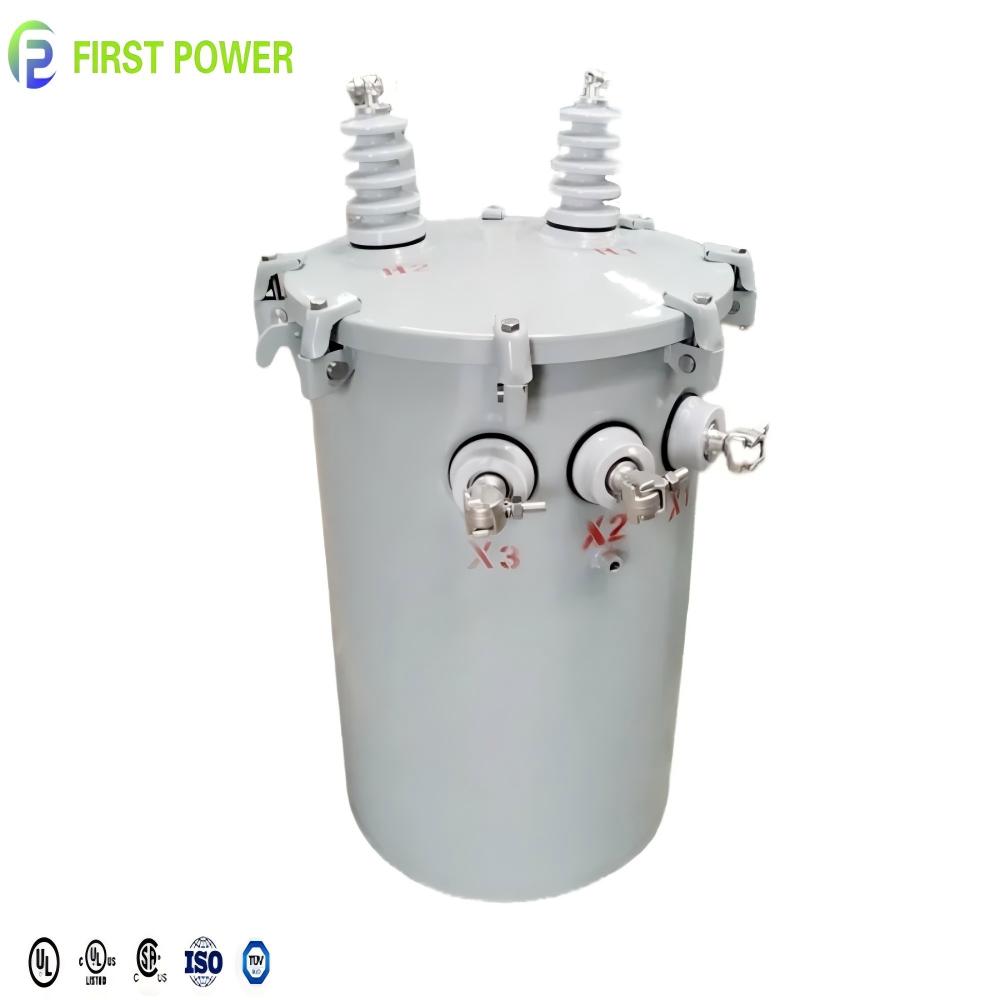
ANSI 50/60Hz 6kV 10kV 15kV 20kV 35kV 15kVA 25kVA 50kVA 100kVA Single Phase Pole Mounted Transformers for Industrial Power Supply
ANSI pole-mounted transformer for North American and export markets, supplying overhead distribution networks.
Why a “Trusted Exporter” Claim Must Be Auditable
Procurement teams should separate a real oil type transformer exporter from a trading intermediary by checking factory floorspace, engineering depth, test evidence, supply-chain stability and response capability.
Years of team experience in transformer design, production and export support
Maximum voltage class supplied across transformer and substation portfolios
Verified production floorspace for winding, assembly, drying, tanking and testing
R&D and technical engineers supporting specification review and customization
Qualified supply-chain partners for core, copper, bushings and accessories
Average buyer rating and a 24-hour pre-sale and after-sale response commitment
Information gain: what this white paper adds for procurement teams
Most exporter pages list products. This guide adds a procurement lens: how to compare oil type transformers by loss capitalization, export documentation, factory acceptance testing maturity, climate-ready design and lifecycle risk. The aim is to give buyers a defensible evaluation framework before they request quotations.
- Lifecycle cost logic: convert no-load and load losses into present-value cost instead of comparing first price alone.
- Documentation matrix: connect IEC/ANSI standards, CE scope, ISO certificates, routine test reports and oil dielectric records.
- Supply-chain signals: distinguish in-house production control from reseller certificates, catalogues and unverified lead times.
What Separates a Top Trusted Oil Type Transformer Exporter from a Low-Cost Supplier
Oil type transformers remain the backbone of distribution and transmission because liquid insulation offers high thermal reserves, mature failure diagnostics and a competitive cost per kVA at scale. Yet export procurement has changed. Buyers now compare loss capitalisation over 25–30 years, request witness testing, audit ISO systems and ask for serial-number-linked test reports before releasing advance payments. In renewable, data-centre and utility projects, the transformer is no longer a commodity line item; it is the interface between intermittent generation, grid codes and operational risk.
A truly trusted exporter must control design, core and coil assembly, oil processing, tanking, drying and routine testing, not only sales. Jiangsu Wisegj Power Co., Ltd. supports this requirement through a verified production base, TÜV Rheinland onsite verification, ISO 9001, ISO 14001 and ISO 45001 management systems, CE-certified product lines and a documented testing workflow. The company also provides OEM/ODM customization, English drawings, complete Incoterms coverage and rapid engineer response, which matter more than a low initial quote when a project schedule is at risk.
For buyers, the practical test is straightforward: ask who controls the design, where the core and coils are wound, which routine tests are performed, how losses are guaranteed and who answers a technical clarification within one working day. A supplier that can answer these questions with documents, not just promises, is closer to the definition of a top trusted oil type transformer exporter. Wisegj’s team is also a supplier to Fortune 500 companies, with finished-product inspection on every unit and a 24-hour response commitment for pre-sale and after-sale issues.
Oil Type Transformer Procurement Trends Buyers Are Acting On Now
Export tenders are shifting from catalogue purchasing to lifecycle risk management. These six trends are shaping supplier shortlists for 2025–2030 projects.
Total Cost of Ownership and Loss Capitalisation
Utilities increasingly evaluate no-load and load losses using present-value capitalisation. A transformer with lower guaranteed losses can outperform a cheaper unit once energy cost, load profile and 25-year operation are modelled. Ask exporters for loss guarantees, tolerances and test verification.
Renewable and Data-Centre Loads
Solar, wind, storage and data centres impose harmonic, cyclic and high-ambient duty. Procurement teams now specify solar PV step-up transformers, harmonic mitigation options and cooling margin instead of generic distribution units.
Climate-Ready Specification
High ambient temperature, coastal humidity, seismic zones and long transport routes change enclosure, bushing, painting and cooling requirements. Buyers are moving from catalogue ratings to site-specific design review.
Traceability and Witness Testing
Remote inspections, third-party witness tests and serial-number-linked reports are becoming standard. A serious exporter can host factory acceptance tests and provide oil dielectric strength, ratio, resistance, loss and impedance records.
Sustainability and Fluid Choice
Natural ester fluids, recyclable materials, low-loss cores and long service life support ESG targets. The procurement question is shifting from “mineral oil or not” to which fluid, temperature rise and lifecycle cost fit the project.
Supply-Chain De-Risking
Lead time, spare parts, documentation quality and after-sales engineering are now part of the award score. Buyers prefer exporters with qualified supply partners, export packing experience and Incoterms flexibility.
How Oil Type Transformer Technology Is Evolving
Product development is no longer only about voltage and kVA. The next generation of oil-immersed transformers is being designed around efficiency, environmental performance, monitoring and installation speed.
Low-Loss Cores and Amorphous Options
CRGO and amorphous core designs help meet stricter efficiency rules. Buyers should compare guaranteed no-load loss, load loss and sound levels, not only nameplate capacity.
Ester Fluids and High-Temperature Insulation
Natural ester fluids and high-temperature insulation systems improve fire safety and environmental performance. Design review must confirm fluid compatibility, sealing materials, temperature rise and local code acceptance.
Digital Monitoring Readiness
Temperature sensors, oil-level monitoring and dissolved gas analysis interfaces are increasingly requested for critical substations. Monitoring should be specified as an option without compromising basic reliability.
Compact and Prefabricated Solutions
Pad-mounted transformers and compact substations reduce civil works and commissioning time. Factory-assembled MV switchgear, transformer and LV distribution improve schedule certainty.
Higher Voltage and Renewable Step-Up Designs
Solar, wind and grid interconnection projects require step-up transformers with defined impedance, harmonic tolerance and cooling margin. Design optimization is increasingly project-specific.
Documentation-First Engineering
GA drawings, nameplate drafts, guaranteed losses, test reports and O&M manuals are now part of product quality. Export buyers expect document packages that satisfy utility QA teams before shipment.
How to Shortlist the Right Oil Type Transformer
Use this engineering comparison to align project scope, standards and procurement checks before requesting final quotations.
| Transformer Family | Best Application | Typical Export Specification | Procurement Checks |
|---|---|---|---|
| Solar PV Oil-Immersed Transformer | Utility-scale solar, inverter step-up, renewable interconnection | 1000 kVA / 1 MW, 6–35 kV, harmonic duty | Loss guarantee, cooling margin, PV duty review, test report |
| Three-Phase Pad-Mounted Transformer | Commercial sites, underground distribution, campuses, data centres | 75–2500 kVA, 10–35 kV, loop or radial feed | Enclosure security, dead-front design, fluid type, IEEE/IEC standard |
| S11 Oil Distribution Transformer | Utility distribution, industrial plants, public infrastructure | 100–630 kVA, 10–35 kV, Dyn11/Yyn0 | No-load and load loss, impedance, oil BDV, routine tests |
| Large Industrial Pad-Mounted Transformer | Industrial power supply, data centres, high-load campuses | 750–2500 kVA, MV/HV, high-ambient design | Temperature rise, cooling class, bushing layout, seismic review |
| Industrial Step-Up Oil Transformer | Generator step-up, industrial processes, renewable projects | 100–500 kVA, 6–35 kV, 220V output configuration | Vector group, tap range, impedance, output voltage confirmation |
| Single-Phase Distribution / Pole-Mounted | Rural feeders, residential distribution, overhead networks | 15–100 kVA, 6–35 kV, ANSI or IEC market | Pole-mount hardware, fuse protection, ANSI compliance, packing |
Typical ranges are shown for procurement planning. Ratings outside these values can be engineered after specification review. Always confirm standards, losses, impedance, tap range and test scope in the approved drawing package.
Wisegj Enterprise Advantages: Engineering, Testing and Export Control
Jiangsu Wisegj Power Co., Ltd. designs, assembles and exports medium and high voltage equipment from 220 V to 500 kV, including power transformers, distribution transformers, pad-mounted transformers, dry type transformers, compact substations and switchgear.
Verified Factory Capacity
6,847 m² of inspected production floorspace supports winding, core assembly, drying, tanking and testing. Production capability and quality inspection are verified onsite by TÜV Rheinland.
In-House Routine Testing
Winding resistance, ratio and vector group, impedance and load loss, no-load loss and current, applied and induced voltage, plus oil dielectric strength for liquid-filled units are documented per serial number.
Design Customization
OEM, ODM, design-based and sample-based customization covers ratings, vector group, impedance, tap range, bushings, cooling method, insulating fluid, enclosure color and nameplate language.
Export Logistics and Incoterms
Seaworthy packing, shock indicators and full Incoterms coverage from EXW to DDP. Payment options include T/T, L/C, D/P and D/A in USD, EUR, GBP, CAD, AUD and other major currencies.
Certified Management Systems
ISO 9001 quality management, ISO 14001 environmental management and ISO 45001 occupational health and safety systems support repeatable production and audit-ready documentation.
24-Hour Engineer Response
Technical questions and after-sales issues receive a qualified reply within one working day. Finished-product inspection is performed on every unit before dispatch.
Specification Review
Engineers check ratings, standards, altitude, ambient temperature and project duty.
Drawing Approval
GA drawing, nameplate draft and guaranteed losses are confirmed with the buyer.
Controlled Production
Core, winding, drying and tanking follow documented work instructions and QC records.
Routine Testing and Packing
Full test report per unit, export crating, impact recorders and shipping documents.
Production Evidence for Oil Type Transformer Export Buyers
Images are presented to show the production and inspection environment. Procurement teams are welcome to request drawings, test records and third-party witness inspection before shipment.
 Assembly Workshop
 Precision Winding
 Testing Laboratory
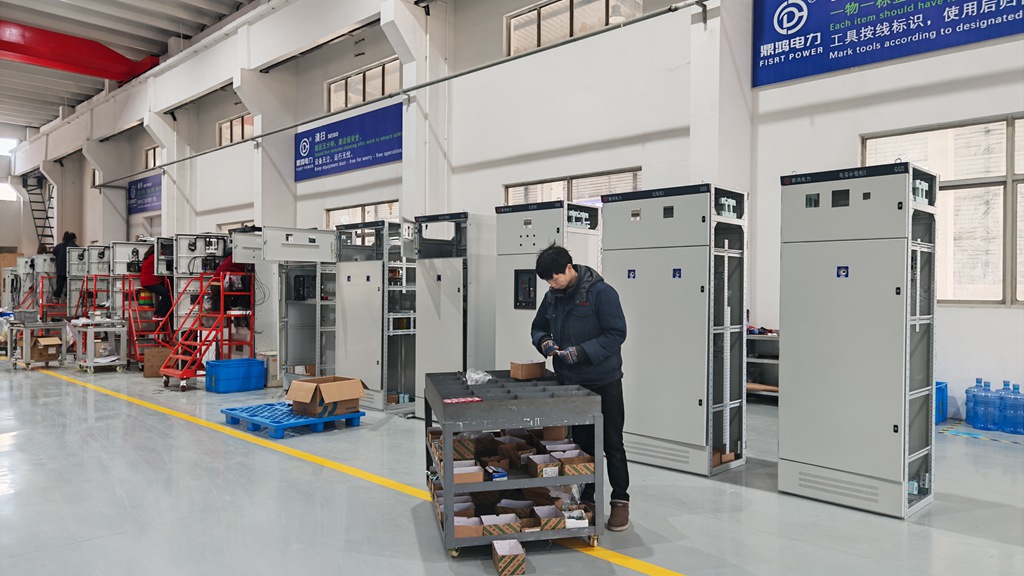 Export Packing and Loading
Credentials Procurement Teams Can Verify
Certificate numbers are listed so compliance teams can verify scope and validity with issuing bodies. Product lines hold CE certificates, and production runs under ISO management systems.
ISO 9001
Quality management system · No. 62824Q6052R0S · 2024–2027
ISO 14001
Environmental management system · No. 62824E6053R0S · 2024–2027
ISO 45001
Health and safety management system · No. 62824S6054R0S · 2024–2027
CE · Oil-Immersed Power Transformer
Certificate No. 3N230310.JYTU038 · 2023–2028
Oil Type Transformer Export and Procurement FAQ
Straight answers from the engineering and export perspectives that matter before award and shipment.
What makes an oil type transformer exporter “trusted” in export procurement?
Which standards apply to oil-immersed transformers for export projects?
How should procurement teams compare prices when transformer losses differ?
Can oil type transformers be customized for solar, wind and storage projects?
Which tests and documents should come with each oil type transformer?
How do exporters control lead time, export packing and shipping documents?
Are natural ester fluids or high-temperature insulation available?
Request a Compliant Oil Type Transformer Quotation
Send your datasheet, tender document or single-line diagram. A transformer engineer will review ratings, standards, losses, test scope and delivery requirements, then respond with a compliant technical and commercial offer.
For faster review, include kVA, primary and secondary voltage, frequency, vector group, impedance, tap range, cooling method, applicable standard and destination port.