Top 10 Step Up Transformer Factories & Suppliers
A procurement-grade benchmark for GSU, pad-mounted, oil-immersed, dry-type and compact substation solutions—built around auditable factory evidence, total cost of ownership and grid-code compliance.
8 Step-Up Transformer & Distribution Products for Project Evaluation
Start with the product platform, then validate the factory behind it. The eight catalog entries below are presented with their original product links so engineering teams can move directly from preliminary selection to technical clarification. Ratings, voltage classes, frequency and standards can be customized for utility, EPC, data-center, renewable and industrial applications.
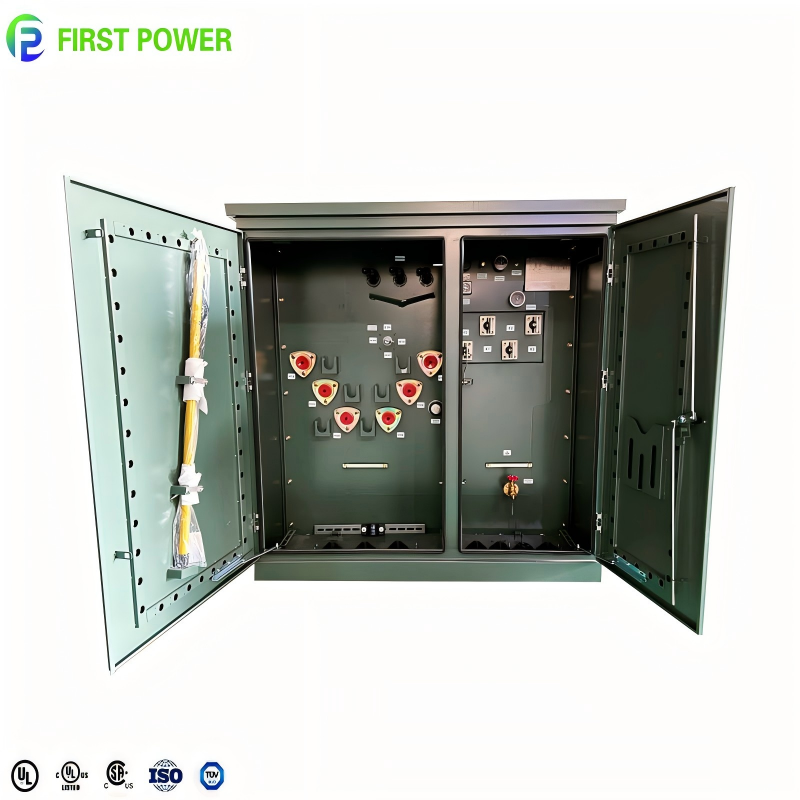
Three Phase Pad Mounted Transformer for Electric Power Distribution
A compartmental pad-mounted platform for underground distribution, commercial campuses, data centers and renewable collector substations. Specify loop or radial feed, dead-front terminations, insulating fluid and tamper-resistant enclosure details.
- 6 kV–35 kV primary class
- 50 / 60 Hz configurations
- Utility and industrial distribution duty
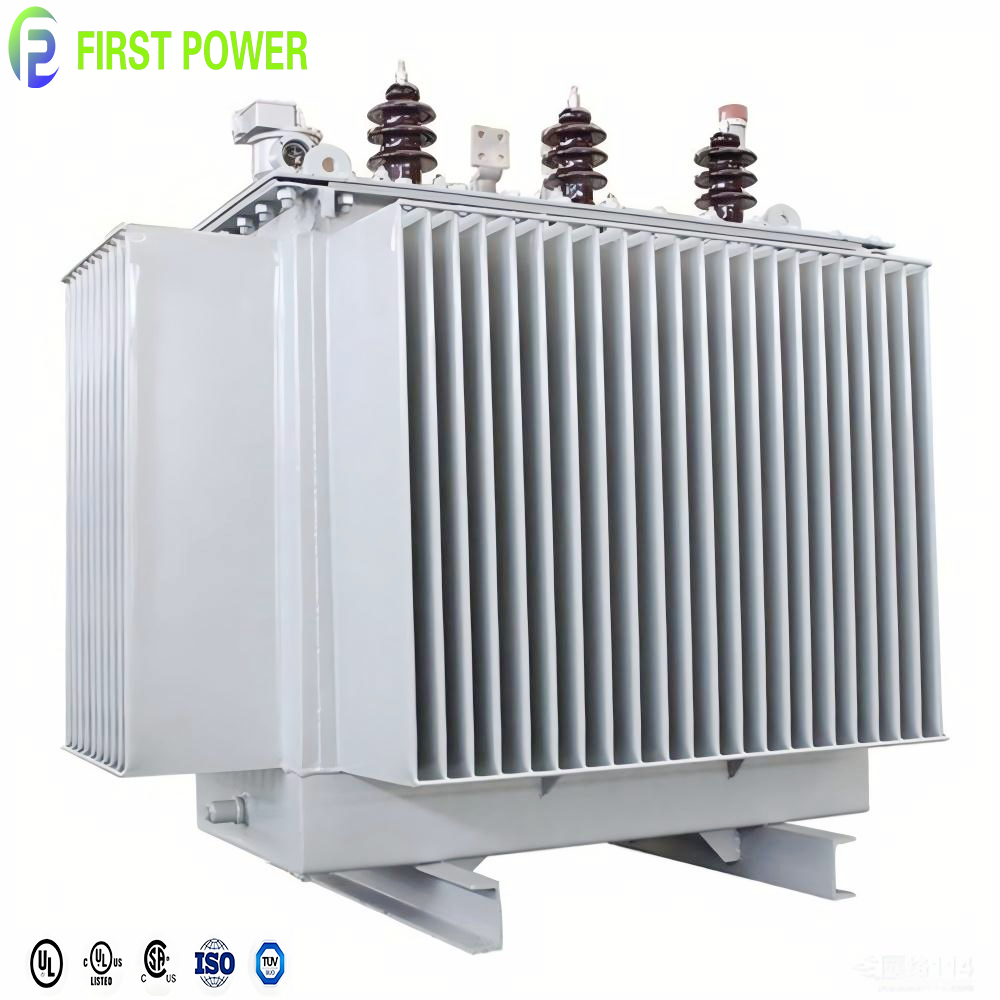
S11 Three Phase Oil Transformer for Power Distribution
A sealed oil-immersed transformer family for distribution networks, industrial plants and community feeders. Low-loss core options and corrosion-resistant tanks support long service life in high-ambient or high-humidity environments.
- 10 kV–35 kV voltage range
- Dyn11 / Yyn0 vector groups
- IEC distribution practice
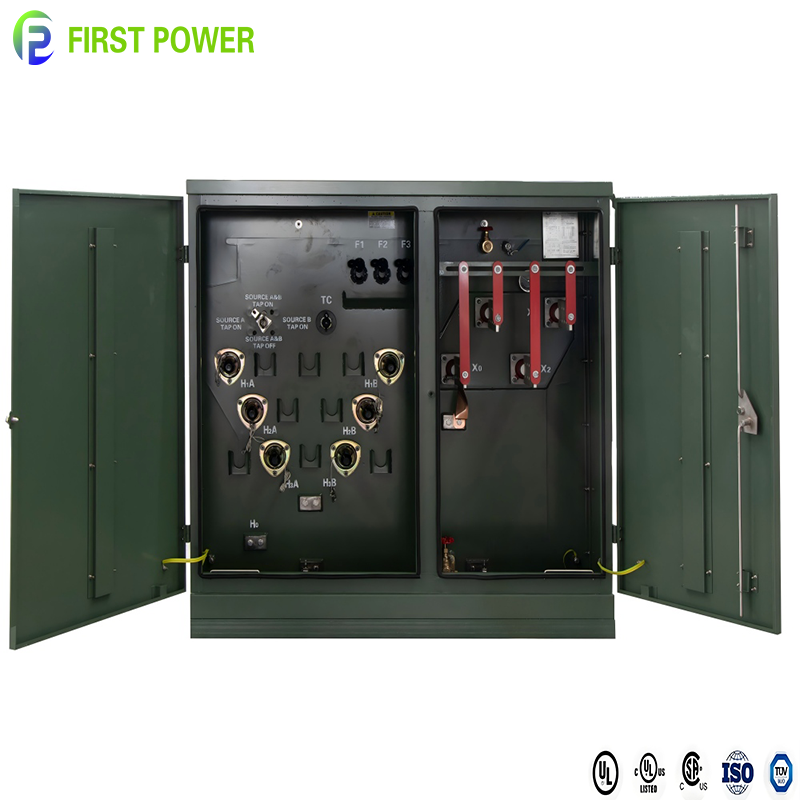
MV & HV Three Phase Pad Mounted Transformer for Industrial Power Supply
Designed for industrial power supply and medium-voltage distribution where reliability and service access matter. Enclosure, bushings, fuse protection and finish can be aligned to site safety rules and local grid practice.
- Industrial and commercial sites
- Pad-mounted, tamper-resistant design
- CE and project-specific documentation
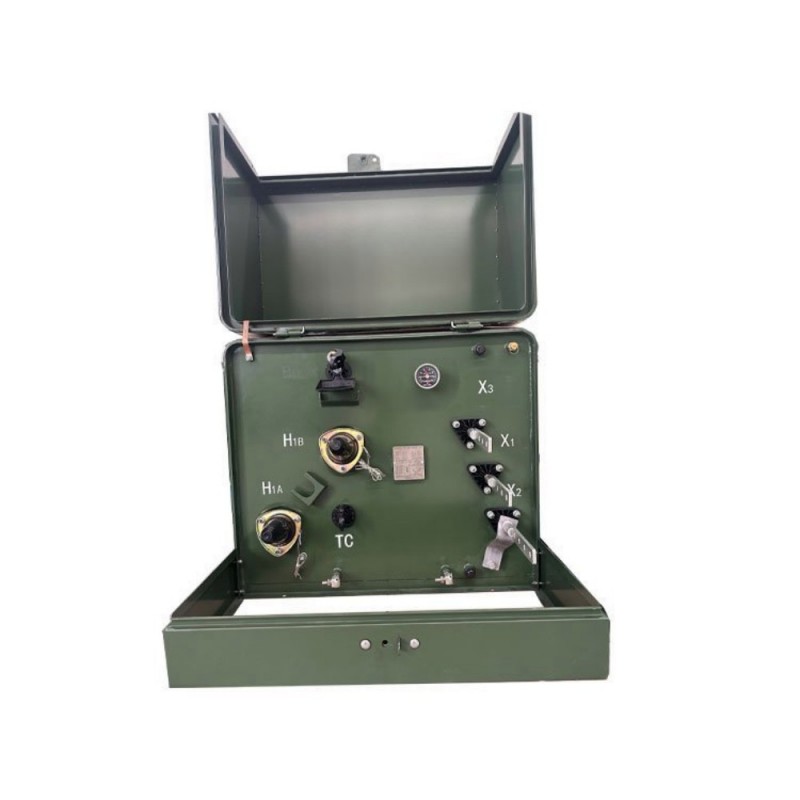
Oil Type Single Phase Pad Mounted Transformer
A compact single-phase pad-mounted unit for residential subdivisions, underground loops and light commercial loads. Multi-voltage certification and 50/60 Hz availability make it useful for standardized international projects.
- 6 kV–34.5 kV primary options
- Residential and light commercial duty
- Oil-immersed, pad-mounted format
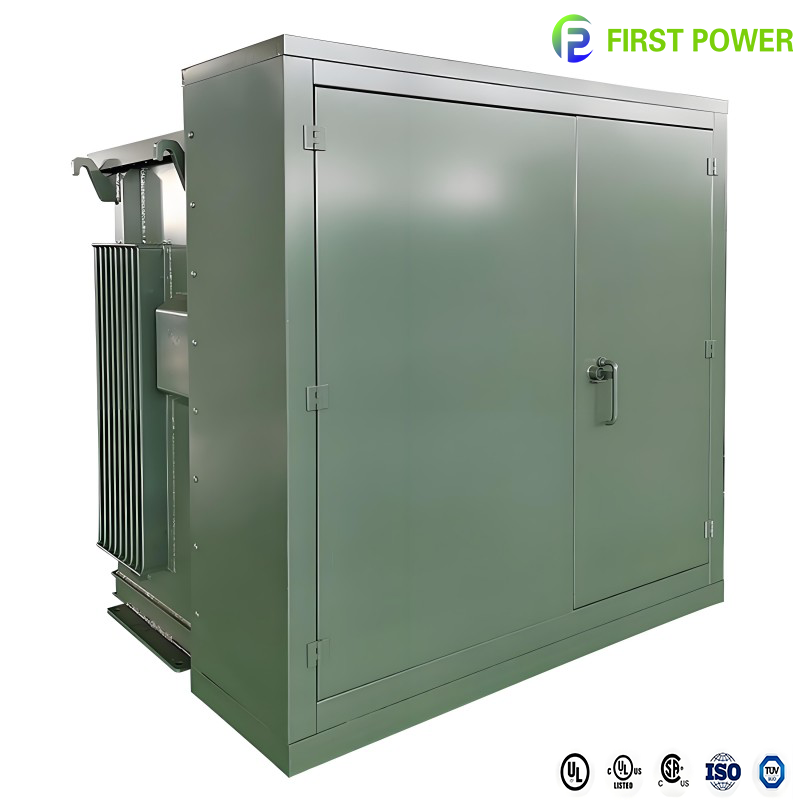
MV & HV Pad Mounted Three Phase Transformer
A mid-range pad-mounted distribution transformer for commercial buildings, industrial parks and utility networks. It balances compact footprint, service accessibility and customizable protection for project-specific requirements.
- 10 kV / 20 kV / 35 kV classes
- Distribution and light industrial duty
- 50 / 60 Hz export configurations
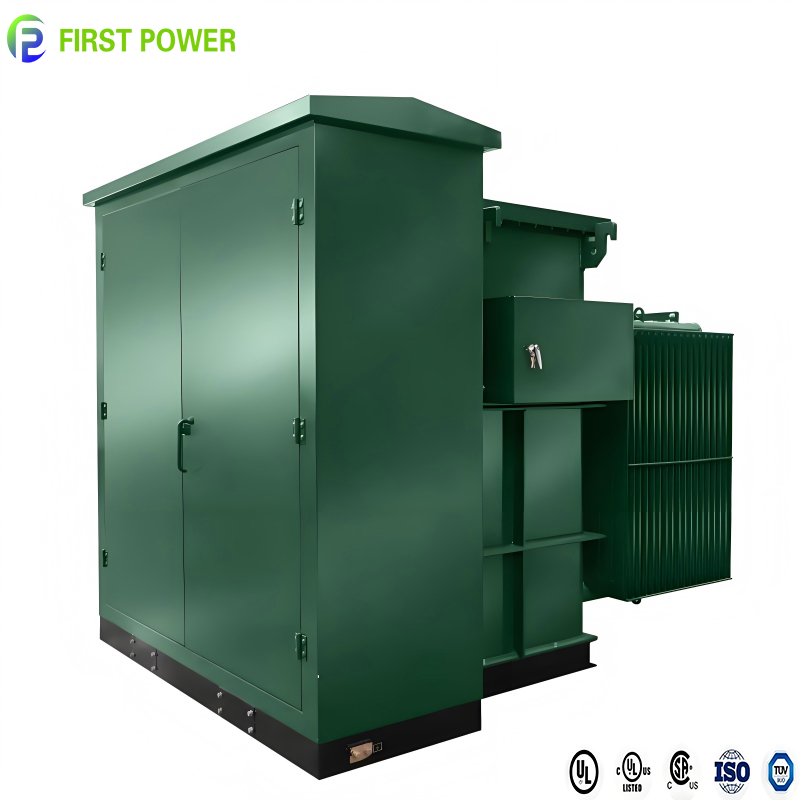
CE Industrial Three Phase Pad Mounted Pedestal Transformer
For industrial sites needing a compact, ground-mounted transformer with clear access for inspection and maintenance. Suitable for manufacturing plants, logistics hubs and distributed energy projects requiring CE documentation.
- 100 / 300 / 500 / 630 kVA
- 6 kV–35 kV primary options
- Pad-mounted pedestal construction
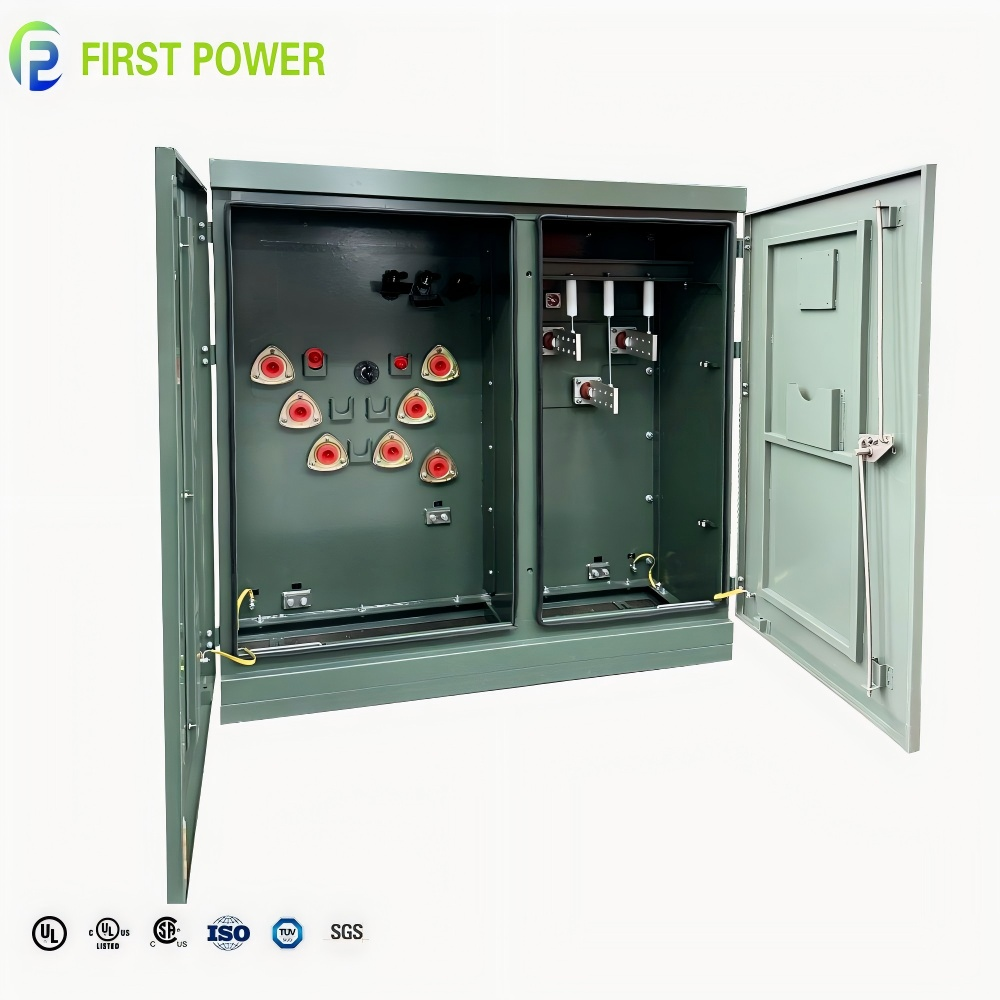
CE 750 kVA Three Phase Loop Feed Pad Mounted Transformer
A loop-feed configuration for underground distribution where sectionalizing and load transfer flexibility are important. Ideal for commercial districts, campuses and renewable projects that require a compact pad-mounted footprint.
- 10 kV / 20 kV / 35 kV
- 750 kVA project configuration
- Loop-feed distribution duty
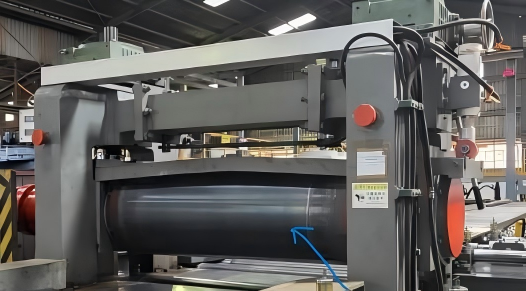
MAIN ROLLER D
A separate catalog item for buyers sourcing coordinated equipment, production support components or replacement parts. Because this is not a transformer rating, request the current drawing, material specification and compatibility data during RFQ review.
- Drawing and datasheet on request
- Application-specific confirmation
- Factory quotation available
Why Step-Up Transformer Supplier Selection Is a Technical Decision, Not a Price-Only Decision
Step-up transformers sit at the interface between generation, distribution and industrial loads. A factory that can deliver a compliant unit is not automatically the best partner for a generator step-up transformer project. Procurement teams increasingly ask for auditable test reports, loss calculations, drawing approval discipline and export documentation before placing a purchase order.
This buyer's guide is written for EPC contractors, utility asset managers, renewable developers and industrial buyers who need to compare step-up transformer factories and suppliers using evidence rather than brochure claims. Instead of an unverifiable popularity ranking, the page applies a 10-point supplier benchmark. Each checkpoint corresponds to a document, test or factory attribute that can be requested during an RFQ. The reference supplier information is drawn from Jiangsu Wisegj Power Co., Ltd., a Suzhou-based manufacturer of pad-mounted, oil-immersed, dry-type and power transformers plus compact substations.
For a step-up application, the purchasing decision usually depends on six technical facts: the required voltage ratio, the short-circuit impedance, the expected load profile, the applicable grid code, the loss capitalization formula and the site environment. When these facts are clear, the supplier conversation becomes far more productive. When they are missing, quotations cannot be compared on a like-for-like basis, and low headline prices often hide higher no-load losses, weaker documentation or longer commissioning risk.
What Buyers Should Verify First
- Rated power, primary and secondary voltage, frequency and vector group
- Loss limits and total cost of ownership model
- Routine test report and third-party witness option
- ISO 9001 / 14001 / 45001 and CE documentation
- GA drawing, nameplate draft and O&M manual
- Export packing, Incoterms and lead-time review
The Top 10 Step-Up Transformer Factory & Supplier Checkpoints
Use these ten checkpoints to separate transformer manufacturing specialists from catalog resellers, trading intermediaries and low-documentation offers. In a grid-connected step-up project, every checkpoint should be evidenced before purchase order release.
Utility-Grade Standards Coverage
Confirm design and testing to IEC 60076 or IEEE C57.12 series as required by the destination market. Check frequency, insulation level, temperature rise and grid-code deviations in writing.
In-House Routine & Type Testing
Ask for winding resistance, ratio and vector group, impedance and load loss, no-load loss, applied and induced voltage tests, plus oil dielectric strength for liquid-filled units. Witness testing access is a strong quality signal.
Loss Capitalization & Efficiency
Compare quotations using no-load and load-loss values, not only kVA price. High-efficiency CRGO or amorphous core options can reduce whole-life cost in high-utilization renewable, data-center and utility applications.
Voltage & Capacity Range
The supplier should demonstrate a portfolio from single-phase pad-mounted units to power transformers and compact substations, with a documented maximum voltage class and clear boundary between standard and engineered-to-order products.
Customization & Drawing Approval
Check whether the factory can customize ratings, impedance, tap range, bushings, cooling method, enclosure color, nameplate language and insulating fluid. A disciplined drawing approval workflow prevents late site modifications.
Certified Quality Systems
Request ISO 9001, ISO 14001 and ISO 45001 certificates with valid scope and dates. For European projects, verify CE documentation by product family, not by generic company statement.
Production Capacity & Process Control
Look for dedicated winding, core assembly, drying, tanking, oil processing and testing areas. Verified floorspace, engineering headcount and in-process inspection records matter more than showroom photographs.
Export Packing & Logistics
Confirm seaworthy packing, shock and tilt indicators, lifting points, spare parts, shipping marks and Incoterms. For large oil-filled units, oil filling strategy and site acceptance documents should be agreed before shipment.
Drawings, Test Reports & O&M Manuals
A qualified factory supplies a complete document package in English: GA drawings, nameplate drafts, routine test reports, installation instructions, maintenance guidance and spare-part recommendations. Incomplete documentation creates commissioning delays.
Lead-Time Resilience & After-Sales Response
Ask for a realistic schedule covering drawing approval, material readiness, production, testing, packing and transport. A transparent response process, including a named technical contact, is often more valuable than a shorter but unverified lead time.
Product Development & Procurement Trends for Step-Up Transformers
Transformer procurement is moving toward higher efficiency, shorter project cycles, stronger documentation and more resilient supply chains. These trends affect specification writing, supplier shortlisting and total cost of ownership calculations.
Renewable Interconnection & Energy Storage
Solar, wind and battery storage projects are increasing demand for step-up transformers that can handle variable generation profiles, grid-code compliance and fast project schedules. Collectors and GSU units are increasingly specified with detailed loss capitalization and dynamic loading assumptions.
Efficiency and Loss Capitalization
Buyers are comparing transformers over a 20–30 year operating horizon. A slightly higher initial price can be justified when no-load and load losses are lower. Procurement documents increasingly require guaranteed loss values, test tolerances and penalties for non-compliance.
Modular Compact Substations
Prefabricated compact substations combine MV switchgear, transformer and LV distribution in one enclosure. They reduce civil works, shorten commissioning and improve quality control because more work is completed in the factory rather than at site.
Sustainable Fluids and Circularity
Natural ester fluids, recyclable materials and lower-loss cores are gaining attention in environmentally sensitive projects. Buyers are also asking suppliers to document material composition, oil handling procedures and end-of-life guidance.
Digital Documentation & Asset Passports
Project owners increasingly expect digital test reports, searchable drawings and serial-number traceability. A supplier that can deliver a clean documentation package reduces commissioning friction and supports future maintenance planning.
Dual-Standard Global Procurement
Suppliers with experience in both IEC and IEEE environments are better positioned to support international EPC projects. Dual-standard design capability, 50/60 Hz production and localized nameplate documentation are becoming shortlisting criteria rather than optional extras.
Matching Step-Up Duty to the Right Transformer Family
Step-up duty is not limited to one product type. A renewable collector substation, an industrial distribution upgrade and a residential underground network may all use step-up transformation, but the correct hardware and documentation package differ significantly.
| Application | Recommended Platform | Typical Voltage / Rating Focus | Procurement Priority |
|---|---|---|---|
| Solar or wind collector substation | Oil-immersed power transformer or compact substation | Medium-voltage step-up; project-specific kVA and impedance | Loss capitalization, grid-code compliance, dynamic loading review |
| Utility underground distribution | Three-phase pad-mounted transformer | 6 kV–35 kV primary; loop or radial feed | Tamper-resistant enclosure, service access, IEEE/IEC documentation |
| Residential subdivision | Single-phase pad-mounted transformer | 75 kVA class and multi-voltage options | Compact footprint, low noise, reliable fuse and termination configuration |
| Industrial plant distribution | S11 oil transformer or industrial pad-mounted unit | 10 kV–35 kV class; 100–2,500 kVA range | Overload capability, protection coordination, spare-part availability |
| Commercial building or data center | Dry-type transformer or compact substation | Indoor, fire-sensitive or space-constrained locations | Fire safety, acoustic performance, cooling and maintenance access |
| Fast-track EPC project | Prefabricated compact substation | MV switchgear, transformer and LV distribution integrated | Factory assembly, reduced civil works, coordinated testing |
Always confirm applicable standards, voltage class, frequency, impedance, tap range, cooling method and site ambient conditions before finalizing the platform. For non-standard ratings, use the quotation link and attach the project datasheet.
Why Jiangsu Wisegj Power Co., Ltd. Belongs on a Step-Up Transformer Shortlist
Jiangsu Wisegj Power Co., Ltd. designs, assembles and exports medium and high voltage equipment from 220 V up to 500 kV, including power transformers, distribution transformers, pad-mounted transformers, dry-type transformers, compact substations, switchgear and related distribution equipment.
Verified Production Base
The supplier reports a 6,847 m² inspected production floorspace with winding, core assembly, drying, tanking and testing areas. Third-party verification by TÜV Rheinland supports factory capability review.
Engineering Depth
The team brings more than 20 years of hands-on transformer experience, with 50+ R&D and technical engineers available for specification review, drawing approval and custom design support.
Routine Factory Testing
Routine tests cover key electrical performance checks, and oil dielectric testing is applied to liquid-filled units. Witness inspection by the buyer or a third party can be discussed before order placement.
Certifications & Compliance
The company operates under ISO 9001, ISO 14001 and ISO 45001 management systems and holds CE certificates for multiple product families. Certificate numbers should be verified against project requirements.
OEM, ODM & Customization
Customization includes ratings, vector group, impedance, tap range, bushing configuration, cooling method, insulating fluid, enclosure color and nameplate language. Design-based and sample-based customization is available.
Export Logistics Experience
Seaworthy packing, shipping marks and documentation can be aligned with Incoterms from EXW to DDP. The supplier reports experience with FOB, CFR, CIF, FCA, CIP, CPT and other common trade terms.
Documentation & Response
GA drawings, nameplate drafts, test reports and O&M manuals are supplied in English. The supplier advertises 24-hour pre-sale and after-sale response for technical and commercial questions.
Supply-Chain Stability
The company reports 211 qualified supply-chain partners and a buyer rating of 4.9/5. For step-up transformer projects, strong supplier relationships help stabilize silicon steel, copper, bushings and accessory availability.
| Certificate / System | Scope | Reference Number | Validity as Listed |
|---|---|---|---|
| CE · Power Transformer | Oil-immersed power transformer | 3N230310.JYTU038 | 2023–2028 |
| CE · Oil Immersed | Oil immersed transformer | M.2025.206.C121882 | 2025–2030 |
| CE · Dry Type | Dry type transformer | FQC2530404 | 2025–2030 |
| CE · Compact Substation | Compact substation | M.2025.206.C121884 | 2025–2030 |
| CE · Switchgear | Switchgear | ICR/VC/HM2506248 | 2025–2030 |
| ISO 9001 | Quality management system | 62824Q6052R0S | 2024–2027 |
| ISO 14001 | Environmental management system | 62824E6053R0S | 2024–2027 |
| ISO 45001 | Occupational health and safety | 62824S6054R0S | 2024–2027 |
Certificate scopes and validity should always be checked against current issuing-body records and the specific project scope. For a tender requiring IEEE, IEC, CE or country-specific compliance, include the exact standard and edition in the RFQ.
Step-Up Transformer Procurement FAQ
Straight answers for procurement teams, EPC contractors and engineering reviewers comparing transformer factories and suppliers.
What is a step-up transformer, and how is it different from a distribution transformer?
What information should I provide in an RFQ?
Can Wisegj supply generator step-up and renewable collector transformers?
Which standards and factory tests should be requested?
How should I compare quotations on total cost of ownership?
What lead time can I expect for a step-up transformer?
Are OEM, ODM and customized nameplates available?
What trade terms, payment methods and currencies are accepted?
Have a Step-Up Transformer Specification Ready for Review?
Send your datasheet, single-line diagram or tender documents. The quotation team can review voltage class, rating, frequency, impedance, losses, standards and documentation requirements before returning a design-based offer.
Get a Quote