Why China Wholesale Transformer Supply Is Being Re-Specified
The buying decision for a three-phase pole transformer, pad-mounted transformer or oil-immersed distribution transformer is no longer only a price-per-kVA comparison. Utilities, EPC contractors and industrial buyers now evaluate total ownership cost, guaranteed losses, short-circuit strength, enclosure security, test reports, documentation quality and after-sales response. One incorrect vector group, impedance value or bushing configuration can delay energization and create costly site rework.
Jiangsu Wisegj Power Co., Ltd. is a Suzhou-based manufacturer and exporter of medium- and high-voltage equipment from 220 V to 500 kV. Its product portfolio includes three-phase pad-mounted transformers, single-phase pad-mounted transformers, oil-immersed distribution transformers, power transformers, dry-type transformers and compact substations. The company profile states more than 20 years of team experience, 6,847 m² of verified production floorspace, more than 50 R&D and technical engineers and 211 qualified supply-chain partners. These facts matter to wholesale buyers because they connect product availability with engineering review, production control and export execution.
This guide is organised around high-intent search topics used by professional buyers: three phase pole transformer supplier, China transformer wholesalers, pad-mounted transformer price comparison, oil-immersed transformer specification, dry-type transformer for industrial projects and custom transformer procurement. It also adds information gain that a generic catalogue page rarely provides: a technical RFQ checklist, product development trends, future wholesale procurement trends, factory verification points and detailed FAQ answers.
Recommended Three Phase Pole, Pad-Mounted and Distribution Transformer Products
The eight configurations below cover the most common wholesale sourcing intents for three-phase distribution projects. They include pad-mounted, pedestal, step-up, S11 oil-immersed, dry-type and power transformer options. For conventional overhead pole-mounted units, specify pole brackets, clamp spacing, lightning arrester coordination and live-front or dead-front termination requirements in the enquiry.
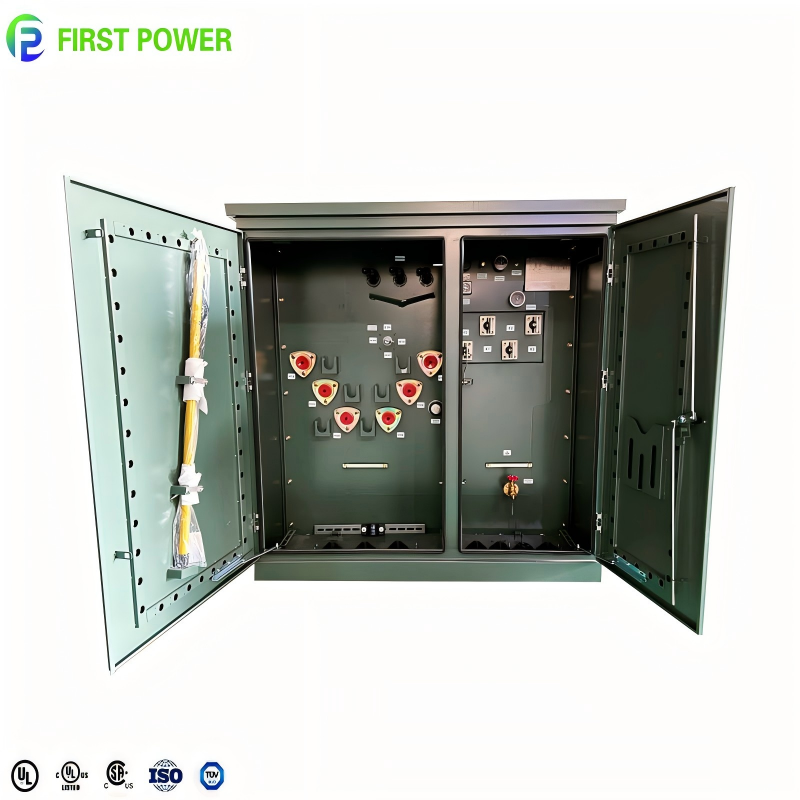
C ZGS11 50/60HZ 75KVA-50000KVA 6KV 10KV 15KV 20KV 35KV Three Phase Pad Mounted Transformer for Electric Power Distribution
Recommended for underground distribution, commercial campuses, renewable interconnection and utility retrofit projects. Confirm loop or radial feed, dead-front compartment layout, fuse selection, enclosure finish and guaranteed losses.
View Product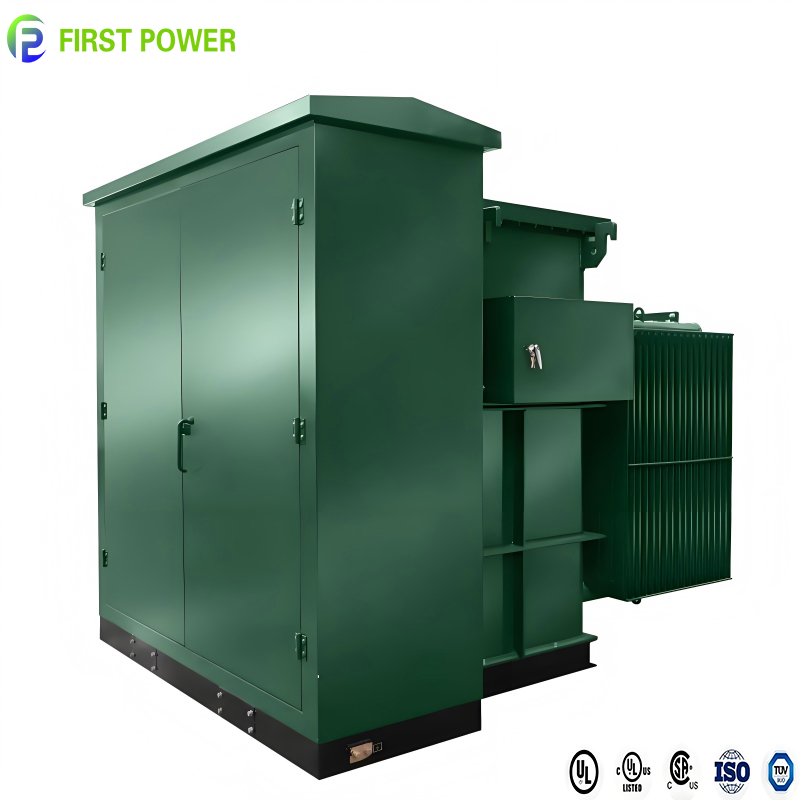
C CE 50/60HZ 6KV 10KV 15KV 20KV 35KV 100KVA 300KVA 500KVA 630KVA 3 Phase Pad Mounted Pedestal Transformer for Industrial
Pedestal-style enclosure for industrial sites, storage yards, manufacturing plants and distributed generation. The 100–630 kVA range suits site-level distribution where tamper resistance and cable termination speed matter.
View Product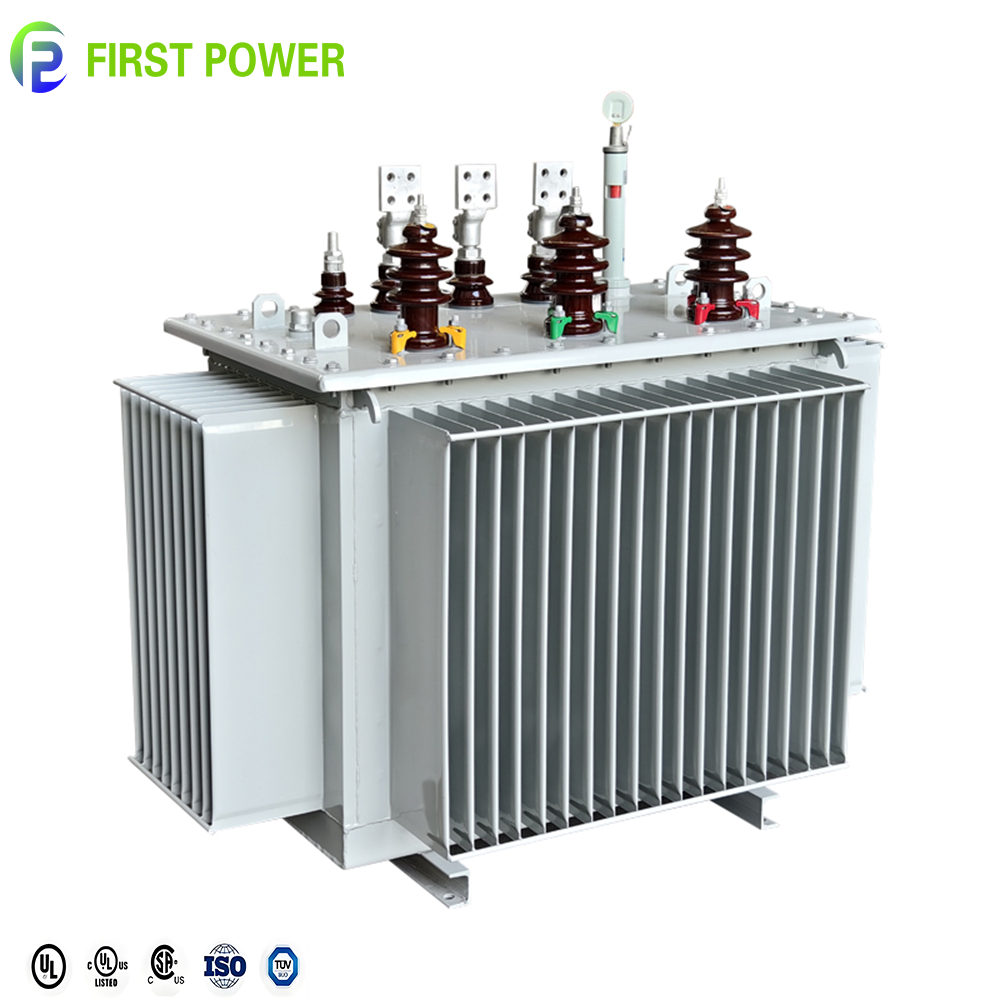
C CE 50/60HZ 6KV 10KV 15KV 20KV 35KV 100KVA 200KVA 300KVA 500KVA 220V Output Voltage Step up Oil Transformer for Industrial
Step-up transformer option for industrial processes, generator interfacing and renewable pilot projects. Specify vector group, tap range, impedance and the exact 220 V output requirement before quotation.
View Product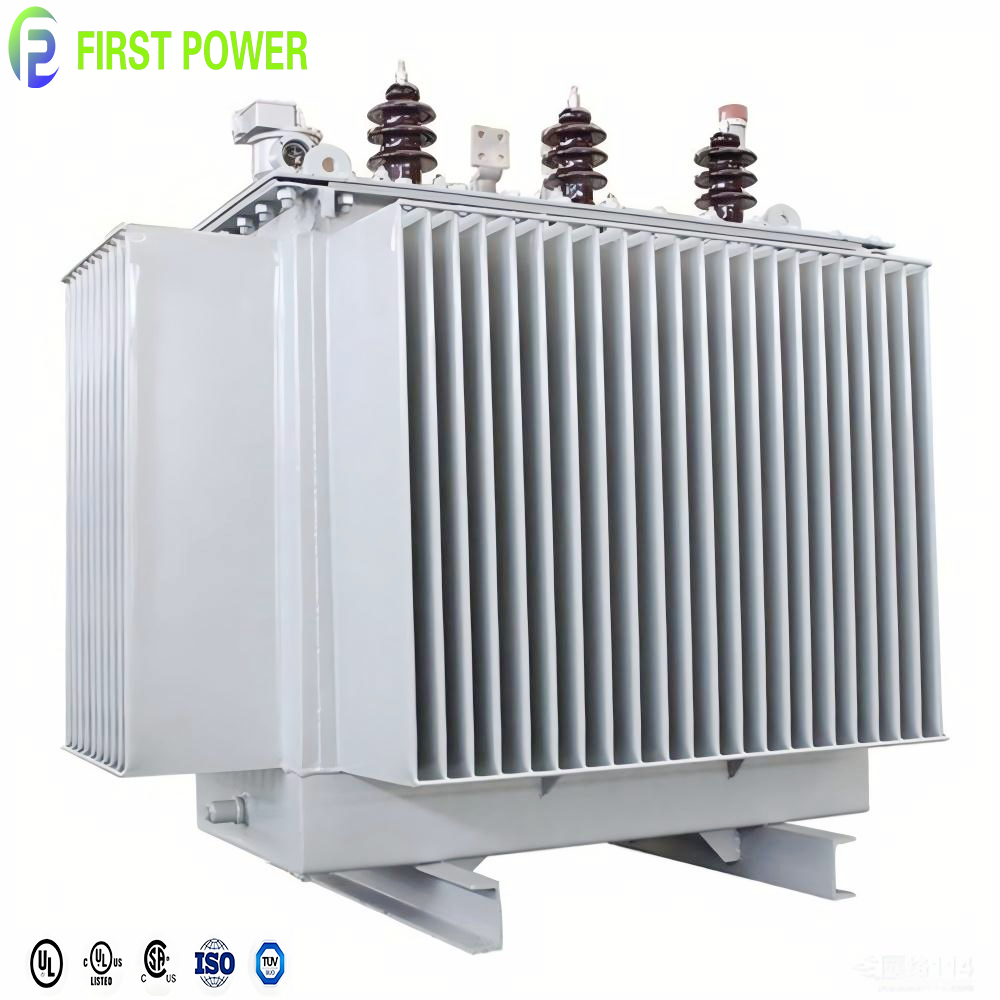
C CE MH&HV 50/60HZ 10KVA-50000KVA 10KV 15KV 20KV 35KV Three Phase S11 Oil Transformer for Electric Power Distribution
S11 oil transformer platform for utility networks, industrial plants and distribution substations. The wide rating envelope supports standardisation across multiple projects while keeping documentation and spare-part strategy consistent.
View Product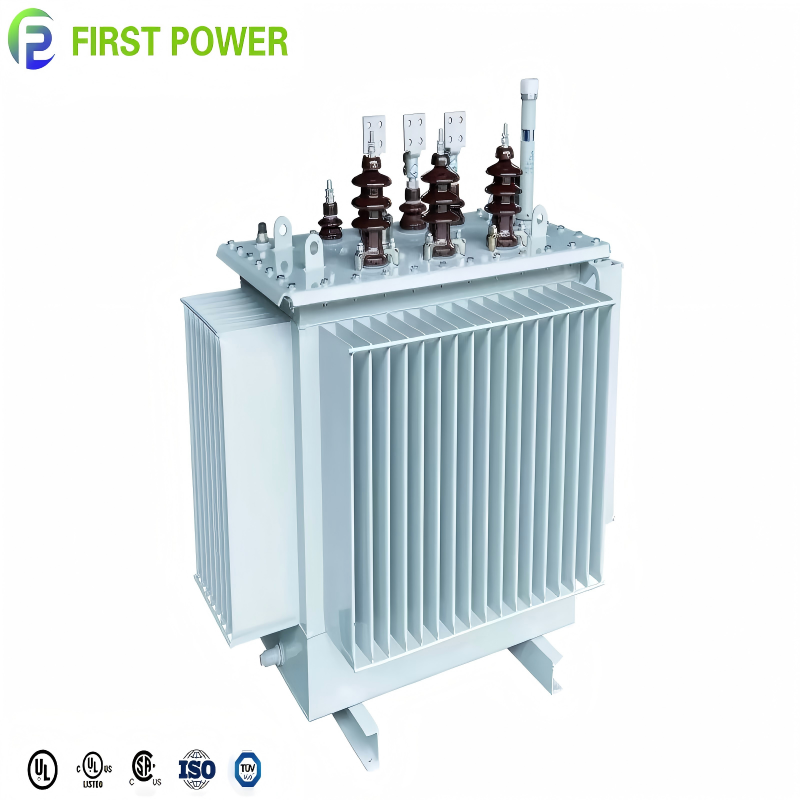
C CE S11 50/60HZ 6KV 10KV 15KV 20KV 35KV 100KVA 300KVA 3 Phase Oil Immersed Transformer 50KVA 33KV for Distribution System
Oil-immersed distribution transformer for 6–35 kV systems with 50–300 kVA ratings. Suitable for feeder reinforcement, rural electrification, commercial distribution and standard utility inventory.
View Product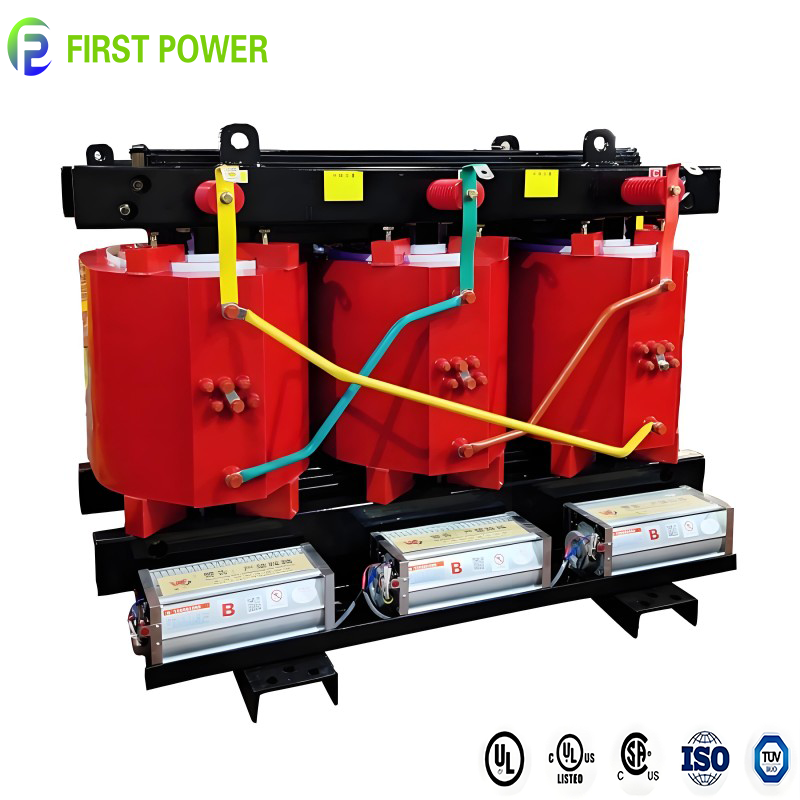
C CE Certification IEEE Standard 50/60HZ 5MVA 6MVA 6KV 35KV 3 Phase Dry Type Transformer for Electric Power Distribution
Dry-type solution for indoor, fire-sensitive and high-rise applications. IEEE-oriented documentation and CE scope support projects where reduced fire risk, oil-free operation and indoor installation are priorities.
View Product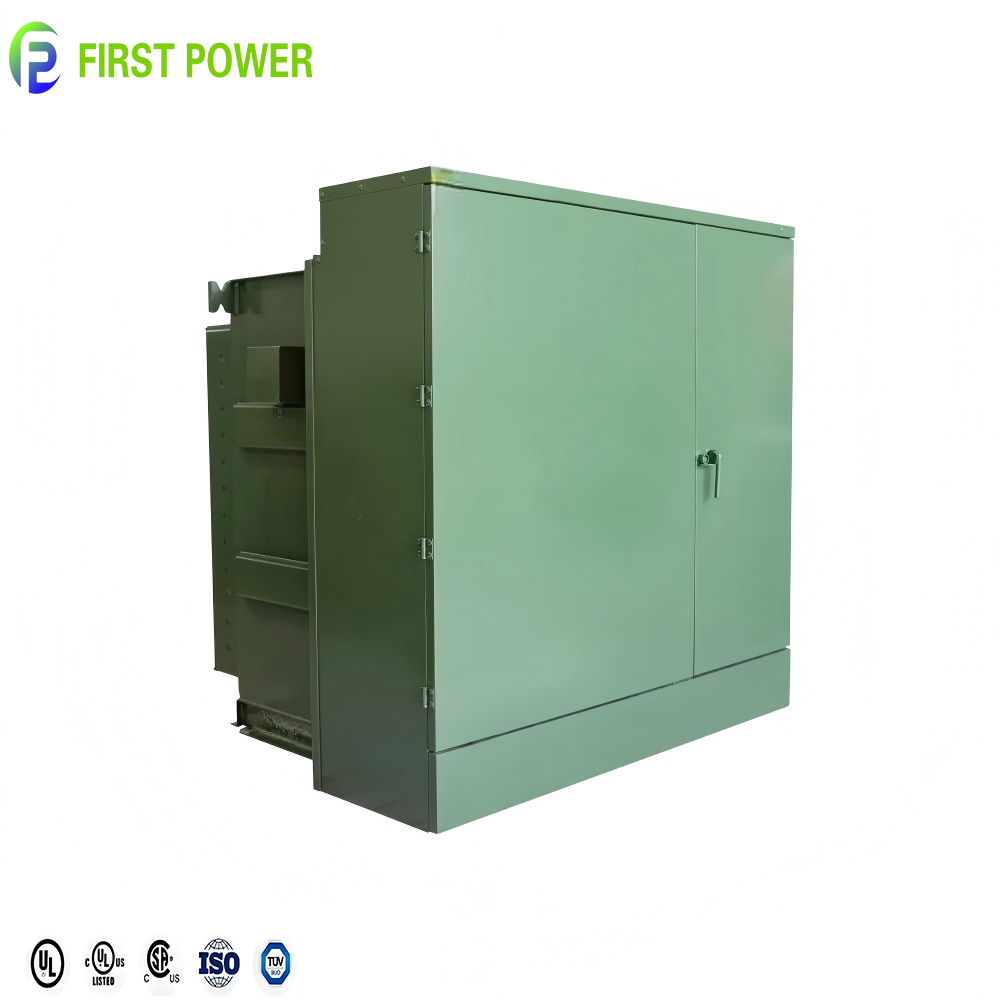
C CE MV&HV 50/60HZ 750KVA 1250KVA 1500KVA 2000KVA 2500KVA 3 Phase Pad Mounted Transformer for Industrial Power Supply
High-capacity pad-mounted units for industrial power supply, data centres and renewable collector substations. Discuss cooling, enclosure ventilation, seismic requirements and site access before finalising the layout.
View Product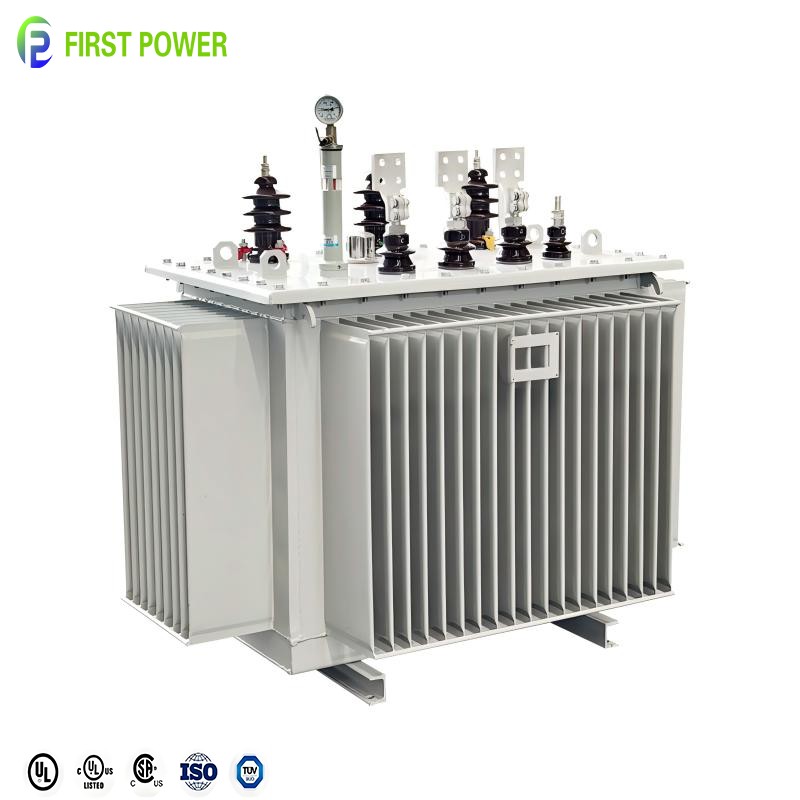
C CE 50/60HZ 100KVA 300KVA 500KVA 630KVA 1000KVA 10KV 20KV 35KV 3 Phase Oil Immersed Power Transformer for Power Supplies
Oil-immersed power transformer for industrial power supplies and distribution substations. Preferred where robust overload capability, proven liquid insulation and maintainable field service are important.
View ProductWholesale Transformer Procurement Checklist Before You Compare Prices
A competitive offer is only useful when it is technically comparable. Use the checklist below to remove ambiguity from your enquiry and to help suppliers quote the same scope, test package and delivery condition.
Guaranteed Losses and Efficiency
State no-load loss, load loss, impedance and efficiency targets at the reference temperature. For wholesale programmes, request loss tolerances and test verification method. A low first price can disappear over twenty years of energy cost, especially on continuously energised distribution transformers.
Vector Group and Impedance
Confirm Dyn11, Yyn0 or the project-specific vector group, plus impedance percentage and tap range. Parallel operation, protection coordination and fault level depend on these values. Never allow a supplier to substitute a different vector group without documented engineering approval.
Insulation Fluid and Fire Strategy
Decide between mineral oil, natural ester and dry-type insulation based on fire risk, indoor location, environmental regulation and maintenance capability. For oil-filled units, specify oil dielectric strength, sealing method, tank finish and whether oil testing is witnessed.
Enclosure, Climate and Site Access
Provide ambient temperature, altitude, humidity, seismic zone, coastal salt exposure and installation layout. Pad-mounted units require correct compartment access, cable entry, ventilation and finish. For pole-mounted applications, confirm bracket dimensions, pole class and clearances.
Routine Tests and Witness Inspection
Ask for winding resistance, ratio and vector group, impedance and load loss, no-load loss and current, applied voltage, induced voltage and oil dielectric strength where applicable. For larger orders, reserve the right to witness factory testing and review calibration certificates.
Packing, Documents and Warranty
Specify seaworthy packing, shock indicators, nameplate language, GA drawings, test reports and O&M manuals. Confirm Incoterms, spare parts, warranty exclusions and engineer response time. Complete documentation reduces customs friction and commissioning delays.
Transformer Product Development Trends for the Next Procurement Cycle
The next generation of wholesale three-phase transformers will be judged on lifecycle performance, not only nameplate rating. These trends are already visible in utility specifications, renewable projects and industrial expansion programmes.
High-Efficiency Cores and Low-Loss Design
Amorphous metal and improved grain-oriented silicon steel are being specified where utilities face efficiency obligations or high energy prices. Buyers should compare guaranteed losses, test tolerances and the incremental price per watt of loss reduction.
Natural Ester and Fire-Safe Insulation
Natural ester fluids are gaining traction for urban, renewable and environmentally sensitive sites because of higher fire point and biodegradability. Dry-type transformers remain preferred indoors where oil-free operation simplifies fire protection.
Digital Condition Monitoring
Temperature sensors, dissolved gas monitoring and digital nameplates are moving from premium substations into distribution assets. Procurement teams should define communication protocol, cybersecurity and data ownership rather than accepting incompatible add-ons.
Modular and Factory-Built Substations
Compact substations integrate switchgear, transformer and low-voltage distribution to reduce site labour. Factory assembly improves repeatability but requires earlier civil interface decisions and a clear transport envelope.
Renewable Collector Duty
Solar, wind and storage projects require transformers designed for harmonic content, cyclic loading and reverse power flow. Specifications should include harmonic loss factor, cooling margin and grid-code compatibility.
Traceability and Carbon Data
Global buyers increasingly request material declarations, copper or aluminium content, oil type, recyclability and factory inspection records. A supplier able to issue consistent data packages will reduce compliance risk for EPC and utility tenders.
Future Procurement Trends for Three Phase Transformer Wholesalers 2025–2030
Wholesale sourcing is shifting from catalogue ordering to engineered framework supply. Buyers will expect suppliers to act as documentation partners, loss-accounting advisers and lifecycle support providers.
Total Cost of Ownership Will Replace Lowest Price
Utilities and EPC contractors are increasingly evaluating no-load loss, load loss and maintenance cost over 20–30 years. A slightly higher factory price may be justified by lower guaranteed losses, better sealing, robust bushings and faster warranty response. Quotations should separate base equipment, test witnessing, packing, freight and commissioning support.
Third-Party Witness Testing Will Become Routine
As cross-border supply chains lengthen, buyers rely more on documented evidence. Expect more pre-shipment inspections, third-party witness tests, calibrated instrument checks and photo records. Suppliers with in-house testing and organised documentation will reduce approval cycles and avoid last-minute shipment holds.
Framework Contracts and Dual Sourcing
Large buyers are likely to reserve capacity through annual framework agreements while keeping a qualified second source for urgent demand. Wholesale suppliers must therefore demonstrate stable component sourcing, production visibility and clear escalation paths when utility schedules change.
Digital Documentation and Lifecycle Data
Test reports, nameplate data, spare parts lists and O&M manuals will be requested as structured digital files. Digital product passports and QR-linked records can support maintenance planning, warranty claims and future retrofits. Procurement should specify file formats and retention responsibilities at tender stage.
Company Advantages Your Procurement Team Can Verify
The strongest supplier claim is one that can be checked. Wisegj presents factory floorspace, certificates, inspection records and engineering capability that can be reviewed before order confirmation.

Company & Facility Overview

Assembly Workshop

Testing Laboratory
Wisegj is positioned as a specialist transformer supplier with an export-oriented portfolio. Key advantages for wholesale buyers include a production base with full industry certificates, more than 50 engineers in R&D and technical support, OEM, ODM and design-based customisation, finished-product inspection on every unit, 24-hour pre-sale and after-sale response, and a documented export process covering packing, test reports and shipping documents. The company also states that it has supplied Fortune 500 companies, which is relevant for buyers looking for a supplier accustomed to formal vendor qualification.
Certification and quality systems are part of the procurement file. The company lists ISO 9001 quality management system certificate No. 62824Q6052R0S, ISO 14001 environmental management system certificate No. 62824E6053R0S and ISO 45001 occupational health and safety certificate No. 62824S6054R0S. Product-related CE certificates are also listed for oil-immersed power transformers, oil-immersed transformers, dry-type transformers, compact substations and switchgear. Production capability, floorspace and inspection scope are described as verified onsite by TÜV Rheinland, an independent third-party inspection body.

Third-party verification is valuable during supplier onboarding: it supports factory audit clearance, buyer risk review and document-based qualification when travel inspection is not immediately possible.
- Own production base with ISO 9001, ISO 14001 and ISO 45001 management systems
- CE certificate coverage for key transformer and substation product lines
- 50+ R&D and technical engineers for specification and drawing review
- OEM, ODM, design-based and sample-based customisation capability
- Routine testing and final inspection records for each serial number
- 24-hour pre-sale and after-sale response for export projects
How to Evaluate China Three Phase Transformer Wholesalers
A supplier that can answer price questions quickly is not necessarily the best partner. Use the six evaluation points below to separate trading intermediaries from engineering-capable manufacturers.
Factory Identity and Audit Evidence
Confirm the legal entity, factory address, production floorspace, main equipment and inspection capability. Review business licence, certificate numbers and third-party assessment reports. Ask for photographs or video walk-throughs of the winding, assembly, drying, tanking and testing areas.
Engineering Review Depth
A professional supplier should ask for voltage, frequency, rating, vector group, impedance, tap range, altitude, ambient temperature and standard before finalising price. If the reply is only a generic catalogue and a price, the technical risk remains with the buyer.
Test Report Quality
Review a sample routine test report for completeness and traceability. It should show serial number, rated values, measured values, instrument details and pass/fail statements. For medium and large orders, clarify whether third-party witness testing is available and who bears the cost.
Customisation and Standard Compliance
Transformer wholesale projects often require different enclosure colours, nameplate languages, bushing arrangements, protection relays or anti-corrosion finishes. Confirm that customisation is controlled by drawings and that the final design remains compliant with IEC 60076 or IEEE C57.12 requirements.
Export Documentation and Logistics
Check Incoterms support, packing method, marking, container loading plan, shipping documents and insurance. For pad-mounted units, agree on lifting points, transport dimensions and whether site assembly is required. A weak logistics plan can turn a good factory price into an expensive project delay.
Warranty and Technical Response
Define warranty period, exclusions, spare parts availability and response time. Ask how field issues are handled and whether English-speaking engineers can support commissioning. A 24-hour response commitment is useful only when backed by drawings, test records and a named technical contact.
Quick Comparison of Common Three Phase Transformer Options
Use this matrix to align search intent with the right product family. Final selection must be confirmed against your utility standard, site conditions and load profile.
Frequently Asked Questions for Wholesale Transformer Buyers
These answers are written for professional buyers comparing China transformer suppliers, requesting quotations and preparing technical specifications.
What is a three-phase pole transformer, and how is it different from a pad-mounted transformer?
A three-phase pole transformer is installed on an overhead pole structure and serves overhead distribution lines. A pad-mounted transformer is installed on a ground-level concrete pad, usually with underground cable entry and a locked tamper-resistant enclosure. Pole-mounted units require pole brackets, clearances and overhead line coordination; pad-mounted units require cable termination space, enclosure access and site drainage planning. Both can be supplied as three-phase units, and the correct choice depends on the distribution network design, public safety requirements and maintenance strategy.
Which ratings and voltage classes can be supplied for wholesale orders?
The referenced product range includes pad-mounted transformers from 75 kVA to 50,000 kVA, pedestal transformers from 100 kVA to 630 kVA, oil-immersed distribution units from 50 kVA to 2,500 kVA and wider power transformer coverage up to 500 kV class. Typical primary voltages include 6 kV, 10 kV, 15 kV, 20 kV and 35 kV, with 50 Hz or 60 Hz configurations. For ratings outside standard catalogue ranges, provide the full electrical specification and installation conditions for engineering review.
Are you a manufacturer or a trading company, and can the factory be verified?
Jiangsu Wisegj Power Co., Ltd. presents itself as a manufacturer and exporter with a production base and third-party verification. Buyers can request the business licence, factory address, ISO certificates, CE certificates and product test reports. Where appropriate, arrange a factory audit, video walk-through or third-party inspection. The company profile references 6,847 m² of verified production floorspace and TÜV Rheinland onsite verification, which can be included in a supplier qualification file.
Which tests are performed before shipment?
Routine tests typically include winding resistance, voltage ratio and vector group, impedance and load loss, no-load loss and current, applied voltage withstand, induced voltage withstand and oil dielectric strength for liquid-filled units. Test reports should be traceable to the serial number, with measured values and pass/fail conclusions. For larger wholesale orders or utility projects, buyers should request third-party witness testing, calibrated instrument records and type test reports where available.
Can transformers be customised for different countries and grid standards?
Yes. Customisation can cover ratings, frequency, vector group, impedance, tap changer type and range, bushing configuration, cooling method, insulating fluid, enclosure colour, protection accessories and nameplate language. The important requirement is to confirm the governing standard before production: IEC 60076 for many international markets, IEEE C57.12 series for North American practice, or a project-specific utility specification. All changes should be recorded on approved drawings before manufacturing begins.
What is the typical lead time, minimum order and payment arrangement?
Lead time depends on rating, customisation, component availability and order volume. Standard distribution transformers may be faster than large power transformers or fully integrated substations. Buyers should provide a target delivery date and shipment destination with the enquiry. The company profile indicates support for FOB, CFR, CIF, EXW, FCA, CIP, CPT and DDP terms, with payment methods that may include T/T, L/C, D/P and D/A. Confirm the final schedule, inspection milestones and shipping documents in the contract.
Which certificates should be requested for a utility or EPC project?
At minimum, request ISO 9001, ISO 14001 and ISO 45001 certificates, product-related CE certificates where applicable, routine test reports and the relevant type test reports. Also request the nameplate drawing, GA drawing, packing list and O&M manual. For projects in regulated markets, confirm the certificate scope and standard edition match the tender requirement. Matching only the certificate title is not enough; the product model, rating and standard must align.
How can a buyer reduce rework risk when requesting a quotation?
Provide a complete technical data sheet: rated power, primary and secondary voltage, frequency, vector group, impedance, tap range, cooling method, insulating fluid, applicable standard, altitude, ambient temperature, installation type, enclosure requirements, loss limits and required test reports. Attach the single-line diagram and site layout where available. A supplier with engineering capability should return a marked-up specification review or clarification list before quotation, not only a price sheet.
Ready to Compare a Compliant Three Phase Transformer Offer?
Send your rated power, primary and secondary voltage, frequency, vector group, impedance, installation environment and required test package. The enquiry can be reviewed against pad-mounted, oil-immersed, dry-type and power transformer options before quotation.