Wholesale Step-Down Transformers for Distribution, Industry and Renewable Projects
Eight production-proven transformer families covering pad-mounted distribution, oil-immersed power conversion, American-standard designs and MV/HV industrial supply. Every unit is configured to your grid code, loss target and project schedule.
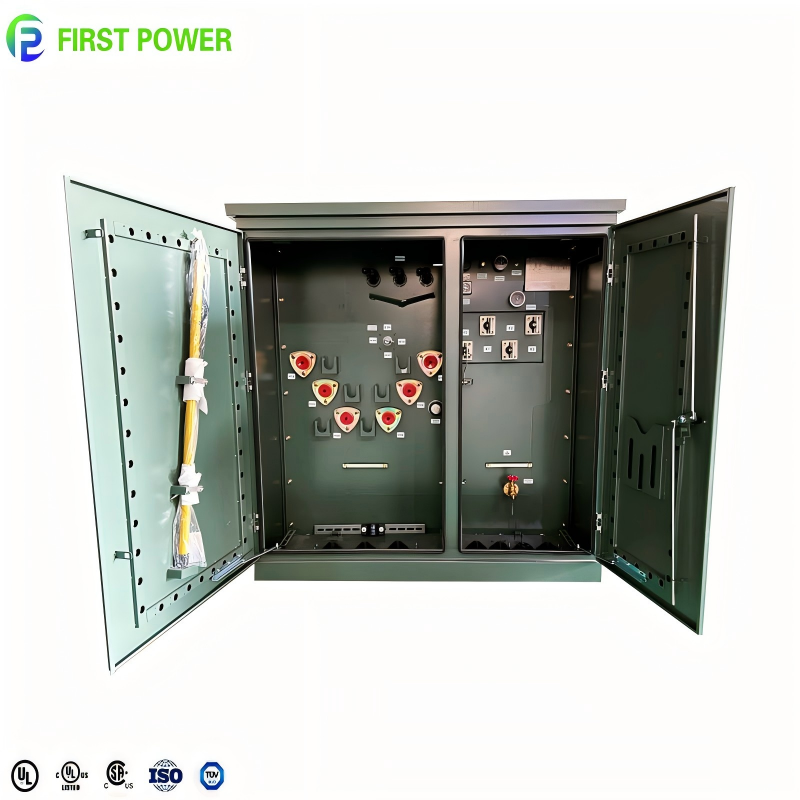
ZGS11 Three Phase Pad Mounted Step-Down Transformer 75 kVA–50,000 kVA
Compact underground distribution transformer for commercial campuses, data centers and renewable interconnections.
- Voltage6–35 kV
- Frequency50/60 Hz
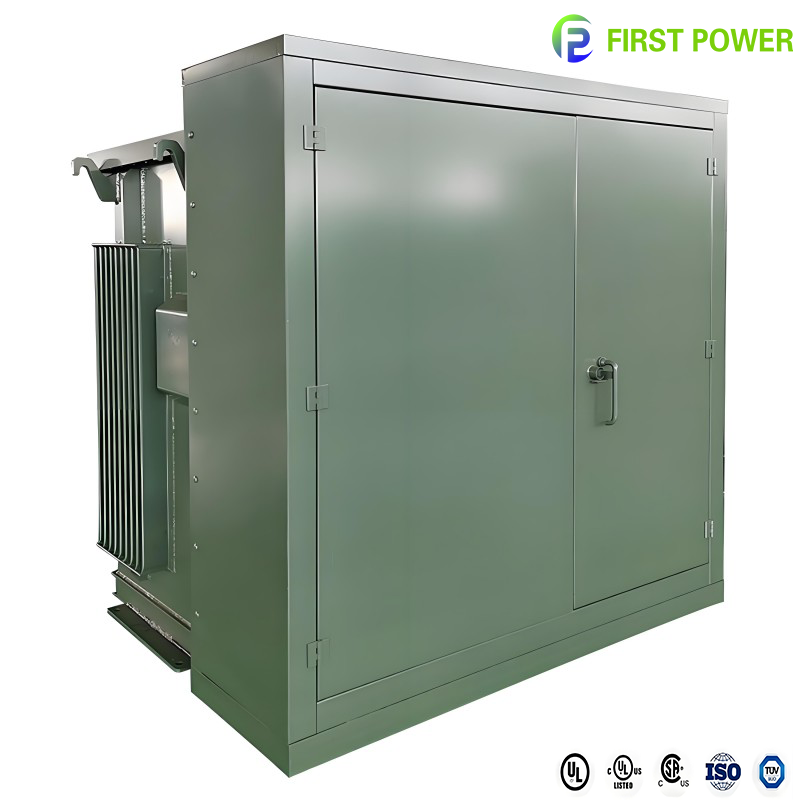
Three Phase Oil Type Pad Mounted Transformer 75–400 kVA
Low-profile oil-filled transformer for power generation, subdivision feeders and distributed utility networks.
- Voltage10–35 kV
- Rating75–400 kVA
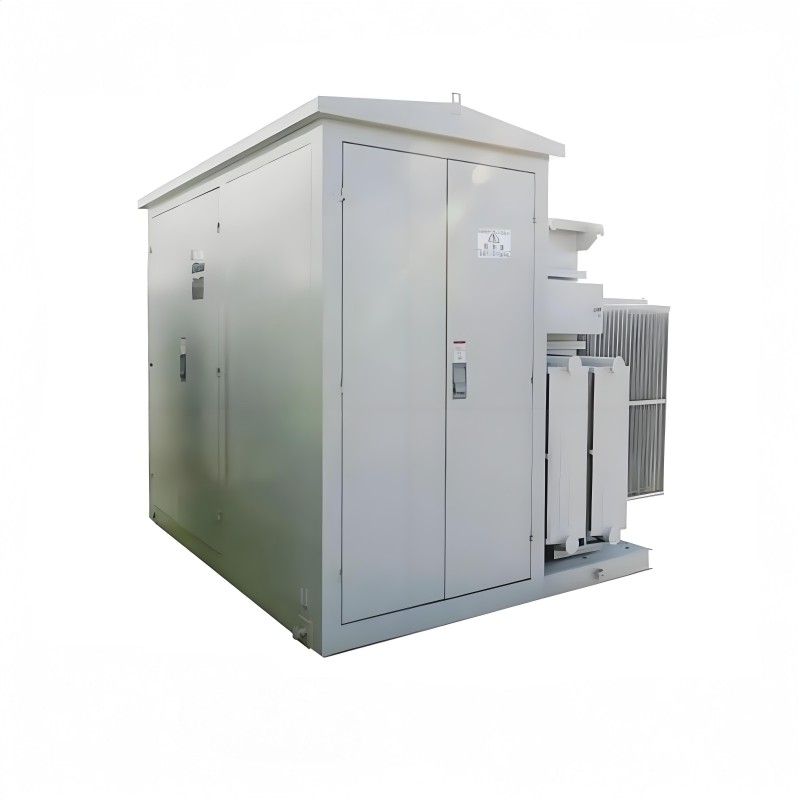
American Standard 3000 kVA 34.5 kV/480 V Oil Type Pad Mounted Transformer
60 Hz utility-grade pad-mounted solution engineered for North American distribution practice and site conditions.
- Primary34.5 kV
- Secondary480 V
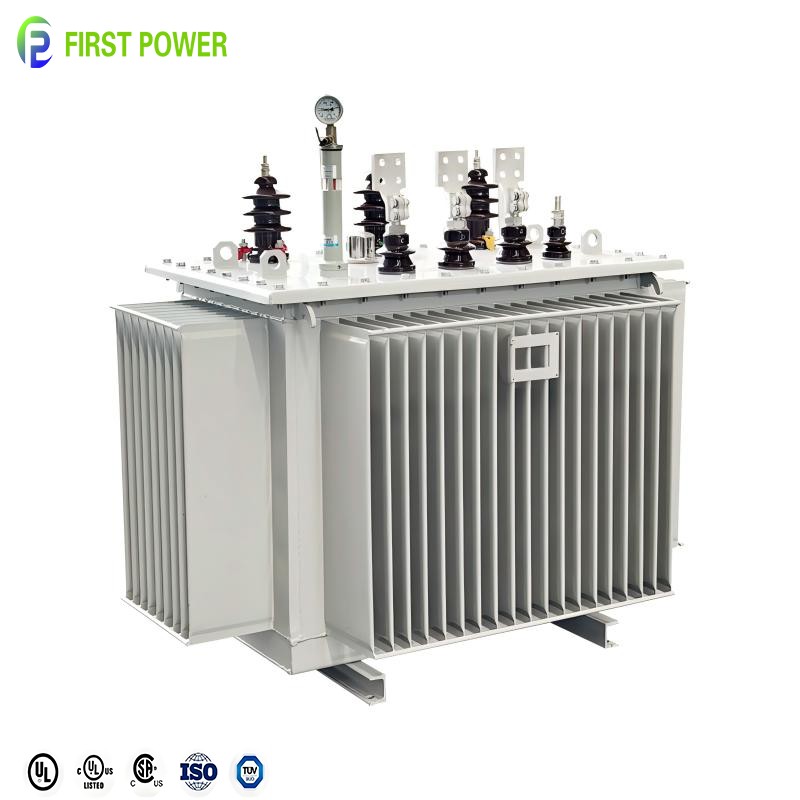
Oil Immersed Three Phase Power Transformer 100–1,000 kVA
Robust distribution and power transformer for industrial plants, utilities and high-load commercial facilities.
- Voltage10–35 kV
- Rating100–1,000 kVA
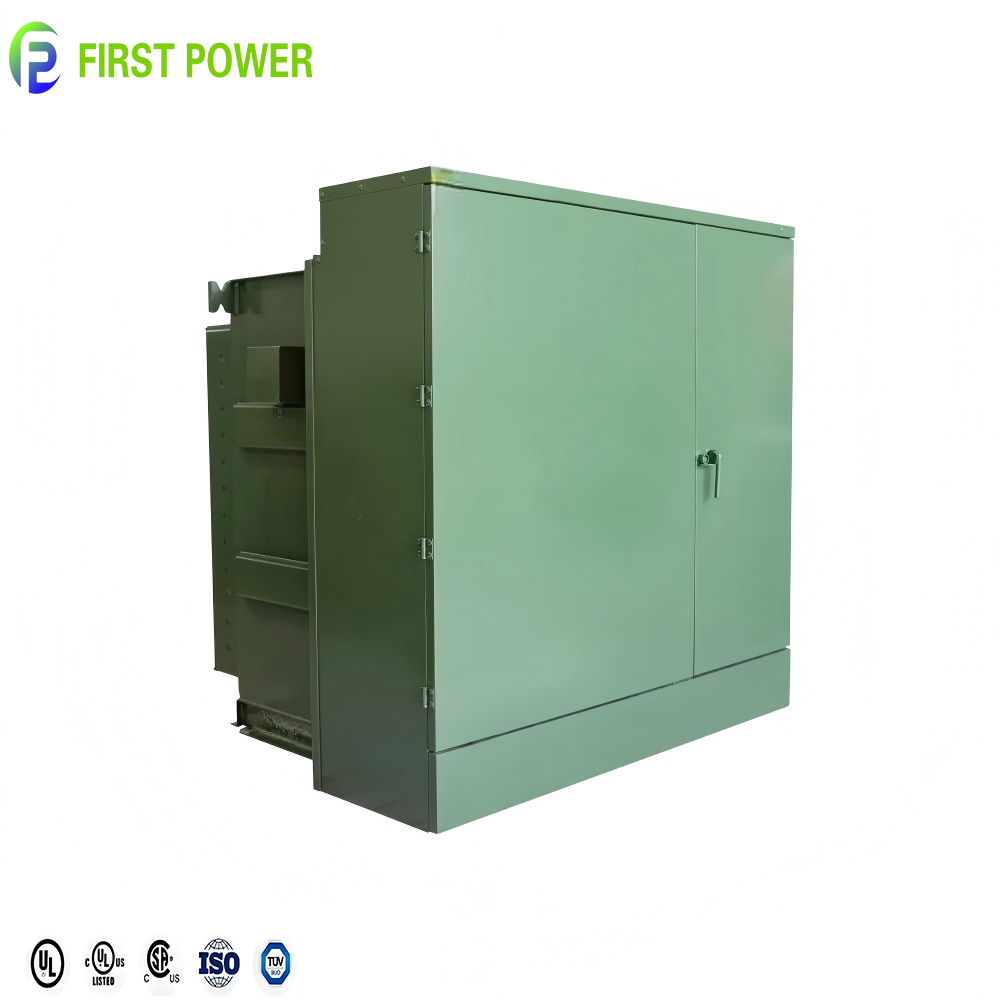
MV/HV Three Phase Pad Mounted Transformer 750–2,500 kVA
High-capacity pad-mounted design for industrial power supply, mining loads and large distributed energy projects.
- Rating750–2,500 kVA
- UseMV / HV
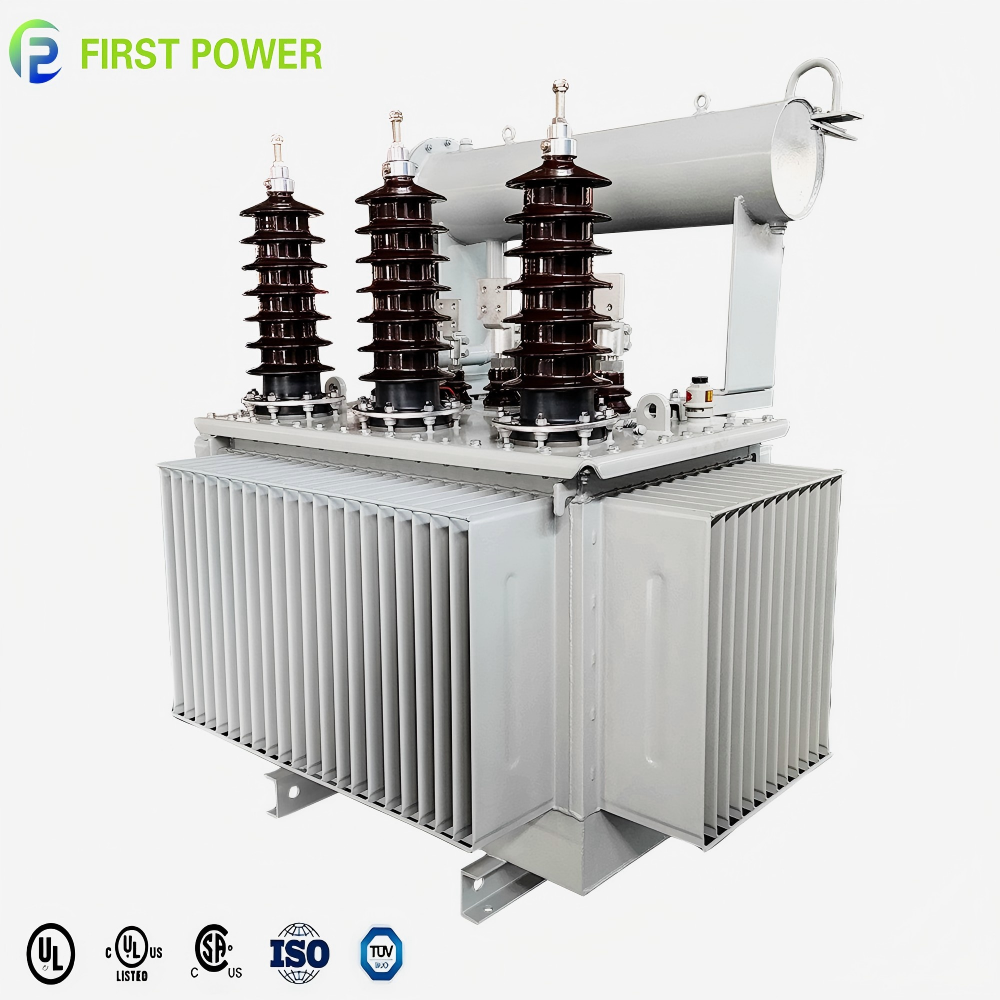
IEEE 33 kV S11 Oil Immersed Three Phase Power Transformer
CE-certified high-voltage transformer for industrial substations and utility distribution projects requiring IEEE alignment.
- StandardIEEE / CE
- Voltage33 kV
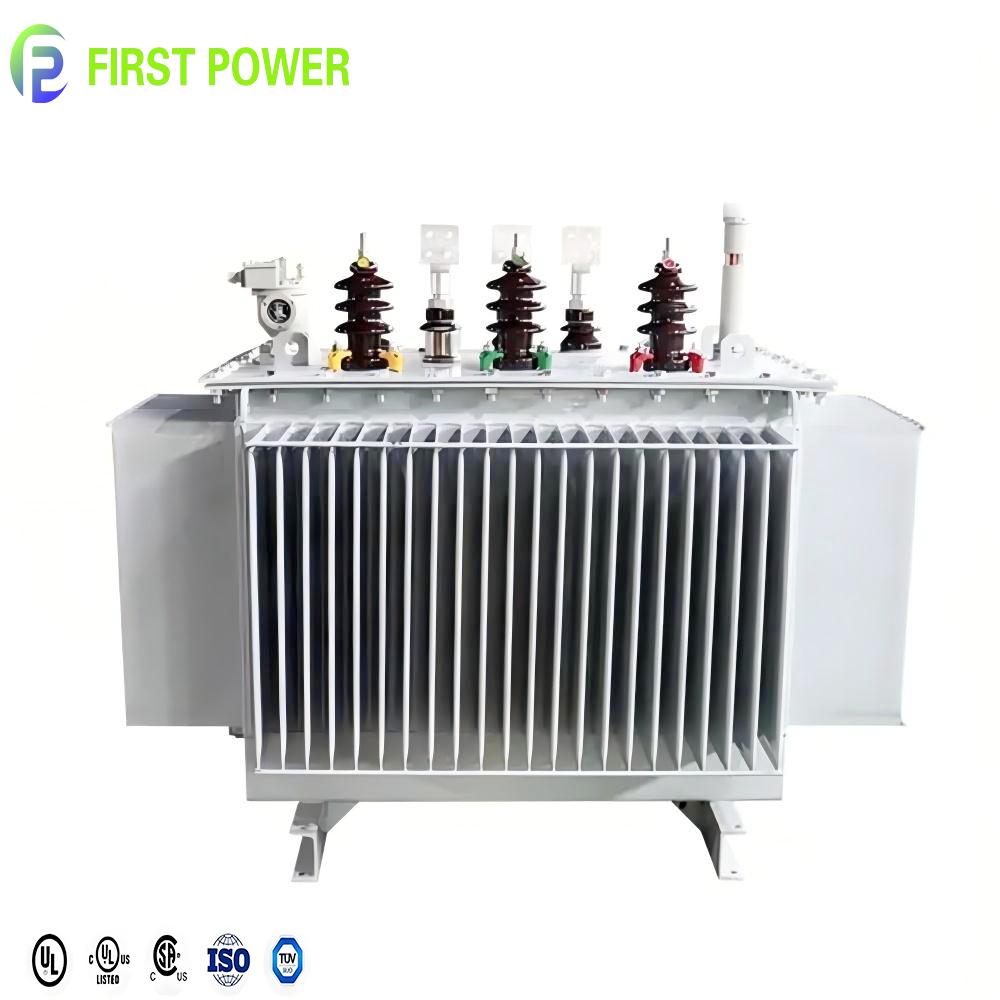
S11 10–35 kV 50–250 kVA Oil-Immersed Distribution Transformer
Efficient three-phase distribution transformer for feeders, rural networks and light industrial applications.
- Rating50–250 kVA
- Voltage10–35 kV
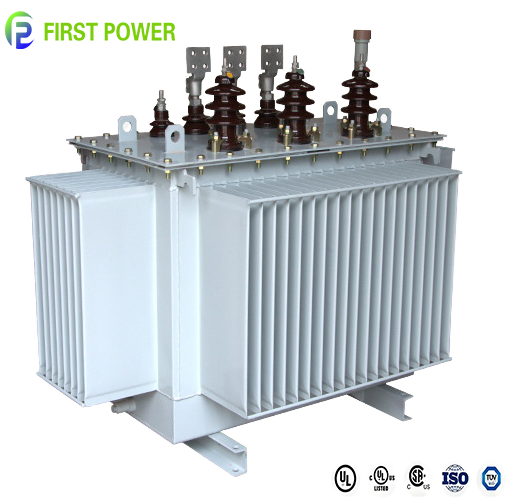
S11 Three Phase Oil Transformer 100–630 kVA for Distribution Systems
Cost-engineered S11 transformer with sealed tank construction for stable operation and optimized lifetime cost.
- Rating100–630 kVA
- Frequency50/60 Hz
Step-Down Transformer Procurement Has Moved From Commodity Buying to Risk Engineering
A transformer is not a catalog item. It is a long-life asset whose losses, impedance, thermal margins, documentation and compliance evidence influence project cash flow for decades.
For utilities, EPC contractors, data-center developers and industrial buyers, the China wholesale step-down transformer market offers deep manufacturing capacity, fast engineering response and competitive cost structures. The real differentiator is not simply price per kVA. It is whether the supplier can prove that every unit will meet the specified voltage ratio, vector group, impedance, loss guarantee, sound level, temperature rise and grid-code requirement after thousands of hours in service.
That is why experienced buyers now evaluate a step-down transformer factory through a wider lens: factory audit evidence, routine test data, ISO management systems, CE certification, third-party inspection records, export packing standards and after-sales engineering response. A low first cost can be erased by higher no-load losses, unplanned downtime, non-compliant nameplates or delayed documentation. A procurement-grade supplier should reduce those risks before the purchase order is issued.
At Jiangsu Wisegj Power Co., Ltd., the production approach is built around documented controls. The team brings more than 20 years of hands-on transformer experience, operates a verified 6,847 m² production base, and supports projects from 220 V up to 500 kV. More than 50 R&D and technical engineers review specifications, while 211 qualified supply-chain partners help stabilize material quality and lead times. This is the operational foundation behind the eight product families shown above.
For SEO and procurement teams alike, the valuable information is not a repeated slogan. It is specific, auditable evidence: how losses are controlled, how oil is tested, how drawings are approved, how third-party witness testing is handled and how export documentation is prepared. Those details determine whether a wholesale transformer order becomes a smooth project input or a schedule risk.
Buyer insight: specify total cost of ownership, not only unit price. A 1% reduction in loss can create measurable savings over a 20–30 year service life, especially for transformers running near continuous load in industrial, utility or data-center applications.
Why Wisegj Reduces Procurement Risk for Wholesale Transformer Buyers
The strongest supplier claim is one your QA team can verify. Our factory advantages are structured around auditability, customization, testing and export execution.
Verified Factory Capacity
A 6,847 m² production base with dedicated winding, core assembly, drying, tanking and testing areas. Production capability and floorspace have been verified onsite by TÜV Rheinland.
In-House Routine Testing
Winding resistance, ratio and vector group, impedance and load loss, no-load loss, applied and induced voltage tests are documented by serial number before shipment.
Certified Management Systems
ISO 9001 quality management, ISO 14001 environmental management and ISO 45001 occupational health and safety systems support consistent production discipline.
Engineering Customization
OEM, ODM, design-based and sample-based customization is available for ratings, vector group, impedance, taps, bushings, cooling, insulating fluid and enclosure finish.
Export Logistics Support
Seaworthy packing, impact indicators, complete shipping documents and Incoterms coverage from EXW to DDP help protect delivery schedules and cargo condition.
Complete Documentation
GA drawings, nameplate drafts, routine test reports, O&M manuals and compliance documents are supplied in English for engineering approval and site handover.
Stable Supplier Network
211 qualified supply partners support continuity for silicon steel, copper, bushings, tap changers and insulation materials, reducing material-driven lead-time variance.
Fast Engineer Response
Technical questions, drawing revisions and after-sales issues receive a qualified engineering response within one working day, supporting global time-zone coordination.
How Step-Down Transformer Buying Will Change Through 2028
Procurement teams are shifting from transactional purchasing to supply-chain assurance, life-cycle costing and digital verification.
Total Cost of Ownership Beats Lowest Unit Price
No-load and load-loss evaluation is becoming standard practice. Buyers compare guaranteed losses, efficiency at part load, maintenance cost and expected service life, not just the quotation headline.
Dual Sourcing and Long-Term Framework Agreements
Utilities and EPCs are reducing single-factory exposure by qualifying more than one supplier and securing capacity through framework agreements, especially for pad-mounted and distribution transformer families.
Remote FAT and Digital Traceability
Remote factory acceptance testing, serialized test records, QR-coded nameplates and digital document packs are becoming practical alternatives to travel-heavy inspections without lowering quality expectations.
Low-Loss Cores and Efficiency-Led Design
High-grade CRGO, amorphous core options and optimized winding geometry are being specified to meet tighter efficiency thresholds and carbon-reporting targets in public and private projects.
Ester Fluid and Fire-Safe Configuration
Natural ester fluids, enhanced tank design and improved thermal performance are increasingly requested for urban, renewable and fire-sensitive sites where mineral oil presents additional risk controls.
Monitoring-Ready and Modular Equipment
Sensors, condition-monitoring provisions and compact substation formats help operators manage DER-heavy grids, data-center loads and fast deployment schedules with less site labor.
Match the Step-Down Transformer to the Application, Not Just the kVA Rating
Use this matrix to shortlist the right product family before requesting a quotation. Final selection should always be confirmed by an engineer using site altitude, ambient temperature, load profile and grid code.
| Product Family | Typical Step-Down Application | Why Specify It | Key Standards |
|---|---|---|---|
| ZGS11 Pad Mounted | Commercial campuses, data centers, underground distribution | Compact footprint, tamper-resistant enclosure, loop or radial feed options | IEC 60076 / IEEE C57.12.34 |
| Oil Type Pad Mounted | Power generation, residential feeders, distributed utilities | Oil cooling, low visual profile, proven outdoor performance | IEC 60076 / ANSI practice |
| American Standard 3000 kVA | North American 60 Hz utility and commercial projects | 34.5 kV/480 V configuration aligned with local distribution practice | ANSI / IEEE C57.12 |
| Oil Immersed Power Transformer | Industrial plants, utility substations, high-load facilities | Reliable thermal performance, flexible vector group and tap range | IEC 60076 / IEEE C57 |
| MV/HV Pad Mounted | Mining, heavy industry, MV/HV industrial supply | High kVA in a pad-mounted format, customized cooling and protection | IEC 60076 / project specification |
| IEEE 33 kV S11 | Industrial substations and utility distribution requiring CE | CE certification and IEEE-aligned design for export compliance | IEEE / CE |
| S11 Distribution 50–250 kVA | Rural electrification, light industry, feeder networks | Efficient loss profile and practical footprint for distributed networks | IEC 60076 |
| S11 100–630 kVA Distribution | Distribution systems with value-engineering targets | Balanced first cost and operating efficiency for volume procurement | IEC 60076 / local grid code |
Tip: For wholesale orders, provide rated power, primary and secondary voltage, frequency, vector group, impedance, tap range, cooling method, altitude, ambient range and loss target in the first inquiry. This reduces quotation cycles and design clarification rounds.
What the Next Generation of Step-Down Transformers Will Require
The direction is clear: lower losses, better fire safety, more digital evidence and faster site integration. Buyers who specify these features now avoid costly retrofits later.
Efficiency-First Core Material
High-grade CRGO or amorphous core options are increasingly evaluated through loss capitalization. A small efficiency gain can outweigh a lower purchase price over a long service life.
Fire-Safe Insulating Fluids
Natural ester and high-fire-point fluids are gaining traction for urban, tunnel, renewable and public-infrastructure projects where fire risk and environmental impact need stronger controls.
Condition-Monitoring Readiness
Temperature, oil level, pressure and partial-discharge monitoring provisions can be designed into the unit so operators can move from reactive maintenance to condition-based planning.
Digital Test and Document Packs
Serial-number test reports, drawing revisions and nameplate records are increasingly delivered as indexed digital files for faster owner-operator handover and audit preparation.
Modular and Compact Substations
Prefabricated transformer, switchgear and low-voltage distribution packages reduce site construction time for data centers, renewables and fast-track industrial projects.
50/60 Hz Grid Adaptability
Export projects require clean alignment with local frequency, voltage class, vector group, neutral arrangement and grid-code requirements. Custom design must be verified in the factory, not assumed on site.
Inside the Factory: The Evidence Behind E-E-A-T
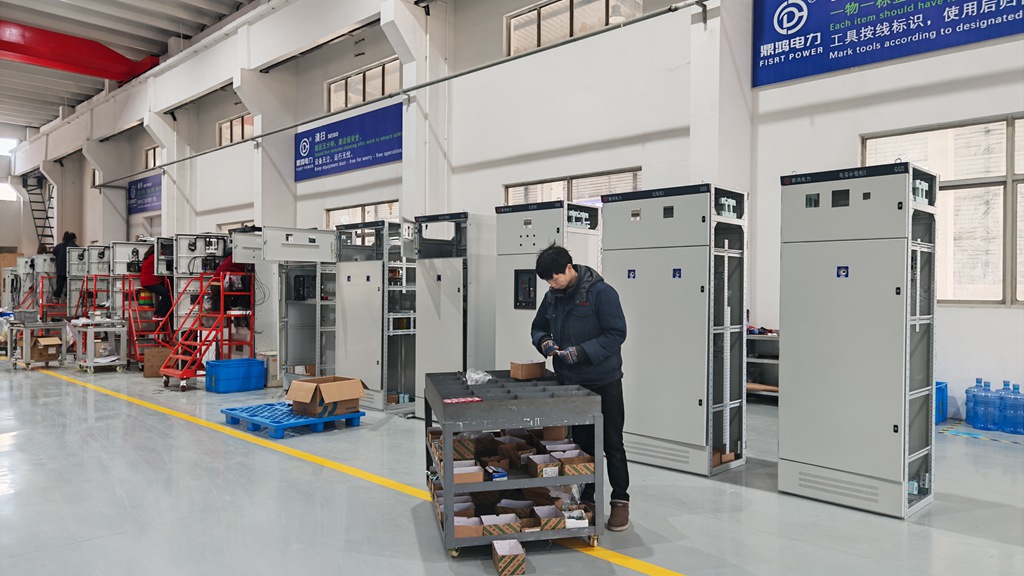
Experience, expertise, authority and trust are easier to assess when a supplier shows production reality: winding, assembly, testing, documentation and export packing.

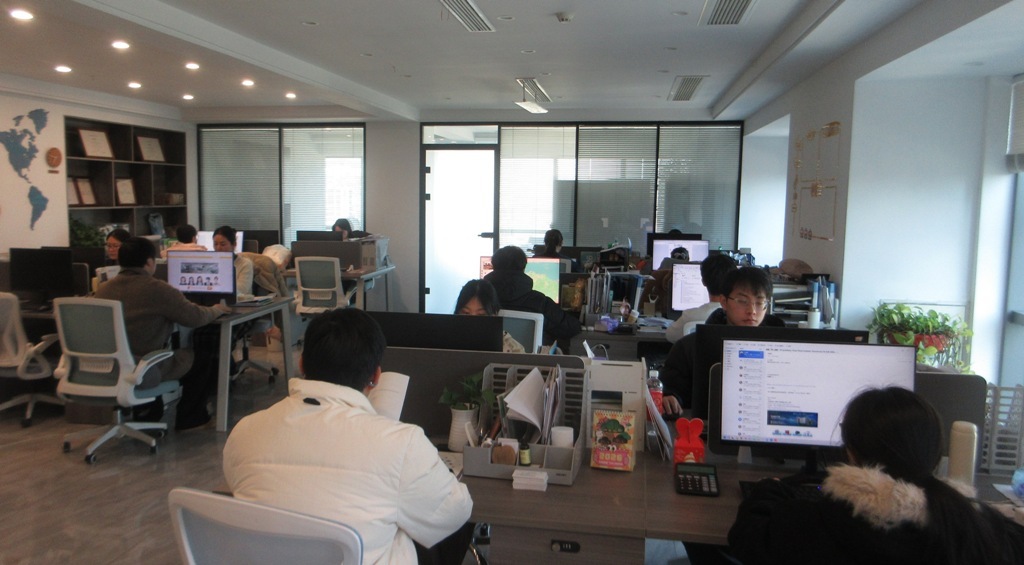
Company and facility overview
Assembly workshop

Testing laboratory
Export packing and loading
Routine Tests on Every Unit
Winding resistance, ratio and vector group, impedance and load loss, no-load loss and current, applied voltage and induced voltage tests are recorded before dispatch.
Oil and Dielectric Verification
For liquid-filled transformers, oil dielectric strength and related checks support insulation reliability and help identify contamination before shipment.
Third-Party Witness Welcome
Buyer representatives or third-party inspection bodies can witness factory acceptance testing, review test data and verify nameplate details before packing.
- ISO 9001, ISO 14001 and ISO 45001 management systems support quality, environmental and safety control across production.
- CE certification is available across oil-immersed transformer, dry-type transformer, compact substation and switchgear product lines.
- IEC 60076 and ANSI/IEEE C57.12 design and test practices are applied according to the destination market and project specification.
- Supplier to Fortune 500 companies and export experience across the Americas, Europe, Africa, the Middle East and Asia support practical compliance alignment.
Frequently Asked Questions About China Wholesale Step-Down Transformers
Direct answers for procurement teams comparing suppliers, validating specifications and planning factory acceptance testing.
Which standards do your step-down transformers comply with?
Units are designed and tested to IEC 60076 or ANSI/IEEE C57.12 series standards depending on the destination market. Product lines hold CE certification where applicable, and production operates under ISO 9001, ISO 14001 and ISO 45001 management systems. The quotation and drawing package should state the exact standard, test regime and any local grid-code deviations before order confirmation.
What capacity and voltage range can you supply?
The portfolio covers 220 V to 500 kV, from 10 kVA single-phase and small three-phase distribution transformers up to large oil-immersed power transformers for substations. For step-down applications, common configurations include 6 kV, 10 kV, 15 kV, 20 kV, 33 kV and 35 kV primary voltages with low-voltage outputs configured to project requirements.
How do you control losses and efficiency?
Loss performance is controlled through core material selection, winding design, conductor sizing, insulation coordination and manufacturing tolerance control. Buyers can specify guaranteed no-load and load losses, evaluation at reference temperature, impedance and efficiency targets. For projects with high load factors, loss capitalization should be included in the commercial evaluation, not treated as a secondary technical note.
Can transformers be customized for my project?
Yes. OEM, ODM, design-based and sample-based customization is available. Typical customization includes rated power, primary and secondary voltage, frequency, vector group, impedance, tap changer type and range, bushing configuration, cooling method, insulating fluid, enclosure color, nameplate language and documentation format.
Which factory tests are performed before shipment?
Every unit receives routine tests including winding resistance, voltage ratio and vector group, impedance and load loss, no-load loss and current, applied voltage and induced voltage withstand tests. Liquid-filled units also receive oil dielectric checks. Type test reports are available where required, and third-party witness inspection is welcome.
What is the typical lead time and MOQ for wholesale orders?
Lead time depends on kVA rating, customization level, test requirements and material availability. Standard distribution transformers generally move faster than large power transformers or fully customized pad-mounted units. Wholesale projects can be scheduled in batches to match construction milestones. Providing a complete technical data sheet and target delivery window at inquiry stage helps the factory confirm capacity earlier.
How do you handle export packing, shipping terms and documentation?
Export packing is designed for sea freight, with protection appropriate to transformer weight, bushings and accessories. Shipping terms include EXW, FOB, CFR, CIF, FCA, CIP, CPT and DDP options. Documentation can include packing list, invoice, bill of lading, certificate of origin, test reports, GA drawings, nameplate records and O&M manuals. Payment methods include T/T, L/C, D/P and D/A options agreed per contract.
How can buyers verify factory capability and certificates?
Request certificate numbers, issuing bodies and validity dates, then verify them directly with the issuer. Ask for onsite audit evidence, production floorspace verification, QA process descriptions and recent routine test reports. For major orders, arrange a factory acceptance test or appoint a third-party inspection body to witness testing and confirm nameplate, dimensions and packing details before shipment.
Request a Data-Driven Wholesale Step-Down Transformer Quotation
Send your rated power, primary and secondary voltage, frequency, vector group, impedance, tap range, cooling method, applicable standard, site altitude, ambient conditions and efficiency target. Our engineering team will review the specification and prepare a compliant, factory-tested solution.
- IEC and IEEE design review
- Routine test report per unit
- Custom enclosure and nameplate
- Export packing and documentation