China Top Oil Filled Power Transformer Exporter & Wholesaler
Engineered oil-immersed power and distribution transformers from 10 kVA to 50,000 kVA, with medium-voltage classes from 6 kV to 35 kV and power transformer capability to 500 kV class — supported by CE, ISO and TÜV Rheinland-verified manufacturing.
8 Oil Filled Power Transformer Models for Utility, Industrial and Renewable Projects
These configurations cover the most requested oil immersed power transformer, distribution transformer, pad mounted transformer and solar PV transformer requirements. Every link below points to the original product page so your engineering team can compare ratings, applications and inquiry options directly.
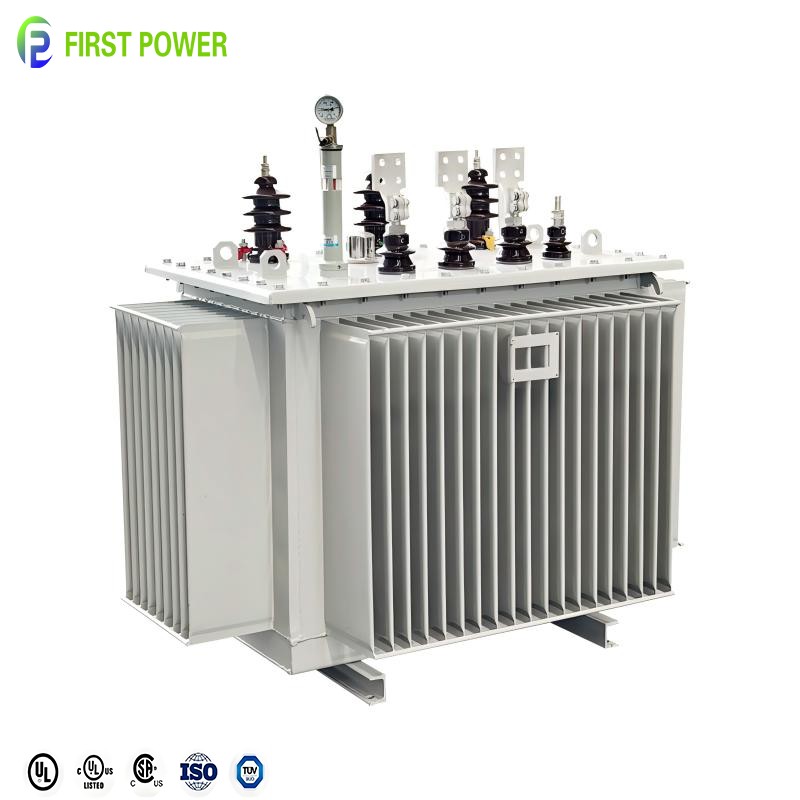 100–1000 kVA
C CE 50/60Hz 100kVA 300kVA 500kVA 630kVA 1000kVA 10kV 20kV 35kV Three Phase Oil Immersed Power Transformer
A versatile oil-filled transformer for power supplies, commercial distribution and industrial feeders. Losses, taps, vector group and bushings can be aligned to project requirements.
- Voltage10 / 20 / 35 kV
- UsePower supply & distribution
- ScopeIEC / CE project specification
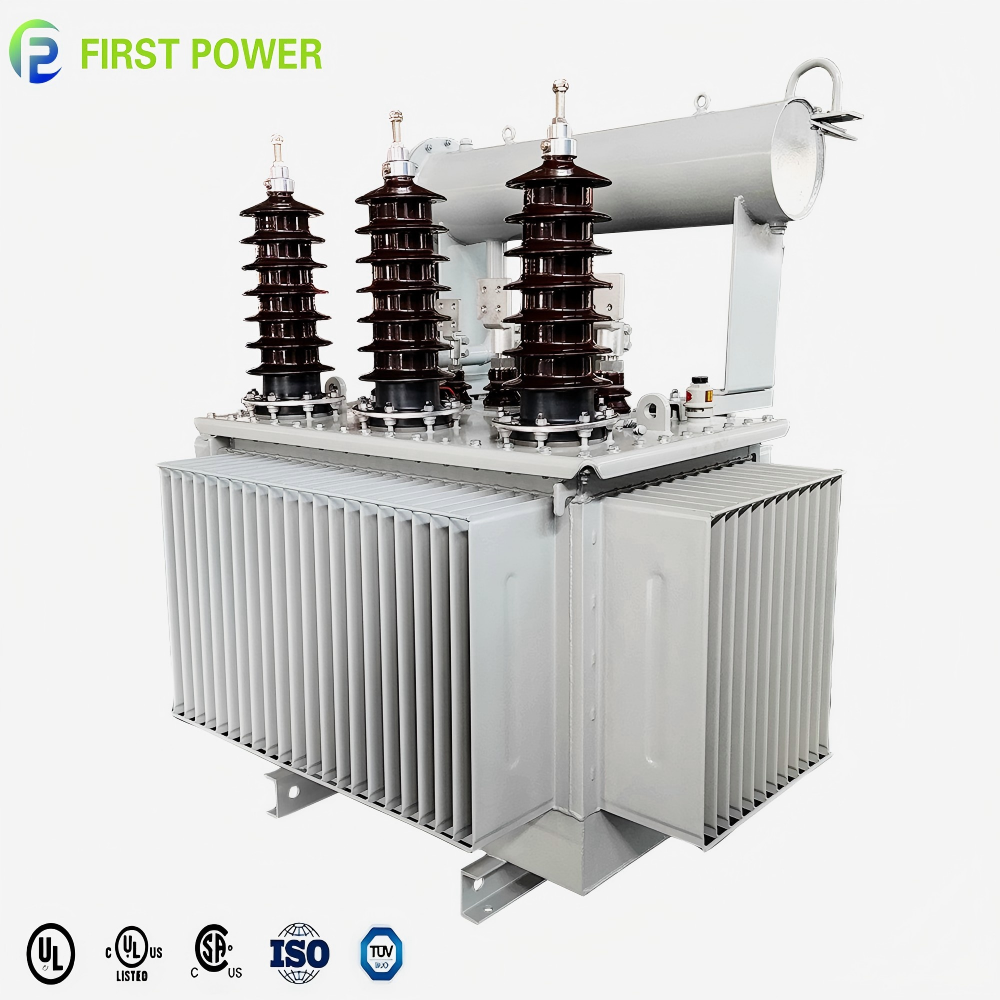 IEEE / 33 kV
C CE Certification IEEE Standard 50/60HZ S11 Three Phase 33KV Oil Immersed Power High Voltage Transformer for Industrial
Recommended for industrial power systems and projects that reference IEEE practice. A practical option for buyers comparing 33 kV oil immersed power transformers.
- Class33 kV
- TypeS11 oil immersed
- StandardIEEE-oriented specification
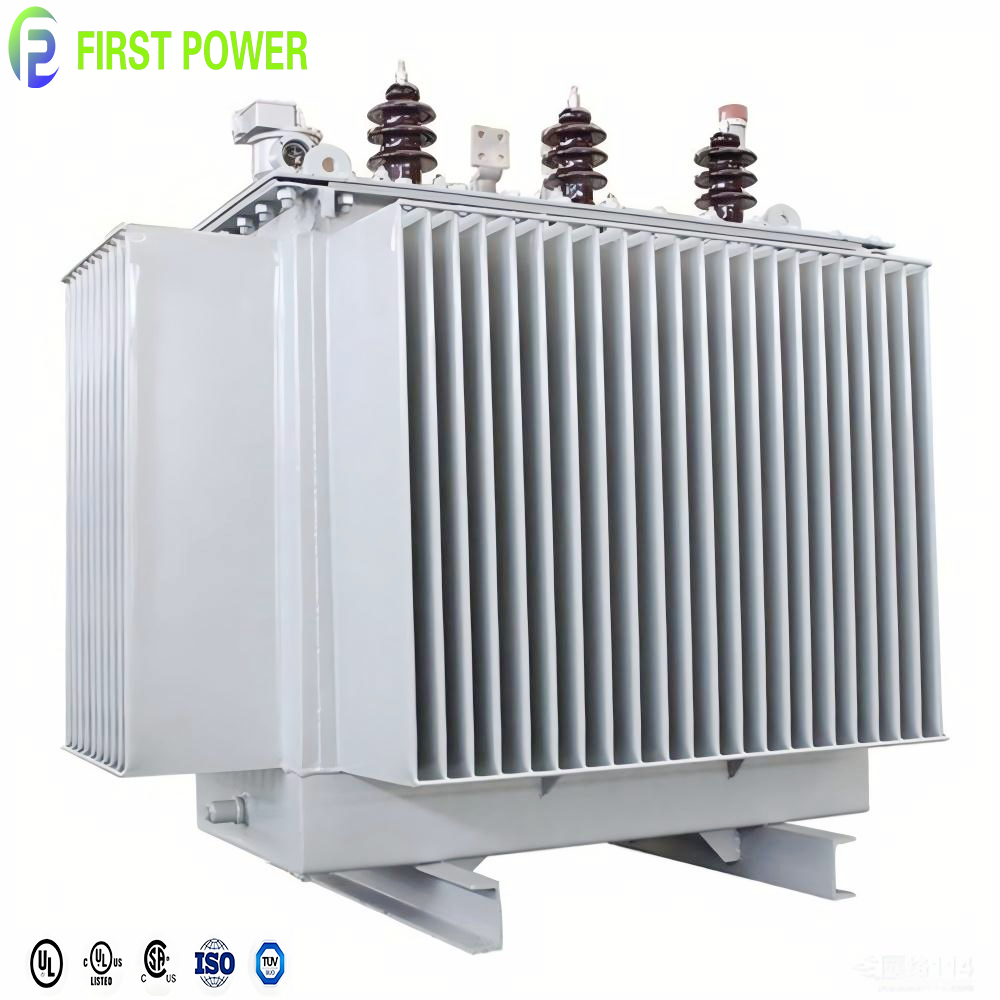 10–50,000 kVA
C CE MH&HV 50/60HZ 10KVA-50000KVA 10KV 15KV 20KV 35KV Three Phase S11 Oil Transformer for Electric Power Distribution
A broad-range S11 oil transformer for distribution networks, industrial parks and infrastructure projects requiring flexible capacity and voltage configuration.
- Capacity10–50,000 kVA
- Voltage10–35 kV
- ApplicationPower distribution
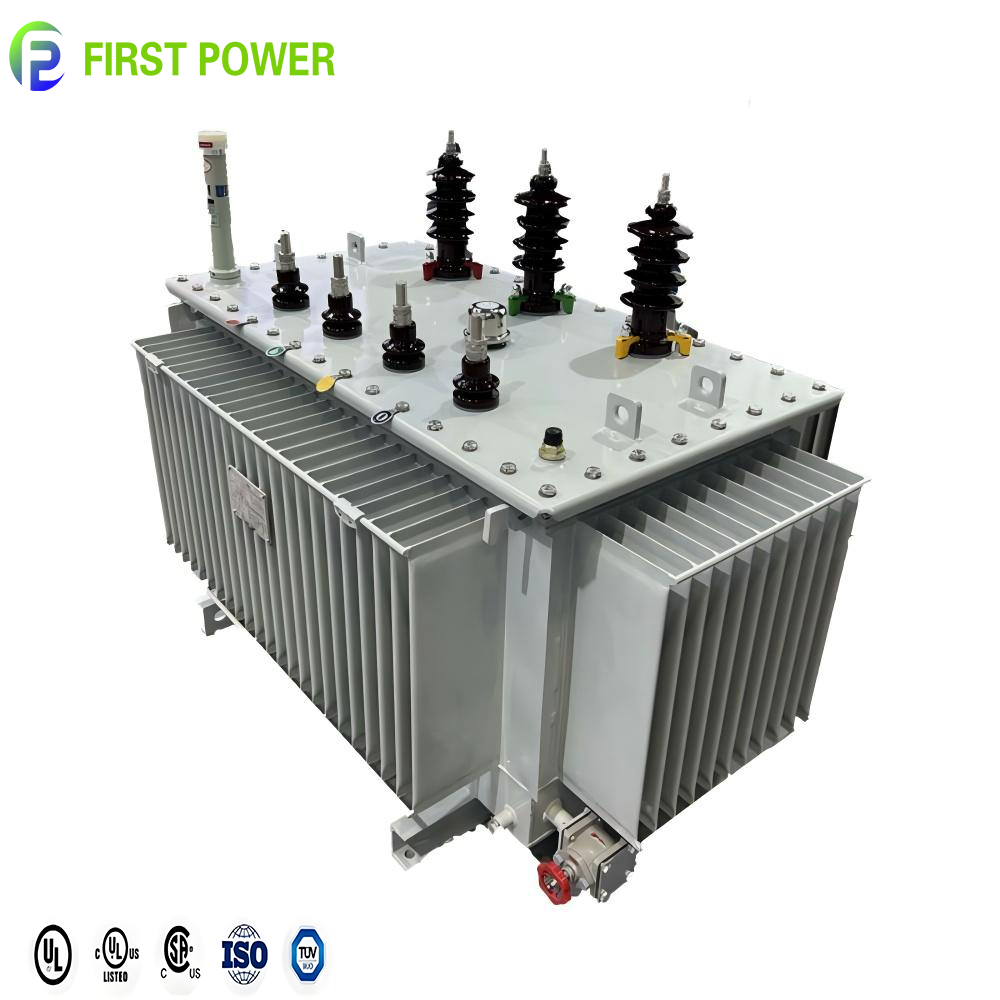 50–200 kVA
C CE 50/60HZ S11 10KV 20KV 35KV 50KVA 100KVA 200KVA 3 Phase Electrical Oil Immersed Transformer for Distribution System
Designed for distribution systems, commercial buildings and community feeders where a compact, reliable oil immersed transformer is preferred.
- Capacity50–200 kVA
- Voltage10–35 kV
- UseElectrical distribution
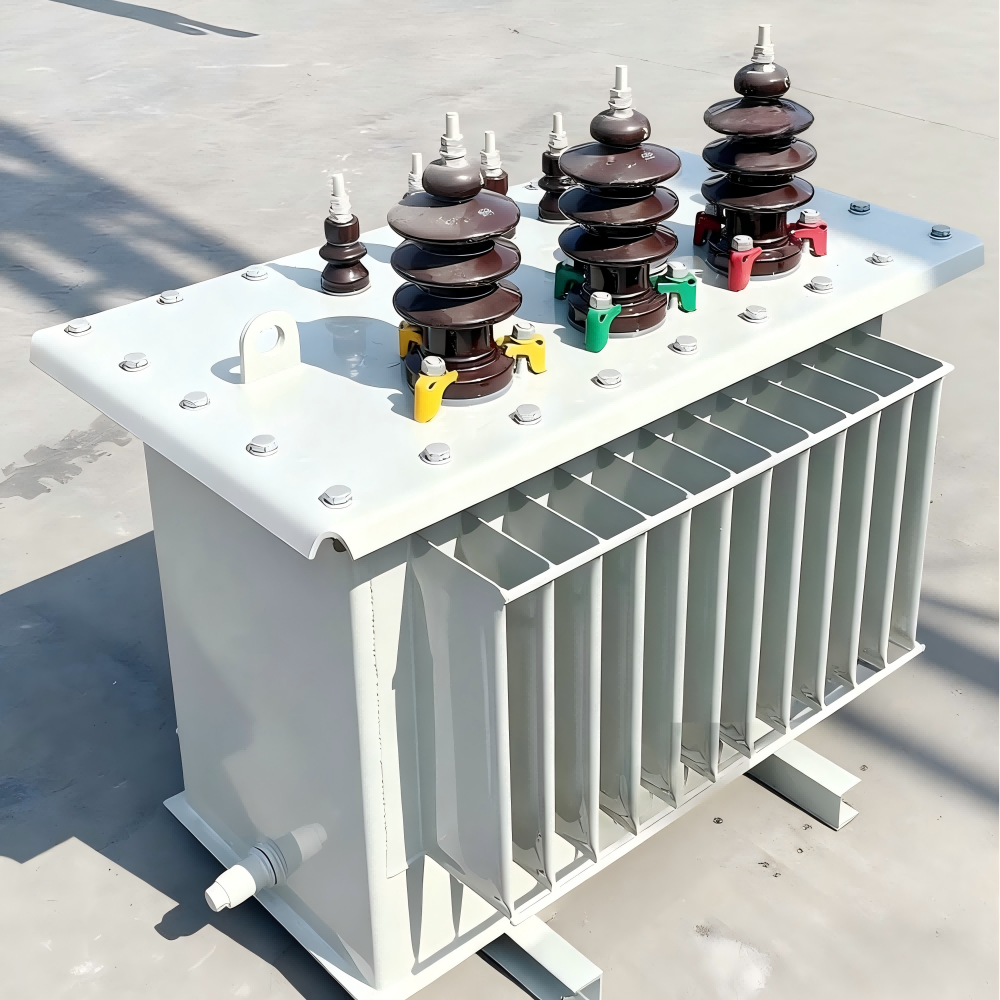 30–31,500 kVA
C CE MV&HV 30-31500KVA 6KV 10KV 15KV 20KV 35KV S11 Three Phase Oil Transformer for Electric Power Distribution
Recommended when the project spans a wide kVA band or needs a tailored MV/HV distribution transformer with project-specific impedance and cooling.
- Capacity30–31,500 kVA
- Voltage6–35 kV
- TypeS11 oil immersed
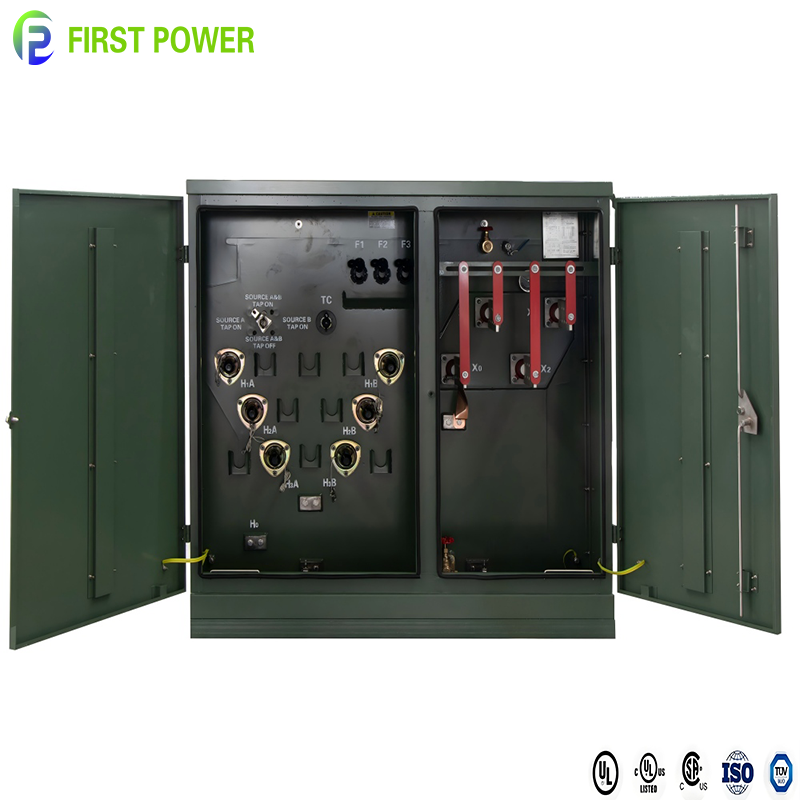 Pad Mounted
Listed C CE MV&HV 50/60HZ 6KV 10KV 15KV 20KV 35KV 3 Phase Pad Mounted Transformer Electrical for Industrial Power Supply
For underground distribution and industrial sites that need a tamper-resistant, space-efficient pad mounted transformer with dead-front or loop-feed options.
- Voltage6–35 kV
- InstallationOutdoor pad
- FeaturesLoop / radial configuration
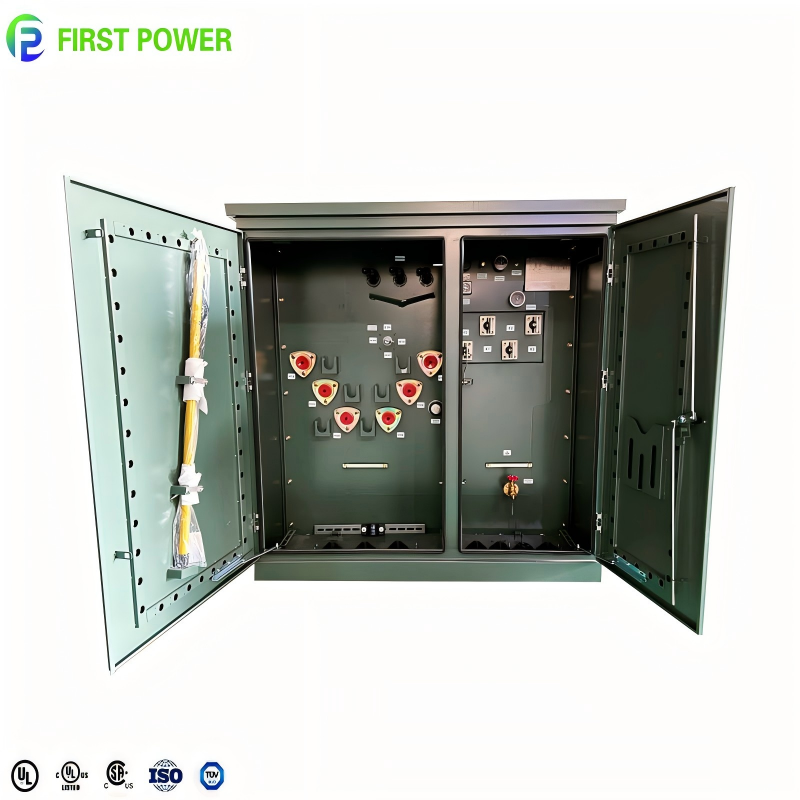 75–50,000 kVA
C ZGS11 50/60HZ 75KVA-50000KVA 6KV 10KV 15KV 20KV 35KV Three Phase Pad Mounted Transformer for Electric Power Distribution
A high-capacity pad mounted solution for distribution projects that require larger ratings, robust enclosure design and site-ready configuration.
- Capacity75–50,000 kVA
- Voltage6–35 kV
- UseUnderground distribution
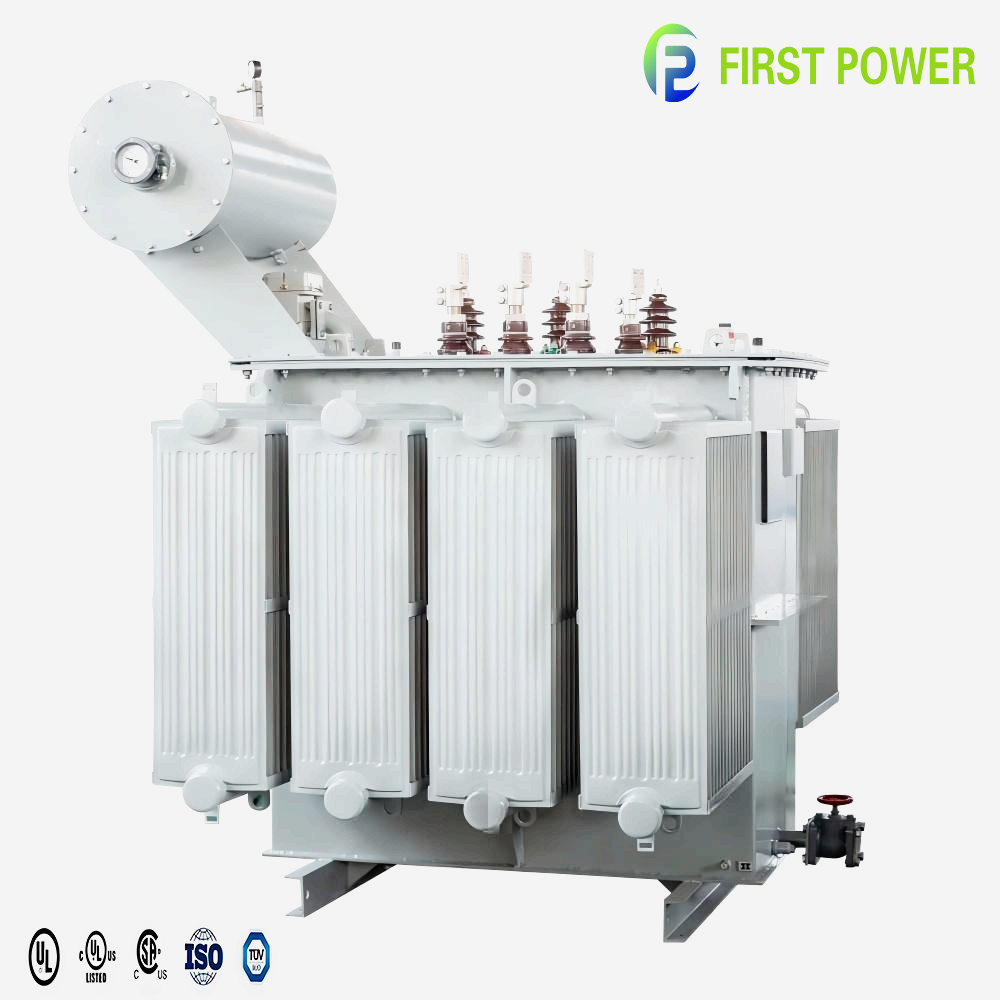 Solar PV
C Certification 50/60HZ 6KV 10KV 20KV 35KV Three Phase 1000KVA 1MW Solar PV Transformers Oil Immersed for Power Generation
Recommended for solar generation, renewable interconnection and step-up applications where cyclic loading, harmonics and thermal performance must be reviewed.
- Rating1000 kVA / 1 MW class
- Voltage6–35 kV
- ApplicationSolar PV & generation
A China Oil Filled Transformer Exporter with Verified Scale
Procurement teams need more than a product list. They need evidence of production capability, engineering depth, certification scope and export discipline. The figures below reflect the public company profile and verified factory information behind Jiangsu Wisegj Power Co., Ltd.
Hands-on transformer design, application and export experience across utility, industrial and renewable projects.
Manufacturing floorspace assessed by TÜV Rheinland and dedicated to winding, assembly, drying, tanking, testing and packing.
Engineering support for specification review, drawings, loss guarantees, test reports and customized transformer design.
Product capability extends from low-voltage distribution equipment to power transformers up to the 500 kV class.
A managed supply chain for silicon steel, copper, bushings, tanks, oil and accessories supports lead-time stability.
Buyer feedback and transaction records can be reviewed through the company profile and assessment documentation.
Why Global Buyers Choose Wisegj for Oil Filled Power Transformer Wholesale
Jiangsu Wisegj Power Co., Ltd. is a Suzhou-based transformer manufacturer and exporter serving utilities, EPC contractors, industrial buyers and renewable-energy developers. Its product scope covers oil immersed transformers, pad mounted transformers, dry type transformers, power transformers, compact substations and high and low voltage switchgear, from 220 V to 500 kV class.
Verified Manufacturing Footprint
6,847 m² of verified production space covers winding, core assembly, drying, tanking, testing and export packing. Factory capability is documented and open to buyer audit.
Routine Tested, Not Sample Tested
Each unit receives winding resistance, ratio and vector group, impedance and load loss, no-load loss and current, applied and induced voltage tests, plus oil dielectric testing for liquid-filled units. Third-party witness inspection is welcome.
Custom Engineered to Your Grid Code
OEM, ODM, design-based and sample-based customization includes ratings, losses, vector group, impedance, tap range, bushings, cooling, insulating fluid, enclosure color and nameplate language.
Certified Quality and Compliance
ISO 9001, ISO 14001 and ISO 45001 management systems, CE certification for oil-immersed power transformers, oil immersed transformers, dry type transformers and compact substations, and TÜV Rheinland verification support compliance review.
Export Logistics and Documentation
Seaworthy packing, shock indicators, shipping marks and export documentation are aligned with FOB, CFR, CIF, EXW, FCA, CIP, CPT, DDP and other Incoterms. T/T, L/C, D/P and D/A options are available.
Engineer-Led Response
Pre-sale and after-sale technical questions receive a qualified response within one working day. The team includes 50+ R&D and technical engineers and has experience supplying Fortune 500 companies.
Oil-Filled Power Transformer Procurement: A 2025 White Paper for Global Buyers
This buyer brief is written for utility procurement teams, EPC contractors, industrial project owners and wholesale distributors who need to compare Chinese oil filled power transformer suppliers on engineering, compliance and lifecycle cost rather than price per kVA alone.
Executive Summary
Oil-filled power transformers remain the reference solution for medium- and high-voltage conversion because they combine mature dielectric performance, high thermal capacity, robust overload behavior and a globally supported supply chain. For distribution networks, industrial plants, renewable interconnections and infrastructure projects, the decision is rarely simply “oil filled versus dry type.” It is a question of matching loss guarantees, impedance, cooling, enclosure, protection and lifecycle cost to the actual load profile and site conditions. That distinction matters when sourcing from China, where supplier capability ranges from trading offices to vertically integrated manufacturers with in-house testing and documented quality systems.
1. Why Oil-Filled Power Transformers Still Dominate Distribution and Power Projects
In an oil-filled transformer, insulating oil performs two essential functions: it provides dielectric strength and transfers heat from the windings to the tank and radiators. This architecture is mature, repairable and highly scalable. At distribution level, S11 and comparable low-loss families use grain-oriented silicon steel or amorphous cores, optimized windings and corrugated or radiator tanks to reduce no-load and load losses. At power level, ONAN and ONAF cooling, on-load or off-circuit tap changers, reinforced tanks and high-voltage bushings extend the same core technology into utility substations.
For pad mounted applications, the oil-filled platform is adapted into a tamper-resistant, compartmental enclosure with dead-front terminations, loop or radial feed and bayonet fuses or other protection. For solar PV projects, oil immersed transformers are configured for cyclic generation profiles, harmonic-rich currents and outdoor installation. The common thread is not a single product but a configurable engineering platform that can be optimized for losses, dimensions, sound level, altitude, ambient temperature and local grid code.
Buyers should not assume that all oil-filled units are equivalent. Gasket quality, oil processing, tank finish, winding compression, core clamping, bushing selection and test discipline influence long-term reliability. A transformer that looks similar in a catalogue can behave very differently after ten years in a coastal, high-humidity or high-ambient environment. This is why supplier verification should include factory capability, test records and documentation control, not only a datasheet.
2. Specification Variables That Determine Fitness for Purpose
A compliant transformer is not simply the lowest price per kVA. It must match the grid, the load and the installation. The essential inputs include rated power in kVA or MVA, primary and secondary voltage, frequency (50 or 60 Hz), vector group, impedance, tap changer type and range, cooling method, altitude, ambient temperature, seismic requirement, enclosure protection and insulating fluid. For renewable projects, the specification should also address harmonic content, inverter-based generation, cyclic loading and energization inrush. For pad mounted units, compartment layout, dead-front configuration, loop-feed arrangement and fuse coordination must be confirmed before quotation.
Two transformers with the same kVA rating may have different dimensions, losses, noise levels and temperature rise. If impedance is not aligned with breaker ratings, or if the footprint does not fit the concrete pad, the project can face costly civil rework. If loss guarantees are not evaluated at tender stage, the lowest purchase price may become the highest operating cost over a 20- to 30-year service life. Procurement teams should therefore issue a technical data sheet with guaranteed values, not merely a request for a price on a capacity range.
3. Total Cost of Ownership and Loss Capitalization
Total cost of ownership is becoming the standard way to compare oil filled power transformers. Purchase price is only one component. Installation, freight, insurance, capitalized no-load loss, capitalized load loss, maintenance, outage exposure and end-of-life disposal all belong in the evaluation.
No-load loss accrues continuously, even when the transformer is lightly loaded. Load loss varies with the square of the load current. A buyer with high energy costs, a high discount rate or a long asset life may find that a higher-efficiency transformer with a slightly higher purchase price has the lower lifecycle cost. For utilities, loss capitalization also affects generation capacity and emissions. For industrial buyers, losses appear directly in monthly electricity cost.
Ask each supplier to state guaranteed no-load and load losses, test tolerances and the test method used. Include a loss evaluation formula in the tender so quotes are comparable. A supplier that can explain the trade-off between core material, copper content, cooling and initial price is more useful than one that only offers the lowest kVA price. This is a core part of the information gain that experienced exporters should provide.
4. Factory Acceptance Testing and Supplier Verification
Because oil-filled transformers are heavy, project-critical and difficult to repair on site, pre-shipment verification is more valuable than after-sales promises. Routine tests should include winding resistance, voltage ratio and vector group, impedance and load loss, no-load loss and current, applied voltage, induced voltage and oil dielectric strength for liquid-filled units. Type test reports may be requested for the relevant design family. Third-party witness inspection is welcome and should be planned before production begins.
Verify serial numbers against nameplates, drawings and test reports. Confirm the calibration status of test equipment. For oil-filled units, review tank pressure testing, oil cleanliness, leak testing and packing protection. Confirm that the certificate scope covers the actual product family, not a different transformer type. For compliance teams, certificate numbers, issuing bodies and validity periods should be traceable to the original documents. Wisegj product lines hold CE certificates and production runs under ISO 9001, ISO 14001 and ISO 45001 management systems, with TÜV Rheinland verification available for factory capability review.
5. Logistics, Commercial Terms and Project Schedule
Oil-filled transformers are heavy and dimension-sensitive. Early logistics planning should cover export packing, lifting points, shock and tilt indicators, road permits, crane capacity at site and insurance. Incoterms should be selected according to the buyer’s control over freight and risk. FOB, CFR and CIF are common for ocean shipments; EXW, FCA, CIP, CPT and DDP may be appropriate for different project structures. Confirm whether the unit will ship oil-filled or with nitrogen, and who is responsible for oil filling and commissioning at site.
Lead time should be confirmed against drawing approval, material readiness, test slot and packing schedule. For engineered transformers, the technical clarification stage is part of the critical path. A supplier with 211 qualified supply-chain partners, 50+ engineers and documented production planning is better placed to protect the schedule than a trading intermediary that cannot control core, copper, bushing or oil availability. Commercial terms such as T/T, L/C, D/P and D/A should be agreed together with documentation requirements, inspection rights and warranty conditions.
6. Practical Recommendations for Wholesale and Project Buyers
Shortlist suppliers only after a technical review. Ask for the guaranteed loss values, impedance, tap range, cooling and dimensions for the exact rating. Request routine test reports for the offered unit and confirm the certificate scope. Compare total cost of ownership, not only the initial price. For first orders, use a third-party inspection plan and a pre-shipment photo record. For repeat wholesale purchases, standardize the nameplate, documentation package and spare-parts list to reduce project risk. A China oil filled power transformer exporter should be able to support this level of scrutiny.
Procurement Trends Reshaping Oil Filled Power Transformer Purchasing, 2025–2030
Buyers are changing how they compare suppliers, qualify factories and plan grid projects. The four trends below directly affect quotations, documentation and supplier selection.
TCO Tenders Replace Lowest-Price Awards
Utilities and EPCs are capitalizing no-load and load losses, then comparing 20–30-year energy cost, maintenance and outage exposure. Suppliers must submit loss guarantees that match test reports.
Traceability and Third-Party Inspection
Buyers require serial-number traceability, material certificates, calibration records, witness testing and photographic evidence. A factory with in-house testing and open audit access is easier to qualify.
Lead-Time Resilience and Dual Sourcing
Grid expansion, data centers and renewables have increased demand. Procurement teams reserve production slots earlier, split awards and request documented milestones for core, copper, bushings and oil.
Efficiency, Fluids and Sustainability
Higher efficiency, natural ester fluids, recyclable materials and lower-loss cores are moving from niche options to standard requirements in markets with carbon reporting and fire-safety rules.
Product Development Trends: What the Next Generation of Oil-Filled Transformers Will Deliver
Transformer design is evolving in response to grid decarbonization, tighter efficiency rules, renewable integration and digital asset management.
Low-Loss Cores and Higher Efficiency Classes
CRGO and amorphous cores, optimized winding geometry, improved tank cooling and tighter process control are helping manufacturers meet stricter loss limits without compromising reliability.
Natural Ester and Fire-Safe Fluid Options
Natural ester fluids are increasingly considered for urban, renewable, data-center and fire-sensitive sites because they offer higher fire point and biodegradability than conventional mineral oil.
Digital Monitoring and Condition Intelligence
Temperature, moisture, dissolved gas, bushing and partial-discharge sensors are being integrated with digital nameplates and asset-management platforms to support condition-based maintenance.
Application-Specific Transformer Platforms
Solar PV, pad mounted, compact substation, high-altitude, coastal and harmonic-rich applications are driving purpose-built designs rather than one generic distribution transformer.
Oil-Filled Transformer Selection Guide for Project Teams
Use this comparison to shortlist the right transformer family before requesting drawings, loss guarantees and test reports.
| Application | Recommended Solution | Typical Range | Procurement Focus |
|---|---|---|---|
| Utility distribution | Three-phase oil immersed distribution transformer | 30–2,500 kVA, 6–35 kV | Loss guarantees, impedance, vector group, test reports |
| Commercial and industrial power supply | Oil immersed power transformer | 100–5,000 kVA, up to 35 kV | Cooling, protection, footprint, sound level |
| Underground distribution | Pad mounted transformer | 75–5,000 kVA, 6–35 kV | Dead-front configuration, loop feed, enclosure, fusing |
| Solar PV and renewable generation | Solar PV oil immersed transformer | 1000 kVA to MW scale | Harmonic content, cyclic loading, temperature rise, losses |
| Transmission and substation projects | Power transformer | Up to 500 kV class | OLTC, cooling, factory acceptance testing, transport planning |
Ranges shown are typical procurement ranges. Ratings outside these values can be engineered on request. Final selection should be confirmed against grid code, load profile, site conditions and applicable IEC or IEEE standards.
Pre-Order Verification Checklist for China Oil Filled Transformer Wholesale
Use this checklist to reduce technical, quality and delivery risk before releasing a purchase order.
1. Lock the Technical Data Sheet
Confirm kVA, voltage ratio, frequency, vector group, impedance, taps, cooling, altitude, ambient, fluid and enclosure.
2. Obtain Loss Guarantees
Require no-load and load loss values, test tolerances and a clear loss evaluation formula for bid comparison.
3. Verify Certification Scope
Check CE and ISO certificate numbers, validity dates and product scope. Confirm the factory assessment if required.
4. Approve Drawings and Nameplate
Review GA drawings, terminal arrangement, nameplate data, protection accessories, lifting points and shipping dimensions.
5. Define the Inspection Plan
Agree routine tests, witness inspection, photo records, calibration checks and pre-shipment packing inspection.
6. Confirm Logistics and Documents
Confirm Incoterms, packing, oil-filling method, insurance, shipping marks, test reports, O&M manuals and customs documents.
Frequently Asked Questions About Oil Filled Power Transformers
Answers for procurement teams comparing Chinese oil filled transformer exporters and wholesalers.
Which standards do Wisegj oil filled transformers comply with?
What voltage and capacity range can you supply?
Which factory tests are performed before shipment?
Can oil filled transformers be customized for my project?
What trade and payment terms are accepted?
How do I choose between pad mounted, distribution and power transformers?
How can I verify certificates and factory capability?
What information is needed for a fast and accurate quotation?
Request a Compliant Oil Filled Power Transformer Quotation
Send your transformer datasheet, single-line diagram, tender specification or target rating. A qualified engineer will review the requirement and respond with the next technical questions, drawing information and quotation pathway.