Eight Transformer & Substation Products for Busan Buyers
The Busan market combines coastal humidity, salt-laden air, typhoon-season exposure, high-value port operations and dense urban loads. The products below are starting points for specification review; our engineers confirm frequency, voltage class, losses, enclosure protection, documentation and delivery terms before quotation.
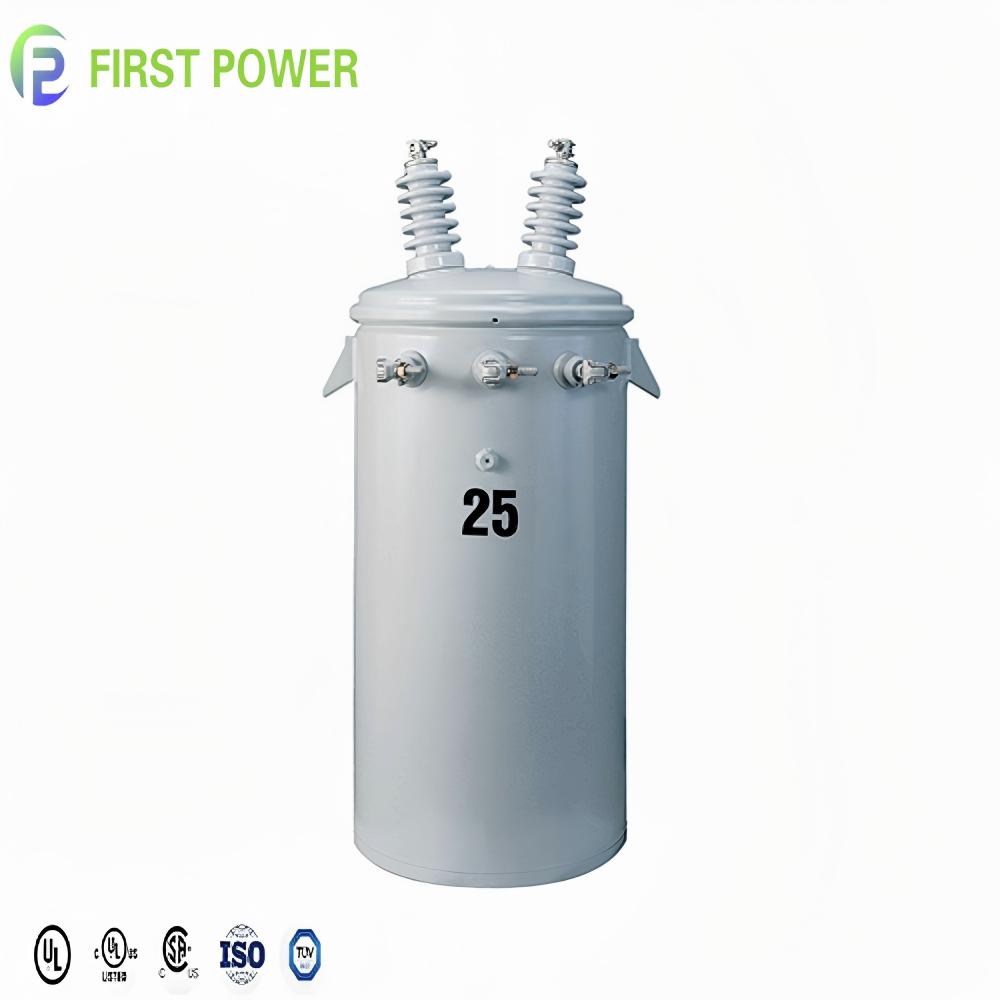
C CE Certification MV&HV 50/60HZ 6KV 10KV 20KV 35KV 25KVA Single Phase Transformer
Single-phase distribution platform for residential, light commercial and rural feeder applications. Suitable for Busan coastal projects where compact footprint, sealed construction and corrosion protection are specified.
View product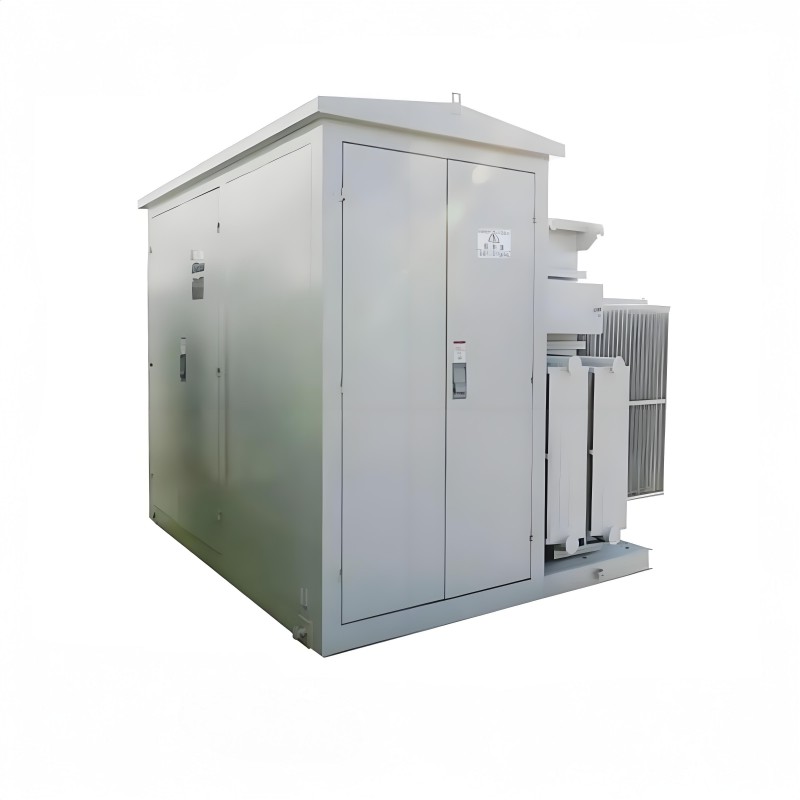
American Standard / C Certification 75–2500KVA Oil Type Three Phase 13.8KV Pad Mount Transformers
Three-phase pad-mounted oil transformer platform for generation, commercial and distribution projects. Loop-feed and dead-front options can be reviewed against the project’s single-line diagram and local installation practice.
View product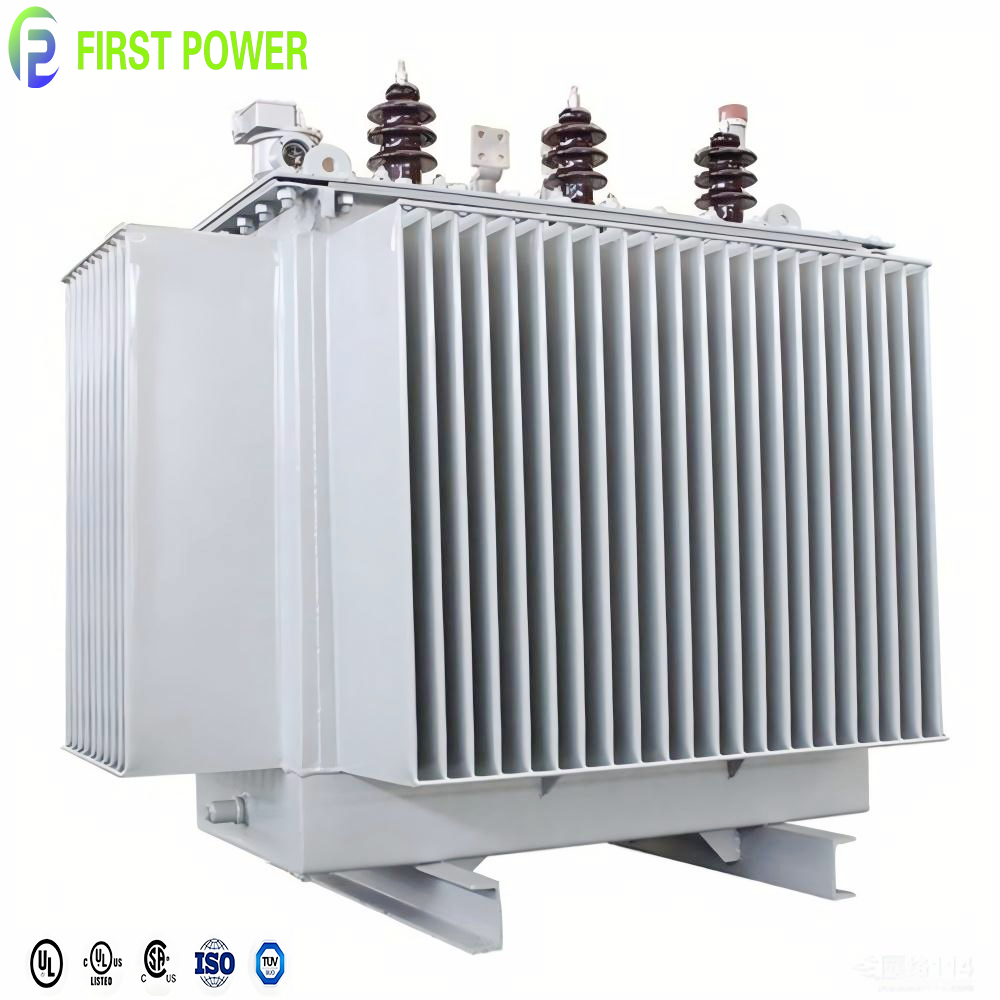
C CE MH&HV 50/60HZ 10KVA–50000KVA 10KV 15KV 20KV 35KV Three Phase S11 Oil Transformer
Oil-immersed distribution transformer family for utility networks, industrial plants and commercial buildings. A practical option for Busan buyers evaluating low-loss operation and documented routine test reports.
View product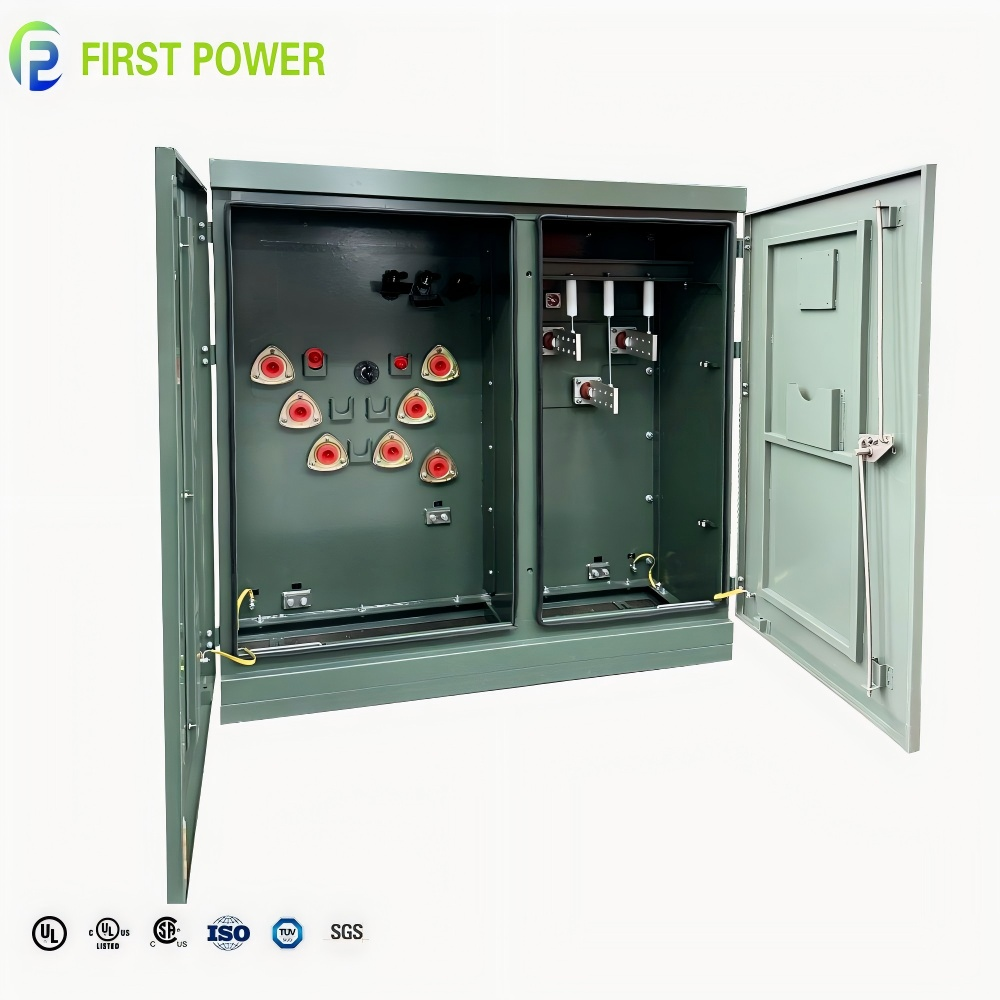
C CE Certification 50/60HZ 10KV 20KV 35KV 3 Phase Loop Feed Pad Mounted 750KVA Transformer
Loop-feed pad-mounted transformer for underground distribution, commercial campuses and renewable interconnections. The enclosure, cable termination and protection scheme can be aligned with EPC requirements.
View product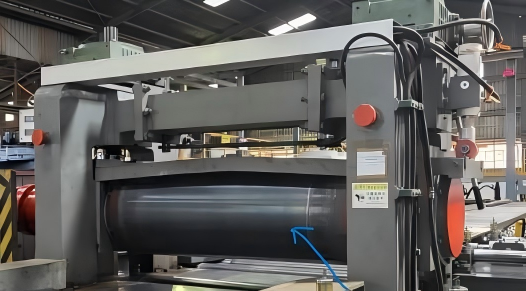
MAIN ROLLER D
Auxiliary roller item listed within our factory support range. For project-specific application, share drawings, load details or handling requirements so our team can confirm compatibility before quotation.
View product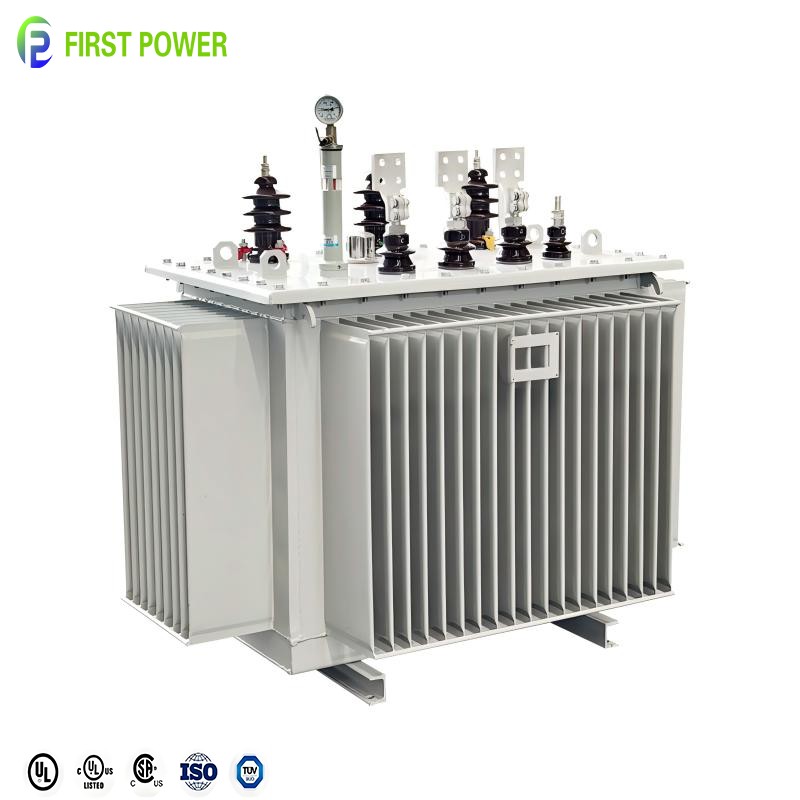
C CE 50/60HZ 100KVA 300KVA 500KVA 630KVA 1000KVA 10KV 20KV 35KV 3 Phase Oil Immersed Power Transformer
Oil-immersed power transformer range for plants, utilities and infrastructure projects. Sealed tank construction, tested insulation performance and export documentation support long-distance shipment to Korea.
View product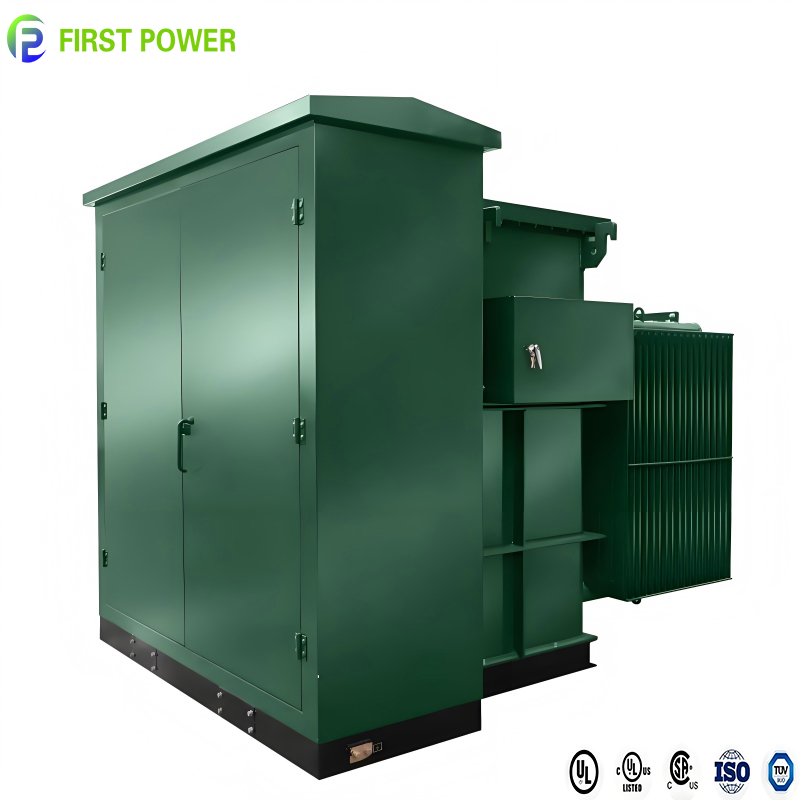
C CE 50/60HZ 6KV 10KV 15KV 20KV 35KV 100KVA–630KVA 3 Phase Pad Mounted Pedestal Transformer
Pedestal pad-mounted transformer for industrial and commercial installations. A useful format where equipment must be accessible, protected from tampering and visually compatible with coastal site planning.
View product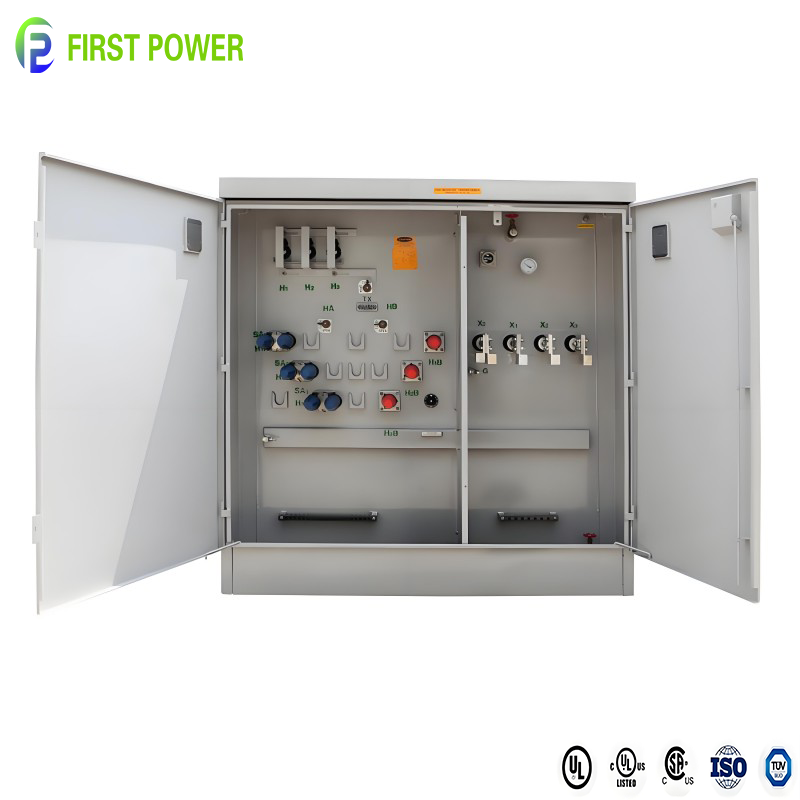
C CE MV&HV 50/60HZ 300KVA 500KVA 630KVA 700KVA 10KV 15KV 20KV 35KV 3 Phase Loop Feed Pad Mounted Transformer
Loop-feed pad-mounted transformer for industrial estates, logistics hubs and high-value facilities. Enclosure finish, gaskets, bushings and accessory choices can be discussed for Busan’s humid coastal environment.
View productA Factory-Direct Wholesaler Is Only Valuable When the Engineering Is Auditable
Busan is not a single-load market. Within one metropolitan area, buyers specify equipment for the Port of Busan and Busan New Port, cold-chain logistics, shipbuilding and marine services, Centum City commercial buildings, Haeundae and Suyeong waterfront facilities, data-centre projects, urban residential redevelopment and the wider Gyeongsang industrial corridor. Each application puts a different weight on corrosion protection, loss performance, noise, footprint, protection coordination and delivery certainty.
For that reason, a transformer substation factory or wholesaler should be assessed as an engineering partner, not only as a price list. The questions that matter are practical: Can the supplier issue general arrangement drawings before production? Are guaranteed no-load and load losses stated? Are routine test reports traceable to the serial number? Does the enclosure specification reflect coastal humidity and salt-laden air? Are Korean-language nameplates, shipping marks and document packages available when requested?
Jiangsu Wisegj Power Co., Ltd. works as a factory-direct supplier with more than 20 years of team experience in transformers. Our product range covers 220 V to 500 kV, from single-phase and three-phase distribution transformers to power transformers, dry-type transformers, pad-mounted units and compact substations. For Busan buyers, our value is in translating a technical requirement into a documented, testable and export-ready package.
Busan Coastal Review Before You Approve a Datasheet
- 1Confirm 60 Hz operation, primary/secondary voltage, vector group, impedance and tap range against the project single-line diagram.
- 2Specify paint system, tank material, gasket quality, stainless-steel hardware and enclosure IP rating for salt-laden air.
- 3Ask for guaranteed losses, routine test reports, nameplate draft, GA drawing and O&M manuals in English.
- 4Decide whether the shipment should be quoted FOB, CIF Busan or DDP, with export packing and shock indicators.
Where Transformer Substations Fit in Busan’s Real-World Projects
A transformer selected for an inland plant may not be appropriate for a quay-side project. Busan procurement teams usually need to balance coastal exposure, load density, outage risk, maintenance access and total owning cost.
Port Electrification & Shore Power
Busan’s port ecosystem is moving toward cleaner vessel operations, electrified cranes, cold-ironing studies and higher power quality at berths. Transformers for these projects should be reviewed for humidity, salt spray, harmonic loads, protection coordination and enclosure finish, not only kVA rating.
Data Centres & Commercial Buildings
Centum City, Haeundae and major redevelopment zones require reliable power for commercial towers, hotels, retail and data-processing loads. Dry-type transformers and compact substations are often shortlisted where indoor safety, fire performance, noise control and space efficiency matter.
Industrial Complexes & Shipbuilding
Shipyards, marine engineering works, fabrication plants and logistics hubs need rugged distribution equipment. Oil-immersed and pad-mounted transformers can be configured for high ambient temperature, cyclic loading, cable termination requirements and maintenance access.
Offshore Wind & Renewable Integration
Korea’s renewable build-out and grid decarbonisation create demand for step-up transformers, compact substations and collector-system equipment. Coastal and offshore-adjacent projects require careful discussion of corrosion class, sealing, cooling and transport constraints.
Urban Residential & Underground Distribution
Busan’s hillside neighbourhoods, waterfront apartments and redevelopment districts often favour compact footprints and tamper-resistant equipment. Single-phase and three-phase pad-mounted transformers can support underground loop distribution where overhead space is limited.
Coastal Infrastructure & Waterfront Facilities
For quay-side, wastewater, tunnel, bridge and waterfront facilities, the specification should address anti-condensation, sealed bushings, corrosion-resistant hardware, cable entry orientation and maintainable access. These details influence service life more than a headline price difference.
Busan Market Trends Shaping Transformer Procurement
The strongest tender responses explain how the equipment will perform over its service life. Four trends are particularly relevant for buyers comparing factories, wholesalers and import channels.
1. Port and terminal electrification
Electrified cargo handling, cold-ironing studies and cleaner port operations are pushing power quality and reliability requirements higher. Buyers should request harmonic considerations, loss guarantees and documentation for protection settings.
2. Coastal resilience specification
Humidity, salt spray and typhoon-season rain demand more than a standard grey enclosure. Paint thickness, surface preparation, gasket selection, stainless fasteners and anti-condensation measures should be stated in the technical offer.
3. High-density urban power
Redevelopment, data centres, hotels and mixed-use districts increase load density while reducing available space. Compact substations, dry-type transformers and low-noise designs help project teams fit power equipment into constrained sites.
4. Total owning cost over lowest price
Procurement teams increasingly compare guaranteed losses, maintenance needs, spare-part availability and documentation quality. A slightly higher initial price can be justified when no-load and load losses are lower and factory testing is traceable.
Transformer Type Comparison for Busan Projects
Use this matrix as an early-stage screening tool. Final selection should follow load-flow study, short-circuit calculation, protection coordination, site conditions and the buyer’s utility requirements.
| Transformer Type | Typical Busan Use | Coastal / Site Notes | Procurement Focus |
|---|---|---|---|
| Single-Phase Pad-Mounted | Residential subdivisions, light commercial loads, underground loops | Low-profile enclosure, sealed construction, anti-corrosion finish | Voltage ratio, fuse protection, tamper resistance, nameplate language |
| Three-Phase Pad-Mounted | Commercial campuses, ports, logistics, renewable interconnections | Dead-front or live-front configuration, loop feed, cable termination space | Loop/radial feed, enclosure IP, finish system, loss evaluation |
| Oil-Immersed Distribution | Utility distribution, industrial plants, mining and manufacturing | Sealed tank, oil compatibility, corrosion protection, bunding requirements | Impedance, vector group, tap range, routine tests, oil test reports |
| Cast-Resin Dry Type | Indoor commercial buildings, hospitals, tunnels, data centres | Fire-safe, oil-free, ventilation and ambient temperature review | Noise level, insulation class, IP rating, fan cooling option |
| Power Transformer | Transmission interconnection, generation step-up, large industrial loads | Cooling method, OLTC/NLTC, transport limits, seismic and wind review | Guaranteed losses, temperature rise, impedance, test plan |
| Compact Substation | Fast-track projects, renewables, urban networks, temporary power | Factory-assembled MV/LV enclosure, ventilation, access and lifting points | IEC 62271-202 review, switchgear configuration, delivery split |
For Busan, confirm 60 Hz operation and the exact project voltage rather than relying on a catalogue headline. Where Korean utility or EPC documentation is required, specify the nameplate draft, test report format and language before production.
Why Busan Buyers Shortlist Wisegj as a Transformer Factory & Wholesaler
A credible factory-direct supplier should reduce uncertainty. Our production, testing and documentation processes are set up for export procurement teams that need to verify claims before releasing payment.
Verified Production Capacity
A 6,847 m² verified production area with winding, core assembly, drying, tanking and testing functions supports controlled manufacturing and inspection.
In-House Routine Testing
Winding resistance, ratio and vector group, impedance, load loss, no-load loss and current, applied and induced voltage tests are documented per serial number. Oil dielectric tests are included for liquid-filled units.
Design Customisation
OEM, ODM, design-based and sample-based customisation cover ratings, vector group, impedance, taps, bushings, cooling, insulating fluid, enclosure colour and nameplate language.
Certified Management Systems
ISO 9001, ISO 14001 and ISO 45001 systems support quality, environmental and safety control. CE certificates cover key transformer and substation product lines.
Export Documentation & Support
GA drawings, nameplate drafts, test reports and O&M manuals are supplied in English. With 211 qualified supply partners, accessory sourcing and production planning can be coordinated more reliably.
Fast Technical Response
Our team aims to respond to pre-sale and after-sale technical questions within one working day. Third-party witness inspection and buyer document review are welcome before shipment.
Evidence You Can Review Before You Place an Order
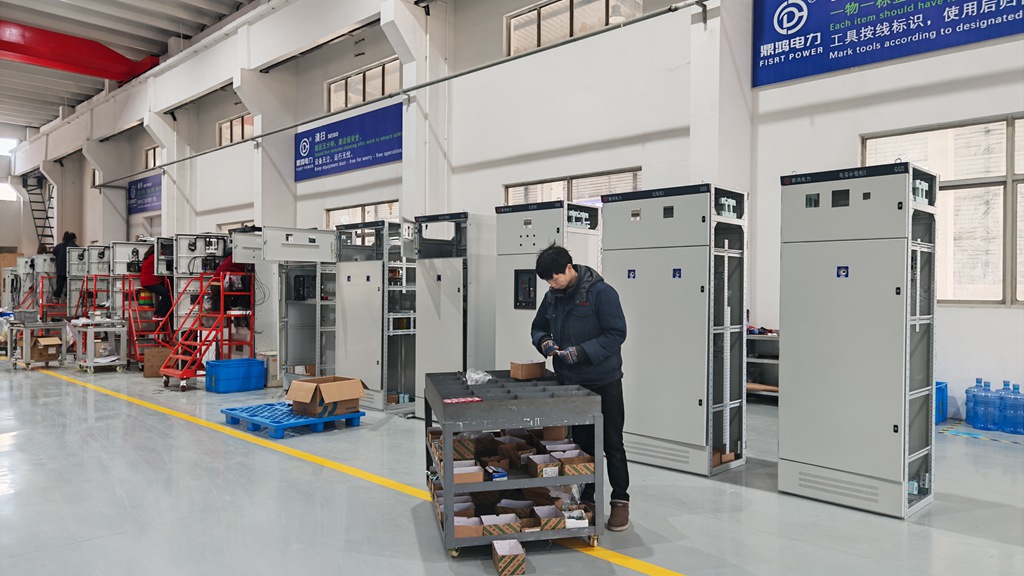
Claims about factory capability should be supported by inspection, images, certificates and documentation. The images below are from our production and export environment; product-specific drawings and test records are shared during quotation.
 Factory & production overview
 Testing laboratory and routine inspection
 Export packing and shipment preparation
Independent onsite verification by TÜV Rheinland is part of our company profile. Buyers can also request document review, factory acceptance test witnessing and third-party inspection as part of the order agreement.
From Busan RFQ to Shipment Release
A clear sequence reduces clarification loops. For best results, send the single-line diagram, load schedule, voltage, frequency, loss target, site conditions and required delivery terms in the first message.
Specification Review
Our engineers check rating, standard, altitude, ambient temperature, humidity, salt exposure, noise and installation constraints.
Drawing & Loss Approval
GA drawing, nameplate draft, guaranteed losses, accessories and document package are confirmed before production.
Controlled Production
Core, winding, drying, tanking and assembly proceed under documented QC checkpoints and in-process inspection.
Testing & Dispatch
Routine tests, export packing, shipping documents and delivery to the agreed port or project site are coordinated.
Questions Local Buyers Ask Before Sourcing Transformer Substations
These are the practical questions raised by Korean importers, EPC contractors, facility owners and electrical distributors when comparing factories and wholesalers.
Can you supply transformers for 60 Hz operation and Korean project voltages?
Which transformer is best for Busan’s coastal humidity and salt-laden air?
How are transformers shipped from China to Busan?
What test reports and documents are supplied with each unit?
Do you offer OEM, ODM and Korean-language nameplates?
Are you KEPCO-approved or certified for the Korean market?
What information should I send for a faster quotation?
Can you support spare parts, installation review and after-sales questions?
Rated power and voltage ratio
Frequency, vector group and impedance
Loss limits or efficiency target
Coastal corrosion and IP requirements
Nameplate, test report and document language
Delivery term, port and required lead time
Send Your Busan Transformer Specification for Engineering Review
Share your single-line diagram, load schedule, voltage, frequency, loss target and site conditions. A technical review helps confirm the right transformer type, enclosure protection, test plan and delivery scope before price comparison begins.