Top Trusted Step Voltage Regulator Suppliers & Exporter Serving Munich
Voltage-regulation packages, on-load tap-changing transformer platforms and low-loss distribution equipment for Munich utilities, EPC contractors, commercial estates and renewable-energy developers.
8 Transformer Platforms Frequently Quoted With Step Voltage Regulation Projects
For Munich projects, a step voltage regulator is rarely ordered as an isolated box. It is normally packaged with a transformer, tap changer, protection, controller, sensors and SCADA signals. The eight product links below are preserved from the Wisegj range and can be reviewed as the transformer-side building blocks for a voltage-regulation package.
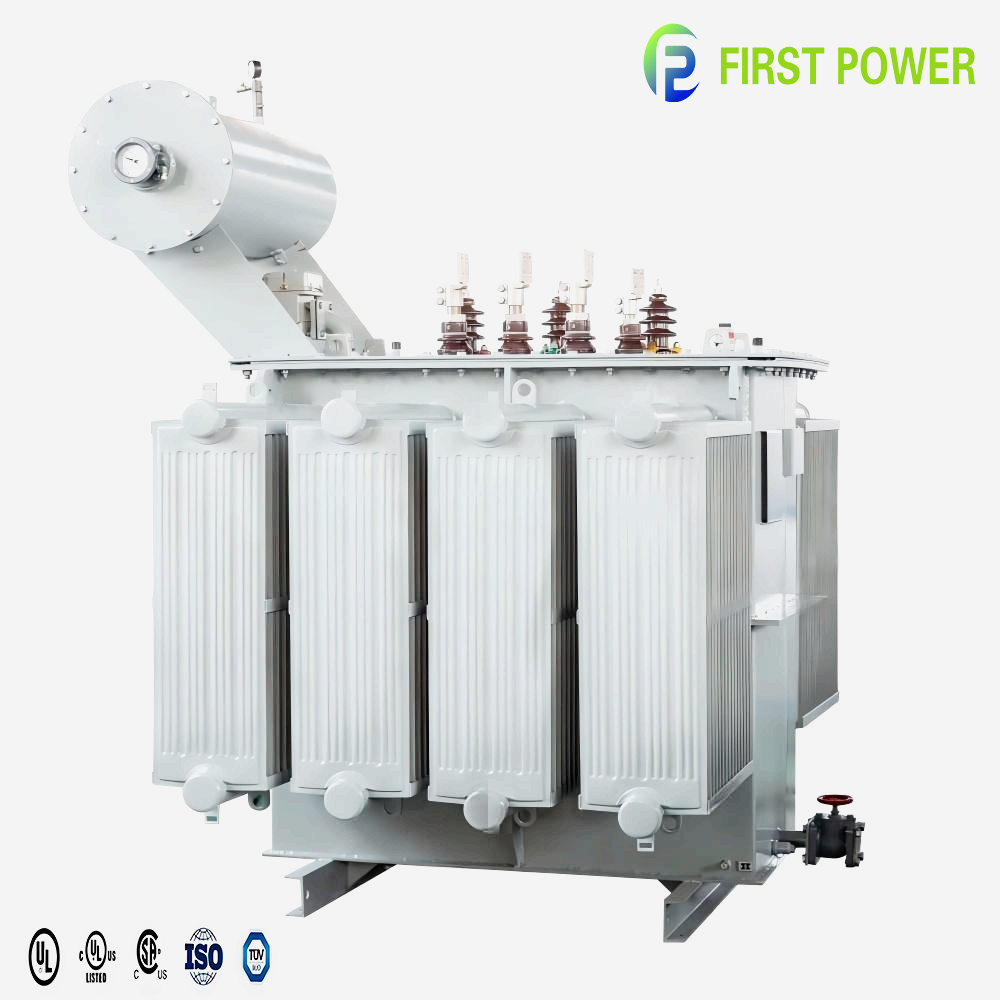
C Certification 50/60Hz 6kV–35kV Three Phase 1000kVA 1MW Solar PV Oil-Immersed Transformer
Oil-immersed step-up platform for PV collection systems; can be quoted with voltage-regulation controls and monitoring.
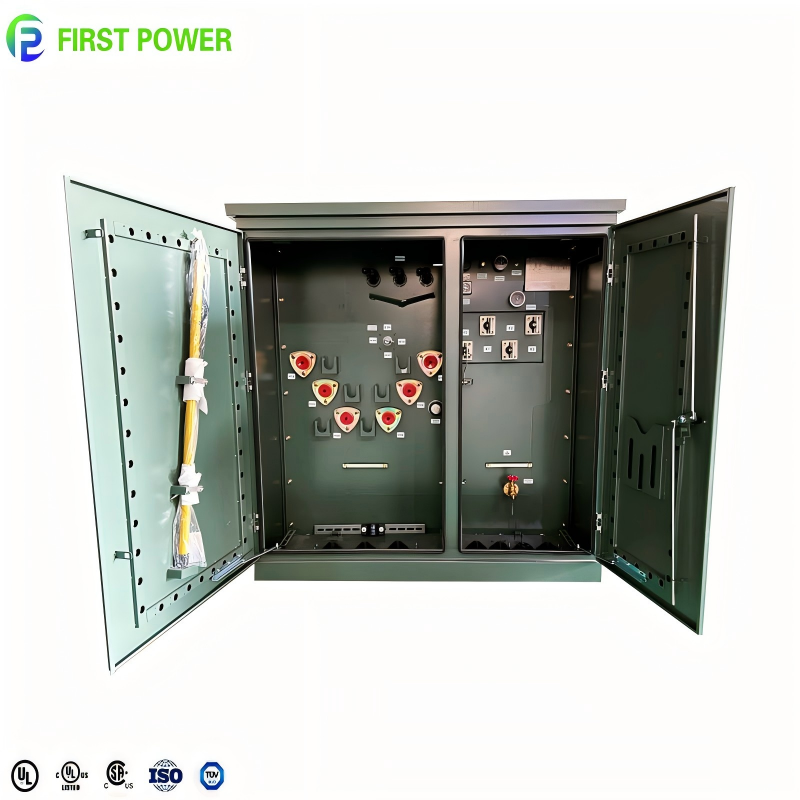
C ZGS11 50/60Hz 75kVA–50,000kVA 6–35kV Three Phase Pad Mounted Transformer
For underground distribution and compact urban substations where a tamper-resistant footprint is required.
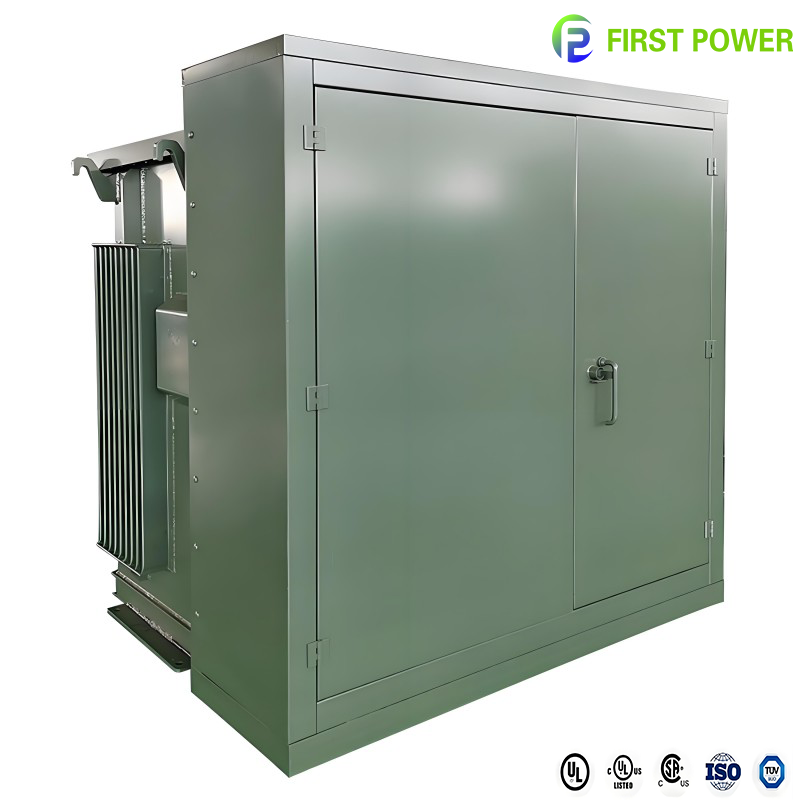
C CE 50/60Hz 10/20/35kV 75–400kVA Three Phase Oil-Type Pad Mounted Transformer
Distribution-duty oil pad-mount platform for commercial, residential and municipal feeder reinforcement.
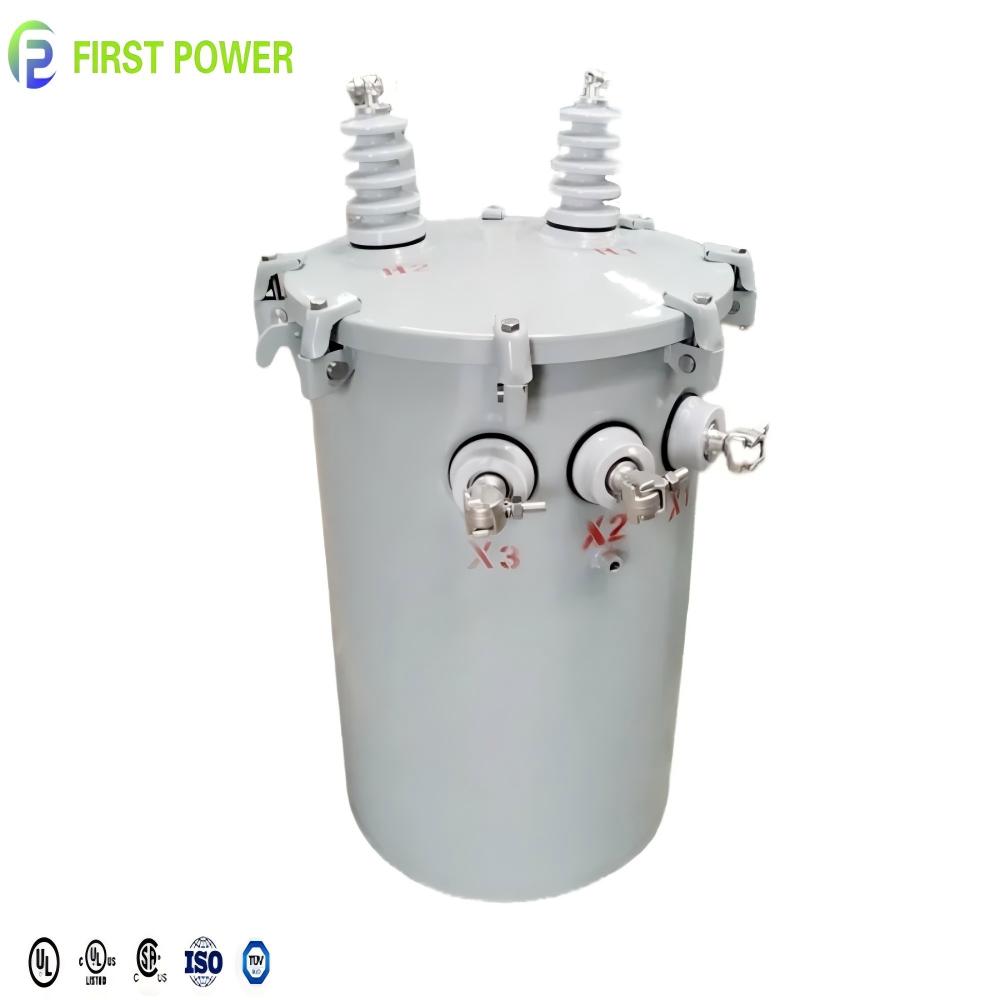
ANSI 50/60Hz 6–35kV 15–100kVA Single Phase Pole Mounted Transformer
Single-phase industrial and rural distribution platform with export documentation and project customization.
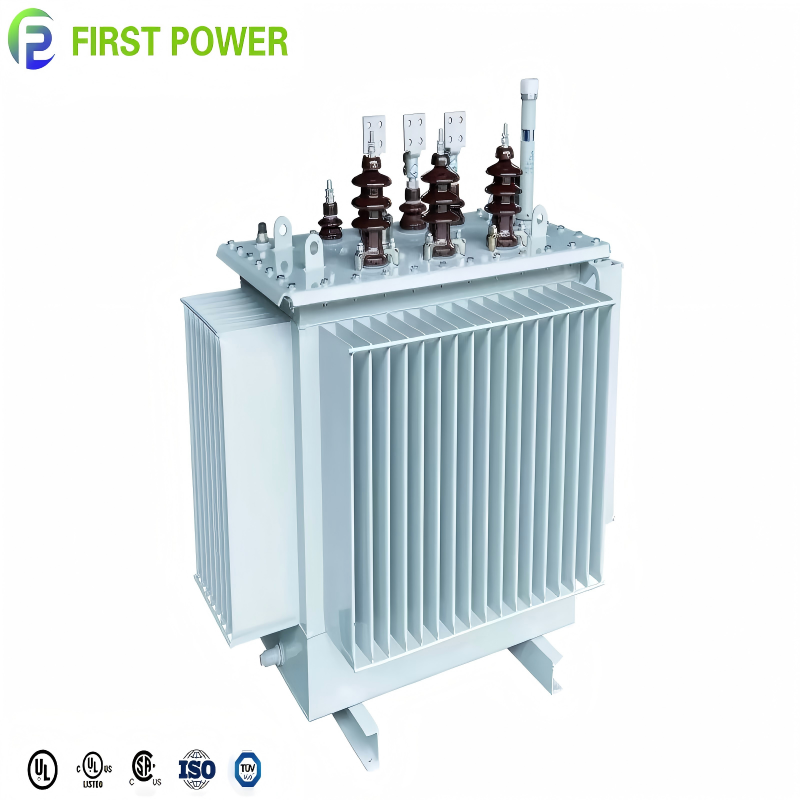
C CE S11 50/60Hz 6–35kV 50–300kVA Three Phase Oil Immersed Distribution Transformer
Low-loss distribution transformer platform for 20 kV/400 V networks and urban retrofit projects.
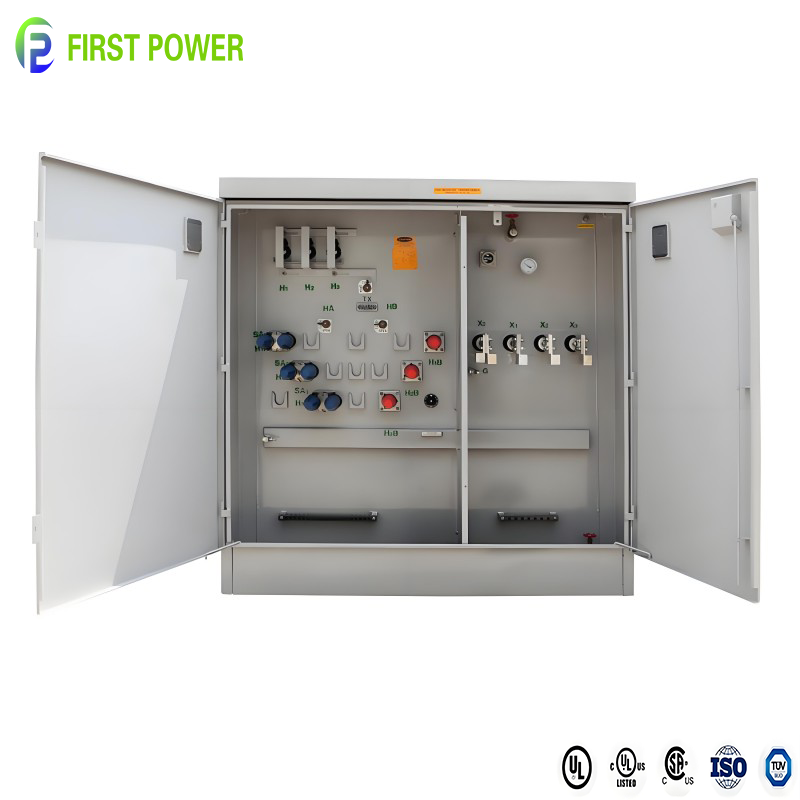
C CE MV&HV 50/60Hz 300–700kVA 10–35kV Loop Feed Pad Mounted Transformer
Loop-feed pad-mount configuration for ring-main industrial networks and expandable project sites.
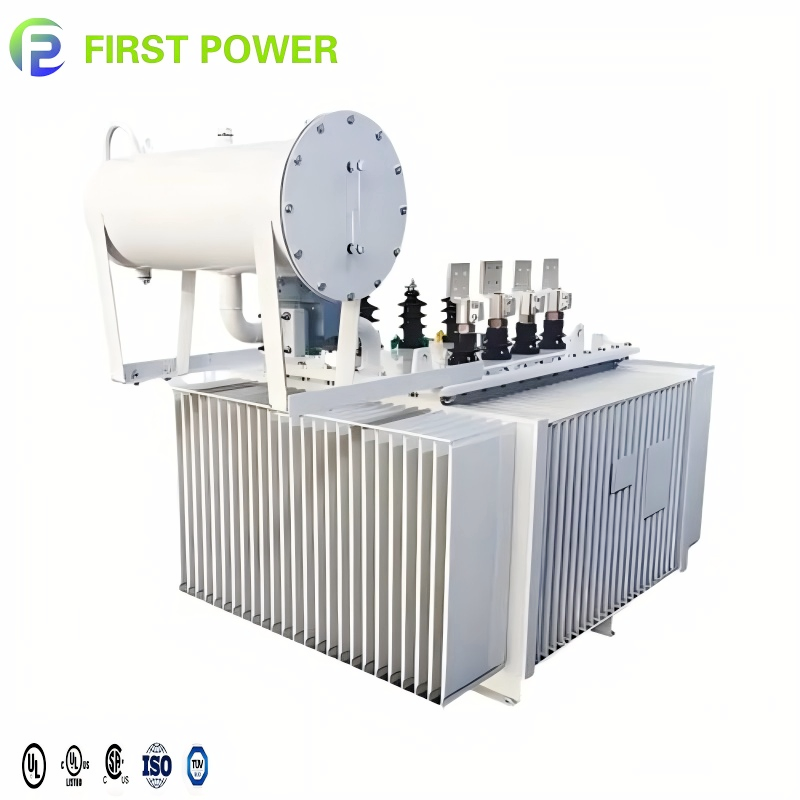
C CE 10/20/35kV 1000–2500kVA Three Phase Oil-Type On-Load Tap Changer Transformer
For load-dependent voltage variation where automatic on-load tap changing is preferred at the transformer.
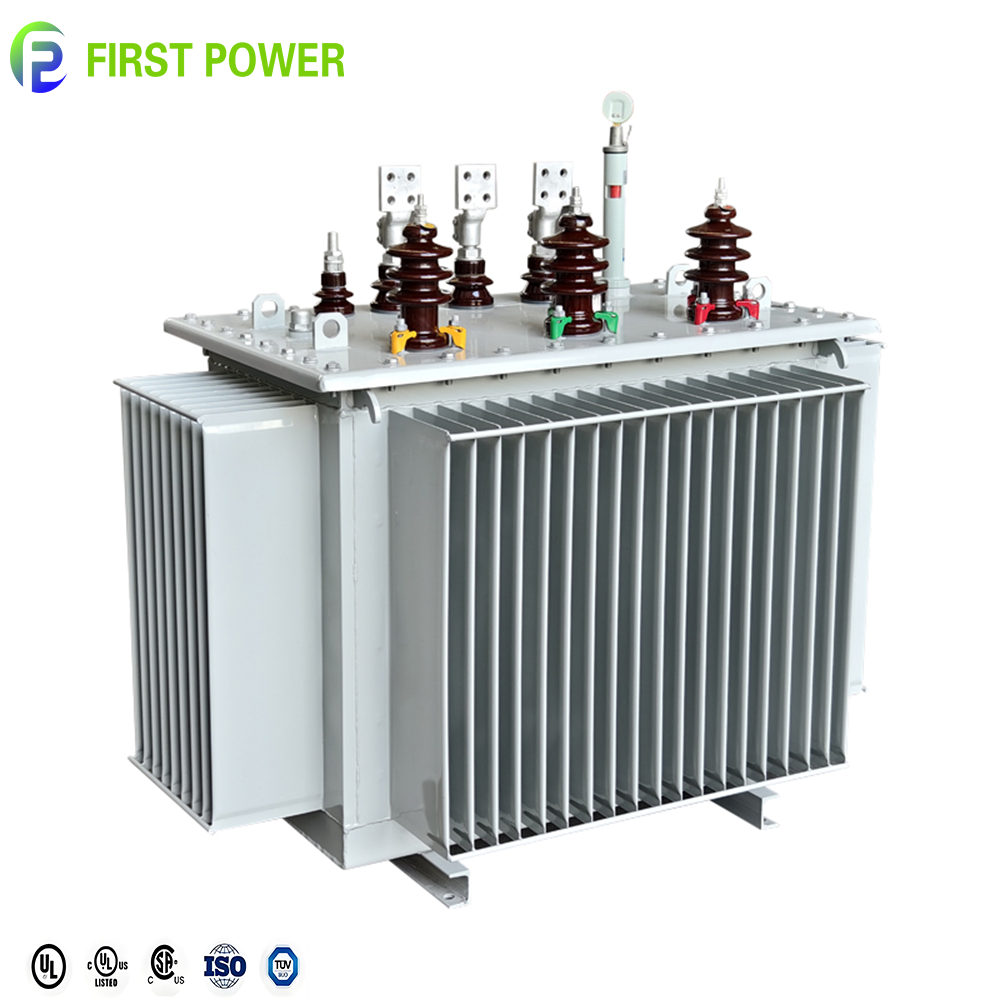
C CE 50/60Hz 6–35kV 100–500kVA 220V Output Step-Up Oil Transformer
Step-up transformer platform for industrial supply; can be combined with feeder voltage regulation.
For a Munich step-voltage-regulator application, our engineers can quote the transformer platform together with OLTC or off-circuit taps, AVR controller, bypass switch, PT/CT, protection, SCADA protocol and witness testing. Share the single-line diagram and voltage profile to receive a matched package rather than a generic transformer price.
What Munich Buyers Should Verify Before Choosing a Step Voltage Regulator Supplier
Munich procurement teams rarely search for a step voltage regulator in isolation. They are trying to protect voltage quality at the end of a 20 kV feeder, add EV charging without triggering low-voltage complaints, connect rooftop PV under VDE-AR-N 4105, or keep a heat-pump cluster inside EN 50160 limits.
Search intent is a risk-reduction request, not simply a catalogue request.
A credible step voltage regulator supplier for Munich must prove three things. First, the regulator or tap-changing transformer is designed and tested to the right IEC/EN standard, with a clear declaration of the voltage-regulation range, step size, control delay and short-circuit withstand. Second, the controller can be integrated with local protection, CT/VT ratios, RTU/SCADA and municipal utility requirements. Third, the documentation will survive an audit by a Stadtwerke, EPC, insurer or independent inspector.
Wisegj supports Munich projects from a Suzhou manufacturing base with 20+ years of team experience, 6,847 m² of verified production floorspace, 50+ R&D and technical engineers, and CE, ISO 9001, ISO 14001 and ISO 45001 systems. Our role is not to send a generic catalogue; it is to translate a Munich load profile and grid-code requirement into a documented equipment package.
Typical enquiries combine a new substation with an ageing existing transformer, or a renewable-energy connection with an existing low-voltage network. In those cases, the step voltage regulator should be evaluated together with transformer impedance, vector group, tap range, protection discrimination and the operating strategy during reverse power flow. This is where cheap quotations usually fail: they price a device but not the voltage outcome.
Information-gain checklist for a Munich RFQ
Send these items early and the engineering review becomes faster and more accurate.
- Single-line diagram and feeder voltage profile
- Target voltage band, setpoint and regulation bandwidth
- Load profile including EV chargers, heat pumps and PV
- Short-circuit level and protection coordination
- Tap range, step size and control time delay
- Transformer losses against EU 548/2014 requirements
- SCADA protocol: IEC 61850, Modbus, DNP3 or dry contacts
- Delivery term: DDP Munich, CIF Hamburg or another Incoterm
- Required documents: CE file, drawings, routine tests, O&M manual
Where Step Voltage Regulators and Transformer Packages Matter in Munich
Munich’s mix of dense urban cable networks, surrounding industrial parks, fast-growing residential districts and aggressive renewable-energy targets creates voltage-management problems that vary street by street and feeder by feeder.
Munich city distribution and underground cable networks
Long low-voltage cable runs in dense districts can drift outside the EN 50160 voltage band during peak load. A feeder regulator with a pad-mounted transformer allows the network operator to hold voltage without rebuilding every service cable. Tamper-resistant enclosures and compact footprints are critical where pavement space is limited.
Rooftop PV and community energy in the Munich region
Solar generation can raise voltage on a feeder that was designed only for consumption. A step voltage regulator with bidirectional sensing helps keep the point of connection within the VDE-AR-N 4105 and VDE-AR-N 4110 limits when PV production is high and local load is low. Transformer OLTC options should be reviewed when the PV plant is behind a new dedicated substation.
EV charging hubs and fleet depots
Fast chargers create short, high-current loads that can depress voltage and increase flicker. Munich depot projects should evaluate transformer impedance, regulator response time and harmonic distortion together. A voltage-regulation package with monitoring can also provide evidence for utility connection studies and future charger expansion.
Heat-pump retrofits and building electrification
Electrifying heating in existing residential districts shifts peak demand into winter evenings. A regulator can lift voltage at the end of a heavily loaded feeder while the transformer is selected for low loss and future capacity. This combination often reduces conductor replacement costs and shortens the municipal approval path.
Industrial estates and logistics parks around Munich
Motor starting, welding, cranes and conveyor systems produce voltage dips and reactive-power swings. An OLTC transformer or feeder regulator can stabilize the supply while preserving protection selectivity. For industrial clients, the RFQ should include load cycle data, motor-starting limits and the acceptable flicker level.
Hospitals, universities and data-sensitive campuses
These sites need stable voltage, low noise and documented fire-safety choices. Dry-type transformers may be preferred indoors, while oil-immersed units with ester fluid can be considered where outdoor space is available. Monitoring and remote tap-position visibility help facility teams prove power quality during critical operations.
Localized Trends to Design Into Step Voltage Regulator Projects Through 2030
Munich’s energy transition is not only a generation story. It is a voltage-management story driven by distributed PV, electrified heat, EV charging, municipal climate targets and increasingly detailed grid-code evidence requests.
Grid-code-led procurement
Expect more requests for EN 50160 voltage-quality evidence, VDE-AR-N 4105 or 4110 connection studies and documented type/routine tests. A supplier should be able to provide drawings, test reports and CE files without delaying the project.
Bidirectional DER flow
PV, battery storage and vehicle-to-grid pilots make reverse power normal. Regulators and tap changers must sense direction, avoid hunting and remain stable when generation and load change quickly.
Space, noise and circularity
Urban sites favour compact pad-mount layouts, low-loss cores, ester fluids where appropriate and clear end-of-life material data. Noise and fire-risk evidence is increasingly requested for residential and campus locations.
Digital substation integration
IEC 61850, Modbus and DNP3 are becoming normal requirements for remote tap control and power-quality visibility. Cybersecurity and signal lists should be agreed before production, not after shipment.
Information gain: two opposite voltage problems can occur on the same Munich feeder.
Rooftop PV can push voltage up at midday, while EV charging and heat pumps can pull voltage down in the evening. A step voltage regulator specification should therefore include a wide control range, programmable time delay, neutral-voltage sensing, event logging and a clear fallback position if the controller loses communication.
For tender evaluation, compare guaranteed losses, harmonic performance, protection coordination and spare-part lead time alongside the initial equipment price.
Step Voltage Regulator vs. OLTC Transformer: A Practical Munich Selection Guide
The right answer depends on whether voltage must be corrected along a feeder, at a new substation or inside an industrial process. Use this matrix to align the technical scope before requesting prices.
| Technology | How voltage is regulated | Best Munich use case | Procurement note |
|---|---|---|---|
| Step voltage regulator | On-load automatic voltage regulation along a feeder, with tap steps controlled by an AVR relay. | Long 20 kV or LV feeders, PV/EV voltage swings, retrofit projects where the existing transformer has no OLTC. | Specify controller, bypass switch, PT/CT, protection, communications and voltage-sensing point. |
| OLTC transformer | Tap changer mounted on the transformer; voltage regulated at the substation busbar or secondary side. | New commercial, industrial or renewable substations with load-dependent voltage variation. | Define tap range, step size, impedance, cooling, maintenance strategy and protection interface. |
| Off-circuit tap transformer | Fixed taps selected manually or seasonally; no dynamic regulation during operation. | Stable load profiles, standard distribution substations and low-complexity projects. | Lowest initial cost, but check expected voltage drift and future DER load growth. |
| Compact substation with monitoring | Integrates MV switchgear, transformer, LV distribution and optional monitoring in one enclosure. | EV depots, temporary construction power, fast-track renewable connections and space-constrained sites. | Reference IEC 62271-202 and confirm enclosure rating, ventilation, access and SCADA scope. |
All high-voltage equipment must be engineered to the project’s actual grid code and utility requirements. The matrix is a starting point for the RFQ, not a substitute for a load-flow and protection study.
Why Wisegj Is Shortlisted as a Trusted Step Voltage Regulator Exporter for Munich
Munich buyers need a supplier who can support both the electrical engineering and the export documentation. Wisegj combines a transformer manufacturing base with an export team experienced in European project requirements.
20+ years of team experience
Hands-on experience across distribution transformers, pad-mounted units, oil-immersed power transformers and voltage-regulation accessories.
Verified production capacity
6,847 m² of production floorspace assessed onsite by TÜV Rheinland, with dedicated winding, assembly, drying, tanking and test areas.
50+ engineers and technical staff
Specification review before quotation, drawing approval, nameplate checks and technical clarification with your EPC or utility engineers.
Certificate stack for tender files
ISO 9001, ISO 14001, ISO 45001 and CE certificates covering oil-immersed transformers, dry-type transformers and compact substations.
Routine testing and witness inspection
Winding resistance, ratio and vector group, impedance, load/no-load loss, applied and induced voltage tests, plus oil dielectric tests for liquid-filled units.
211 qualified supply partners
A qualified supply chain for silicon steel, copper, bushings, tap changers and accessories reduces schedule risk on Munich projects.
OEM, ODM and design customization
Ratings, vector groups, impedance, taps, bushings, cooling, insulating fluid, enclosure colour, nameplate language and controller options.
24-hour engineer response target
Technical questions and export documentation requests receive a qualified response within one working day, with FOB, CIF, DDP and other Incoterms supported.
How We De-Risk a Munich Step-Voltage-Regulator Order
Regulation performance is only one part of the purchase. Munich buyers also need a predictable path from engineering review to customs clearance, site commissioning and after-sales support.
Engineering evidence before price comparison
We start with the single-line diagram, voltage profile and load cycle. The engineering team checks whether the project needs feeder-level regulation, an OLTC transformer, a fixed-tap transformer or a compact substation. This prevents the common mistake of buying a step voltage regulator for a problem that should be solved by changing transformer impedance, conductor size or protection settings.
Before quotation, we confirm the applicable standard set: IEC/EN 60076 for transformers, relevant EMC and low-voltage requirements for controllers, EU 548/2014 loss thresholds where applicable, and the local utility requirements that affect voltage regulation and protection. The nameplate, GA drawing and test plan are issued before production so the buyer can review them internally.
For Munich delivery, export packing, shock indicators, lifting points and documentation are planned with the logistics route. Incoterms can be arranged from EXW to DDP. The objective is simple: when the equipment arrives, the technical file and physical product match the approved design.
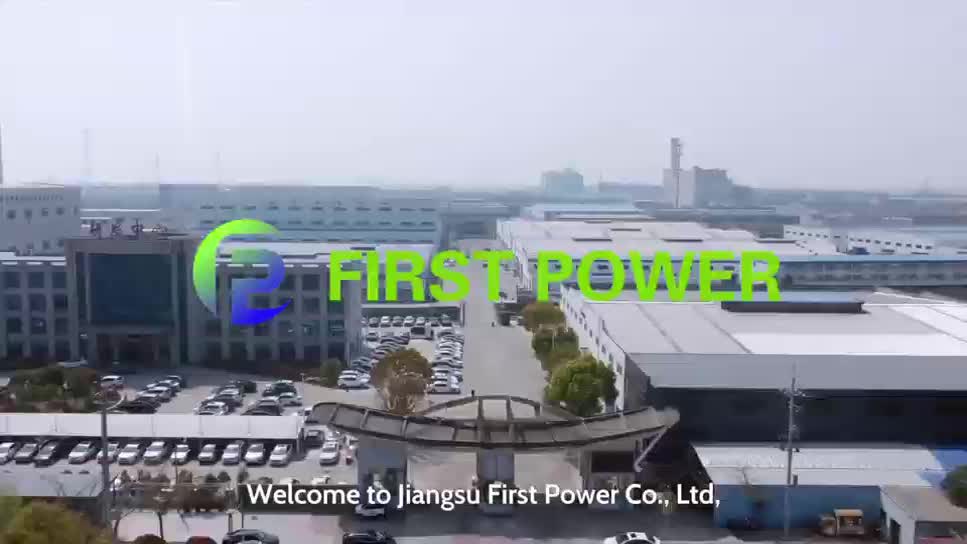
Factory review and third-party verification
Production capability, floorspace and quality inspection have been verified onsite by TÜV Rheinland. Certificate numbers and assessment documents can be shared with your compliance team for tender qualification.
Specification review
Voltage band, load profile, short-circuit level, standards, site conditions and delivery term reviewed by engineers.
Drawing approval
GA drawing, nameplate, losses, tap range, controller interface and SCADA signal list confirmed before production.
Production and testing
Documented work instructions, routine tests and third-party witness inspection available for Munich buyers.
Packing and delivery
Export crating, inspection records, shipping documents and Incoterms matched to the project logistics plan.
Step Voltage Regulator and Transformer FAQ for Munich Buyers
These are the questions most frequently raised by procurement, engineering and compliance teams during the enquiry stage.
Can you supply step voltage regulators and transformers to Munich with CE documentation?
Yes. Products are quoted with the applicable CE documentation, drawings, test reports, nameplate data and operating manuals. Transformers are generally designed and tested to IEC/EN 60076, and control and auxiliary equipment is reviewed against the applicable low-voltage and EMC requirements. For a Munich project, we confirm the exact documentation scope with your compliance team before order.
How do we choose between a step voltage regulator and an OLTC transformer?
Use a feeder-level step voltage regulator when the existing transformer has no OLTC and voltage must be corrected along a long feeder. Use an OLTC transformer when you are buying a new transformer and regulation is best performed at the substation. The decision should include the load profile, minimum and maximum voltage, short-circuit level, reverse power from PV and the protection concept. Our engineers review these inputs before quotation.
Which local grid standards should the Munich RFQ mention?
Typical references include EN 50160 for voltage characteristics, VDE-AR-N 4105 for low-voltage DER connections, VDE-AR-N 4110 for medium-voltage grid connections, VDE-AR-N 4120 for high-voltage connections, IEC/EN 60076 for transformers and EU 548/2014 for transformer losses where applicable. The final technical specification should also include the relevant Stadtwerke or municipal utility requirements for protection, metering and SCADA.
Can you deliver DDP Munich and handle export packing?
Yes. We support FOB, CFR, CIF, EXW, FCA, CIP, CPT, DDP and other Incoterms. Transformers and regulator packages are export-packed with lifting points, corrosion protection, shock indicators and complete shipping documentation. Routes typically move through Hamburg or Rotterdam and then by rail or truck to Munich; the exact logistics plan is confirmed during order review.
What lead time is typical for a Munich voltage-regulation package?
Many medium-voltage transformer and regulator packages require engineering, drawing approval, production and testing before shipment. Depending on rating and complexity, a practical planning window is often several weeks after drawing approval, with larger OLTC or high-voltage units requiring more time. Small standard units can be faster. We confirm the production schedule in the quotation and update it after drawing approval.
What factory testing is performed before shipment?
For transformers, routine tests typically include winding resistance, voltage ratio and vector group, impedance and load loss, no-load loss and current, applied voltage and induced voltage tests, plus oil dielectric strength for liquid-filled units. Regulator controllers and auxiliary circuits are checked for setpoint, bandwidth, time delay, alarm contacts and communications. Third-party witness inspection is welcome on request.
Can the equipment be integrated with SCADA and Munich utility protection?
Yes. We can provide IEC 61850, Modbus, DNP3 or dry-contact interfaces depending on the project specification. To coordinate protection and control, we need the single-line diagram, CT/VT ratios, trip and alarm matrix, RTU protocol and any utility-specific signal list. This avoids late changes after the enclosure and wiring are complete.
How do we request a fast and accurate quotation?
Send the transformer rating, primary and secondary voltage, frequency, vector group, impedance, tap range, cooling method, applicable standards, site altitude, ambient conditions, load profile and required Incoterm. For step voltage regulator projects, also include the voltage setpoint, bandwidth, time delay, communication protocol and whether bypass operation is required. Use the Contact Us button to send the datasheet for an engineering review.
Send Your Munich Datasheet — Get an Engineering Review, Not a Sales Script
Share your single-line diagram, voltage profile and load data. Wisegj will review the step-voltage-regulator scope, transformer platform, protection interface, testing and export documentation, and respond with a technically matched quotation for Munich delivery.
Jiangsu Wisegj Power Co., Ltd. · ISO 9001 · ISO 14001 · ISO 45001 · CE-certified product lines · Export support from EXW to DDP