Product shortlist
8 Power Isolation & Distribution Transformer Options for Kampala Buyers
The list below preserves the original product catalogue links and images. For Kampala projects, match the transformer to the actual duty: utility distribution, indoor fire-sensitive loads, solar PV interconnection, commercial pad-mounted service or a dedicated isolation duty with shielded windings. This is a shortlisting resource, not a paid ranking; validate every supplier against your tender, factory inspection and compliance requirements.
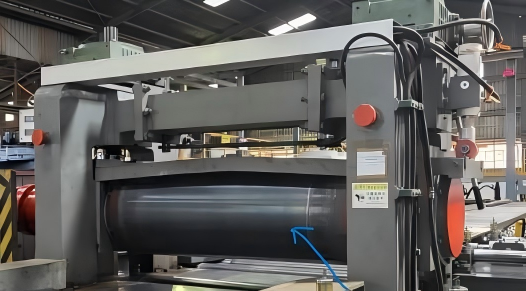
MAIN ROLLER D
A referenced catalogue item within the same export supply programme. Confirm the mechanical scope, interface and delivery requirements with the engineering team before adding it to a transformer package.
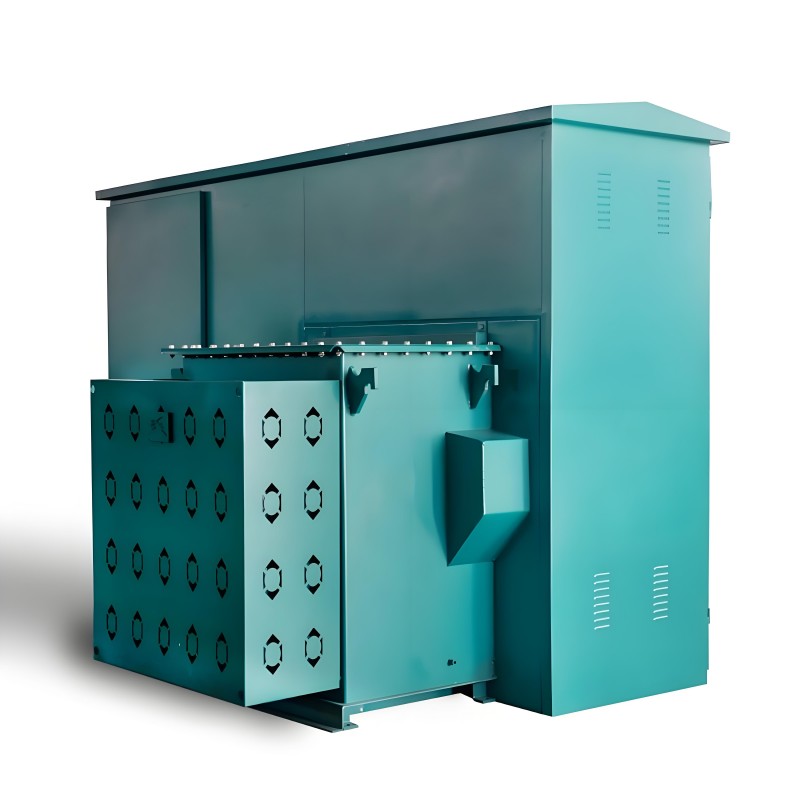
C Certified Oil-Type Cooper 75–2500 kVA Pad Mounted Transformer, 6–34.5 kV, 50/60 Hz, Dead Front, Three Phase
Dead-front pad-mounted package for underground distribution, commercial compounds and renewable interconnections. Specify 50 Hz, vector group, impedance and enclosure finish for Kampala humidity and site conditions.
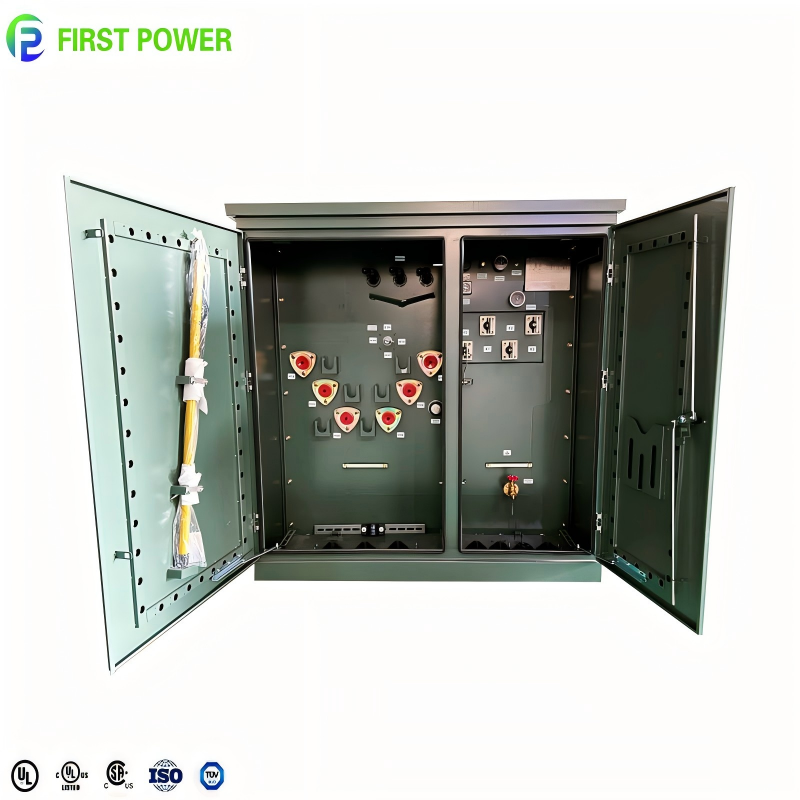
C ZGS11 50/60 Hz 75 kVA–50000 kVA 6/10/15/20/35 kV Three Phase Pad Mounted Transformer for Electric Power Distribution
A broad three-phase pad-mounted range for utility distribution, industrial park substations and campus networks. Suitable where compact footprint, tamper resistance and cable-fed MV connections are procurement priorities.
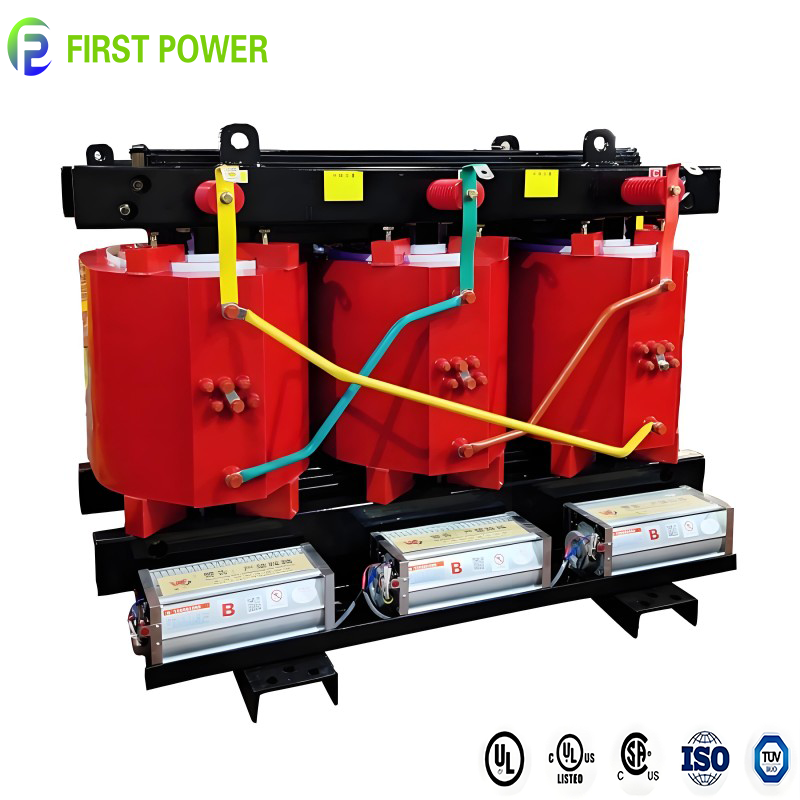
C CE Certification IEEE Standard 50/60 Hz 5 MVA 6 MVA 6 kV 35 kV 3 Phase Dry Type Transformer for Electric Power Distribution
Dry-type distribution option for indoor plant rooms, hospitals, hotels, data rooms and fire-sensitive buildings where oil-free operation and reduced fire risk are mandatory.
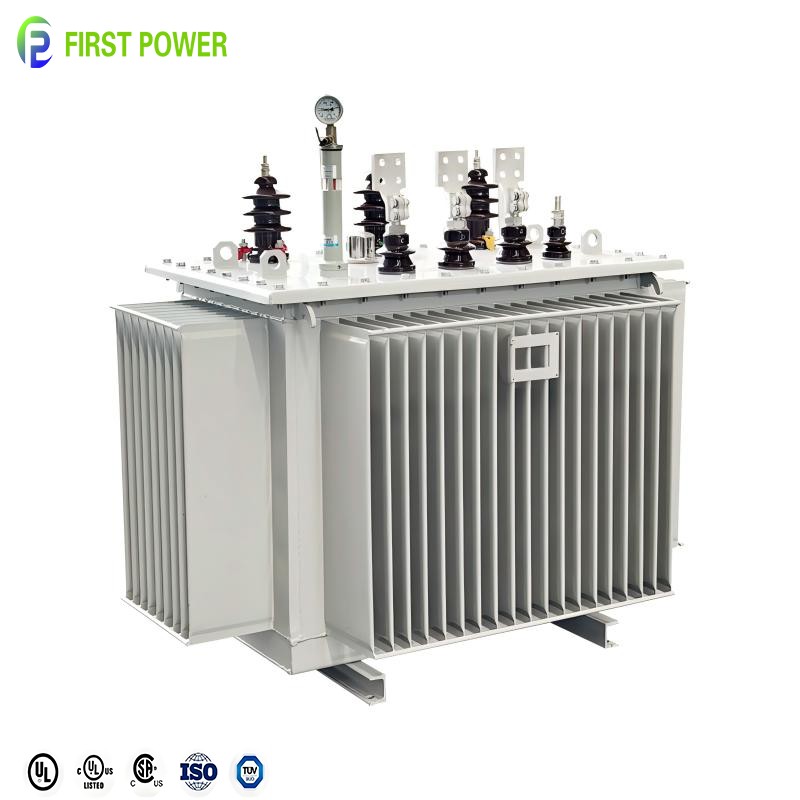
C CE 50/60 Hz 100 kVA 300 kVA 500 kVA 630 kVA 1000 kVA 10 kV 20 kV 35 kV 3 Phase Oil Immersed Power Transformer for Power Supplies
Oil-immersed three-phase unit for factories, water works, commercial estates and utility distribution. Confirm losses, tap range, cooling and corrosion protection for the specific Kampala installation.
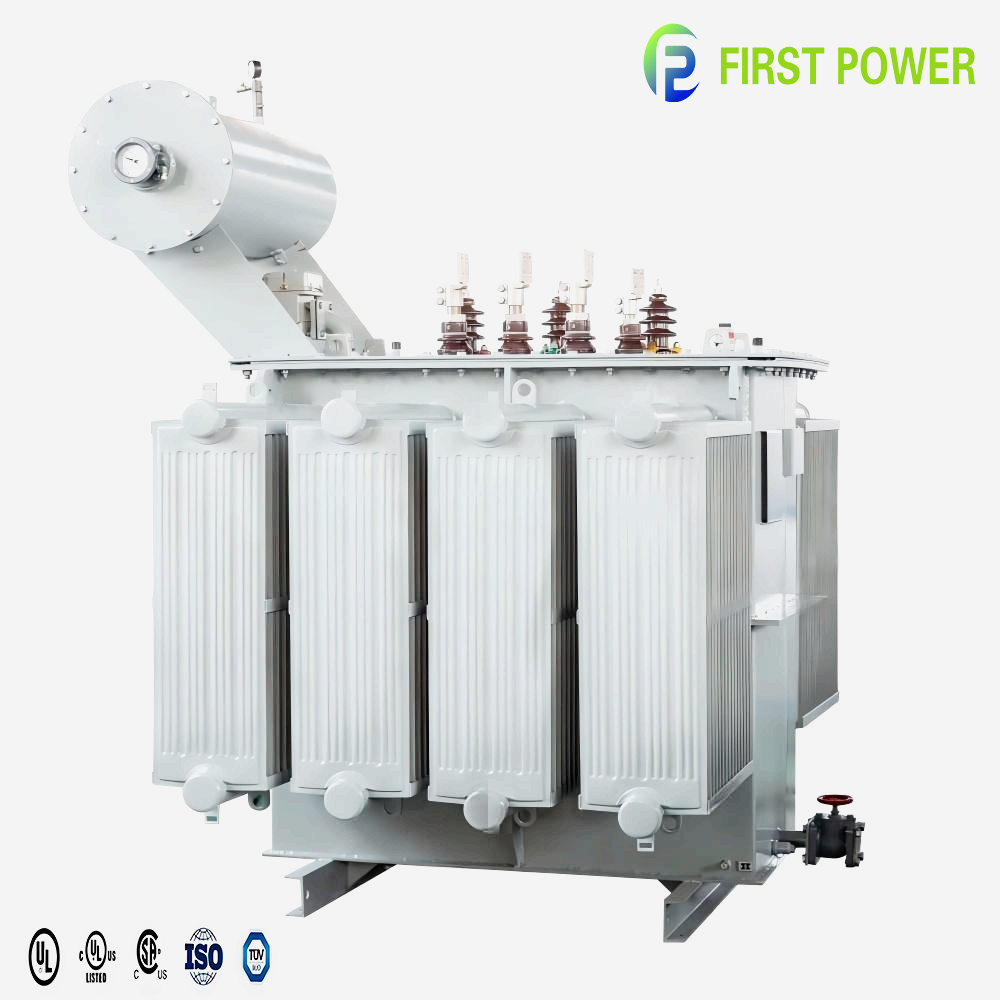
C Certification 50/60 Hz 6 kV 10 kV 20 kV 35 kV Three Phase 1000 kVA 1 MW Solar PV Transformers Oil Immersed for Power Generation
A solar PV step-up transformer option for generation projects, captive solar and grid interconnection. Discuss harmonic duty, inverter interface, low-loss targets and outdoor enclosure requirements.
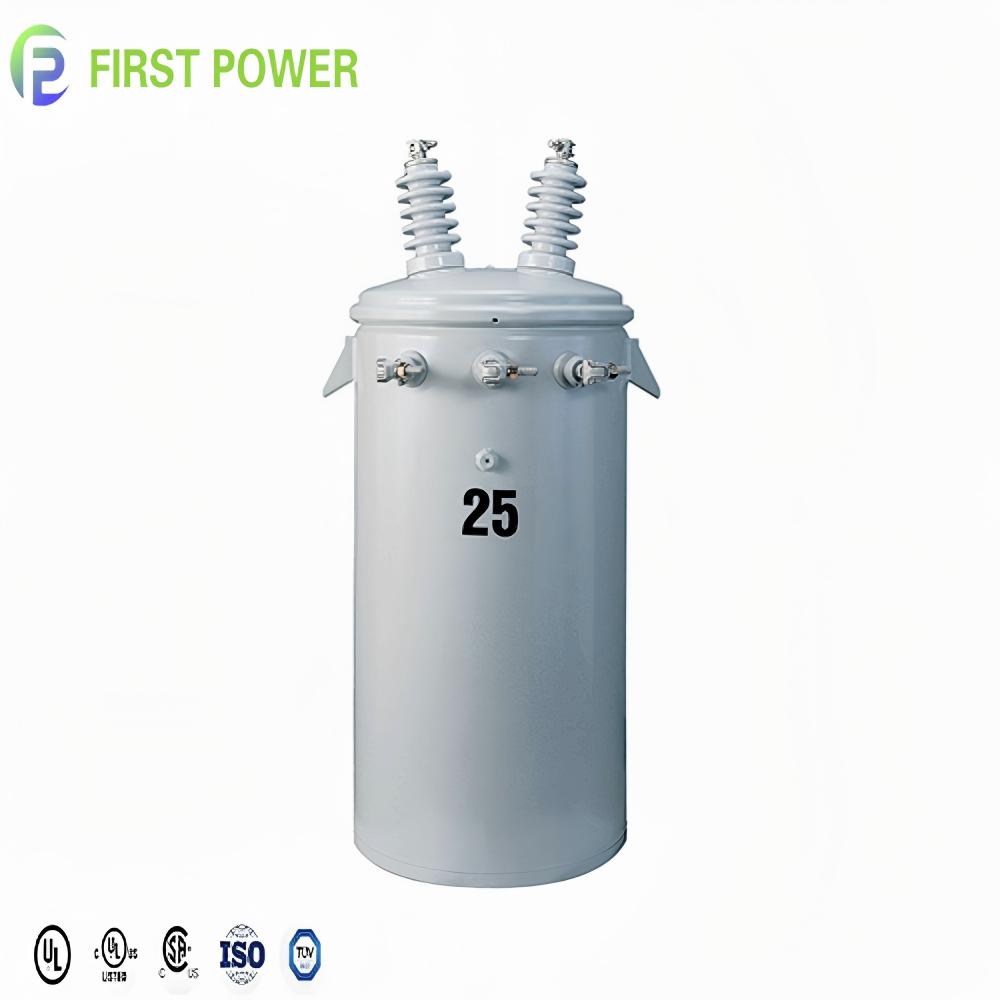
C CE Certification MV&HV 50/60 Hz 6 kV 10 kV 20 kV 35 kV 25 kVA Single Phase Transformer for Electric Power Distribution
Small-footprint single-phase distribution unit for residential clusters, rural feeders, lighting circuits and isolated loads. Confirm primary voltage and mounting arrangement before quotation.
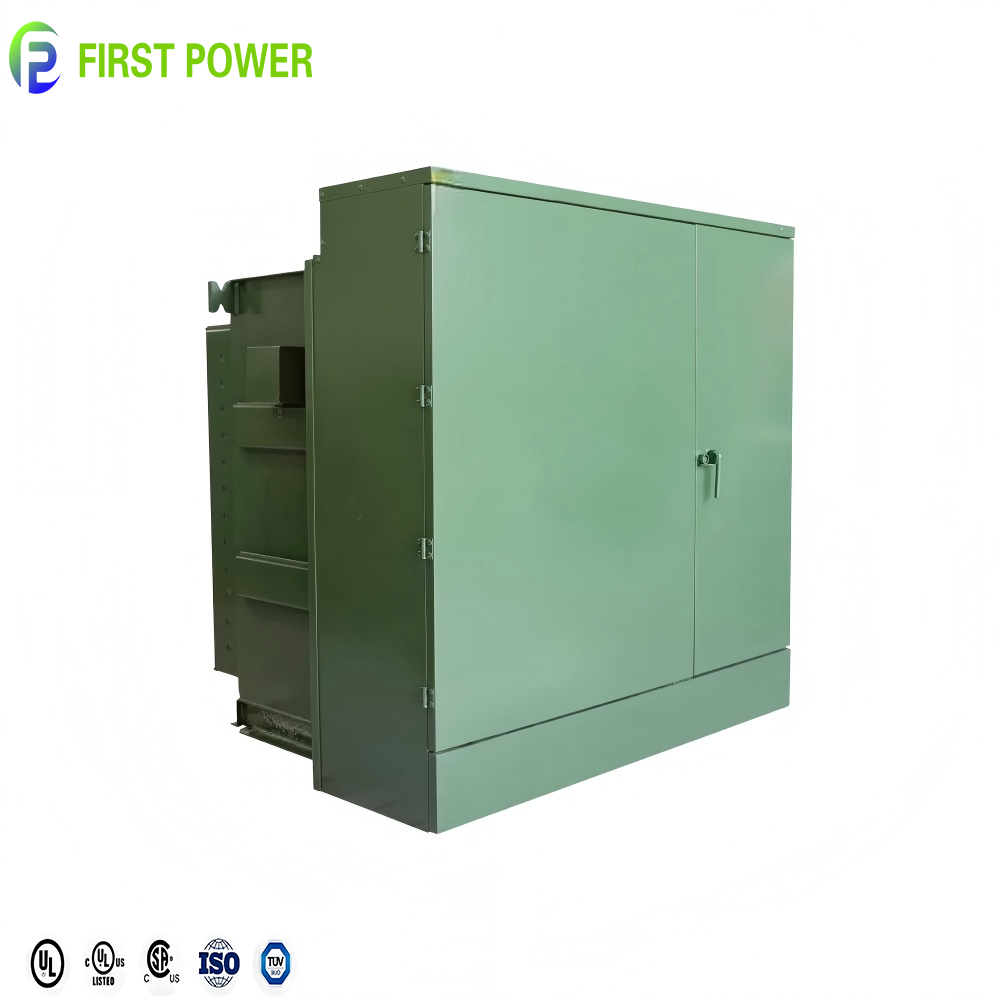
C CE 50/60 Hz 10 kV 20 kV 35 kV 300 kVA 500 kVA 630 kVA 750 kVA Three Phase Pad Mounted Transformer for Electric Power Distribution
Three-phase pad-mounted range for mixed-use developments, campuses, commercial compounds and compact distribution points where outage visibility and public safety matter.
Search intent decoded
Kampala Power Isolation Transformer Buying Guide: From 11 kV Distribution to Sensitive-Load Protection
A Kampala transformer enquiry rarely begins with a catalogue part number. It begins with a real constraint: a new production line needs 1,000 kVA at 415 V; a hotel cannot accept oil risk in a plant room; a solar developer needs a 33 kV step-up unit; or an EPC must replace an ageing transformer before the next rainy season.
For buyers searching “power isolation transformer suppliers in Kampala”, the most useful supplier is not the one that merely quotes kVA. It is the one that asks about 50 Hz operation, the actual MV voltage, vector group, impedance, tap range, ambient conditions, earthing, lightning exposure, indoor or outdoor placement, cable termination and the required test documentation. Those details determine whether a transformer is technically suitable, insurable and easy to maintain over 20 to 30 years.
A power isolation transformer is specified when galvanic separation, transient attenuation, clean local earthing or a dedicated voltage ratio is needed. Many distribution transformers naturally isolate primary and secondary circuits, but a true isolation duty may require shielded windings, a 1:1 ratio, low inter-winding capacitance, electrostatic screens or a separate auxiliary winding. In Kampala tenders, clarify the intended function: utility distribution, voltage adaptation, VFD protection, noise isolation, medical/IT clean earth or PV inverter separation.
Typical Uganda MV distribution uses 50 Hz equipment at 11 kV or 33 kV, with LV distribution at 415 V three-phase and 240 V single-phase. A common specification is Dyn11, off-circuit taps, impedance in the range required by the fault study, and a corrosion finish suited to humid, dusty and lightning-prone conditions. Kampala’s altitude is not a major derating driver at roughly 1,200 m, but site conditions, enclosure ingress protection, ventilation, oil preservation and surge protection must still be confirmed.
That is why supplier evaluation should go beyond price. A credible exporter provides factory test reports, verifiable quality certificates, drawings, nameplate approval, packing records and a clear Incoterm. The goal is not simply a lower initial quote; it is a complete, documented unit that can pass engineering review, arrive safely through Mombasa or Dar es Salaam, and enter service without weeks of clarification.
What to include in a Kampala RFQ
- Rated power, voltage ratio and frequency (50 Hz)
- Type: oil-immersed, dry type, pad mounted or isolation duty
- Vector group, impedance, tap range and losses
- Indoor/outdoor location, IP rating and corrosion class
- Standards: IEC 60076, IEEE C57, or project specification
- Test reports, witness inspection and delivery port
Local application scenarios
Where Power Isolation and Distribution Transformers Are Used in Greater Kampala
The right transformer choice depends on the load profile and the physical site. The scenarios below reflect common discussions with developers, factories, EPCs and facility teams in and around Kampala.
Namanve industrial and logistics sites
Factories and warehouses need robust three-phase supply for motors, pumps, compressors and production lines. A 630–1,250 kVA oil-immersed unit at 11 kV/415 V is often reviewed, with low-loss cores, adequate short-circuit strength, spare cable boxes and C4-level corrosion protection.
- Oil-immersed or pad-mounted three-phase
- Fault level and motor-starting study
- Spare parts and oil test planning
Hospitals, hotels and indoor plant rooms
Fire safety and noise are decisive in Kololo, Nakasero and other dense commercial areas. Cast-resin dry-type transformers reduce oil-fire risk and are easier to integrate into indoor electrical rooms, subject to ventilation and ambient temperature design.
- Dry-type 400–1,600 kVA class
- Low noise and fire-sensitive design
- Coordination with LV switchgear
Solar PV and captive generation
Solar developers need step-up transformers that tolerate harmonic-rich inverter output and cyclic loading. Low-loss oil-immersed PV transformers, 1 MW / 1,000 kVA and above, support grid interconnection and reduce lifetime energy losses.
- Solar PV transformer duty
- 33 kV class interconnection review
- Low loss and temperature rise
Commercial developments and mixed-use estates
Supermarkets, apartment blocks, schools and office parks often prefer pad-mounted three-phase units because they keep cables underground and place equipment outside valuable building space. Dead-front design, locked compartments and loop-feed arrangements improve safety and service continuity.
- 300–750 kVA pad-mounted range
- Loop or radial feed configuration
- Tamper-resistant enclosure
Water pumping, VFDs and sensitive loads
Variable-frequency drives, pumping stations and test benches can inject harmonics and transients. A dedicated isolation transformer may be specified with electrostatic shielding, K-factor or derating, and low impedance selected against the drive manual rather than guessed.
- Isolation duty and shielding review
- Harmonic and transient assessment
- Earthing and neutral arrangement
Utility distribution and residential feeders
Distribution transformers link MV feeders to 415 V and 240 V service. Single-phase units support residential clusters and lighting, while three-phase pad-mounted or pole-mounted units serve growing neighbourhoods and commercial corridors.
- Single-phase and three-phase options
- Loss evaluation and load growth
- Surge arresters and earthing
Kampala market trends
Local Trends Shaping Transformer Procurement in Uganda
Kampala’s demand is moving from simple “replace the failed unit” buying toward specification-led procurement. That shift rewards suppliers who can document design, losses, tests, compliance and delivery.
1. Load growth in Greater Kampala
Housing, commercial centres, logistics and industrial parks are pushing distribution capacity upward. Buyers increasingly evaluate load growth, future paralleling and spare capacity instead of selecting the minimum kVA.
2. Loss reduction and lower total owning cost
Energy efficiency and no-load loss matter over decades of service. Procurement teams are comparing guaranteed losses, not only purchase price, and asking for test verification of no-load and load-loss values.
3. Pad-mounted and underground distribution
Commercial compounds, campuses and new developments favour pad-mounted units for safety, tamper resistance and better use of land. Dead-front design and cable-friendly layouts are increasingly requested.
4. Solar PV and distributed generation
Solar projects require transformers designed for inverter duty, cyclic load and harmonic content. Buyers are asking for loss guarantees, thermal performance and grid-compatible voltage ratios from early design.
5. Fire safety and indoor dry-type use
Hospitals, hotels, data rooms and high-rise buildings prefer oil-free equipment where fire risk and clean installation are priorities. Correct ventilation and ambient derating remain essential to reliable operation.
6. Compliance and traceable documentation
Imported equipment must be checked against project specifications, IEC or IEEE requirements and local import documentation expectations. Test reports, CE/ISO evidence and clear nameplate data reduce approval delays.
Procurement evaluation emphasis for Kampala transformer enquiries
Qualitative weighting based on typical EPC and facility-team enquiries; it is not a statistical market forecast.
Supplier due diligence
How to Identify a Trusted Exporter for Kampala, Not Just a Low-Cost Catalogue
Use this checklist before you approve any power isolation transformer supplier or exporter for a Kampala project.
Verify the manufacturing base
Ask for factory address, production floorspace, main equipment and evidence of third-party inspection. Wisegj’s company profile states 6,847 m² of verified production floorspace and TÜV Rheinland verification.
Check certificates by number
Look for ISO 9001, ISO 14001 and ISO 45001 management-system certificates, plus CE evidence where applicable. Verify certificate numbers and validity dates directly rather than accepting a logo alone.
Review factory tests, not just datasheets
Every unit should receive routine tests: winding resistance, ratio and vector group, impedance and load loss, no-load loss and current, applied and induced voltage tests, plus oil dielectric strength for liquid-filled units.
Confirm real grid compatibility
Detail 50 Hz, 11 kV or 33 kV input, 415 V/240 V output, vector group, impedance, taps, neutral arrangement, earthing and surge protection. A generic “export transformer” is not enough for a Kampala fault study.
Demand complete export documents
Ask for GA drawings, nameplate draft, test reports, packing list, commercial invoice, bill of lading support, country-of-origin documents and O&M manuals. Confirm who handles UNBS, URA and port clearance.
Test the response quality
A capable exporter responds with questions, drawings and a clear technical route. Wisegj states a 24-hour engineer response target, OEM/ODM capability and support for FOB, CIF, DDP and other Incoterms.
Company advantage
Why Wisegj Is a Credible Manufacturing Export Partner for Kampala Projects
Jiangsu Wisegj Power Co., Ltd. is a Suzhou-based manufacturer and exporter of pad-mounted, oil-immersed, dry-type and power transformers, compact substations and switchgear from 220 V up to 500 kV. For Kampala buyers, the advantage is not a local showroom claim; it is a documented factory route that can be audited before order.
Wisegj’s engineering team reviews the project before quotation. That means the offer should reflect the actual transformer duty: rated power, voltage ratio, vector group, impedance, tap range, cooling, insulating fluid, bushings, enclosure and the applicable IEC 60076 or ANSI/IEEE C57.12 standard. For Kampala, this review should also capture corrosion class, humidity, lightning exposure, site altitude, transport route and the buyer’s import documentation requirements.
Production is described as running under ISO 9001, ISO 14001 and ISO 45001 management systems, with CE certificates for oil-immersed power transformers, dry-type transformers and compact substations. The original website also names TÜV Rheinland verification, supply to Fortune 500 companies, OEM/ODM customization, finished-product inspection on every unit and 24-hour pre-sale and after-sale response. These are the verifiable trust signals a Kampala procurement team should test during the supplier qualification process.
Routine testing is documented for each serial number. For liquid-filled units, oil dielectric strength testing is included alongside ratio, resistance, loss, impedance and voltage withstand tests. Third-party witness inspection can be discussed so the buyer’s QA team receives evidence before shipment, not after arrival. Export support covers seaworthy packing, shock indicators and Incoterms ranging from EXW to DDP, with payment options such as T/T, L/C, D/P and D/A in major currencies.
Factory-tested scope buyers can request
- Winding resistance and voltage ratio
- Vector group, impedance and load loss
- No-load loss and no-load current
- Applied and induced voltage withstand
- Oil dielectric strength for oil-filled units
- Third-party witness inspection on request
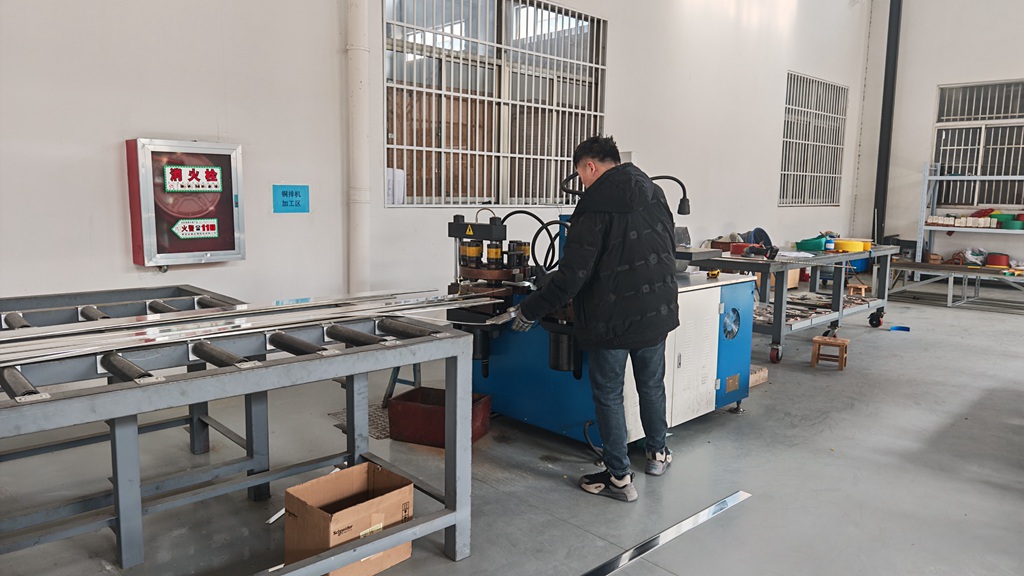
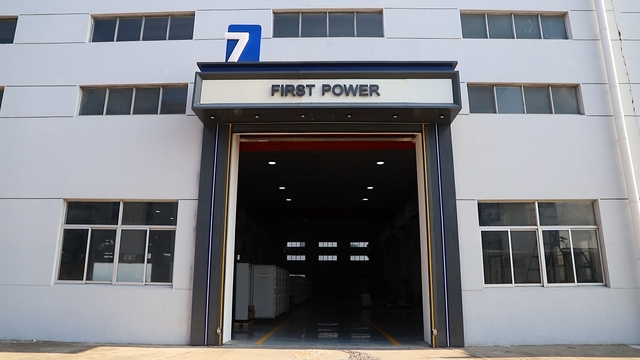 Factory and company overview
 Assembly workshop
 Testing laboratory
Local procurement FAQ
Frequently Asked Questions from Kampala Transformer Buyers
Practical answers for utilities, EPC contractors, facility managers and importers evaluating power isolation transformer suppliers.
Are you a Kampala-based transformer supplier or an exporter?
Which transformer type is most suitable for Kampala projects?
Can you design for Uganda’s 50 Hz, 11 kV/33 kV and 415 V/240 V networks?
How do you protect transformers against Kampala humidity, dust and lightning?
Which factory tests are performed before shipment?
What is the typical lead time and shipping route to Kampala?
What documents are needed for Uganda import and customs clearance?
Can transformers be customized and what are the trade terms?
What information gives the fastest, most accurate quote?
Send Your Kampala Transformer Specification for Engineer Review
Share your kVA, voltage ratio, 50 Hz requirement, vector group, impedance, cooling, indoor/outdoor conditions and delivery port. The engineering team can review the technical scope and prepare a project-specific quotation with drawings, testing and export documentation.