Bago Market Intelligence · 50 Hz · IEC / IEEE · Factory-Verified
Top Trusted Power Circuit Breaker Factory & Exporters for the Bago market
A technical buyer’s guide for utilities, EPC contractors, rice mills, textile plants, agro-processors and commercial estates in Bago — coordinating circuit breakers, RMUs, transformers and compact substations into one auditable, humidity-ready package.
Company verification data from Wisegj’s public profile and TÜV Rheinland-verified production information.
Why Bago Buyers Need a Circuit Breaker and Transformer Strategy, Not Two Separate Purchases
The strongest procurement teams in Bago are not simply comparing breaker prices. They are matching fault level, transformer impedance, relay settings, cable size, monsoon resilience and spare-part logistics before the first drawing is approved.
Bago is an agricultural, logistics and light-manufacturing corridor. Rice mills, edible-oil plants, rubber processing lines, garment factories, cold rooms, water-pumping stations, township networks and commercial estates share one electrical trait: they are load-sensitive. A breaker trip on an 11 kV feeder does not only stop one machine; it can interrupt a production batch, stress motors, damage a refrigeration cycle and delay a container. This is why the search intent behind “trusted power circuit breaker factory & exporters for the Bago market” is rarely about buying a box alone. It is about finding a coordinated protection and transformation package that survives Myanmar’s 50 Hz network conditions, monsoon humidity, voltage variation and the practical realities of site maintenance.
Wisegj’s advantage is the ability to evaluate transformer duty and breaker duty together. The portfolio covers transformers from 220 V to 500 kV, oil immersed and dry type units, pad mounted transformers, compact substations and high and low voltage switchgear. For Bago procurement teams, this means a single engineering conversation can cover fault level, relay coordination, transformer impedance, cable size, IP rating, enclosure corrosion class and spare-part logistics. The result is fewer interface gaps between the transformer supplier, breaker manufacturer, EPC contractor and utility inspector.
Use this white-paper-style page as a technical shortlist. The eight product records below are the current factory-linked configurations; all product URLs have been preserved. The application notes translate those records into Bago-specific scenarios, while the later sections explain the local trends, audit documents, factory strengths and FAQ points that influence a defensible purchasing decision.
8 Transformer and Circuit-Breaker-Ready Products for Bago Projects
Each module below links to the existing product record and uses the original product image. The specification notes are written for buyers who must co-ordinate circuit breakers, relays, RMUs and LV distribution around the transformer.
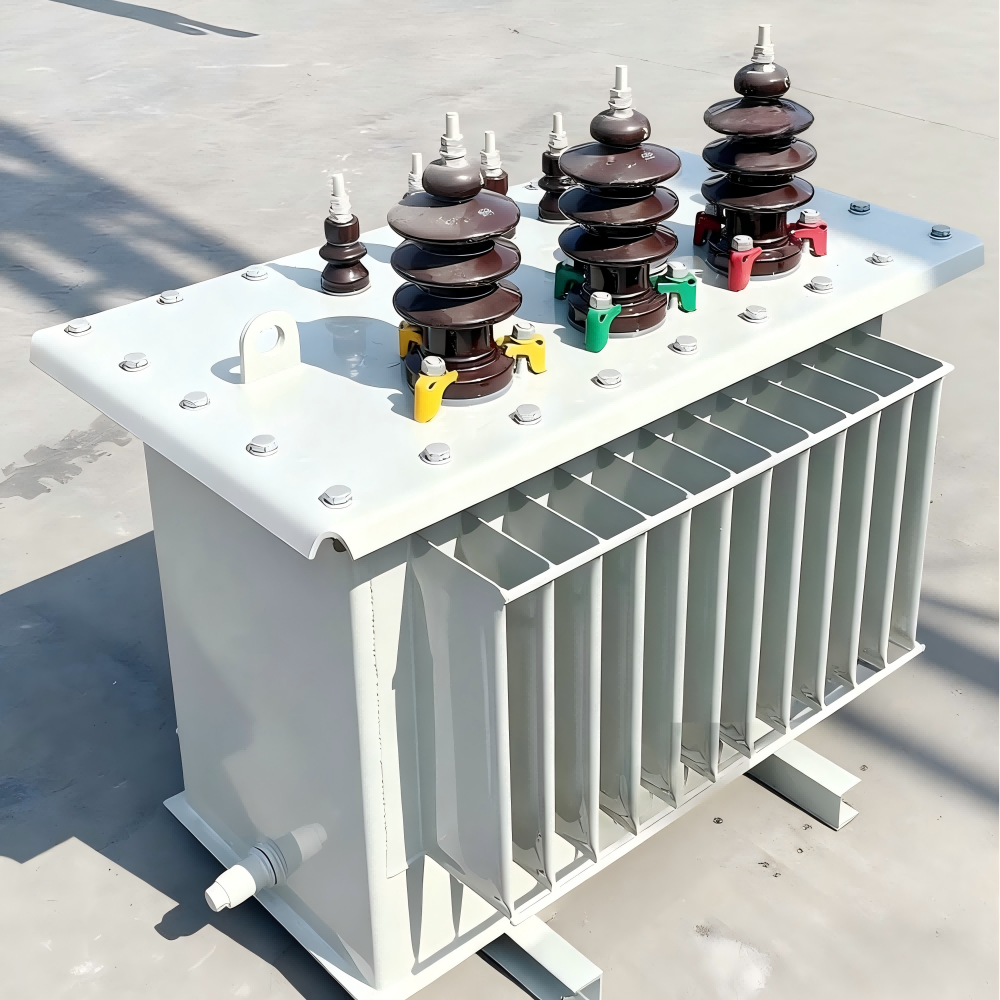
C CE MV&HV 30–31,500 kVA 6–35 kV S11 Three-Phase Oil Transformer
A distribution workhorse for 6.6/11/33 kV Bago feeders serving industrial zones, township substations and larger agro-processing clusters. Pair with VCB, RMU, CT/VT metering and relay-coordinated LV ACBs.
- Rating: 30–31,500 kVA
- Voltage: 6–35 kV class
- Protection fit: VCB / RMU / ACB
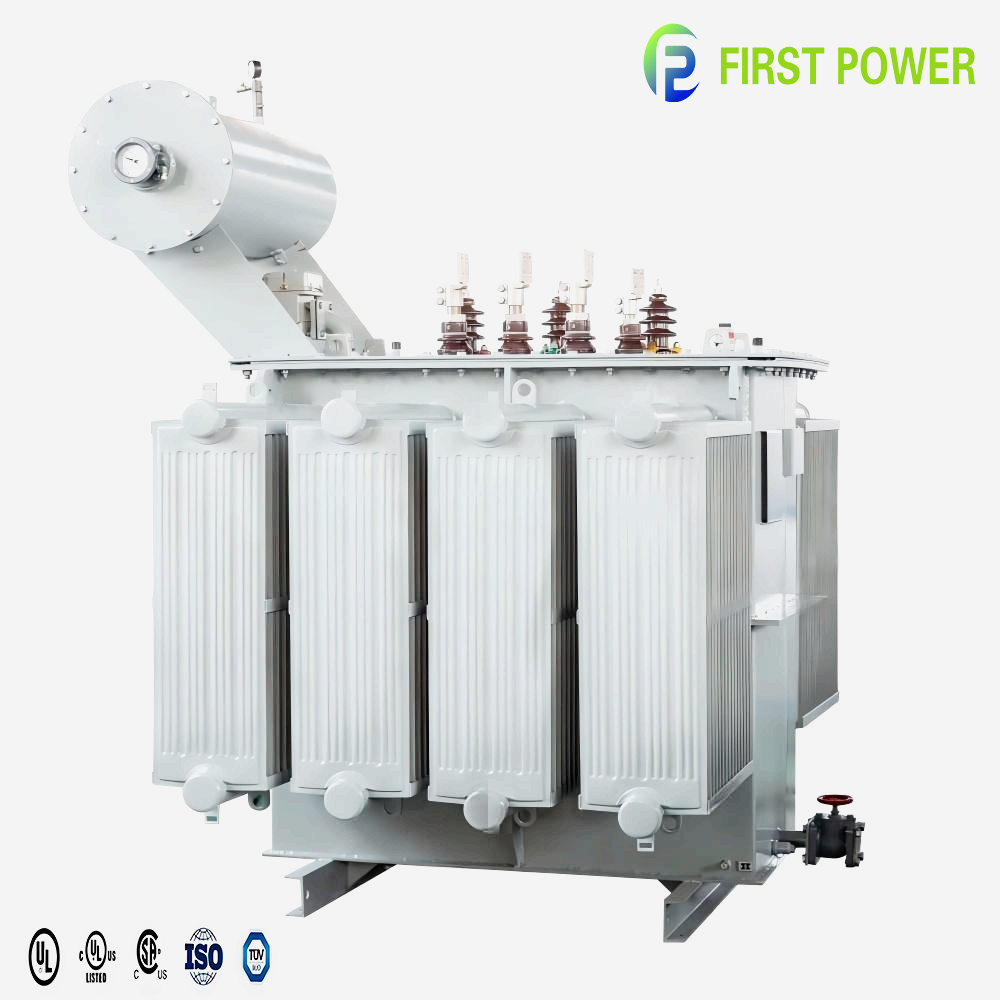
C Certification 50/60 Hz 6–35 kV 1,000 kVA / 1 MW Solar PV Transformer, Oil Immersed
Suited to solar irrigation, commercial rooftop PV and hybrid mini-grids where reverse power, harmonics and islanding protection must be designed with the inverter supplier and breaker relay settings.
- Rating: 1,000 kVA / 1 MW class
- Voltage: 6–35 kV
- Protection fit: ACB / VCB / reverse-power relay
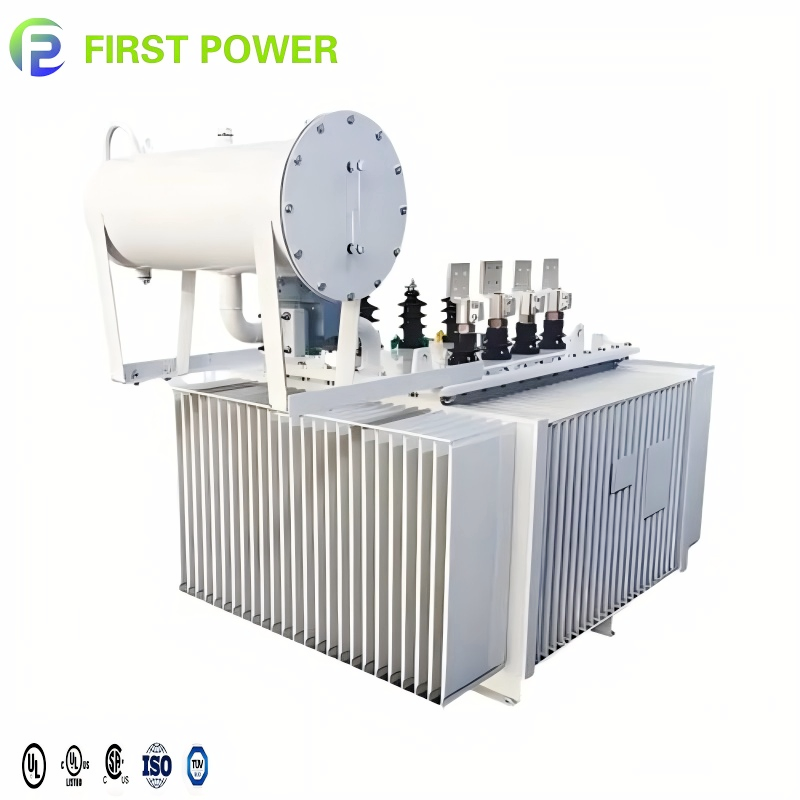
Industrial 10–35 kV 1,000–2,500 kVA Three-Phase Oil-Type On-Load Tap Changer Transformer
A strong option where Bago voltage fluctuates and production cannot tolerate frequent manual tap changes. The OLTC should be coordinated with breaker protection, motor-starting studies and utility voltage limits.
- Rating: 1,000–2,500 kVA
- Voltage: 10–35 kV
- Protection fit: VCB + OLTC control + relays
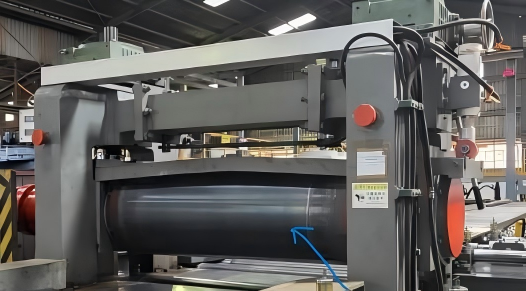
MAIN ROLLER D
A current catalogue mechanical item for project-specific breaker, truck or substation assemblies. Before ordering, share the mating drawing, material requirement, load condition and indoor/outdoor protection needs for engineering confirmation.
- Supply mode: project-specific review
- Documents: drawing and tolerance confirmation
- Use: breaker/substation mechanical interface
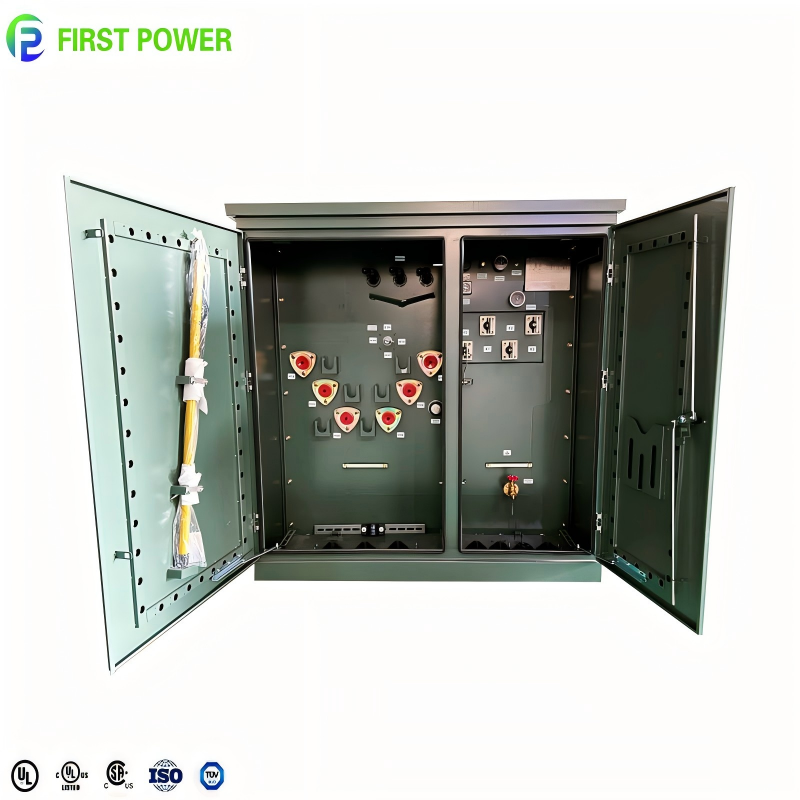
C ZGS11 75 kVA–50,000 kVA 6–35 kV Three-Phase Pad Mounted Transformer
For underground distribution in Bago commercial estates, hospitals, telecom compounds and campus networks where tamper-resistant enclosures and space saving matter. Specify loop or radial feed, fuse/breaker configuration and cable termination.
- Rating: 75–50,000 kVA
- Voltage: 6–35 kV
- Protection fit: load-break switch / fuse / VCB
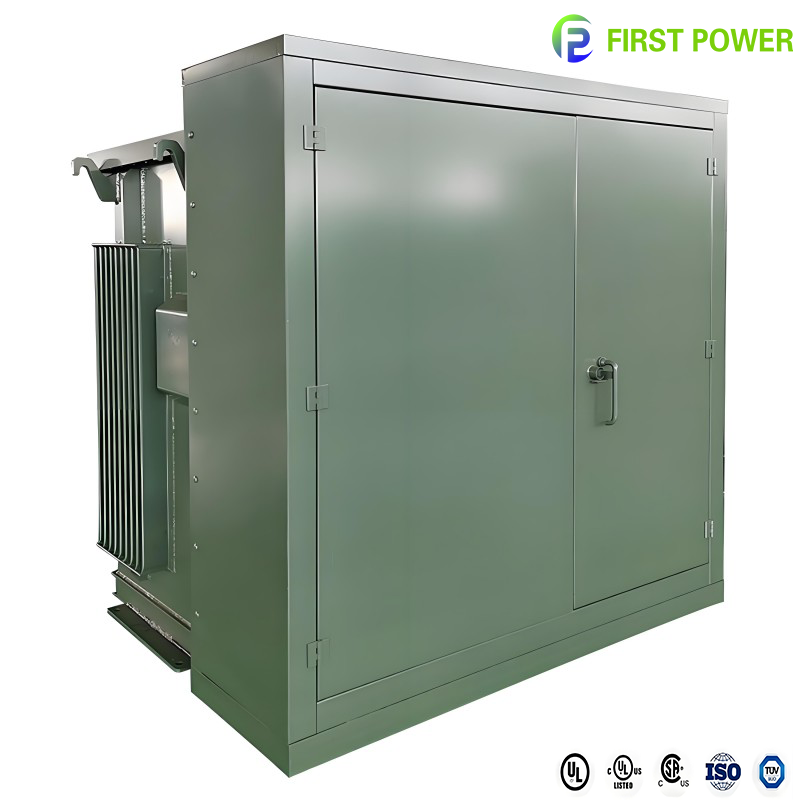
C CE 50/60 Hz 10–35 kV 75–400 kVA Three-Phase Oil-Type Pad Mounted Transformer
A compact public-infrastructure choice for residential clusters, schools, water pumping and light commercial sites. The low profile helps with land constraints, while breaker and fuse selection should follow the utility’s fault level.
- Rating: 75–400 kVA
- Voltage: 10–35 kV
- Protection fit: RMU / load-break switch / LV breaker
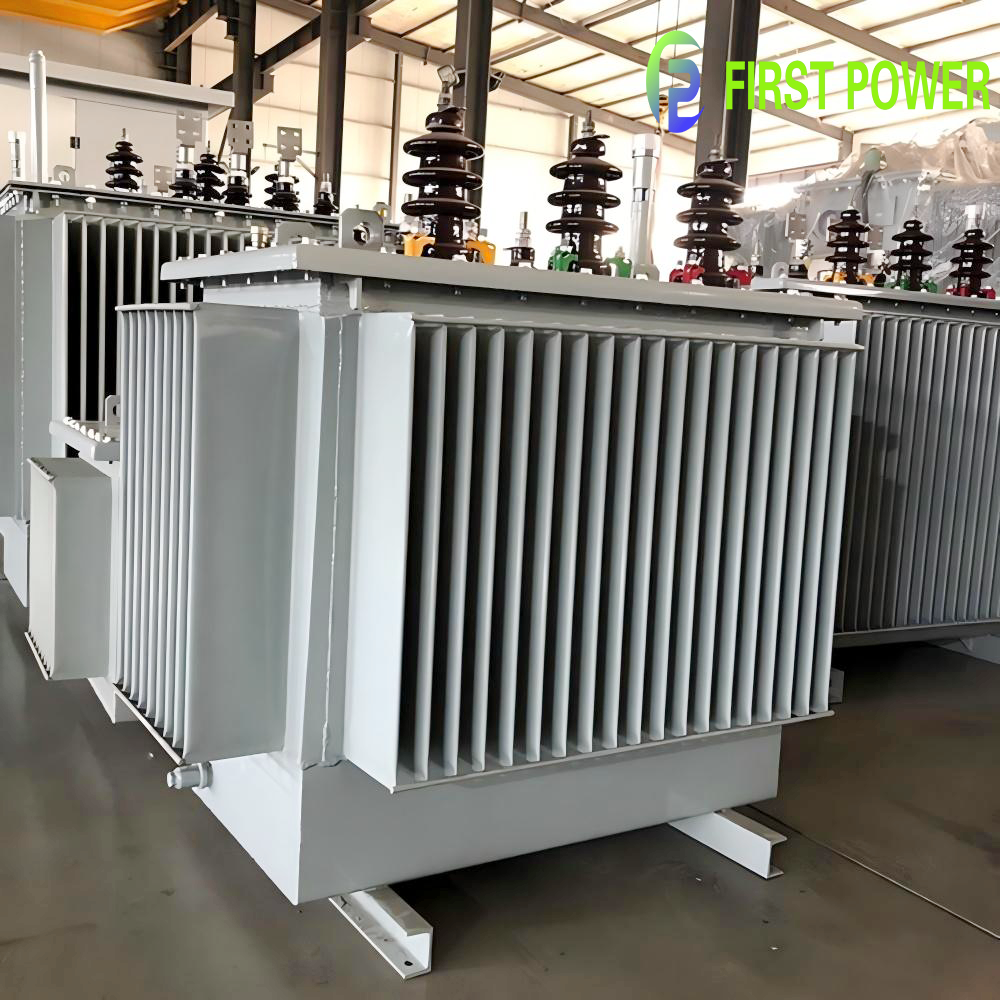
C CE MV&HV S11 50/60 Hz 10–35 kV Three-Phase Oil-Immersed 50 kVA Distribution Transformer
Designed for smaller distribution duties such as rural electrification, small towns, pumping stations and community facilities. Low no-load loss and simple protection make it practical where maintenance access is limited.
- Rating: 50 kVA class
- Voltage: 10–35 kV
- Protection fit: fuse / recloser / LV breaker
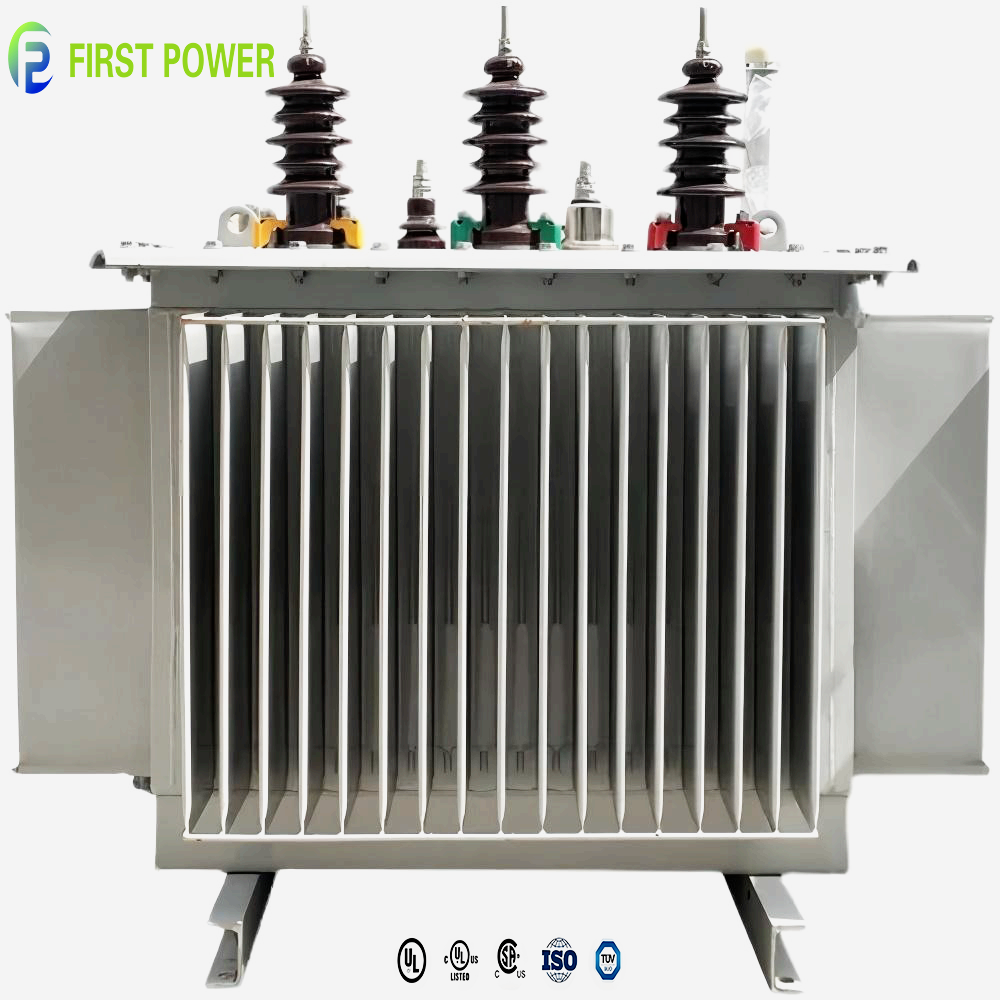
C Certification 60 Hz / 50 Hz S11 Three-Phase 10–35 kV 500 kVA 22 kV/0.4 kV Oil-Immersed Transformer
A 22 kV/0.4 kV distribution configuration for commercial and light industrial supply. Bago projects should explicitly confirm 50 Hz operation, vector group, impedance and breaker short-circuit rating before drawing approval.
- Rating: 500 kVA class
- Voltage: 22 kV / 0.4 kV
- Protection fit: VCB / RMU / LV ACB
Where Circuit Breakers and Transformers Change Outcomes in Bago
Bago’s procurement intent is shaped by load type, monsoon exposure, voltage variation and the cost of downtime. These four scenarios reflect the questions our application engineers hear most often.
Rice, edible-oil and feed mills
Motor starting, frequent load swings and dust require a transformer with suitable impedance and an LV breaker scheme that coordinates with motor protection. An OLTC transformer can stabilise voltage where the utility supply fluctuates, while VCBs at the 11 kV intake reduce maintenance compared with repeated fuse replacement.
Township and rural electrification
For 33/11 kV and 11/0.4 kV networks, the right intent is not simply the lowest kVA price. It is low no-load loss, reliable fuse or recloser coordination, tamper resistance, lifting provisions and documentation that the local utility can approve. S11 oil-immersed units are practical where standardisation and spares availability matter.
Commercial, hospital and telecom sites
Hospitals, telecom compounds, hotels, shopping centres and water-treatment facilities need low noise, fire safety, service continuity and compact footprints. Pad mounted transformers or compact substations can combine MV switching, protection, metering and LV distribution in one enclosure, reducing civil works and site interface risk.
Solar irrigation and resilient microgrids
Solar pumping, biomass and hybrid mini-grids introduce reverse power, harmonics and inverter fault behaviour. A PV transformer should be specified together with ACBs, VCBs, surge protection and relay settings. In Bago, lightning and monsoon exposure make earthing and surge coordination part of the transformer decision, not an afterthought.
How Bago’s Procurement Intent Is Shifting in 2025 and Beyond
Buyers are moving from “lowest first price” to “auditable lifecycle cost”. The change is visible in tender questions about losses, humidity protection, test reports and after-sales response.
Total cost of ownership over sticker price
Rice mills and industrial parks are calculating no-load and load losses over years of operation. High-efficiency transformers and correctly rated breakers reduce electricity waste, nuisance tripping and production interruption.
Monsoon-ready engineering
Humidity, condensation and seasonal flooding push specifications toward anti-condensation heaters, gaskets, corrosion-resistant enclosures, cable-box drainage and elevated foundations. The transformer and breaker enclosure must be designed as one environmental system.
Prefabricated, relay-ready substations
Compact substations and modular breaker panels shorten site work. Bago EPCs increasingly ask for factory-assembled MV switchgear, transformer and LV distribution so that commissioning, spare parts and responsibility sit with fewer suppliers.
Bago project weighting: qualitative decision factors
Indicative weighting used by Wisegj application engineers when reviewing Bago-style tenders; it is a practical scoring aid, not a statistical survey.
Use this chart to align internal stakeholders before shortlisting breaker and transformer suppliers.
Why Wisegj Is Auditable as a Trusted Factory and Export Partner for Bago
Trust should be verifiable. Wisegj’s public credentials, production floorspace, engineering team and test documentation can be reviewed by Bago buyers before a purchase order is released.

Jiangsu Wisegj Power Co., Ltd. is based in Suzhou, Jiangsu, China. The company designs, assembles and exports medium and high voltage equipment from 220 V to 500 kV, including power transformers, distribution transformers, pad mounted transformers, dry type transformers, compact substations, switchgear, distribution boxes and voltage stabilizers.
The engineering team brings more than 20 years of hands-on transformer experience. Production capability, floorspace and quality inspection have been verified onsite by TÜV Rheinland, an independent third-party inspection body. Wisegj also reports a verified production area of 6,847 m², 50+ R&D and technical engineers, 211 qualified supply-chain partners and an average buyer rating of 4.9/5.
For Bago projects, the practical benefit is a supplier that can speak both transformer and protection language. Productions are managed under ISO 9001, ISO 14001 and ISO 45001 systems. CE certificates cover oil-immersed power transformers, oil-immersed transformers, dry type transformers, compact substations and switchgear. Certificate numbers are available for compliance review.
Verified factory capacity
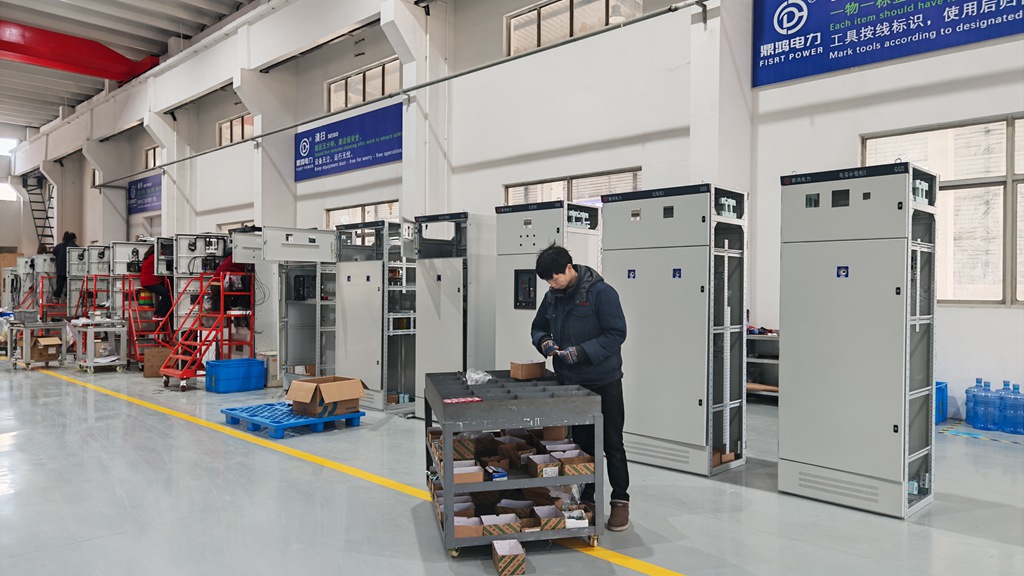
6,847 m² of inspected production floorspace with dedicated winding, core assembly, drying, tanking and testing areas. Buyers can request a video tour and review the assessment report.
Routine testing and documentation
Winding resistance, ratio and vector group, impedance and load loss, no-load loss and current, applied and induced voltage tests, plus oil dielectric tests for liquid-filled units. Third-party witness inspection is welcome.
OEM and design-based customization
Ratings, vector group, impedance, tap range, bushing configuration, cooling method, insulating fluid, enclosure colour and nameplate language can be adapted to utility and EPC specifications.
Export logistics from EXW to DDP
FOB, CFR, CIF, EXW, FCA, CIP, CPT, DDP and related terms are supported. Seaworthy packing, shock indicators, shipping documents and English O&M manuals reduce port and site friction.
Certified management systems
ISO 9001, ISO 14001 and ISO 45001 systems are in place, with CE certification for key transformer and switchgear lines. This gives Bago buyers a clear audit trail for compliance files.
24-hour engineering response
Technical questions and after-sales issues receive a qualified response within one working day. Wisegj has supplied Fortune 500 companies and maintains qualified sources for silicon steel, copper, bushings and accessories.


Matching Circuit Breakers to Transformer Duty in Bago
Do not specify transformer kVA without fault level, protection setting and motor-starting data. This matrix shows the coordination questions that should be resolved before quotation.
| Duty / application | Typical Bago voltage | Protection package to coordinate | Primary buyer intent | Engineering check before order |
|---|---|---|---|---|
| 33/11 kV township distribution | 33 kV, 11 kV, 400 V | VCB, RMU, recloser, relay, LV ACB | Reliable supply, low losses, standardised spares | Utility-approved vector group, fault level, relay curve and earthing |
| 11/0.4 kV rice mill or agro-industrial plant | 11 kV, 230/400 V | VCB intake, LV ACB, motor protection relays | Reduced downtime from voltage swings and motor starts | Transformer impedance, motor-starting current, harmonic load and cable size |
| Compact substation for commercial estate | 11 kV or 33 kV, 400 V | RMU, VCB, LV distribution, metering | Fast installation, small footprint, single responsibility | IP rating, ventilation, corrosion class, foundation drainage and cable entry |
| Solar PV or hybrid mini-grid | 0.4/11 kV or 11/33 kV | ACB, VCB, reverse-power relay, surge protection | Safe grid interconnection and inverter compatibility | Harmonics, inverter fault current, islanding settings and lightning risk |
| 22/0.4 kV pad mounted public infrastructure | 22 kV, 400 V | Load-break switch, fuse, VCB, LV breaker | Tamper resistance and public safety | Enclosure access, loop/radial feed, flood level and utility sealing requirements |
For Bago market enquiries, confirm 50 Hz operation, local utility voltage class, altitude, ambient temperature and short-circuit level. Specifications outside the published ranges can be engineered on request.
What Local Procurement Teams Ask Before Ordering
Straight answers for utility buyers, EPC contractors, factory owners and project developers comparing power circuit breaker factories and exporters for the Bago market.
Do you supply power circuit breakers together with transformers for Bago projects?
What voltage and frequency should be specified for Bago?
How are breaker and transformer packages protected against Bago humidity and monsoon flooding?
Which factory tests and documents can we review before shipment?
Can you customize equipment for Myanmar utility requirements or EPC specifications?
What is the minimum order quantity and lead time?
What trade and payment terms are accepted?
How do we get a fast, accurate quotation for a Bago project?
Send Your Bago Specification for a Coordinated Breaker and Transformer Review
Share your datasheet, single-line diagram or tender document. A transformer engineer — not a generic sales script — will review the duty, protection interface, humidity requirements and documentation package before quotation.
Contact Us