8 Distribution Products Frequently Specified With LV Switchgear Cabinets
Low voltage switchgear cabinets sit downstream of transformers and upstream of production lines, HVAC systems, data racks and building services. These are eight transformer and distribution products often reviewed together with cabinet packages for Turin and Piedmont projects.
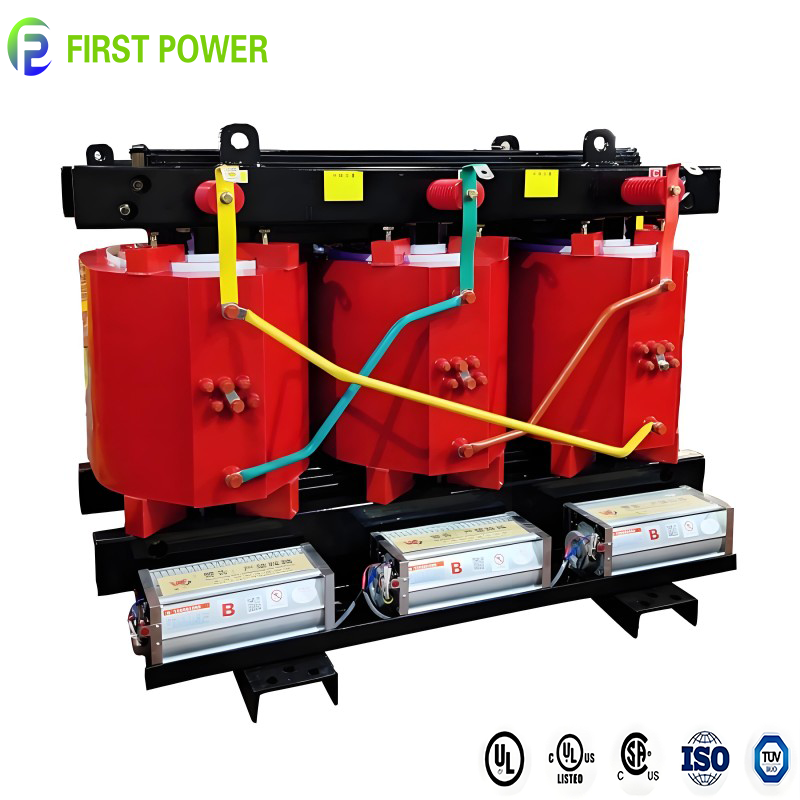
C CE Certification IEEE Standard 50/60HZ 5MVA 6MVA 6KV 35KV 3 Phase Dry Type Transformer for Electric Power Distribution
Dry-type distribution transformer for projects where fire safety, indoor installation and a clear LV interface are important.
View product details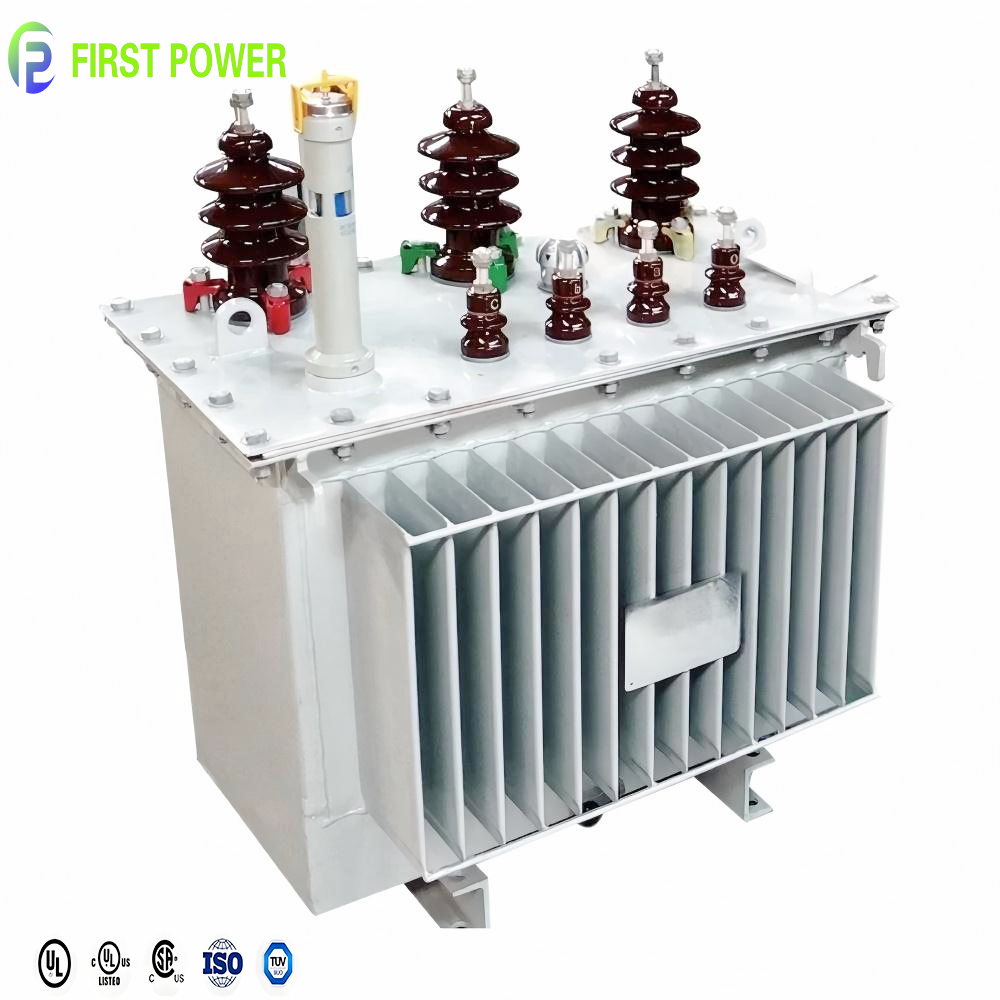
C CE 10KV 20KV 35KV 50KVA 100KVA 200KVA 300KVA 400KVA 500KVA Electric Oil Immersed Transformer for Industrial Power Supply
Oil-immersed transformer for factories and industrial plants that need robust 10–35 kV distribution and flexible LV connections.
View product details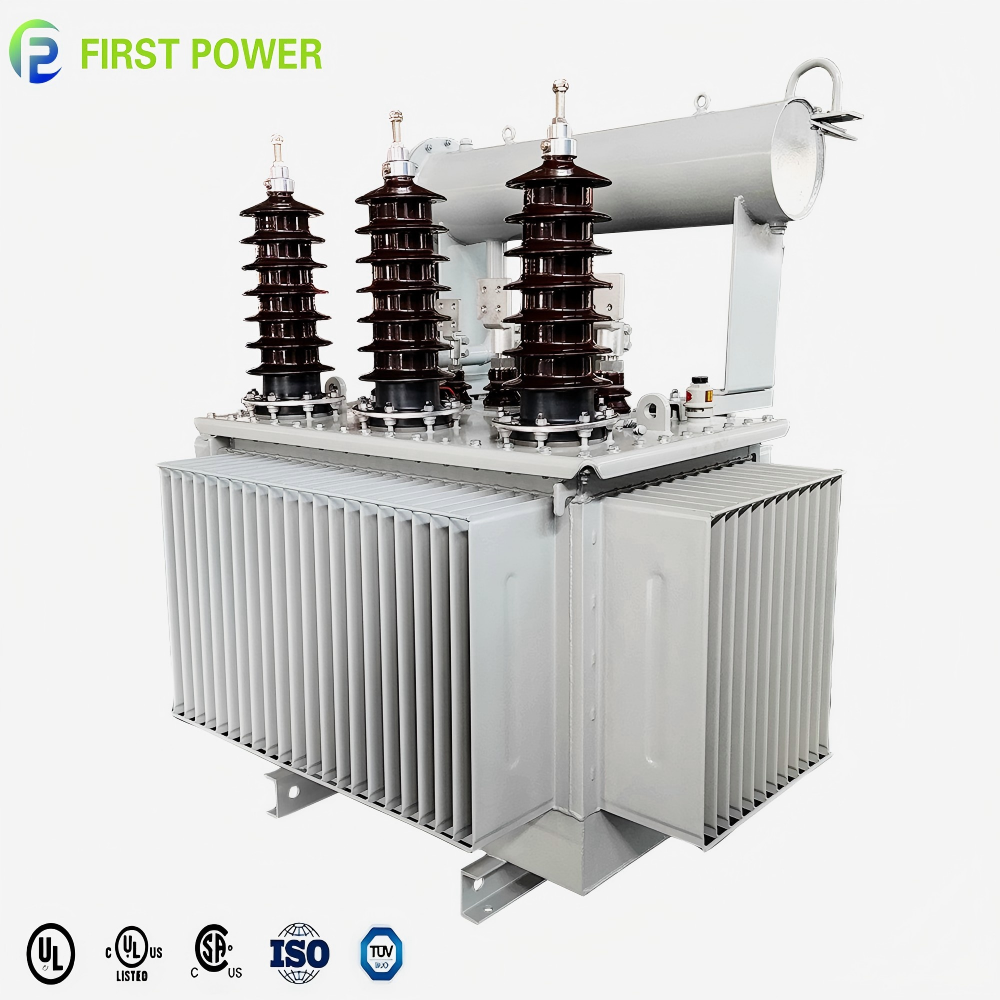
C CE Certification IEEE Standard 50/60HZ S11 Three Phase 33KV Oil Immersed Power High Voltage Transformer for Industrial
33 kV S11 oil-immersed power transformer for industrial substations, step-down duty and reliable distribution interfaces.
View product details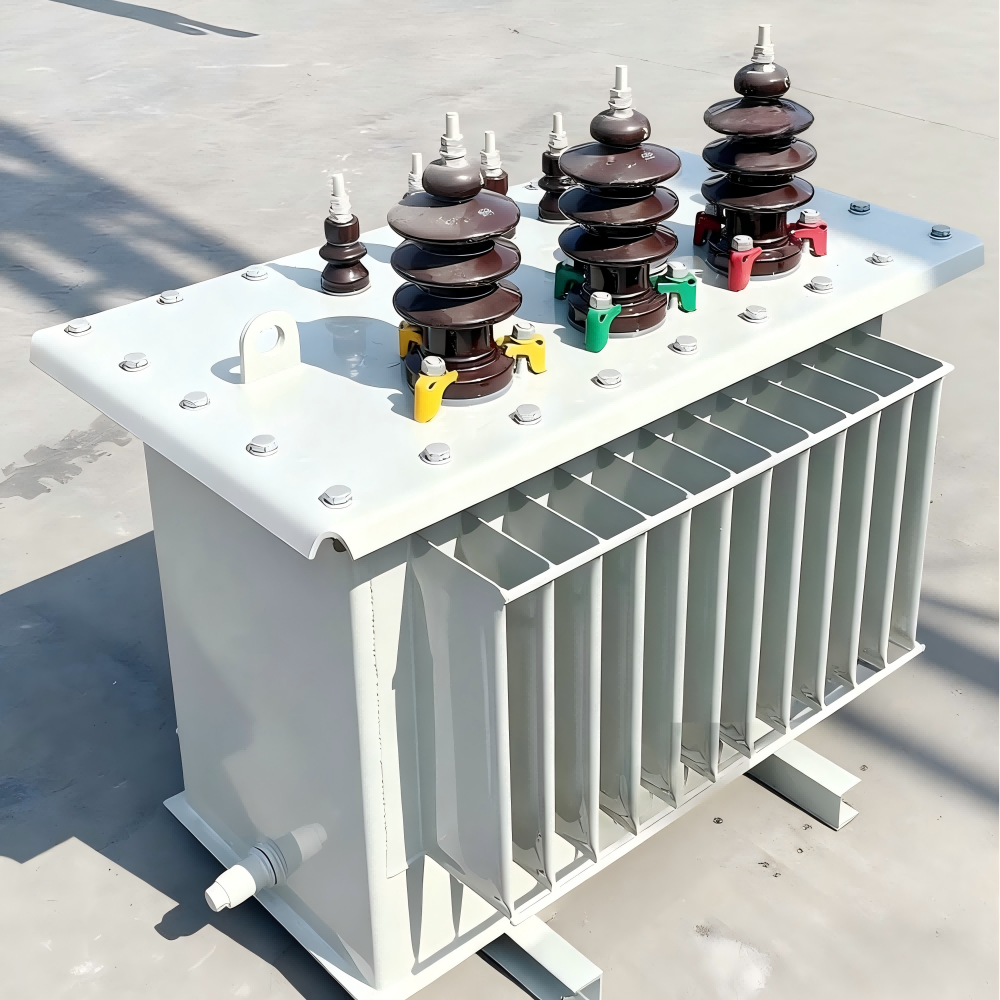
C CE MV&HV 30-31500KVA 6KV 10KV 15KV 20KV 35KV S11 Three Phase Oil Transformer for Electric Power Distribution
Broad-range S11 three-phase oil transformer for power distribution projects from 6–35 kV with project-specific LV outputs.
View product details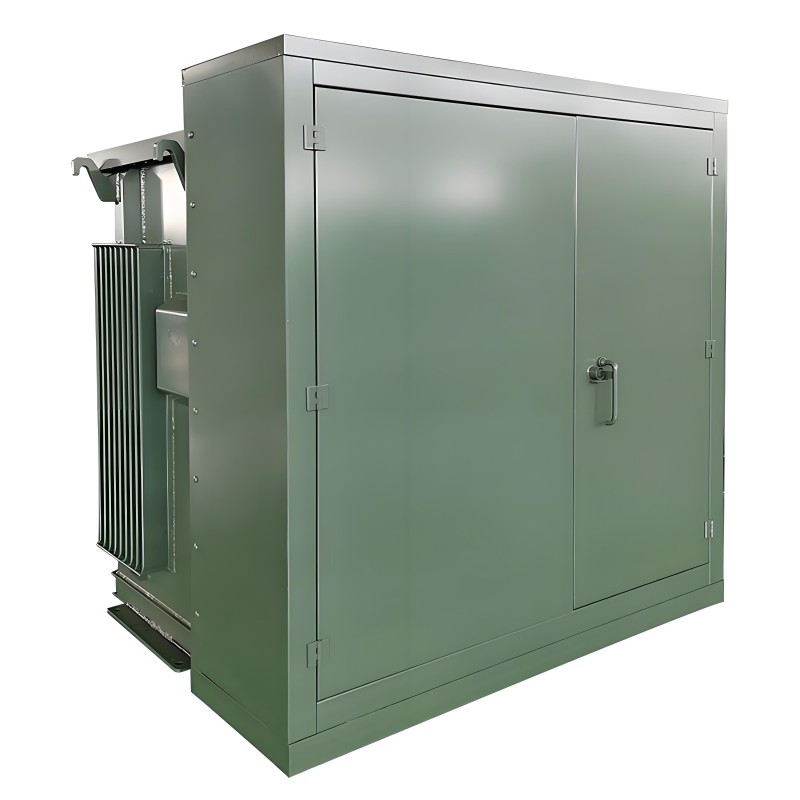
C Certified 75-2500KVA Oil Type Three-Phase Pad-Mounted Transformer 480V Output Voltage 35KV Input Voltage 50/60HZ
Pad-mounted transformer for compact outdoor distribution, commercial sites and projects needing 35 kV input with 480 V output.
View product details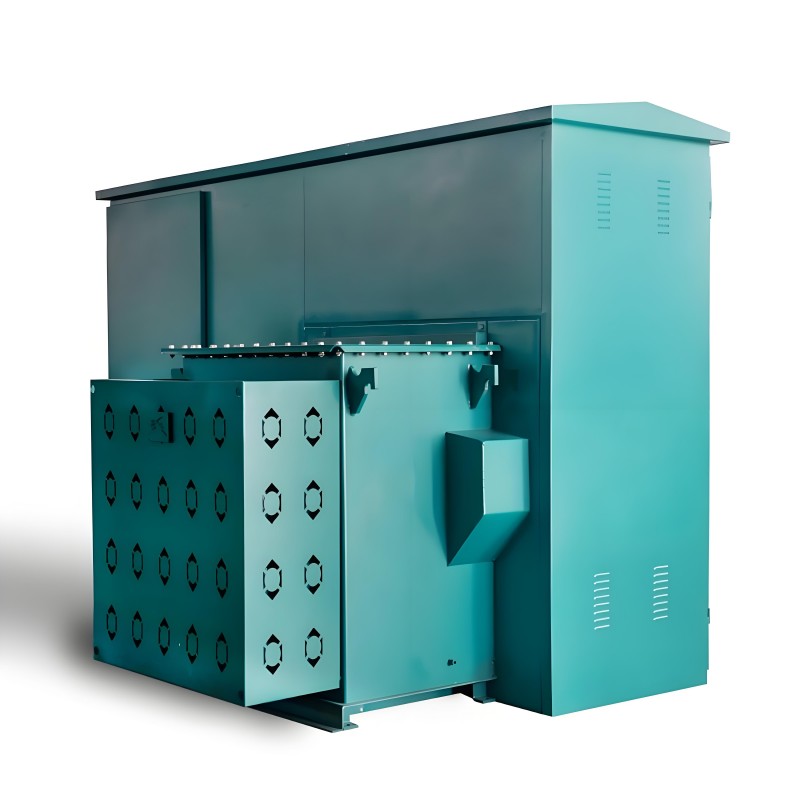
C Certified Oil-Type Cooper 75-2500kva Pad Mounted Transformer 6kv-34.5kv 50/60hz Dead Front Three Phases
Dead-front pad-mounted transformer with a 6–34.5 kV primary range for underground distribution and space-conscious sites.
View product details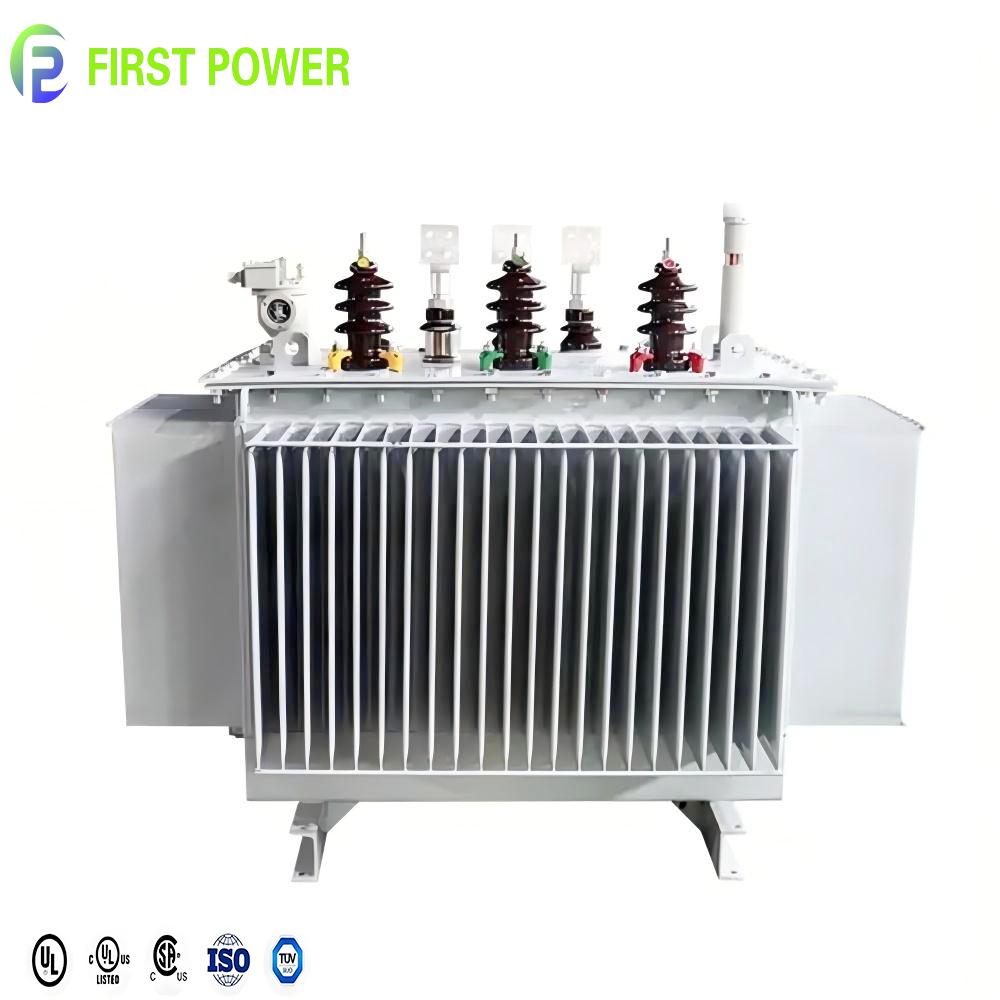
C CE S11 10KV 20KV 35KV 50KVA 100KVA 150KVA 200KVA 250KVA 3 Phase Oil-Immersed Transformer for Electric Power Distribution
S11 oil-immersed distribution transformer for utility, commercial and small industrial loads in the 50–250 kVA class.
View product details
MAIN ROLLER D
Catalogue item for project-specific quotation. Share drawings, material requirements and quantity details with our engineering desk for a compatible offer.
View product detailsWhat Turin Buyers Actually Evaluate in a Low Voltage Switchgear Cabinet
The Turin market does not buy LV switchgear cabinets as isolated commodities. Buyers compare the cabinet against the transformer, the protection scheme, the building services and the maintenance reality of the site.
Turin is one of Italy's most concentrated engineering and manufacturing markets. Automotive suppliers, aerospace and precision-engineering companies, machine-tool builders, commercial landlords, data-centre operators and public infrastructure managers all depend on stable Low Voltage distribution. In this environment, a low voltage switchgear cabinet is the controlled interface between the transformer, the utility connection and every production line, HVAC plant, lift, pump, electric vehicle charger and IT rack on site. The purchasing decision therefore moves beyond price per cabinet and asks whether the assembly can preserve selectivity, dissipate heat, withstand fault current, support maintenance and satisfy the documentation expected by the designer, insurer and network operator.
International buyers comparing exporters for the Turin market should look for a supplier that can discuss IEC/EN 61439 assemblies and transformer coordination together. Wisegj's engineering team brings more than 20 years of transformer and power distribution experience, with 50+ R&D and technical engineers, a 6,847 m² verified production floor and 211 qualified supply-chain partners. That matters because LV cabinets are usually part of a package: the transformer, incoming feeder, busbar system, protection devices, metering and surge protection all have to be engineered as one system.
Local details influence the specification. Italy operates at 50 Hz with 230/400 V LV distribution, CE marking and a declaration of conformity are part of the compliance evidence, and the interface with the local network operator must be checked by the project's electrical designer. In brownfield Turin sites, available plant-room space, access routes, noise limits and the need for staged shutdowns can be more important than a small price difference. A cabinet that is difficult to maintain or impossible to expand can cost more over ten years than the initial tender saving.
Six checks that separate a low-price cabinet from a bankable LV switchgear package
- CE Declaration of Conformity, IEC/EN 61439 design verification and routine test records.
- Thermal engineering for ambient temperature, ventilation, installed devices and busbar rating.
- Protection coordination: fault level, selectivity, back-up protection and transformer inrush.
- Digital layer: energy metering, communication protocol and power-quality visibility.
- Enclosure details: IP rating, form of separation, front access and cable entry.
- Through-life support: spare parts, nameplates, O&M manuals and engineer response time.
Export Strength Behind Every Turin Quotation
Wisegj's production data and third-party verification help procurement teams build an auditable supplier file before the first order.
Turin and Piedmont Application Scenarios for LV Switchgear Cabinets
The same cabinet standard can produce very different designs once the load profile, plant-room constraints and maintenance culture are known.
Automotive and precision manufacturing
Turin's vehicle and component supplier network runs robotic cells, welding lines, compressors and paint plants with high harmonic content. LV switchgear cabinets should be laid out for motor control, feeder spares and maintenance access during limited shutdown windows. Specify fault level, derating for high ambient, clear labelling and spare-device strategy for Italian maintenance teams.
Commercial buildings and hospitality
Hotels, offices, retail and mixed-use buildings often have constrained technical rooms. Compact cabinets, front access, low noise and clear segregation help. In historic Turin buildings, cable routes and fire compartmentation can drive the design as much as connected load, so cabinet dimensions and cable-entry positions should be fixed early.
Data centres, telecom and IT loads
Turin's growing digital and telecom loads need redundancy, metering and power-quality visibility. ATS, dual feeders, generator interface and remote monitoring should be defined at RFQ stage. For mission-critical rooms, the LV switchgear cabinet must be reviewed together with UPS topology, cooling load and maintenance bypass procedures.
Renewables and district heating
PV, heat pumps, cogeneration and district-heating electrification create bidirectional or variable loads. Coordinate cabinet short-circuit rating, transformer taps and metering with the interconnection study. For projects in Piedmont, the designer should confirm the local network operator's interface requirements before cabinet manufacture starts.
Transport and public infrastructure
Metro, rail, airport and tunnel projects require EMC discipline, vibration resistance, emergency-power logic and strict maintenance procedures. Phased replacement and factory acceptance tests reduce site risk. A cabinet that is easy to isolate and label is a safety feature, not a luxury.
SMEs and brownfield upgrades
Many Turin SMEs upgrade one line at a time. Modular cabinets, spare devices, as-built records and a clear replacement schedule keep production running. For older plants, our engineers can review the existing single-line diagram and propose a staged cabinet replacement plan that limits unplanned downtime.
Localised Development Trends Shaping LV Switchgear Demand in Turin
Procurement expectations in Turin are moving toward documented performance, digital visibility and long-term serviceability.
Electrification of heat and transport
Heat pumps, EV charging and industrial electrification increase LV power density. Cabinets need spare ways, thermal margin and expansion space, not just a rating that matches today's load.
IEC/EN 61439 as a procurement gate
Turin buyers increasingly ask for design verification, routine test records, CE documentation and traceability before approving a supplier, especially for projects with insurers and lenders involved.
Monitoring and power-quality data
Energy metering, Modbus communication and power-quality records are moving from optional extras to expected features in commercial and industrial cabinets.
Resilient supply and faster RFQs
Buyers want engineering answers, spare-part plans and shipping visibility. For Turin, import planning often uses Genoa or La Spezia gateways, with EXW, FOB, CIF and DDP options discussed during tender review.
How to Write a Turin-Ready LV Switchgear Cabinet RFQ
A complete RFQ reduces clarification cycles and protects the project from under-specified assemblies. The table below is a practical starting point for procurement and engineering teams.
| RFQ parameter | Typical Turin-market expectation | Information to include |
|---|---|---|
| Assembly standard | IEC/EN 61439-1 and the relevant part for the application, or a specified project standard. | Required standard, design-verification expectation, routine test report and CE Declaration of Conformity. |
| Electrical system | 230/400 V, 50 Hz is the normal Italian LV reference; project-specific voltages must be confirmed. | Rated voltage, frequency, rated current, short-circuit withstand, neutral arrangement and earthing system. |
| Protection and selectivity | Selectivity with upstream transformer and downstream feeders is a key operational requirement. | Fault level, transformer data, device preferences, back-up protection and discrimination study requirements. |
| Enclosure | Indoor or outdoor, front access, IP rating, form of separation and cable-entry direction. | Ambient temperature, dust, humidity, ventilation, available footprint and lifting/access restrictions. |
| Metering and control | Energy metering and communication are increasingly requested for energy management and reporting. | CT/VT ratio, meter type, Modbus or other protocol, digital inputs/outputs and remote-monitoring scope. |
| Documentation | English is standard; Italian-language nameplates or manuals can be discussed at RFQ stage. | GA drawings, single-line diagram, nameplate language, O&M manual, test reports, packing list and spare-parts list. |
| Site and logistics | Brownfield sites may require phased delivery, compact packing and clear lifting points. | Delivery address, required Incoterm, site access, preferred shipping gateway, installation sequence and deadline. |
Final compliance with local grid-connection rules, including any CEI 0-21 or CEI 0-16 interface requirements, should be confirmed by the project's electrical designer and the relevant network operator.
Why Wisegj Is a Trusted Export Partner for Turin Projects
Wisegj combines transformer manufacturing depth with LV switchgear, compact substation and distribution-box supply, giving Turin buyers one technical point of contact for a coordinated package.
Verified factory capacity
6,847 m² of inspected production floorspace supports winding, core assembly, drying, tanking, testing and export packing.
Certified management systems
ISO 9001 No. 62824Q6052R0S, ISO 14001 No. 62824E6053R0S and ISO 45001 No. 62824S6054R0S are valid through 2027.
CE documentation support
CE certificates cover power transformers, oil-immersed transformers, dry-type transformers, compact substations and switchgear, with traceable certificate numbers.
In-house testing discipline
Routine tests can include ratio, winding resistance, impedance, load and no-load loss, applied and induced voltage, plus oil dielectric tests for liquid-filled units.
Design customisation
Ratings, vector group, impedance, tap range, bushings, cooling, enclosure colour and nameplate language can be adapted to project specifications.
Qualified supply chain
211 qualified supply partners help secure cores, copper, bushings and accessories, reducing lead-time risk on export projects.
Export logistics and packing
Seaworthy packing, shock indicators and Incoterms from EXW to DDP are supported, with shipping plans adapted to Turin project schedules.
24-hour engineer response
Technical questions, drawings and after-sales issues receive a qualified reply within one working day, supporting fast tender cycles.
Common Questions From Turin Buyers
These are the questions our export and engineering teams answer most often when supporting Italian procurement teams, EPC contractors and distributors.
Can Wisegj supply both the LV switchgear cabinet and the transformer?
Yes. Wisegj supplies low voltage switchgear cabinets alongside transformers, compact substations, distribution boxes and voltage stabilisers. This single-package approach helps align fault level, protection coordination, documentation and delivery schedules.
Which standards should a Turin LV switchgear cabinet follow?
Projects commonly reference IEC/EN 61439-1 and the relevant application part, with CE marking and a Declaration of Conformity. Grid-connection requirements such as CEI 0-21 or CEI 0-16 should be confirmed by the project's electrical designer and the local network operator.
Can you support 50 Hz and 230/400 V distribution?
Yes. Equipment can be configured for 50 Hz and project-specific voltages, including 230/400 V LV systems. Please provide the rated voltage, frequency, current, short-circuit level and earthing arrangement so our engineers can prepare a compliant quotation.
What documentation can be provided for CE and Italian compliance review?
Documentation can include GA drawings, single-line diagrams, test reports, nameplate drafts, O&M manuals, packing lists and CE-related documents. Importers and distributors should confirm their own EU obligations with their compliance adviser before placing equipment on the market.
How is quality checked before shipment?
Routine tests are performed according to the product type and project specification. Third-party witness inspection is welcome. Our factory capacity and inspection records have been verified onsite by TÜV Rheinland, an independent inspection body.
What shipping terms and information speed up a Turin quotation?
We can discuss EXW, FOB, CFR, CIF and DDP terms, with shipping plans through suitable gateways for northern Italy. To quote quickly, send the single-line diagram, voltage, frequency, current, fault level, IP rating, standards, delivery deadline and preferred Incoterm. Use the Contact Us button below to start the review.
Send Your Turin LV Switchgear Cabinet RFQ for a Technical Review
Share your single-line diagram, transformer data, voltage, frequency, fault level, enclosure requirements and delivery window. Our engineers will review the package and respond with a documented proposal within one working day.