8 Transformer Product Families for Osaka Compact Substations
A compact substation is only as reliable as the transformer, switchgear and protection inside it. These eight Wisegj product families can be supplied as stand-alone equipment or engineered into a prefabricated compact substation envelope for Osaka projects. For a project-specific combination, send your single-line diagram, 60 Hz voltage ratio, fault level and site conditions through the quotation button.
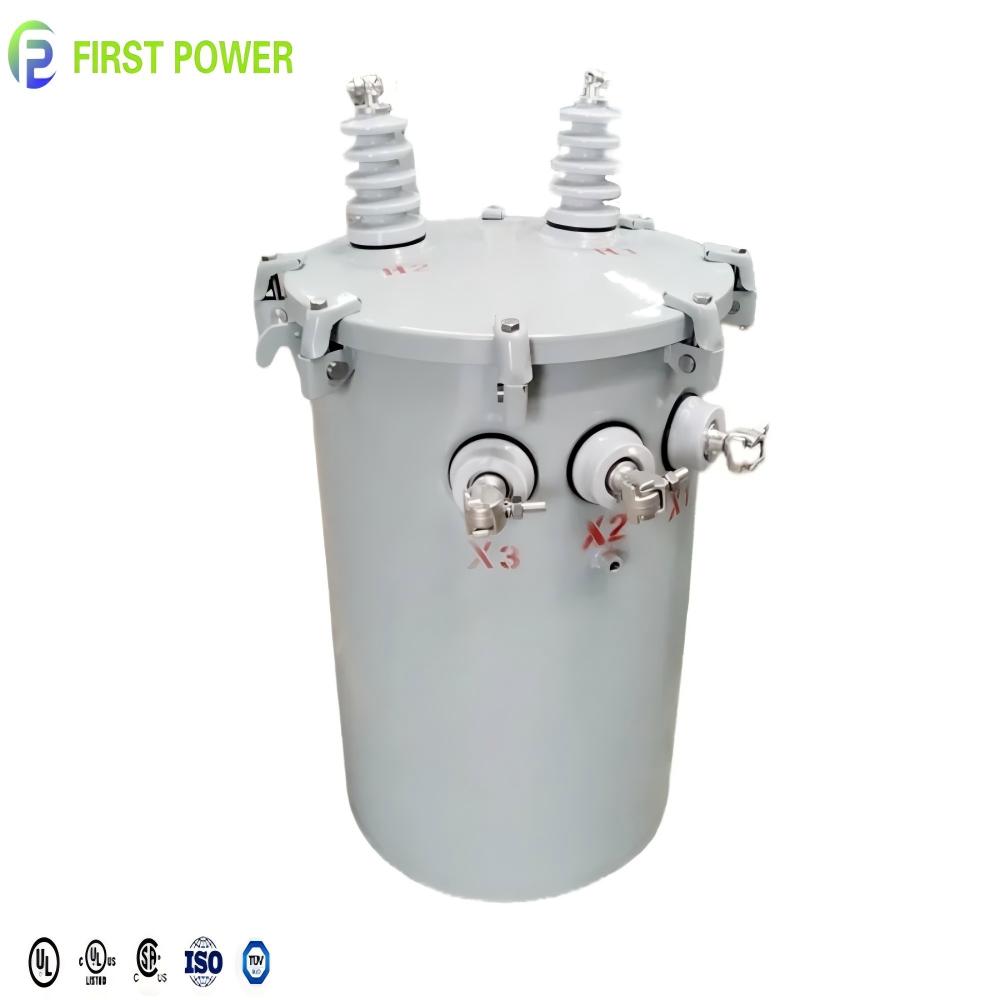
ANSI Single Phase Pole Mounted Transformer
Single-phase pole-mounted distribution for residential, rural and light industrial feeders. Suitable for 60 Hz projects requiring 6–35 kV primary options and 15–100 kVA ratings.
View product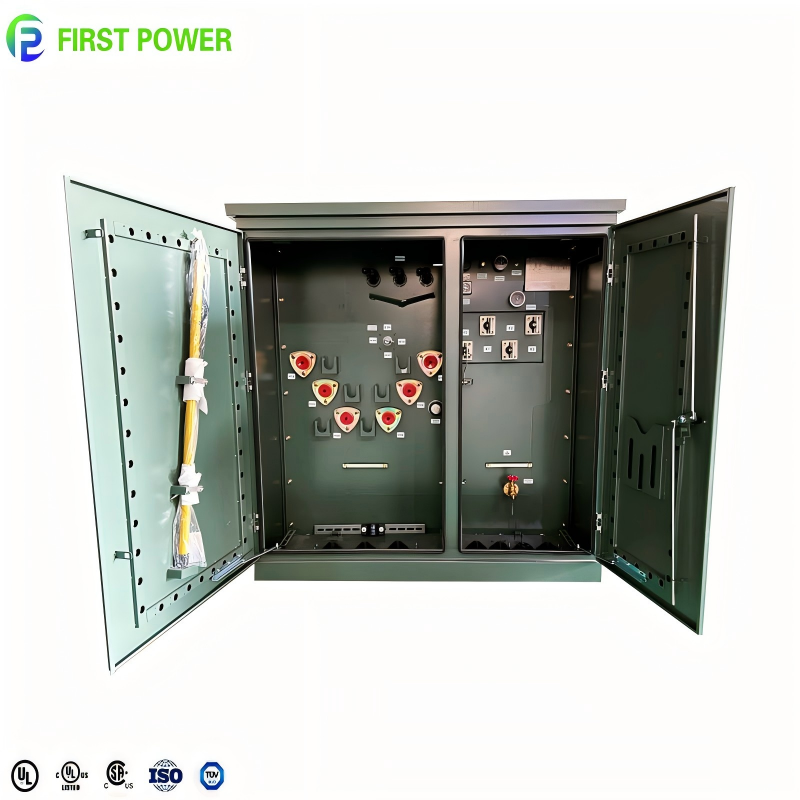
ZGS11 Three Phase Pad Mounted Transformer
Three-phase pad-mounted distribution for underground commercial networks, apartment blocks and public facilities. Configured for 75 kVA to 50 MVA class projects.
View product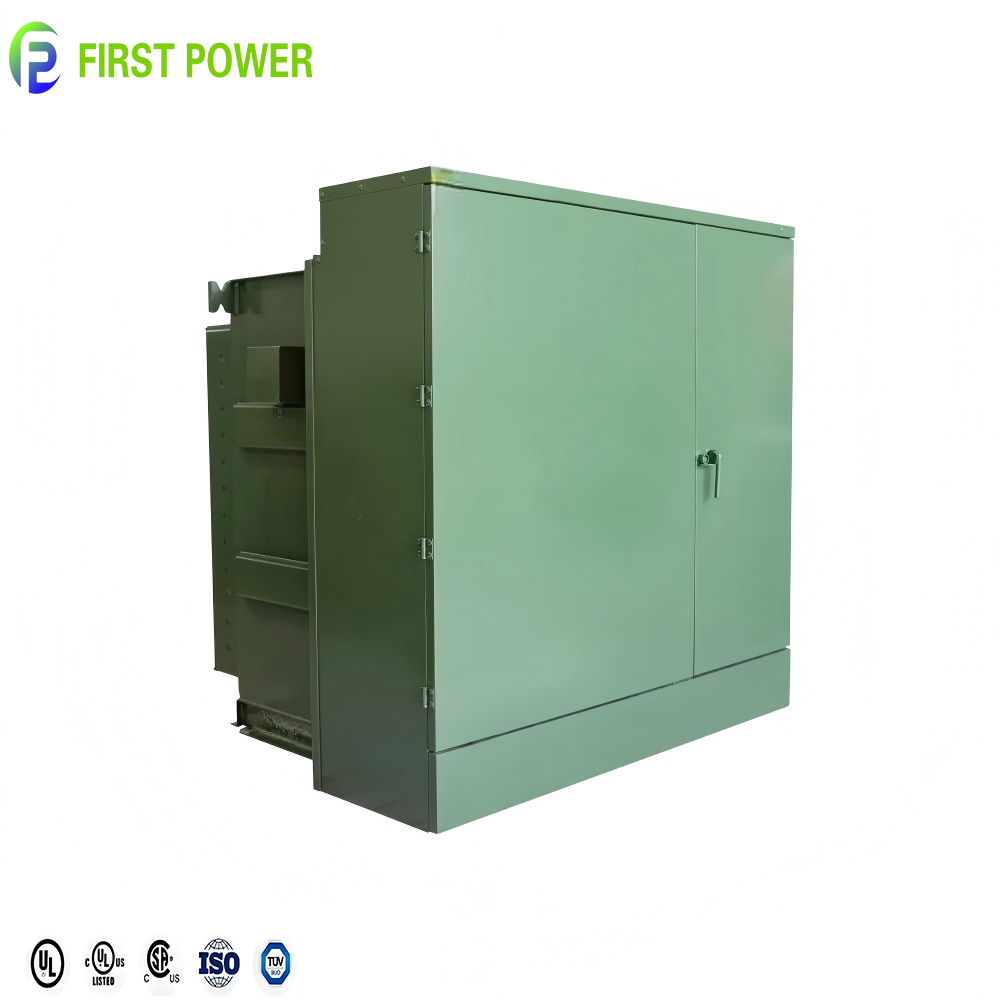
MV/HV Three Phase Pad Mounted Transformer
Higher-capacity pad-mounted unit for industrial plants, data-centre yards and renewable interconnections, with 750–2,500 kVA project configurations.
View product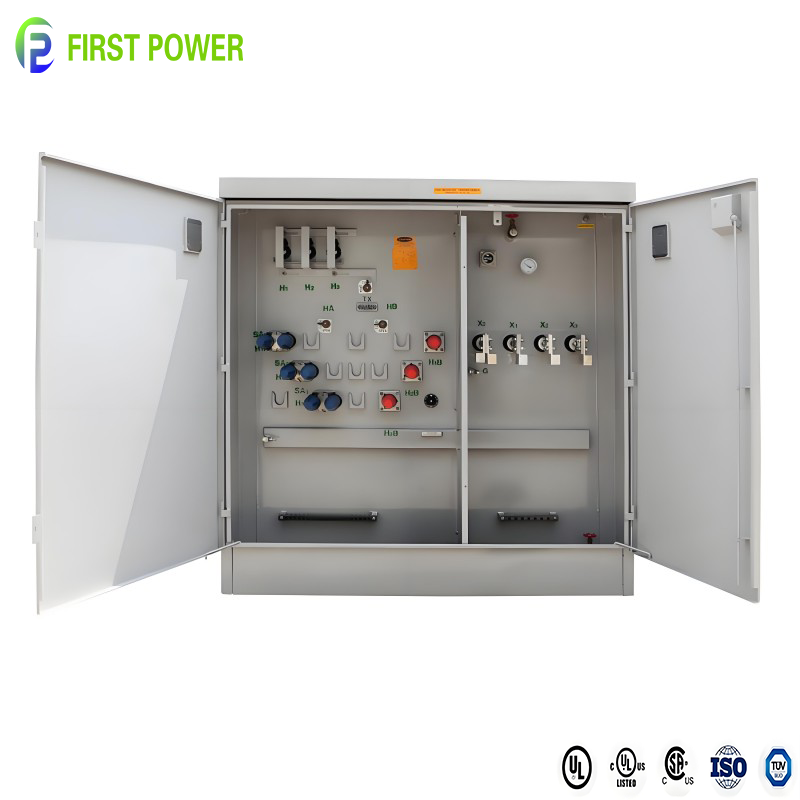
Loop Feed Pad Mounted Transformer
Loop-feed pad-mounted transformer for radial or loop underground networks, redundant commercial sites and utility vault replacement projects.
View product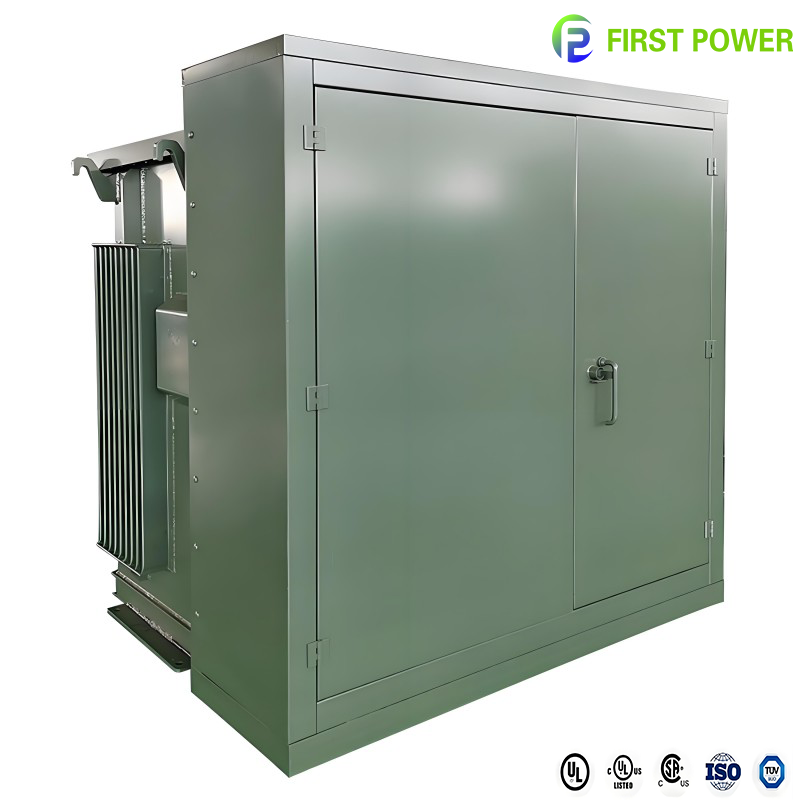
Oil Type Pad Mounted Transformer
Oil-type pad-mounted transformer for power generation, industrial estates and utility distribution. Standard range shown from 75 to 400 kVA, with larger ratings available.
View product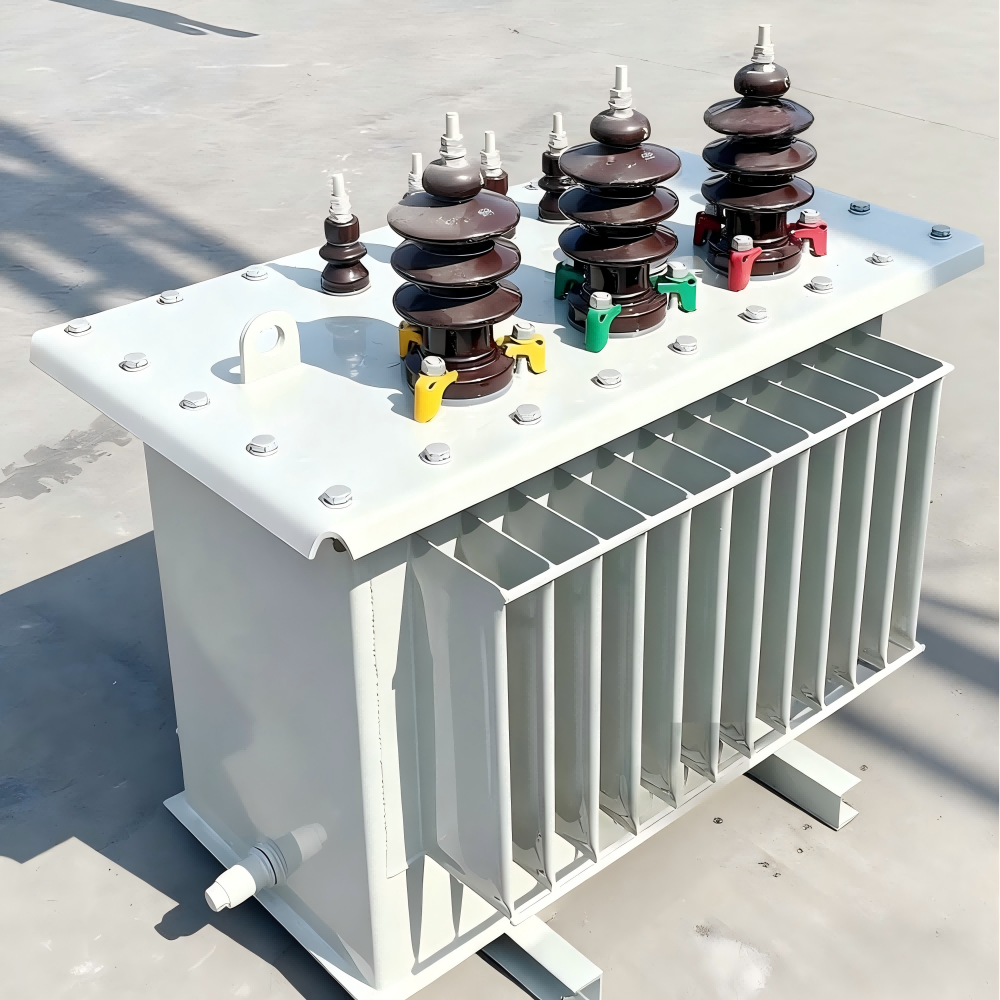
S11 Three Phase Oil Transformer
S11 oil transformer for distribution substations and industrial power distribution, available across 30 kVA to 31.5 MVA class configurations.
View product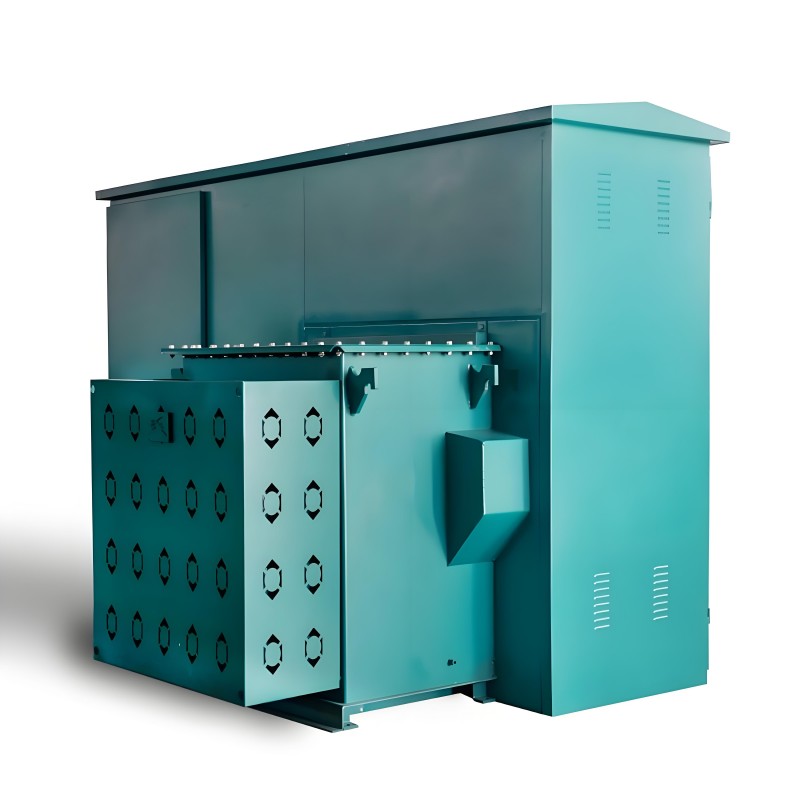
Dead-Front Pad Mounted Transformer
Dead-front oil-type pad-mounted design for cooperative utilities and underground distribution, covering 75–2,500 kVA and 6–34.5 kV at 50/60 Hz.
View product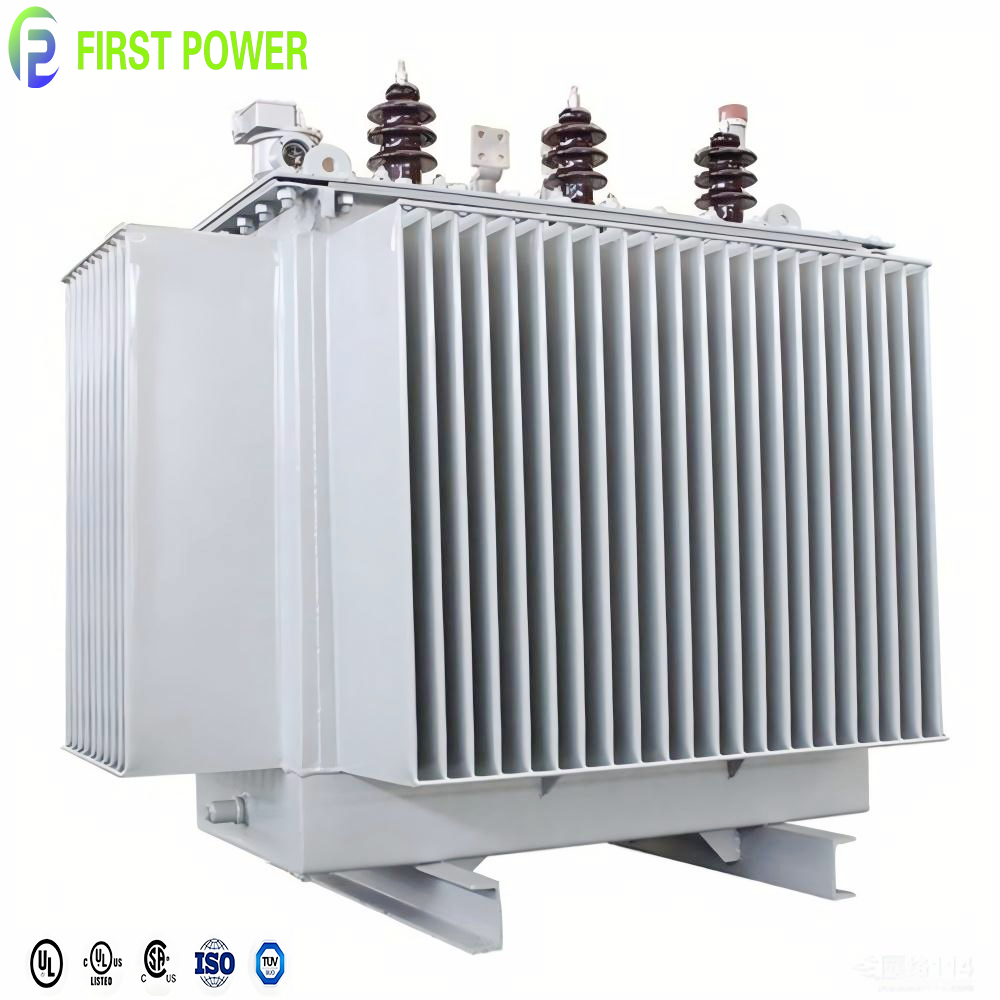
S11 Oil Transformer for Power Distribution
Three-phase S11 oil transformer for power distribution, commercial buildings and renewable projects, with 10 kVA to 50 MVA available by design.
View productNeed a factory-built compact substation rather than a stand-alone transformer? Send your single-line diagram, 60 Hz voltage ratio, fault level, enclosure preference and Osaka site conditions. Wisegj engineers can propose a layout combining MV switchgear, transformer, LV panel, protection and SCADA interfaces.
Get a Quote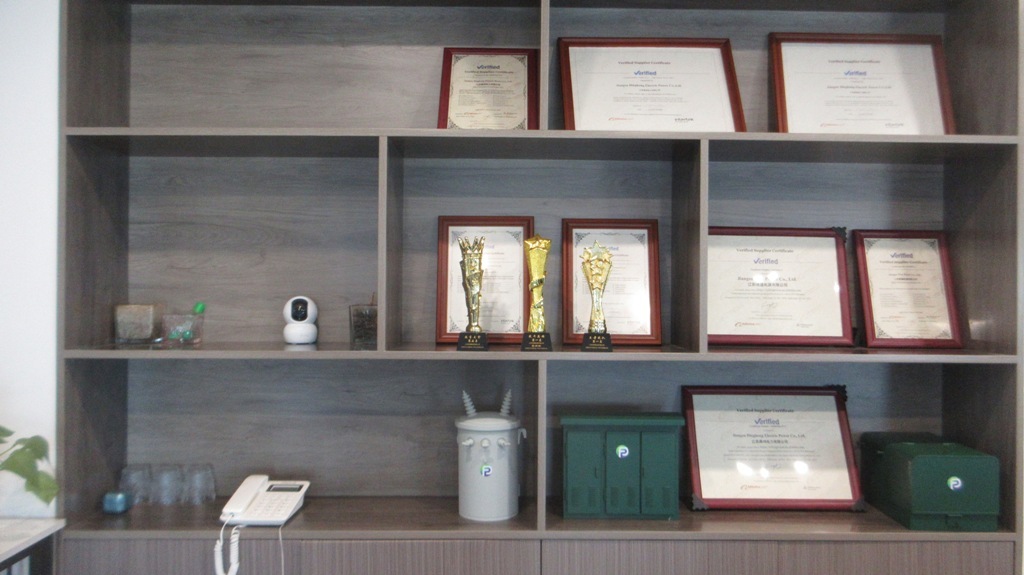
How a Compact Substation Fits Osaka's 60 Hz Distribution Reality
In Osaka, a compact substation is not simply a transformer inside a metal box. It is a factory-assembled electrical room combining medium-voltage switchgear, a distribution transformer, low-voltage distribution, metering, protection, auxiliary power, cable terminations and often remote monitoring. For dense urban sites, the value comes from reducing civil work, shortening commissioning and controlling safety interfaces before equipment reaches the site.
The Kansai region operates at 60 Hz, so China-built equipment must be engineered and tested for 60 Hz from the beginning. A 50 Hz design with a changed nameplate is not acceptable. Buyers should also confirm the local voltage ratio, fault level, protection philosophy, seismic anchoring, flood plinth height and utility interconnection requirements before approving drawings.
This guide avoids the usual “top 10” shortcut because there is no credible universal ranking of compact substation factories. Instead, it explains the criteria that matter for Osaka and presents Wisegj's relevant product families transparently, so procurement teams can compare factories on evidence rather than slogans.
- 60 Hz magnetic and thermal design
- Seismic and typhoon-ready enclosure
- IEC 62271-202 and IEC 60076 review
- Japanese/English documentation support
- Osaka/Kobe shipping and spare parts plan
- Third-party factory witness testing
Published Capability Figures Buyers Can Verify
These company-published figures help Osaka buyers start a factory audit. Certificate numbers, test reports and inspection records should still be verified for each order.
Where Compact Substations Are Most Needed in Osaka
Osaka combines dense commercial districts, coastal logistics, critical facilities and a changing energy mix. Each scenario creates a different specification conversation.
Umeda, Namba and Honmachi redevelopment
Mixed-use towers and commercial blocks need small footprints, low noise, strict fire safety and reliable cable access. A factory-built compact substation reduces on-site construction time in constrained city plots.
Osaka Bay Area data and logistics facilities
Data centres, distribution hubs and cold-chain facilities need high reliability, expandable LV distribution and monitoring-ready protection. Compact substations can be configured with dual feeds and SCADA interfaces.
EV charging and fleet depots
Electrified depots often start with a modular capacity plan. A skid- or enclosure-based compact substation can be staged for future charger expansion without rebuilding the entire electrical room.
Hospitals, universities and transit
Critical facilities prefer dry-type or low-fire-risk options near occupied buildings. Noise, vibration, seismic bracing and maintenance access are often more important than first cost alone.
Solar, BESS and microgrids
Renewable projects need 60 Hz transformers, reverse-power protection and clear grid-interconnection documentation. Containerised or compact substations help align inverter, protection and transformer interfaces.
Coastal and port facilities
Salt-laden air, typhoon wind loading and flood risk require C5-M corrosion protection, stainless hardware, raised plinths and practical inspection access. These details must be specified before quotation.
Six Trends Shaping Compact Substation Demand in Osaka
Procurement decisions are shifting from “buy a transformer” to “buy a tested, documented and serviceable electrical interface.”
1. Resilience and business continuity
Typhoons, earthquakes and local flooding push buyers toward seismic anchorage, flood-resistant plinths, anti-condensation heaters and remote monitoring. A compact substation can integrate these features before shipment.
2. GX and decarbonization
Japan's green transformation agenda is increasing investment in solar, storage, EV charging and efficient distribution. Low-loss transformers and measurable loss guarantees become part of the commercial evaluation.
3. Digital substation interfaces
Osaka facility owners increasingly ask for IEC 61850 or Modbus data points, relay settings and condition-monitoring provisions. A factory that cannot provide a clear SCADA point list creates commissioning risk.
4. Labour shortage and prefabrication
Site labour availability and inspection time are limited. Factory-assembled compact substations move wiring, testing and documentation indoors, reducing unpredictable work at congested urban sites.
5. Aging infrastructure and undergrounding
Replacement projects often need equipment that fits existing cable chambers and utility practices. Loop-feed and dead-front pad-mounted designs are easier to integrate when drawings and cable termination details are agreed early.
6. 60 Hz localization and documentation
Osaka buyers need convincing evidence of 60 Hz design, loss calculation, protection coordination, Japanese/English labels and import documentation. Localization is an engineering task, not just a translation task.
A Practical Osaka Selection Matrix for China Factories
Use weighted criteria during tender review. A low price should never outrank an unverified 60 Hz design or missing utility approval pathway.
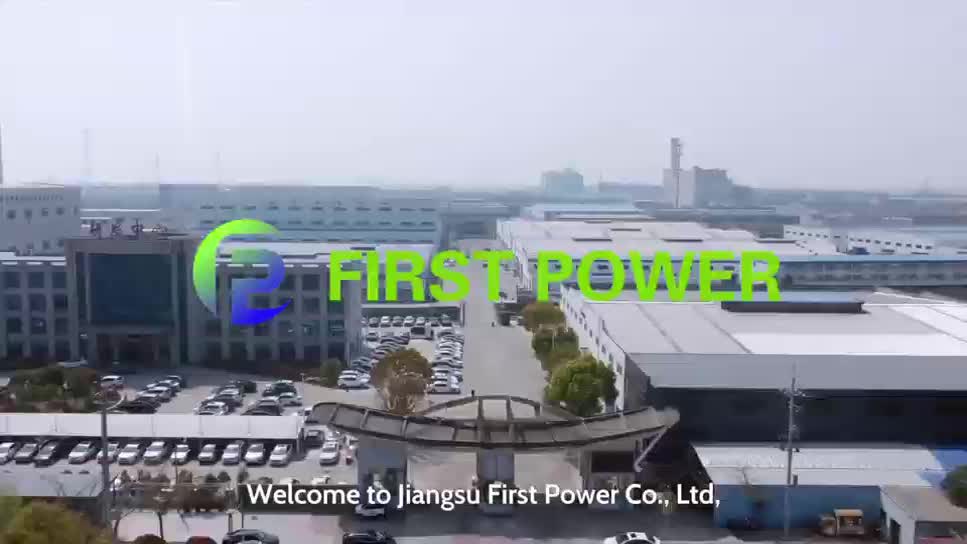

Production capability, floorspace and quality inspection are described as verified onsite by TÜV Rheinland, an independent third-party inspection body.
Why Wisegj Is a Credible China Factory for Osaka Buyers
Jiangsu Wisegj Power Co., Ltd. is a Suzhou-based manufacturer and exporter of transformers, compact substations and switchgear from 220 V to 500 kV. Its published portfolio includes power transformers, oil-immersed distribution transformers, pad-mounted transformers, dry-type transformers, compact substations, high/low-voltage switchgear, distribution boxes and voltage stabilizers.
For Osaka projects, the relevant advantage is not simply “made in China.” It is the ability to control design, routine testing, documentation and export packing through one factory interface. Wisegj states that its team has more than 20 years of transformer experience, with 50+ R&D and technical engineers, a verified production floorspace of 6,847 m² and 211 qualified supply-chain partners.
The company reports ISO 9001, ISO 14001 and ISO 45001 management systems, with certificate numbers such as 62824Q6052R0S, 62824E6053R0S and 62824S6054R0S. Published CE certificate references include oil-immersed power transformers, dry-type transformers, compact substations and switchgear. These documents support due diligence, but they do not replace project-specific utility approval in Japan.
- OEM, ODM and design-based customization
- Routine test report for every unit
- Third-party witness inspection welcome
- English drawings, manuals and nameplates
- 24-hour technical response target
- Export packing and Incoterms coverage
Transformer Choice Inside a Compact Substation: Oil vs Dry vs Pad-Mounted
The best choice for Osaka depends on fire strategy, installation location, noise limits, maintenance access and the utility connection point.
| Option | Best Osaka use case | Advantages | Watch-outs |
|---|---|---|---|
| Cast-resin dry-type transformer | Indoor compact substations in hospitals, universities, basements, transit facilities and mixed-use buildings | No insulating oil, lower fire risk, easier indoor placement and maintenance | Higher first cost at some ratings; ventilation and ambient temperature must be engineered |
| Oil-immersed distribution transformer | Outdoor industrial plants, utility distribution, renewable projects and standalone pad or platform installations | Strong efficiency, proven thermal performance and broad rating availability | Oil containment, fire separation and maintenance access must suit the site |
| Pad-mounted transformer | Underground commercial networks, residential subdivisions, loop-feed systems and utility replacement work | Tamper-resistant enclosure, cable-friendly layout and outdoor installation | Cable termination, dead-front/loop-feed configuration and enclosure finish must be specified |
| Prefabricated compact substation | Fast-track urban projects, EV depots, data-centre yards, solar/BESS and congested sites | Single factory interface for MV, transformer, LV, protection and testing | Requires disciplined interface review, transport planning and local approval documentation |
For Osaka projects, always add the local frequency, voltage ratio, fault level, seismic load, ambient temperature, altitude, enclosure IP rating, corrosion class and utility interconnection requirements to the technical annex.
Four Steps to Source a Compact Substation for Osaka
Define the electrical case
Confirm 60 Hz, kVA, voltage ratio, vector group, impedance, fault level, single-line diagram and future expansion. Include site ambient, altitude, seismic and flood conditions.
Fix the compliance route
List IEC, JIS/JEC and utility requirements. Ask for type-test evidence, routine test scope, enclosure calculations and the local approval plan before comparing prices.
Audit drawings and factory tests
Approve GA drawings, nameplate drafts and protection logic. Witness routine tests or appoint a third-party inspector. Check oil, gas, fans, relays and spare parts.
Plan logistics and commissioning
Agree packing, shipping to Osaka or Kobe, Incoterms, documents, lifting plan, commissioning support and spare-parts list before release for shipment.
Common Local Procurement Questions About China Compact Substations
These answers are written for EPC teams, facility owners and trading companies preparing enquiries for the Osaka market.
Can China-built compact substations operate on Osaka's 60 Hz grid?
Which standards should an Osaka buyer specify?
Is CE marking enough for Japan?
How should we address earthquakes, typhoons and salt damage?
What documents are commonly needed for Osaka or Kobe port clearance?
What lead time and shipping route should we expect?
Can the factory provide Japanese nameplates, manuals and SCADA points?
What should I prepare to receive an accurate quotation quickly?
Request a 60 Hz Compact Substation Review for Osaka
Send your technical annex, single-line diagram, site conditions and target schedule. Wisegj's engineering team can review the transformer, MV/LV interface, enclosure, protection and documentation requirements, then respond with a configuration proposal and quotation route.
Transparent input leads to a faster, more accurate offer. Include the standard, frequency, voltage ratio, losses, seismic load and any Japanese utility requirements from the first message.
For project-specific compliance, confirm all local requirements with the Japanese importer, utility and consulting engineer before order placement.