Utility-Grade Distribution Transformers & Substations
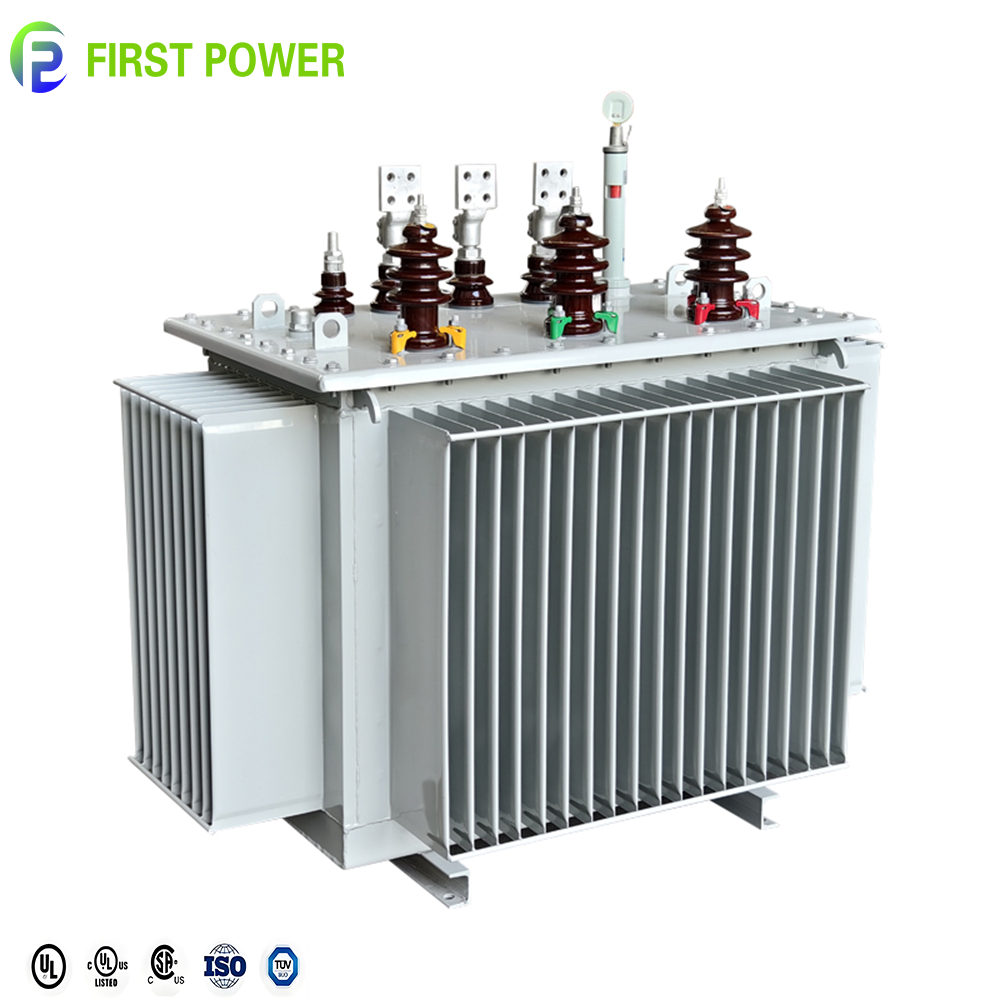
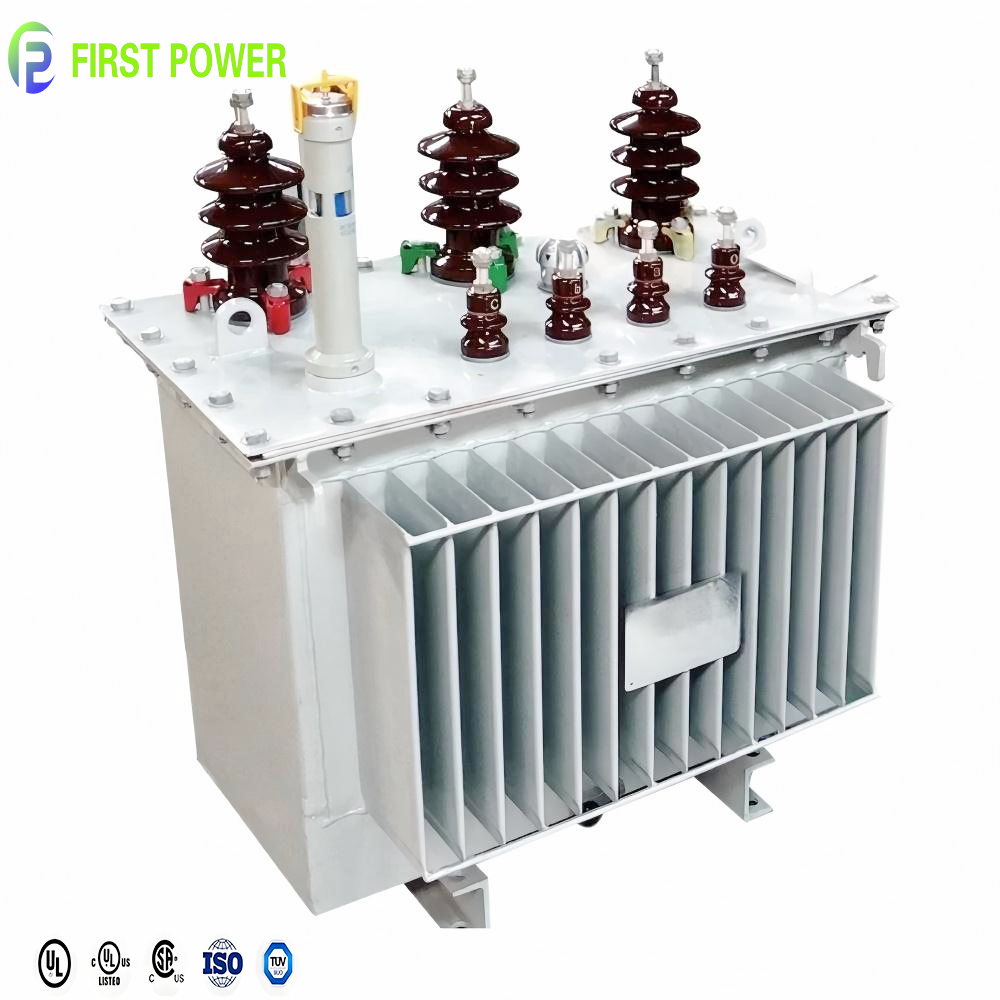
Inspected and certified step-up, step-down, oil-immersed, and pad-mounted transformers engineered to comply with Eswatini Electricity Company (EEC) and SADC technical benchmarks.
1. Executive Summary & Market Dynamics in Eswatini
The Kingdom of Eswatini (formerly Swaziland) is undergoing a major structural transformation in its electrical energy infrastructure. Driven by the Eswatini National Energy Policy and the national target to achieve 100% universal electricity access by 2030, demand for utility-grade pole-mounted transformers, medium-voltage distribution equipment, and step-up substations has surged. The primary utility operator, Eswatini Electricity Company (EEC), alongside private Independent Power Producers (IPPs) and large industrial agricultural estates, requires highly reliable transformer equipment designed to withstand Eswatini's specific geographical and climatic challenges.
Eswatini’s grid operating ecosystem is distinct due to its sub-tropical location, topography ranging from the Highveld to the Lowveld, heavy lightning flash density during monsoon months, and high ambient temperatures in agricultural zones such as Mhlume, Big Bend, and Simunye. Procurement directors and electrical contractors cannot rely on off-the-shelf transformers; they require equipment validated against IEC 60076 and regional SANS/SABS standards, optimized for 11kV and 33kV distribution feeder networks.
Information Gain Insight: Unlike standard urban grid installations, utility pole transformers deployed in Eswatini must feature enhanced Basic Impulse Level (BIL) lightning withstand capacity, anti-corrosion exterior coatings to withstand high atmospheric humidity, and hermetically sealed tanks to prevent moisture ingress during torrential summer downpours.
This industry report reviews the key evaluation parameters for sourcing pole transformers, analyzes local industrial application scenarios, benchmarks technical features, and highlights how leading OEM manufacturers deliver engineered power solutions to top wholesalers across Eswatini.
2. Criteria for Evaluating Transformer Wholesalers in Eswatini
To ensure long-term grid stability and eliminate unplanned outages across rural and industrial distribution lines, engineering consultants and wholesale distributors in Mbabane, Manzini, and Matsapha evaluate transformer manufacturers against six critical benchmark dimensions:
Compliance with EEC & IEC Standards
Full conformance to IEC 60076-1/2/3/5 and SANS specifications, ensuring seamless integration into EEC’s 11kV/400V and 33kV/400V grid architectures.
Lightning Impulse & Surge Protection
Eswatini experiences some of Southern Africa's highest lightning ground flash densities. Transformers require BIL ratings up to 170kV for 33kV systems and robust surge arrestors.
Low No-Load & Load Loss Characteristics
Utilization of high-permeability Cold-Rolled Grain-Oriented (CRGO) silicon steel cores (e.g., S11/S13 series) to minimize operational energy dissipation and reduce lifecycle TCO.
Third-Party Factory Audit & Certification
Verifiable ISO 9001, ISO 14001, and ISO 45001 management systems, backed by TÜV Rheinland inspection certificates and CE compliance documentation.
Custom Engineering Flexibility
Ability to supply customized tap changers (NLTC/OLTC), dual vector group configurations (Dyn11 / Yyn0), special bushing orientations, and natural ester oil options.
SADC Corridor Logistics & DDP Capabilities
Streamlined logistics via Maputo or Durban ports with robust export crating, nitrogen flushing (for larger units), and complete customs documentation.
3. Localized Industrial Application Scenarios in Eswatini
To understand the specific demands placed on utility pole transformers, it is necessary to examine the diverse micro-climates and industrial ecosystems across Eswatini’s four major administrative regions:
A. Sugarcane Industry & Irrigation in the Lowveld (Mhlume, Big Bend, Simunye)
The Lowveld region houses vast sugarcane plantations operated by major agricultural enterprises like the Royal Eswatini Sugar Corporation (RES Corp) and Ubombo Sugar. Electrified center-pivot irrigation systems and pumping stations require steady, continuous-duty step-down transformers operating on 11kV or 33kV lines. Ambient summer temperatures in the Lowveld frequently exceed 40°C. Pole transformers installed here must feature optimized ONAN (Oil Natural Air Natural) cooling radiators, high thermal class insulation materials, and UV-resistant outdoor paint systems to prevent thermal degradation and transformer oil oxidation.
B. Commercial Forestry & Sawmills in the Highveld (Piggs Peak, Bhunya)
In contrast, the Highveld is characterized by mountainous terrain, dense pine forestries, high humidity, and extreme thunderstorm activity. Sawmills and timber processing plants require pole-mounted and platform-mounted transformers capable of handling severe motor-starting inductive surges without voltage sagging. High impulse withstand design (BIL) and outdoor pole mounting brackets constructed from hot-dip galvanized steel are critical to prevent atmospheric structural corrosion and withstand high mechanical vibration.
C. Urban Commercial Expansion & Industrial Parks (Matsapha, Manzini, Mbabane)
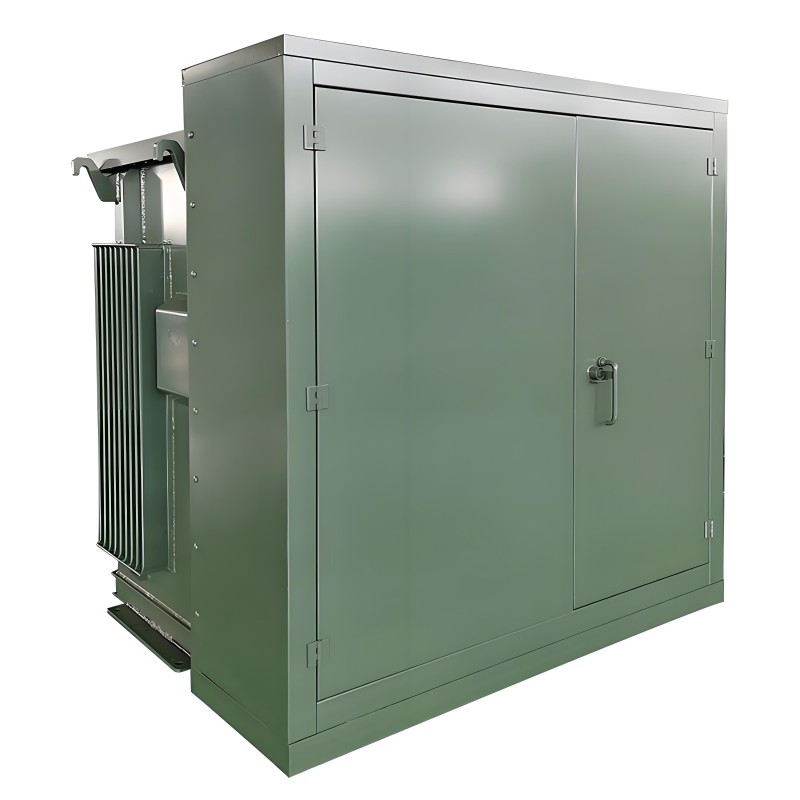
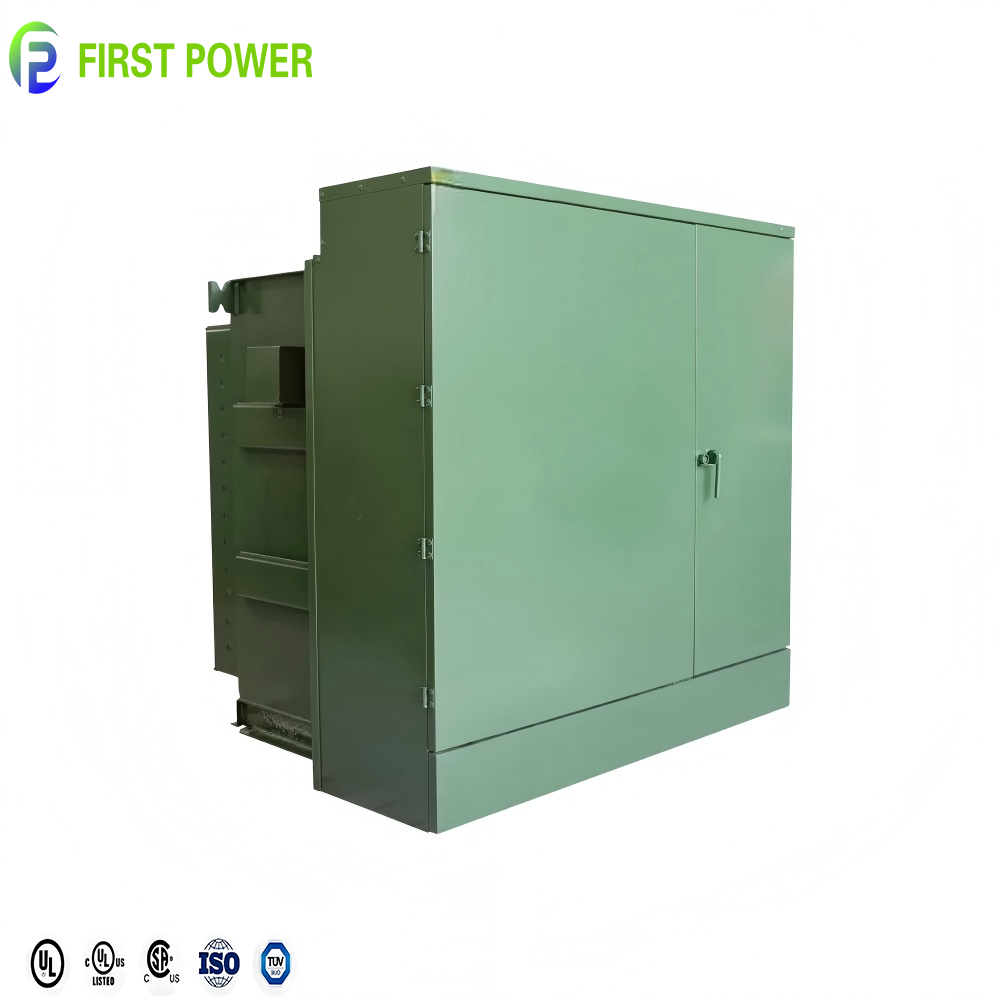
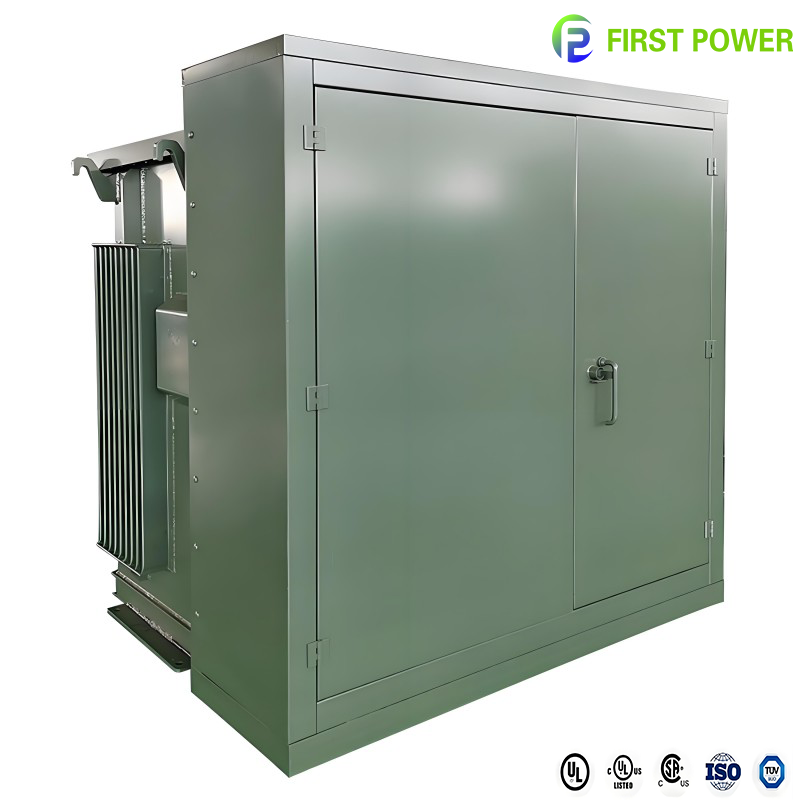
Matsapha Industrial Estate is Eswatini's primary manufacturing hub, accommodating textile mills, beverage bottling plants, and logistics hubs. Here, urban power distribution is shifting toward tamper-resistant, aesthetically enclosed Three-Phase Pad Mounted Transformers and compact substations. These ground-level pad-mounted units offer dead-front safety compartments, preventing accidental human contact while providing seamless loop-feed or radial-feed capability for commercial facilities.
D. Off-Grid & Hybrid Solar Mini-Grids (Lubombo & Shiselweni Regions)
To meet the 2030 universal access targets in remote rural settlements, the Eswatini Energy Regulatory Authority (EERA) and EEC are expanding solar-diesel hybrid mini-grids. Custom step-up transformers (e.g., 400V to 11kV or 33kV) are required to connect photovoltaic inverter outputs directly to localized rural pole-mounted distribution feeders.
4. Technical Benchmarking & Grid Specification Matrix
When selecting transformer equipment for supply into Eswatini, power engineers match project parameters against standardized design classifications. The table below outlines the primary technical specs across core transformer families:
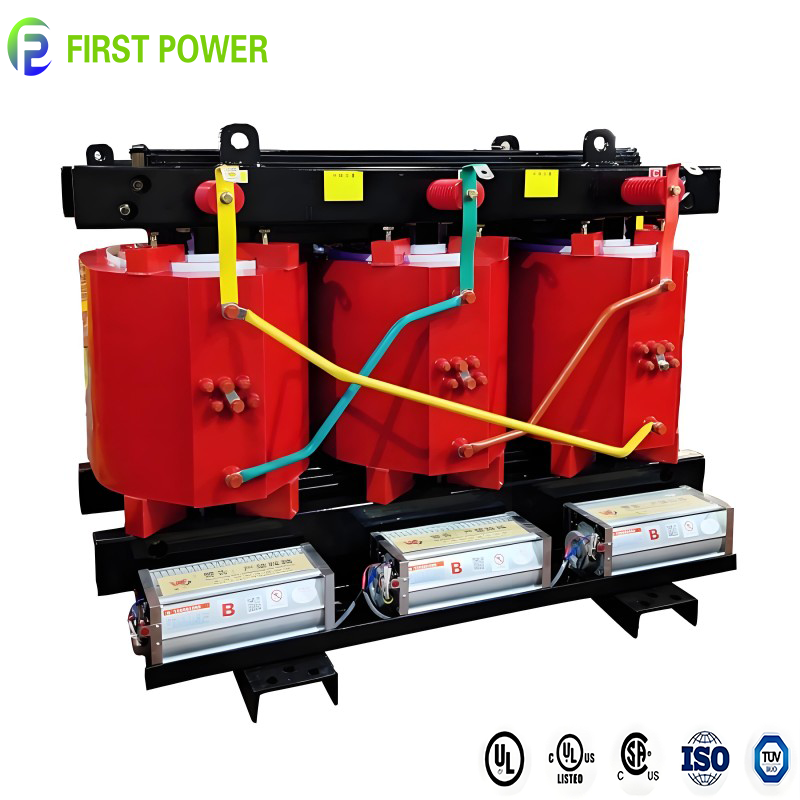
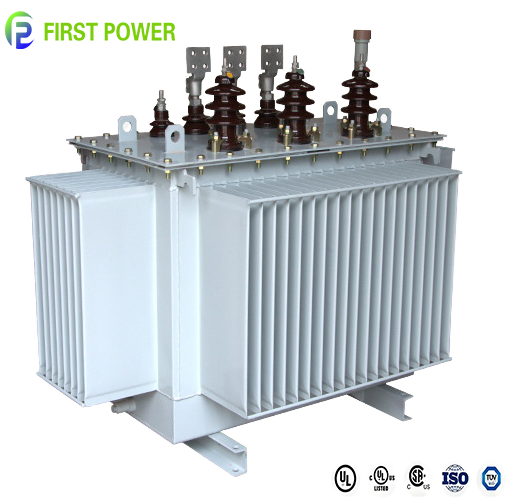
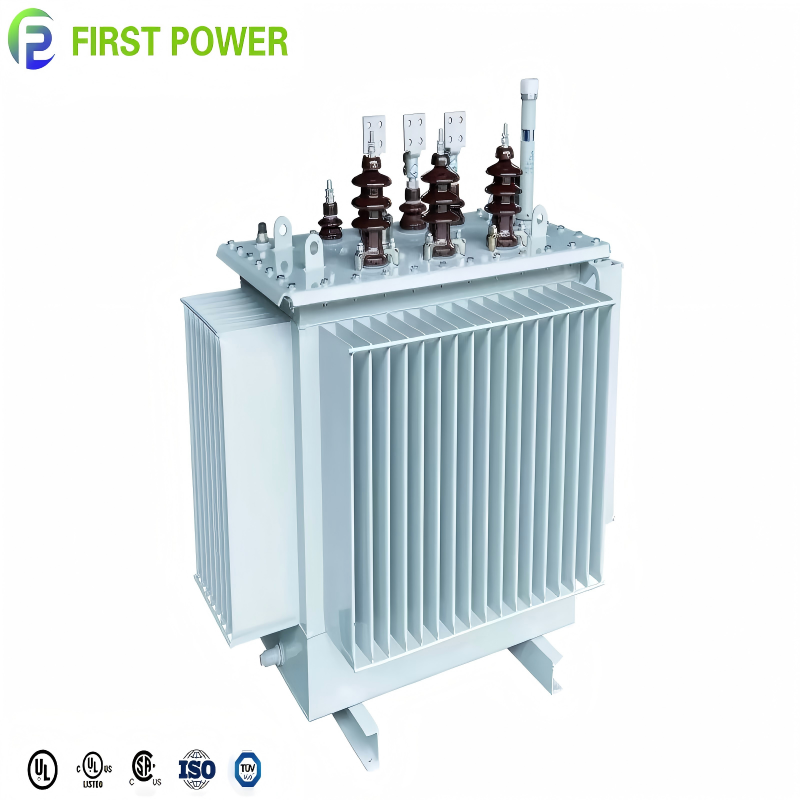
| Specification Parameter | Pole Mounted Oil Transformer | Three-Phase Pad Mounted | Cast Resin Dry Type | Compact Substation |
|---|---|---|---|---|
| Capacity Range (kVA) | 10 kVA – 500 kVA | 45 kVA – 5,000 kVA | 50 kVA – 2,500 kVA | 100 kVA – 2,500 kVA |
| Primary Voltage (kV) | 6.6, 11, 22, 33 kV | 11, 22, 33, 34.5 kV | 6, 10, 15, 20, 35 kV | 10, 22, 33 kV |
| Secondary Voltage (V) | 230V, 400V, 415V | 400V, 480V, 415V | 220V, 400V, 415V | 400V / Low Voltage |
| Vector Group | Dyn11 / Yyn0 | Dyn11 / Yyn0 | Dyn11 | Dyn11 |
| Cooling Method | ONAN (Oil Natural) | ONAN / KNAN (FR3) | AN / AF (Air Natural/Forced) | ONAN inside Enclosure |
| BIL Rating (Lightning) | 75 kV (11kV) / 170 kV (33kV) | 95 kV - 150 kV | 75 kV - 95 kV | Up to 170 kV |
| Insulation Class | Class A (Oil Immersed) | Class A / K (Ester Fluid) | Class F / H (155°C / 180°C) | Class A |
| Primary Eswatini Use | Rural EEC Lines & Estates | Commercial Parks & Solar | Indoor Hospitals & Malls | Mining & Urban Substation |
5. Key Market Trends Driving Pole Transformer Demand in Eswatini (2025–2030)
Understanding emerging market trends enables wholesalers and procurement agencies to stock transformers that align with national grid modernization goals:
1. Shift Toward Loss-Reduction Standards (S11 & S13 Series)
Energy efficiency regulations enforced by regional SADC energy bodies are discouraging the use of older, high-loss transformer designs (such as S9 series). Importers in Eswatini are prioritizing S11 and S13 hermetically sealed transformers. Utilizing high-grade stacked or wound CRGO cores, these units achieve up to 30% reduction in no-load losses and lower operational noise levels, yielding substantial long-term electricity cost savings for commercial buyers.
2. Transition to Natural Ester (FR3) Biodegradable Fluids
Environmental protection guidelines in agricultural and eco-tourism zones (such as Mlilwane Wildlife Sanctuary and Ezulwini Valley) favor transformers filled with synthetic or natural ester fluids (e.g., Cargill FR3). Ester fluids offer high fire points (>300°C) and complete biodegradability, mitigating fire risk and soil contamination hazards near sugar mills and protected natural reserves.
3. Integration of Smart Grid Surge Protection & Monitoring
Due to intense seasonal lightning and power surges caused by grid switching, local electrical contractors are demanding pole transformers integrated with self-healing surge arrestors, pressure relief valves with visual indicators, and smart oil temperature indicators (OTI). These components enable early warning detection before catastrophic thermal breakdown occurs.
6. Frequently Asked Questions (FAQ) for Eswatini Transformer Buyers
Clear engineering and procurement answers tailored for wholesalers, contractors, and project managers in Eswatini:
Which primary voltage levels are standard for pole transformers in Eswatini?
The standard primary distribution voltages utilized by Eswatini Electricity Company (EEC) are 11kV and 33kV (50 Hz). Secondary distribution is typically 400V three-phase four-wire, or 230V single-phase. Equipment ordered for Eswatini grids must be specified for 50Hz frequency compliance.
How do high altitudes in the Highveld region affect transformer ratings?
Areas like Mbabane and Piggs Peak sit at altitudes exceeding 1,200 meters above sea level. Thinner air reduces external cooling efficiency and dielectric strength. Manufacturers must calculate de-rating factors or engineer transformers with augmented cooling surface areas and increased bushing creepage distances to guarantee nominal capacity without overheating.
What testing documentation should accompany shipments to Eswatini?
Every transformer delivered to Eswatini wholesalers should include full routine test reports in accordance with IEC 60076. Key routine tests include: Winding Resistance Measurement, Voltage Ratio & Vector Group Verification, Short-Circuit Impedance & Load Loss Test, No-Load Loss & Current Test, Separate-Source AC Withstand Voltage Test, Induced Overvoltage Withstand Test, and Oil Dielectric Breakdown Voltage (BDV) Test.
What is the benefit of a hermetically sealed transformer tank over a conventional conservator type?
Hermetically sealed transformers eliminate the oil conservator tank and air breather. The oil remains completely isolated from ambient air, preventing moisture absorption, oxidation, and oil degradation. This design dramatically reduces routine maintenance requirements—making it the ideal choice for remote rural pole installations across Eswatini.
What trade terms and shipping routes are available for importing to Eswatini?
Shipments can be arranged under various Incoterms including FOB, CIF Maputo (Mozambique), CIF Durban (South Africa), or direct DDP to job sites in Matsapha, Manzini, or Mbabane via road freight corridors. All export packaging utilizes seaworthy, heavy-duty wooden cases with internal moisture barriers and impact recorders.
7. Partnering with Jiangsu Wisegj Power Co., Ltd.
As a leading power distribution manufacturer based in Suzhou, China, Jiangsu Wisegj Power Co., Ltd. specializes in the design, engineering, and international delivery of high-reliability transformers ranging from 220 V to 500 kV.
Our 6,847 m² modern manufacturing facility is fully certified under ISO 9001 (Quality Management System), ISO 14001 (Environmental Management System), and ISO 45001 (Occupational Health & Safety). Our complete product lines—including oil-immersed transformers, dry-type cast resin transformers, pad-mounted units, and compact substations—hold official CE Certificates and are verified through third-party factory assessments conducted by TÜV Rheinland.
With an engineering team possessing over 20 years of dedicated industry experience, Wisegj Power supports electrical wholesalers, utility contractors, and industrial buyers across Eswatini with custom design modifications, OEM/ODM manufacturing, low factory-direct pricing, and comprehensive technical documentation for tender compliance.
Request a Custom Technical Proposal & Wholesale Quote
Are you sourcing utility pole transformers, pad-mounted units, or substations for projects in Eswatini? Connect directly with our power engineering team today for immediate specification review, guaranteed loss calculations, and competitive pricing.
Inquire Now