Why the Right Pad-Mount Transformer Exporter Matters More Than a Logo List
Kaduna is not a generic destination for imported electrical equipment. A pad-mounted transformer designed for a coastal or temperate market can underperform in northern Nigeria’s high ambient temperatures, dust-laden harmattan conditions, lightning exposure, congested urban distribution corridors and variable loading patterns. That is why the search for a Top 10 Pad Mount Transformer Exporter & Exporters in Kaduna should be treated as a procurement research task, not a simple directory lookup.
The best shortlist is built around verifiable manufacturing capability, standards compliance, routine test documentation, enclosure security, export packing and after-sales support. For Kaduna projects, the transformer must also align with the local utility’s voltage philosophy, protection scheme and installation practice. In most Nigerian distribution schemes, that means designs around 50 Hz, 33 kV, 11 kV and 415/240 V, with the final ratio, vector group, impedance and tap range confirmed by the utility or project consultant.
This guide provides an expert-driven, top-10 due-diligence framework, eight product references from the Wisegj transformer range, Kaduna-specific application scenarios, procurement trends and the questions local buyers ask most often. It is designed for EPCs, estate developers, factory owners, procurement officers and utility engineers who need evidence rather than sales slogans.
Transparency note: this guide is prepared by Jiangsu Wisegj Power Co., Ltd.’s engineering and export team. It is not presented as an independent ranking of every company in Kaduna. Instead, it helps buyers compare exporters on the criteria that actually reduce technical and commercial risk.
Why Pad-Mount Transformer Selection in Kaduna Needs a Local Lens
Pad-mounted transformers are increasingly relevant where overhead lines are difficult, insecure or visually undesirable. Kaduna’s mix of dense urban areas, developing estates, industrial layouts and renewable mini-grids creates distinct technical priorities.
50 Hz Distribution Reality
Kaduna projects typically align with 33 kV and 11 kV distribution, stepping down to 415/240 V. Exact voltage ratio, vector group and tap range must be confirmed with the utility.
Heat, Dust and UV
High ambient temperature, dry-season dust and strong sunlight affect cooling, insulation coordination, gasket selection, paint system and outdoor enclosure protection.
Space and Security
Dead-front compartments, lockable doors, tamper-resistant enclosures and compact footprints help protect equipment in built-up or semi-public locations.
Loss and Ownership Cost
A low purchase price can hide high no-load and load losses. For continuous duty in Kaduna, guaranteed losses, impedance and temperature rise should be compared over the asset life.
Top 10 Pad Mount Transformer Exporter & Exporters in Kaduna: Due-Diligence Criteria
A credible exporter should be able to prove these ten points with drawings, certificates, test reports or project documents. If a supplier cannot answer them clearly, the risk moves to your installation team.
Standards and Certification
Confirm IEC 60076 or ANSI/IEEE C57.12 design basis, CE certification where applicable, ISO 9001 quality control and inspection reports.
Electrical Design Check
Verify kVA, primary and secondary voltage, frequency, vector group, impedance, cooling, tap range and loss guarantees.
Kaduna Climate Engineering
Ask how ambient temperature, dust, solar radiation, humidity during rainy season and lightning exposure change the design.
Pad-Mount Enclosure Security
Review dead-front access, compartment locks, cable termination space, anti-corrosion coating and tamper resistance.
Loss and Efficiency Evidence
Request guaranteed no-load loss, load loss, impedance and calculated operating cost based on expected Kaduna loading.
Factory Testing and Witnessing
Routine tests should be documented per serial number. Third-party or buyer witness inspection should be welcome.
Documentation Package
Look for GA drawings, nameplate drafts, test reports, O&M manuals, packing lists and export documents in English.
Port-to-Kaduna Logistics
Clarify seaworthy packing, port of discharge, inland haulage, lifting points, shock indicators and insurance responsibilities.
Nigeria Import Compliance
Discuss Form M, PAAR, SONCAP where applicable, certificate of origin and product test files with your clearing agent before ordering.
After-Sales and Spares
Confirm technical response time, spare-part support, commissioning guidance, warranty terms and fault-diagnosis procedures.
8 Pad-Mount and Distribution Transformer Products for Kaduna Projects
These products from the Wisegj range speak directly to Kaduna distribution, industrial and renewable applications. Product URLs are preserved exactly as supplied. Final selection must still be confirmed against your single-line diagram and utility requirements.
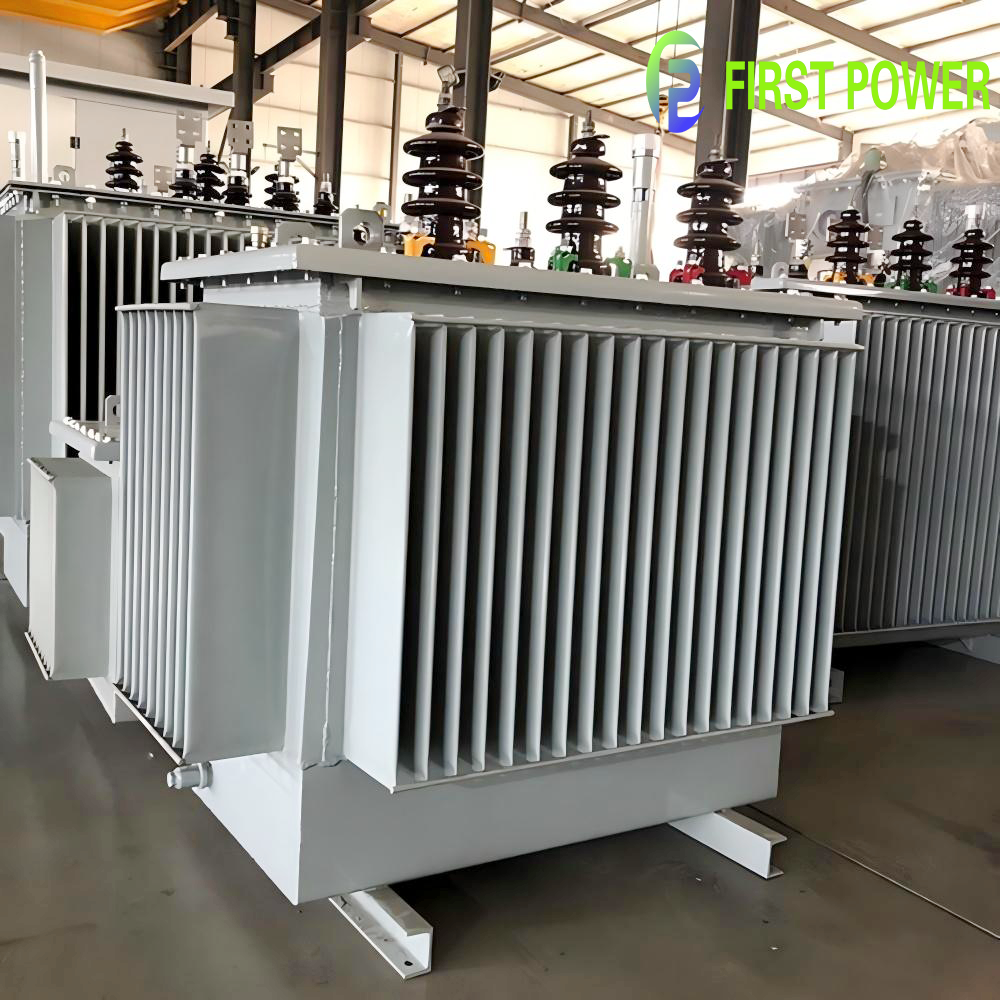
S11 Three-Phase Oil-Immersed 50 kVA Transformer
Medium-voltage distribution unit for electric power distribution, compact sites and utility feeders where a proven oil-immersed design is preferred.
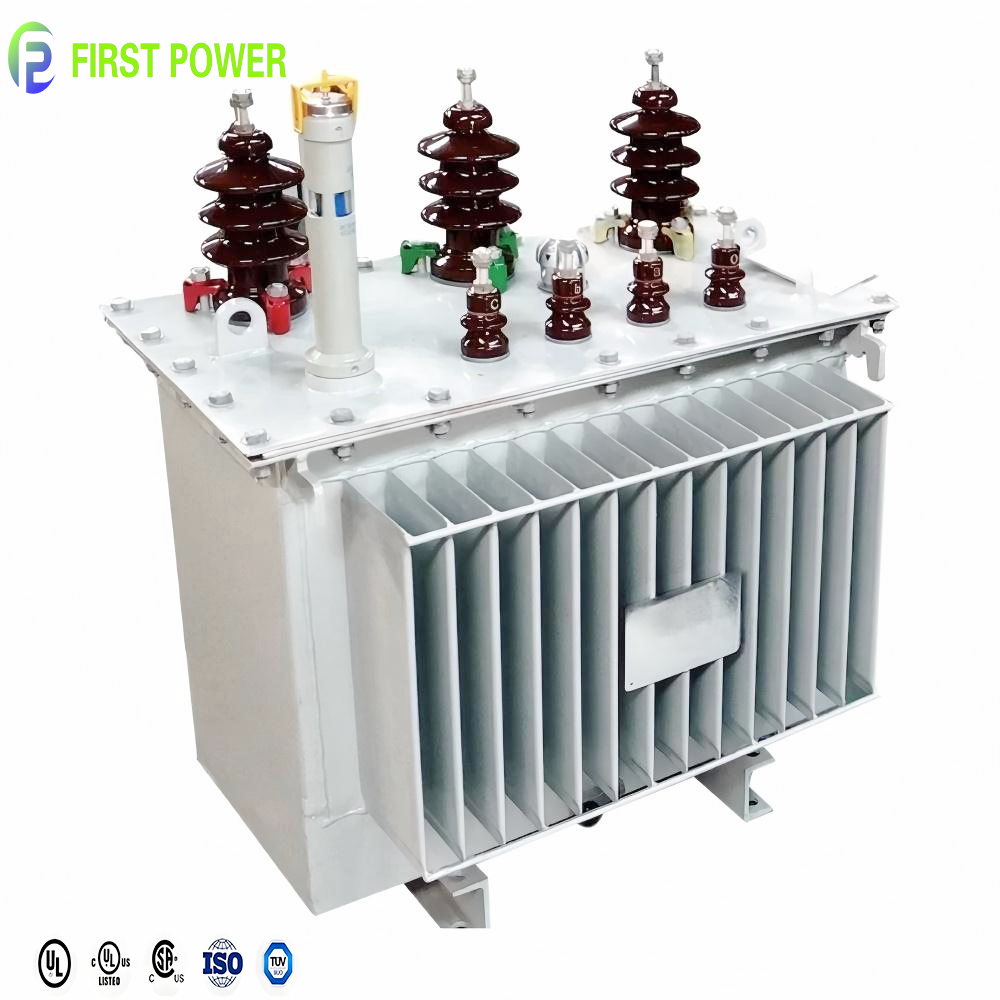
10–35 kV, 50–500 kVA Oil-Immersed Transformer
Flexible capacity range for factories, commercial facilities and estate distribution systems requiring reliable medium-voltage step-down.
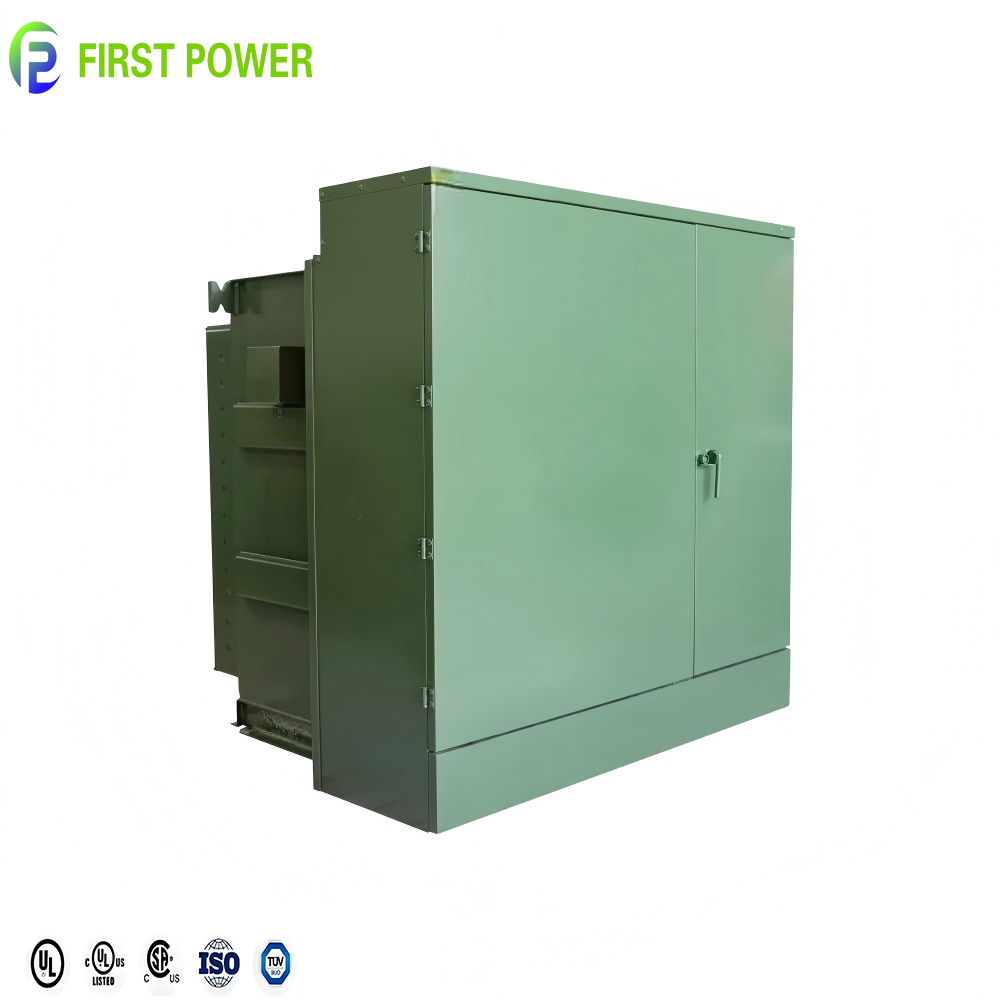
MV&HV Three-Phase Pad-Mounted Transformer
Large-capacity pad-mounted solution for industrial plants, commercial campuses and project loads where enclosure protection and compact siting matter.
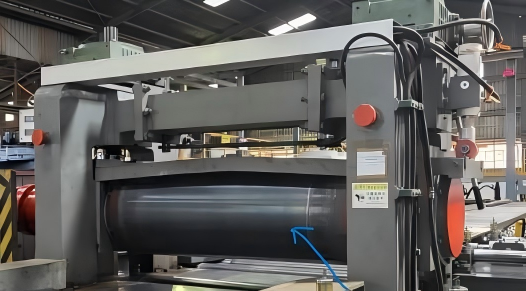
Main Roller D
A project-specific mechanical component listed within the supplier’s product range. It should not be treated as a substitute for a transformer; confirm drawing, material and load rating before ordering.
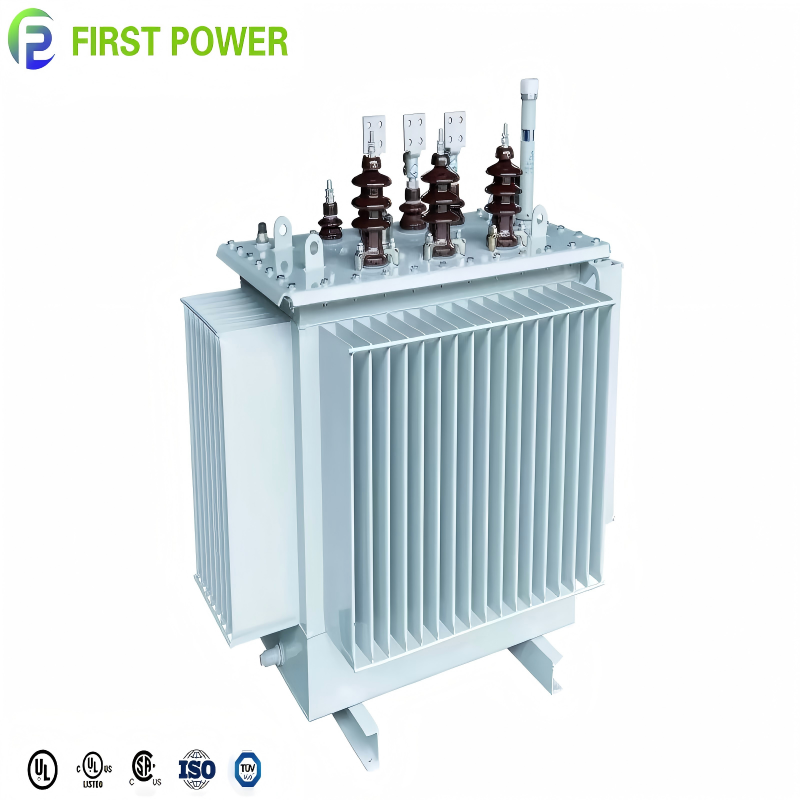
S11 Three-Phase Oil-Immersed Distribution Transformer
50–300 kVA distribution range for medium-voltage networks, commercial estates and utility reinforcement where low-loss operation is a priority.
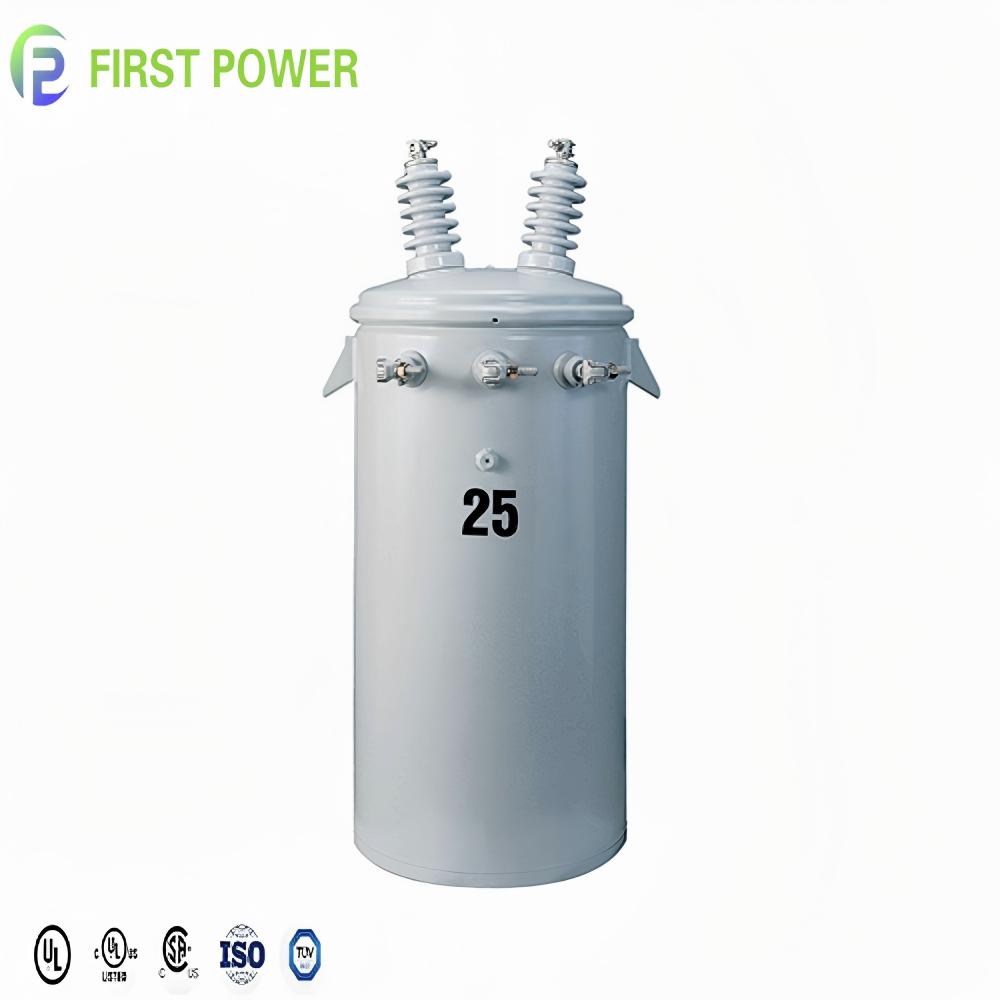
CE-Certified MV&HV Single-Phase Transformer
Single-phase distribution option for residential feeders, small commercial loads and areas where phase-to-neutral distribution is practical.
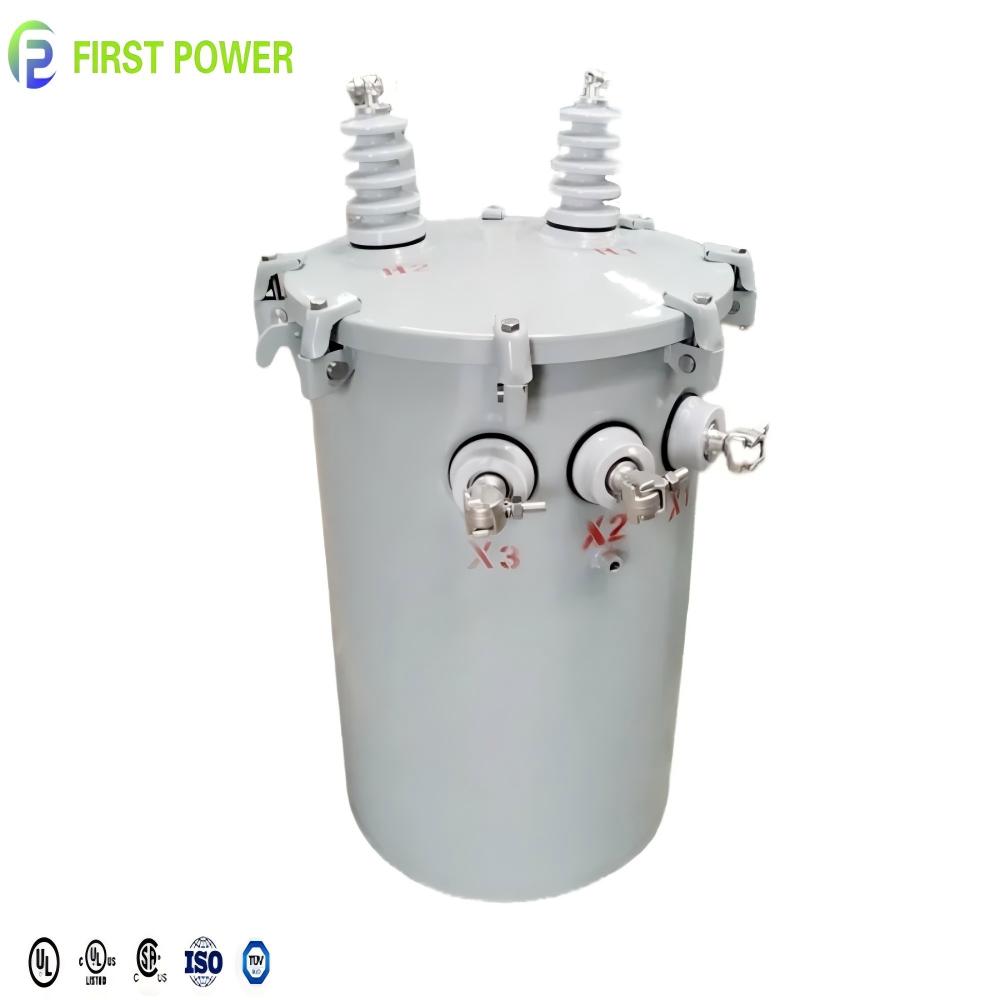
ANSI Single-Phase Pole-Mounted Transformer
15–100 kVA pole-mounted family for overhead distribution, rural feeders and industrial support loads where ANSI practice is specified.
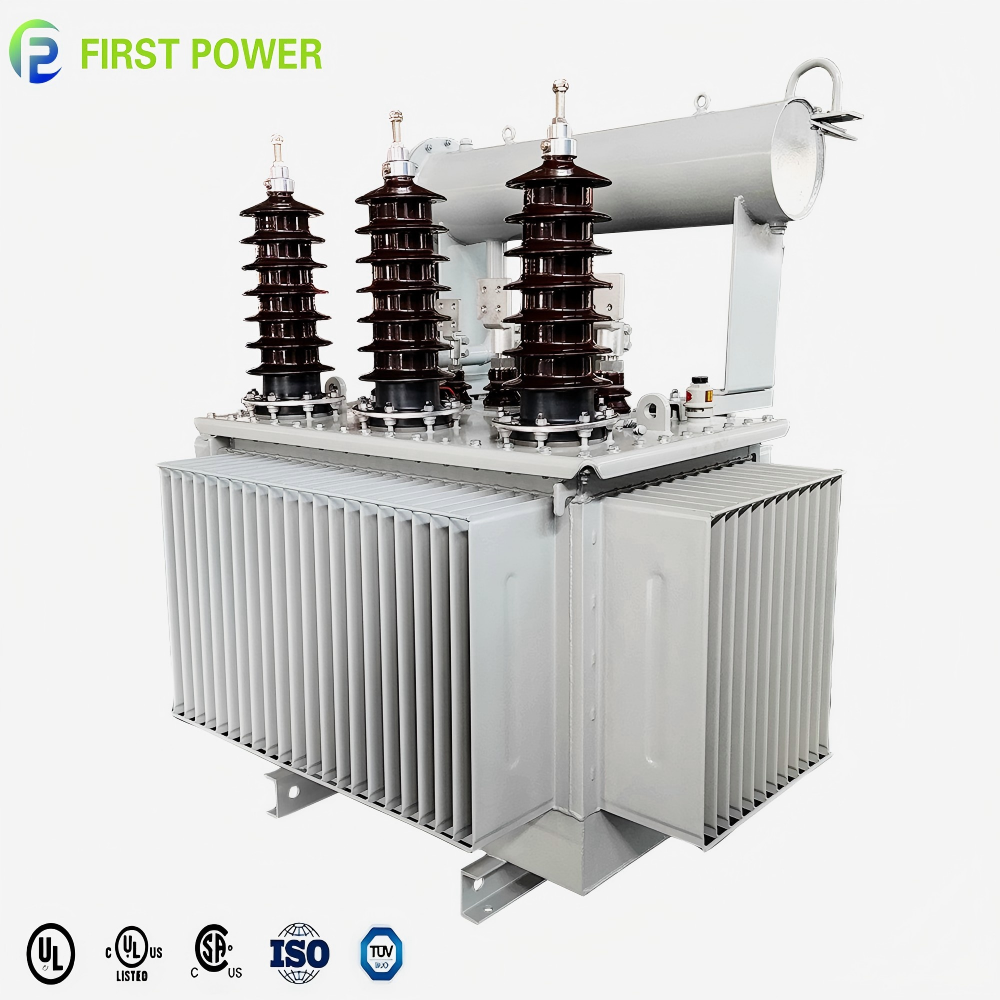
IEEE 33 kV S11 Three-Phase Oil-Immersed Power Transformer
Higher-capacity oil-immersed power transformer for industrial facilities, substations and projects requiring a 33 kV class design basis.
Where Pad-Mounted Transformers Fit in Kaduna
The same transformer family can perform differently depending on site conditions, loading profile and protection philosophy. These application scenarios help narrow the specification before requesting a quotation.
Residential Estates and Commercial Corridors
Single-phase and small three-phase pad-mounted units can serve underground residential loops, gated estates and commercial streets where overhead lines are difficult to route or protect.
Industrial Layouts and Agro-Processing
Factories, mills, cold stores and agro-processing clusters often need 500–2,500 kVA step-down capacity, with guaranteed losses and motor-starting capability clearly defined.
Hospitals, Universities and Public Facilities
Reliability, low noise, fire safety and maintenance access are critical. For indoor rooms, dry-type transformers may be more appropriate; outdoor pad-mount units suit protected compounds.
Solar-Hybrid and Mini-Grid Projects
Renewable integration requires careful review of harmonics, reverse power flow, inverter duty and voltage regulation. The transformer must match the generation and storage architecture.
Water Pumping and Infrastructure
Pumping stations and public infrastructure loads often experience voltage dips and remote-site maintenance constraints. Protection, corrosion resistance and spare parts planning matter.
Utility Reinforcement and Compact Substations
Prefabricated compact substations combine MV switchgear, transformer and LV distribution for faster installation in congested or fast-track locations.
What Is Changing in Pad-Mount Transformer Buying
Kaduna buyers are moving from “lowest unit price” toward total technical risk. The trend is visible in tender questions, factory inspection requests and the demand for complete documentation.
Low-Loss Designs
Energy cost and load growth are making no-load and load-loss guarantees more important than a small difference in purchase price.
Undergrounding and Compact Siting
New estates and commercial corridors increasingly prefer compact, tamper-resistant equipment that reduces visual intrusion and cable exposure.
Renewable and Hybrid Power
Solar, battery storage and hybrid mini-grids require transformers specified for inverter harmonics, reverse power and stable voltage control.
Documentation-First Buying
Procurement teams now ask for GA drawings, test reports, certificate numbers and export documents before releasing purchase orders.
Illustrative Procurement Weighting for Kaduna Transformer Shortlists
Indicative prioritisation for due-diligence discussions, not a statistical market survey.
Wisegj: A Manufacturer-to-Project Exporter Built for Verification
Jiangsu Wisegj Power Co., Ltd. designs, assembles and exports medium- and high-voltage equipment from 220 V up to 500 kV, including pad-mounted transformers, oil-immersed transformers, dry-type transformers, power transformers, compact substations and switchgear.
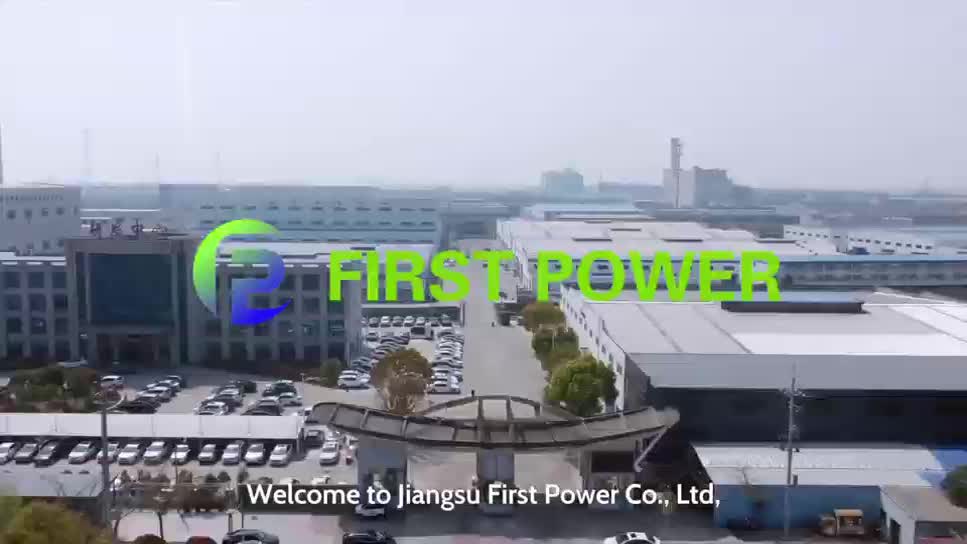
The company reports more than 20 years of team experience in transformer projects, a verified production base of 6,847 m², more than 50 R&D and technical engineers, and 211 qualified supply-chain partners. Production is supported by ISO 9001, ISO 14001 and ISO 45001 management systems, and product lines hold CE certification. Onsite production capability, floorspace and quality inspection have been verified by TÜV Rheinland.
For Kaduna buyers, these credentials are useful only when they are tied to project evidence: drawings, test reports, packing plans and responsive engineering. Wisegj supports OEM, ODM, design-based and sample-based customization, with 24-hour pre-sale and after-sale response, complete English documentation and export terms covering FOB, CFR, CIF, EXW, FCA, CIP, CPT and DDP.
- Transformer and substation portfolio spanning distribution to transmission voltage classes
- Routine-tested units with serial-number-linked test documentation
- Export packing with lifting points and protection for inland haulage to Kaduna
- Engineering review before quotation, not after purchase order
Verified Factory Capacity
6,847 m² inspected floorspace with dedicated winding, core assembly, drying, tanking and testing areas.
In-House Testing
Ratio, resistance, loss, impedance, dielectric and oil BDV tests documented for each serial number.
Customized Design
Ratings, vector group, impedance, taps, bushings, cooling, enclosure color and nameplate language adapted to specification.
Export Logistics Support
Seaworthy packing, shock indicators and Incoterms coverage from EXW to DDP, with port-to-site coordination support.
Certified Systems
ISO 9001, ISO 14001 and ISO 45001 management systems, with CE certificates for relevant transformer and substation products.
24-Hour Engineer Response
Technical questions, documentation requests and after-sales issues receive a qualified reply within one working day.
Factory Tests and Documents to Put in the Tender File
A Kaduna procurement file should let the utility, consultant and insurer see how the transformer was verified before shipment. These are the routine tests and documents to request.
| Test or Document | What It Proves | Why Kaduna Buyers Should Ask |
|---|---|---|
| Winding resistance | Balanced windings, sound connections and manufacturing consistency | Helps detect loose joints or conductor issues before energisation |
| Voltage ratio and vector group | Correct turns ratio, polarity and phase relationship | Critical for 33 kV / 11 kV / 415 V schemes and parallel operation |
| No-load loss and current | Core performance and energisation current | Directly affects long-term energy cost and protection settings |
| Load loss and impedance | Conductor design, voltage regulation and short-circuit behaviour | Supports fault-level coordination and total ownership cost review |
| Applied and induced voltage tests | Insulation integrity under power-frequency stress | Important for lightning-prone and high-humidity operating regions |
| Oil dielectric strength test | Dryness and cleanliness of insulating oil | Applicable to oil-immersed units and helps reduce dielectric risk |
| GA drawing, nameplate and O&M manual | Design, ratings, accessories and maintenance instructions | Needed for approval, site installation, commissioning and future spares |
- Guaranteed technical particulars and loss schedule
- Routine test report linked to serial number
- Nameplate drawing and accessory list
- Packing list and shipping marks
- Certificate of origin and commercial invoice
- CE and ISO certificates where applicable
- Installation, operation and maintenance manual
- Warranty and after-sales contact details
Kaduna Buyer FAQ: Import, Installation and After-Sales
Practical questions asked by developers, EPCs and facility owners when comparing pad-mount transformer exporters for Kaduna projects.
Are pad-mounted transformers common in Kaduna?
Pad-mounted transformers are used where compact, protected distribution equipment is preferred over exposed overhead installations. They are suitable for estates, commercial developments, industrial compounds, campuses and utility areas where access control and underground cable routing can be managed. The final decision should follow the utility’s network design and site conditions.
What voltage and frequency should I specify for Kaduna?
Kaduna operates on a 50 Hz system. Typical project discussions involve 33 kV and 11 kV primary distribution and 415/240 V secondary service, but you must confirm the exact voltage ratio, vector group, tap range and protection requirements with Kaduna Electric or your project consultant. Never order from a website description alone.
What size pad-mount transformer is suitable for a commercial estate?
Capacity depends on connected load, diversity factor, future expansion and motor-starting requirements. A load study may point to 500 kVA, 750 kVA, 1,000 kVA or another rating in the 300–2,500 kVA band. Provide the single-line diagram, maximum demand, power factor target, voltage ratio and loss target so the exporter can engineer the unit rather than guess.
How can I verify that the transformer was properly tested?
Ask for a routine test report linked to the serial number, covering winding resistance, ratio and vector group, no-load loss and current, load loss and impedance, applied voltage and induced voltage tests, plus oil dielectric strength for oil-immersed units. For larger orders, request buyer witness testing or third-party inspection before packing.
How does a transformer get from China to Kaduna?
Transformers normally move by sea freight to Lagos or another Nigerian port, then by road to Kaduna. The exporter should provide seaworthy packing, lifting points, shipping marks and a packing list. Heavy units require a transport plan, crane capacity review and access-route inspection. Clarify whether your contract is FOB, CIF, DAP or DDP and which party handles port clearance and inland haulage.
Which import documents should be discussed with the supplier?
Discuss commercial invoice, packing list, bill of lading, certificate of origin, test reports, CE and ISO certificates where applicable, and product technical files. Your Nigerian clearing agent should advise on Form M, PAAR, SONCAP where applicable and any destination inspection requirements for the specific product. Responsibilities should be written into the contract before production.
Can the transformer be customized for Kaduna’s heat, dust and security conditions?
Yes, specification can be adapted with appropriate temperature-rise design, cooling method, insulation class, anti-corrosion paint, gaskets, IP-rated enclosures, lockable compartments, cable termination space and nameplate language. For sites with high dust or restricted access, maintenance access and filter or vent design should be reviewed during engineering.
What information is needed for a fast, accurate quotation?
Send rated capacity, primary and secondary voltage, frequency, vector group, impedance, tap changer type, cooling method, insulating fluid preference, ambient temperature, altitude, applicable standard, loss target, site location and delivery term. A single-line diagram and layout sketch help the engineering team return a compliant design with fewer clarification rounds.
Request a Kaduna-Ready Transformer Review
Share your single-line diagram, required kVA, voltage ratio, frequency, vector group, impedance, loss target, site ambient conditions and delivery term. The engineering team can review the specification, recommend the right transformer family and prepare the technical documents your project team needs.