Outdoor Oil Transformer Products to Benchmark First
Eight product references from Jiangsu Wisegj Power Co., Ltd. are shown with their original product URLs and images. For Port Elizabeth and the wider Eastern Cape, confirm 50 Hz operation, primary and secondary voltage, vector group, impedance, loss limits, corrosion protection and cable interface before purchase. The dry-type unit is included as a comparison option for fire-sensitive or indoor zones; oil-immersed equipment remains the main focus for outdoor distribution.
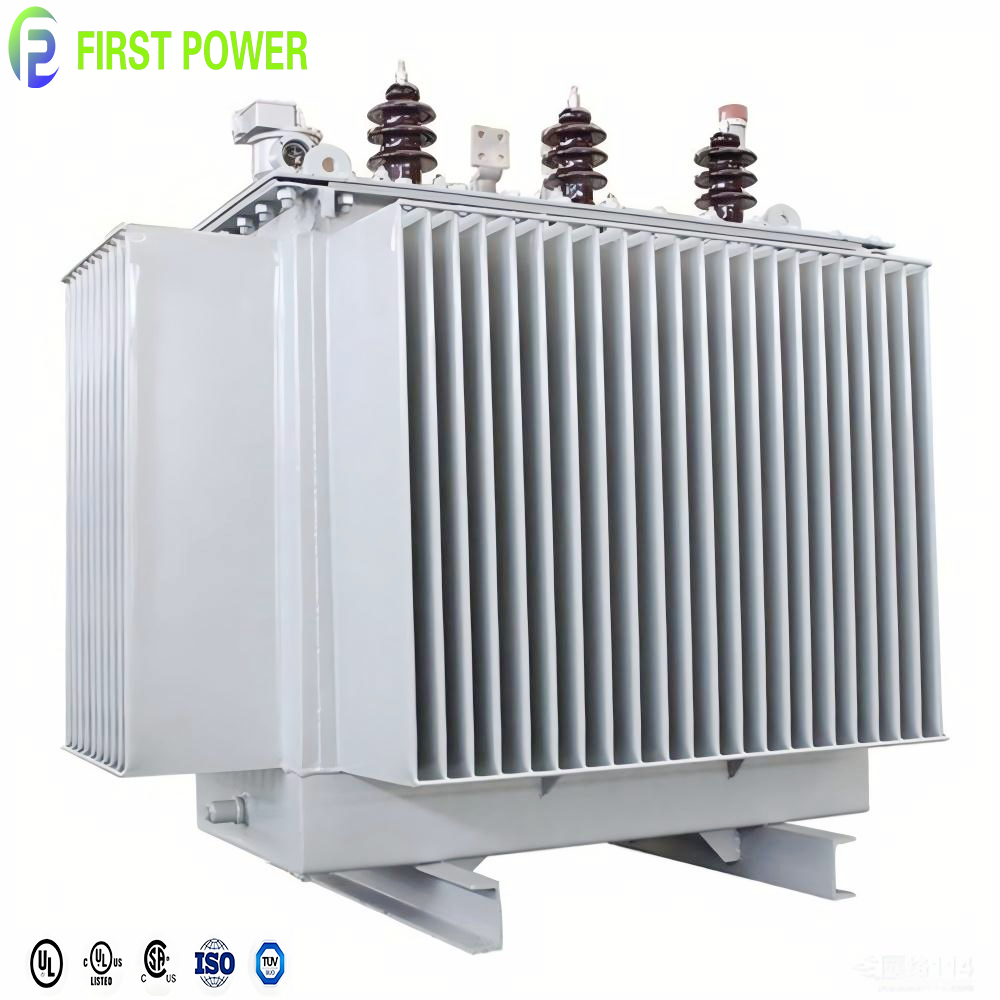 S11 Oil
S11 Three-Phase Oil Transformer, 10–50,000 kVA
For 10–35 kV distribution and power distribution duty, with low-loss design and routine test documentation for utility, industrial and commercial projects.
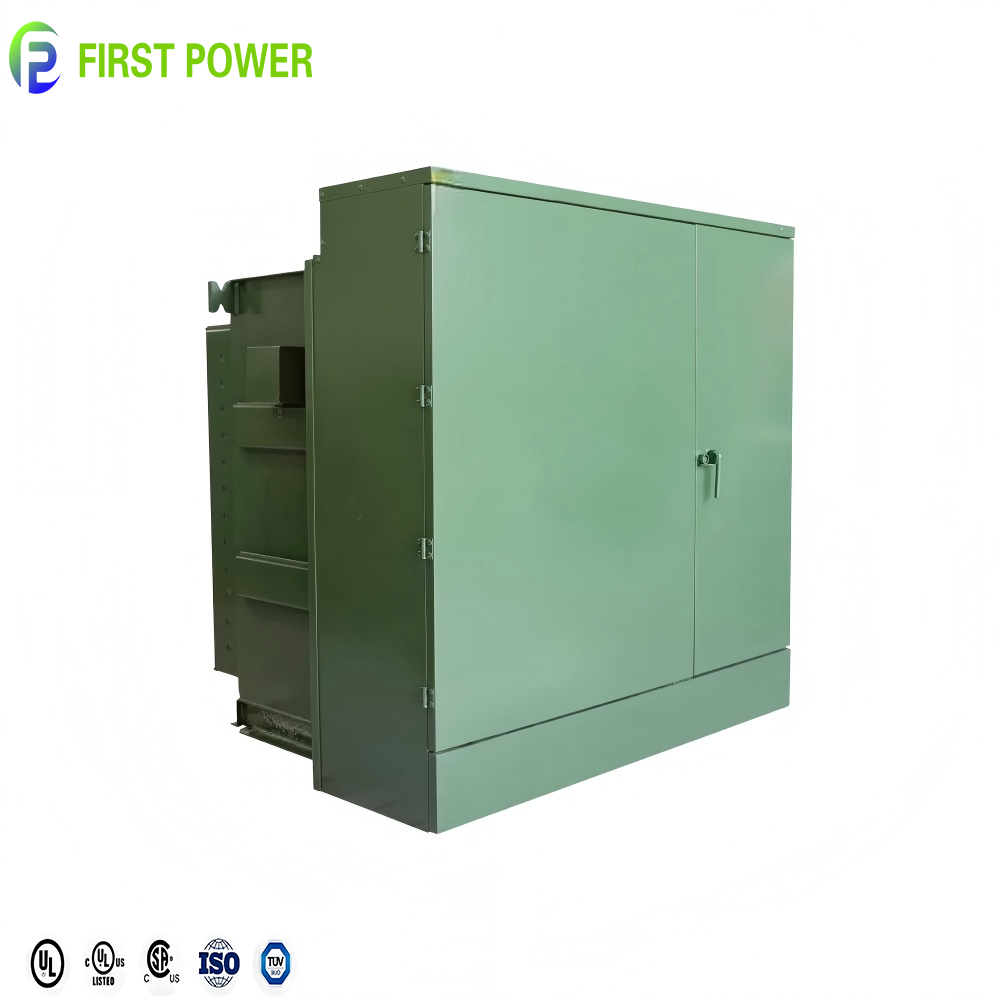 Pad-Mounted
Three-Phase Pad-Mounted Transformer, 300–750 kVA
Compact outdoor distribution for underground cable systems, commercial sites, industrial parks and developments where tamper-resistant equipment is preferred.
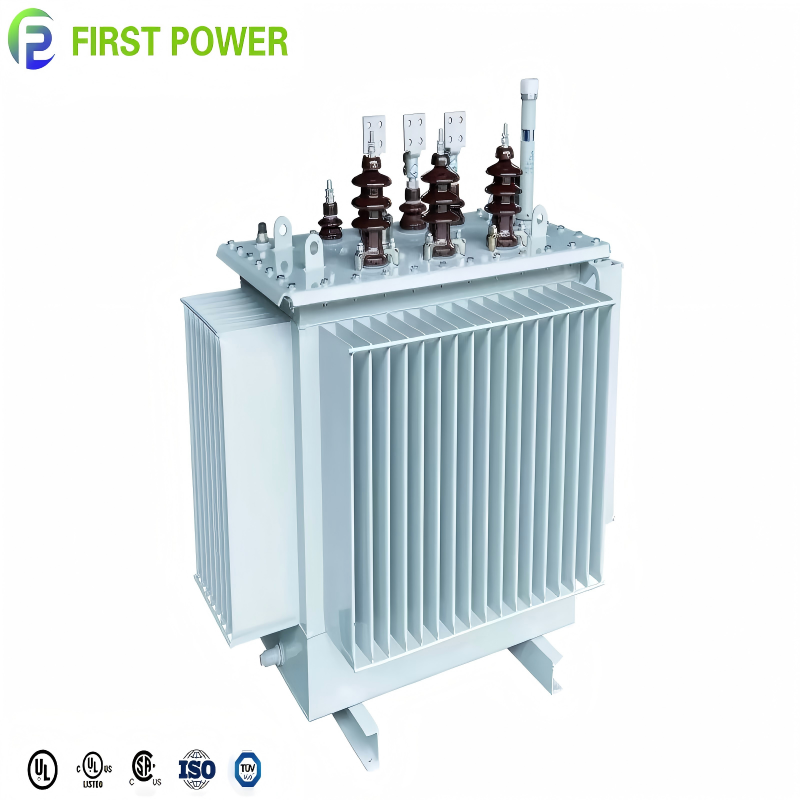 Distribution
S11 6–35 kV Oil-Immersed Distribution Transformer
A 50–300 kVA distribution transformer for commercial buildings, water pumping, light industry, residential infrastructure and small industrial loads.
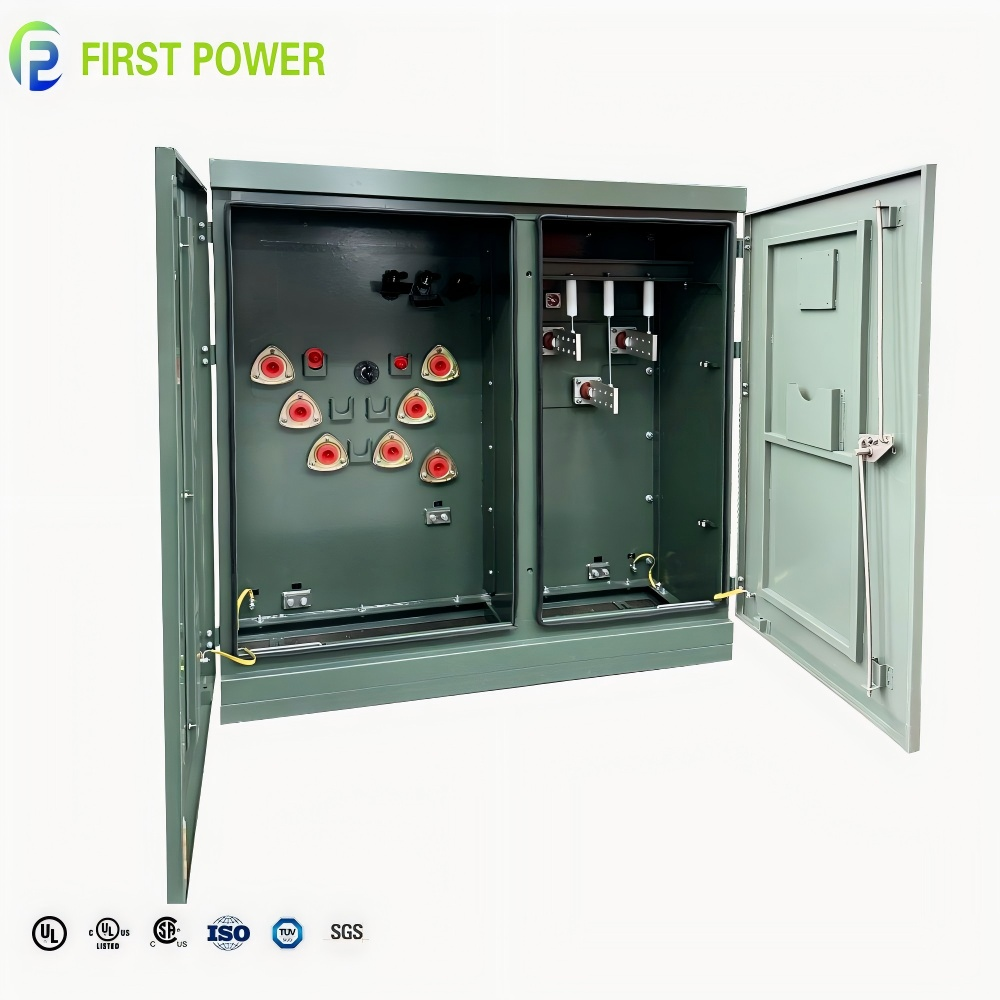 Loop Feed
750 kVA Loop-Feed Pad-Mounted Transformer
Loop-feed configuration supports resilient radial or loop networks, cable compartment access and outdoor installation in coastal or industrial environments.
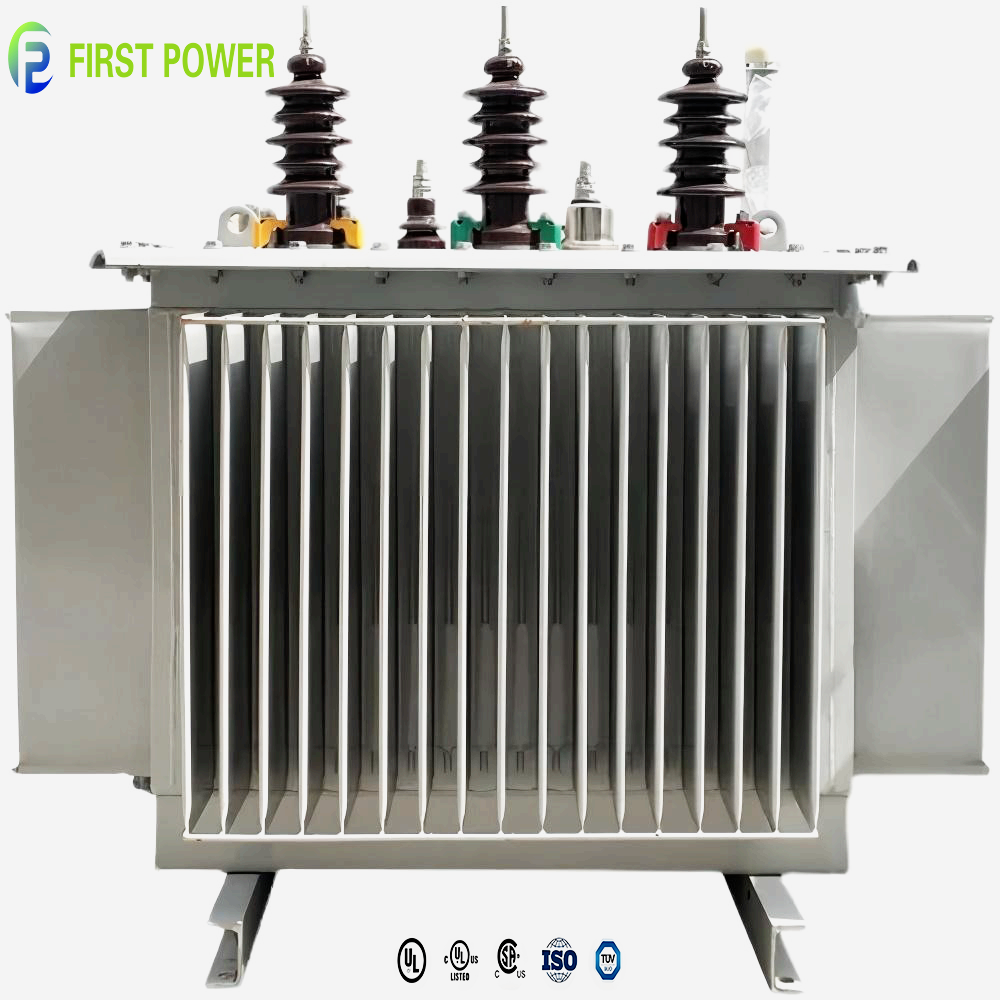 60 Hz Reference
60 Hz S11 Oil-Immersed Transformer, 500 kVA
A 60 Hz product reference for export projects. For Port Elizabeth, specify the 50 Hz equivalent and confirm 11 kV, 22 kV or 33 kV connection requirements.
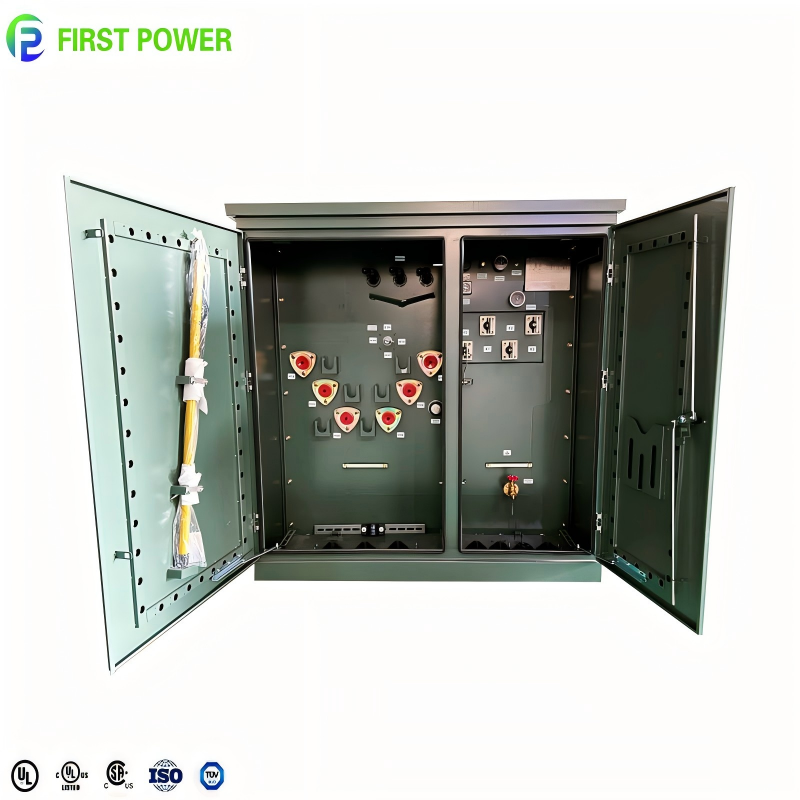 ZGS11
ZGS11 Pad-Mounted Transformer, 75–50,000 kVA
A broad pad-mounted platform for distribution projects requiring an outdoor enclosure, cable termination, protection coordination and project-specific ratings.
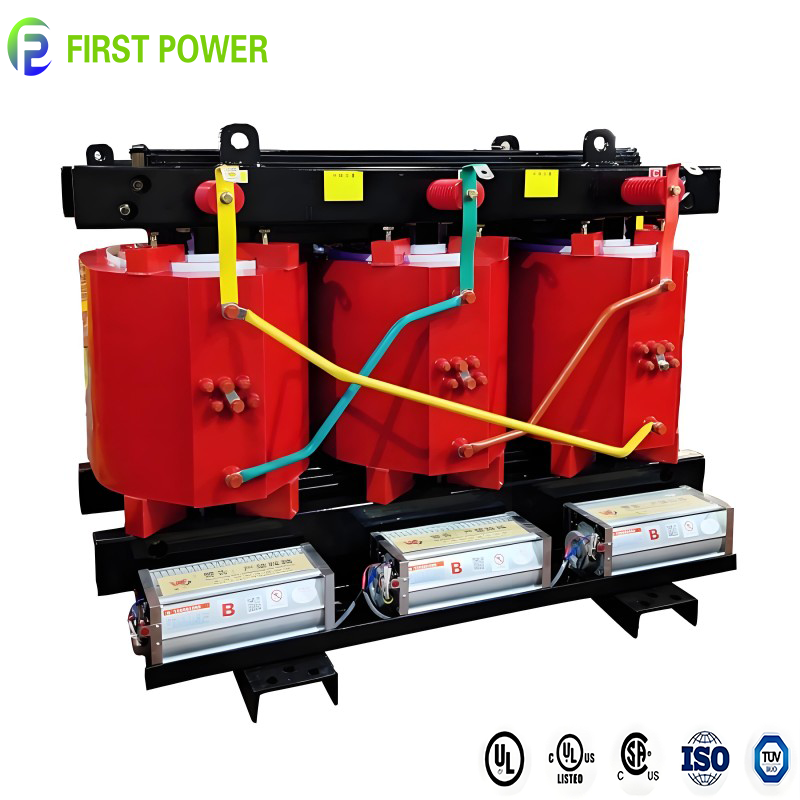 Dry-Type
IEEE 5–6 MVA Three-Phase Dry-Type Transformer
A complementary oil-free option for indoor substations, tunnels, hospitals or fire-sensitive areas; compare losses, noise and thermal performance with oil-immersed units.
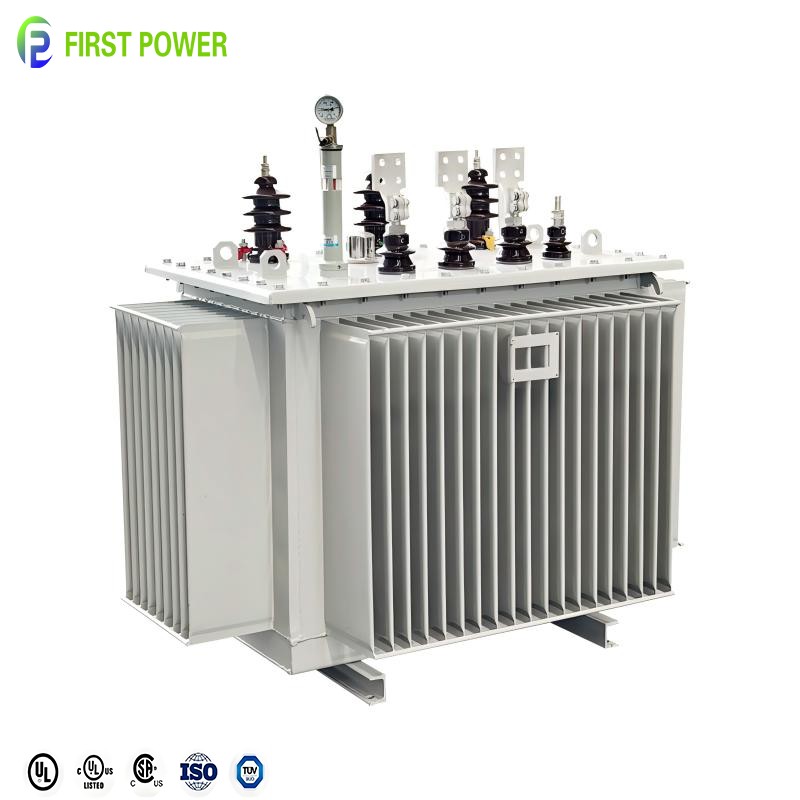 Power
Oil-Immersed Three-Phase Power Transformer
For industrial power supplies, 10–35 kV distribution and projects requiring robust short-circuit withstand, tested insulation coordination and documented losses.
For a faster quotation, share rated power, primary and secondary voltage, frequency, vector group, impedance, tap range, cooling method, site ambient, altitude and any Port Elizabeth utility or EPC specification.
Why Port Elizabeth Buyers Need a Different Outdoor Transformer Conversation
Port Elizabeth, now widely referred to as Gqeberha, sits at the centre of Nelson Mandela Bay’s automotive, logistics, manufacturing, port and renewable-energy economy. Its coastal atmosphere brings salt-laden air, humidity and wind-driven rain, making the specification of an outdoor oil transformer as much a corrosion and enclosure decision as an electrical one.
A transformer that performs well in a dry inland yard may age prematurely on a coastal site if tank coatings, fasteners, gaskets, oil preservation and breathing systems are not correctly selected. That is why a “top 10” supplier comparison should not stop at kVA and price. It should examine test evidence, coastal protection, loss evaluation, thermal margins, documentation and the factory’s ability to support a 50 Hz South African grid connection.
Port Elizabeth also serves Coega Special Economic Zone, the Port of Port Elizabeth and wider Eastern Cape infrastructure. Projects often need equipment that can move efficiently through port logistics, pass inspection with complete test reports and support commissioning by local electrical contractors using IEC-oriented documentation.
For procurement teams, the strongest information gain comes from matching the transformer to the site: coastal corrosion class, ambient temperature, cable box arrangement, protection scheme, earthing, noise limits and future expansion. The title “Top 10 Outdoor Oil Transformer Factory & Suppliers in the Port Elizabeth market” should therefore be read as a due-diligence framework, not a popularity contest.
Port Elizabeth demand signals to verify in a tender
- ✓50 Hz operation and confirmation of 11 kV, 22 kV, 33 kV or project-specific medium-voltage connection.
- ✓Salt-mist and humidity protection, including tank coating, stainless or protected hardware, gaskets and oil preservation design.
- ✓Loss evaluation for continuous industrial, commercial or utility loads rather than first-cost comparison alone.
- ✓Port and heavy-lift planning for Coega, Nelson Mandela Bay and inland Eastern Cape destinations.
- ✓Routine test reports, drawings, nameplate drafts and O&M manuals suitable for EPC and utility review.
- ✓Third-party witness inspection and factory acceptance evidence before shipment.
How to Rank the Top 10 Outdoor Oil Transformer Factories and Suppliers in Port Elizabeth
Use an auditable ten-point scorecard. This helps procurement teams compare factories, trading companies and local representatives on the same basis, especially where coastal corrosion, 50 Hz operation and port logistics affect total project risk.
Electrical Conformity
Verify IEC 60076 design, loss guarantees, impedance, tap range and vector group against the tender and Port Elizabeth utility requirements.
Coastal Corrosion Package
Review tank paint system, surface preparation, hardware, gaskets and breather strategy for salt-laden coastal air and humidity.
Lifecycle Loss Evaluation
Compare no-load and load losses using the project’s evaluation formula instead of choosing the lowest purchase price.
Thermal & Site Design
Confirm ambient temperature, altitude, solar exposure, ventilation and overload profile for the actual Nelson Mandela Bay site.
Enclosure & Sealing
Check tank finish, oil preservation, cable box arrangement, IP protection and tamper resistance for outdoor installation.
Cable & Protection Interface
Freeze the medium-voltage cable termination, earthing, fuse or breaker scheme, surge protection and metering interface early.
Routine Test Reports
Require winding resistance, ratio, vector group, impedance, load loss, no-load loss and dielectric tests for each serial number.
Third-Party Inspection
Confirm whether witness testing, pre-shipment inspection and independent documentation review are welcome before dispatch.
Export & Port Logistics
Assess export packing, shock recording, Incoterms choice, heavy-lift planning and delivery to Port Elizabeth or Coega.
Documentation & Support
Check GA drawings, nameplate drafts, test reports, O&M manuals, spare recommendations and 24-hour engineering response.
Where Outdoor Oil Transformers Fit in the Port Elizabeth Economy
Outdoor oil-immersed transformers support reliable distribution where loads are continuous, ambient conditions are demanding and equipment must remain serviceable with local electrical contractors.
Automotive & Component Manufacturing
Stable voltage matters for assembly lines, stamping, paint shops, pumps and quality-sensitive production. Oil-immersed distribution and power transformers can support continuous industrial loads where thermal margin and loss performance are evaluated properly.
Port, Logistics & Cold Chain
Container handling, cold storage, warehousing and port-related services need resilient distribution. Pad-mounted or outdoor oil-immersed units should be specified with corrosion protection, cable compartment access and protection coordination suited to coastal operation.
Coega SEZ & Industrial Parks
Industrial parks often require scalable transformer capacity, clean documentation and predictable lead times. For Coega and Nelson Mandela Bay projects, review transport access, offloading, foundation design and future expansion before fixing the rating.
Renewables & Public Infrastructure
Embedded solar, wind, water pumping and public infrastructure can require step-up or step-down transformation. Discuss harmonic loading, reverse power flow, protection settings and utility documentation with the transformer factory early.
Local Trends Shaping Port Elizabeth Transformer Procurement
The Port Elizabeth market is increasingly shaped by coastal durability, grid resilience, distributed generation and documentation-led supply chains. These trends affect the questions buyers should ask every supplier.
1. Salt-Mist Specification
Buyers near the coastline are more frequently requesting enhanced paint systems, protected hardware and corrosion-aware tank details. For sites exposed to salt spray, discuss surface preparation and coating class with the project engineer rather than accepting a standard inland finish.
2. Loss Evaluation
As energy costs and grid constraints receive more attention, no-load and load losses are being evaluated over the service life. A slightly higher first cost can be justified by lower guaranteed losses, provided the factory can document test results and penalty clauses are clear.
3. Distributed Energy
Solar, wind and embedded generation projects introduce reverse power flow, harmonic distortion and new protection requirements. Transformer specifications may need revised impedance, thermal margins and utility-approved protection interfaces.
4. Document-Led Supply Chains
EPCs and utilities increasingly expect traceable certificates, routine test reports, nameplate drafts, GA drawings and packing evidence before shipment. Port Elizabeth buyers should make documentation review part of the award decision, not an afterthought.
Why Wisegj Is a Practical Factory Benchmark for Port Elizabeth Buyers
Jiangsu Wisegj Power Co., Ltd. designs, assembles and exports transformers and substations from 220 V to 500 kV. Its product range includes oil-immersed distribution transformers, pad-mounted transformers, power transformers, dry-type transformers and compact substations. For a Port Elizabeth shortlist, the value lies in auditable factory data, not generic claims.
Certified & Verified
ISO 9001, ISO 14001 and ISO 45001 management systems are supported by CE certificates for oil-immersed transformers, dry-type transformers and compact substations. Production capability and floorspace are stated as TÜV Rheinland verified.
Customization Depth
OEM, ODM, design-based and sample-based customization can cover ratings, vector group, impedance, taps, bushings, cooling, insulating fluid, enclosure colour and nameplate language for Port Elizabeth project requirements.
Test & Documentation
Routine tests include winding resistance, ratio and vector group, impedance and load loss, no-load loss and current, applied and induced voltage tests, plus oil dielectric testing for liquid-filled units. Third-party witness inspection is welcome.
Export & Response
Export packing, Incoterms coverage and 24-hour engineering response help reduce procurement friction. Payment terms and currency options are agreed per contract, supporting South African buyers and international EPC teams.
Outdoor Transformer Comparison for Port Elizabeth Projects
Use this comparison to frame the engineering discussion. Actual ratings, voltage ratios, losses, impedance and protection must be confirmed against the project specification and local utility requirements.
| Transformer Type | Typical Range | Best Fit in Port Elizabeth | Procurement Focus |
|---|---|---|---|
| S11 Oil-Immersed Distribution | 50–2,500 kVA; 6–35 kV | Industrial loads, commercial buildings, water pumping, residential infrastructure | Loss evaluation, coastal paint system, vector group, oil testing |
| Three-Phase Pad-Mounted | 300–5,000 kVA; up to 35 kV | Underground networks, campuses, logistics parks, Coega-style industrial sites | Loop or radial feed, cable interface, tamper resistance, enclosure finish |
| Oil-Immersed Power Transformer | 35–500 kV class | Utility substations, large industrial plants, renewable interconnection | Impedance, cooling, OLTC/NLTC, short-circuit withstand, transport plan |
| ZGS11 Pad-Mounted Platform | 75 kVA–50 MVA | Projects needing a broad pad-mounted range with project-specific protection | Enclosure design, protection coordination, site access and lifting plan |
| Dry-Type Transformer | 30–2,500 kVA; up to 35 kV | Indoor substations, tunnels, hospitals, fire-sensitive zones | Fire safety, acoustic limits, ventilation, room layout |
| Compact Substation | 100–2,500 kVA; 10–35 kV | Fast-track renewables, urban networks, temporary or modular projects | Factory assembly, switchgear integration, enclosure class, commissioning scope |
Port Elizabeth operates on 50 Hz. Products listed as 50/60 Hz must be configured for the correct frequency, voltage ratio and local grid practice before quotation. For coastal sites, add project-specific corrosion and ingress requirements to the datasheet.
A Four-Step Path from Specification to Shipment
This workflow keeps the commercial offer aligned with the technical requirement and reduces clarification cycles before factory acceptance.
Define Site & Grid Data
Prepare load profile, voltage ratio, frequency, impedance, vector group, ambient, altitude, coastal exposure and cable details.
Freeze the Interface
Confirm bushings, cable box, earthing, protection, metering, tap changer and enclosure arrangement before drawing approval.
Audit Factory Evidence
Review certificates, test plan, loss guarantees, material traceability and third-party inspection requirements.
Plan Logistics & Commissioning
Cover export packing, port clearance, offloading, storage, oil handling and commissioning documentation for the site team.
Common Buyer Questions for Outdoor Oil Transformers
These are the questions we recommend resolving before comparing final supplier prices for Nelson Mandela Bay and Eastern Cape projects.
Can oil-immersed transformers be used outdoors near the Port Elizabeth coast?
Which standards should a Port Elizabeth buyer reference?
What losses should be evaluated for a coastal industrial project?
How should salt-mist and humidity protection be specified?
Which factory tests should be requested before shipment?
How can we shorten the quotation and delivery cycle?
Ready to Review a Port Elizabeth Transformer Specification?
Send the datasheet, single-line diagram, loss requirements or tender documents. The factory engineering team can review the rating, coastal protection, test plan and export logistics before a formal offer is prepared.