Eight Transformer & Substation Lines Available for Dortmund Procurement
The core request is a three-phase dry-type transformer; the factory also supplies the adjacent oil-immersed, pad-mounted and power transformer families below. This lets a Dortmund EPC, electrical wholesaler or facility team consolidate equipment, documentation and export logistics with one audited manufacturing partner.
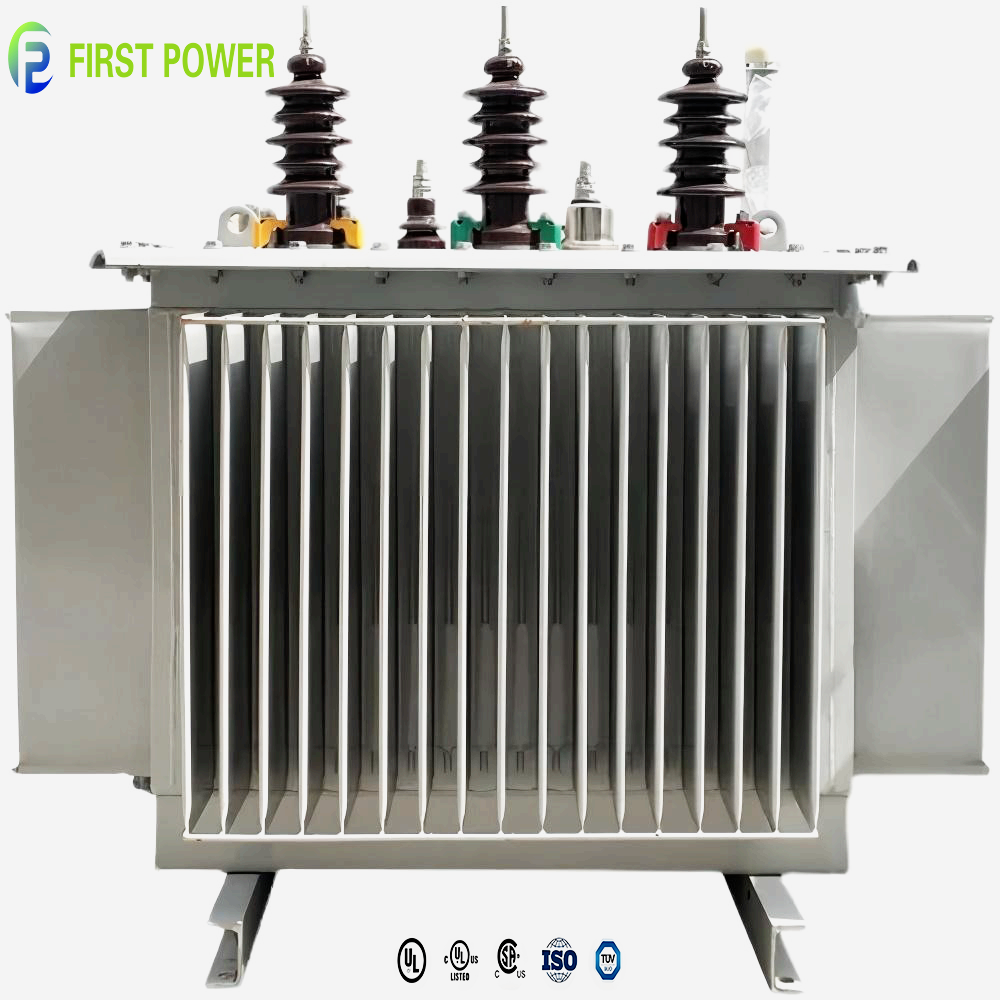
S11 Three-Phase Oil-Immersed Transformer for Power Supplies
50/60 Hz oil-immersed distribution line for 10 kV and 35 kV supplies, with /C certification documentation and ratings up to the 500 kVA class shown in the source specification.
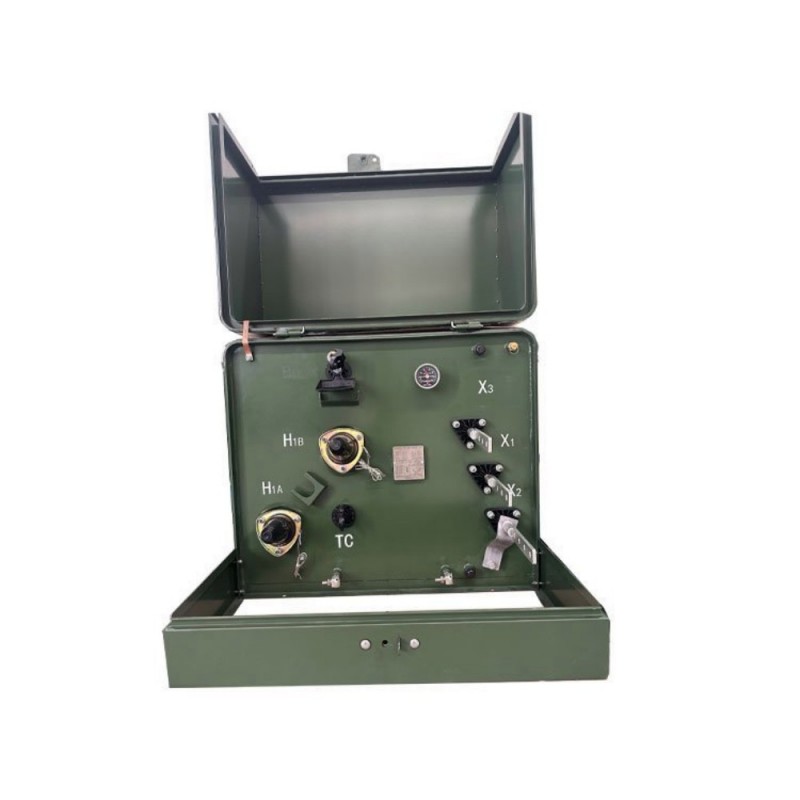
Certified Multi-Voltage Single-Phase Pad-Mounted Transformer
Oil-type pad-mounted unit for 6 kV, 10 kV, 13 kV, 20 kV and 34.5 kV systems, suitable for 75 kVA distribution duties and export projects.
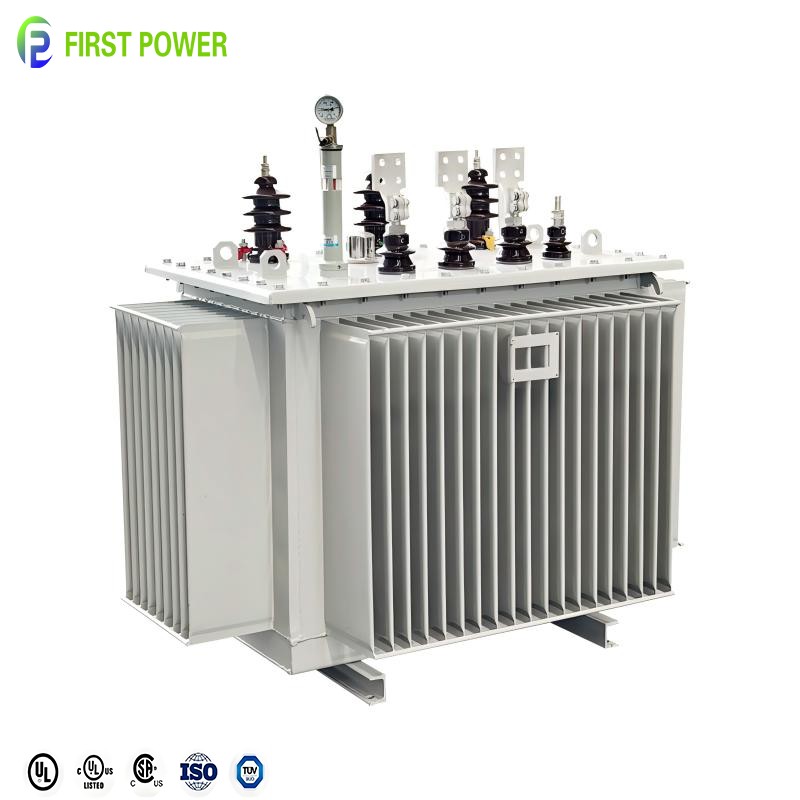
100–1000 kVA Oil-Immersed Three-Phase Power Transformer
50/60 Hz power transformer for 10 kV, 20 kV and 35 kV supplies, covering 100 kVA to 1000 kVA duty points in distribution and industrial networks.
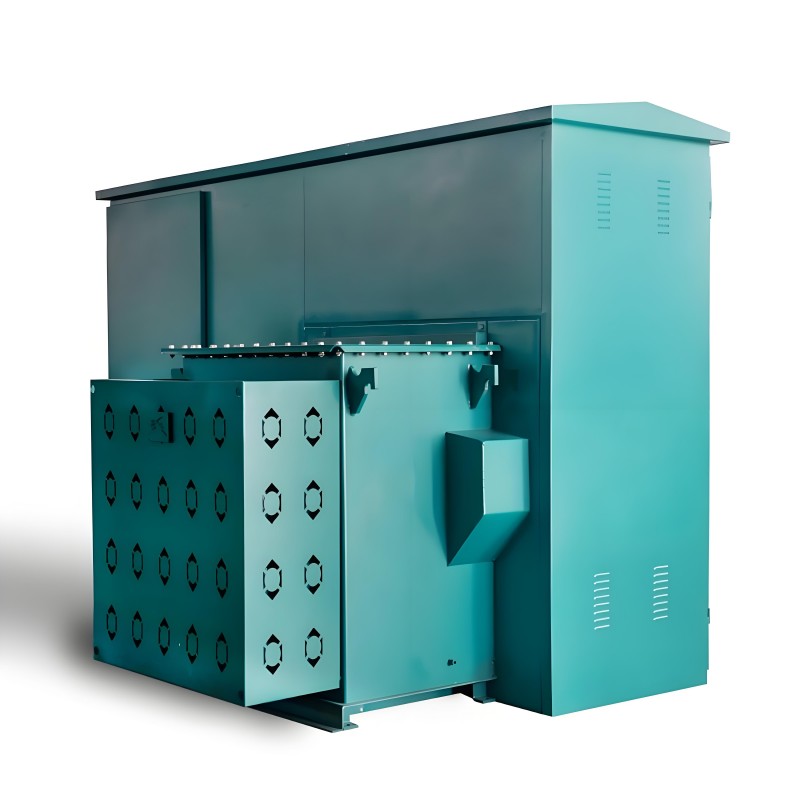
Dead-Front Pad-Mounted Three-Phase Transformer
Oil-type copper-winding pad-mounted design for 6–34.5 kV systems, with dead-front compartment and 75–2500 kVA range.
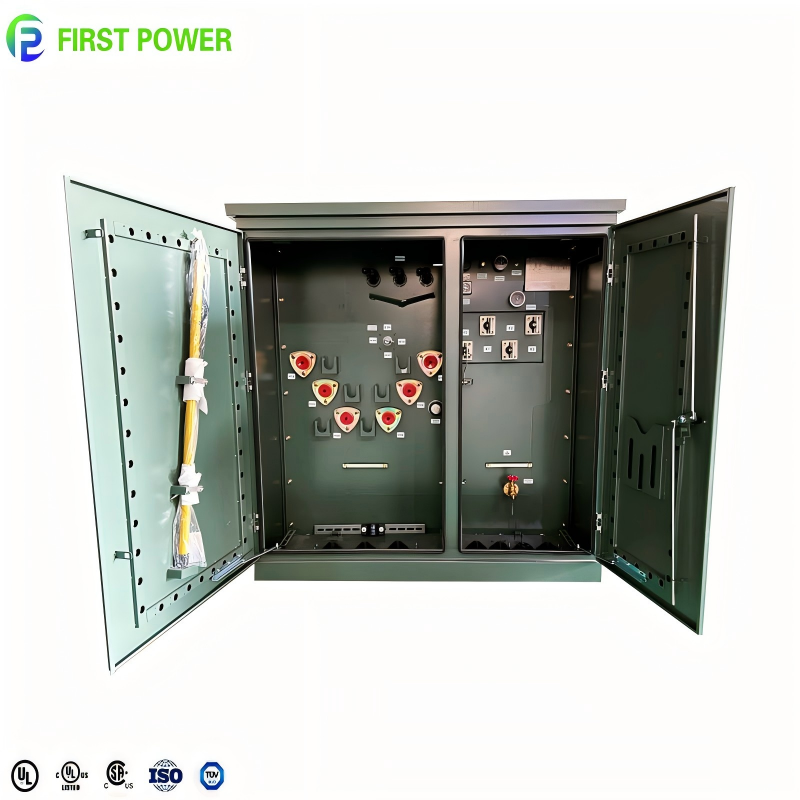
ZGS11 Three-Phase Pad-Mounted Transformer for Distribution
75 kVA to 50,000 kVA range for 6–35 kV distribution, configured for electric power distribution and compact outdoor substation layouts.
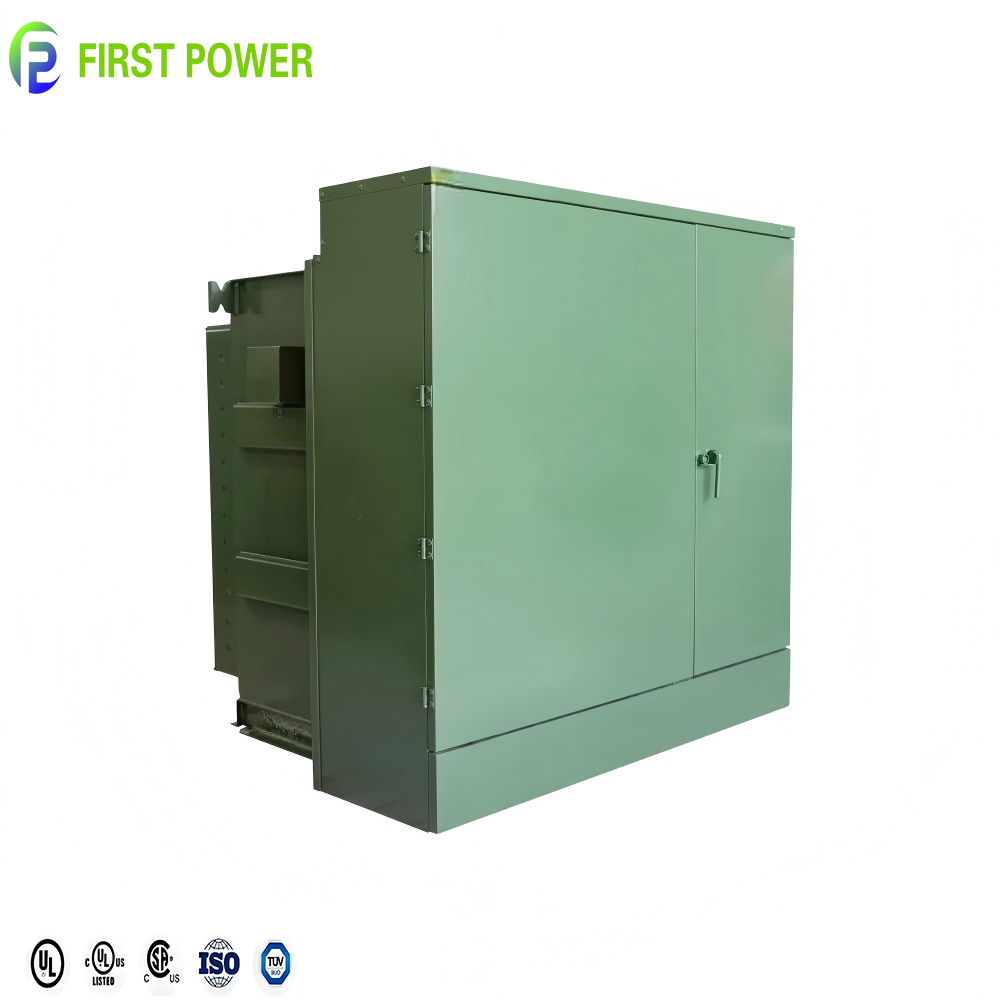
MV/HV Pad-Mounted Transformer for Industrial Power Supply
750–2500 kVA three-phase pad-mounted platform for industrial power supply, designed around medium- and high-voltage project requirements.
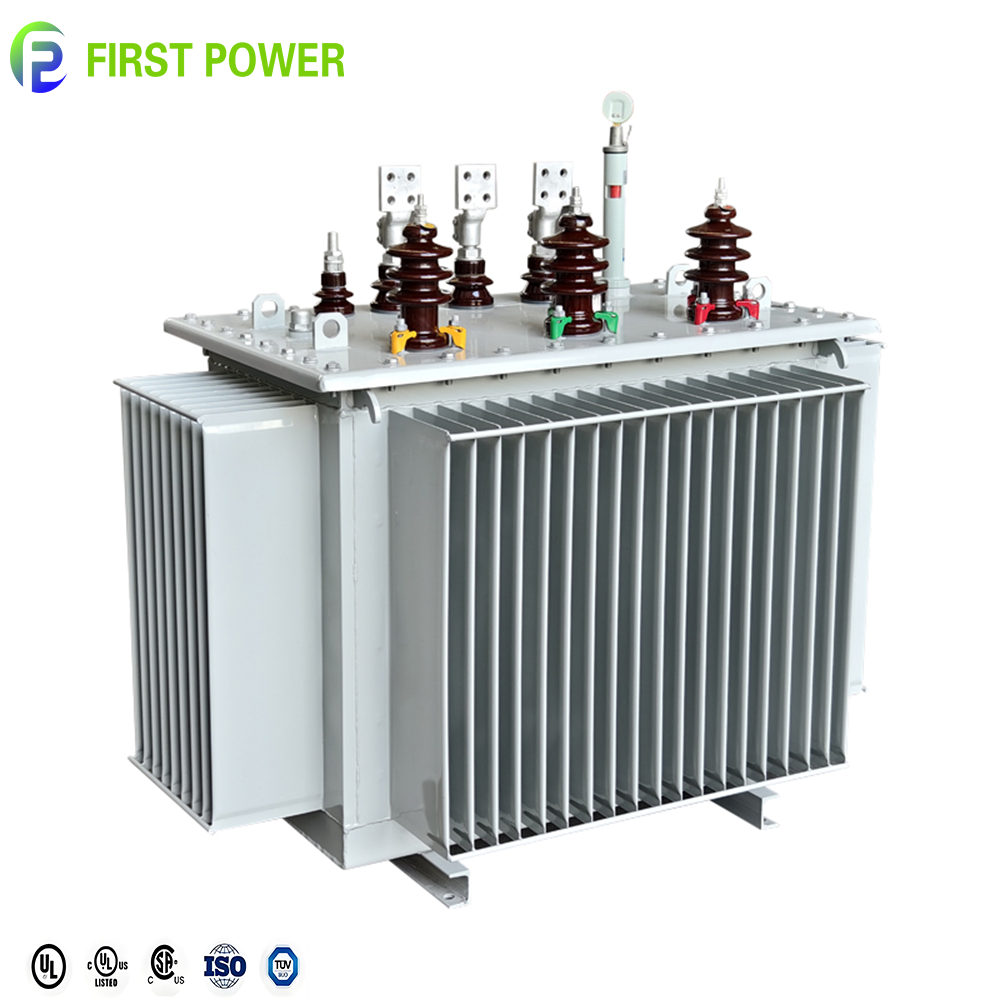
Oil-Immersed Step-Up Transformer for Industrial Applications
6–35 kV class step-up transformer with 100–500 kVA ratings and low-voltage output option shown in the source specification for industrial voltage conversion.
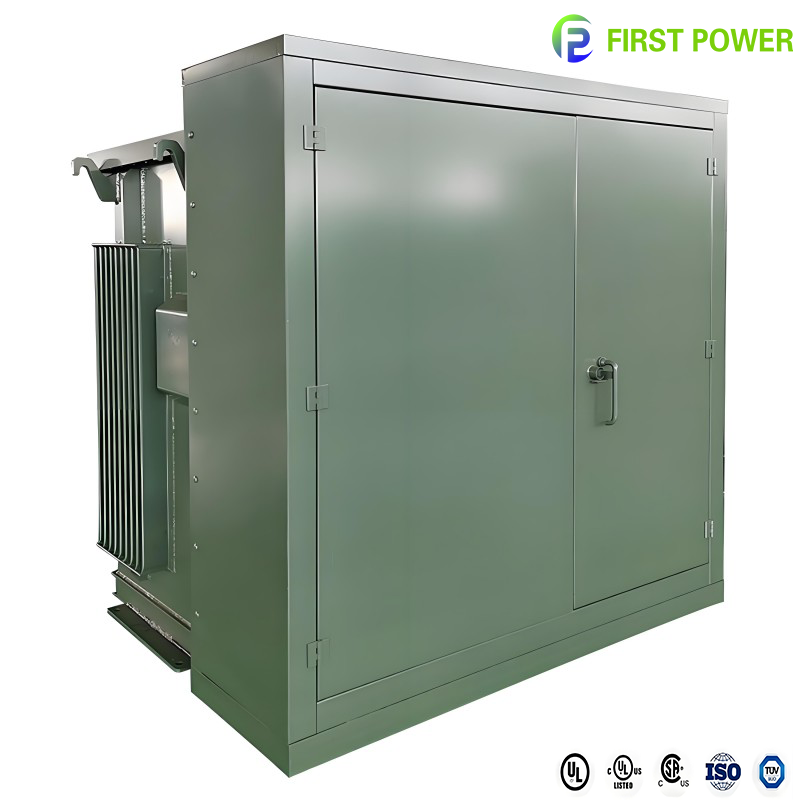
Oil-Type Three-Phase Pad-Mounted Transformer for Power Generation
75–400 kVA pad-mounted three-phase unit for 10 kV, 20 kV and 35 kV systems, used in power generation and distribution applications.
Verified Capability at a Glance
A Dortmund Search Is a Risk-Reduction Exercise, Not a Catalogue Lookup
Queries that combine “three phase dry transformer factories”, “wholesaler” and “Dortmund market” usually come from a buyer who is narrowing a shortlist. The person may be an electrical consultant preparing a performance specification, an EPC procurement lead comparing factory-direct supply with a German distributor, a facility manager replacing an indoor transformer, or a wholesaler looking for an OEM source. All of them need the same reassurance: the transformer must fit the 50 Hz grid, satisfy the project’s fire and noise requirements, arrive with verifiable test documentation, and be supported after shipment. A generic catalogue page does not answer those questions. A useful supplier page separates engineering fact from marketing language and makes the audit trail visible.
Dortmund adds specific context. The city is part of the Ruhr and North Rhine-Westphalia, a region undergoing structural change from carbon-intensive industry toward logistics, services, research, advanced manufacturing and electrified infrastructure. Urban redevelopment sites can be tight; building owners care about fire load and noise; grid operators expect compliance evidence for medium-voltage connections; and public or corporate procurement teams increasingly evaluate lifecycle loss cost. Dry-type transformers are therefore not simply a product category. They are one part of a larger decision about space, safety, resilience and operating cost in a dense European electricity network.
What a serious Dortmund buyer is really comparing
Price is only one line in the evaluation. A compliant offer also has to show the guaranteed no-load and load losses, impedance and short-circuit duty, temperature-rise basis, sound pressure level, enclosure protection, routine test reports, drawing approval process and delivery plan. When a supplier cannot explain these parameters in plain engineering language, the lowest quote often becomes the most expensive project risk.
What Makes a Three-Phase Dry-Type Transformer Different
A three-phase dry-type transformer uses air as the insulating and cooling medium. Medium-voltage windings are commonly vacuum-cast in epoxy resin and cured; low-voltage windings may also be cast or impregnated depending on the design. There is no mineral-oil tank, conservator or oil-containment pit, so the transformer can be integrated into an indoor electrical room with a smaller fire load than a liquid-filled unit. This is why dry-type transformers are frequently evaluated for commercial buildings, hospitals, tunnels, data rooms, public infrastructure and compact urban substations.
Dry type is not automatically the right answer for every Dortmund site. Oil-immersed units can offer advantages in outdoor yards, high-temperature environments and some large power applications. The selection should follow the fire strategy, ventilation study, noise limit, short-circuit duty and operating profile. The key standards to discuss are IEC 60076-11 for dry-type transformers, EN 50588-1 where applicable, the EU Ecodesign transformer rules, and the German VDE connection codes such as VDE-AR-N 4110 for medium voltage and VDE-AR-N 4105 for low voltage generation.
Engineering checks that matter more than the label “dry type”
- Rated power and future load growth
- Primary 10 kV or 20 kV grid voltage
- Dyn11 vector group and protection coordination
- Impedance and short-circuit withstand
- AN/AF cooling and temperature sensors
- Insulation class, partial discharge and IP rating
- Guaranteed no-load and load losses
- Sound pressure level at the planned location
- German/English documentation package
Dortmund and Ruhr Application Scenarios That Change the Specification
Dortmund projects rarely use one generic transformer specification. The application determines whether the priority is low noise, compact dimensions, harmonic resilience, fire safety, high overload capability or a particular enclosure. The cards below show where a three-phase dry-type transformer is commonly evaluated in and around the Dortmund market.
City-centre commercial and mixed-use sites
Redevelopment plots often place the electrical room close to offices, retail or residential space. Dry-type units with low noise, IP20/IP23 enclosure and carefully checked heat release can simplify fire compartmentation and service access.
Hospitals, universities and research campuses
Sensitive equipment, continuous operation and public safety push the specification toward low partial discharge, redundant supplies, low sound levels and documented temperature-rise performance.
Data centres, telecom and AI infrastructure
Non-linear loads and high utilisation make harmonic duty, K-factor discussion, low loss, fan control and condition monitoring more important than a simple kVA figure.
EV charging hubs and logistics facilities
Fast chargers and warehouse automation create dynamic, harmonic-rich demand. Buyers should plan for future expansion, enclosure protection, ventilation and cable termination space.
Industrial decarbonisation and process plants
Motor starting, rectifiers, furnace loads and voltage dips can require higher impedance, enhanced cooling and a maintenance concept that fits the plant’s shutdown schedule.
Heat pumps, district energy and on-site generation
Electrification of heating and local generation changes power flow and protection settings. The transformer must be specified with the grid connection study, not after it.
Dortmund Trends Shaping Three-Phase Dry Transformer Demand
Dortmund’s transformation is not an abstract policy story; it changes the load profile at the transformer terminals. The phase-out of carbon-intensive generation, the growth of logistics and digital infrastructure, the electrification of heating and transport, and the redevelopment of constrained urban sites all influence how transformers are specified. In practical procurement terms, the buyer is often asked to deliver more capacity from less space, with lower losses and a stronger documentation trail.
Another trend is the shift from first-cost purchasing to lifecycle evaluation. A transformer may operate for decades, so no-load loss and load loss become financial variables rather than technical footnotes. Dortmund buyers increasingly ask for loss guarantees, test reports and a total owning cost view that uses their own electricity price and load profile.
Illustrative evaluation lens based on common tender discussions; it is not a statutory formula. Each Dortmund project should set its own weighting.
Recommended Three-Phase Dry Configurations for Dortmund Projects
The following starting points help a buyer prepare a technical enquiry. They are not a substitute for a grid study or protection design. Final ratings, impedance, losses, cooling and enclosure must be confirmed by the electrical designer and the transformer engineer.
Compact building supply
630–1000 kVA, 10/0.4 kV, Dyn11, 50 Hz, AN/AF, IP20, low-noise cast-resin design. Suitable for offices, hotels, mixed-use redevelopment and building services where indoor siting and fire safety dominate.
High-reliability campus package
1000–2000 kVA, 20/0.4 kV, low partial discharge, PT100 sensors, dual fans and IP20/IP23 enclosure. Appropriate for hospitals, universities, research facilities and data rooms with sensitive loads.
Industrial and infrastructure package
1600–2500 kVA, 10 kV or 20 kV, harmonic study, K-factor discussion, IP23, AF cooling and condition monitoring. Used for logistics hubs, EV charging infrastructure and advanced manufacturing.
How to Specify a Three-Phase Dry Transformer for a Dortmund Tender
A strong specification prevents the quotation process from becoming a comparison of incomplete datasheets. The table below lists the parameters that should be fixed or explicitly left for the supplier to propose, with a short note on why each one matters.
| Parameter | Typical Dortmund discussion point | Why it matters |
|---|---|---|
| Rated power | 250–2500 kVA; 630, 1000, 1250 and 1600 kVA are common review points. | Must include future load growth, diversity and redundancy without pushing losses or temperature rise beyond the design basis. |
| Primary voltage | 10 kV or 20 kV, 50 Hz, with the tap range defined by the grid study. | The transformer ratio must match the connection offer, not a catalogue default. |
| Secondary voltage | 400/230 V for low-voltage distribution; other values only with a confirmed system design. | Affects protection, cable sizing and voltage drop. |
| Vector group | Dyn11 is common, but the protection concept and harmonics must be checked. | Influences earth-fault behaviour, phase shift and parallel operation. |
| Impedance | Typically 4–6%, calculated for the actual transformer and network fault level. | Controls short-circuit current, voltage regulation and protection settings. |
| Cooling | AN/AF with fan control, PT100 sensors and alarm/trip contacts. | Provides overload capability while protecting insulation life. |
| Insulation and enclosure | Class F or H, cast-resin windings, IP00/IP20/IP23 as required. | Must match dust, humidity, access and fire strategy. |
| Losses | Guaranteed no-load and load loss, with EU Ecodesign compliance evidence. | Drives lifecycle cost and must be verified in routine tests. |
| Standards | IEC 60076-11, EN 50588-1 where applicable, EU 2019/1783, VDE-AR-N 4110/4105. | Shows the design basis and the documents the buyer should receive. |
| Delivery and access | DDP Dortmund, unloading window, crane or forklift, route restrictions and storage. | Prevents a technically compliant transformer from becoming an installation problem. |
Factory Advantages Dortmund Buyers Can Audit
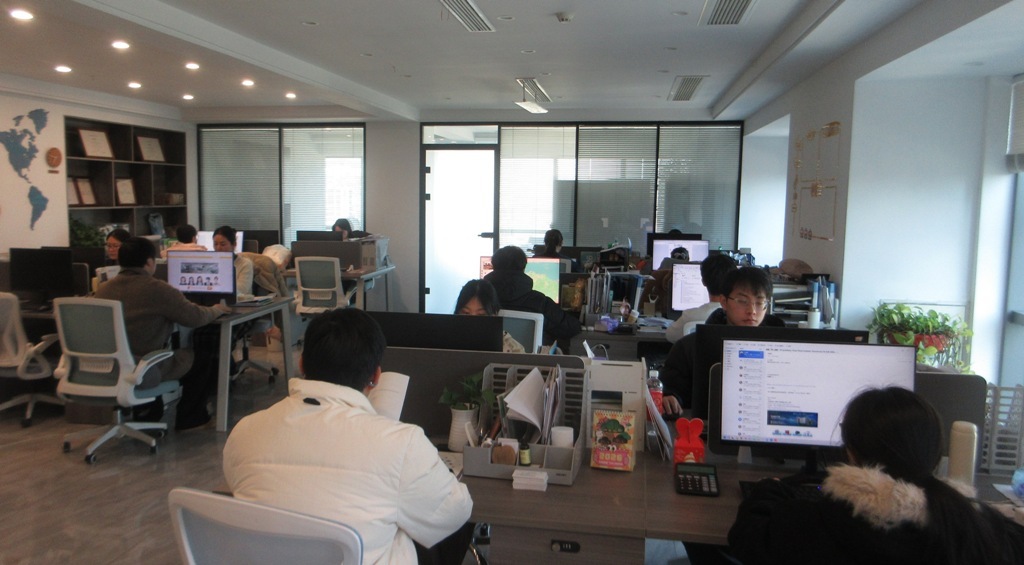
Jiangsu Wisegj Power Co., Ltd. is a Suzhou-based manufacturer and exporter of transformers, compact substations and switchgear. The claims below come from the company’s verified profile and can be checked before order. A wholesaler can consolidate logistics, but the factory must still control winding, core assembly, casting or oil processing, testing and documentation. Ask who signs the routine test report and who approves the drawings.
20+ years of team experience
Practical transformer engineering across distribution, pad-mounted, oil-immersed, dry-type and power transformer projects.
6,847 m² verified floorspace
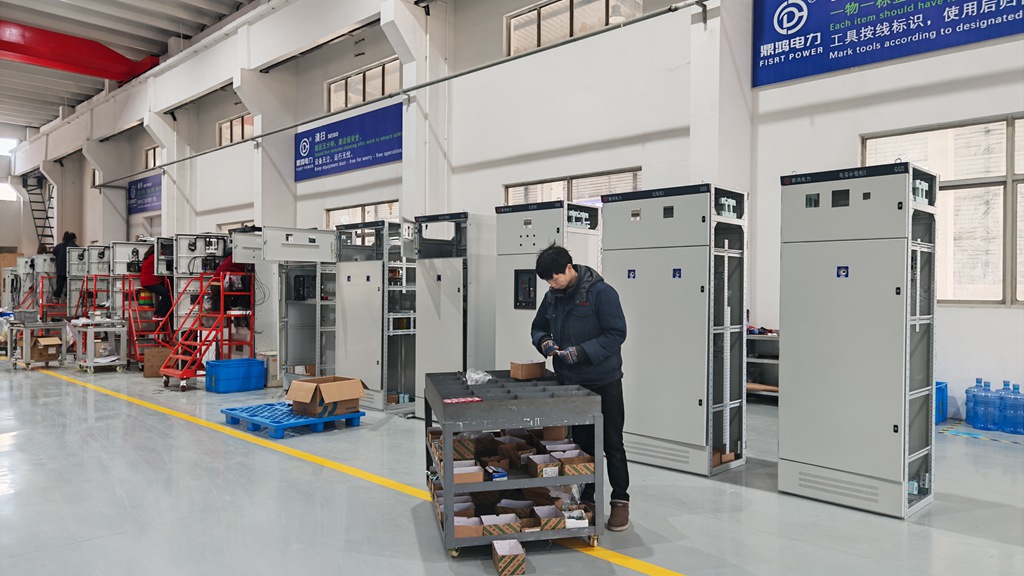
Production space inspected onsite by TÜV Rheinland, with dedicated winding, assembly, drying, tanking and test areas.
50+ R&D engineers
Technical support for ratings, losses, impedance, cooling, enclosure and documentation reviews.
211 qualified supply partners
Controlled sourcing for silicon steel, copper, bushings, insulation and accessories supports stable lead times.
ISO and CE certification
ISO 9001, ISO 14001, ISO 45001 and CE documentation for relevant transformer and substation lines.
OEM, ODM and design customisation
Ratings, vector group, impedance, taps, cooling, enclosure colour and nameplate language can be adapted.
Supplier to Fortune 500 companies
Experience with buyers that require structured drawings, inspection records and export documentation.
24-hour engineer response
Pre-sale and after-sale technical questions receive a qualified reply within one working day.

Company and facility overview
Assembly workshop and production control

Testing laboratory and routine test records
Export packing, loading and shipment preparation
Quality Evidence and Documentation for German Procurement
German procurement teams often need to show that a supplier was evaluated, not simply selected. Certificate numbers, test report formats and inspection rights matter. Jiangsu Wisegj Power Co., Ltd. operates under ISO 9001, ISO 14001 and ISO 45001 management systems and holds CE certification for relevant product lines. The factory profile is verified onsite by TÜV Rheinland, an independent third-party inspection body.
ISO 9001
Quality management system · No. 62824Q6052R0S
ISO 14001
Environmental management system · No. 62824E6053R0S
ISO 45001
Occupational health and safety · No. 62824S6054R0S
CE · Dry Type Transformer
Certificate No. FQC2530404
CE · Oil-Immersed Power Transformer
Certificate No. 3N230310.JYTU038
CE · Compact Substation
Certificate No. M.2025.206.C121884
Every unit should receive routine tests covering winding resistance, voltage ratio and vector group, impedance and load loss, no-load loss and current, applied voltage and induced voltage. For dry-type transformers, ask for partial discharge measurement and temperature-rise type-test evidence where specified. For liquid-filled units, include oil dielectric strength. Third-party witness inspection is welcome, and the test plan should be agreed before production.
- GA drawing and nameplate approval
- Routine test report per serial number
- Loss guarantees and test verification
- Partial discharge evidence for dry type
- Packing list and shipping documents
- O&M information for the site team
Common Local Procurement Questions About Three-Phase Dry Transformers
Are three-phase dry-type transformers suitable for Dortmund city-centre buildings?
Should I specify 10 kV or 20 kV for a Dortmund project?
How do you prove EU Ecodesign loss compliance?
Can you supply German-language nameplates and documentation?
How should I compare a factory with a wholesaler?
What tests should I witness before shipment?
How do you deliver to Dortmund and which Incoterms are available?
Can the transformer be customised for harmonics, noise or IP protection?
Request a Dortmund Dry Transformer Quotation
Send your specification, single-line diagram or tender documents. A transformer engineer, not a sales script, will review the data and respond within one working day. Include the items below to avoid clarification rounds.
- Rated power in kVA
- Primary and secondary voltage
- Frequency, vector group and impedance
- Cooling, enclosure and ambient conditions
- Loss target or TCO basis
- Dortmund delivery address and access notes
Email: [email protected]