Product series for Liverpool step-down and isolation projects
These eight product lines cover the ratings most often reviewed by Liverpool City Region utilities, M&E contractors, port operators and energy developers. Each can be engineered for step-down duty; where a catalogue product is normally described as step-up, the step-down vector group, tap range and dielectric configuration are confirmed in the technical offer.
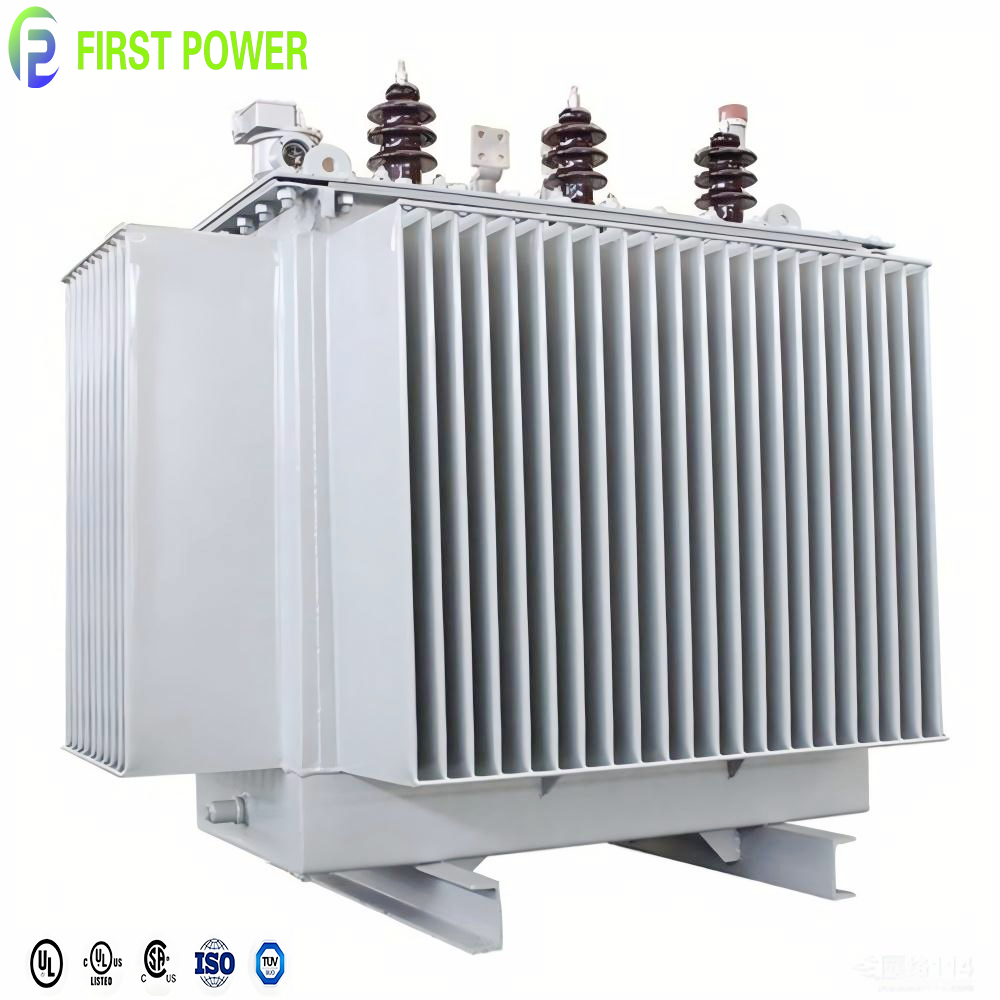 Oil immersed
S11 Three Phase Oil Transformer for Power Distribution
10 kVA to 50 MVA, 10–35 kV class. A robust oil-immersed platform for utility distribution, industrial substations and large commercial step-down duty where thermal headroom and long service life are priorities.
- Capacity10 kVA–50 MVA
- Voltage10–35 kV class
- DutyStep-down / distribution
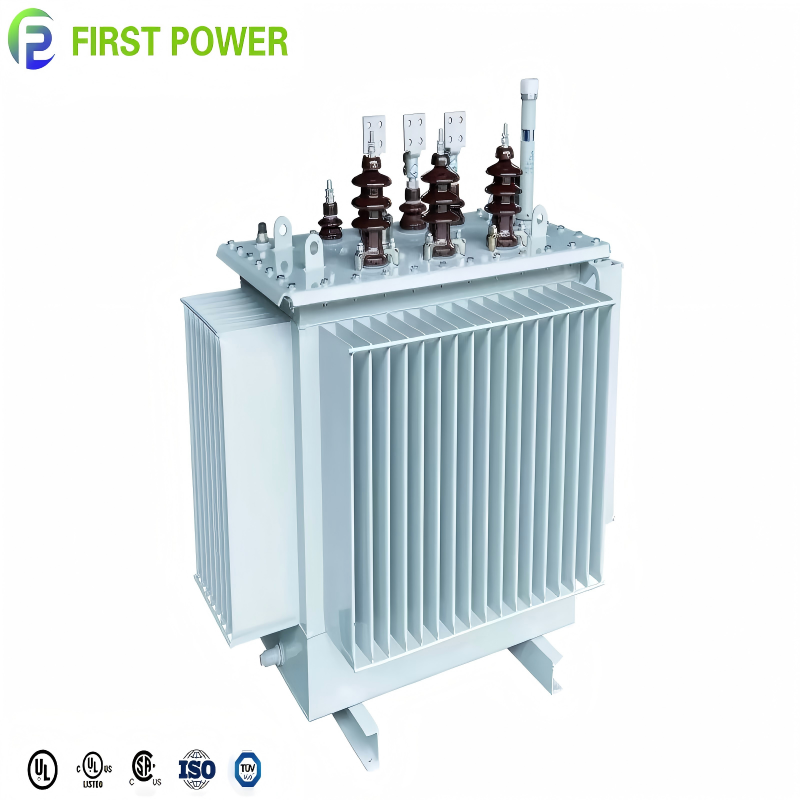 6–35 kV
S11 3-Phase Oil Immersed Distribution Transformer
50–300 kVA compact distribution class; suited to Merseyside retail, logistics and light industrial sites that need a straightforward 11 kV or 33 kV step-down connection.
- Capacity50–300 kVA
- Voltage6–35 kV
- UseDistribution systems
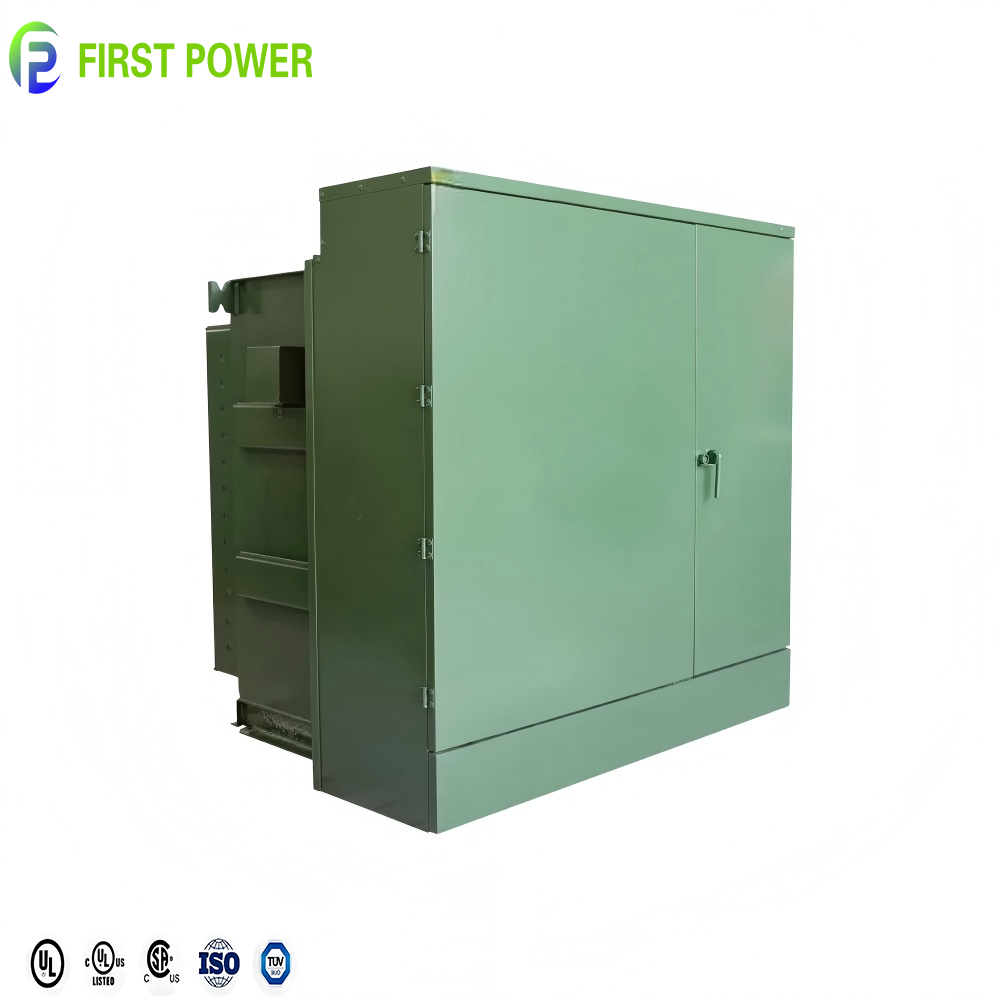 Pad mounted
Three Phase Pad Mounted Power Distribution Transformer
300–750 kVA underground distribution platform with a tamper-resistant enclosure; suitable for Liverpool Waters, campus and commercial developments where overhead equipment is not acceptable.
- Capacity300–750 kVA
- Voltage10–35 kV
- DesignLoop / radial feed
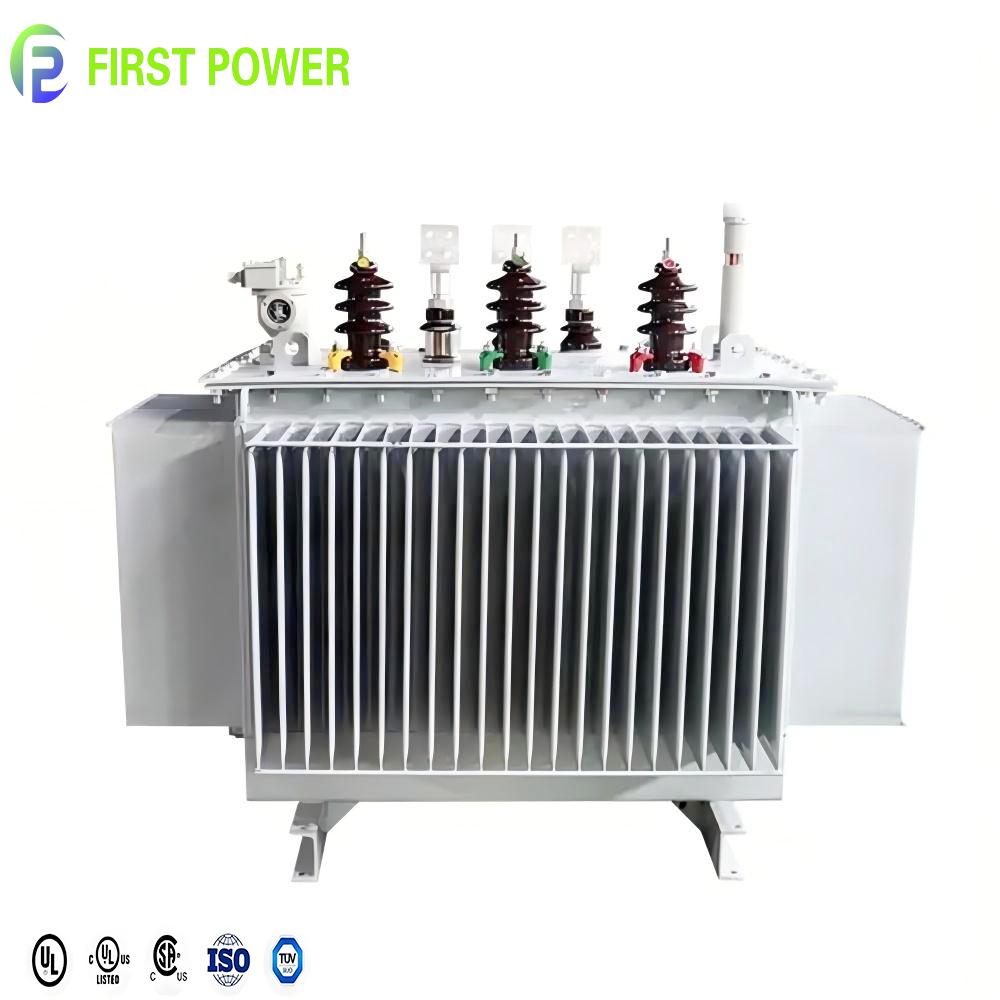 50–250 kVA
S11 10–35 kV Oil Immersed Distribution Transformer
Small to medium distribution unit for local substations, plant rooms and mixed-use developments; can be specified with low-loss core, sealed tank and project-specific vector group.
- Capacity50–250 kVA
- Voltage10–35 kV
- OptionLow-loss design
 Industrial
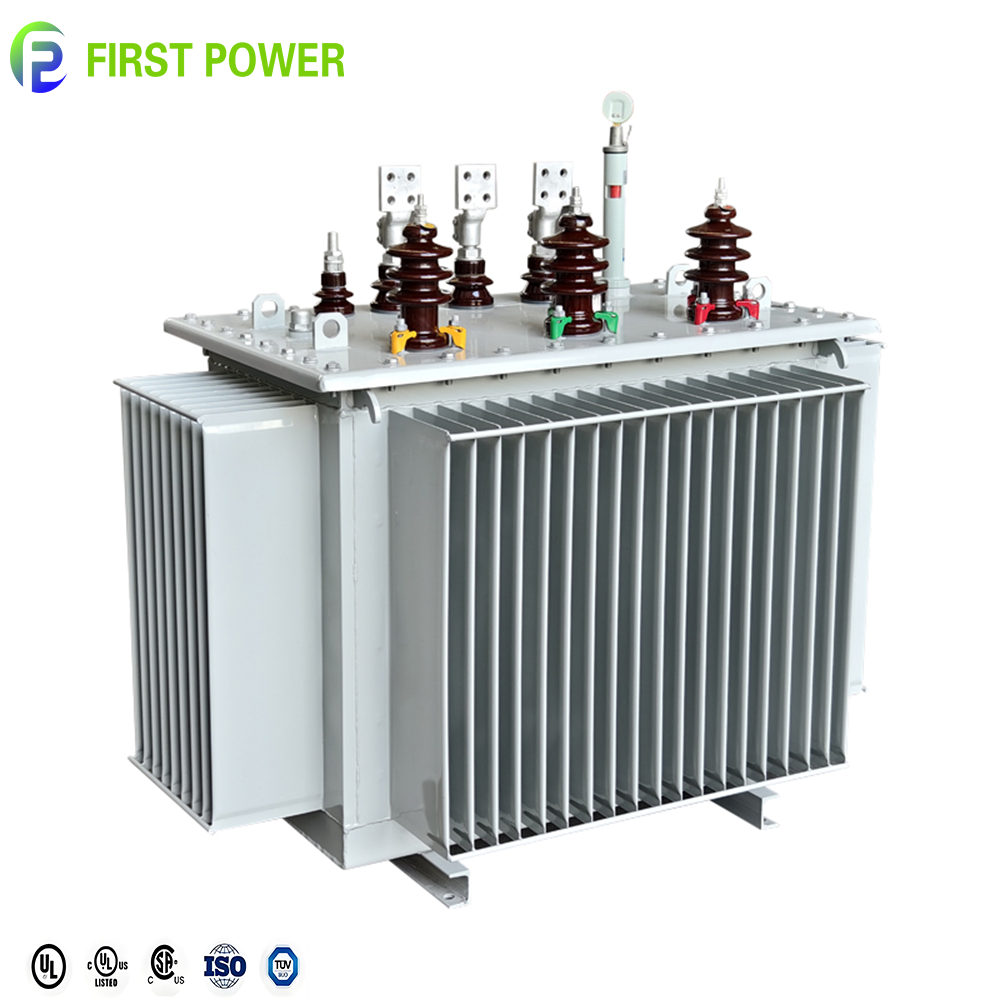
 Oil Immersed Step-Up / Step-Down Transformer
Catalogue title is step-up; for Liverpool projects we can configure step-down isolation duty around 6–35 kV to 220 V / 400 V, subject to engineering review. Suitable for manufacturing lines and process plants.
- Capacity100–500 kVA
- Voltage6–35 kV
- Output220 V class
 Loop feed
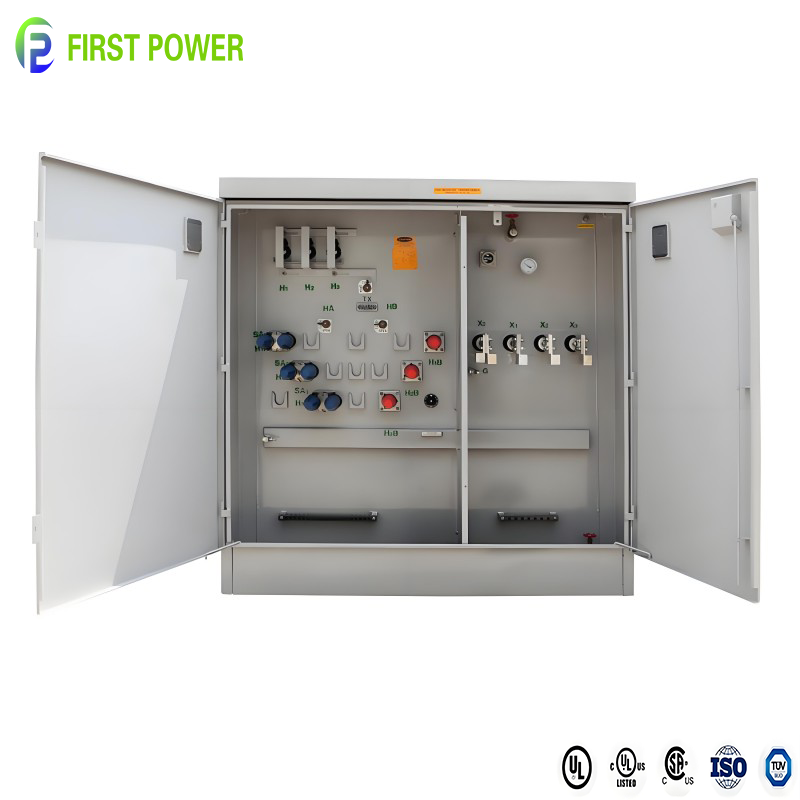
MV&HV Three Phase Loop Feed Pad Mounted Transformer
300–700 kVA loop-feed pad-mounted design for industrial estates, port logistics and renewables. The enclosure and finish can be adapted for coastal and high-humidity environments.
- Capacity300–700 kVA
- Voltage10–35 kV
- DesignLoop feed
 Single phase
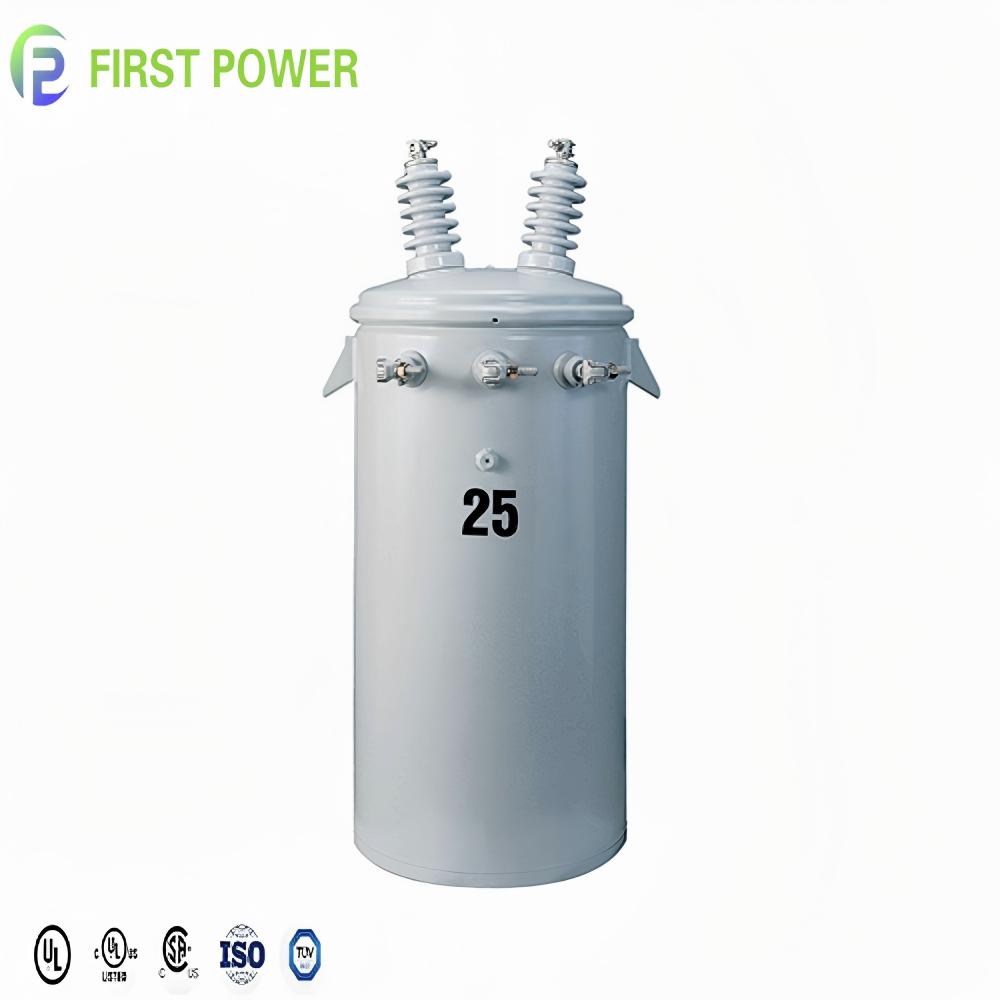
CE Certified MV&HV Single Phase Transformer
25 kVA class single-phase unit for distributed loads, auxiliary supplies and rural or rail-side applications; useful where a three-phase supply is not available or not economic.
- Capacity25 kVA class
- Voltage6–35 kV
- UseAuxiliary / distribution
 Industrial
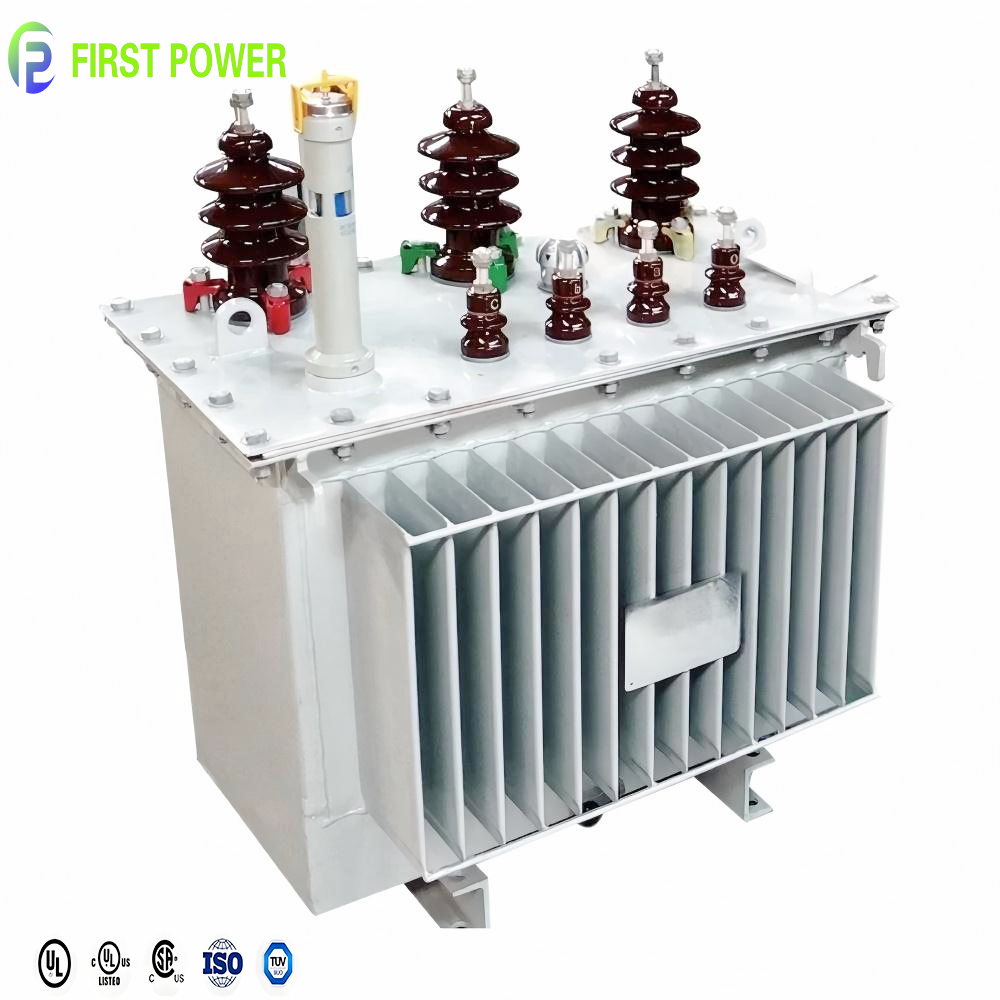
10–35 kV Oil Immersed Transformer for Industrial Power Supply
50–500 kVA oil-immersed unit for industrial power supply, pumping, HVAC and process loads; can be supplied with enhanced corrosion protection for Merseyside sites.
- Capacity50–500 kVA
- Voltage10–35 kV
- UseIndustrial supply
Why step-down isolation transformers are a local infrastructure decision, not a catalogue purchase
Liverpool is not a single electrical environment. A transformer specified for a distribution warehouse in Knowsley may be wrong for a plant room at Liverpool Waters or a coastal operations base on the Wirral. Step-down isolation transformers sit at the boundary between the distribution network operator’s medium-voltage network and the customer’s low-voltage installation. In the Liverpool City Region, the typical requirement is to step 11 kV or 33 kV down to 400/230 V, provide galvanic separation for sensitive loads, limit fault contribution and manage harmonics from variable-speed drives, cranes, lifts, EV chargers and heat pumps.
SP Energy Networks is the DNO for Merseyside, and final connection offers, protection settings and metering arrangements remain with the DNO and the appointed ICP. A transformer supplier therefore has to do more than quote a kVA figure. The technical offer must align with the connection agreement, the installer’s protection design, the building’s fire strategy and the site’s logistics. For UK-bound projects, the required marking route — CE and/or UKCA — should be agreed at RFQ stage, because responsibility is shared between manufacturer, importer and project specifier. Our CE-certified lines and IEC 60076 routine test regime provide a documented starting point, while project-specific UKCA and DNO documentation requirements are confirmed in the technical file.
Price is only one variable. A step-down isolation transformer is sized by apparent power, future load growth, ambient temperature, altitude, ingress protection, duty cycle and fault level. Liverpool’s maritime climate brings humidity and salt-laden air, so enclosures, paint systems, cable boxes and anti-condensation protection need attention. Urban regeneration sites often have restricted access, which makes compact substations and pad-mounted units attractive because they reduce civils and commissioning time. Healthcare and laboratory schemes may require dry-type cast-resin units for fire safety and low maintenance. Port and logistics projects may prefer oil-immersed or pad-mounted equipment with high thermal resilience.
Six Liverpool application scenarios for step-down isolation transformers
From the Port of Liverpool to the Knowledge Quarter, the specification changes with the load, the environment and the approval route. These are the scenarios our engineers review most often with Merseyside contractors and project owners.
Port of Liverpool and maritime electrification
Shore power, ship repair, cranes, refrigerated containers and terminal automation require robust voltage conversion and galvanic isolation. A step-down unit can reduce 11 kV or 33 kV to 400 V for low-voltage equipment while limiting disturbance between ship and shore systems. For coastal sites, specify corrosion-resistant enclosures, anti-condensation heaters and a clear maintenance access strategy.
Liverpool Waters and commercial regeneration
Princes Dock, Central Docks and mixed-use city-centre schemes often place electrical equipment close to occupied space. Cast-resin dry-type transformers are frequently preferred indoors because they are oil-free and fire-sensitive areas are easier to approve. Compact substations and pad-mounted units can release valuable floor area where the design allows an external package.
Healthcare, universities and laboratories
The Knowledge Quarter, hospital estates and university buildings contain imaging equipment, laboratories, data rooms and ventilation systems that are sensitive to voltage disturbance. Isolation transformers with low partial discharge, controlled noise and suitable K-factor or harmonic tolerance can support these loads. Indoor dry-type units simplify fire strategy and maintenance planning.
Offshore wind and energy transition
Liverpool Bay’s offshore wind activity, including operations and maintenance supply chains, creates demand for coastal-rated equipment. A step-down isolation transformer may support 33 kV or 11 kV distribution down to 400 V for workshops, control buildings, charging and auxiliary systems. Specify humidity, salt, wind-borne moisture and remote-monitoring requirements early.
Manufacturing, logistics and automotive
Speke, Halewood and Knowsley host manufacturing, warehousing, cold storage and automated logistics. Robots, conveyors, press lines and refrigeration plant can inject harmonics and cyclic loads. A step-down isolation transformer protects downstream equipment and gives the electrical designer a clear boundary for fault level, earthing and power quality studies.
EV charging, heat pumps and public realm
Rapid chargers, bus depots, heat-pump plant and public-realm electrification add new low-voltage demand to constrained networks. An 11 kV to 400 V isolation transformer can provide a dedicated supply boundary, reduce upstream disturbance and simplify metering. Pad-mounted or compact-substation formats are often selected where footway space and planning constraints are tight.
What is changing in the Liverpool transformer market
Procurement teams are moving away from “same rating as last time” and toward designs that can be documented against grid capacity, net-zero targets and whole-life cost.
DNO connection capacity shapes design
SP Energy Networks’ connection process, fault level and protection requirements increasingly influence transformer impedance, vector group and protection interface. Early engagement reduces the risk of a late redesign after the connection offer is accepted.
Net zero raises harmonic and cyclic loads
Liverpool City Region’s net-zero ambitions, offshore wind growth, Mersey Tidal proposals, heat pumps, EV charging and shore power all add power-electronics loads. Transformers may need low-loss cores, harmonic tolerance and better thermal cycling performance.
Urban sites need compact, low-fire-risk equipment
Dense regeneration sites such as Liverpool Waters favour dry-type cast-resin transformers, compact substations and low-noise designs. Space, fire strategy, acoustic limits and maintenance access now influence the equipment selection as much as kVA.
Whole-life cost and traceability win tenders
Buyers are asking for loss guarantees, routine test reports, general arrangement drawings, nameplate drafts and English O&M manuals. A supplier that can provide a complete technical file and predictable export logistics is easier to approve than one quoting only on first cost.
Liverpool RFQ checklist for step-down isolation transformers
Use this matrix to compare supplier responses on the technical points that most often decide whether a Liverpool project passes design review, DNO interface and commissioning.
| Specification area | Why it matters in Liverpool | What to ask Wisegj |
|---|---|---|
| Voltage ratio and frequency | Most Merseyside projects use 11 kV or 33 kV distribution to 400/230 V at 50 Hz; confirm the actual connection voltage and any future reconfiguration. | Rated primary and secondary voltage, frequency, insulation level and BIL; confirm whether the unit must be suitable for future 20 kV operation. |
| Vector group and impedance | Protection settings, fault level and parallel operation depend on vector group and impedance, not just kVA. | Dyn11 or project-specific vector group, impedance tolerance, earthing arrangement and short-circuit withstand. |
| Cooling and losses | Energy costs and plant-room ventilation can be affected by no-load and load losses; coastal sites may need enhanced cooling margin. | ONAN / ONAF cooling, guaranteed no-load and load losses, sound level, temperature-rise limit and loss capitalisation data. |
| Enclosure and IP rating | Liverpool’s maritime humidity and salt exposure make standard indoor finishes unsuitable for some external sites. | IP rating, anti-condensation heaters, paint system, stainless-steel hardware, cable entry position and corrosion class. |
| Insulation type | Dry-type units are often preferred indoors and in fire-sensitive buildings; oil-immersed or pad-mounted units suit outdoor utility and industrial sites. | Cast-resin dry type, mineral oil or natural ester, fire class, noise limit and maintenance access requirements. |
| Testing and documentation | Approval teams need traceable test data and drawings before energisation; DNO and insurer reviews are easier with a complete file. | Routine test report, oil BDV, applied and induced voltage test, third-party witness inspection, GA drawing, nameplate and O&M manual. |
| Marking and compliance route | UK projects may require CE and/or UKCA documentation depending on the product, importer and project date; the route should be agreed before order. | CE certificate references, IEC 60076 test regime, UKCA documentation route and any project-specific declaration required. |
| Delivery and logistics | Transformer delivery to Merseyside must match crane access, site storage and commissioning sequence, not just the factory completion date. | FOB, CIF, CIP or DDP options, export packing, lifting points, shipping dimensions, UK port arrival planning and documents for customs. |
For a Liverpool project, send the connection offer, single-line diagram, load schedule and preferred delivery port with your RFQ. Our engineers will return a compliant design basis, guaranteed losses and a drawing package for review.
Why Liverpool buyers shortlist Jiangsu Wisegj Power
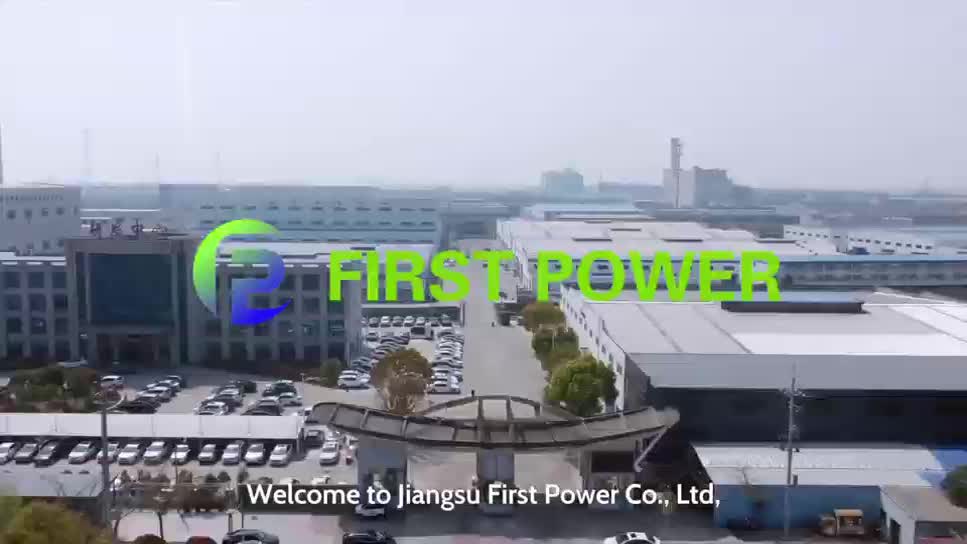
Wisegj is a manufacturer and exporter of transformers and substations, not a catalogue intermediary. The company’s production, testing and documentation systems are structured for overseas projects that require audit-ready evidence.
Verified production capacity
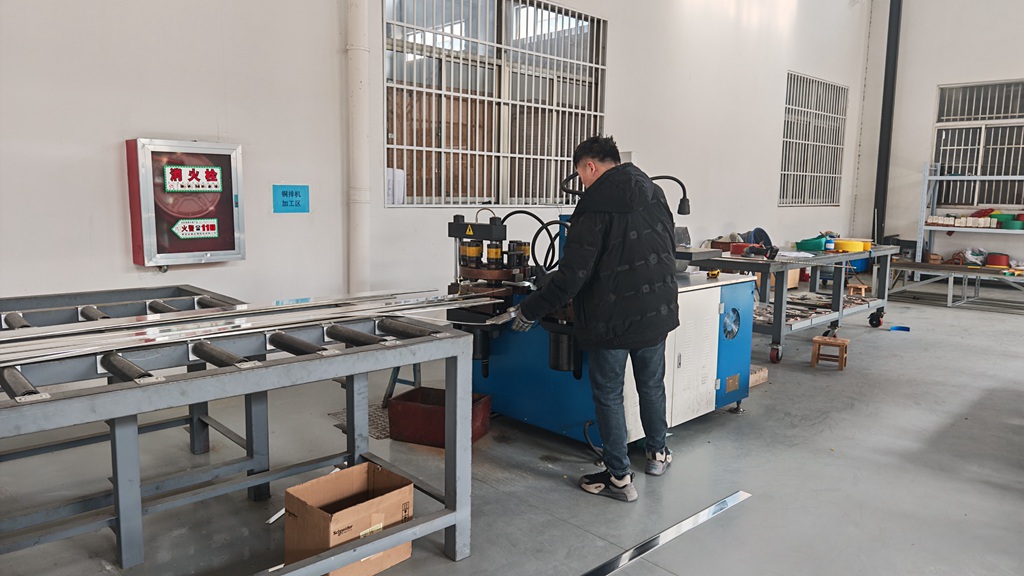
6,847 m² of inspected production floorspace covering winding, core assembly, drying, tanking, assembly and testing. Production capability and quality inspection have been verified onsite by TÜV Rheinland.
In-house routine testing
Every unit receives routine tests including winding resistance, ratio and vector group, impedance and load loss, no-load loss and current, applied and induced voltage withstand, plus oil dielectric strength for liquid-filled units.
Engineering depth
More than 20 years of team experience and 50+ R&D and technical engineers support specification review, drawings, loss guarantees, vector group selection, tap range and enclosure adaptation.
Certified management systems
ISO 9001, ISO 14001 and ISO 45001 management systems are in place, with CE certificates for oil-immersed power transformers, dry-type transformers, compact substations and switchgear lines.
Export and procurement support
Seaworthy packing, English documentation, Incoterms from EXW to DDP, and payment options including T/T, L/C, D/P and D/A. Currencies include USD, EUR, GBP, CAD and AUD.
Supply-chain resilience
211 qualified supply-chain partners, Fortune 500 customer experience, a 4.9/5 average buyer rating and a 24-hour pre-sale and after-sale response target support project continuity.

Company and facility overview
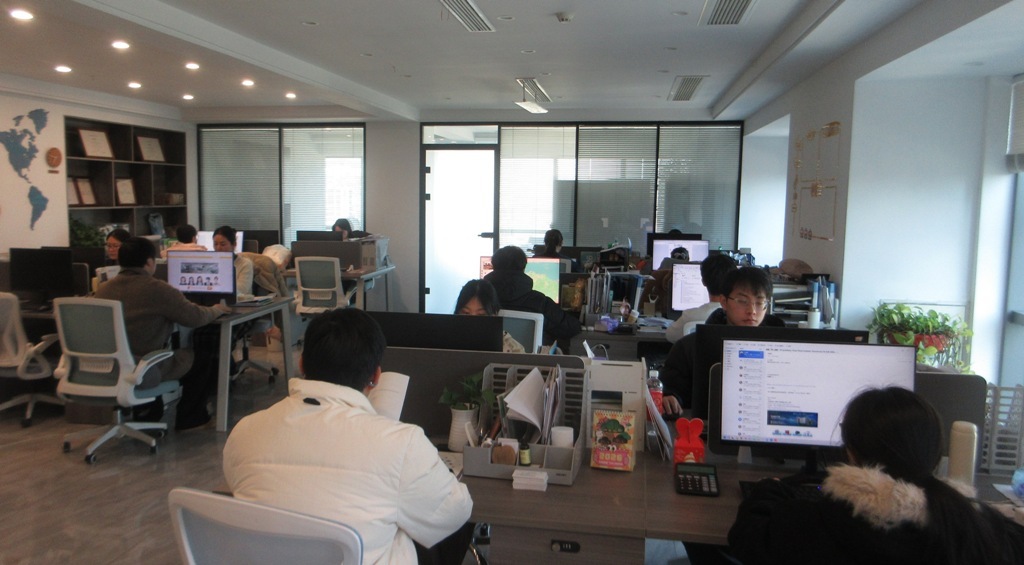
Assembly workshop
Testing laboratory
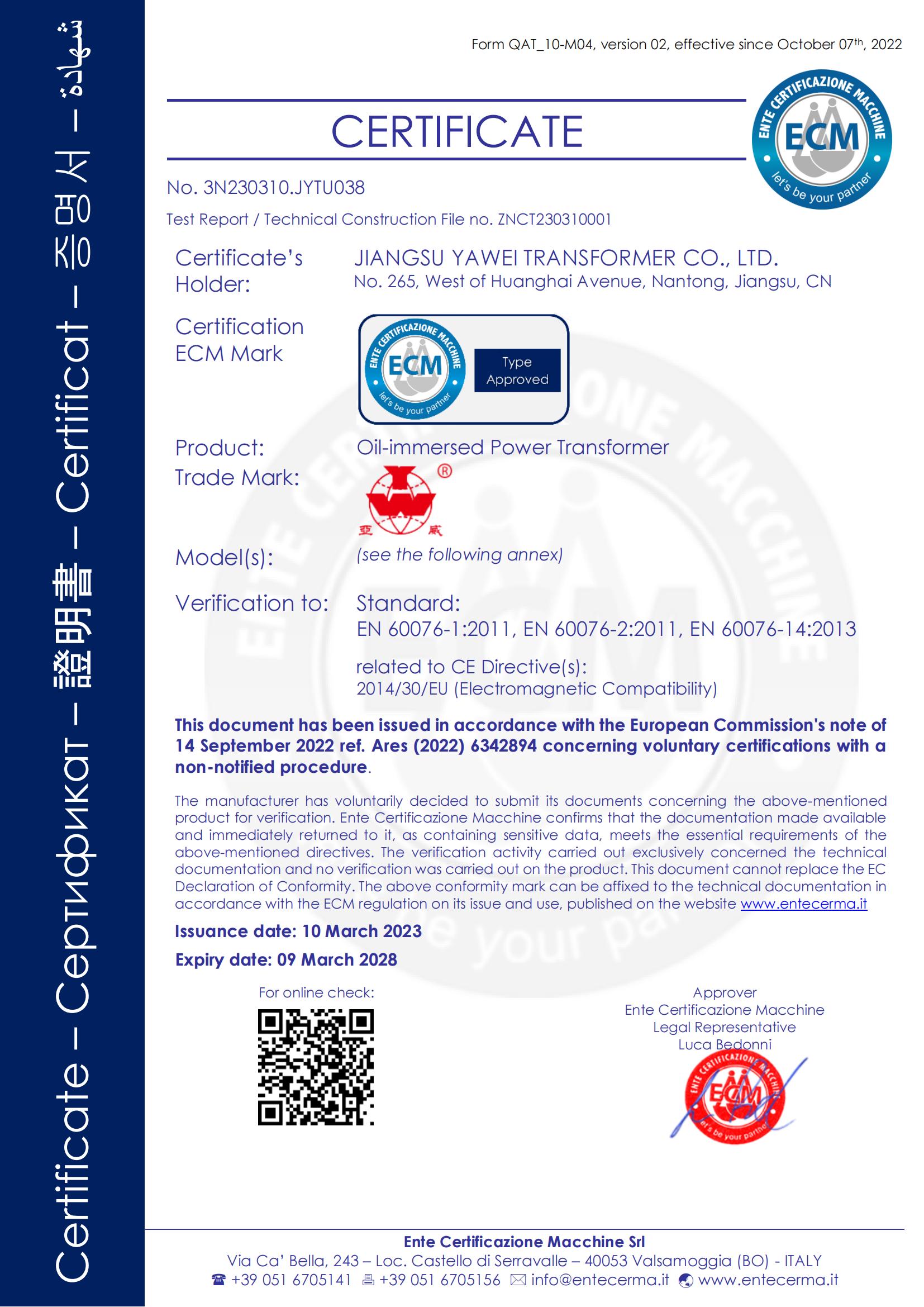
CE certificate example
Questions local buyers ask before ordering a step-down isolation transformer
Answers from our transformer engineering and export teams, written for project managers, electrical contractors and procurement officers working in the Liverpool City Region.
Are you a manufacturer or a trading company?
Jiangsu Wisegj Power Co., Ltd. is a manufacturer and exporter of pad-mounted, oil-immersed, dry-type and power transformers, compact substations and switchgear. Production, testing and export documentation are handled by our own team, with third-party inspection welcome.
Which standards and certificates can Liverpool buyers review?
Products are designed and tested to IEC 60076 or ANSI/IEEE C57.12 series standards depending on the destination market. We can provide CE certificate details, ISO 9001 / 14001 / 45001 evidence and routine test reports. For UK-bound projects, the required CE and/or UKCA marking route is confirmed in the technical offer.
Can you supply a step-down isolation transformer with our DNO-required vector group and impedance?
Yes. Vector group, impedance, tap range, cooling method, enclosure, earthing arrangement and nameplate language can be customised. Send the connection offer, single-line diagram and protection study so our engineers can confirm the design basis before quotation.
What is the typical lead time and how do you ship to Liverpool?
Lead time depends on rating, design review and testing scope. After drawing approval, production is scheduled and routine tests are completed before packing. Sea freight to UK ports, express options and FOB, CIF, CIP or DDP terms can be quoted; confirm the current production slot with our export team.
Should we choose dry-type or oil-immersed equipment for a Liverpool project?
Dry-type cast-resin transformers are often preferred indoors, in hospitals, laboratories, high-rise buildings and fire-sensitive areas. Oil-immersed and pad-mounted units are commonly selected for outdoor utility, industrial, port and renewable sites where thermal resilience and compact external installation matter.
What tests and documents come with each unit?
Routine tests include winding resistance, voltage ratio and vector group, impedance and load loss, no-load loss and current, applied and induced voltage withstand, plus oil dielectric strength for liquid-filled units. Documentation can include GA drawings, nameplate drafts, test reports and English O&M manuals.
Send your Liverpool project specification
To receive a fast, technically compliant quotation, include rated power, primary and secondary voltage, frequency, vector group, impedance, tap range, indoor or outdoor installation, IP rating, ambient conditions, loss target and preferred delivery port.
Email: [email protected]