Product Recommendations
Eight Transformer & Substation Product Lines for Hat Yai Buyers
These recommended product families support single-phase and three-phase distribution, pad-mounted underground networks, oil-immersed utility duty, and dry-type indoor-safe projects. For single-phase dry transformer enquiries, combine the single-phase platform below with a cast-resin dry-type specification review.
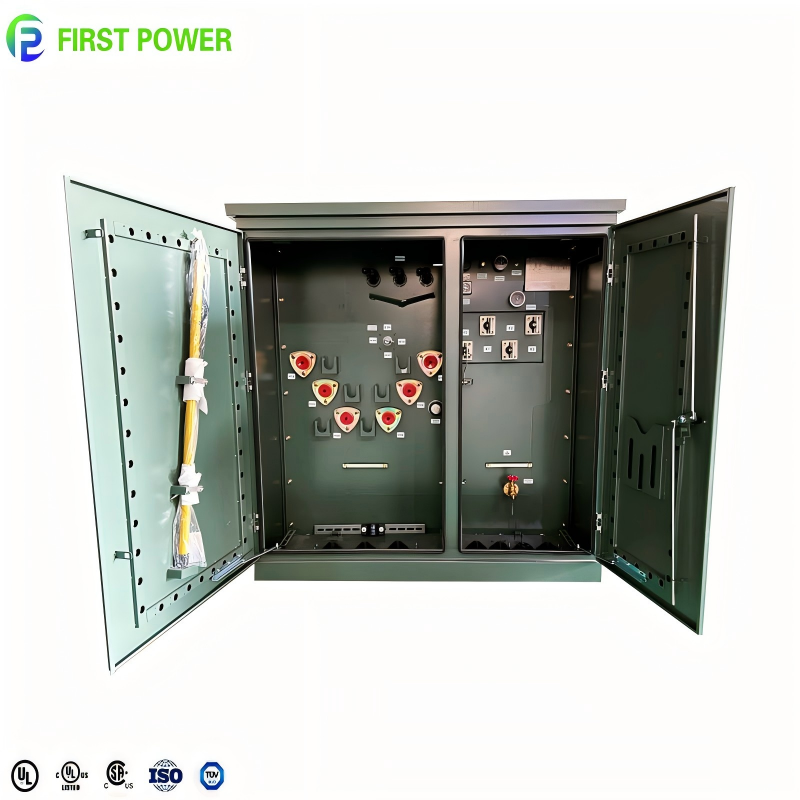 Pad Mounted
C ZGS11 50/60Hz 75kVA–50,000kVA Three Phase Pad Mounted Transformer for Electric Power Distribution
Compartmental pad-mounted distribution for underground networks, commercial campuses, and utility projects requiring tamper-resistant enclosures.
- Class: 6–35kV distribution
- Use: underground loops
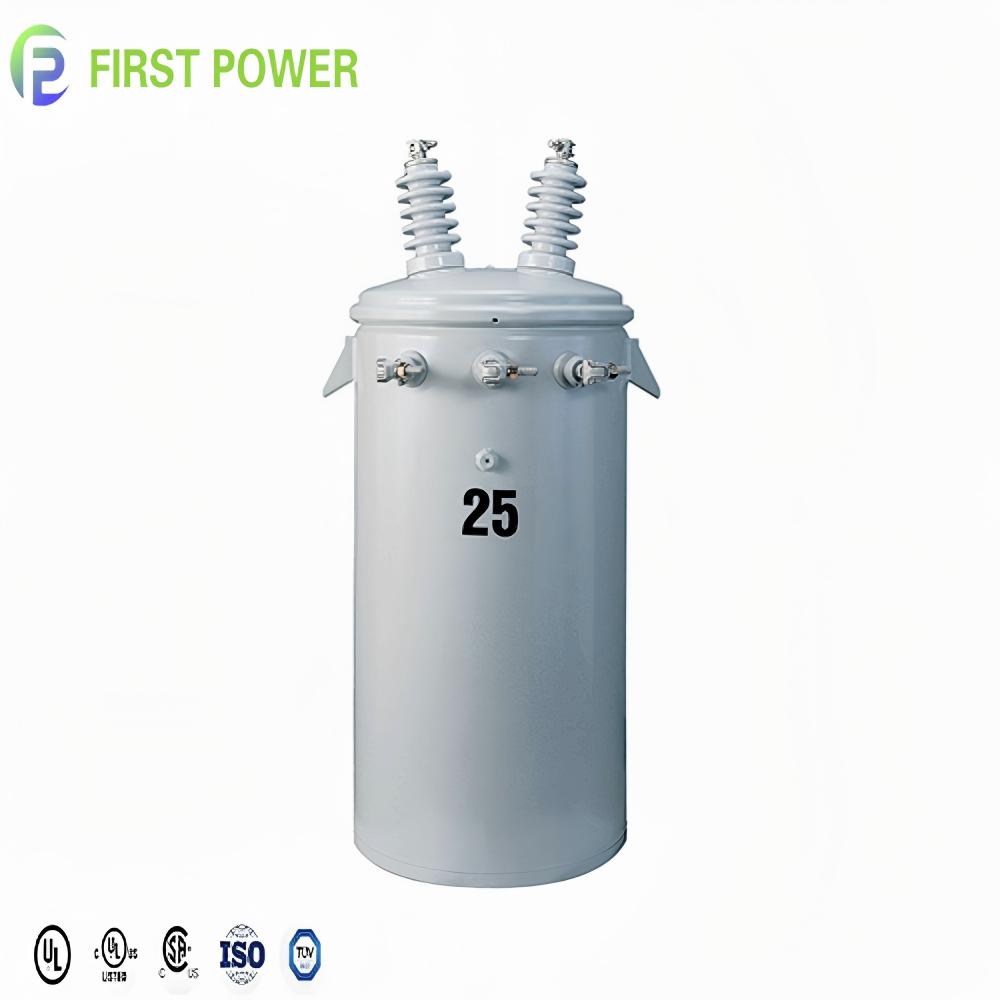 Single Phase
C CE Certification MV&HV 50/60Hz 6kV 10kV 20kV 35kV 25kVA Single Phase Transformer Price for Electric Power Distribution
A focused single-phase distribution platform for small commercial and residential loads. Cast-resin dry-type construction can be reviewed where an oil-free, indoor-safe design is required.
- Compliance: CE
- Fit: 50/60Hz
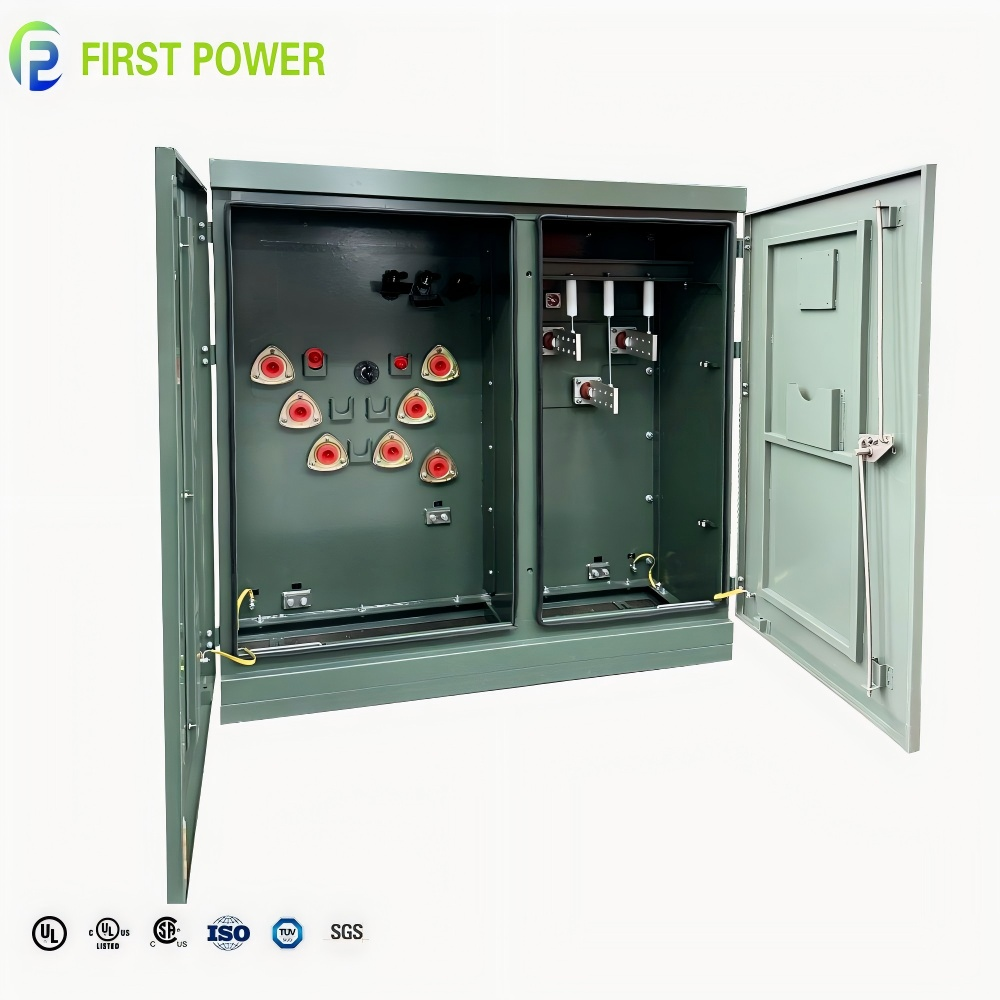 Loop Feed
C CE Certification 50/60Hz 10kV 20kV 35kV 3 Phase Loop Feed Pad Mounted 750kVA Transformer for Electric Power Distribution
Loop-feed configuration for reliable urban and commercial distribution, with compartment design that supports utility operating practice.
- Feed: loop / radial
- Rating: 750kVA class
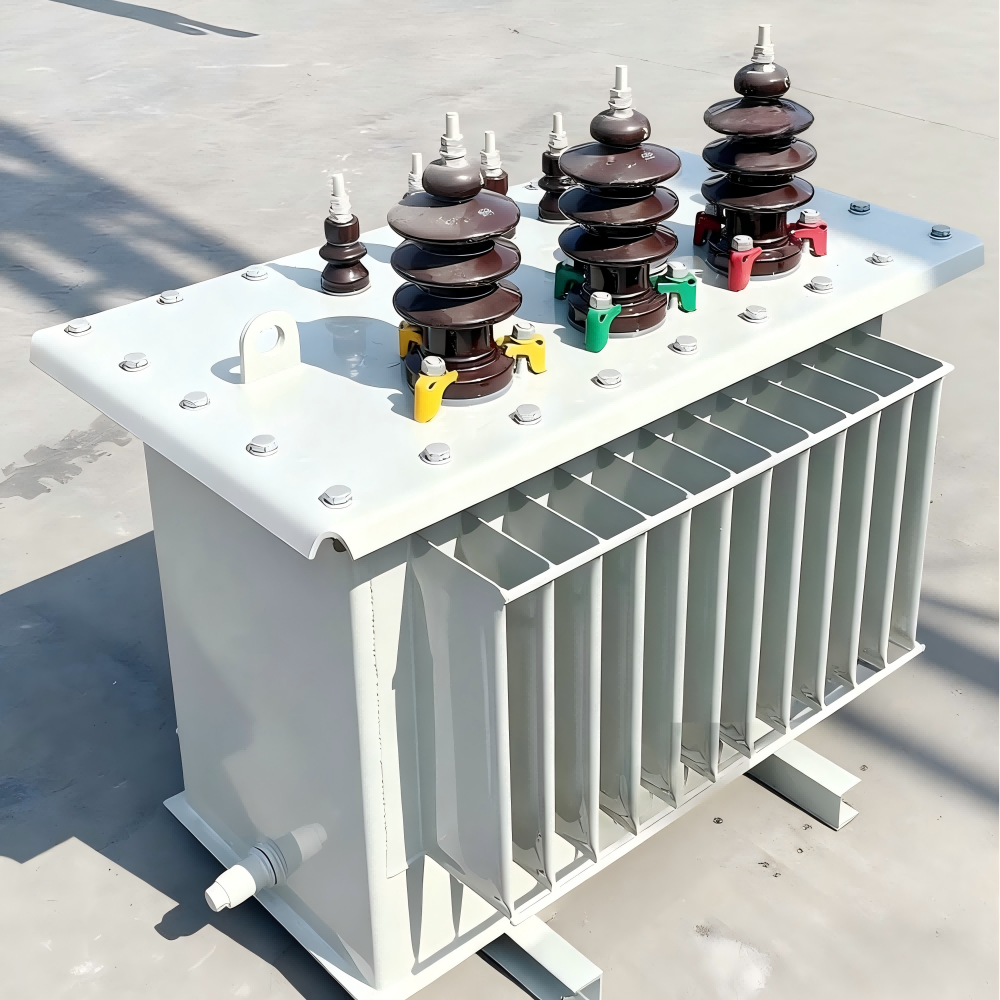 Oil Immersed
C CE MV&HV 30–31,500kVA 6kV 10kV 15kV 20kV 35kV S11 Three Phase Oil Transformer for Electric Power Distribution
S11 oil-immersed distribution and power duty for utility networks, industrial plants, and projects requiring proven thermal performance.
- Focus: low-loss core
- Standard: IEC practice
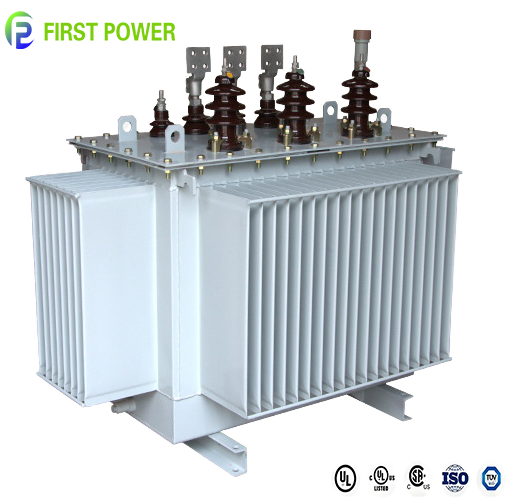 Distribution
C CE 50/60Hz S11 10kV 15kV 20kV 35kV 100kVA 300kVA 500kVA 630kVA Three Phase Oil Transformer Price for Distribution System
Standard distribution ratings for commercial buildings, utilities, and light industry where cost, efficiency, and delivery certainty matter.
- Voltage: up to 35kV
- Type: distribution
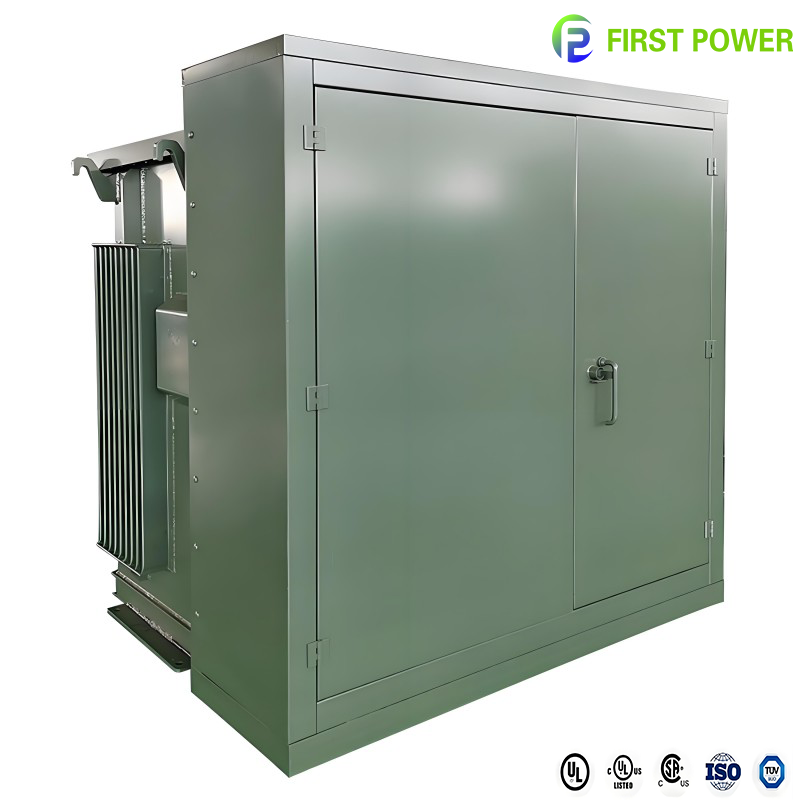 Oil Pad
C CE 50/60Hz 10kV 20kV 35kV 75kVA 100kVA 200kVA 300kVA 400kVA 3 Phase Oil Type Pad Mounted Transformer for Power Generation
Oil-type pad-mounted design for outdoor distribution where utility practice favors liquid-filled equipment and pad installation.
- Fluid: mineral oil
- Mount: outdoor pad
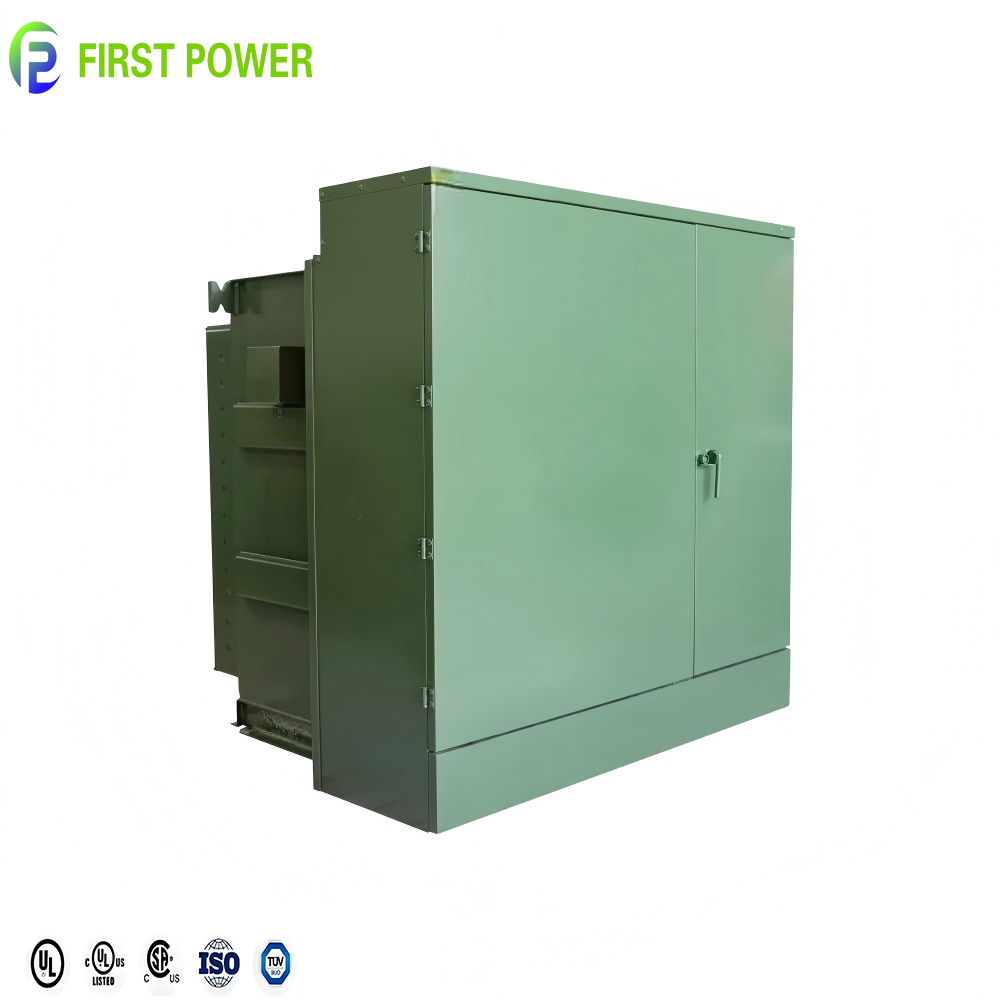 Industrial
C CE MV&HV 50/60Hz 750kVA 1250kVA 1500kVA 2000kVA 2500kVA 3 Phase Pad Mounted Transformer for Industrial Power Supply
Larger pad-mounted ratings for industrial parks, processing facilities, logistics hubs, and utility interconnection projects.
- Size: up to 2500kVA
- Use: industrial supply
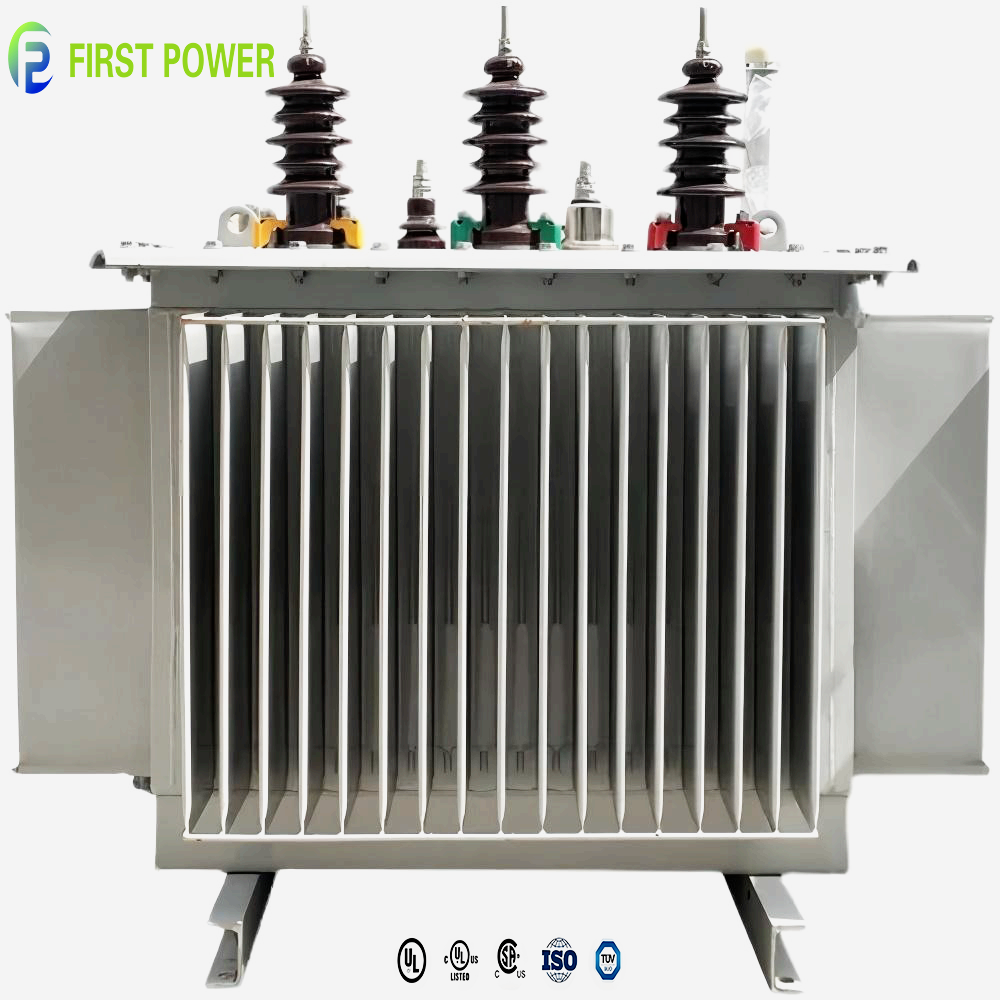 Power Supply
C Certification 60Hz S11 Three Phase 10kV 35kV 500kVA 22kV/0.4kV 50Hz Electric Oil Immersed Transformer for Power Supplies
Oil-immersed transformer for stable power supplies, utility distribution, and project specifications requiring flexible voltage combinations.
- Voltage: 10kV / 35kV class
- Certification: CE available
Executive Summary
Why “Single Phase Dry Transformer” Search Intent Is Different in Hat Yai
Buyers searching for single phase dry transformer factories and suppliers in the Hat Yai market are usually not looking for a catalogue slogan. They are trying to reduce project risk: fire safety in dense commercial buildings, humidity and salt-air exposure, 50 Hz compatibility, IEC documentation, spare-part support, and a factory that can prove its quality system before the purchase order is issued.
Humidity-Aware Selection
Hat Yai’s tropical monsoon climate makes moisture control, anti-condensation design, insulation class, and enclosure protection part of the technical specification—not an afterthought.
Dry-Type Safety Logic
For indoor commercial, hospitality, healthcare, and mixed-use sites, an oil-free dry transformer supports fire-risk reduction and simpler indoor installation.
Factory Proof Beats Price Alone
Lowest first cost can hide weak loss guarantees, missing routine tests, unclear vector groups, or delivery documents that fail at project handover.
Localized Applications
Where Single Phase Dry Transformers Fit in the Hat Yai Market
Hat Yai is a commercial and service hub for Songkhla Province, with demand shaped by retail shophouses, tourism, hospitals, universities, logistics, seafood and rubber processing, and cross-border trade with Malaysia. The right transformer is the one that fits the load profile, installation environment, maintenance capability, and local grid practice.
Commercial Shophouses & Mixed-Use
Dry-type units support indoor electrical rooms, reduce oil-handling concerns, and fit small single-phase or three-phase loads in dense commercial streets.
Hotels, Hospitals & Clinics
Fire-sensitive buildings often prefer oil-free transformer designs where the electrical room is close to public areas, guest rooms, or critical care spaces.
Retail & Cold-Chain Loads
Cold storage, seafood processing, and food retail need stable voltage, clear loss guarantees, and transformers that can operate in warm, humid conditions.
Rubber & Light Industry
Processing plants and light factories can combine dry-type indoor units with oil-immersed distribution transformers for larger motor and process loads.
Logistics & Port-Linked Trade
Warehouse lighting, cold rooms, charging systems, and container-yard equipment benefit from documented routine tests and export-ready packing.
Rooftop Solar & EV Charging
Commercial solar and EV loads require clean voltage regulation, correct kVA sizing, harmonic planning, and coordination with the site’s single-line diagram.
Localized Development Trends
Market Signals Reshaping Transformer Procurement in Hat Yai
For suppliers, the winning proposal is not simply a transformer price. It is a documented solution that reflects Hat Yai’s climate, building density, tourism economy, industrial base, and Thailand’s 50 Hz grid environment.
Dry-Type Adoption
Indoor commercial and healthcare projects increasingly ask for oil-free designs that simplify fire-risk management.
Loss Evaluation
Buyers compare guaranteed no-load and load losses, not only kVA price, because energy cost accumulates over decades.
Climate-Ready Design
High ambient temperature, humidity, salt air, and flood exposure push specifications toward robust enclosures and insulation systems.
Documented Compliance
IEC test reports, CE certificates, ISO systems, and third-party inspection records are now part of supplier shortlisting.
| Specification Dimension | Hat Yai-Specific Consideration | Procurement Action |
|---|---|---|
| Frequency & Voltage | Thailand operates at 50 Hz; projects commonly involve 22 kV or 33 kV distribution class and 230/400 V utilization, subject to utility confirmation. | State frequency, primary voltage, secondary voltage, vector group, and tap range in the RFQ. |
| Indoor Fire Safety | Dense commercial buildings and healthcare sites may restrict oil-filled equipment near occupied areas. | Request cast-resin dry-type construction, insulation class, temperature-rise limits, and fire-performance documentation. |
| Humidity & Salt Air | Tropical humidity and coastal exposure can accelerate condensation and terminal corrosion if the design is not climate-ready. | Specify anti-condensation heaters, suitable IP enclosure, terminal plating, and factory moisture-control checks. |
| Flood & Site Access | Seasonal flooding and tight urban sites affect foundation height, cable entry, and maintenance access. | Confirm plinth height, cable direction, enclosure position, and lifting provisions before drawing approval. |
| Total Cost of Ownership | A low purchase price can be offset by higher losses, unplanned downtime, or unsupported spare parts. | Compare guaranteed losses, test reports, warranty terms, spare-part list, and after-sales response time. |
Use this matrix as a pre-RFQ checklist. For a single phase dry transformer project, attach the single-line diagram, load profile, ambient conditions, installation location, and applicable Thai utility requirements.
Supplier Due Diligence
How to Verify a Single Phase Dry Transformer Factory Before You Buy
A credible factory should make verification easy. The following audit points help Hat Yai buyers separate a documented manufacturer from a trading intermediary with an attractive quotation.
Factory Identity
Confirm the legal entity, production address, workshop ownership or lease, and whether winding, core assembly, drying, tanking, and testing are performed in-house.
Document Control
Ask for GA drawings, nameplate drafts, routine test report templates, O&M manuals, packing lists, and certificate numbers that can be checked with issuers.
Test Capability
Verify ratio, winding resistance, no-load loss and current, impedance and load loss, applied voltage, induced voltage, and oil BDV testing where applicable.
Certification Evidence
Check ISO 9001, ISO 14001, ISO 45001, CE certificates, and third-party inspection records. Match certificate scope to the product being purchased.
Loss Guarantees
Request guaranteed no-load and load losses at reference conditions. Evaluate lifetime energy cost rather than accepting an unspecified efficiency claim.
Export Support
Confirm Incoterms, seaworthy packing, shock indicators, ISPM 15 wood treatment where required, and document handover for Hat Yai or Songkhla logistics.
Enterprise Advantages
Why Wisegj Is a Qualified Factory-Direct Partner for Hat Yai Buyers
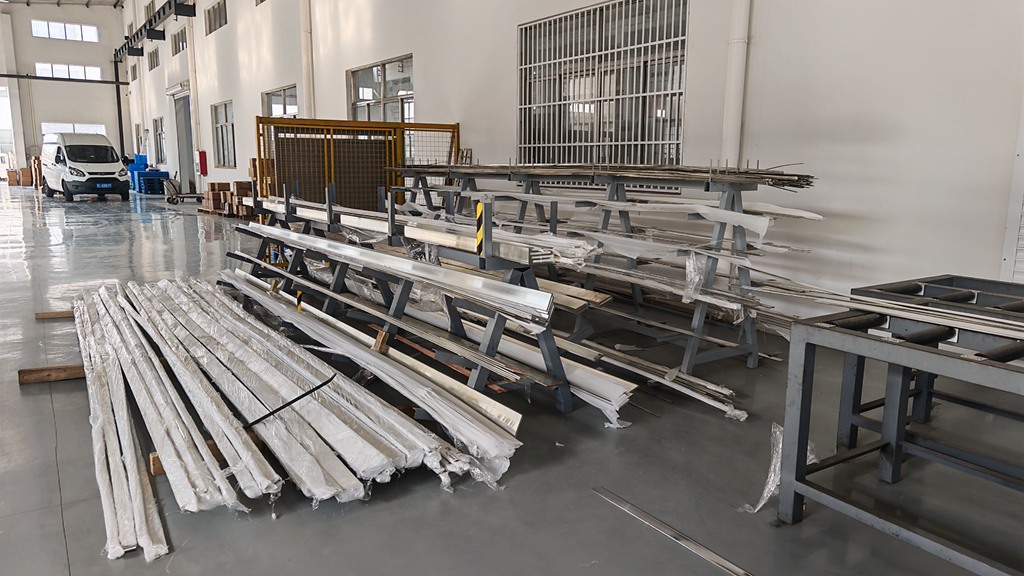
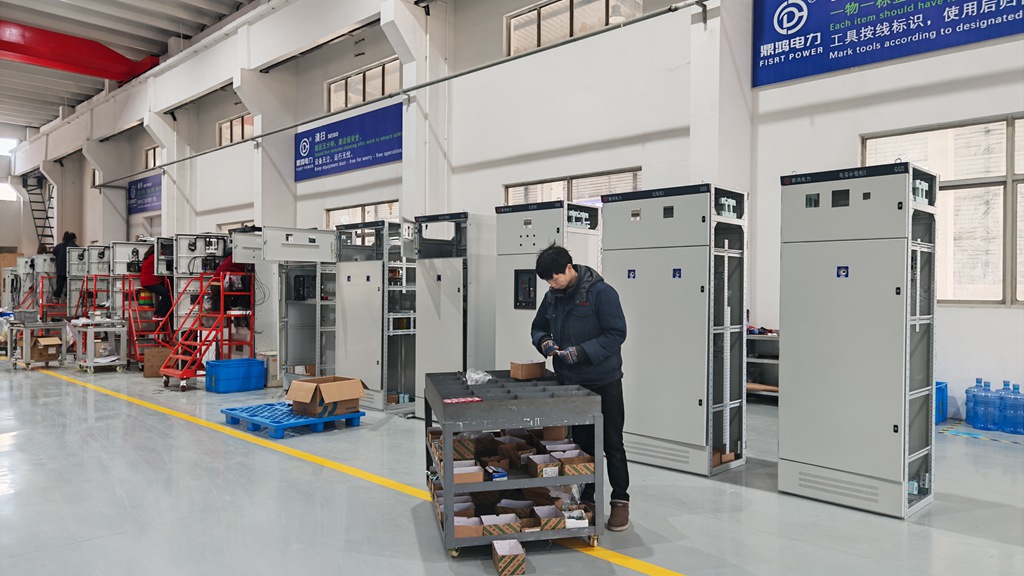
Jiangsu Wisegj Power Co., Ltd. designs, assembles, and exports medium and high voltage equipment from 220 V up to 500 kV, including power transformers, distribution transformers, pad mounted transformers, dry type transformers, compact substations, switchgear, distribution boxes, and voltage stabilizers.
The company’s engineering team brings more than 20 years of hands-on transformer experience. Projects are reviewed by engineers before quotation, produced under ISO 9001 quality control, and shipped with routine test reports so procurement teams can match equipment to utility specifications with fewer clarification rounds.
For Hat Yai buyers, this means factory-direct communication, 50 Hz customization, OEM/ODM support, export documentation, and a documented quality system rather than an unverified catalogue offer.

Production capability, floorspace, and quality inspection verified onsite by TÜV Rheinland, an independent third-party inspection body.
ISO Systems
ISO 9001, ISO 14001 and ISO 45001 management systems.
CE Documentation
CE certification available for oil-immersed, dry-type, compact substation, and switchgear lines.
24h Response
Technical questions and after-sales issues receive a qualified reply within one working day.




Hat Yai Buyer FAQ
Common Local Procurement Questions: Single Phase Dry Transformer Sourcing
These are the questions most often raised by commercial developers, contractors, facility managers, and trading companies when comparing transformer factories and suppliers for the Hat Yai market.
Are single phase dry transformers suitable for Hat Yai’s humidity?+
What voltage and frequency should I specify for a Hat Yai project?+
How can I verify a single phase dry transformer factory before ordering?+
What tests should be included in the factory acceptance package?+
Can Wisegj customize single-phase or dry-type units for Thai requirements?+
What shipping terms and documents are typical for Hat Yai?+
How should buyers compare transformer quotations beyond price?+
What after-sales support is available for Hat Yai buyers?+
Request a Hat Yai-Specific Transformer Review
Send your single-line diagram, load list, voltage ratio, frequency, installation environment, and target standard. The factory engineering desk will review the specification and respond with a compliant configuration, loss data, drawing requirements, and export plan.
- kVA / MVA rating
- Primary & secondary voltage
- 50 Hz confirmation
- Dry-type or oil-immersed preference
- Indoor / outdoor installation
- IEC or project standard
- Loss target or efficiency requirement
- Ambient temperature and humidity
- Delivery port or site location