Servo Voltage Stabilizer Factory & Wholesalers in the Palembang Market
Direct-factory power conditioning, oil-immersed and dry-type transformer solutions, and engineered voltage protection for industrial, commercial and utility buyers who need stable output, documented testing and responsive technical support.
8 Transformer Products Often Specified With Servo Voltage Stabilizers in Palembang
These eight product platforms are frequently sourced into the same substations, industrial panels and power rooms as servo voltage stabilizers. They support step-down, step-up, isolation, distribution and renewable interconnection duties. Product URLs from the original catalogue are preserved below.
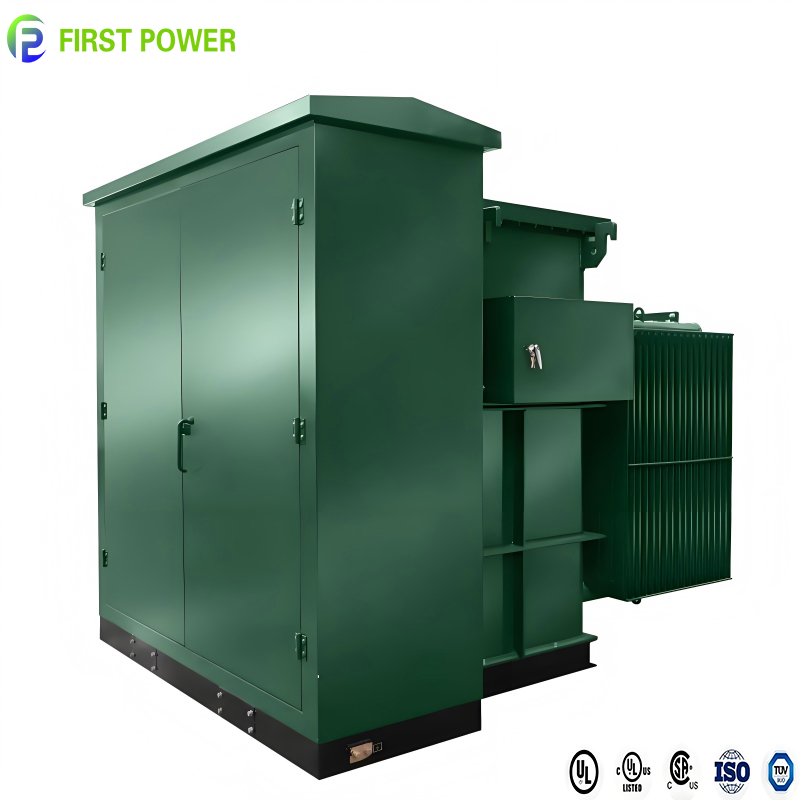
C CE 3-Phase Pad Mounted Pedestal Transformer, 6–35 kV, 100–630 kVA
For industrial estates, commercial campuses and underground distribution where a pad-mounted footprint, tamper resistance and 6–35 kV primary flexibility matter.
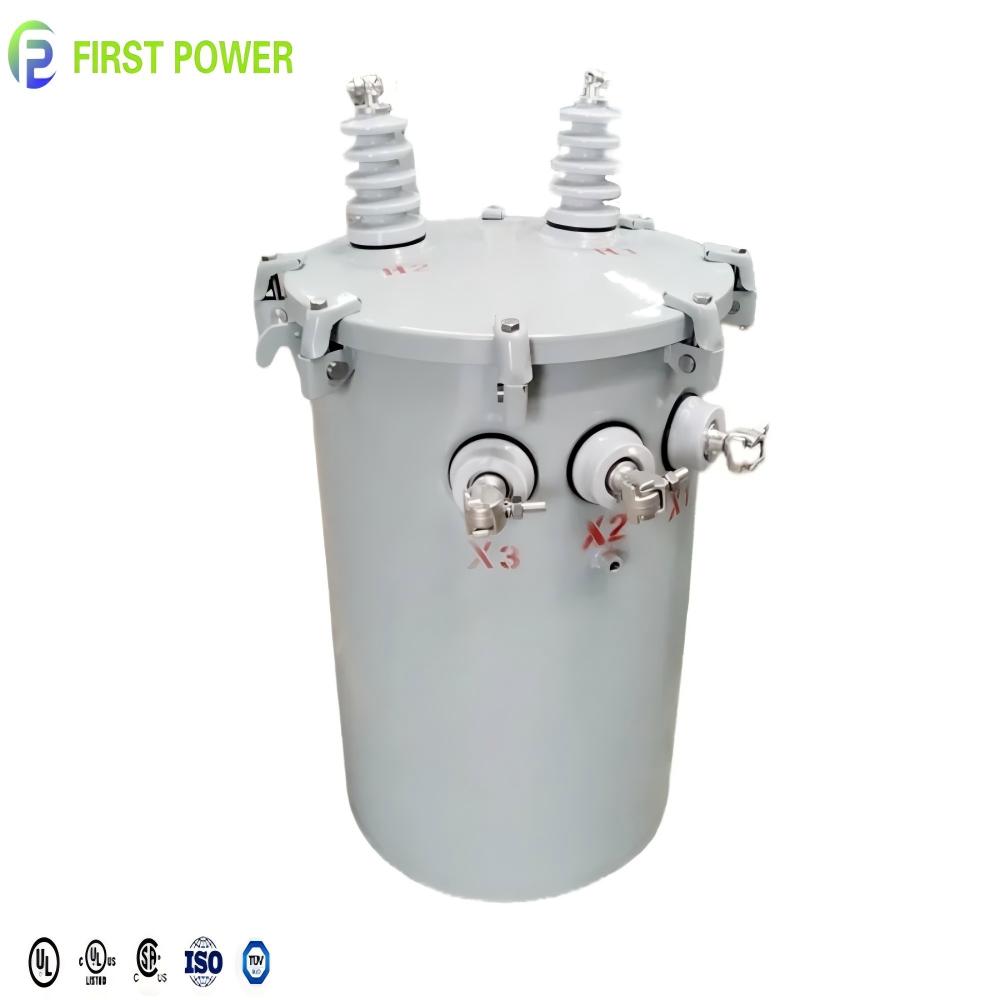
ANSI Single-Phase Pole-Mounted Transformer, 6–35 kV, 15–100 kVA
For residential, rural and light-industrial feeders where single-phase service and ANSI/IEEE practice are specified by the project engineer.
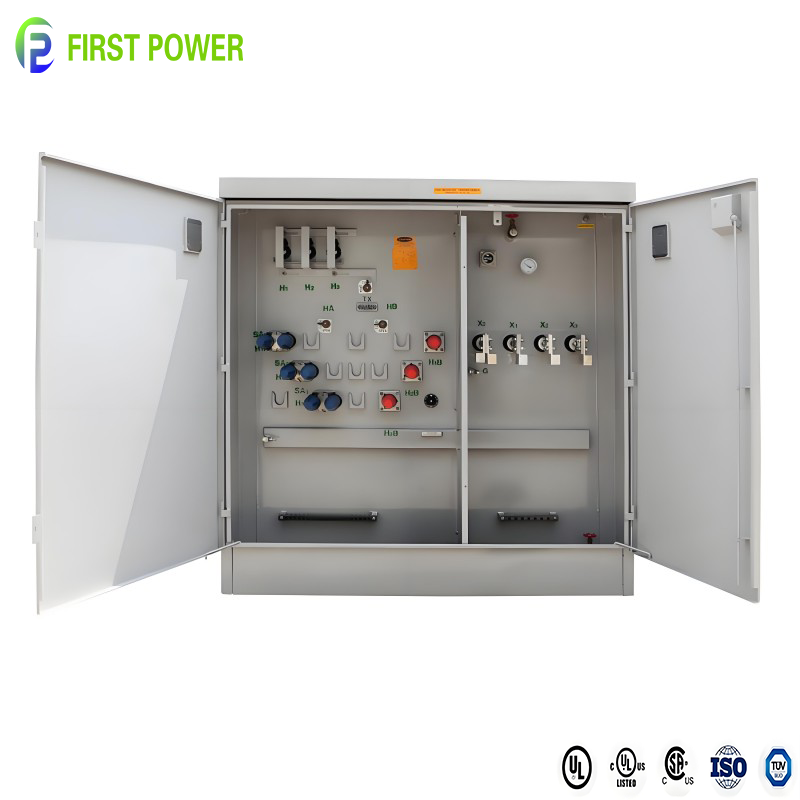
C CE MV&HV Loop Feed Pad-Mounted Transformer, 10–35 kV, 300–700 kVA
Loop-feed configuration for reliable restoration and sectionalisng in dense load centres, paired with surge protection and downstream servo stabilisation.
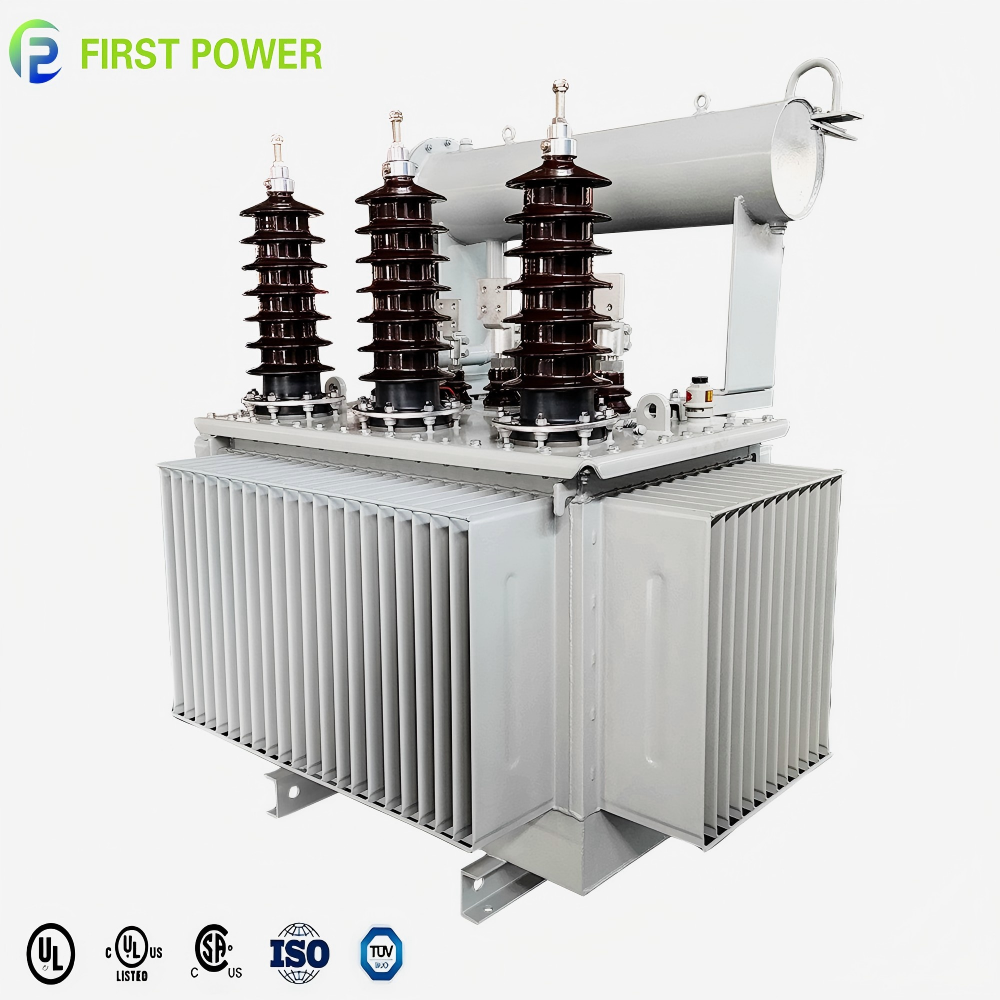
C CE IEEE 33 kV Oil-Immersed Three-Phase Power Transformer, S11
For utility and industrial substations requiring oil-immersed 33 kV step-down or distribution duty with routine electrical test records.
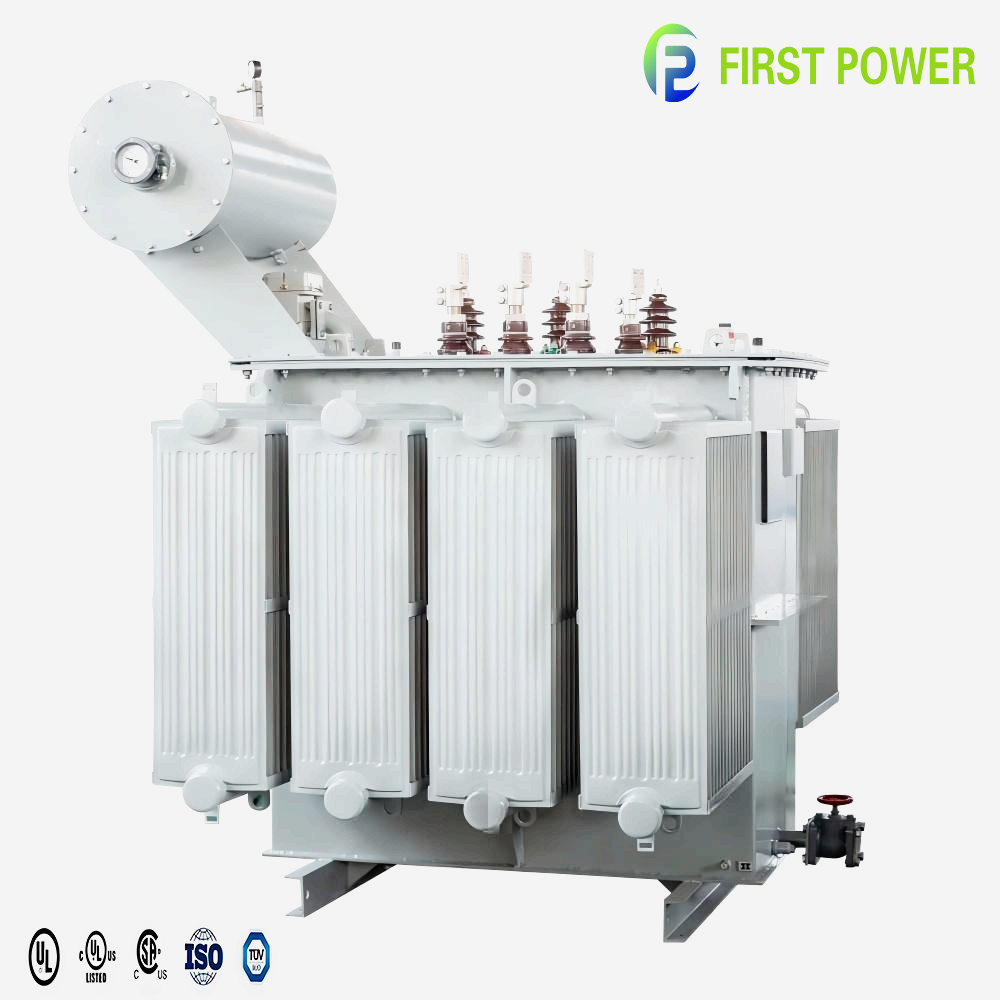
C CE Solar PV Transformer, 6–35 kV, 1000 kVA / 1 MW
For solar farms and renewable interconnection; stabiliser and transformer coordination protects inverters, auxiliary supplies and plant controls.
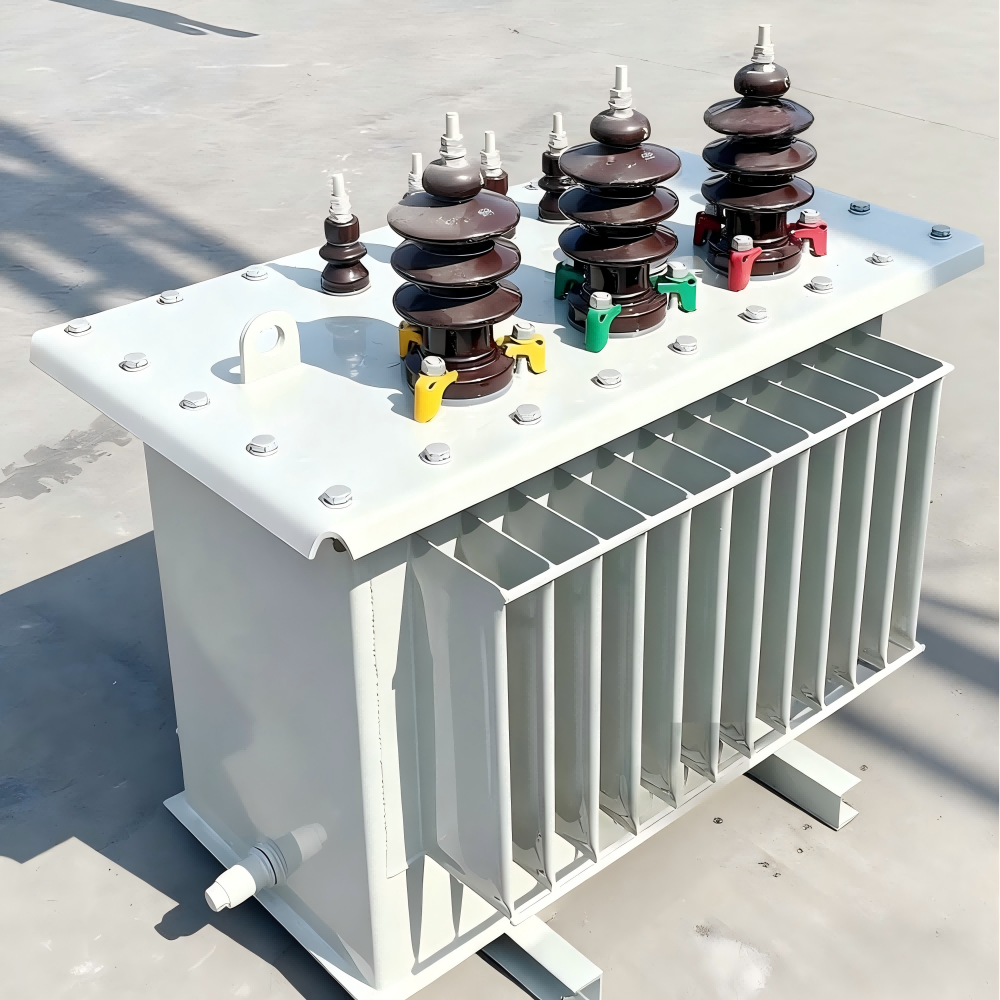
C CE S11 Three-Phase Oil Transformer for Distribution, 30–31,500 kVA
Large-kVA oil-immersed distribution platform for industrial plants, utilities, mining operations and logistics projects in South Sumatra.
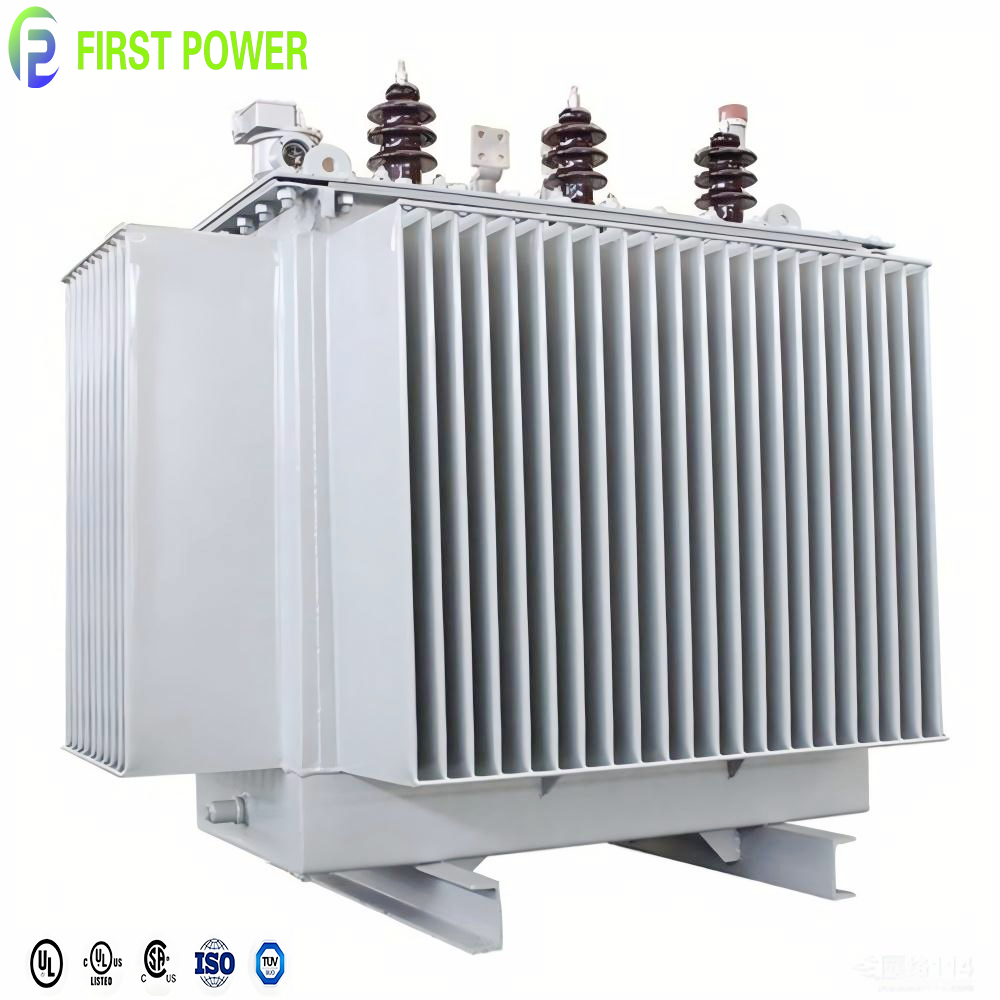
C CE MH&HV S11 Oil Transformer, 10 kVA–50,000 kVA, 10–35 kV
A broad S11 family for 10–35 kV distribution, with custom vector group, taps and impedance to suit local grid studies.
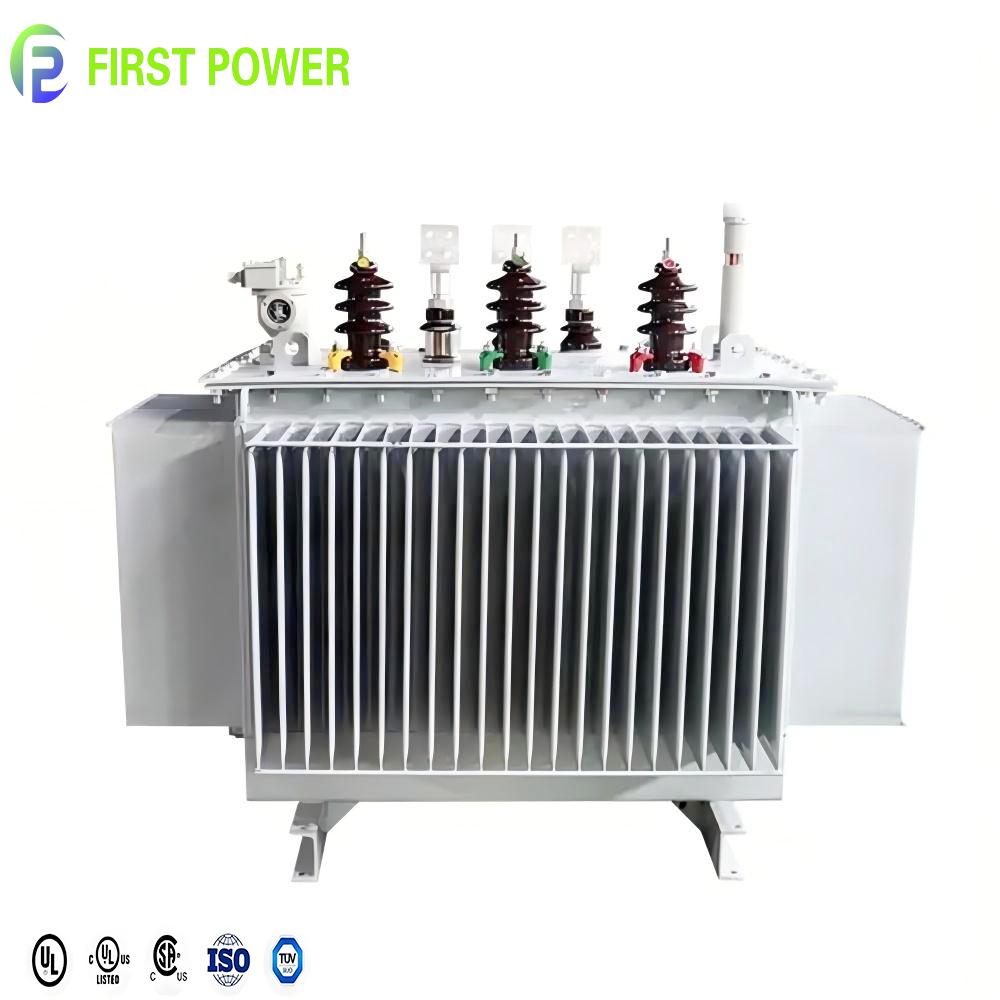
C CE S11 Oil-Immersed Distribution Transformer, 10–35 kV, 50–250 kVA
Compact distribution transformer for 50–250 kVA loads, commonly used in commercial buildings, workshops and small manufacturing plants.
Why a Servo Voltage Stabilizer Is an Engineering Decision in Palembang
Palembang is not a generic market for voltage correction equipment. The city sits at the centre of South Sumatra’s industrial, energy and logistics corridor, where 50 Hz low-voltage networks supply a mix of oil and gas facilities, fertiliser production, rubber and palm oil processing, coal transport, ports, commercial buildings, hospitals, government facilities and telecom infrastructure. For plant engineers and electrical contractors, a servo voltage stabilizer is a risk-control device: it protects motors, PLCs, compressors, refrigeration systems, medical equipment and IT loads from voltage sags, swells and phase imbalance that can follow grid switching, monsoon storms, heavy motor starts and utility supply changes.
A buyer comparing a servo voltage stabilizer factory and wholesalers in the Palembang market should not reduce the decision to the lowest price per kVA. The more important questions are whether the unit can hold the required output tolerance under real load, whether the enclosure survives a humid tropical electrical room, whether the transformer and stabilizer are coordinated correctly, and whether the supplier can produce drawings, test records and after-sales support that a consultant or utility can audit.
This guide is written for that procurement reality. It covers local application scenarios, recommended configurations, sizing logic, documentation expectations and the manufacturing strengths of Jiangsu Wisegj Power Co., Ltd., a Suzhou-based exporter with more than 20 years of team experience in transformers and power equipment, a verified 6,847 m² production floorspace, 50+ R&D and technical engineers and 211 qualified supply-chain partners.
For Palembang projects, the practical target is usually a low-voltage supply that stays within the operating window of the connected equipment, not merely a nameplate voltage. That is why experienced buyers ask for a load list, a voltage-window study, a clear bypass strategy and routine test documentation before placing a wholesale order.
An Auditable Manufacturing Base for Palembang Buyers
Wholesale pricing is only useful when the product is supported by engineering data, verifiable quality systems and a production team that understands utility and industrial specifications.

Production capability, floorspace and quality inspection have been verified onsite by TÜV Rheinland, an independent third-party inspection body. Certificate numbers for ISO 9001, ISO 14001, ISO 45001 and CE product lines are available for review by tender and compliance teams.
Where Servo Voltage Stabilizers Earn Their Cost in Palembang
Voltage instability does not affect every load in the same way. The right configuration depends on starting current, sensitivity, duty cycle and the cost of downtime.
Industrial production and packaging lines
In Jakabaring, Kertapati and surrounding industrial areas, voltage sags can trip CNC machines, injection moulders, packaging lines and compressors. A three-phase servo stabilizer with bypass and phase-failure protection keeps production output stable and reduces scrap caused by control-system resets.
Palm oil, rubber and food processing
Processing plants often combine large motor loads, conveyors, fans and sensitive instrumentation on the same network. Voltage correction helps protect motor contactors, weigh systems and temperature controllers, especially where the low-voltage feeder is long or shared with other heavy users.
Oil and gas, petrochemical and port logistics
Facilities around Plaju, Sungai Gerong and the Musi River logistics chain depend on reliable control power for pumps, valves, instrumentation and safety systems. Industrial stabilizers should be coordinated with surge protection, isolation transformers and harmonic review, not selected as a standalone commodity.
Commercial buildings, healthcare and education
Hospitals, laboratories, hotels, universities and government buildings need stable voltage for HVAC, elevators, imaging equipment, servers and lighting. Low-noise air-cooled units and dry-type transformers are often preferred where indoor installation and fire safety are important.
Cold storage, refrigeration and food retail
Compressor starting current and frequent voltage dips can shorten motor life and disturb temperature control. A capacity margin of 1.5–2 times the running load is sometimes considered for motor-heavy refrigeration groups, subject to a proper start-current study.
Telecom, data and security systems
Small voltage deviations can cause repeated reboot cycles, communication loss and premature power-supply failure. For telecom rooms and data closets, specify monitoring, clean earth arrangements and coordination with UPS and surge-protection devices.
Recommended Servo Voltage Stabilizer Configurations for Palembang Buyers
These are practical starting points for a pre-feasibility discussion. Final selection must follow a load audit and confirmation of the actual voltage window at the site.
Three-phase air-cooled servo stabilizer
Best fit for packaging lines, workshops, commercial HVAC and light manufacturing where indoor installation and low noise are preferred.
Typical range30–200 kVA, 220/380 V, 50 Hz, ±1–2% output accuracy.
Three-phase oil-cooled servo stabilizer
For palm oil, rubber, food processing and industrial plants with high ambient temperature, dust, continuous duty and motor-heavy loads.
Typical range100–630 kVA, copper windings, bypass, phase protection and high-ambient design.
Low-harmonic servo plus isolation transformer
For PLC rooms, instrumentation, laboratories, telecom and hospital equipment where voltage stability and electrical noise reduction both matter.
Typical range50–300 kVA with harmonic review, clean earth and coordinated surge protection.
Single-phase servo stabilizer
For retail equipment, security systems, small laboratories and telecom cabinets that need compact voltage correction and simple maintenance.
Typical range5–30 kVA, single-phase, with clear input/output terminals and monitoring options.
Local Trends Reshaping Palembang Procurement
Palembang’s electrical demand is evolving alongside industrial growth, renewable energy connection and climate-resilience planning. These trends influence how buyers specify stabilizers and transformers.
Grid reinforcement and industrial growth
South Sumatra’s industrial corridor continues to attract investment in transport, processing and energy infrastructure. Palembang buyers are increasingly asking for documented transformer losses, stabilizer correction speed and clear protection coordination, not only equipment price.
Solar PV and renewable interconnection
Rooftop and utility-scale solar projects require coordination between inverters, transformers, switchgear and voltage correction. A servo stabilizer may support auxiliary supplies or sensitive loads, while the oil-immersed transformer handles grid interconnection duty.
Humidity, flooding and lightning resilience
Palembang’s tropical climate demands IP-rated enclosures, anti-corrosion treatment, raised plinths, ventilation planning and surge protection. Electrical rooms exposed to river-side humidity or seasonal flooding should be designed with maintenance access and cable-entry protection in mind.
Tender transparency and total cost of ownership
EPC contractors and plant owners are comparing total owning cost rather than purchase price alone. Test reports, spare-part availability, warranty response and documented maintenance procedures now influence the shortlist as much as the initial quotation.
Sizing a Servo Voltage Stabilizer for Palembang: Four Steps, One Audit Trail
Accurate sizing prevents two common failures: paying for unnecessary capacity or installing a unit that cannot carry the real load.
Build the load list
Record kW, kVA, power factor, single/three-phase connection, motor starting current, duty cycle, harmonic-producing equipment and planned expansion. A stabilizer selected only from a total kVA number can miss motor-start and harmonic risks.
Measure the voltage window
Log the actual input voltage over a normal production week, including worst-case dips and swells. Confirm the required output tolerance, correction speed, phase-imbalance tolerance and whether a manual bypass is required for maintenance.
Design for the climate
Specify enclosure rating, anti-corrosion coating, ventilation or air-conditioning, raised mounting and cable entry suitable for the site. For flood-prone areas, agree the plinth height and service access before manufacture.
Close the documentation loop
Request GA drawings, nameplate data, routine test reports, O&M instructions and warranty terms. For tender work, confirm applicable IEC/CE documentation and third-party witness inspection options before shipment.
| Palembang load scenario | Typical running load | Indicative stabilizer range | Engineering notes |
|---|---|---|---|
| Workshop with CNC and compressors | 20–50 kVA | 50–80 kVA, three-phase | Allow for motor starting; include bypass and phase-failure protection. |
| Palm oil / rubber processing line | 100–250 kVA | 150–315 kVA, oil-cooled | Review high ambient, dust, continuous duty and maintenance access. |
| Commercial HVAC and elevators | 50–120 kVA | 80–160 kVA, air-cooled | Prefer low-noise design; coordinate with generator and UPS operation. |
| Hospital, laboratory and imaging | 20–60 kVA | 30–75 kVA plus isolation | Consider harmonic distortion, clean earth and redundant supply strategy. |
| Telecom room or data closet | 5–20 kVA | 10–25 kVA | Specify monitoring, surge protection and UPS coordination. |
General sizing screen only: required stabilizer kVA is commonly estimated as running load kVA × (1.2–1.3) × harmonic factor, with additional review for motor starting. The final rating must be confirmed against the actual load study and site voltage profile.

Inside Jiangsu Wisegj Power Co., Ltd.: A Factory You Can Audit
Wisegj supports Palembang buyers with a production base, engineering review and export documentation discipline. The company manufactures and exports pad-mounted transformers, oil-immersed transformers, dry-type transformers, power transformers, compact substations, switchgear and voltage stabilizers, with a portfolio spanning 220 V to 500 kV.
- ✓Own production base with industry certificates
- ✓20+ years of team experience in transformers
- ✓50+ R&D and technical engineers
- ✓6,847 m² verified production floorspace
- ✓211 qualified supply-chain partners
- ✓Supplier experience with Fortune 500 companies
- ✓ISO 9001, ISO 14001 and ISO 45001 systems
- ✓CE certificates for transformer product lines
- ✓OEM, ODM and design-based customization
- ✓Finished-product inspection on every unit
- ✓Routine electrical and oil dielectric testing
- ✓24-hour pre-sale and after-sale response
Independent onsite verification supports due diligence for utilities, EPC contractors and wholesale distributors.
Wholesale Supply for Palembang Distributors, Panel Builders and EPCs
For repeat buyers, the advantage of working with a factory is not only pricing. It is the ability to standardize documentation, packaging, labelling and after-sales support across multiple projects.
Distributor and panel-builder pricing
Volume quotation, mixed-model consolidation and project-based commercial terms can be discussed for Palembang and wider South Sumatra buyers.
OEM / ODM and private-label support
Nameplate language, enclosure colour, drawings, manuals and packaging can be customized for distributors who serve local contractors.
Export logistics to Sumatra
Seaworthy packing, lifting points, moisture protection and shipping documents can be prepared for FOB, CFR, CIF or DDP arrangements.
Spare parts and commissioning support
Recommended spare kits, O&M manuals and remote technical support help local teams commission and maintain equipment with fewer delays.
Questions Buyers Ask Before Ordering a Servo Voltage Stabilizer
Straight answers for plant engineers, electrical contractors and wholesale distributors evaluating a Palembang project.
Can you ship a servo voltage stabilizer to Palembang and South Sumatra?
What voltage and frequency should a Palembang project specify?
How do I calculate the right kVA for a factory in Palembang?
Which documents can be provided for tender and customs review?
Can the enclosure be adapted to humid or flood-prone sites?
Do you offer wholesale terms for Palembang distributors and panel builders?
Request a Palembang-Specific Servo Voltage Stabilizer Quote
Send your load list, voltage window, site conditions, target delivery date and required documentation. A technical engineer will review the application and prepare a factory-direct or wholesale response for your Palembang project.