Power Supply Transformers Recommended for Uganda Projects
These eight product families cover the most requested ratings and applications in Uganda: underground commercial distribution, industrial power supply, rural single-phase service, utility distribution, loop-feed systems, large oil-immersed power transformers, ANSI-style projects and IEEE 33 kV industrial substations. Each URL below is preserved from the original product catalogue, and every image is displayed in full proportion.
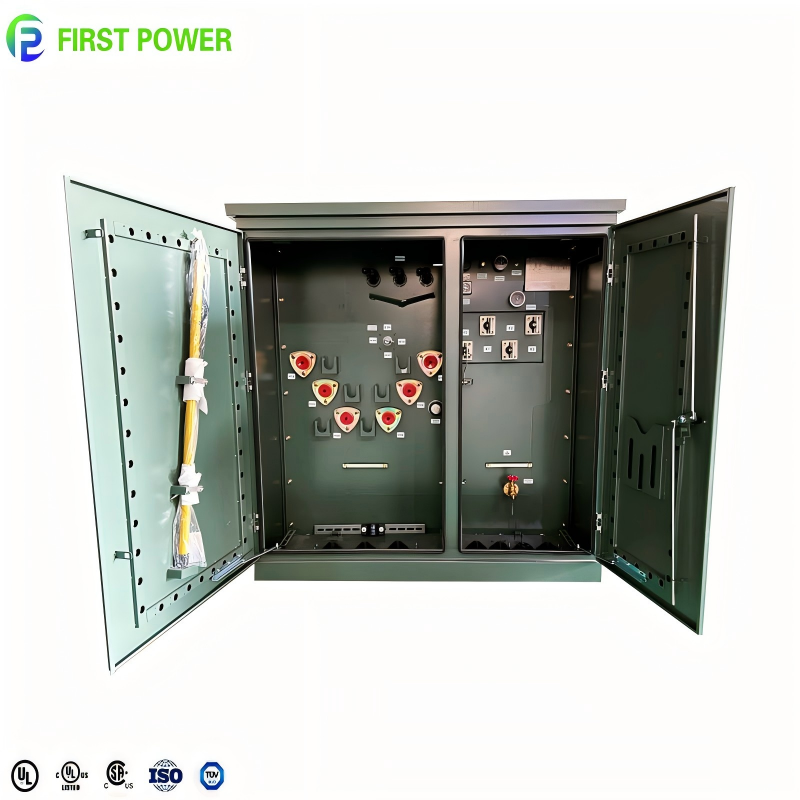
ZGS11 Three-Phase Pad Mounted Transformer, 75 kVA–50 MVA, 6–35 kV
For commercial estates, underground distribution and renewable interconnection where a tamper-resistant, space-saving enclosure is preferred.
- Range75 kVA–50 MVA
- Voltage6–35 kV
- UseUrban & industrial distribution
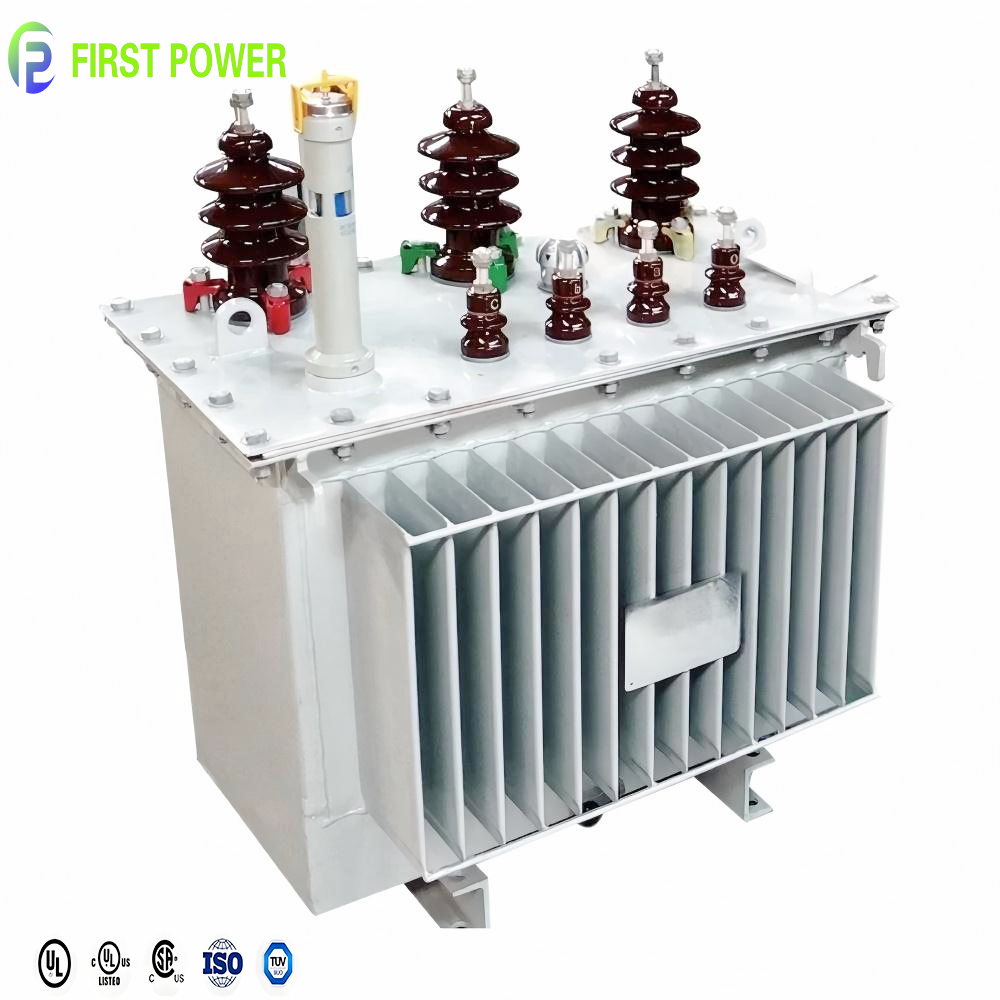
CE Oil-Immersed Transformer, 50–500 kVA, 10–35 kV
A practical distribution choice for factories, agro-processing plants, water pumping stations and commercial buildings.
- Range50–500 kVA
- Primary10–35 kV
- StandardIEC 60076 / CE
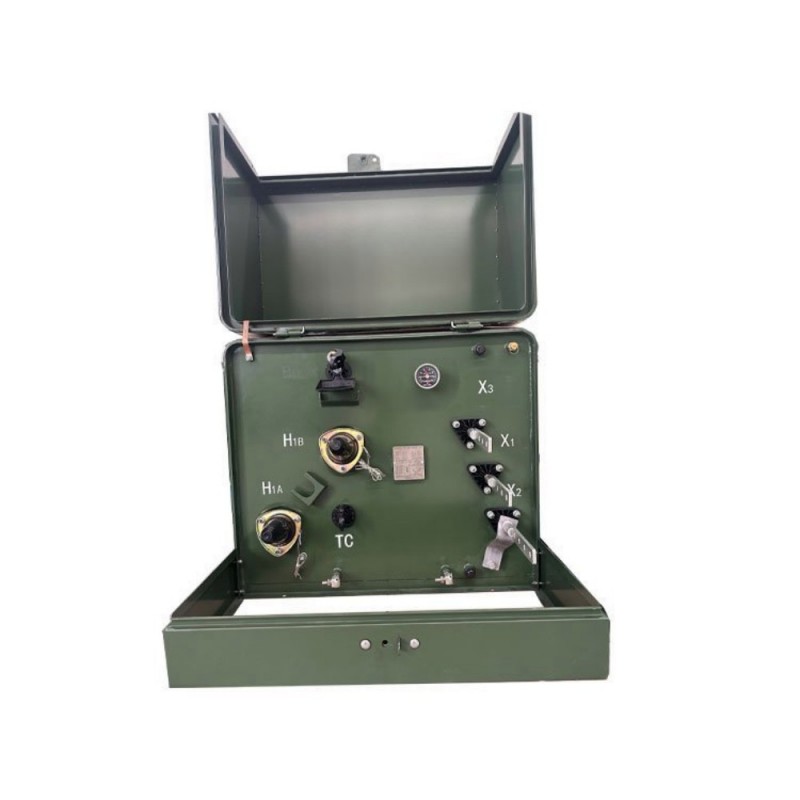
Single-Phase Oil Type Pad Mounted Transformer, 75 kVA, 6–34.5 kV
Well suited to residential feeders, rural electrification and dispersed loads where single-phase service reduces installation cost.
- Rating75 kVA class
- Voltage6–34.5 kV
- Frequency50/60 Hz
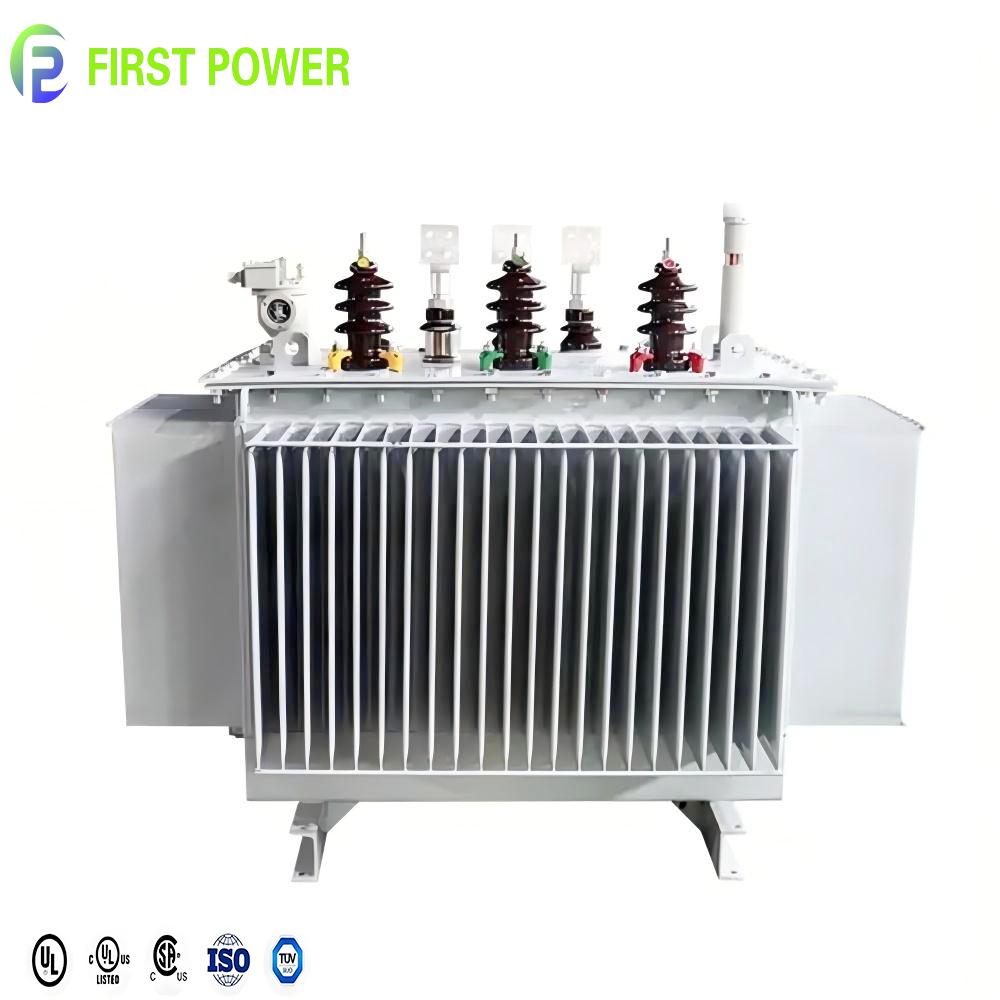
S11 Three-Phase Oil-Immersed Distribution Transformer, 50–250 kVA
An efficient choice for 11 kV and 33 kV distribution schemes where no-load and load losses are evaluated over the asset life.
- Range50–250 kVA
- Voltage10–35 kV
- TypeOil-immersed distribution
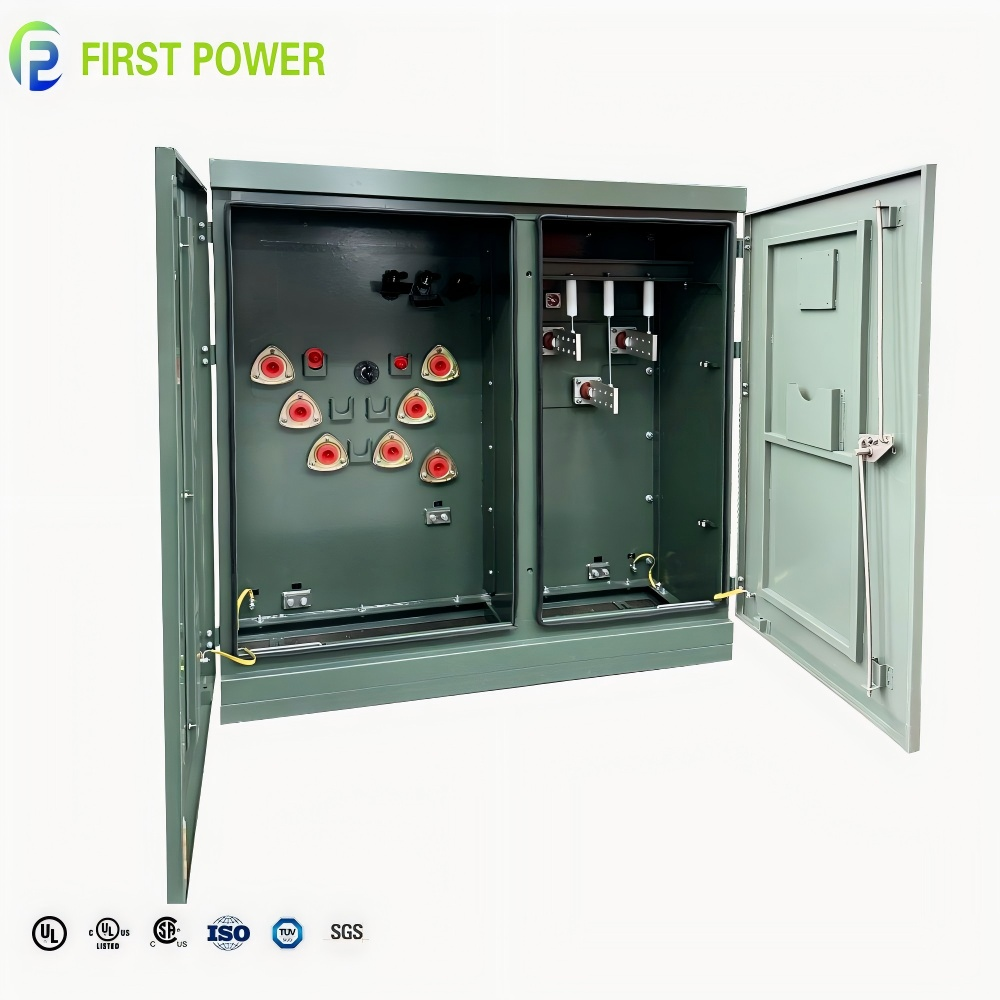
750 kVA Loop-Feed Pad Mounted Transformer, 10–35 kV
For underground commercial networks, campuses and industrial parks that require loop-feed continuity and compact siting.
- Rating750 kVA
- Voltage10–35 kV
- ConfigurationLoop feed pad mounted
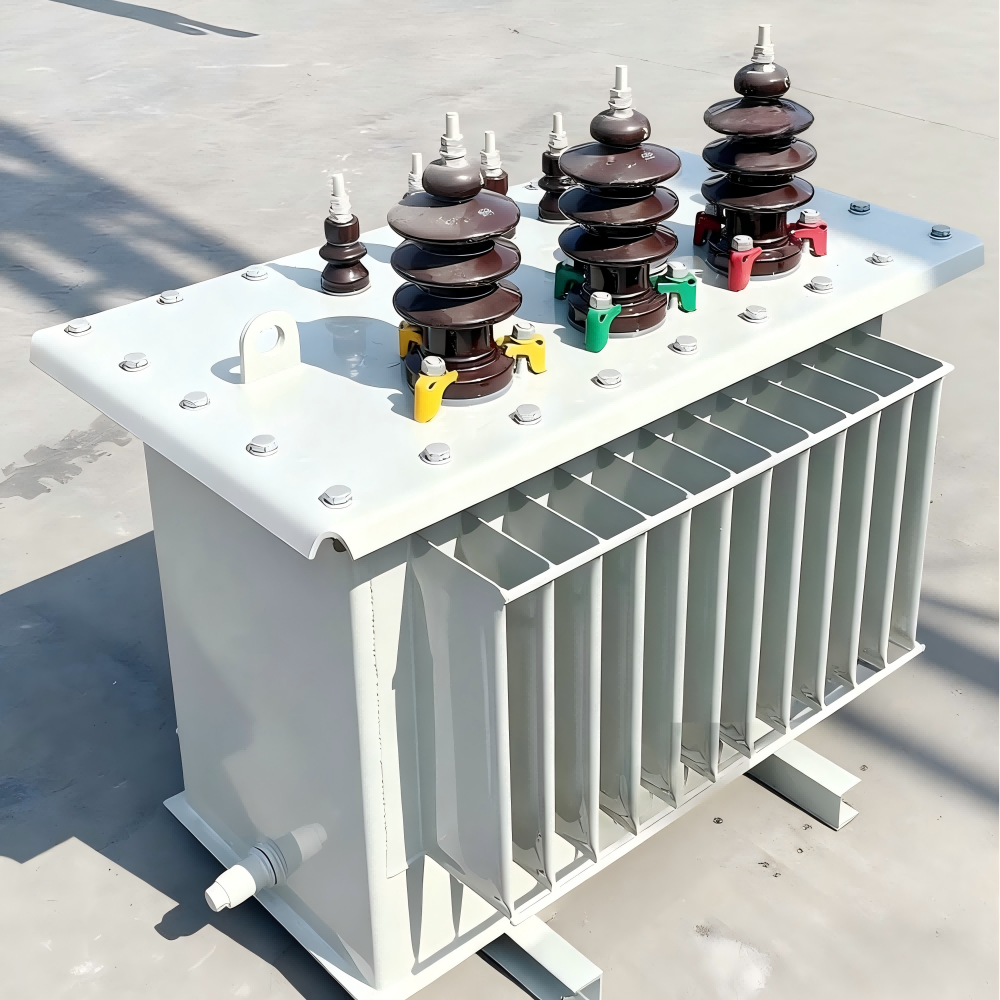
S11 Three-Phase Oil Transformer, 30–31,500 kVA, 6–35 kV
A broad oil-immersed platform for distribution substations, industrial complexes and generation step-up or step-down duty.
- Range30–31,500 kVA
- Voltage6–35 kV
- UsePower distribution
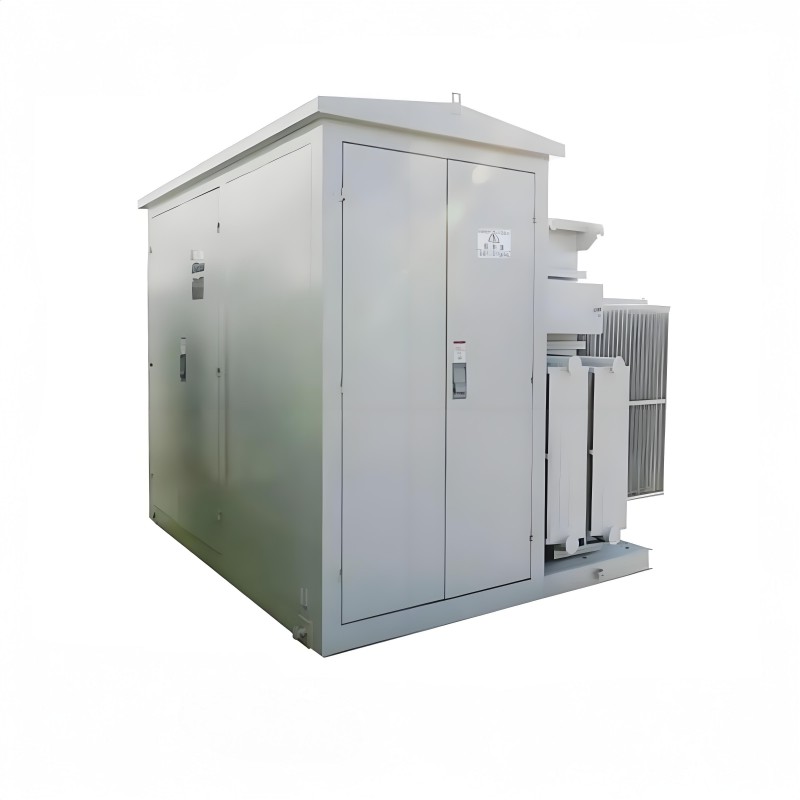
American-Standard Oil Pad Mounted Transformer, 75–2,500 kVA, 13.8 kV
For projects specifying American-style dead-front or live-front arrangements, generation auxiliary supply and commercial distribution.
- Range75–2,500 kVA
- Voltage13.8 kV
- StandardAmerican / CE
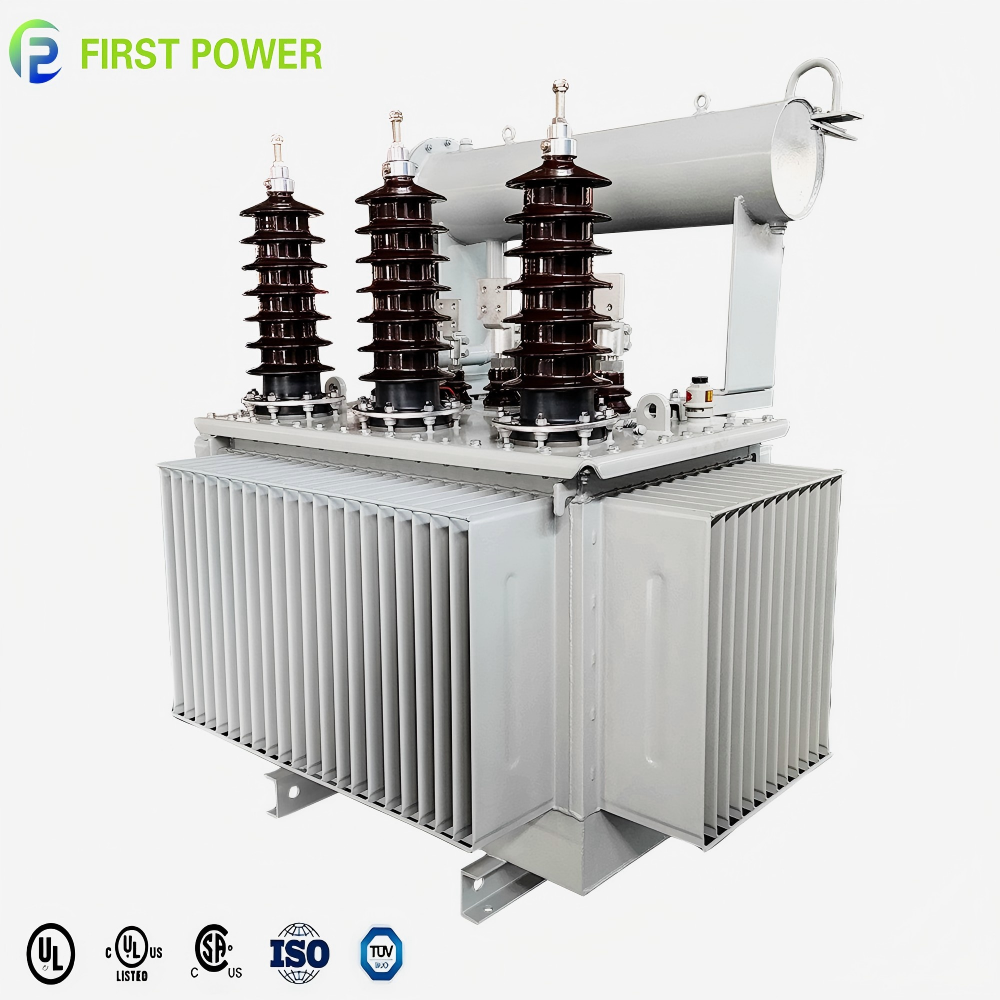
IEEE 33 kV Oil-Immersed Power Transformer, S11, 50/60 Hz
For industrial substations and utility projects requiring IEEE-style documentation, guaranteed losses and robust oil-immersed construction.
- Class33 kV
- Frequency50/60 Hz
- DocumentationCE / IEEE
What “Power Supply Transformer Supplier for Uganda” Really Means
Semantic search on this topic is rarely about one keyword. Buyers are looking for a supplier who understands 50 Hz design, 11 kV and 33 kV distribution practice, 240/415 V low-voltage service, inland logistics, total cost of ownership and tender documentation.
Uganda’s electrical ecosystem is expanding across generation, transmission and distribution. For procurement teams, the most expensive mistake is not choosing the lowest first-cost transformer; it is accepting a generic export design that does not match the local grid, climate or documentation requirements. A transformer specified for Uganda should be reviewed against the actual operating voltage, frequency, ambient temperature, dust and humidity exposure, lightning and switching environment, load profile, future expansion and inland transport route.
The core search intent behind “power supply transformer manufacturers & supplier for the Uganda market” combines several buyer questions: Who can supply IEC-compliant transformers? Who understands Uganda’s 50 Hz and 11 kV / 33 kV networks? Who can provide CE, ISO and routine test documents for tender review? Who can deliver to Kampala or project sites through Mombasa or Dar es Salaam? and Who will still answer technical questions after commissioning?
Jiangsu Wisegj Power Co., Ltd. supports these questions with a product portfolio covering pad mounted transformers, oil immersed distribution transformers, single-phase transformers, power transformers and related substation equipment. The objective of this guide is to provide information gain beyond a basic catalogue: a practical evaluation model for Uganda’s utility, industrial, commercial and rural electrification projects. The eight products above are live configurations; below we explain where each fits, how to compare them and what to request before placing an order.
Uganda Transformer Design Brief: What to Specify Before You Compare Prices
Use this table as a procurement discussion guide. It turns broad requirements into testable transformer specifications and helps prevent costly clarification cycles later.
| Design Parameter | Uganda Procurement Reality | Recommended Specification Response |
|---|---|---|
| Frequency & Voltage | Uganda operates at 50 Hz. Low-voltage service is commonly 240/415 V, while medium-voltage distribution is commonly 11 kV and 33 kV, with higher transmission classes for utility projects. | Guarantee losses, impedance and ratio at 50 Hz. Confirm vector group, tap range, primary/secondary voltage and whether the unit is for 11 kV, 33 kV or a higher transmission interface. |
| Ambient & Load Profile | High ambient temperature, dust, humidity and solar exposure can accelerate insulation ageing and corrosion if the transformer is not correctly specified. | Specify temperature rise, cooling method, anti-corrosion coating, sealed tank construction, suitable gaskets and enclosure protection. Share the expected daily load profile and future growth margin. |
| Lightning & Switching | Overvoltage events can damage windings, bushings and connected equipment where surge protection and earthing are weak. | Coordinate insulation levels with the project’s surge arrester and earthing design. Request BIL, impulse withstand and dielectric test documentation. |
| Losses & Total Cost | Two transformers with the same kVA rating can have very different no-load and load losses, affecting energy cost for 20 years or more. | Request guaranteed no-load loss, load loss at reference temperature, impedance and efficiency data. Evaluate total owning cost, not only ex-works price. |
| Inland Logistics | Many Uganda projects move through Mombasa or Dar es Salaam before inland transport to Kampala or the site. | Use seaworthy packing, shock and tilt indicators, lifting points, oil containment strategy and complete shipping documents. Confirm unloading and site storage conditions. |
| Compliance File | Utility, EPC and donor-funded projects often require a technical file that can support local approval and customs review. | Provide IEC 60076 routine test reports, CE certificates, ISO 9001 / 14001 / 45001 documentation, drawings, nameplates, packing lists and certificate of origin. The importer should confirm final UNBS, ERA or utility approval requirements. |
The most useful RFQ is not a single line asking for a price per kVA. It is a compact datasheet that states voltage, frequency, rating, vector group, impedance, tap range, cooling, losses, standard, site altitude, ambient conditions, enclosure finish and required documents.
Where These Transformers Fit in Uganda’s Real Projects
Uganda’s demand is not uniform. A transformer for a Kampala commercial tower, a rural electrification scheme, a hydro plant and a cement factory should not be configured in the same way.
Kampala Commercial & Mixed-Use Centres
Pad mounted and compact substation solutions reduce civil works and protect equipment in dense commercial areas. Specify tamper-resistant enclosures, low noise, corrosion protection and clear cable termination access for future expansion.
Industrial Parks & Manufacturing
Industrial parks around Kampala, Namanve, Jinja and Mbale often require 11 kV or 33 kV distribution transformers with robust cooling, high short-circuit withstand and spare capacity for motor starting and future production lines.
Rural Electrification & Last-Mile Access
Single-phase and small oil-immersed transformers support dispersed residential and agricultural loads. Low losses, anti-tamper features, simple protection and maintainable bushings matter as much as initial price.
Hydro, Solar & Renewable IPPs
Renewable projects need reliable step-up and auxiliary transformers with documented losses, thermal performance and grid-code alignment. Pad mounted and oil-immersed power transformers can be combined with switchgear for a complete interface.
Mining, Cement & Heavy Industry
Heavy industry requires transformers that tolerate dust, high ambient temperatures and cyclic loading. Specify cooling margin, oil containment, winding temperature monitoring and a maintenance plan for bushings, gaskets and protection devices.
Hospitals, Data Centres & Agro-Processing
Indoor, fire-sensitive or voltage-sensitive facilities often prefer dry type transformers or compact substations. For agro-processing and water pumping, oil-immersed distribution units with stable voltage regulation and accessible spares are common.
Six Localized Trends Shaping Transformer Procurement in Uganda
These trends explain why buyers are moving from “lowest kVA price” to “verified lifecycle value” when selecting a power supply transformer manufacturer.
Loss Reduction & Energy Cost Awareness
Utilities and industrial buyers increasingly evaluate no-load loss and load loss over the transformer’s service life. A lower-loss design can justify a higher initial price when energy cost and load growth are modelled correctly.
50 Hz Localization & Voltage Discipline
Uganda’s 50 Hz grid and 240/415 V low-voltage practice require clear nameplate data, loss guarantees and test reports at the correct frequency. Copying a 60 Hz catalogue sheet without re-testing is a technical risk.
Rural Electrification & Distribution Expansion
As last-mile connections expand, utilities need standardized transformer ratings, fast installation, anti-tamper features and simple maintenance. Single-phase and small three-phase units become strategic assets in the network.
Renewables, Mini-Grids & Industrial Parks
Solar, hydro and hybrid projects are creating demand for compact, testable transformer packages. Industrial parks are also specifying higher short-circuit capacity and expansion-ready designs to avoid early replacement.
Climate-Resilient Enclosures & Materials
Dust, humidity, solar radiation and seasonal storms make coating quality, sealing, gasket selection and ventilation design important. Uganda buyers increasingly request corrosion protection details and spare-part compatibility in the technical file.
Documentation & After-Sales Localization
Donor-funded and utility projects expect traceable documents, serial-number test reports, O&M manuals and responsive after-sales support. Local spare-part planning and remote technical assistance reduce downtime.
Recommended Transformer Type by Uganda Application
Use this matrix to shortlist the right product family before requesting a quotation. Final rating, impedance, vector group, tap range and losses should be confirmed by a transformer engineer against your load study.
| Uganda Scenario | Recommended Product Family | Why It Fits | Critical Specification to Confirm |
|---|---|---|---|
| Urban underground distribution | Three-phase pad mounted / loop-feed pad mounted | Compact footprint, tamper resistance and cable-friendly termination for commercial areas. | Loop or radial feed, dead-front arrangement, enclosure finish, cable box dimensions and fault-current rating. |
| Rural and residential feeders | Single-phase pad mounted / small oil-immersed distribution | Lower installation cost for dispersed single-phase loads and phased network growth. | 50 Hz losses, low-load efficiency, anti-tamper protection, pole or pad mounting and maintenance access. |
| Industrial park or factory | Oil-immersed distribution / compact substation | Robust continuous duty and room for future expansion in a controlled substation layout. | Motor-starting duty, impedance, short-circuit withstand, cooling class, spare capacity and protection coordination. |
| Hydro or solar IPP interconnection | Power transformer / pad mounted step-up | Matches generation step-up, auxiliary supply and grid-interface requirements. | Grid-code voltage, frequency, impedance, tap changer, cooling, losses, parallel operation and protection interface. |
| Hospital, data centre or indoor facility | Dry type transformer / compact substation | Reduces fire risk and simplifies indoor installation where oil-filled equipment is undesirable. | Insulation class, temperature rise, noise, ventilation, fire rating and indoor enclosure coordination. |
| Mining, cement and heavy industry | Oil-immersed power transformer / high-capacity distribution | Handles high ambient, dust, cyclic load and demanding maintenance environments. | Cooling margin, oil monitoring, winding temperature devices, corrosion protection and spare-part availability. |
For projects requiring higher transmission voltages, the same engineering method applies. Uganda projects may specify 132 kV or 220 kV interfaces, with 400 kV planned in the transmission roadmap; the supplier must provide verifiable design, test and documentation capability rather than simply quoting a voltage class.
Beyond Price per kVA: A Uganda Total-Cost Evaluation Model
The following weighting model shows how experienced buyers compare transformer offers. It is not a substitute for your utility’s loss-evaluation formula, but it highlights the variables that should be visible in the quotation.
A transformer that is 5–10% cheaper at the factory gate can become more expensive after freight, oil handling, site adaptation, outage risk and higher losses are included. Ask each supplier for guaranteed loss values, test method, reference temperature, impedance tolerance, permissible temperature rise, sound level, painting system, enclosure protection and a bill of materials for wear parts.
The most credible offers are those that can be audited. A routine test report with serial numbers, a drawing set approved before production and a third-party witness inspection option are stronger signals than a brochure claim. For Uganda projects, include the inland logistics plan in the same evaluation: packing specification, shipping marks, lifting points, oil filling strategy, shock indicators and unloading responsibility.
Enterprise Advantages That Uganda Buyers Can Verify
A transformer supplier for the Uganda market must demonstrate engineering experience, factory control, certification and export execution. The following evidence is drawn from the manufacturer’s verified company profile.
Jiangsu Wisegj Power Co., Ltd. engineers and exports pad mounted transformers, oil immersed transformers, dry type transformers, power transformers, compact substations and switchgear. The team brings more than 20 years of hands-on transformer experience, with 50+ R&D and technical engineers supporting specification review, drawings, routine testing and export documentation. The verified production floorspace is 6,847 m², and 211 qualified supply-chain partners support stable sourcing of silicon steel, copper, bushings, accessories and materials.
Production operates under ISO 9001 quality management, ISO 14001 environmental management and ISO 45001 occupational health and safety systems. Certification documents include CE certificates for oil-immersed power transformers, dry type transformers, oil immersed transformers, compact substations and switchgear. The company profile also references TÜV Rheinland verification of production capability and inspection, Fortune 500 customer supply experience, OEM/ODM customization and a 24-hour technical response commitment. For Uganda procurement teams, these are practical due-diligence anchors: they show that the supplier can support the technical file, factory test evidence and after-sales communication expected in utility and EPC projects.

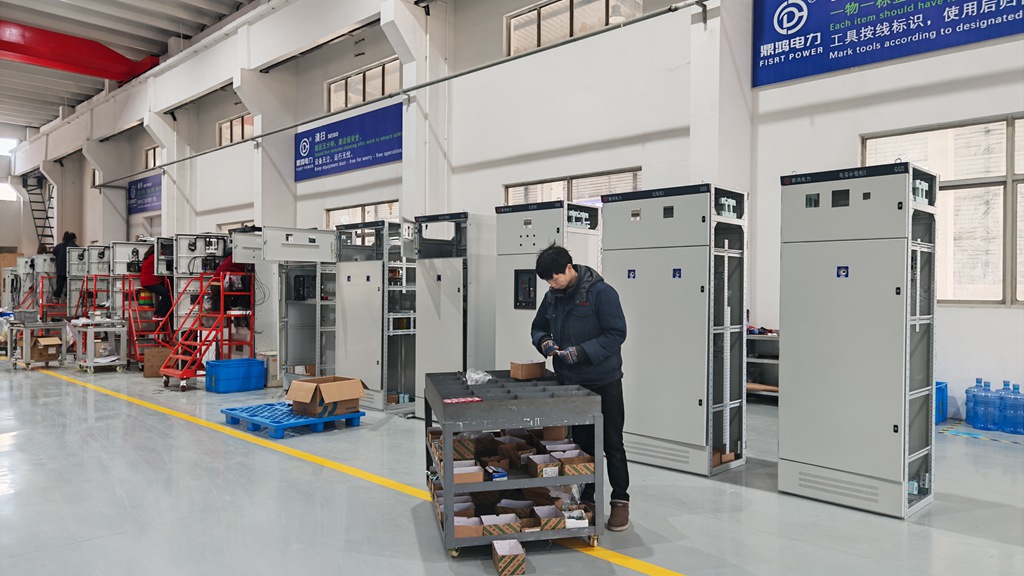
Company & Facility Overview

Assembly Workshop

Testing Laboratory
Export Packing & Loading
Certified management systemsISO 9001 No. 62824Q6052R0S, ISO 14001 No. 62824E6053R0S and ISO 45001 No. 62824S6054R0S support quality, environmental and safety control.
Third-party verificationProduction capability, floorspace and inspection are described as verified onsite by TÜV Rheinland in the original company profile.
Product certificationCE documentation is available for multiple product families, including power transformers, dry type transformers, compact substations and switchgear.
Customization capabilityOEM, ODM, design-based and sample-based customization cover ratings, vector group, impedance, taps, bushings, cooling, fluid and nameplate language.
Documentation packageGA drawings, nameplate drafts, routine test reports and English O&M manuals can be prepared for tender and utility review.
Responsive technical supportPre-sale and after-sale questions receive a qualified engineering response within one working day, with spare-part guidance for project planning.
Six Steps to De-Risk a Uganda Transformer Purchase
A disciplined procurement sequence protects schedule, budget and compliance. It also makes supplier comparison more objective.
1. Issue a real datasheetState kVA, primary and secondary voltage, 50 Hz, vector group, impedance, tap range, cooling, losses, ambient, altitude, standard and required documents. Do not rely on a one-line inquiry.
2. Approve drawings before productionReview GA drawings, nameplate data, terminal arrangement, enclosure details, cable boxes and lifting points. This reduces later site surprises.
3. Require routine tests per unitWinding resistance, ratio and vector group, impedance and load loss, no-load loss and current, applied voltage and induced voltage tests should be documented by serial number.
4. Plan witness inspectionFor utility or donor-funded projects, third-party witness inspection can be arranged. Confirm the inspection scope, test standard and report format before shipment.
5. Inspect export protectionCheck seaworthy packing, shock indicators, desiccant where applicable, lifting marks, oil containment and transport documents for the Mombasa or Dar es Salaam route.
6. Prepare for after-salesAgree spare parts, technical contact, commissioning checklist and warranty terms. Ask how bushings, gaskets, fuses, valves and protection devices can be supplied during operation.
Common Questions from Uganda Transformer Buyers
These answers reflect the questions most often raised by utilities, EPC contractors, industrial buyers and importers preparing Uganda projects.
Which transformer rating is most common for Uganda projects?
Common distribution ratings include 50 kVA, 100 kVA, 200 kVA, 315 kVA, 500 kVA, 750 kVA and 1,000 kVA, with 11 kV/0.415 kV and 33 kV/11 kV interfaces depending on the network design. For industrial and utility projects, larger oil-immersed and power transformers may be specified. The correct rating should come from a load study, voltage-drop calculation and future growth plan, not from a catalogue default.
Should I choose a pad mounted, pole mounted or ground-mounted transformer?
Pad mounted transformers are often selected for underground distribution, commercial areas and locations where tamper resistance and a compact footprint matter. Pole or platform-mounted oil-immersed transformers may be used where overhead distribution is standard. Ground-mounted oil-immersed units are common for industrial and utility substations. The choice depends on the network arrangement, civil works, cable availability, maintenance access and local utility practice.
Are your transformers suitable for Uganda’s 50 Hz and 240/415 V networks?
Yes. Units can be designed, manufactured and routine-tested for 50 Hz operation with the required primary and secondary voltages. The nameplate, guaranteed losses, impedance and test reports should all state the 50 Hz design basis. This is especially important when comparing a supplier’s 60 Hz catalogue data with a Uganda-specific offer.
How do you address Uganda’s dust, humidity, lightning and voltage fluctuations?
Specify appropriate temperature rise, cooling, anti-corrosion coating, sealed tank construction, gasket quality and enclosure protection. Coordinate the transformer insulation level with surge arresters and earthing design. For sites with unstable voltage, discuss tap range, OLTC or NLTC requirements and protection coordination with the transformer engineer before ordering.
What documents can you provide for UNBS, ERA, utility or tender review?
We can provide IEC 60076 routine test reports, CE certificates, ISO management system certificates, GA drawings, nameplate drafts, material documentation, packing lists and a certificate of origin where applicable. The importer or project owner should confirm the final UNBS, ERA, utility or donor approval requirements. We prepare the technical file to match the tender checklist and can support clarification requests.
What is the typical shipping route to Kampala and how is the transformer packed?
Many shipments move through Mombasa or Dar es Salaam and then by inland transport to Kampala or the project site. Export packing should include seaworthy protection, lifting points, shock and tilt indicators, shipping marks and complete documents. For large oil-filled units, agree the oil filling and site handling strategy early so that unloading, storage and commissioning are properly planned.
Can you customize for 11 kV, 33 kV, 132 kV, 220 kV or future 400 kV projects?
Yes. The portfolio covers medium-voltage distribution equipment and high-voltage power transformers, with engineering review for voltage class, insulation level, impedance, cooling, tap changer, losses, protection and documentation. Uganda projects commonly involve 11 kV, 33 kV, 132 kV and 220 kV interfaces; higher-voltage and future 400 kV planning requirements can be reviewed against the project specification.
What after-sales support and spare parts are available?
Support can include drawing and test-report follow-up, commissioning guidance, remote technical response and spare-part planning for bushings, gaskets, valves, fuses, relays and other wear items. Before shipment, agree the warranty terms, technical contact route and recommended spare-parts list based on the transformer type and project criticality.
Ready to Review Your Uganda Transformer Specification?
Send your datasheet, tender document or single-line diagram. A transformer engineer can review the rating, voltage, 50 Hz design basis, losses, enclosure, test requirements and delivery route, then respond with a project-specific proposal.
Inquire Now