High-Performance Isolation & Distribution Transformers
Featured 6kV to 35kV oil-immersed, pad-mounted, and industrial step-up transformers certified for Mongolian utility standards
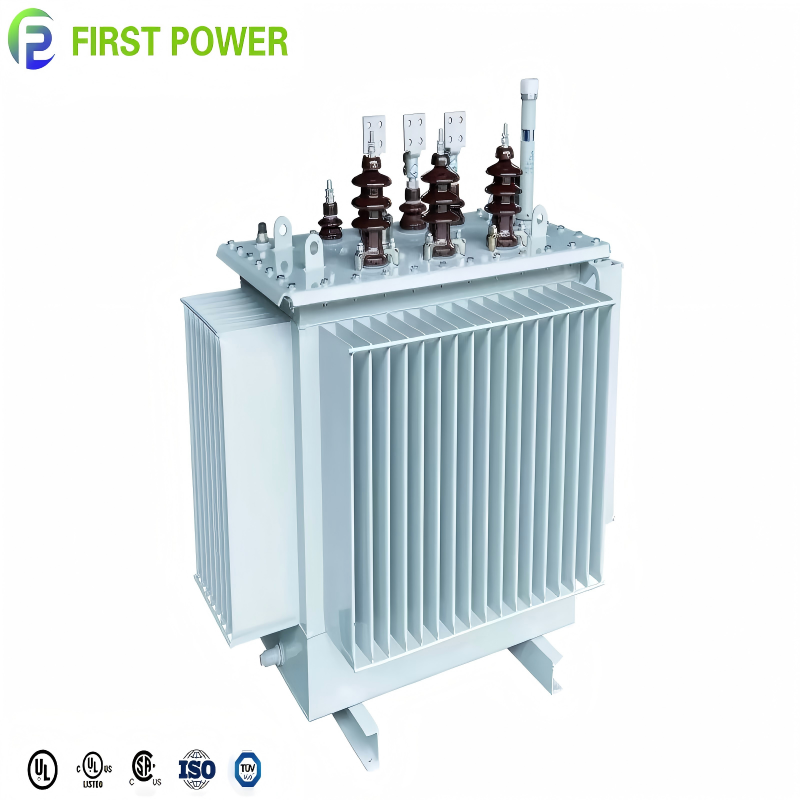
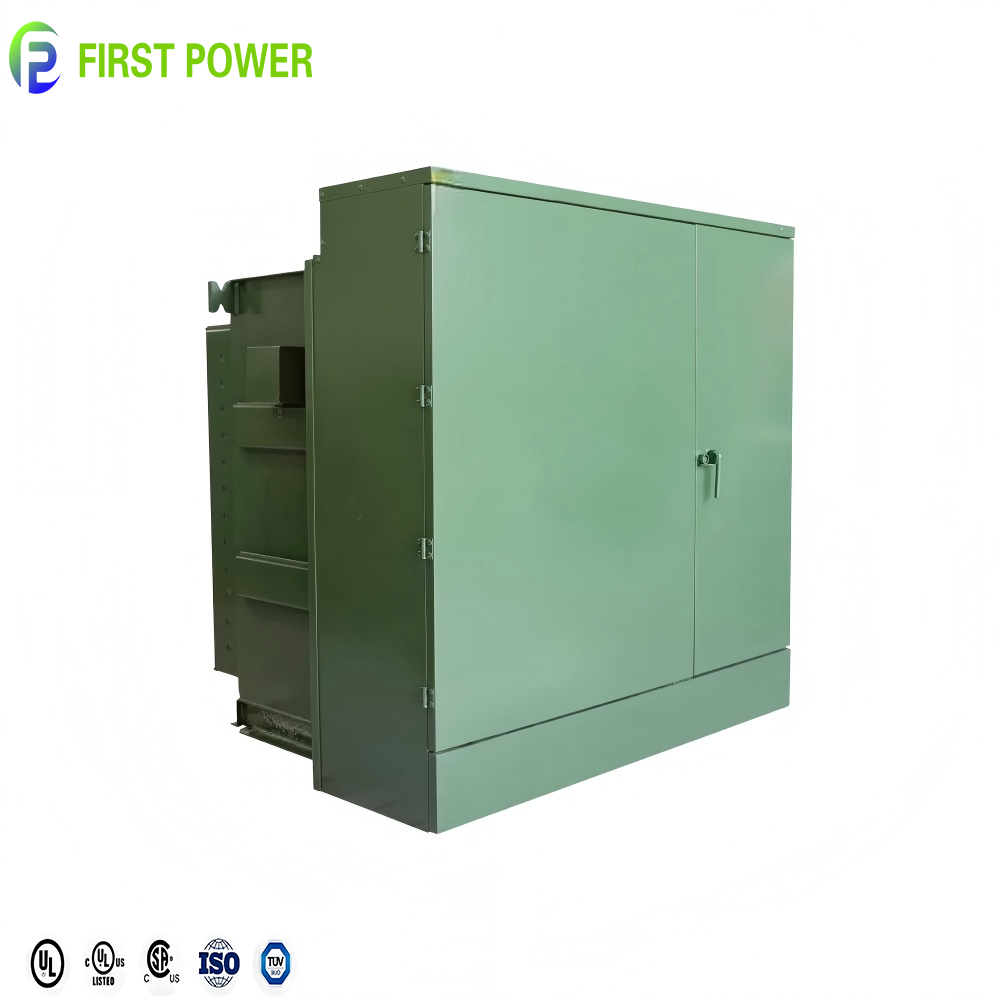
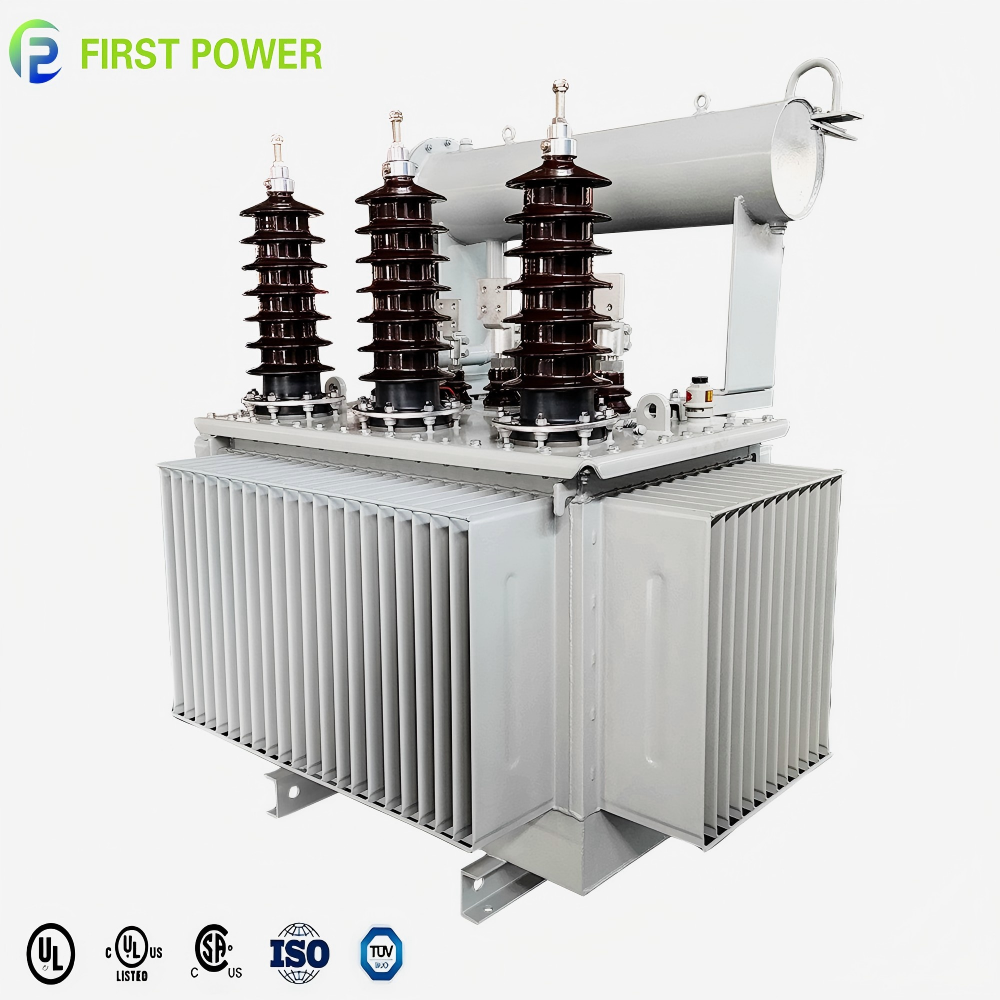
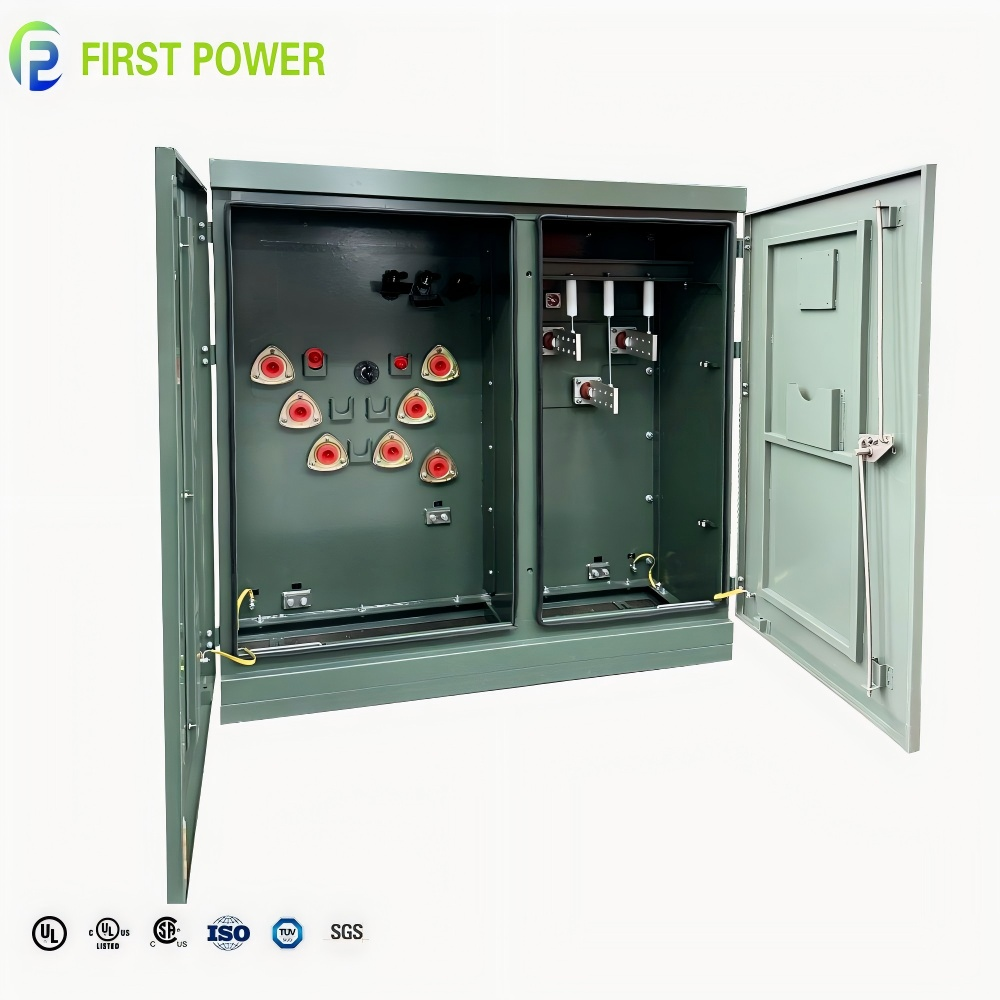
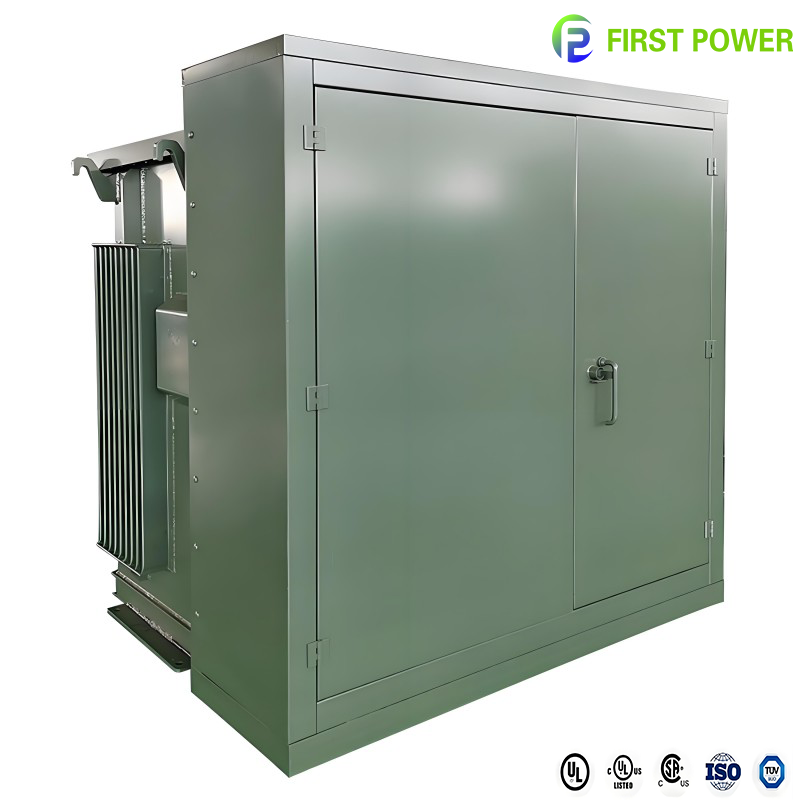
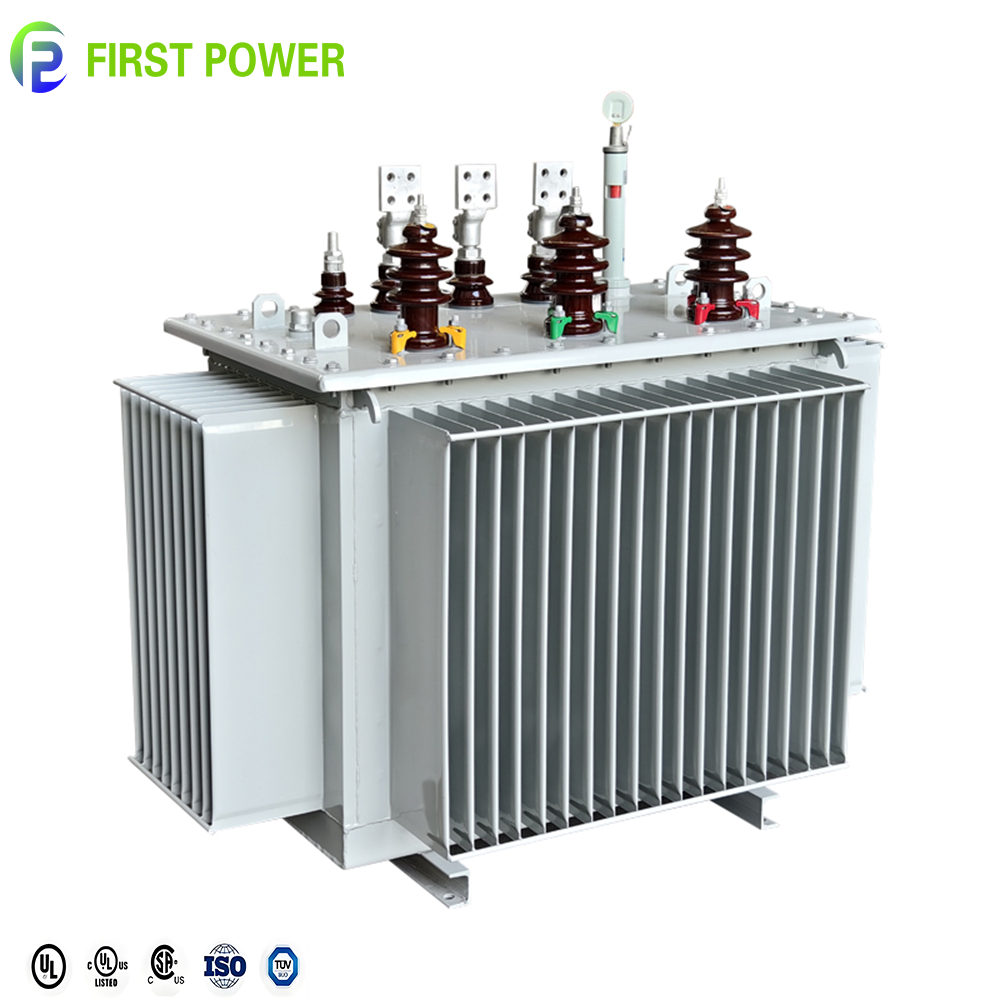
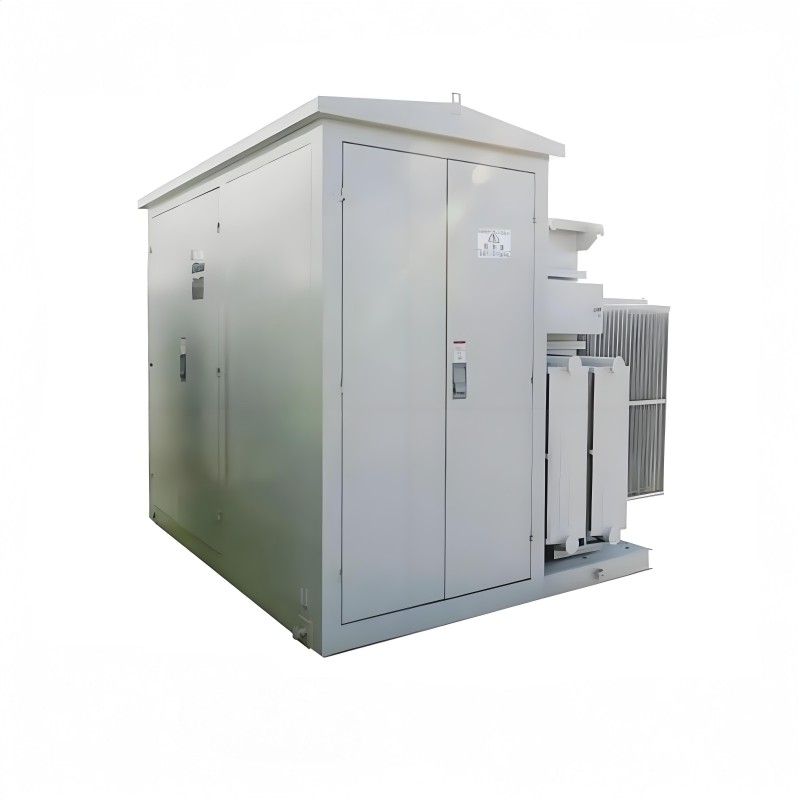
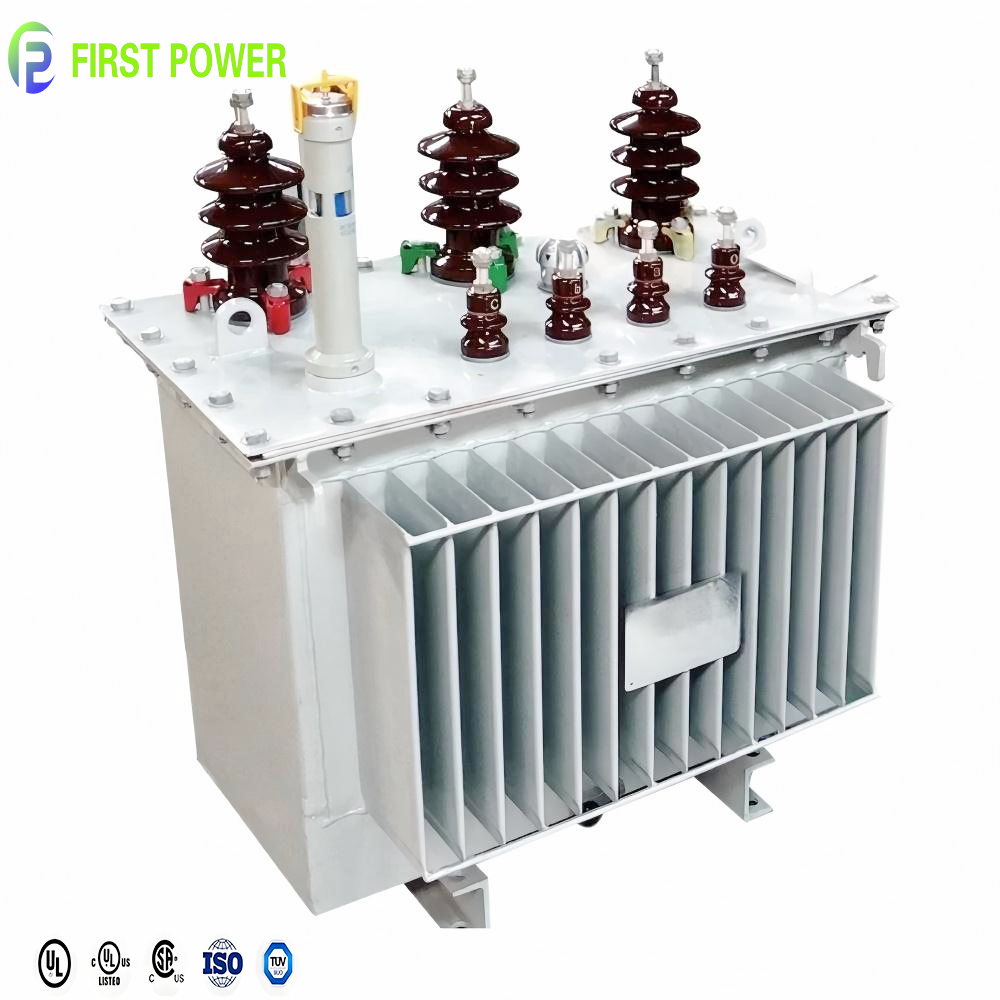
Power Isolation Architecture in Ulaanbaatar’s Evolving Power Grid
Analyzing electrical grid stability, severe continental weather challenges, and the imperative for galvanic isolation across Mongolia's industrial corridors.
As the primary economic and industrial heartland of Mongolia, Ulaanbaatar accounts for over 60% of the nation's total electricity demand. The city's grid architecture relies heavily on the Central Energy System (CES), interconnected with Combined Heat and Power plants (CHP-2, CHP-3, CHP-4) and high-voltage transmission lines operating at 110kV, 35kV, and 10kV. However, fast-paced urban expansion across districts such as Khan-Uul and Bayanzurkh, coupled with the rapid integration of heavy industrial processing hubs and remote mining supply networks (such as the South Gobi transport links), presents severe power quality challenges.
Electrical engineers operating within Ulaanbaatar face three major grid stress vectors: extreme seasonal temperature fluctuations ranging from -45°C in deep winter to +35°C in summer, high harmonic distortion generated by heavy variable frequency drives (VFDs) in industrial facilities, and unstable neutral-ground potential shifts caused by dry, rocky soil conditions that increase ground resistance.
Why Galvanic Isolation is Critical for Ulaanbaatar Infrastructure:
Unlike standard auto-transformers or basic distribution transformers, a true Power Isolation Transformer creates a complete physically decoupled barrier between the primary supply coil and the secondary load winding. By eliminating direct electrical connections, galvanic isolation blocks common-mode voltage spikes, suppresses high-frequency electrical noise, prevents DC offset injection, and neutralizes dangerous ground loop currents prevalent in Mongolian industrial zones.
Core Engineering Drivers for Isolation Transformer Deployment in Mongolia
Harmonic Attenuation & K-Factor
Non-linear loads from heavy industrial rectifiers, mining induction furnaces, and commercial HVAC systems inject harmonic currents (3rd, 5th, 11th orders) into the Ulaanbaatar 10kV line. Specially engineered K-Factor isolation transformers (K-4 to K-20) withstand stray losses and prevent core saturation without thermal breakdown.
-50°C Low-Temperature Thermal Design
Standard liquid-filled transformers risk oil gelling, gasket hardening, and brittle structural steel failure under Ulaanbaatar’s severe sub-zero conditions. Wisegj isolation transformers feature specialized low-viscosity mineral oils/synthetic esters with low pour points (-55°C) and cold-certified Nitrile-Viton elastomeric sealing systems.
Electrostatic Noise & Surge Shielding
Equipped with dual electrostatic copper Faraday shields between primary and secondary windings, our units attenuate high-frequency transverse and common-mode noise by up to 120 dB, protecting sensitive telecommunications, medical equipment, and automation PLCs from utility grid transients.
Technical Specification & Construction Standards
Comprehensive metallurgical, dielectric, and structural parameters built to IEC 60076 and IEEE C57 standards
Advanced Core Metallurgy & Low-Loss Design
Wisegj Power isolation transformers utilize prime, high-permeability Cold-Rolled Grain-Oriented (CRGO) silicon steel laminations (0.23mm to 0.27mm thickness) imported from top-tier steel mills. Cores are constructed using full-mitred step-lap joints, drastically reducing no-load losses (P0) and noise emission levels to meet strict European Tier 2 and ANSI energy efficiency guidelines.
Primary and secondary windings are manufactured using high-purity (99.99%) oxygen-free electrolytic copper conductors insulated with high-dielectric NOMEX or thermally upgraded paper. This construction provides superior mechanical short-circuit withstand capacity, crucial during system faults on high-impedance overhead grid lines around Ulaanbaatar.
- Standard Voltage Classes: 6.3kV, 10kV, 15kV, 20kV, 33kV/35kV Primary; 220V, 380V, 400V, 480V Secondary
- Vector Configurations: Dyn11, Dyn1, Yyn0, Ynd11 (Custom vector phase shifts available)
- Enclosure Protection: IP23 (Indoor Dry-Type), IP54/IP65 (Outdoor Hermetically Sealed Oil Tank & Pad-Mounted)
Isolation Transformer Parameter Comparison
| Parameter | Liquid Immersed Isolation | Cast Resin Dry-Type |
|---|---|---|
| Capacity Range | 50 kVA – 5,000 kVA | 30 kVA – 2,500 kVA |
| Cooling Method | ONAN / ONAF liquid cooled | AN / AF forced air cooled |
| Min Operating Temp | -50 °C (Special pour fluid) | -25 °C (Indoor sub-station) |
| Insulation Class | Class A / Uniform dielectric | Class F / Class H (180°C) |
| Fire Safety Rating | FR3 Synthetic ester option | F1 Self-extinguishing |
| Primary Application | Outdoor substations, mining | High-rises, hospitals, IT hubs |
Localized Applications Across Ulaanbaatar Projects
Tailored power isolation configurations engineered for Mongolia’s specific industrial and municipal sectors
Mining & Heavy Processing Plant Feeder Isolation
In heavy industrial zones supplying equipment to mine sites south of Ulaanbaatar, massive electric crushers, ball mills, and conveyor drives generate intense electrical feedback. Our step-down isolation transformers decouple heavy motor noise, protecting regional 35kV supply feeders from voltage sags and phase imbalance.
Urban Commercial High-Rises & Data Centers
Ulaanbaatar’s modern high-rise developments in Sükhbaatar District demand pristine clean power for IT server racks, elevators, and HVAC networks. Our dry-type cast resin isolation transformers eliminate neutral-to-ground voltage potential, ensuring low sound levels (<48 dB) and strict fire compliance.
Renewable Solar & Wind Energy Grid Tie-in
Mongolia’s vast renewable projects feeding power into the Ulaanbaatar Central Grid utilize our step-up pad-mounted isolation units. They smooth high-frequency inverter switching ripples, provide galvanic isolation against lightning strike back-feeds, and ensure steady 10kV/35kV grid synchronization.
Why Procurement Officers Trust Jiangsu Wisegj Power Co., Ltd.
Combining world-class engineering, certified quality management, and rigorous factory testing
TÜV Rheinland Audited
Our 6,847 m² production base is independently audited and verified on-site by TÜV Rheinland for manufacturing capacity, equipment calibration, and testing integrity.
Triple ISO Certification
Certified under ISO 9001 (Quality Management No. 62824Q6052R0S), ISO 14001 (Environmental), and ISO 45001 (Occupational Safety) systems valid through 2027.
100% Routine Factory Test
Every single unit undergoes routine winding resistance, turns ratio, load/no-load loss, separate-source AC withstand, induced overvoltage, and oil dielectric breakdown testing prior to packing.
Direct Logistics to Mongolia
Streamlined transport via rail/truck cargo through Erenhot/Zamiin-Uud customs border corridor directly to Ulaanbaatar, packed in seaworthy shock-monitored wooden crates.
Frequently Asked Questions for Ulaanbaatar Buyers
Expert answers regarding technical compliance, cold weather resilience, and delivery terms to Mongolia
How do Wisegj isolation transformers perform in Ulaanbaatar's -45°C winter climate? +
Our transformers engineered for Mongolia utilize low-viscosity transformer oil with a pour point below -55°C, ensuring active oil circulation and heat dissipation even during severe freeze conditions. Additionally, radiator tanks are treated with weather-resistant anti-corrosion primers and epoxy finishes, while external gaskets use low-temperature Viton/Nitrile polymers that maintain elasticity down to -50°C without cracking.
Can you manufacture isolation transformers to match Mongolian grid standards (10kV / 35kV / 0.4kV)? +
Yes. We regularly design and build transformers fully compliant with Mongolian National Standards (MNS) and international standards (IEC 60076, IEEE C57). We accommodate standard primary voltages of 6kV, 10kV, 15kV, 20kV, and 35kV, stepped down to 400V/230V or specialized industrial voltages (440V, 480V, 690V) with custom off-circuit or on-load tap changers (OLTC).
What is the typical lead time and shipping route for delivery to Ulaanbaatar? +
Standard manufacturing time ranges between 20 to 35 calendar days depending on unit kVA capacity and custom specifications. Shipments are dispatched directly via multimodal rail or heavy-duty overland transport through the Tianjin port / Erenhot / Zamiin-Uud border crossing directly into Ulaanbaatar customs terminals, with full DDP, CIP, or CPT trade terms.
What documentation and test reports are provided with the transformer? +
Every transformer is supplied with a comprehensive engineering documentation package, including factory routine test reports (signed and stamped), General Arrangement (GA) dimensional drawings, schematics, nameplate proof, ISO 9001 quality certificates, CE conformity certificates, and complete Operation & Maintenance (O&M) manuals in English.
Do you support OEM / ODM design customization for specific engineering tenders? +
Absolutely. Our staff of over 50 electrical engineers provides full OEM and ODM customization. We can engineer custom vector groups, specialized impedance percentages (Z%), low-loss amorphous alloy core structures, dual electrostatic shields, seismic withstand bracing, and custom compartment bushing locations to fit existing substation footprints.
Request a Factory-Direct Technical Proposal & Quote
Planning a power distribution project, mining expansion, or commercial installation in Ulaanbaatar or across Mongolia? Connect with our engineering team today for guaranteed loss calculations, dimensional drawings, and competitive direct pricing within 24 hours.