Eight Transformer Platforms Specified for Yangon Distribution Work
The eight lines below cover what is actually purchased in Myanmar: small single phase units for residential branch circuits, three phase pad mounted and loop feed equipment for industrial parks, and dry type machines for buildings where oil is not permitted. Every platform can be manufactured at 50 Hz with Myanmar-specific voltage combinations and shipped with a full routine test report for each serial number.
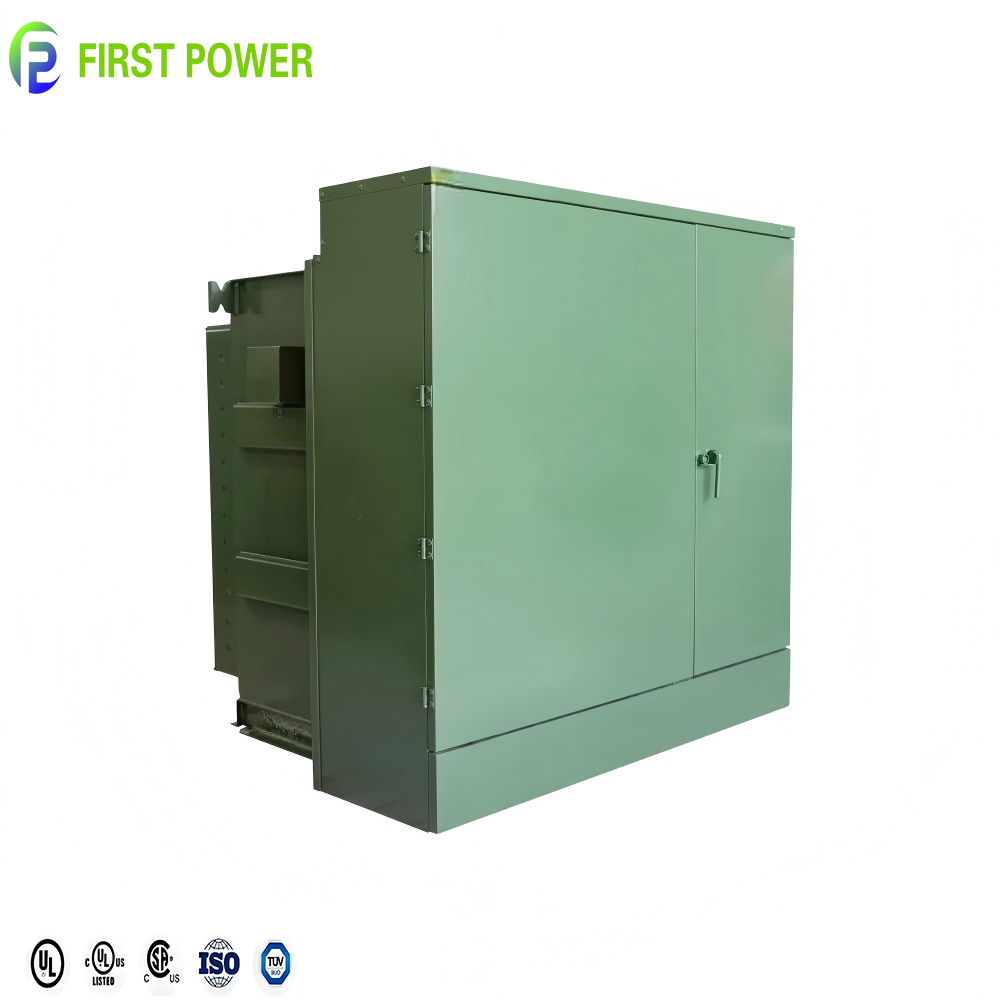
C CE MV&HV 50/60HZ 750KVA 1250KVA 1500KVA 2000KVA 2500KVA 3 Phase Pad Mounted Transformer for Industrial Power Supply
Heavy-duty three phase units for factories, textile mills and food processing plants that need a single lockable outdoor enclosure at 750–2,500 kVA.
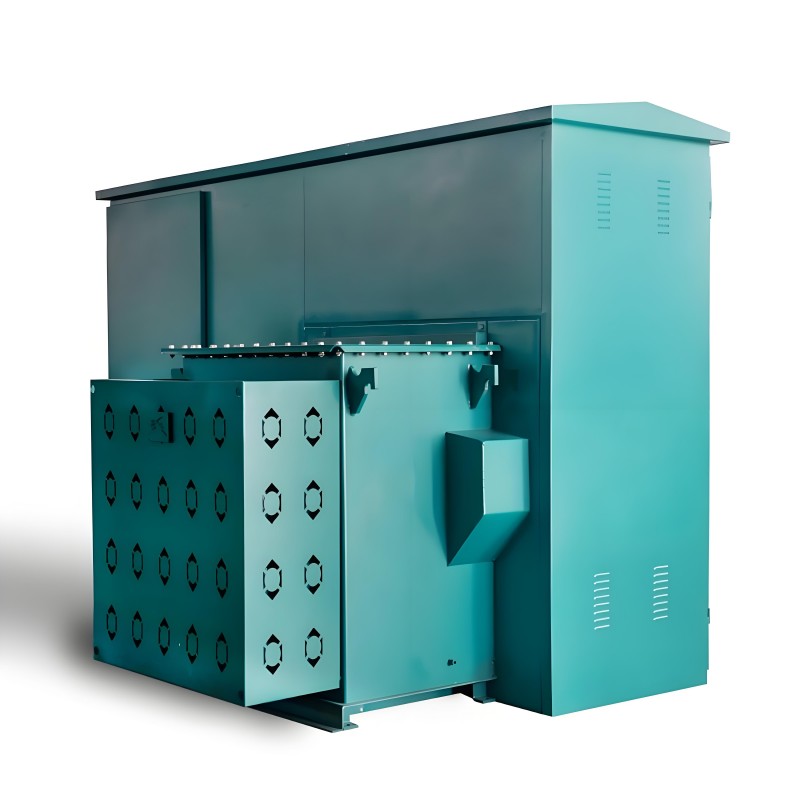
C Certified Oil-Type Cooper 75-2500kva Pad Mounted Transformer 6kv-34.5kv 50/60hz Dead Front Three Phases
Dead front construction keeps live parts enclosed, which suits kerbside and pavement installations where pedestrians pass close to the unit.
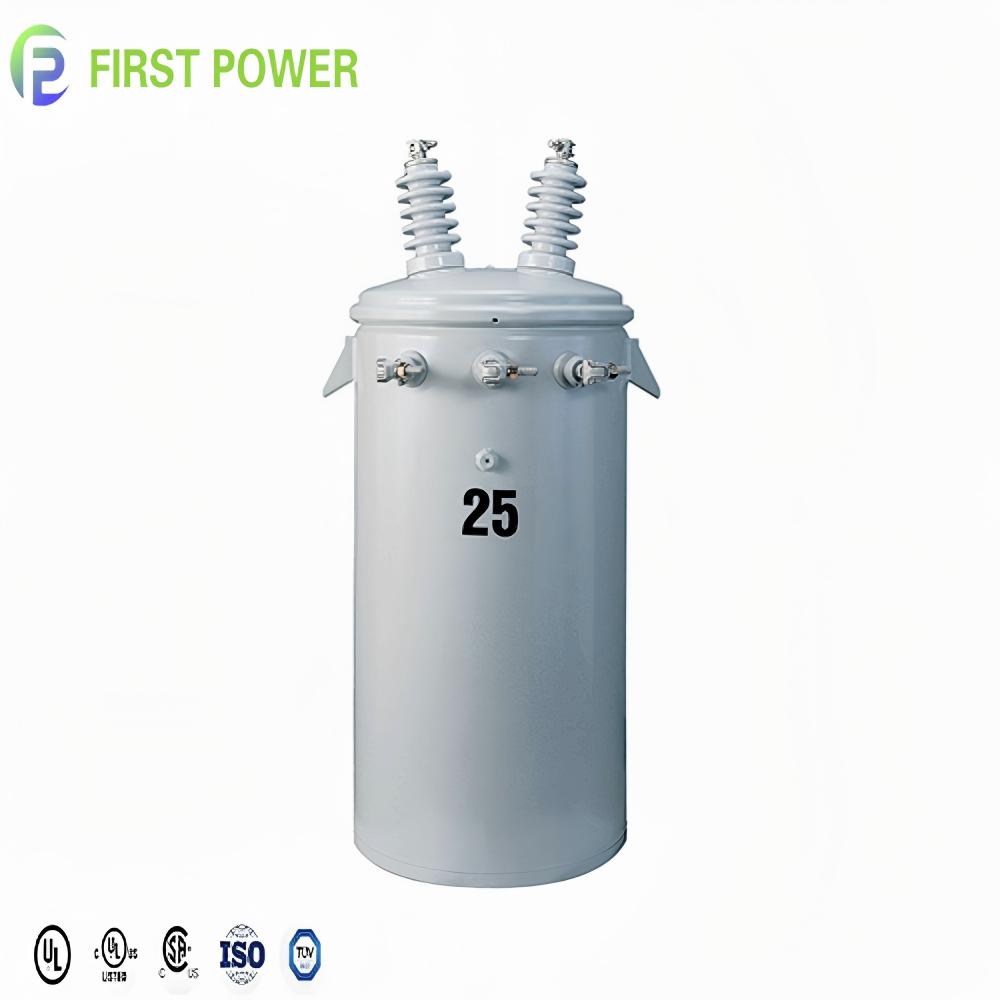
C CE Certification MV&HV 50/60HZ 6KV 10KV 20KV 35KV 25KVA Single Phase Transformer Price for Electric Power Distribution
Compact 25 kVA single phase units for branch circuits feeding individual houses, street lighting circuits and small workshops.
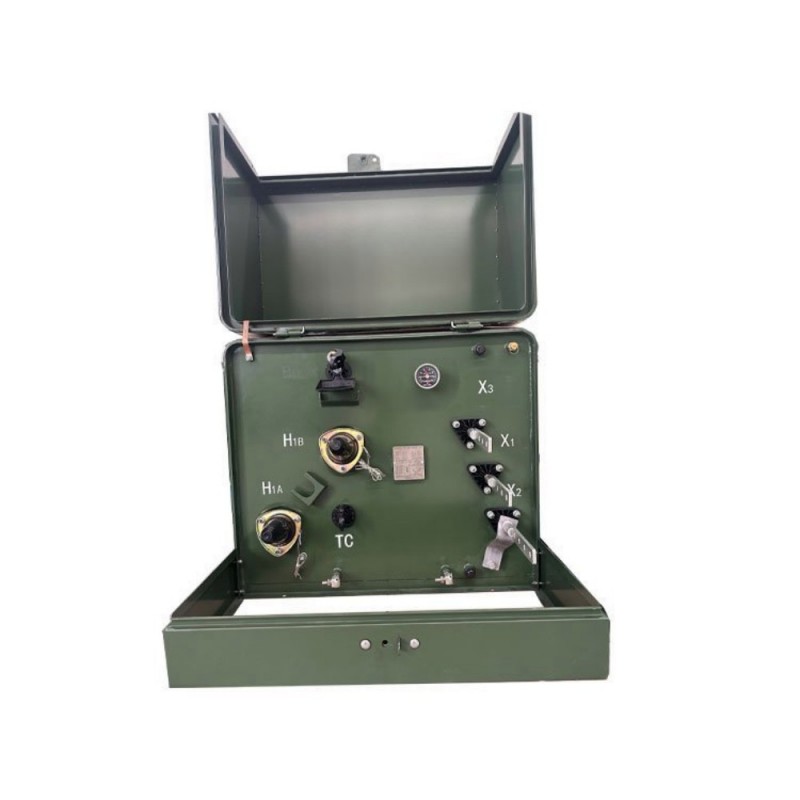
C Certification 6KV 10KV 13KV 20KV 34.5KV 50/60HZ Oil Type Single Phase 75KVA Pad Mounted Transformers
Multi-voltage 75 kVA pad mounted single phase units used on housing estate feeders and light commercial spurs around the city fringe.
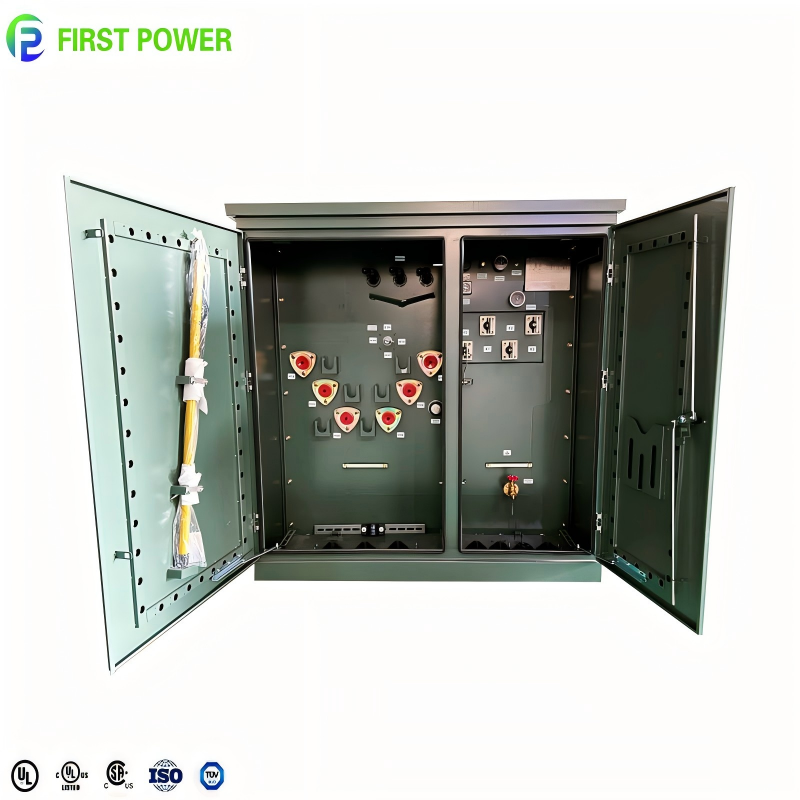
C ZGS11 50/60HZ 75KVA-50000KVA 6KV 10KV 15KV 20KV 35KV Three Phase Pad Mounted Transformer for Electric Power Distribution
The widest range in the catalogue, from a 75 kVA community unit up to 50 MVA substation class equipment for generation and grid connection projects.
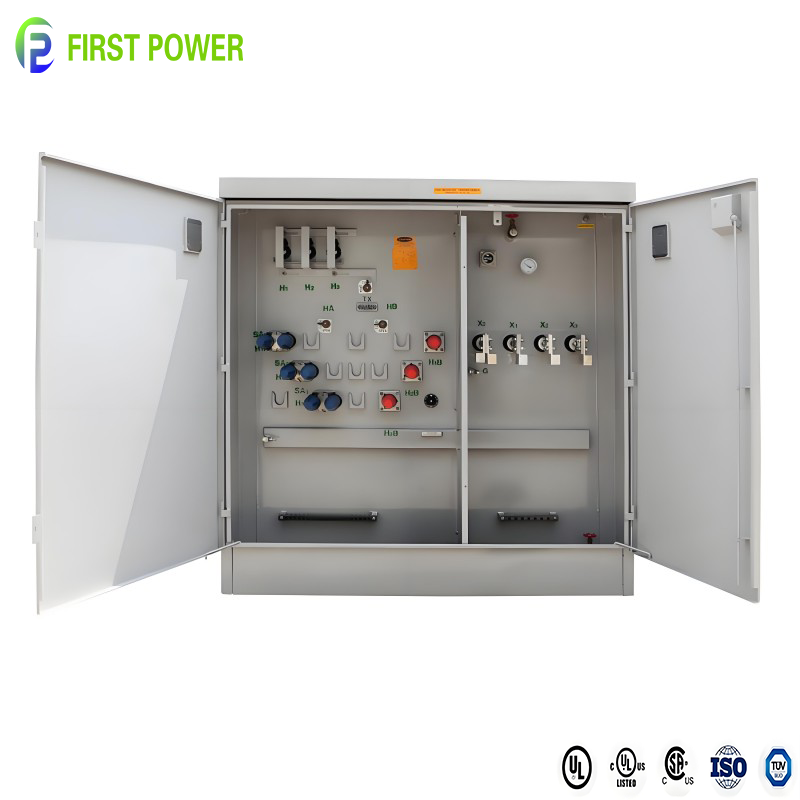
C CE MV&HV 50/60HZ 300KVA 500KVA 630KVA 700KVA 10KV 15KV 20KV 35KV 3 Phase Loop Feed Pad Mounted Transformer for Industrial
Loop feed switching lets two independent feeders serve one unit and isolates a faulted section for maintenance without a full outage.
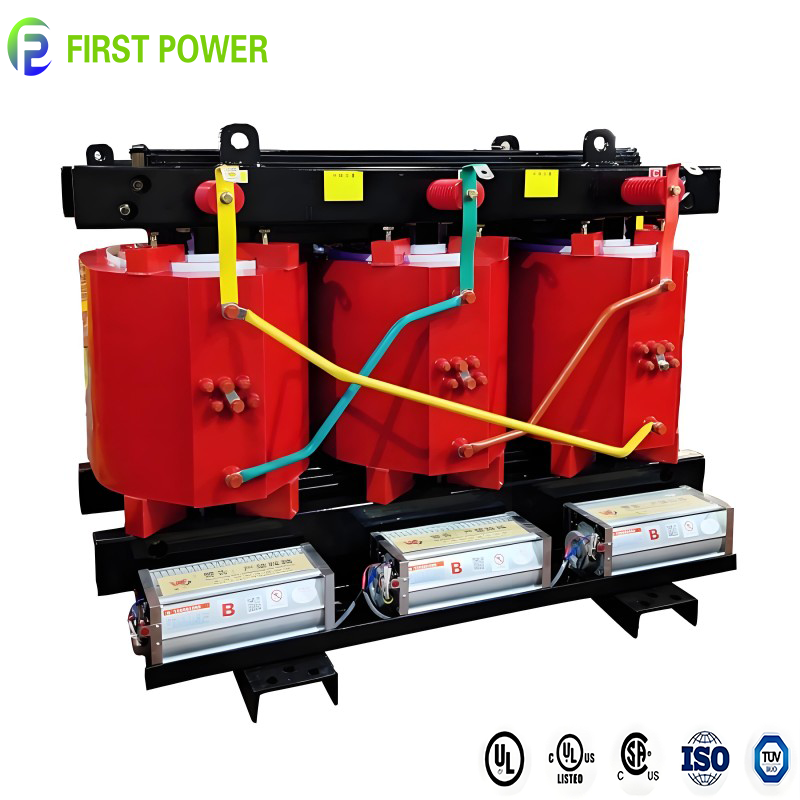
C CE Certification IEEE Standard 50/60HZ 5MVA 6MVA 6KV 35KV 3 Phase Dry Type Transformer for Electric Power Distribution
Oil-free units for basements, hospitals, hotels and shopping centres where a flammable liquid inventory would breach fire regulations.
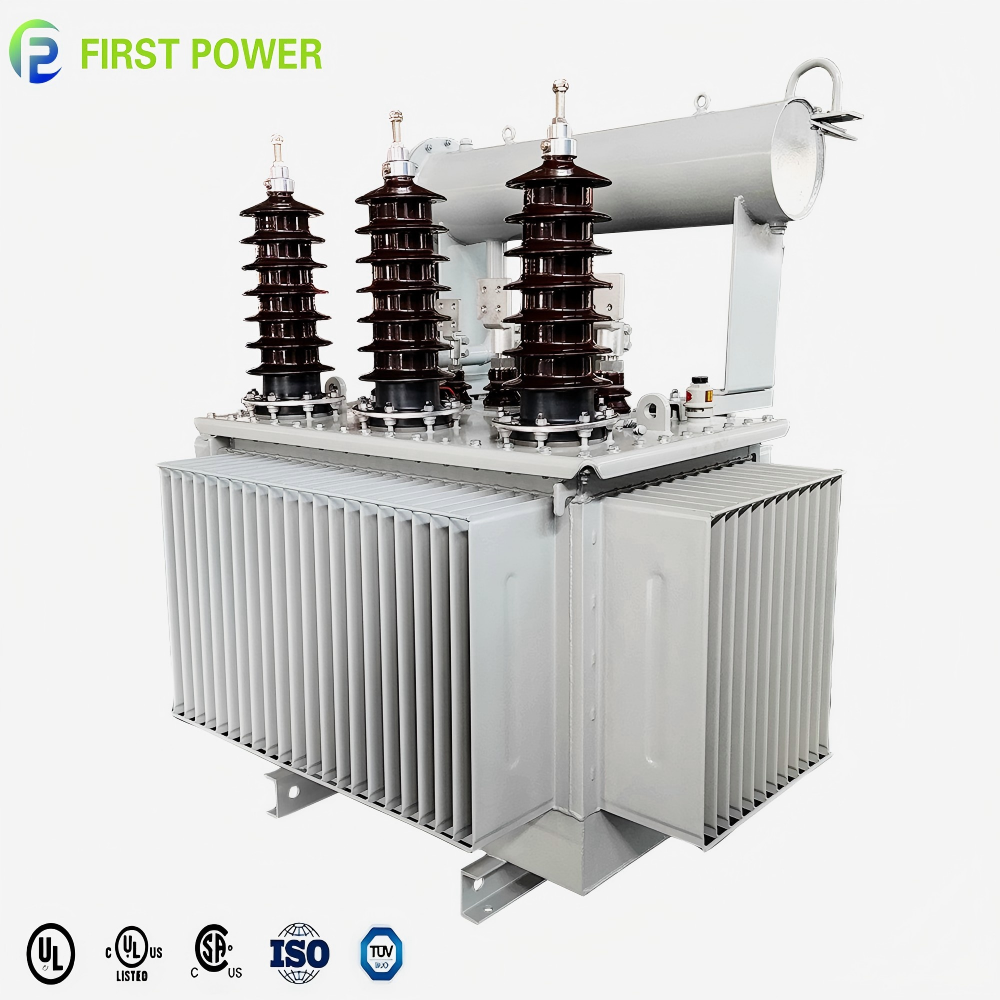
C CE Certification IEEE Standard 50/60HZ S11 Three Phase 33KV Oil Immersed Power High Voltage Transformer for Industrial
S11 oil immersed machines for captive 33 kV step-down stations at cement plants, steel mills and large manufacturing campuses.
Two Decades of Transformer Engineering, Verified by Third-Party Inspection
Before a Yangon importer places a first order, they usually want proof that the factory exists. These figures come from an on-site verification carried out by TÜV Rheinland and from the company's own quality records.
Why Yangon Needs Locally Adapted Transformer Specifications
An off-the-shelf 60 Hz unit ordered for a European or North American project will not simply plug into a Myanmar feeder. Three factors decide whether a transformer survives its first decade in Yangon.
Frequency, Voltage and Load Profile Come First
Myanmar operates a 50 Hz supply with medium voltage distribution dominated by 11 kV and 6.6 kV feeders stepping down to 400/230 V at the customer end. A transformer wound for 60 Hz and then energised at 50 Hz experiences higher flux density in the core, which raises no-load loss and operating temperature. Specification must therefore start from frequency, not from price.
Yangon feeders also carry a load mix that differs from a typical European suburban circuit: air conditioning runs almost year-round, small industrial loads are often single phase, and voltage at the end of long low voltage runs can sag noticeably. Tap ranges and impedance need to be selected with that behaviour in mind, not copied from a template.
- 50 Hz design verified on the routine test certificate, not assumed from the nameplate.
- Primary voltages quoted against the actual incoming feeder, whether 11 kV, 6.6 kV or 33 kV.
- Vector group and tap range matched to the utility's operating practice.

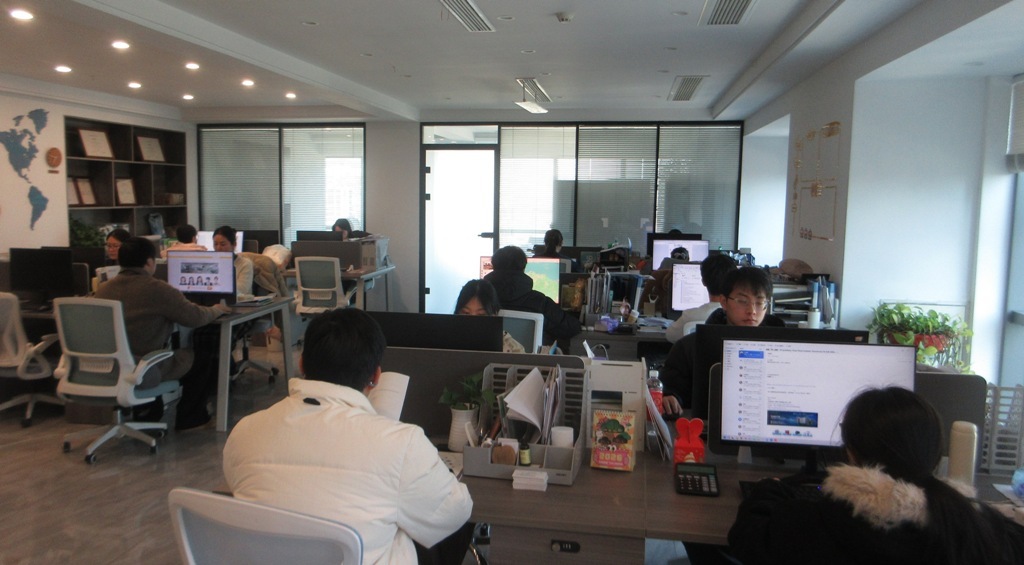
Humidity, Heat and Salt Air Shorten Equipment Life Quietly
Relative humidity in Yangon sits above 80% for much of the monsoon, ambient temperatures climb into the high thirties, and coastal or industrial districts add salt and sulphur compounds to the air. These conditions attack the parts of a transformer that are easiest to under-specify: gaskets, tank paint, bushing creepage distance and the insulating fluid itself.
Where a European specification might treat corrosion protection as an afterthought, a Yangon specification should treat it as a primary requirement. Units supplied by Wisegj for tropical service typically carry a multi-coat paint system, sealed tank construction, hygroscopic breathers or hermetic sealing, and creepage distances sized for polluted atmospheres.
Finally, documentation matters as much as hardware. Customs clearance at Yangon Port, utility acceptance and EPC handover all depend on test reports, certificates and drawings arriving in the same shipment as the equipment.
Six Real Installation Scenarios Across Yangon
The same transformer platform behaves very differently on a suburban estate and inside an industrial park. These are the six contexts our engineers most often design for when Myanmar customers send an enquiry.
Overhead Feeders and Pole Mounted Positions
Much of the city fringe is still served by overhead conductors. Pole mounted and small pad mounted single phase units are used to replace overloaded equipment on these spurs, with mounting brackets and enclosure heights coordinated to the pole arrangement on site.
New Housing Estates and Apartment Blocks
Subdivisions in Hlaing Tharyar, Shwe Pyi Thar and North Dagon rely on 25–75 kVA single phase and small three phase units. Low-profile enclosures, tamper-resistant locks and short low voltage runs keep the installation acceptable on narrow residential plots.
Industrial Zones and Thilawa Economic Zone
Garment factories, food plants and warehouse complexes require 300–2,500 kVA three phase or loop feed units. Loop feed configurations are preferred where the plant cannot tolerate a full shutdown while a feeder section is isolated.
Hospitals, Hotels and Commercial Towers
Where a mineral oil spill in a basement plant room would be a fire risk, cast resin dry type transformers are specified instead. They remove the liquid inventory entirely and are typically installed close to the load, cutting low voltage cable cost.
Monsoon, Humidity and Salt Exposure
Sealed tanks, enhanced paint systems and appropriate creepage distance are selected for units installed near the river, in coastal districts or in chemically aggressive industrial atmospheres where uncoated steel rusts visibly within a season.
Solar Plants and Standby Power
Rooftop and ground mounted solar schemes need step-up or interconnection transformers that arrive pre-assembled. Compact substations combining medium voltage switchgear, transformer and low voltage distribution shorten commissioning on fast-track renewable projects.
Six Trends Shaping Transformer Procurement in Yangon
Buying behaviour in Myanmar has changed noticeably over recent years. These shifts explain why more projects now request customised rather than catalogue equipment.
Replacement of High-Loss Legacy Units
Older machines still in service on distribution networks waste energy continuously. Projects now specify S11 or ZGS11 class low-loss designs with declared no-load and load loss values written into the purchase contract, making efficiency auditable rather than assumed.
Wider Voltage Combinations on One Order
A single enquiry increasingly mixes 11 kV, 6.6 kV and 33 kV primaries because different parts of a project connect at different voltage levels. Manufacturers that can build several ratios on one production run shorten lead times and reduce freight consolidation work.
Renewable Generation Interconnection
Solar and small-scale generation projects require transformers that can handle reverse power flow and frequent load swings. Specification discussions now cover impedance, harmonic loading and cooling class far more often than they did five years ago.
Documentation-Driven Buying
Procurement teams ask for the routine test report format before they place the order. Buyers comparing two quotations increasingly rank suppliers on whether guaranteed losses, vector group and impedance are stated in writing, and whether third-party witness testing is allowed.
Growth of Local EPC and Integrator Channels
Local engineering contractors now assemble complete packages rather than individual machines. They need OEM and ODM support: custom enclosure colours, bilingual nameplates, GA drawings in English and pre-agreed accessory lists so the unit drops straight into their substation design.
Total Cost of Ownership Over Unit Price
For equipment expected to run for twenty-five years, energy loss and serviceability usually outweigh a small difference in first cost. Buyers now request loss capitalisation figures, spare part lists and confirmation that a qualified engineer will respond within one working day.
Matching the Transformer Type to the Yangon Site
Use this comparison to narrow the shortlist before contacting an engineer. Ratings shown are typical production ranges; values outside them can be engineered on request.
| Transformer Type | Typical Rating | Yangon Grid Fit | Typical Installation | Reference Standard |
|---|---|---|---|---|
| Three Phase Pad Mounted | 45 – 5,000 kVA | 11 kV / 6.6 kV primary, 400/230 V secondary | Kerbside enclosures at commercial and industrial sites | IEEE C57.12.34 |
| Single Phase Pad Mounted | 10 – 250 kVA | 11 kV or 6.6 kV primary on residential spurs | Housing estate easements and pavement cabinets | IEEE C57.12.38 |
| Loop Feed Three Phase | 300 – 700 kVA | 10 – 35 kV ring circuits | Industrial parks where continuous supply is mandatory | IEC 60076 / IEEE C57 |
| Oil Immersed Distribution | 30 – 2,500 kVA | 6 – 35 kV, S11 or ZGS11 low-loss cores | Outdoor plinths, pole platforms and kiosk substations | IEC 60076-1/-2/-3 |
| Dry Type (Cast Resin) | 30 – 6,000 kVA | Up to 35 kV, indoor distribution level | Basements, hospitals, hotels, tunnels and shops | IEC 60076-11 / IEEE C57.12.01 |
| Compact Substation | 100 – 2,500 kVA | 10 – 35 kV with integrated low voltage board | Solar farms, temporary supply and fast-track projects | IEC 62271-202 |
Why Yangon Buyers Shortlist Jiangsu Wisegj Power
Jiangsu Wisegj Power Co., Ltd. designs, assembles and exports medium and high voltage equipment from 220 V up to 500 kV, including pad mounted, oil immersed, dry type and power transformers, compact substations and switchgear. The following capabilities are the ones Myanmar importers verify most often.
Verified Factory Capacity
6,847 m² of inspected floorspace with dedicated winding, core assembly, drying, tanking and testing areas, confirmed on site by TÜV Rheinland.
50+ Engineers and Design Customisation
OEM, ODM, design-based and sample-based customisation covering rating, vector group, impedance, taps, bushings, cooling, fluid type, enclosure colour and nameplate language.
Routine Testing on Every Unit
Winding resistance, ratio and vector group, impedance and load loss, no-load loss and current, applied and induced voltage withstand, plus oil dielectric strength for liquid-filled units.
Certified Management Systems
ISO 9001, ISO 14001 and ISO 45001 management systems plus CE certification across the transformer and substation lines, with certificate numbers available for verification.
Tropical-Service Engineering
Enhanced paint systems, sealed tanks, appropriate creepage distances and cooling margins selected for high ambient temperature, humidity and polluted coastal atmospheres.
Export Logistics from EXW to DDP
Seaworthy packing, impact recorders and full Incoterms coverage. Payment by T/T, L/C, D/P or D/A in USD, EUR, GBP, CAD, AUD and other major currencies.
24-Hour Engineering Response
Technical questions, drawing revisions and after-sales issues receive a qualified reply from an engineer within one working day, not an automated acknowledgement.
Complete Delivery Documentation
GA drawings, nameplate drafts, routine test reports and English O&M manuals supplied with the shipment so customs clearance and utility acceptance are not delayed.
Certificates Buyers Can Verify Directly
Certificate numbers are disclosed so a compliance team can confirm them with the issuing body rather than relying on a scanned image alone.
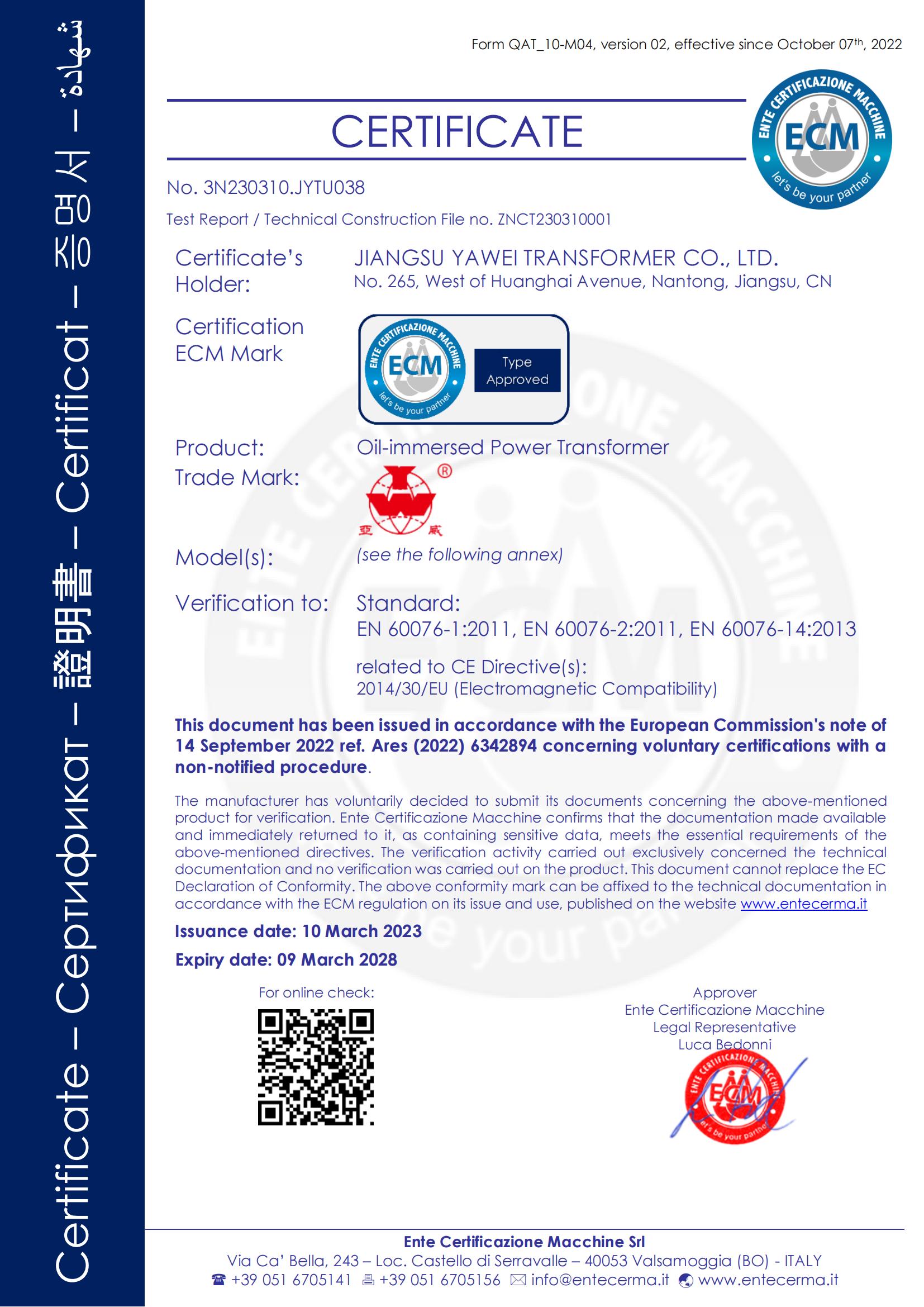
CE · Power Transformer
Oil-immersed power transformer · No. 3N230310.JYTU038
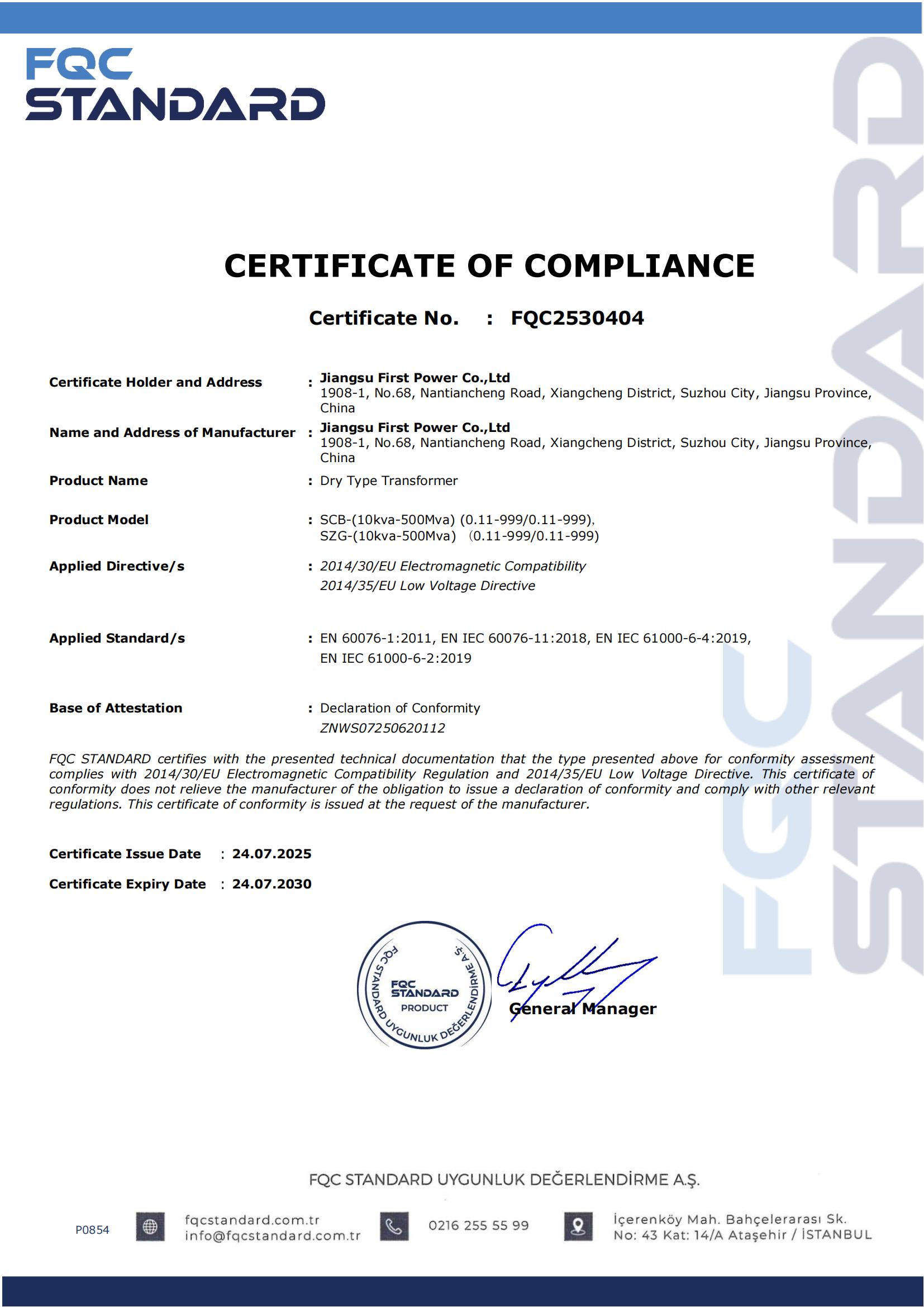
CE · Dry Type Transformer
Dry type transformer · No. FQC2530404
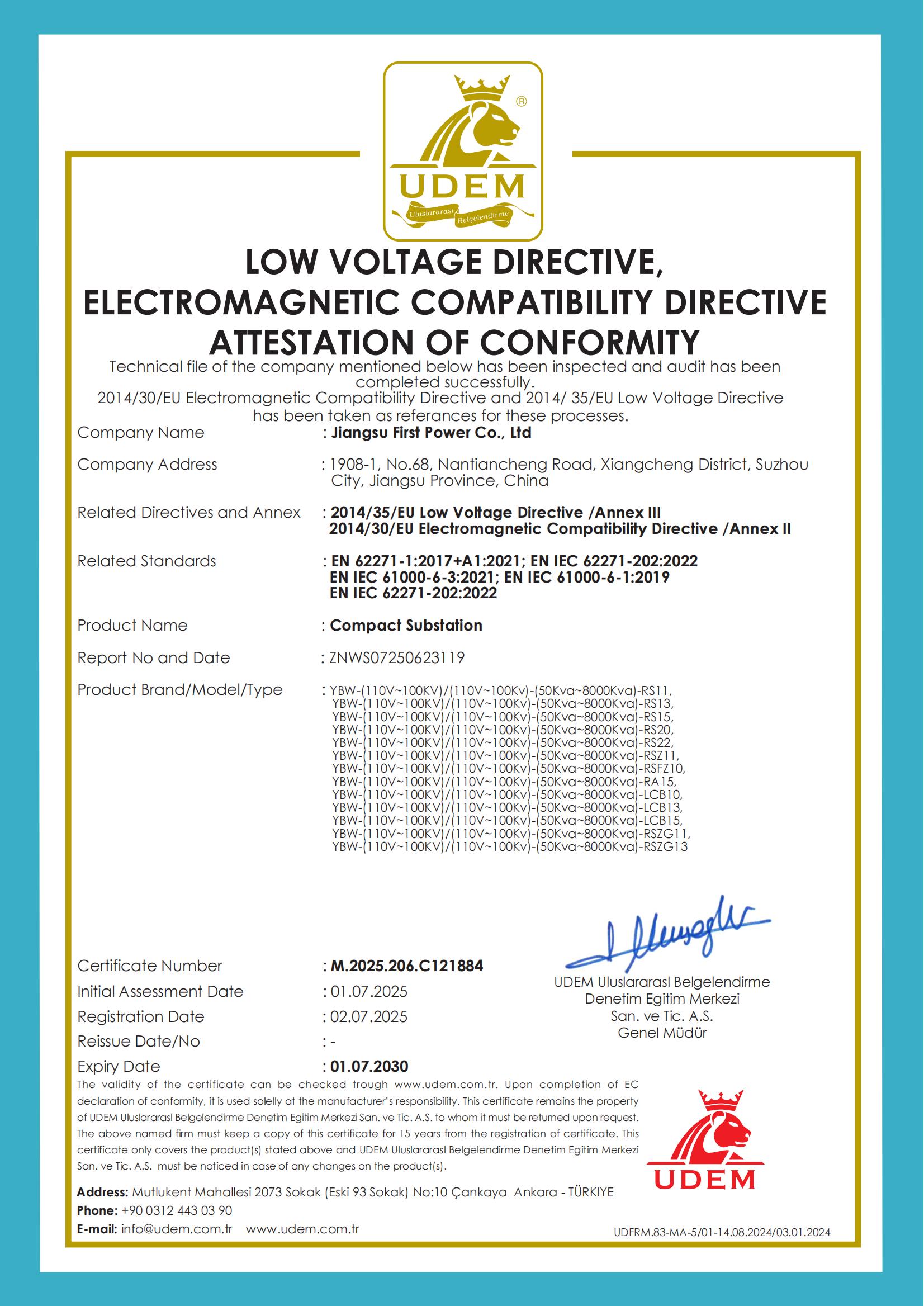
CE · Compact Substation
Compact substation · No. M.2025.206.C121884
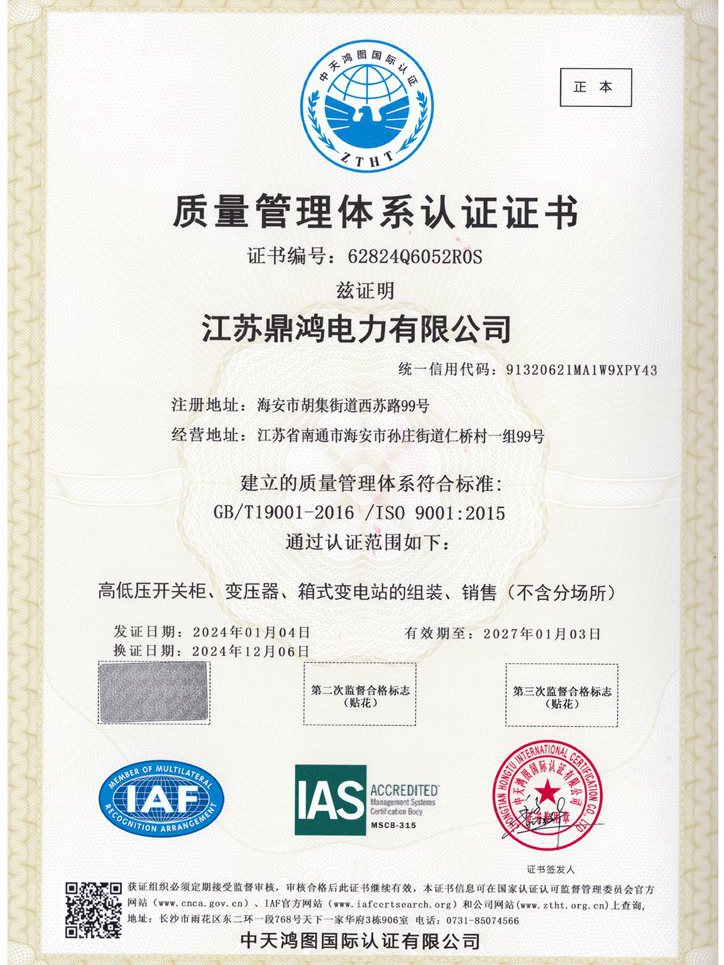
ISO 9001 Quality System
Quality management · No. 62824Q6052R0S
Questions Yangon Procurement Teams Ask Before Ordering
Direct answers from the engineering and export departments, based on enquiries received from Myanmar importers, EPC contractors and utility subcontractors.
Can you supply 50 Hz transformers for 11 kV / 0.4 kV Myanmar feeders?
Yes. Every platform in the catalogue can be produced at 50 Hz with the primary and secondary voltages used on Myanmar networks, including 11 kV, 6.6 kV and 33 kV primaries stepping down to 400/230 V. The frequency and voltage ratio are confirmed on the guaranteed technical particulars and re-verified during routine testing before dispatch.
How long does delivery to Yangon usually take?
Standard configurations typically require several weeks of production after drawing approval, followed by ocean freight from a Chinese port to Yangon. Fast-track projects should raise the required on-site date at enquiry stage so production slots and shipping bookings can be reserved together rather than sequentially.
Can you arrange delivery terms all the way to Yangon?
We work with the full range of Incoterms, from EXW through FOB and CIF to DDP. If your team handles customs clearance locally, CIF or CFR to Yangon Port is efficient. If you prefer the supplier to manage the entire journey, DDP can be quoted once the delivery address and site access conditions are confirmed.
What corrosion protection is used for the monsoon season?
Tropical-service units normally receive a multi-coat paint system over a prepared steel surface, sealed tank construction, corrosion-resistant fasteners and gaskets rated for high humidity. For installations near the river or in coastal and industrial atmospheres, a heavier paint specification and increased creepage distance can be quoted as an option.
Which test reports are supplied with each transformer?
Every unit receives routine tests covering winding resistance, voltage ratio and vector group, impedance and load loss, no-load loss and current, applied voltage withstand and induced voltage withstand, plus oil dielectric strength for liquid-filled machines. Test reports are issued per serial number, and third-party witness inspection at the factory is welcome.
Can nameplates and manuals be supplied in English?
Yes. English nameplates, GA drawings, test reports and operation and maintenance manuals are supplied as standard. Bilingual nameplates, specific utility nameplate formats and additional language versions can be produced if the requirement is stated before production begins.
What payment terms and currencies are accepted?
T/T, L/C, D/P and D/A are all accepted, and other arrangements can be agreed per contract. Invoicing is available in USD, EUR, GBP, CAD, AUD and other major currencies, and the currency is fixed at the point the contract is signed so that exchange movement does not affect the agreed price.
Can you customise ratings, loop feed configuration and enclosure finish?
Yes. Customisation covers rating, vector group, impedance, tap range, bushing configuration, cooling method, insulating fluid, loop or radial feed arrangement, enclosure colour and accessory lists. Sending an existing single line diagram or tender specification is usually the fastest route to a compliant design.
Send Your Yangon Specification for Engineering Review
Include the parameters below and an engineer, not a scripted sales reply, will review the requirement and return a compliant design with guaranteed losses. Typical response time is one working day.